
2027 Most Valuable Online Master's in Education Degree Programs Ranking in Charlotte, NC

Co-Founder and Chief Data Scientist
Choosing the right master's degree can shape your future, especially in education. For students in Charlotte, NC, making the best decision means knowing which programs offer real value.
This article features the 2027 Most Valuable Online Master's in Education Degree Programs Ranking in Charlotte, NC, created by the Research.com team of data scientists. It's designed to help you understand which programs stand out based on solid data.
Explore your options confidently and discover a path that supports your goals and passion for education.
Key benefits of getting online education degree in Charlotte
- Education degree graduates in Charlotte can expect competitive salaries, such as Education Managers earning around $129,330 annually and Education Program Managers about $104,920, providing strong financial prospects.
- Graduates from local schools like the University of North Carolina at Charlotte often pursue careers as Curriculum Specialists or Education Consultants, opening diverse opportunities in school administration and program development.
- Online degrees offer flexibility and convenience, enabling students to balance work and study effectively, as seen in graduates from online programs at Charlotte's institutions who appreciate the ability to learn at their own pace while advancing their careers.
- 2027 Most Valuable Online Master's in Education Degree Programs Ranking in Charlotte, NC
- What can I expect from online education degree in Charlotte?
- Where can I work with online education degree in Charlotte?
What can I expect from online education degree in Charlotte?
Online education degree programs in Charlotte typically cost between $7,000 and $15,000 per year, aligning closely with in-state public university tuition rates. This affordability makes pursuing a degree from institutions like the University of North Carolina at Charlotte or Queens University accessible for many working professionals balancing family and job commitments.
Graduates often share how the reasonable tuition allowed them to manage expenses without sacrificing quality. One graduate recalled choosing an online program because the cost fit within their budget while still offering strong faculty support and up-to-date technology resources. This balance made completing coursework feasible alongside a full-time teaching job.
Moreover, many programs offer financial aid, scholarships, or flexible payment plans to ease the financial burden. Considering these options early can provide peace of mind, letting students focus on gaining practical skills in curriculum design, instructional technology, and leadership relevant to Charlotte's education landscape.
Making cost-effective choices without compromising on quality equips graduates to advance their careers confidently in local school districts eager to hire educators with specialized training.
Where can I work with online education degree in Charlotte?
Graduates with an online education degree in Charlotte often find rewarding roles within the Charlotte-Mecklenburg Schools system, the second largest district in North Carolina. Many alumni working there share how their degree prepared them for positions as classroom teachers, special education specialists, or instructional coordinators, directly impacting student success across the community.
Others build their careers in private and charter schools throughout Charlotte, where advanced degrees increase eligibility for leadership roles or curriculum development. For example, graduates from the University of North Carolina at Charlotte often highlight how their coursework enabled them to advance into school administration or specialized teaching positions.
Higher education institutions like Central Piedmont Community College offer additional options in student services and academic advising. Many online education graduates find fulfillment designing adult learning programs or providing academic support, capitalizing on the growing demand for instructional design in colleges.
Moreover, healthcare organizations such as Novant Health and corporate employers like Bank of America actively recruit education graduates to create training programs and employee development workshops, opening alternative career paths beyond traditional schools.
Combining your online degree with North Carolina teaching licenses or leadership credentials can enhance job prospects and help you thrive in Charlotte's expanding education-related workforce.
Graduates with an online education degree in Charlotte can expect promising salary prospects that reflect the city's growing education sector. For instance, education managers earn a substantial mean annual wage of $129,330, demonstrating strong potential for leadership roles after completing accredited online programs offered by local institutions. Those stepping into program management can anticipate earnings around $104,920, a figure supported by Charlotte's investment in educational development.
Curriculum specialists, vital to shaping learning experiences, earn about $77,200 annually. This aligns well with many graduates' aspirations who study at prominent Charlotte colleges, appreciating how these roles impact local schools directly. Education consultants in the area make roughly $95,600 per year, offering rewarding pathways to influence educational policies while working flexibly.
Graduates often highlight the benefits of studying online while maintaining current employment, enabling immediate gains in income with roles such as curriculum development or program management. This practical approach, combined with Charlotte's rising education careers, leads to both financial growth and professional fulfillment.
- Tuition for online education programs in Charlotte typically ranges from $10,000 to $20,000 per year depending on the institution and degree level.
- Public universities generally offer more affordable tuition rates compared to private institutions.
- Starting salaries for education graduates with a bachelor's degree average around $50,000 annually, with master's degree holders earning between $65,000 and $75,000.
- Experienced educators and administrators in Charlotte can earn salaries above $80,000.
- Online education degrees in Charlotte are designed to meet North Carolina state certification requirements, enabling graduates to obtain teaching licensure.
- Multiple accredited universities in Charlotte offer fully online education degrees, supporting working professionals with career services and networking aligned to the local job market.
Online education degrees in Charlotte typically take between 18 months and 3 years to complete. For example, graduates from the University of North Carolina at Charlotte often finish their Master of Arts in Teaching in about 2 years when studying full-time, taking advantage of the school's structured yet flexible program.
Full-time students tend to complete faster due to heavier course loads, balancing intense study schedules with motivation and discipline. Part-time learners, juggling jobs or family, may extend their timelines up to 3 years or more, allowing them to maintain life balance without rush.
Many find transfer credits from previous coursework especially helpful in shortening their path, while others benefit from accelerated courses designed for quicker completion. Factoring in application time, practicum hours, and state licensure requirements is crucial, as these can add months but also enrich practical skills for teaching careers.
Graduates often appreciate knowing these realistic timeframes upfront, helping them plan efficiently and stay encouraged throughout their journey.
Online and on-campus education degrees in Charlotte offer distinct experiences suited to different lifestyles. Graduates from the University of North Carolina at Charlotte often describe on-campus programs as vibrant, with lively classroom discussions and face-to-face networking that strengthen connections with professors and peers. These in-person interactions create a supportive environment, especially during hands-on practicums.
In contrast, students pursuing online degrees enjoy the flexibility to study anytime, which is ideal for those balancing work or family. Many online learners appreciate accessing lectures and assignments on their own schedule without the hassle of commuting in Charlotte's metropolitan area. This convenience reduces costs linked to housing and transportation.
Both formats meet rigorous accreditation standards, so the value of the degree remains equal. If you thrive in structured settings and personal interaction, on-campus might energize your learning. If flexibility and managing multiple commitments are your priorities, Charlotte's online programs provide a practical solution that fits your pace and lifestyle.
Ensuring your online Master’s in Education is both regionally accredited and approved for North Carolina teacher licensure is essential for a smooth transition from student to certified educator. Accredited programs undergo rigorous evaluation by agencies like the Council for the Accreditation of Educator Preparation (CAEP) or the Southern Association of Colleges and Schools Commission on Colleges (SACSCOC), guaranteeing that coursework meets high standards and is recognized by school districts statewide. In Charlotte, NC, look for programs explicitly designed as licensure or add-on licensure tracks, which integrate North Carolina Department of Public Instruction (NCDPI) requirements into the curriculum. These programs typically include coursework in education law, classroom management aligned with state standards, and supervised clinical experiences in local schools. Graduates become eligible to sit for the Praxis Core and Praxis II licensure exams, a mandatory step toward obtaining Initial or Continuing Licensure in subjects such as Elementary Education, Special Education, or Reading and Literacy. Many online programs also offer targeted support for licensure preparation-live Praxis workshops, state-specific test banks, and dedicated licensure advisors who guide you through application deadlines, fingerprinting, and background checks required by NCDPI. By choosing a program with built-in licensure support, you not only fulfill academic requirements but also streamline your path to the classroom, avoiding delays that can occur when additional certification paperwork or coursework is needed. While Charlotte’s accredited, licensure-conforming offerings deliver excellent preparation, prospective students balancing budget constraints may also explore more cost-effective alternatives in other regions. For a broader perspective on affordability, check out our Inexpensive Online Education Degree Programs Ranking in the West, which highlights programs known for low tuition without sacrificing accreditation or licensure support.
The average cost of an online education degree in Charlotte varies significantly depending on residency and institution type. For many students, especially those attending public universities like UNC Charlotte, the tuition typically falls closer to $12,000 to $30,000 for the entire program. This range reflects in-state and out-of-state tuition differences, with out-of-state students often paying roughly three times the in-state rate. Graduates from these programs often share that careful financial planning made pursuing their degrees manageable despite these variances.
Private institutions in Charlotte, meanwhile, tend to have higher tuition costs, frequently exceeding $30,000 for the full course of study. Yet many students appreciate the smaller class sizes and personalized support that can come with these private education programs, which can justify the expense. Additionally, extra costs such as technology fees, textbooks, and occasional on-campus commitments can add up, but are usually less burdensome than traditional on-campus alternatives.
For prospective students calculating the average online education degree cost Charlotte NC, leveraging financial aid, scholarships, or employer tuition reimbursement can significantly ease the investment. Several graduates highlight how these resources transformed their journey, enabling them to fulfill their career goals without overwhelming debt. Students are also encouraged to explore options for returning to school for teaching, which may open additional financial support avenues and flexible scheduling suited to working professionals.
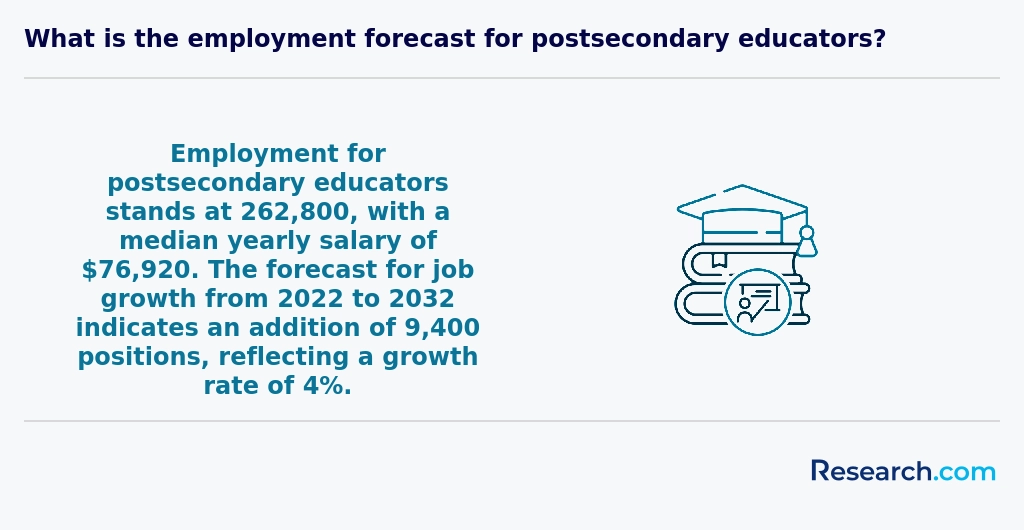
When exploring options for online education degree programs, it's essential to consider what makes a program truly valuable. Beyond academic excellence, factors such as flexibility, affordability, and career prospects play a significant role in determining the value of an online education degree. For instance, students seeking to enhance their teaching careers or transition into administrative roles can benefit from programs that offer specializations like curriculum development or educational leadership. In North Carolina, particularly in cities like Charlotte, there are numerous institutions offering high-quality online education programs. To find the most valuable education program in North Carolina, prospective students should research thoroughly, considering aspects like accreditation, faculty expertise, and alumni success stories. By choosing a program that aligns with their career goals and personal circumstances, students can maximize the value of their online education degree, leading to fulfilling careers in education and beyond.
Online education degree students in Charlotte benefit from multiple financial aid options tailored to their needs. Many graduates from the University of North Carolina at Charlotte found Pell Grants and Federal Direct Loans crucial in making tuition manageable, with Pell Grants offering non-repayable aid based on financial need. North Carolina's state programs through the NC State Education Assistance Authority further ease costs for residents attending in-state schools, providing targeted support that online learners can access.
Scholarships specifically for education majors at Charlotte institutions often reward academic merit and professional backgrounds, easing the path for many pursuing advanced degrees. Practical examples include graduates leveraging these scholarships to reduce debt while focusing on their coursework.
Employer tuition assistance is another powerful resource, with numerous educators working in Charlotte securing partial or full reimbursement, enabling them to balance work and study without financial stress. Specialized aids like the federal TEACH Grant also stand out, providing incentives for those committed to teaching in high-need Charlotte districts.
When choosing an online Master’s in Education in Charlotte, NC, verifying program accreditation is essential to ensure academic rigor, transferability of credits, and eligibility for licensure and financial aid. Regional accreditation-such as by the Southern Association of Colleges and Schools Commission on Colleges (SACSCOC)-confirms that an institution meets strict quality standards, while specialized accreditation from bodies like the Council for the Accreditation of Educator Preparation (CAEP) or the National Council for Accreditation of Teacher Education (NCATE) evaluates program-specific outcomes. Graduates from CAEP-accredited programs often report smoother state certification processes and stronger employer recognition. In addition to institutional accreditation, prospective students should look for programmatic reviews that assess curriculum effectiveness, faculty qualifications, and practicum supervision. Detailed reports from accrediting agencies outline key performance metrics-such as graduation rates, job placement statistics, and candidate competency measures-which can guide your decision. Most universities publish these findings on their websites; if not, contact the education department directly to request the latest accreditation reports and annual performance data. Understanding accreditation can also help you compare tuition and outcomes across regions. For instance, if affordability is a priority, you may consult our Inexpensive Online Education Degree Programs Ranking in the West to see how program quality aligns with cost savings. By prioritizing fully accredited programs, you safeguard your investment, maximize credit transfer opportunities, and position yourself for licensure reciprocity should you move or teach in another state.
To enroll in an online education degree in Charlotte, you'll first need a completed bachelor's degree from an accredited institution-a must for most master's programs. Graduates from UNC Charlotte or Queens University of Charlotte often share how securing official transcripts early helped streamline their applications. Maintaining a solid GPA around 3.0 is usually required, but some schools show flexibility if you provide a strong letter of intent explaining your passion and professional goals.
Many students appreciate the test-optional policies local universities offer, reducing stress about GRE scores unless your GPA is below the program benchmark. You'll also typically need letters of recommendation from professors or workplace supervisors who can vouch for your readiness and dedication.
If you're pursuing licensure or advanced teaching roles, expect to provide a valid North Carolina teaching certificate and proof of classroom experience. Reliable internet and certain software are essential to fully engage in classes, so preparing these tech basics helps smooth your path.

Accreditation is the cornerstone of program quality and credibility when evaluating online Master’s in Education degrees in Charlotte, NC. Prospective students should verify both institutional and programmatic accreditation to ensure credits transfer smoothly, qualify for federal financial aid, and meet licensure requirements. • Regional Accreditation (SACSCOC): Ensure your chosen university is accredited by the Southern Association of Colleges and Schools Commission on Colleges, which validates overall institutional standards. • Programmatic Accreditation (CAEP/NCATE): Look for the Council for the Accreditation of Educator Preparation (CAEP) or National Council for Accreditation of Teacher Education (NCATE), which specifically certify education programs for rigorous curriculum and field experience requirements. • State Board Approval: Confirm that programs are approved by the North Carolina Department of Public Instruction, a vital step for candidates seeking K–12 licensure in Charlotte and surrounding districts. • Continuous Improvement: Accredited programs undergo periodic review cycles, assuring that curriculum updates, faculty credentials, and student outcomes meet evolving educational standards. Comparing accreditation across regions can highlight cost-quality trade-offs: many students also explore our Inexpensive Online Education Degree Programs Ranking in the West to benchmark affordability alongside accreditation status. Always review accreditation details on university websites and the U.S. Department of Education database before applying.
Online education degree programs in Charlotte, such as those offered by UNC Charlotte, include courses designed to equip you with practical skills for real classroom challenges. Graduates often share how courses like Curriculum Design and Development helped them create engaging lesson plans tailored to diverse student needs.
Core classes cover educational theories and instructional technology, preparing you to integrate digital tools seamlessly into lessons-something many Charlotte educators find invaluable in today's classrooms. For example, the course "Foundations of Educational Technology" provides hands-on experience with software that enhances learning.
Additional coursework in Classroom Management Techniques and Assessment and Evaluation Methods supports building positive environments and tracking student progress effectively, which is crucial in Charlotte's diverse schools. Local graduates often highlight how training in diversity and multicultural education helped them connect authentically with students from various backgrounds.
Leadership-focused classes like Educational Leadership and Administration prepare you for career growth beyond the classroom, addressing real administrative challenges faced in North Carolina's education system.

Online education degree specializations Charlotte NC offer practical pathways tailored to current educational demands. Graduates from popular universities such as the University of North Carolina at Charlotte often choose concentrations like Educational Leadership and Administration to prepare for impactful roles like school principals or district administrators, enhancing their leadership skills with courses on finance and policy.
Another sought-after path is Special Education, ideal for those passionate about supporting students with disabilities. Charlotte-Mecklenburg Schools exemplify the local need for specialists trained through online special education curriculum programs, creating rewarding career opportunities.
Charlotte NC master's in education concentration options also include Curriculum and Instruction, which equips educators with innovative teaching methods applicable in diverse classrooms. Early Childhood Education is perfect for those working with young children, combining developmental theory with family engagement strategies. Some graduates find Educational Technology exciting, as it integrates digital tools crucial for modern classrooms.
Choosing a specialization aligned with state licensure requirements and local school needs ensures a smooth career launch in Charlotte's evolving education sector.
When selecting the best online education degree in Charlotte, start by confirming program accreditation, especially from agencies like SACSCOC and CAEP, since graduates from Charlotte colleges often emphasize the value this adds to their resumes. Affordability is crucial; many students appreciate that affordable online master's in education Charlotte programs offer competitive tuition combined with scholarships and financial aid, making education accessible without overwhelming debt.
Flexibility matters too. Online courses that let you study asynchronously fit well with busy schedules, as many Charlotte learners share positive stories about balancing work, family, and coursework seamlessly. Additionally, programs with strong support services-such as tutoring and career counseling-help students stay motivated and succeed.
Practical experience can set a degree apart. Look for programs that include internships or practicums with local schools, reflecting what many recent graduates say boosted their confidence and job readiness. To explore teaching pathways in other states, consider resources like nevada teacher preparation programs for broader insights. Overall, aligning your goals with program strengths leads to a rewarding education journey in Charlotte.

Graduates who earn an online education degree in Charlotte can pursue a variety of rewarding career paths tailored to the local educational market. Licensed teaching positions in K-12 schools are especially accessible, with demand concentrated in STEM, special education, and bilingual programs within the Charlotte-Mecklenburg school district. Many graduates from UNC Charlotte and other regional institutions find fulfillment working as public school teachers or specialists, where they make a measurable impact on student success.
For those aiming to expand beyond classroom roles, opportunities as school administrators, curriculum developers, or instructional coordinators are available. Employers in Charlotte prioritize candidates with advanced online education degrees and skills in technology integration, preparing professionals to lead innovative educational initiatives.
Higher education careers also thrive locally, including faculty and academic advising positions at community colleges and universities. Online master's programs at Charlotte institutions provide graduates the flexibility to balance studies with practical work experience, a common path for those navigating teaching and education jobs Charlotte North Carolina.
Specialized alternatives like corporate training and professional development offer additional routes. Designing and delivering workforce training aligns with Charlotte's growing businesses, making use of education expertise in new and impactful ways. For examples of advanced training options, consider exploring the top online edd in curriculum and instruction available to Charlotte students.
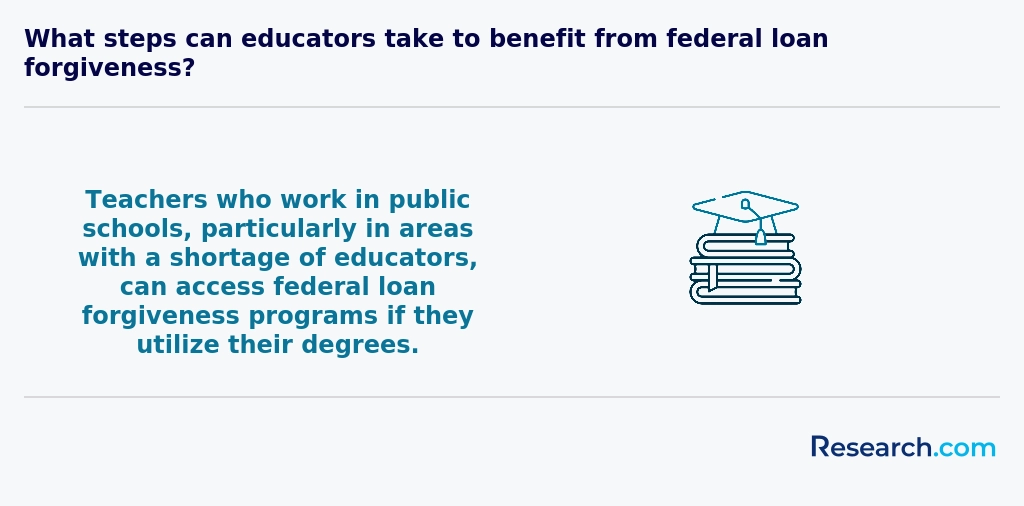
The job market for online education degree graduates in Charlotte is strong and growing, especially for those trained at local institutions such as the University of North Carolina at Charlotte or Queens University. Many graduates find roles in Charlotte-Mecklenburg Schools, where over 17,000 education professionals are employed. This local demand directly supports individuals entering teaching, counseling, or educational administration careers. Graduates often share how flexible online programs helped them balance work and study, boosting their confidence to secure jobs quickly in this competitive market.
The Charlotte NC teaching job market online degree holders benefit from the city's push toward integrating technology in classrooms. Schools actively seek educators skilled in digital and remote instruction, making those with online education experience highly valued. Furthermore, state licensure processes generally recognize credits from regionally accredited online programs, easing entry into local schools without hurdles.
For students evaluating programs, exploring the most valuable education program in North Carolina is a practical step. With salaries typically ranging from $50,000 to $60,000 in Charlotte-Mecklenburg schools, graduates report that advanced online degrees often lead to higher pay and expanded opportunities in special education and curriculum design.
Overall, pursuing an online education degree positions Charlotte students well to tap into a dynamic and supportive job market tailored to evolving educational needs.
2027 Most Valuable Online Master's in Education Degree Programs Ranking in Charlotte, NC
Investing in your education is a significant decision that can shape your future, and the Research.com team understands the importance of making well-informed choices. To support prospective students in Charlotte, NC, we have carefully developed the "2027 Most Valuable Online Master's in Education Degree Programs Ranking in Charlotte, NC." Our dedication to quality, credibility, and accuracy is demonstrated by the thorough research and analysis behind this ranking. We utilized the following reputable data sources to ensure a comprehensive evaluation of online education programs:
By exploring this ranking, readers will gain valuable insights into the most valuable online master's programs in education available in Charlotte, enabling them to make confident and informed decisions about their academic futures. For more details on how we compile our rankings, please visit our Research.com methodology page.

# 2 position
The University of North Carolina at Charlotte
Master of Special Education (K-12) General/Adapted Curriculum

Frequently Asked Questions About education
Students pursuing online education degrees in Charlotte can maximize their learning by establishing a consistent study schedule. This helps manage coursework alongside work and family commitments, which is critical since 58% of local online learners balance education with full-time jobs, according to the Charlotte Chamber of Commerce.
Engaging actively in virtual class discussions and seeking feedback from instructors enhances comprehension and retention. The University of North Carolina at Charlotte reports that active participation correlates strongly with higher course completion rates.
Utilizing local educational resources, such as the Charlotte Mecklenburg Library's digital collections and tutoring services, provides additional support outside the online classroom.
Networking with peers and joining education-focused groups in Charlotte can also broaden perspectives and foster collaboration, crucial for professional growth in education careers.
The education field is evolving rapidly, with several emerging niches gaining attention, especially within Charlotte's growing educational community. One key area is educational technology, which integrates digital tools to enhance learning experiences both in classrooms and online.
Another important niche is special education, focusing on personalized approaches to support students with diverse learning needs. This sector is expanding due to increased awareness and demand for inclusive education in Charlotte schools.
Additionally, STEM (Science, Technology, Engineering, and Mathematics) education is a growing priority, reflecting national trends and Charlotte's emphasis on workforce development in these fields. Graduate programs now often include specialization in these emerging areas to meet local needs.
After completing an online education degree in Charlotte, preparing for the job market involves strategic steps to enhance employability. Start by leveraging Charlotte's local education networks, such as the Charlotte-Mecklenburg Schools system, which employs over 15,000 educators. Networking with professionals through virtual job fairs and platforms like NCTeach can provide vital connections.
Updating your resume to highlight online learning skills-such as digital collaboration and self-motivation-is essential. Certifications in specialized areas like ESL or special education can improve job prospects.
Additionally, internships or substitute teaching roles within Charlotte offer practical experience and help build a professional reputation in the community.
Employers in Charlotte seeking education degree graduates prioritize a combination of practical teaching skills and soft skills. Strong communication abilities are essential for effective classroom management and collaboration with parents and colleagues. According to the Charlotte-Mecklenburg Schools Human Resources Office, adaptability and cultural competency are increasingly valued due to the city's growing diversity.
In addition, proficiency in educational technology is critical, especially as online and hybrid learning expand. Data from the North Carolina Department of Public Instruction highlights that graduates familiar with digital tools and personalized learning methods have a competitive edge.
Finally, problem-solving and leadership skills are important, as many schools encourage teachers to take on mentorship or curriculum development roles early in their careers.
Finding internships in Charlotte relevant to an education degree requires strategic use of local resources and networking. Start by exploring partnerships through your online program, as many institutions have connections with Charlotte-Mecklenburg Schools (CMS), the largest school district in the area, employing over 15,000 educators. CMS frequently offers internships and practicum opportunities for education students.
Additionally, use Charlotte-based job platforms like NCWorks or Handshake, which connect students with internships locally. Joining professional organizations such as the Charlotte Teachers Institute can also provide networking chances for placement.
Contacting local charter and private schools directly can uncover less-publicized internships. Lastly, consider virtual internships if in-person options are limited.
An online education degree can significantly enhance career mobility and advancement opportunities in Charlotte. The city's educational sector is growing rapidly, supported by institutions like Charlotte-Mecklenburg Schools and several nearby universities emphasizing modern teaching methods.
Professionals with advanced degrees often qualify for higher-paying roles such as instructional coordinators or school administrators. According to the U.S. Bureau of Labor Statistics, educational administrators in North Carolina earn a median annual wage of over $80,000, reflecting strong financial incentives for degree holders.
Additionally, Charlotte's expanding educational technology market values candidates with both teaching experience and formal credentials, often attainable through online programs.
Flexible online degrees allow working adults in Charlotte to upskill without pausing their careers, supporting continuous professional growth in a competitive job market.
Studying for an education degree online in Charlotte equips students with skills essential for interdisciplinary roles in various educational settings. Programs often emphasize collaborative learning, integrating knowledge from psychology, technology, and management. This approach mirrors Charlotte's diverse workforce needs, as reported by the Charlotte Chamber of Commerce, highlighting demand for professionals who can adapt across sectors.
Many Charlotte-based institutions align curricula with state education standards, ensuring graduates understand both theory and practical applications. Coursework frequently includes training in data analysis and educational technology, preparing students to work effectively with specialists beyond traditional teaching roles.
Additionally, online formats offer flexibility for learners to engage with community projects, fostering real-world interdisciplinary experiences. This combination enhances graduates' readiness for leadership and innovation in evolving educational environments.
When choosing between a thesis and a non-thesis online education degree program in Charlotte, consider your career goals and learning style. Thesis programs focus on research, requiring students to write an extensive paper, which suits those aiming for doctoral study or academic roles. Non-thesis options usually emphasize coursework and practical skills, appealing to professionals seeking immediate application in schools or districts.
Charlotte's higher education institutions, such as the University of North Carolina at Charlotte, offer both options, reflecting national trends where around 60% of education master's students choose non-thesis tracks for faster completion.
Evaluating program flexibility, time commitment, and faculty support is crucial. Local education job markets value practical experience, so aligning your choice with industry demands can enhance employability.
Students in Charlotte seeking to study education abroad through online programs have various options. Many accredited U.S. institutions offer online master's degrees in education with international study components or partnerships allowing global field experiences. For example, some programs provide virtual internships or study tours to enhance cultural competence while completing coursework remotely.
North Carolina universities, like UNC Charlotte, often collaborate with global partners to offer blended learning options tailored for education professionals. According to the National Center for Education Statistics, 45% of graduate students in education enroll in online courses nationally, reflecting the growing accessibility of flexible international learning.
Financial aid and scholarship opportunities for study abroad-focused online programs are also available through federal and state grants targeting North Carolina residents.
Charlotte offers several part-time job opportunities that complement online education degree studies. Positions such as substitute teaching, teacher's aide, or after-school program assistant are commonly available and provide practical experience alongside academic learning. According to the Charlotte-Mecklenburg Schools district, there is a steady demand for substitute teachers, with average pay ranging from $100 to $120 per day.
Local tutoring centers and nonprofits like the Charlotte Rescue Mission often seek part-time tutors, allowing students to develop instructional skills and flexibility. Additionally, roles in early childhood education settings offer valuable exposure to curriculum development and classroom management. These opportunities provide hands-on experience, enhancing both resumes and practical understanding for education degree students in Charlotte.
Online education students in Charlotte have multiple networking opportunities despite studying remotely. Local universities and colleges often host hybrid events that welcome online learners, including guest lectures and career fairs.
The Charlotte Chamber of Commerce and educational nonprofits frequently offer workshops and meetups for educators, creating useful local contacts. According to the Charlotte Regional Partnership, the city's education sector is growing, which increases professional networking possibilities.
Additionally, many online education programs connect students through virtual study groups and alumni platforms, helping build relationships across geographic distances. Students can also join statewide educator associations like the North Carolina Association of Educators to access conferences and local chapters.
Alumni networks play a crucial role for students pursuing online education degrees in Charlotte. These networks offer valuable opportunities for professional networking, mentorship, and career development. Graduates can connect with local educators and administrators, gaining insights into the Charlotte education job market. According to the Charlotte Chamber of Commerce, over 50% of local school district hires occur through personal connections and referrals.
Active alumni groups often host virtual events and workshops tailored to online students' schedules. This engagement helps foster a sense of community despite the remote learning format. Additionally, alumni can provide guidance on licensure and certification processes specific to North Carolina.
Customizing an online education degree program in Charlotte allows students to align their studies with specific career goals. Many universities in the region offer flexible curricula, including elective courses and specializations such as curriculum design, educational technology, or administration. This flexibility helps students target areas that match their professional interests.
Students can also select part-time or accelerated tracks based on their availability. According to the National Center for Education Statistics, online enrollment in North Carolina grew by 12% from 2019 to 2022, reflecting increasing demand for adaptable programs.
Advisors often assist in creating tailored degree plans, ensuring relevant practical experiences like internships or capstone projects fit within online formats. Local institutions may also partner with Charlotte school districts to provide practical placements supporting career readiness.
Online education students in Charlotte face several common challenges. One significant issue is balancing study with work and family responsibilities. According to the Charlotte Chamber of Commerce, nearly 60% of adult learners in the area juggle full-time jobs while pursuing degrees.
Access to reliable technology and high-speed internet can also be a barrier for some, especially in under-resourced neighborhoods. The Federal Communications Commission reported that around 12% of Charlotte households lack broadband access, impacting students' ability to participate fully in online classes.
Additionally, many students struggle with limited direct interaction with faculty and peers, which can affect motivation and support. This social isolation often leads to a higher dropout rate compared to traditional programs.
With an online education degree, professionals in Charlotte can pursue several certifications to advance their careers. Common options include the Professional Educator License (PEL), issued by the North Carolina Department of Public Instruction. This license is essential for teaching in public schools and requires passing exams like the Praxis series.
Other valuable certifications include the National Board Certification, which many Charlotte educators seek to demonstrate advanced teaching skills. Specialists can also pursue certifications in areas such as Special Education or Educational Leadership.
Charlotte's growing school system often values these credentials for hiring and promotion, making them practical goals for graduates.
Writing a winning application for an online education program in Charlotte requires careful attention to detail and alignment with program expectations. Start by thoroughly researching programs offered by local institutions such as the University of North Carolina at Charlotte or Queens University of Charlotte, as these schools often highlight specific application requirements online.
Highlight your academic achievements and relevant professional experience clearly, as Charlotte's education programs value demonstrated commitment to teaching and leadership. Include a well-crafted personal statement that explains your motivation, goals, and how the program fits into your career plans.
Letters of recommendation are essential; choose references familiar with your educational or professional capabilities.
Lastly, adhere strictly to all application deadlines and submit complete documentation, as incomplete applications are a common reason for rejection in competitive Charlotte programs.
Careers in education hold diverse global significance, but perspectives often vary by region and economy. In the United States, including Charlotte, education careers are viewed as vital to societal development and workforce readiness. The U.S. Bureau of Labor Statistics projects a 9% growth rate for education-related jobs through 2031, signaling steady demand.
Globally, educators are valued not only for teaching but also for their roles in shaping policies and adapting to technology. In Charlotte, online education degrees are increasingly recognized for flexibility, meeting the needs of working professionals.
According to the Charlotte-Mecklenburg Schools district, teacher shortages in subjects like STEM create expanding opportunities for qualified graduates.
Gaining practical experience while pursuing an online education degree in Charlotte is essential for career readiness. Many programs encourage students to complete internships or practicum placements in local schools. Charlotte-Mecklenburg Schools, one of North Carolina's largest districts, often partners with universities to provide these opportunities.
Students can also benefit from virtual simulations and project-based assignments that mirror real classroom scenarios. According to North Carolina's Department of Public Instruction, hands-on experience improves teacher certification success rates by up to 20%.
Networking through local education organizations and attending workshops in Charlotte can further enhance practical skills.
Choosing the right concentration within an online education degree program in Charlotte depends on your career goals and interests. Popular options include curriculum and instruction, educational leadership, special education, and technology integration. Each path prepares you for different roles, such as classroom teaching, administration, or educational technology support.
Consider the demand within Charlotte's public schools, which reported a 5% increase in need for special education teachers from 2021 to 2023 (NC Department of Public Instruction). Research local job trends to align your concentration with market needs. Additionally, evaluate program accreditations and if the concentration offers licensure pathways recognized by North Carolina's education board.
- 2027 Most Valuable Online Education Degree Programs Ranking in Gainesville, GA
- 2027 Most Valuable Online Education Degree Programs Ranking in Greenville, NC
- 2027 Most Valuable Online Education Degree Programs Ranking in Morehead, KY
- 2027 Most Valuable Online Education Degree Programs Ranking in Norfolk, VA
- 2027 Most Valuable Online Education Degree Programs Ranking in Campbellsville, KY
- 2027 Most Valuable Online Education Degree Programs Ranking in Virginia Beach, VA
- 2027 Most Valuable Online Doctorate in Education Degree Programs Ranking in Washington, DC
- 2027 Most Valuable Online Education Degree Programs Ranking in Valdosta, GA
- 2027 Most Valuable Online Education Degree Programs Ranking in Cincinnati, OH
- 2027 Most Valuable Online Education Degree Programs Ranking in Pittsburgh, PA
See What Experts Have To Say About Studying Education
Read our interview with Education experts

Nooshan Ashtari
Education Expert
Professor & Book Author
University of Southern California

Alan J. Singer
Education Expert
Professor of Teaching, Learning and Technology
Hofstra University

- Tips for Choosing Your Graduate Concentration - Graduate Programs for Educators https://www.graduateprogram.org/blog/tips-for-choosing-your-graduate-concentration/
- How Long Does It Take to Earn an Online Degree? https://www.grantapprovals.com/blog/how-long-to-earn-online-degree.html
- Education Study Abroad Programs | Go Overseas https://www.gooverseas.com/study-abroad/education
- The 8 challenges of education in a changing world https://casvitrescantos.com/en/the-8-challenges-of-education-in-a-changing-world/
- FAQ MA/MSc (Thesis/Non-thesis) Applicants – Graduate School https://lee.yasar.edu.tr/en/faq-ma-msc-with-without-thesis-candidates/
- Skills Employers Look for in Business Graduates – EU Business School https://www.euruni.edu/blog/skills-employers-look-for-in-business-graduates/
- 10 Reasons Why Education Helps to Advance Your Career - Insight Training https://insight.edu.au/blog/career-advancement-through-education/
- 9 Online Schools That Accept FAFSA (and How to Get Financial Aid) https://www.studentloanplanner.com/financial-aid-online-colleges/
- Education Technology Trends to Watch in 2065: 10 Innovations Shaping the Future of Learning https://www.digitallearninginstitute.com/blog/education-technology-trends-to-watch-in-2026
- Education Study Abroad | CIEE https://www.ciee.org/go-abroad/college-study-abroad/programs/subjects-disciplines/education-study-abroad


