2027 Most Valuable Education Degree Programs Ranking in Bowling Green

Co-Founder and Chief Data Scientist
Choosing the right education degree program in Bowling Green can shape your future in meaningful ways. This article introduces the 2027 Most Valuable Education Degree Programs Ranking in Bowling Green, created by the Research.com team of data scientists to help you make an informed decision about which programs offer the best opportunities.
By exploring this ranking, you'll gain valuable insights into programs that balance quality, cost, and career potential. Pursuing an education degree not only opens doors but also empowers you to make a positive impact in your community.
Let this guide support your journey toward a rewarding educational path.
Key benefits of getting education degree in Bowling Green
- Salary for education degree graduates: Graduates can expect competitive annual salaries, such as $70,740 for Elementary School Teachers, $76,000 for Special Education Teachers, and $65,430 for ESL Teachers, providing financial stability in rewarding careers.
- Career paths: Education graduates from Bowling Green State University often pursue diverse roles like teaching, instructional design, or early childhood education, opening doors to meaningful work that shapes future generations.
- Benefits of an online degree: Completing an education degree online from Bowling Green universities offers flexibility and convenience, allowing students to balance work and study while gaining valuable skills for today's classrooms.
- 2027 Most Valuable Education Degree Programs Ranking in Bowling Green
- What can I expect from education degree in Bowling Green?
- Where can I work with education degree in Bowling Green?
What can I expect from education degree in Bowling Green?
Many graduates from Bowling Green State University recall grappling with the question of affordability while pursuing their education degrees. On average, the total cost for an undergraduate education program at BGSU ranges from approximately $11,000 to $14,000 per year for in-state students, encompassing tuition and fees. This investment often feels significant but manageable, especially when students recognize the comprehensive support and hands-on experience the program provides.
Beyond tuition, graduates frequently highlight the value of student teaching placements in local districts as a key component making the cost worthwhile. These real-world experiences, integrated directly into the program, create opportunities that traditional classroom learning alone cannot offer. The blend of coursework in educational psychology, classroom management, and curriculum planning with actual teaching practice enriches the learning journey.
Financial aid and scholarship options further soften the expense, providing many students a sense of relief and motivation. The sense of community among education students at BGSU and their exposure to technology integration and diversity training infuse confidence, reminding them that the cost is an investment in a meaningful career.
Where can I work with education degree in Bowling Green?
Graduates with education degrees in Bowling Green often find their first roles within local public school districts like Warren County Public Schools or Bowling Green Independent Schools. Many of these alumni share the rewarding challenge of shaping young minds in elementary or special education classrooms, where demand is steady and impact is tangible. It's not uncommon for graduates from Western Kentucky University to describe the deep satisfaction they feel working in smaller private or charter schools nearby, where closer relationships with students and tailored curricula offer a different kind of fulfillment.
Early childhood education also stands out as a vibrant path. Graduates working in preschools and daycare centers often express joy in witnessing children's foundational growth firsthand, a career choice supported by an increasing regional demand. Others gravitate toward Western Kentucky University's academic and administrative roles-faculty, curriculum developers, or student support-where the intellectual rigor matches their passion for education's bigger picture.
Beyond traditional classrooms, alumni often engage with educational technology firms or nonprofits, pushing innovation and policy in ways that energize their sense of purpose. Bowling Green's interconnected educational hubs create a landscape rich with opportunities for those willing to think beyond typical teaching roles.
Graduates with an education degree in Bowling Green often find their earnings reflecting a rewarding balance of passion and professional growth. For example, those entering elementary teaching roles can anticipate salaries around $70,740 annually, which aligns with the median wages reported locally. Special education teachers commonly see a boost, earning approximately $76,000 per year, highlighting the demand for specialized skills in local schools.
Many graduates from Bowling Green's well-regarded education programs, such as those at local universities, share stories of quickly advancing into roles like instructional designers, where salaries reach near $77,200. This career path appeals to those excited about shaping educational experiences beyond the classroom.
ESL educators, with earnings near $65,430, often describe fulfilling journeys helping diverse communities in Bowling Green, reflecting a unique blend of cultural engagement and stable income. Early childhood educators, starting at roughly $41,410, emphasize the joy of shaping young minds while building a solid foundation for future growth.
These figures emphasize that with a commitment to education in Bowling Green, graduates can expect both meaningful work and competitive salaries that grow as skills and experience deepen.
- Tuition for education bachelor's degrees in Bowling Green ranges from $9,000 to $12,000 annually at public universities for in-state students.
- Private colleges charge about $20,000 per year for education degrees in the area.
- The average starting salary for education graduates in Bowling Green is around $40,000 per year, with potential increases up to $60,000 or more after five to ten years.
- State licensure requires completing an approved teacher preparation program and passing exams in Kentucky.
- Graduates specializing in STEM or special education typically have better job prospects due to higher demand.
Completing an education degree in Bowling Green demands more than just time; it requires balancing ambition with practical realities. Graduates from institutions like Western Kentucky University often reflect on how the typical four years for a bachelor's degree felt both intense and rewarding, especially when juggling fieldwork alongside classes. The hands-on teaching experiences, embedded in the curriculum, stretch learning beyond textbooks and forge true classroom confidence.
Master's students recall how the one to two years of full-time study zipped by, propelled by focused coursework and the urgency to blend theory with practice. Yet, the path often extends when part-time options cater to working professionals, making this stage as much about endurance as learning.
Doctoral candidates experience completion times ranging from three to six years, a journey marked by deep research and self-driven pace. This extensive commitment reflects their evolving mastery and passion for educational innovation within Bowling Green's academic culture.
- Bachelor's degree in education: approximately 4 years full-time
- Master's degree in education: 1-2 years full-time
- Doctoral degree in education: 3-6 years, depending on study mode and research
Before stepping into the classroom in Bowling Green, OH, graduates must secure state licensure through the Ohio Department of Education. First, you’ll need to complete an approved educator preparation program and pass the Ohio Assessments for Educators (OAE) exams relevant to your subject area and teaching level. These assessments evaluate your pedagogical skills and content knowledge, ensuring you meet Ohio’s standards for effective instruction. Next, submit a licensure application via the Ohio Department of Education’s TeachOhio portal, including official transcripts, OAE scores, and a background check. Applications typically require a non‐refundable fee and may take several weeks to process, so plan accordingly to start teaching on time. New teachers often receive a five‐year Resident Educator license, during which you’ll be paired with a mentor and complete an induction program to refine your classroom practice. To maintain and upgrade your license, Ohio mandates continuing education through Professional Development Hours (PDHs) and possible advanced endorsements, such as special education or English as a Second Language (ESL). For insights into career pathways beyond traditional classroom roles-like curriculum design or educational consulting-explore What Can You Do with a Teaching Degree. By understanding these requirements early, you’ll navigate the certification process smoothly and be well‐prepared to launch a successful teaching career in Ohio.
The core difference between online and on-campus education degrees in Bowling Green lies in the learning experience itself. Graduates from Western Kentucky University often recall the energizing atmosphere of in-person classes-walking through the campus, engaging directly with professors, and collaborating face-to-face with peers. This traditional path creates a structured routine and a tangible sense of community that many find motivating.
Conversely, those who pursued their degrees online speak about the freedom to study on their own terms. Balancing work, family, or other commitments, these graduates describe the flexibility of asynchronous coursework as a game-changer. Yet, they emphasize the need for strong self-discipline, highlighting how remote study demands personal accountability and focus without the external pressures of a classroom.
Costs also shape these experiences-on-campus students often navigate additional expenses like housing and commuting, while online learners save on these but face similar tuition fees. Choosing between these modes in Bowling Green means weighing not just convenience and cost, but how you thrive in different environments.
Applying for an Education degree program in Bowling Green, OH involves several strategic steps to ensure a smooth admission experience. Begin by selecting your desired specialization-whether it’s Early Childhood Education, Special Education, or Educational Leadership-and verifying that you meet the prerequisites. Gather official transcripts, standardized test scores (SAT/ACT for undergraduate; GRE for graduate), letters of recommendation, and a compelling personal statement that highlights your passion for teaching. To maximize your chances: • Fall term admission: submit applications by July 1 for undergraduate and June 1 for graduate programs. • Spring term admission: deadlines typically fall around November 15 for both undergraduate and graduate tracks. • Rolling admissions: some programs at Bowling Green State University offer rolling decisions; check department-specific dates. • Optional interviews: certain specializations may require an admissions interview or supplemental portfolio. Tip: set automated reminders for each deadline and request recommendation letters at least eight weeks in advance to avoid last-minute delays. Once your application is complete, monitor your applicant portal for status updates, scholarship offers, and any requests for additional documentation. For those planning to pursue a doctoral degree in the future, consider reviewing the Low Cost Online Doctorate in Education Degree Programs Ranking in Texas to explore affordable pathways that align with your long-term goals.
The average cost of an education degree in Bowling Green reflects a balance between accessibility and quality, especially when attending a popular institution like Bowling Green State University. Graduates often recall the manageable in-state tuition of around $14,460 total, which includes tuition, fees, and living expenses, allowing many to pursue their teaching ambitions without overwhelming debt. This cost is strikingly lower than the median for out-of-state students, which reaches nearly $35,398, showcasing the significant financial advantage for Ohio residents.
Many education students emphasize how understanding these financial dynamics early, including the typical Bowling Green education degree tuition and fees, can transform their approach to financing their studies. They find value not only in the tuition rates but also in the comprehensive experience supported by additional costs like textbooks and campus services, which remain reasonable. This affordability helps foster a sense of confidence and motivation, making the dream of becoming an educator more tangible.
Prospective students are encouraged to explore the broader landscape of educational careers, including scholarships and grants, to complement their investment. Engaging with resources like https://research.com/careers/education-careers can open doors to new opportunities and financial aid wisdom that accelerate progress toward a rewarding career. Reflecting on these factors reveals that the financial challenge of an education degree in Bowling Green is surmountable and can be the first step toward a fulfilling professional journey.

To teach in Ohio, graduates must complete state-approved licensure steps:
- Graduate from an accredited education program approved for Ohio licensure (consider the best bachelor degrees in education).
- Complete at least 12 weeks of supervised student teaching in K–12 classrooms.
- Pass the Ohio Assessments for Educators (OAE) exams covering content knowledge and professional skills.
- Submit a background check, official transcripts, and application fees to the Ohio Department of Education.
- Maintain a minimum GPA of 2.75 and complete ongoing professional development to renew your license.
These steps ensure you meet Ohio’s standards and are prepared for effective classroom teaching.
Many education students in Bowling Green discover that financial aid extends far beyond federal loans. Graduates from Western Kentucky University often share how Pell Grants, awarded after submitting the FAFSA, lifted significant burdens early in their studies, allowing them to focus more on mastering teaching rather than stressing over tuition. With grants reaching up to $7,395, these awards feel almost like a welcome boost from an unseen supporter.
State aid programs, like the Kentucky Educational Excellence Scholarship (KEES), are more than just dollars-they represent recognition of hard work and academic passion. Education majors using KEES funds often describe a sense of pride, knowing their achievements directly translate into affordable access to quality local institutions.
Institutional scholarships at Bowling Green colleges, especially at Western Kentucky University, frequently reward dedication to teaching careers within Kentucky. Graduates recall the reassurance of knowing these scholarships aren't just monetary but a vote of confidence in their commitment to education.
Work-study provides a lifeline as well, enabling students to earn part-time income while staying deeply tied to their campus community-balancing work and study with a manageable rhythm. Local foundations and professional bodies like the Kentucky Education Association further enrich this ecosystem by offering scholarships to students ready to shape Kentucky's future classrooms.
Building on the strong foundation provided by degree programs, it’s essential for graduates to embrace continuous professional development and lifelong learning. In today’s rapidly evolving education landscape, staying current with emerging teaching methodologies, digital tools, and leadership practices is key to career advancement. Many institutions and professional organizations offer workshops, certification programs, and online courses that not only reinforce classroom knowledge but also introduce innovative approaches to instruction and curriculum design. Additionally, networking through seminars, webinars, and alumni associations can help educators exchange ideas and stay connected with industry trends. For those exploring new directions, our comprehensive ranking highlights valuable education programs in ohio that emphasize professional growth and the development of in-demand skills. Whether you’re a recent graduate or a seasoned professional, investing in your ongoing education is a strategic move that enriches your teaching career and equips you to make a meaningful impact on students and communities alike.
To step into an education degree program in Bowling Green, you must first demonstrate you've laid a solid academic foundation-typically through a high school diploma or GED. Graduates from Western Kentucky University often recall how showcasing strong transcripts in English and social sciences truly highlighted their readiness for the challenges ahead. Though some local programs have begun easing strict testing demands, submitting SAT or ACT scores still adds undeniable weight to your application, signaling a serious commitment to future classrooms.
Beyond numbers, many successful entrants share that crafting a sincere personal statement made their passion for education tangible. The recommendation letters they secured from mentors who knew their character well often became the bridge connecting their ambitions to real possibility. Think about a moment when you truly inspired someone-this is the kind of authenticity programs in Bowling Green seek.
Moreover, preparedness means accepting background checks as part of your journey, especially since hands-on experience with children is core to these programs. For public institutions here, residency proof can be crucial, rewarding local dedication with greater access. These steps, while administrative, are gateways affirming that you're ready not just academically, but ethically, to join this vital profession.
The following programs offer the best balance of cost, graduate salaries, and career outcomes:
- Bowling Green State University – Bachelor of Science in Early Childhood Education
In-state tuition: $9,750/yr • Median salary: $38,640
- Bowling Green State University – Bachelor of Science in Special Education
In-state tuition: $9,750/yr • Median salary: $50,000
- Owens Community College – Associate of Arts in Early Childhood Education
Tuition: $3,885/yr • Median salary: $30,000
- Franklin University – Master of Education in Instructional Design
Tuition: $59,840 total • Median salary: $73,080
- North Central State College – Associate of Arts in Education Foundations
Tuition: $4,000/yr • Median salary: $32,000
Many of these programs also offer flexible formats-consider exploring online degrees that pay well to maximize convenience and ROI.
Education degree programs in Bowling Green immerse students in courses that go far beyond theory, shaping how they understand and respond to real classroom challenges. Graduates from popular institutions like Western Kentucky University often reflect on how studying Educational Psychology helped them decode student behaviors and learning patterns, making every lesson more engaging. Far from abstract, this course prepares you to anticipate how a struggling student might think or feel during complex topics.
The curriculum also stresses Curriculum Development and Classroom Management, where students create lesson plans and practice maintaining order in bustling classrooms-skills tested during practicum placements in local Bowling Green schools. These immersive experiences bring to life theories on managing diverse classrooms, pushing students beyond the comfort of lecture halls.
Courses like Assessment and Evaluation challenge future educators to scrutinize how learning progress is measured, reminding them that data can reveal stories more nuanced than grades alone. Meanwhile, Instructional Technology equips students with tools to transform traditional teaching methods into dynamic digital experiences-something Bowling Green graduates often praise for its immediate impact in their early teaching roles.
In Bowling Green, education degree specializations are more than just academic tracks; they shape future educators' identities and impact communities directly. Take graduates from Bowling Green State University who chose Elementary Education-they often speak of how their hands-on experiences teaching young children shaped their confidence and passion for literacy and numeracy. Others who pursue Secondary Education find themselves mastering subject-specific skills, preparing for real classroom challenges where engaging adolescents requires both expertise and empathy.
What sets Bowling Green apart are the focused options like Special Education, which prepares educators to craft individualized education plans, responding to real, varied student needs. These specializations align well with Bowling Green education degree concentration options, empowering students to deeply engage with their chosen field and local demands. A popular path is Educational Leadership and Administration, where aspiring principals thrive on learning practical strategies to influence school policies and culture. For those drawn to early development stages, Early Childhood Education offers a meaningful foundation rooted in both theory and practice.
Prospective students also benefit from exploring related fields, such as literacy development. In fact, those interested might find valuable insights through programs highlighting the best low-cost MFA programs in fine arts, which can complement education training by enhancing creative approaches to teaching reading and writing.
Choosing an education degree in Bowling Green means looking beyond just program names and focusing on real-world outcomes. Graduates from local universities often emphasize the value of hands-on student teaching experiences in nearby schools, which bring theory to life and boost confidence before stepping into a classroom. While many weigh costs heavily, considering affordability alongside quality is crucial-programs at institutions serving Bowling Green residents typically charge between $11,000 and $13,000 annually, but factoring in scholarships or financial aid can make a big difference. Reflect on what specialization fits your passion, whether early childhood or educational leadership, and how each program's curriculum aligns with that. When weighing options, also examine graduation and job placement rates reported by alumni from these local schools, as they hint at future opportunities. If you are a mature learner seeking flexibility, explore options like online or evening classes and check resources about teaching degree for mature students. This deeper reflection helps uncover the best education degree programs in Bowling Green tailored for your success.
Graduates with an education degree in Bowling Green often find themselves in rewarding roles beyond the typical classroom setting, reflecting the diversity of education degree job opportunities in Bowling Green. Many begin as classroom teachers, shaping young minds in elementary, middle, or high schools, especially given the region's strong demand for qualified educators. However, those from Western Kentucky University report expanding their impact by becoming special education teachers, meeting the needs of students requiring tailored instruction.
Others embrace leadership by moving into school administration or curriculum coordination, roles that invite greater responsibility and reflect a deeper engagement with education systems. Some graduates find passion working within Western Kentucky University itself or similar institutions, serving as academic advisors or instructional coordinators, where they directly influence higher education experiences.
Importantly, some education graduates challenge traditional routes, transitioning into educational counseling, corporate training, or technology-driven roles-illustrating how teaching careers with education degree Bowling Green extend beyond schools. For those interested in advanced leadership, exploring virtual leadership PhD programs offers a path to amplify their impact and career growth.

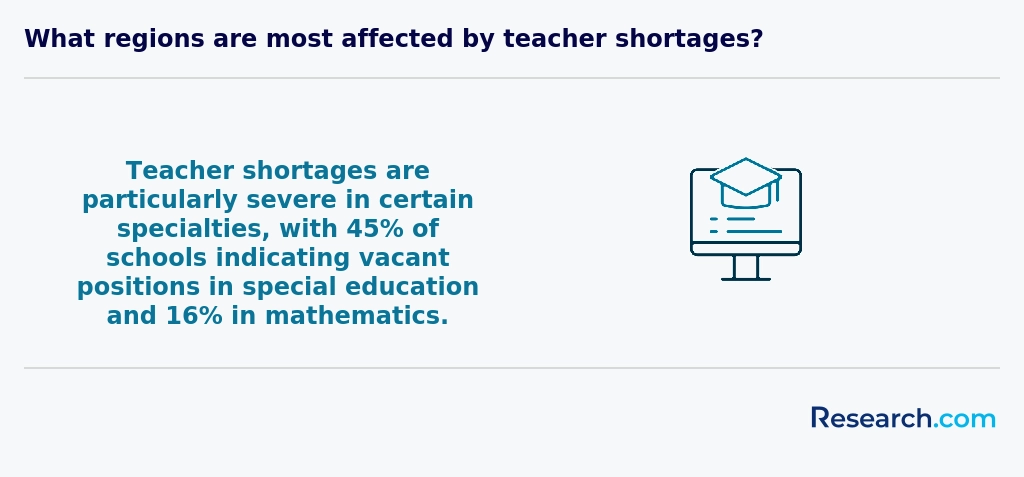
The job market for education degree graduates in Bowling Green reveals a landscape where stability meets challenge. While many assume teaching in this region is straightforward, the reality is nuanced. Graduates from Western Kentucky University often recount that demand is steady, particularly in STEM and early childhood education, aligning with the ongoing teacher shortages.
Those navigating education degree job opportunities in Bowling Green find opportunities not only in traditional classrooms but also in specialized roles such as instructional coordinators or administrators. The Warren County Public Schools actively seek fresh talent, making it a fertile ground for new educators eager to make an impact. However, starting salaries hovering between $38,000 and $42,000 require graduates to weigh financial realities carefully.
Interestingly, beyond entry-level teaching, some graduates explore pathways into administration or advanced instructional positions, which provide greater job security and satisfaction. Many also pursue affordable online curriculum and instruction edd programs to elevate their credentials while balancing work and life challenges.
Considering the Bowling Green teaching career market outlook, persistent demand coupled with competitive landscapes encourages graduates to innovate and adapt quickly, fostering resilience and professional growth in this evolving educational environment.
2027 Most Valuable Education Degree Programs Ranking in Bowling Green
Investing in your education is a significant decision that can profoundly impact your future, and the Research.com team is keenly aware of the importance of making well-informed choices. To support prospective students in Bowling Green, we have carefully developed the "2027 Most Valuable Education Degree Programs Ranking." Our dedication to quality, credibility, and accuracy is demonstrated through rigorous research and analysis behind this ranking.
We utilized the following reputable data sources to ensure a comprehensive and reliable evaluation of education degree programs:
By consulting this ranking, readers will gain essential insights into the most valuable education degree programs in Bowling Green, empowering them to make sound educational and career decisions. For a detailed explanation of our methodology, please visit our Research.com methodology page.

Frequently Asked Questions About education
Education degree students in Bowling Green can maximize their learning experience by engaging deeply with both classroom and community resources. Bowling Green State University (BGSU), a key institution in the area, offers extensive practicum opportunities that allow students to apply theory in real-world classrooms, enhancing practical skills. According to recent data from BGSU's College of Education and Human Development, nearly 90% of education majors participate in field experiences before graduation, which strongly correlates with improved job placement rates.
Students should also actively seek mentorship from experienced faculty and local educators. Networking within Bowling Green's school districts provides invaluable insights into teaching methods and education trends. Additionally, attending workshops and conferences hosted locally or regionally can keep students updated on innovations in education technology and pedagogy.
Emerging niches in education degrees are shaping how future educators prepare for evolving roles in Bowling Green and across the U.S. One growing field is educational technology, focusing on integrating digital tools to enhance learning experiences. According to the U.S. Bureau of Labor Statistics, careers in instructional design and technology are expected to grow 9% from 2021 to 2031.
Another niche is special education with emphasis on behavioral disorders and inclusive practices, responding to increasing awareness of diverse student needs. Additionally, early childhood education that integrates STEAM (Science, Technology, Engineering, Arts, and Math) is gaining popularity due to local demand.
Higher education administration is also emerging as a strong path, reflecting expansion in colleges and workforce training programs in Kentucky.
Preparing for the job market after completing an education degree in Bowling Green involves strategic planning and practical experience. Graduates should focus on gaining relevant teaching certifications required by Kentucky, such as the Proficient Kentucky Teacher Certificate. According to the Kentucky Center for Education and Workforce Statistics, certified teachers in Bowling Green have higher employment rates and starting salaries averaging around $41,000 annually.
A strong recommendation is to participate in local student teaching programs or internships offered by institutions like Western Kentucky University. Building a professional network through workshops and education job fairs in Bowling Green further increases job prospects.
Continuing education and specialized training in areas such as special education or STEM can also boost employability in the competitive local market.
Employers in Bowling Green value education degree graduates who demonstrate strong classroom management skills. Effective communication is essential, as teachers must engage diverse student populations. According to the Kentucky Education Professional Standards Board, adaptability is critical due to evolving curriculum standards.
Data from local school districts highlight the importance of technological proficiency, especially with remote and hybrid learning models becoming more common. Collaboration skills are also prioritized, since teamwork among educators and support staff supports student success.
Additionally, employers seek graduates with subject-matter expertise and the ability to design inclusive lesson plans that meet state requirements. These skills increase employability and effectiveness in Bowling Green's education environment.
Finding internships in Bowling Green related to an education degree involves engaging with local schools and university career services. Western Kentucky University (WKU), a major education program provider in the area, offers centralized internship placement support for education students. According to the WKU Career Development Center, about 85% of education majors secure internships within local public schools or educational organizations before graduation.
Students should also explore connections with Bowling Green Independent School District and Warren County Public Schools, which frequently host student teachers and interns. Networking through faculty members and attending local education events can increase chances of placement. State education boards and online internship portals specific to Kentucky are additional valuable resources.
An education degree in Bowling Green significantly impacts career mobility and advancement, especially in the local school systems. Holding this degree often qualifies candidates for higher-paying teaching roles and administrative positions. According to the Kentucky Department of Education, teachers with a bachelor's degree plus certification earn an average of 10-20% more than those with only an associate degree.
Additionally, education degrees open doors to specialized roles such as curriculum coordinators or instructional coaches within Bowling Green's public schools. The region values continuous professional development, making advanced degrees like a master's essential for promotion.
Finally, possessing an education degree supports eligibility for state-funded teacher loan forgiveness programs, which can ease financial burdens during career progression.
Studying for an education degree in Bowling Green equips students with skills that extend beyond traditional classroom teaching. Programs often emphasize interdisciplinary approaches, integrating subjects such as psychology, sociology, and technology. This helps future educators address diverse student needs and work effectively across various educational settings.
Bowling Green State University, a key institution in the area, offers education coursework aligned with national standards that promote critical thinking and collaboration. According to BGSU's College of Education and Human Development, 90% of education graduates find roles in schools, community programs, or educational technology sectors where interdisciplinary expertise is crucial.
Additionally, regional partnerships with local schools provide practical experience in diverse environments. This exposure prepares graduates for roles that blend instructional methods, counseling, and leadership within education and allied fields.
Choosing between a thesis and a non-thesis education degree program in Bowling Green depends largely on your career goals and learning preferences. Thesis programs typically require conducting original research, which is ideal if you plan to pursue a doctoral degree or roles in academic research. Non-thesis programs focus more on coursework and practical experience, appealing to those aiming for administrative or teaching positions.
In Bowling Green, programs like those offered at Western Kentucky University provide both options. According to the university's academic catalog, thesis tracks may take longer but develop strong research skills. Non-thesis tracks often allow faster completion and emphasize applied knowledge.
Consider your future plans carefully before deciding, as the right choice affects your workload, preparation, and post-degree opportunities.
Students based in Bowling Green looking to study education abroad have several pathways through local institutions. Western Kentucky University (WKU), a key education provider in the area, offers study abroad programs in partnership with international universities. These programs allow students in education degrees to gain valuable global perspectives and practical experience in diverse educational settings.
Typical options include semester-long exchanges, summer internships, and short-term service-learning trips focused on teaching methods or educational policy. According to WKU's Office of Study Abroad, about 5% of education majors participate annually, reflecting growing interest in global education.
In addition to WKU's offerings, students can leverage national exchange programs such as the Fulbright or the Gilman Scholarship, which support U.S. students pursuing education-related studies overseas. These opportunities help Bowling Green students expand their cultural competencies and professional networks in the education field.
In Bowling Green, part-time job opportunities that complement education degree studies are diverse and practical. Many students find roles as teacher assistants in local schools, which provide hands-on experience in classroom management and instructional support. The Bowling Green Independent School District often hires part-time aides, offering real-world insights into education strategies.
Additionally, tutoring positions in subjects like reading and math are widely available, either through community centers or private services. These roles enhance communication skills critical to educators. According to the Kentucky Center for Statistics, education-related part-time jobs in Bowling Green grow by approximately 3% annually, reflecting steady demand.
Higher education institutions such as Western Kentucky University also offer on-campus opportunities, including peer mentoring and administrative support in education departments. Such roles allow students to network and deepen their understanding of academic environments.
Education students in Bowling Green benefit from various networking opportunities that support their academic and professional growth. Western Kentucky University (WKU), the main institution offering education degrees in the area, hosts regular events such as career fairs and faculty-led workshops that connect students with local school districts.
Students can join organizations like the WKU Student Education Association, which provides access to regional conferences and guest speakers from the education sector. Additionally, Bowling Green's strong ties with nearby schools offer students valuable practicum placements and mentorship programs.
According to WKU's 2023 reports, over 75% of education students participate in internships, enhancing networking through hands-on experience.
Alumni networks play a significant role for education degree students in Bowling Green by providing valuable career connections and mentorship opportunities. These networks often include graduates working in local schools and educational organizations, which can ease the path to internships and job placements.
Participation in an active alumni community also allows students to gain insights into regional teaching demands and professional development events. According to the Bowling Green Chamber of Commerce, schools in the area have reported 20% higher employment rates for graduates involved with alumni groups.
Furthermore, networking with alumni can offer guidance on certification processes and continuing education, helping new teachers navigate professional challenges efficiently.
In Bowling Green, students pursuing education degrees can tailor their programs through elective courses and specialized tracks aligned with career goals. Many local institutions offer options such as early childhood education, special education, or educational technology. This flexibility helps students gain skills directly relevant to their intended roles in schools or educational organizations.
Internships and practicum experiences in Bowling Green's public schools also provide practical exposure and networking opportunities. Additionally, some programs allow for dual certifications, which can increase job prospects and earning potential. Consulting academic advisors at Bowling Green institutions is essential for creating a customized plan that meets professional aspirations.
Education students in Bowling Green often encounter several common challenges as they pursue their degrees. One major issue is balancing coursework with clinical field experiences. Many programs require extensive in-class learning paired with hands-on teaching practice, which can be demanding on time and energy. According to the Kentucky Center for Statistics, nearly 40% of education students report time management as a significant stress factor.
Another challenge is navigating state certification requirements. Kentucky's teaching licensure process involves passing specific exams and completing background checks, which can delay graduation if not managed properly.
Financial concerns also affect many students. While Bowling Green offers scholarships and financial aid options, roughly 30% of education majors still report difficulty funding their studies, per recent local education surveys. These combined factors require strong organizational skills and support networks for success.
With an education degree in Bowling Green, you can pursue several professional certifications that enhance career prospects in the U.S. education system. One common certification is the state teaching license, required for public school teachers and regulated by the Kentucky Education Professional Standards Board. This certification ensures you meet local teaching standards and often requires passing the Praxis exams.
Additional certifications include special education, ESL (English as a Second Language), and reading specialist endorsements. These allow educators to specialize and meet growing demands in Bowling Green schools. According to the Kentucky Department of Education, over 20% of educators locally seek such certifications to improve job opportunities and salary scales.
Furthermore, national certifications like the National Board Certification can boost credibility and earning potential across the state and region.
Writing a winning application for an education program in Bowling Green requires careful preparation and attention to detail. Start by researching local institutions such as Western Kentucky University, which offers well-regarded education degrees accredited by the Council for the Accreditation of Educator Preparation (CAEP).
Highlight your academic achievements, including GPA and relevant coursework, as Bowling Green programs often look for candidates with strong foundational knowledge in education theory and practice. Include clear goals explaining why you want to pursue teaching or educational leadership in the region.
Strong letters of recommendation from educators who know your skills can boost your credibility. Additionally, tailor your personal statement to emphasize your commitment to serving diverse student populations common in Bowling Green schools.
Finally, meet all application deadlines and include standardized test scores if required. According to the National Center for Education Statistics, about 70% of education programs nationally value well-rounded applications that reflect both academic and practical experience.
Education careers increasingly reflect global trends emphasizing cultural competency and adaptability. For students in Bowling Green pursuing education degrees, understanding these perspectives is vital. The U.S. education system encourages teachers to integrate diverse viewpoints and inclusive practices, preparing learners for an interconnected world. According to the National Center for Education Statistics, over 60% of education graduates work in settings requiring multicultural awareness. This aligns with global shifts promoting cross-cultural communication skills, essential in diverse classrooms. Local institutions in Bowling Green also emphasize international education standards, equipping graduates to contribute effectively both nationally and abroad.
Students pursuing an education degree in Bowling Green can gain practical experience through multiple channels integrated within local college programs. For instance, Western Kentucky University, a prominent institution in the area, offers comprehensive student teaching placements in nearby K-12 schools. These placements allow students to apply theory in real classrooms under supervision.
Additionally, participation in tutoring and mentoring programs provides hands-on learning opportunities. Internships and volunteer roles with local educational organizations further enhance practical skills, allowing for networking and community engagement.
According to WKU's 2023 report, over 85% of education majors complete at least one semester of student teaching, solidifying real-world readiness.
Choosing the right concentration within an education degree program in Bowling Green begins with understanding your career goals. The city offers diverse options, such as early childhood, special education, or educational leadership, each catering to specific interests and job markets. For example, the demand for special education teachers in Kentucky is projected to grow faster than average, reflecting nationwide trends highlighted by the U.S. Bureau of Labor Statistics.
Next, consider program accreditation and the practical experience opportunities available, like local internships in Bowling Green schools. Research program coursework to ensure it matches your learning style and long-term objectives. Engage with academic advisors and current students at Bowling Green State University or similar institutions to gain insight. These steps help align your concentration choice with both personal passion and strong employment prospects in education.
- 2027 Most Valuable Education Degree Programs Ranking in Cleveland
- 2027 Most Valuable Education Degree Programs Ranking in Columbus
- 2027 Most Valuable Education Degree Programs Ranking in Cincinnati
- 2027 Most Valuable Education Degree Programs Ranking in Indianapolis
- 2027 Most Valuable Education Degree Programs Ranking in Erie
- 2027 Most Valuable Education Degree Programs Ranking in Pittsburgh
- 2027 Most Valuable Education Degree Programs Ranking in Chicago
- 2027 Most Valuable Education Degree Programs Ranking in River Forest
- 2027 Most Valuable Education Degree Programs Ranking in Buffalo
- 2027 Most Valuable Education Degree Programs Ranking in Washington
See What Experts Have To Say About Studying Education
Read our interview with Education experts

Alan J. Singer
Education Expert
Professor of Teaching, Learning and Technology
Hofstra University

Nooshan Ashtari
Education Expert
Professor & Book Author
University of Southern California

- How to Write a Great Letter of Intent for a Teaching Job | Zen Educate https://www.zeneducate.com/us/resources/becoming-a-teacher/how-to-write-letter-of-intent-teaching-job/
- Education Degree Entry Requirements https://universitycompare.com/advice/student/education-degree-entry-requirements
- Teaching Job Roles | Teach For Life https://www.teachforlife.com/teachingjobs/global-perspectives-teacher
- Skills Employers Look for In Graduates https://careerdc.com.au/resources/what-skills-employers-want/
- Going to college to learn, needing time to prepare https://bgfalconmedia.com/113520/news/bg-news/going-to-college-to-learn-needing-time-to-prepare/
- Latest Trends in the Field of Education - ICERT https://icert.org.in/latest-trends-in-the-field-of-education/
- Putting theory into practice: The value of an interdisciplinary approach to teaching https://my.chartered.college/impact_article/putting-theory-into-practice-the-value-of-an-interdisciplinary-approach-to-teaching/
- Seven Major Challenges Facing Education in the 21st Century https://www.internationalschoolparent.com/articles/seven-global-education-challenges/
- Online Learning vs Traditional Learning Comparison https://advantagesschool.com/online-learning-vs-traditional-learning/
- Student Expectations and Perceptions of Higher Education - ACA https://aca-secretariat.be/newsletter/student-expectations-and-perceptions-of-higher-education/