2027 Most Valuable Online Master's in Education Degree Programs Ranking in the Northeast

Co-Founder and Chief Data Scientist
Choosing the right online master's in education program can feel overwhelming, especially in the Northeast where options abound. This article presents the 2027 Most Valuable Online Master's in Education Degree Programs Ranking in the Northeast, developed by the Research.com team of data scientists.
Designed to guide you through the most worthwhile programs, this ranking helps you make informed decisions based on data and quality. Pursuing a degree in education opens doors to meaningful careers that impact lives and communities. Exploring these top programs is the first step toward your rewarding future.
Key benefits of getting online education degree in the Northeast
- Graduates with an education degree in the Northeast can earn strong salaries, such as Education Managers averaging $129,330 annually and Education Program Managers earning about $104,920, providing financial stability and rewarding career opportunities.
- Popular regional schools like Boston University show education grads thriving in roles like Curriculum Specialists and Education Consultants, demonstrating diverse career paths in administration, consulting, and teaching.
- Completing an education degree online from institutions like Northeastern University allows flexible schedules and immediate application of skills in real-time, making it easier to balance work, life, and study compared to traditional programs.
- 2027 Most Valuable Online Master's in Education Degree Programs Ranking in the Northeast
- What can I expect from online education degree in the Northeast?
- Where can I work with online education degree in the Northeast?
What can I expect from online education degree in the Northeast?
The average cost of an online education degree in the Northeast typically ranges from around $15,000 to $40,000 for a master's program, depending on the institution and whether you qualify for in-state tuition. For example, graduates from well-known public universities in New York or Massachusetts often report feeling both challenged and supported by their programs-balancing rigorous coursework with financial aid opportunities that make their investment manageable.
Many students appreciate that these programs offer flexibility without sacrificing quality, allowing them to continue working while pursuing their degrees. A graduate from a renowned Pennsylvania college shared how reduced in-state tuition significantly eased the financial burden, letting them focus on mastering educational technology skills rather than stressing over bills.
Looking forward, there's growing optimism that tuition assistance and employer partnerships will expand, enhancing affordability. As universities emphasize cutting-edge online platforms and personalized learning, students can expect to find even more value in their degrees without overwhelming costs, fostering a sense of accomplishment and hope for the future of education careers in the Northeast.
Where can I work with online education degree in the Northeast?
Graduates with an online education degree in the Northeast often find themselves stepping confidently into roles within public and private K-12 schools, benefiting from the region's high standards and rigorous certification requirements. For example, graduates from institutions like Boston University or Teachers College at Columbia University often share how their advanced online credentials helped them quickly secure teaching positions in Massachusetts or New York, where leadership values mastery and innovation.
Others move toward roles as instructional coordinators or curriculum specialists, designing cutting-edge programs that uplift entire school districts. The practical experience gained through programs at Northeastern University frequently empowers graduates to lead training workshops and implement emerging tech in classrooms, a trend sharply increasing across the region.
Additionally, many find exciting opportunities in higher education, joining universities as program advisors or education specialists. With New York City's growing demand for academic support roles, graduates from City University of New York report fulfilling careers shaping teacher preparation initiatives.
Emerging sectors like educational technology firms and nonprofits also attract degree holders eager to influence education policy and equity. These paths reflect the vibrant, evolving landscape for those ready to innovate and inspire across the Northeast.
Graduates with online education degrees in the Northeast are positioned to earn competitive salaries that reflect the region's robust educational landscape. For instance, those stepping directly into roles like curriculum specialists might expect average annual wages around $77,200, a figure that aligns well with the demand for innovative teaching strategies in local schools.
Education consultants, often alumni from renowned programs at universities such as Boston College or Teachers College at Columbia University, report salaries near $95,600. Their work advising schools on best practices offers both professional growth and strong earning potential. Meanwhile, education program managers, typically graduates who have developed leadership skills through online master's programs, earn about $104,920 annually, supporting district-wide initiatives with real impact.
For those seeking higher administrative roles, education managers, whose average salary reaches $129,330, provide visionary leadership that shapes entire school systems. These career paths reflect a positive future for graduates, allowing them to leverage flexible online studies into meaningful, well-paying jobs in the Northeast's education sector.
- Many accredited institutions in the Northeast offer fully online master's programs designed for K-12 and higher education professionals.
- The average cost for a master's program in this region ranges between $20,000 and $40,000, often supported by financial aid and employer tuition reimbursement.
- Starting salaries for education graduates typically range from $50,000 to $60,000 annually, with experienced professionals earning $80,000 to $100,000 or more.
- The education job market expects growth of 5% to 7% over the next decade, especially in urban districts and special education roles.
- Online programs often include student-teaching or internships integrated into flexible schedules to accommodate working professionals.
- Regional accreditation and state education department recognition are essential for licensure and employer credibility.
Completing an online education degree in the Northeast typically takes between 18 and 36 months, though this timeline is becoming more flexible as programs adapt to students' busy lives. Graduates from well-known institutions in New York or Massachusetts often share how part-time study allowed them to balance family and work, taking closer to three years, while full-time peers finished in about two. Many appreciate accelerated tracks that some colleges now offer, enabling completion in as little as 12 to 18 months without sacrificing quality.
Imagine a working teacher enrolled part-time at a Pennsylvania university, steadily earning credits every semester while gaining hands-on classroom experience through required practicum components. This model not only offers manageable pacing but also integrates real-world skills, making the journey rewarding and tangible. As these programs evolve, expect even greater personalization, allowing Northeast students to tailor their pace around professional and personal commitments, enhancing engagement and satisfaction during their studies.
Launching a successful application for an online Master’s in Education program requires strategic planning, clear documentation, and attention to detail. Follow these best practices to stand out in competitive admission cycles: 1. Craft a Compelling Personal Statement • Begin with a concise narrative that highlights your passion for education and specific experiences in the Northeast region. • Clearly articulate career goals-whether you aim to lead curriculum development in public schools or transition into educational policy. • Use active, outcome-focused language (e.g., “I led a literacy initiative that improved reading scores by 15%”) to demonstrate impact. 2. Secure Strong Letters of Recommendation • Choose recommenders who can speak to your teaching potential or leadership skills, such as former supervisors, professors, or district administrators. • Provide each recommender with a bullet-point summary of your achievements and the program’s key selection criteria. • Follow up respectfully to ensure timely submission and offer to write a draft if they request assistance. 3. Highlight Relevant Professional Experience • Include a clear, keyword-optimized resume section on instructional design, special education, or classroom management. • Emphasize any online learning or technology integration projects-hospitable signals for distance-based programs. • Quantify results (e.g., “Implemented a blended learning module that increased student engagement by 25%”). 4. Organize Transcripts and Test Scores • Order official transcripts at least three months before deadlines to avoid processing delays. • Verify whether programs still require GRE/GMAT scores; many have waived tests but may request recent assessments. • If submitting test scores, highlight subject-area mastery by referencing percentile rankings. 5. Plan Around Application Deadlines • Create a timeline that maps out deadlines for FAFSA®, program applications, and scholarship submissions. • Factor in time for campus interviews or virtual open houses, if offered. • Consider rolling admissions windows to improve your chances of early acceptance and financial aid availability. 6. Explore Cost-Effective Alternatives • Compare tuition and fee structures across out-of-state versus in-state rates, and investigate consortium agreements. • If budget constraints loom large, explore our Affordable Online Education Degree Programs Ranking in Kentucky to find quality options with lower sticker prices. By following these steps, you’ll present a polished, persuasive application that highlights both your professional achievements and your commitment to advancing education in the Northeast and beyond.
Graduates from well-known Northeast institutions often describe the on-campus education experience as vibrant and immersive, with immediate access to campus resources like libraries and academic advising helping them feel connected and supported. In contrast, online students praise the flexibility of asynchronous classes that allow them to balance coursework with busy lives, making degrees from universities like those in Boston or New York more attainable without sacrificing quality.
For example, an online student juggling family and a part-time job at a popular Northeastern college found live webinars and interactive group projects invaluable for building a virtual community. Meanwhile, peers on traditional campuses enjoy face-to-face collaboration and spontaneous networking during breaks between classes, which many find energizing and motivating.
Looking ahead, we might see more hybrid models blending the best of both formats-leveraging technology to bring social interaction online while maintaining hands-on practicum sessions on campus. This evolution promises to expand access while preserving the enriching, supportive atmosphere that Northeast education programs are known for.
. When considering a career in education, one of the most important decisions is choosing the right degree program. In the Northeast, prospective students have a myriad of options, but understanding the value of a most popular education degree can significantly impact their career trajectory. This degree not only equips future educators with the knowledge and skills necessary to excel in their roles but also provides a foundation for advancement and specialization. By exploring the most popular education degree programs, students can make informed decisions about their educational paths, ensuring they align with their career aspirations and financial realities. In doing so, they set themselves up for success in a field that is both rewarding and challenging, with opportunities to make a lasting impact on the lives of their students.
The average cost of an online education degree in the Northeast typically centers around a median total of $23,881, with in-state students often paying closer to $16,863 and out-of-state students around $19,317. These figures demonstrate a tangible range that reflects the diversity of public and private institutions offering online education degrees in the region. Graduates from popular universities in the Northeast frequently highlight how this investment allows them to balance quality education with the flexibility of remote learning, making it easier to maintain work-life balance and pursue professional growth simultaneously.
Many students seeking an affordable online master's in education programs Northeast find value in options like state university systems where in-state tuition rates significantly reduce costs. One graduate shared how enrolling in such a program enabled them to focus on learning without the burden of excessive debt, affirming that the financial accessibility contributed to a more enjoyable and stress-free educational experience. Schools like these often incorporate modern technology and engaging coursework that enhance the online learning environment, enriching students' connection to the material and their peers.
Looking ahead, the integration of digital resources and employer partnerships promises to further shift the landscape of online education tuition in the Northeast. Prospective students can explore scholarships, financial aid, and programs designed specifically for education majors to lower overall expenses. For those interested, it is worth examining the most popular education degree offerings that align with their goals and budget to make an informed, confident decision.
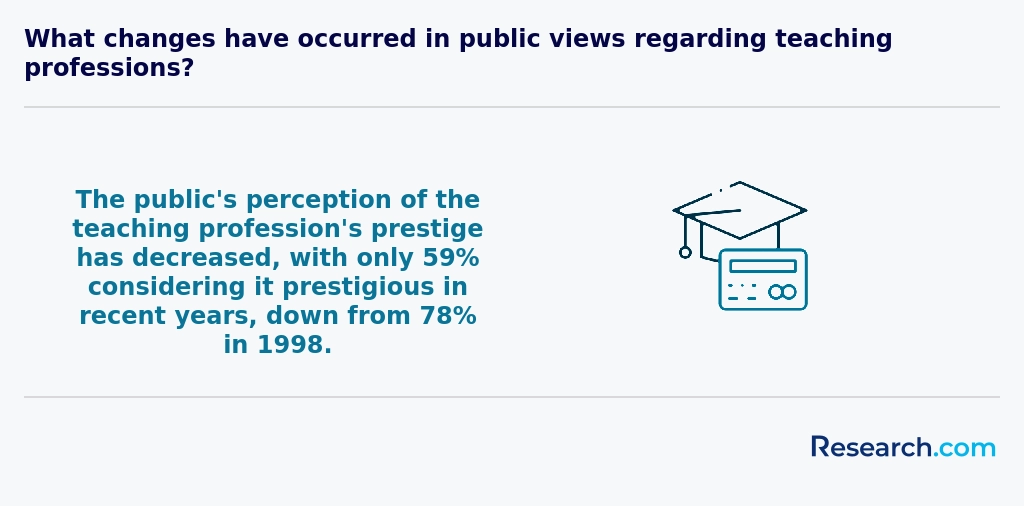
Prospective students can benefit greatly from a set of expert-driven tips that enhance both academic performance and career readiness. Successful online learners emphasize proactive time management, regular communication with peers and instructors, and a dedicated study space free from distractions. Additionally, cultivating digital literacy is essential; becoming comfortable with various online platforms can streamline the learning process and bolster your technical skills. To further understand the broader financial context of pursuing higher education, consider exploring insights on how much is a bachelor's degree in education; this can provide useful benchmarks for evaluating tuition expenses and potential returns on investment. Furthermore, staying engaged by participating in virtual networking events and discussion forums can open doors to mentorship and collaboration opportunities not usually available in traditional settings. Regularly reviewing your academic progress through self-assessments and seeking feedback from instructors can help you identify growth areas and celebrate small victories along the way. Embracing these strategies can transform the challenges of an online Master’s in Education program into stepping stones toward long-term professional success.
Graduates pursuing online education degrees at renowned institutions like Boston University or the University of Pennsylvania often recount how federal student aid, especially Direct Unsubsidized Loans and Grad PLUS Loans, eased their financial stress with manageable repayment options. Looking forward, these federal programs may evolve to offer even more flexible terms tailored to online learners' unique circumstances in the Northeast.
State grants and scholarships, such as New York's Tuition Assistance Program (TAP), continue to brighten the future for many online students, providing critical support that bridges tuition gaps. Imagine a teacher in New Jersey advancing her career online while accessing increasing state-funded aid designed to reward dedication to education within local communities.
On the institutional front, universities are anticipated to expand scholarships, fellowships, and assistantships that specifically reward online education students, making degree paths more affordable. Stories from graduates attending schools like Northeastern University highlight the growing importance of such opportunities combined with sponsored scholarships backed by partnerships with nearby school districts.
Meanwhile, private scholarships from organizations invested in teacher development, including the NEA Foundation, reinforce ambitions by targeting licensed educators. Many online learners appreciate how employer tuition reimbursement programs in Northeastern school districts amplify both motivation and financial relief, promising a supportive network that may only strengthen with time.
Measuring the return on investment (ROI) for an online Master’s in Education is critical for ensuring that tuition dollars translate into long-term career and financial gains. By comparing program costs against projected salary increases, prospective students can estimate how quickly their degrees will pay for themselves. In the Northeast, where the average cost of an online education master’s program hovers around $24,795 and starting teacher salaries range from $45,000 to $60,000, graduates often recoup their investment within three to five years of full-time employment. Factors influencing ROI include institution reputation, specialization choice and geographic salary differentials. To calculate ROI, subtract total program expenses (including tuition, fees and materials) from the expected increase in annual earnings post-graduation. For example, a jump from a $55,000 teaching salary to a $75,000 administrative position yields a $20,000 annual boost; over five years, that amounts to $100,000 in additional income against roughly $30,000 in cumulative education costs. This payback period analysis helps students prioritize programs with strong career placement rates and higher mid-career salaries. Additionally, scholarships, grants and assistantships can significantly shorten the break-even timeline and improve overall ROI. When evaluating cost-effectiveness, it’s helpful to benchmark against comparable regions or specialized rankings. For instance, Research.com’s Affordable Online Education Degree Programs Ranking in Kentucky highlights how lower-cost programs in neighboring states can still deliver quality outcomes. By leveraging such comparisons, Northeast students can make informed decisions about balancing cost, quality and career trajectory to maximize both academic and financial returns.
Enrolling in an online education degree in the Northeast usually means having a bachelor's degree from a regionally accredited college, such as one recognized by the New England Commission of Higher Education or the Middle States Commission. Many graduates from well-known institutions in this area share how meeting this baseline gave them confidence stepping into challenging coursework.
A common prerequisite is maintaining a solid GPA-around 2.75 to 3.0-though some programs at competitive schools expect even higher. Students often describe the relief when their transcripts met these benchmarks, affirming their readiness for advanced study.
Letters of recommendation and personal statements play a crucial role, giving candidates a chance to express passion for education, much like graduates who recall how sharing their career goals helped connect them with faculty mentors.
Practical experience, especially in states like New York and Massachusetts, often strengthens applications. Those with teaching or leadership backgrounds find this encourages program directors to view them as future education innovators.
Finally, while standardized tests are still sometimes requested, many programs have embraced flexible policies post-pandemic, making it easier for aspiring educators across the Northeast to pursue their degrees without added stress.

Earning an online master’s in education is a pivotal step toward becoming a licensed educator, but state certification requirements vary across the Northeast and can impact program selection and career readiness. Prospective students should verify that their chosen program aligns with the standards set by state education departments, which typically mandate:
- Accredited Coursework: Ensure the program is accredited by a recognized agency such as CAEP (Council for the Accreditation of Educator Preparation) or NCATE. Accreditation not only validates academic quality but is often required for licensure and teacher preparation approvals.
- Clinical Practice Hours: Many states require a minimum number of supervised teaching practicum hours. Confirm that the online program partners with local school districts to facilitate student teaching or internship placements.
- Certification Exams: Programs should prepare candidates for state-specific certification tests, like the Praxis series or Massachusetts Tests for Educator Licensure (MTEL). Review course syllabi for exam-focused workshops and tutoring support.
- Endorsement Pathways: If you plan to specialize-such as in special education or ESL-check whether the curriculum includes endorsement coursework approved by your state board. Navigating these requirements early can prevent delays in credentialing and entry into the classroom. Additionally, for students weighing cost against licensure support, it may be helpful to compare affordable programs in other regions. For example, prospective students exploring budget-friendly options can review the Affordable Online Education Degree Programs Ranking in Kentucky to discover cost-effective pathways that also meet state certification criteria. By aligning program selection with accreditation standards and licensure prerequisites, graduates will be better positioned to secure teaching certification and launch their educational careers.
Online education degrees in the Northeast typically include courses such as Educational Psychology, Curriculum Development, and Classroom Management, providing a strong foundation for understanding how students learn and how to create engaging learning environments. Graduates from popular institutions like Boston University and Teachers College, Columbia University often share how these courses empowered them to apply theory directly in diverse classroom settings.
Many programs also emphasize Instructional Technology, reflecting the region's push toward digital innovation in education. Students frequently express excitement about integrating tools like interactive apps and virtual classrooms, which prepare them for modern teaching challenges in urban and suburban Northeastern schools.
Courses on diversity and inclusion are increasingly central, echoing the rich multicultural makeup of schools in states like New York and Massachusetts. Graduates recall how classes on cultural competency and special education fueled their passion for creating equitable classrooms and addressing unique learner needs.
Looking ahead, emerging trends such as data-driven assessment and policy-focused leadership courses promise to further tailor education degrees in the Northeast to evolving local demands, continuing to inspire students eager to lead change in their communities.
Online education degrees in the Northeast offer a dynamic range of specializations designed to fit evolving educational needs. Graduates from well-known colleges often highlight programs in Curriculum and Instruction, where they explore cutting-edge teaching methods that resonate with today's diverse classrooms. Meanwhile, Educational Leadership and Administration prepares future principals and policymakers to navigate complex school systems effectively, reflecting the region's commitment to strong school governance.
Special Education remains a vital focus, equipping educators to support students with diverse learning needs, which matches the Northeast's inclusive education emphasis. TESOL programs attract those eager to teach English to a multicultural student base, reflecting the area's diversity. Additionally, Educational Technology specialization is rapidly growing as graduates share how integrating digital tools in classrooms became essential during remote learning phases, especially in universities recognized for the best education master's programs Northeast.
Those pursuing early childhood education in the region appreciate how their training builds foundational skills for young learners. With flexible online formats, students can explore niche studies like school counseling or literacy education tailored to professional goals. For those curious about costs, many find detailed insights on how much is a bachelor's degree in education helpful in planning their path forward.
Choosing the best online education degree in the Northeast means looking beyond just accreditation to envision how the program fits your life and future trends in education. Graduates from well-known institutions report that programs with flexible asynchronous options allowed them to balance family and work, while real-time sessions fostered a strong sense of community despite distance learning. Expect curricula to evolve rapidly with ESSA and regional standards, making it essential to pick programs that update their courses regularly.
Cost remains a consideration, but the landscape could shift as more affordable online education programs Northeast wide emerge, blending quality with accessibility. Comparing offerings from public universities and evaluating financial aid can reveal surprising value-as one graduate from a popular Northeast college happily shared, flexibility and affordability combined can fuel motivation and success.
Career services and faculty expertise also shape the experience, with research-active professors enhancing course relevance. For those weighing options, exploring resources like the Affordable Online Education Degree Programs Ranking in Kentucky can offer insight into cost-effective choices. These factors collectively create a future-ready path for aspiring educators.
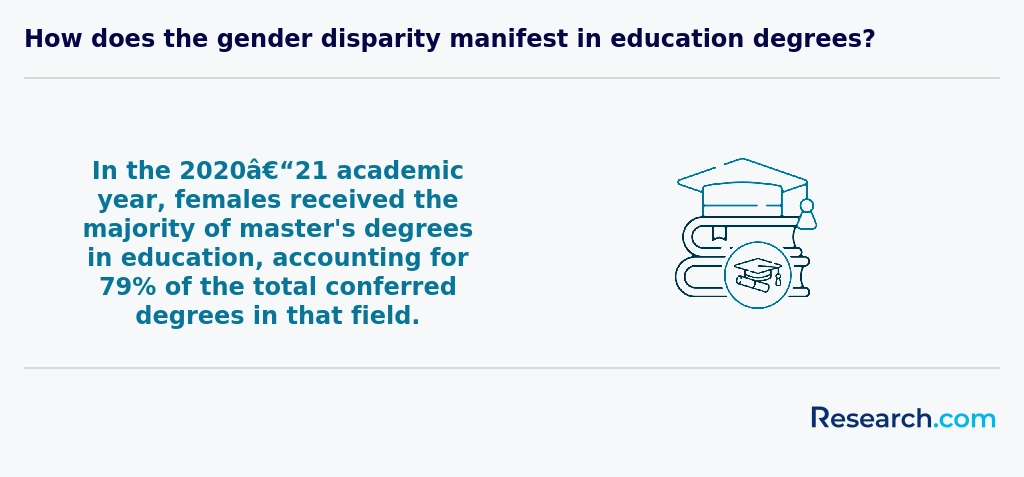
Graduates with an online education degree in the Northeast discover diverse career opportunities that extend beyond traditional classroom teaching. Many find rewarding positions as teachers in elementary or secondary schools, where they apply innovative digital tools learned during their studies at renowned institutions like Boston University or Syracuse University. These graduates often share how their flexible online programs allowed them to balance work and family while gaining essential skills, fueling confidence as they enter the workforce.
Career opportunities for education graduates Northeast also include growing fields like special education, where demand is rising sharply due to inclusive policies in regional schools. Alumni from universities such as the University of Vermont report meaningful experiences collaborating with local districts to support students with disabilities, making a strong social impact. Additionally, roles in educational administration and instructional coordination provide avenues to influence curriculum design and policy, leveraging leadership training gained throughout their online education journey.
For those exploring future growth and earnings, understanding what master's degrees make the most money can be crucial when planning further specialization. Online education degree jobs in the Northeast continue to evolve, presenting dynamic possibilities for those ready to innovate and lead in education reform.
The job market for online education degree holders in the Northeast is increasingly dynamic, fueled by strong demand in bustling urban hubs like Boston, Philadelphia, and New York City. Graduates from well-known institutions such as Boston University and Teachers College, Columbia University report entering roles that emphasize innovative teaching and leadership in both K-12 and higher education settings. This positive trend reflects a growing recognition of the value of online education degrees, especially as schools seek educators skilled in special education, STEM, and bilingual instruction.
Many graduates express enthusiasm about career prospects, noting that districts' investments in education reform and technology create opportunities beyond traditional classroom roles. Additionally, those looking to advance face promising options for professional growth in distance learning management or educational technology, making online education degrees particularly versatile.
For those weighing costs, it's helpful to explore options at public and private institutions in the region, or investigate the best online trade colleges for affordable pathways. This approach ensures graduates can maximize earning potential while entering a field with a bright outlook and meaningful work. The online education degree job prospects Northeast are clearly evolving toward exciting futures.
2027 Most Valuable Online Master's in Education Degree Programs Ranking in the Northeast
Investing in your education is a significant decision that can profoundly impact your career and personal growth. The Research.com team recognizes the importance of making well-informed choices, which is why we have carefully developed the "2027 Most Valuable Online Master's in Education Degree Programs Ranking in the Northeast." Our dedication to quality, credibility, and accuracy is evident in the thorough research and analysis that underpin this ranking.
We utilized the following reputable data sources to ensure a comprehensive evaluation of programs:
By consulting this ranking, readers will obtain valuable insights into the top online education master's programs in the Northeast, empowering them to choose the best path for their future. For more information about how this ranking was developed, please visit our Research.com methodology page.









Frequently Asked Questions About education
Online education degree students in the Northeast can maximize their learning experience by leveraging regional resources and maintaining strong time management. According to the National Center for Education Statistics, institutions in this region often provide extensive virtual libraries and academic support tailored for online learners. Students should actively participate in discussion forums and virtual study groups to build a professional network within the local education community. Additionally, accessing federal and state financial aid programs, which frequently support Northeastern students, can reduce financial stress and allow greater focus on coursework. Regular communication with advisors familiar with regional education standards is also essential for success.
The education field is evolving rapidly, with several emerging niches gaining prominence, especially in the Northeast. One key area is educational technology, where degrees focus on integrating digital tools into classrooms to enhance learning. This is driven by a 35% projected growth in e-learning roles nationwide through 2031, according to the U.S. Bureau of Labor Statistics.
Another growing niche is special education, addressing diverse learner needs more inclusively. Demand for special education teachers in the Northeast surpasses the national average, reflecting regional priorities. Additionally, bilingual education programs are expanding, meeting increasing linguistic diversity in states like New York and Massachusetts, as reported by the Northeast Comprehensive Center.
Lastly, leadership in education administration remains vital, preparing professionals to manage schools adapting to post-pandemic challenges. These specialized online degrees offer practical skills for future educators in the region.
Preparing for the job market after completing an online education degree in the Northeast involves targeted strategies. Graduates should leverage regional networks, such as local chapters of the National Education Association (NEA), which are highly active in states like New York and Massachusetts. Developing strong digital portfolios showcasing certifications, student work, and projects enhances employer appeal.
Research by the New England Board of Higher Education shows that 70% of education employers value practical experience combined with online degrees. Internships, even virtual, within local school districts can bridge this gap. Additionally, staying updated with state-specific certification requirements is crucial, as many Northeast states have unique licensure standards for educators.
Job seekers benefit from utilizing state job boards like the Massachusetts Educator Resource Hub and attending regional career fairs focused on education. Continuous professional development through workshops or courses offered by institutions such as the University of Pennsylvania can further improve market readiness and salary potential.
Employers in the Northeast highly value education degree graduates who demonstrate strong communication and classroom management skills. According to the New England Board of Higher Education, 72% of school districts prioritize candidates adept in digital literacy, reflecting the growing importance of technology integration in classrooms.
Critical thinking and adaptability are also essential. The region's diverse student populations require educators who can tailor instruction effectively. Additionally, collaboration skills stand out, as many schools emphasize team teaching and cooperation with families.
Data from the National Center for Education Statistics shows that proficiency in these areas boosts job placement rates for online education graduates in states like New York and Massachusetts.
Finding internships in the Northeast relevant to an education degree involves a strategic approach. Many universities in the region, such as New York University and Boston College, have partnerships with local school districts and education organizations. These connections help students secure practical experience through internships.
Online students should leverage their school's career services, which often provide listings specifically for the Northeast area. The U.S. Department of Education's Office of Career, Technical, and Adult Education highlights that internships enhance job prospects by 35% for education graduates.
Additionally, joining professional associations like the Northeast Educational Research Association can offer networking opportunities and exclusive internship listings.
Exploring state education department websites in New York, Massachusetts, and Pennsylvania can also reveal local internship programs tailored to aspiring educators in the region.
Online education degrees have become a significant asset for career mobility and advancement in the Northeast. With many states in this region emphasizing educational innovation, professionals with online master's degrees in education often experience increased job opportunities. According to the New England Board of Higher Education (NEBHE), over 60% of education administrators in the Northeast hold advanced degrees, which frequently include online programs.
Online degrees offer flexibility, allowing working educators to gain credentials without interrupting their careers. Additionally, institutions such as New York and Massachusetts report that graduates with online credentials see a salary increase averaging 10-15% compared to those without advanced degrees. This growth supports promotion chances in public and private education sectors.
Studying for an education degree online in the Northeast equips students with skills to excel in interdisciplinary roles by integrating diverse academic disciplines. Programs commonly emphasize collaboration across fields such as psychology, technology, and social sciences. This approach reflects regional workforce needs where 45% of education-related jobs require hybrid skill sets, according to the U.S. Bureau of Labor Statistics.
The Northeast's universities frequently partner with local districts and organizations to offer real-world experiences, enhancing students' ability to apply knowledge in varied contexts. Additionally, accreditation standards from bodies like CAEP ensure curriculum quality focused on broad competencies.
Choosing between a thesis and a non-thesis education degree program in the Northeast depends largely on your career goals and learning preferences. Thesis programs emphasize original research and critical analysis, ideal for students aiming at doctoral studies or research-focused roles. Non-thesis options often focus on practical skills and coursework, appealing to professionals seeking advancement in teaching or administration without a research requirement.
According to the National Center for Education Statistics, about 40% of master's students in the Northeast opt for non-thesis tracks due to their flexibility and job-oriented curriculum. Additionally, many Northeastern universities provide both online formats, enabling candidates to balance work and study effectively.
When choosing, consider faculty availability for thesis supervision, time commitment, and whether your intended career values research experience or applied knowledge. Evaluating these factors in the context of regional job market trends can guide your decision.
Students based in the Northeast seeking to study education abroad have limited direct options through U.S. institutions but can access international experiences via specialized online programs with global components. Several Northeastern universities offer online master's degrees in education that include study-abroad modules or partnerships with foreign institutions. For example, international practicum experiences are sometimes embedded in curricula, allowing students to engage remotely with global education systems.
According to the Institute of International Education, participation rates for study abroad among graduate students remain around 8%, with education fields growing modestly. While fully online degrees predominate, select programs emphasize cross-cultural competency and may provide short-term international residencies. These formats suit Northeast students balancing professional or personal commitments. Research from the Northeastern University and Teachers College, Columbia University highlights increased demand for flexible, globalized education pathways accessible through technology-enhanced learning.
Part-time job opportunities in the Northeast that complement education degree studies mainly include tutoring, teacher assistant roles, and after-school program coordinator positions. These jobs provide practical experience directly related to education careers. For example, tutoring services are in high demand in states like New York and Massachusetts, where test preparation and literacy support are common needs, according to the National Center for Education Statistics (NCES).
Working as a teacher assistant in local public or private schools offers valuable classroom exposure while pursuing an online degree. Additionally, managing after-school or community youth programs fosters skills in lesson planning and student engagement.
Many part-time roles accommodate flexible schedules suited to online learners.
Online education students in the Northeast have access to a variety of networking opportunities despite geographical distance. Many universities in this region offer virtual events, including webinars and alumni meet-ups. For example, institutions like Boston University and New York University organize online career fairs and workshops tailored for education majors.
Professional organizations such as the New England Association of Schools and Colleges (NEASC) provide regional conferences that online students can attend either virtually or in-person, fostering strong professional connections.
Additionally, local chapters of national education groups, like the National Education Association (NEA), often hold networking events accessible to online learners. Leveraging these resources can enhance career prospects and provide valuable peer-to-peer support in the Northeast.
Alumni networks offer valuable support to online education degree students in the Northeast by connecting them with experienced professionals across the region. These networks provide access to mentorship, career advice, and job opportunities, which are especially important for graduates navigating competitive educational and institutional settings in states like New York, Massachusetts, and Pennsylvania.
According to the National Association of Colleges and Employers, over 70% of jobs are found through networking, highlighting the importance of alumni connections. In the Northeast, many universities maintain active online communities, enabling remote students to engage locally despite geographic distances.
These networks also foster professional development by facilitating workshops, webinars, and regional events tailored to educators. This ongoing support can enhance career growth and increase employability in a rapidly evolving education sector within the Northeast.
Customizing an online education degree program in the Northeast involves selecting concentrations or electives that align with your career goals. Many accredited institutions in this region, including those recognized by the New England Commission of Higher Education, offer specializations such as curriculum design, educational leadership, or special education.
Students can often tailor course schedules to accommodate work or personal commitments, with asynchronous formats available. According to the National Center for Education Statistics, over 60% of graduate education students in Northeastern states enroll in programs offering flexible credit options.
Additionally, some programs enable internships or project work connected to local school districts, enhancing practical experience relevant to career advancement.
Online education students in the Northeast often face challenges related to technology access and internet connectivity. Despite high urbanization, studies by the Pew Research Center show that about 15% of households in this region experience inconsistent broadband service, which can disrupt learning.
Additionally, students report difficulties balancing work, family, and study commitments. According to the National Center for Education Statistics, 60% of online learners in the Northeast are part-time students who juggle multiple responsibilities.
Another challenge is limited opportunities for in-person networking and mentorship, which can impact career advancement and professional growth. These factors contribute to high stress and dropout rates among online education candidates.
An online education degree in the Northeast can open doors to various professional certifications valuable for advancing a career in teaching and administration. Common certifications include the Professional Educator License (PEL), which many states like New York and Massachusetts require for K-12 teaching.
Other options include the National Board Certification, recognized nationwide for excellent teaching standards. For administrators, certifications such as School Building Leader or School District Leader are available through state education departments.
Additionally, educators with online degrees often pursue specialized credentials like English as a Second Language (ESL) or Special Education certifications, meeting the growing regional demand noted by the National Center for Education Statistics.
Writing a winning application for an online education program in the Northeast requires careful preparation and attention to detail. First, clearly demonstrate your commitment to education by highlighting relevant experience, such as teaching, tutoring, or administrative roles. According to the National Center for Education Statistics, the Northeast boasts some of the highest concentrations of graduate students in the U.S., making competition strong. Be sure to tailor your personal statement to reflect how the program aligns with your career goals and regional educational needs.
Strong letters of recommendation from academic or professional supervisors who know your strengths can significantly enhance your application. Finally, maintain a polished resume and proofread every document carefully to avoid errors that might undermine your credibility.
Globally, education careers are increasingly valued for their role in shaping future generations and supporting economic growth. In the United States, including the Northeast, demand for skilled educators remains strong due to ongoing teacher shortages, especially in STEM and special education fields, according to the U.S. Department of Education.
Many countries emphasize advanced degrees for educators to improve teaching quality and student outcomes. In the Northeast, online education master's programs have grown by over 15% in recent years, offering flexible options for working professionals, reports the National Center for Education Statistics.
Internationally, teaching credentials often require continuous professional development, mirroring trends in the U.S. This global focus on lifelong learning helps maintain high standards and adapts teaching to evolving student needs.
Gaining practical experience is essential when pursuing an online education degree in the Northeast. Many programs partner with local K-12 schools and educational organizations to provide virtual and in-person internships or practicum opportunities. These placements allow students to apply theory in real classroom settings under professional supervision.
Students can also engage in service-learning projects, which combine community service with academic coursework. According to the National Center for Education Statistics, Northeast states report high participation rates in such experiential learning, enhancing job readiness for graduates.
Additionally, some universities offer simulation labs where students practice teaching skills using digital platforms. Networking through regional education conferences and workshops can further build hands-on experience and professional connections within the Northeast's diverse school districts.
Choosing the right concentration within an online education degree program in the Northeast involves considering your career goals and the region's job market. Many programs offer concentrations like curriculum design, special education, or educational technology, each aligned with specific educator roles.
The Northeast has a high demand for special education professionals, with states like New York and Massachusetts reporting significant growth in this area according to the U.S. Bureau of Labor Statistics (2023). If you aim to work in public schools, focusing on concentrations that meet state certification requirements is crucial.
Additionally, consider schools accredited by recognized bodies such as the Council for the Accreditation of Educator Preparation (CAEP), which helps ensure program quality and transferability of credits within the region.
See What Experts Have To Say About Studying Education
Read our interview with Education experts

Alan J. Singer
Education Expert
Professor of Teaching, Learning and Technology
Hofstra University


- How to Create Access to Experiential Learning Opportunities for Non-Traditional Students https://evolllution.com/programming/applied-and-experiential-learning/how-to-create-access-to-experiential-learning-opportunities-for-non-traditional-students
- Seven Major Challenges Facing Education in the 21st Century https://www.internationalschoolparent.com/articles/seven-global-education-challenges/
- Networking Tips and Advice for Students https://schoolshouldbe.com/post/networking-tips-and-advice-for-students/
- Financial Aid https://northeast.edu/costs-aid/financial-aid/
- Admissions Information https://www.eastern.edu/online
- My Experience with Online Learning | Leeds Beckett University https://www.leedsbeckett.ac.uk/blogs/student-blog-squad/2020/09/my-experience-with-online-learning/
- Benefits of Networking for Students https://www.melioeducation.com/blog/benefits-of-networking-for-students/
- What Can I Do With a Teaching Degree (Besides Teach)? https://www.alleducationschools.com/blog/what-can-i-do-with-a-teaching-degree-besides-teach/
- Engaging Students in Meaningful Learning Experiences https://www.facultyfocus.com/articles/effective-teaching-strategies/engaging-students-in-meaningful-learning-experiences/
- 2025 Most Affordable Online Colleges & Degrees https://www.onlineu.com/most-affordable-colleges