
2027 Fastest Online Cybersecurity Bootcamps

Co-Founder and Chief Data Scientist
Choosing a fast online cybersecurity bootcamp is usually a career decision, not just an education decision. You may be trying to move out of help desk work, switch from a nontechnical field, qualify for a security analyst role, or build practical skills faster than a traditional degree would allow. The opportunity is real: cybercrime is projected to cost the global economy $9.22 trillion, and employers need people who can monitor systems, investigate alerts, reduce risk, and respond to incidents.
This guide explains what fast online cybersecurity bootcamps teach, how long they take, what they cost, how they compare with on-site programs, and how to judge whether a program is credible. It also outlines career paths, salary context, prerequisites, common mistakes, and questions to ask before enrolling so you can choose a bootcamp based on fit, outcomes, and long-term value rather than marketing claims.
Quick answer: Is a fast online cybersecurity bootcamp worth it?
A fast online cybersecurity bootcamp can be worth it if you want structured, hands-on training for entry-level cybersecurity work and can commit to an intensive schedule. Bootcamps are strongest for learners who need practical labs, career support, and a clear path toward roles such as Security Operations Center (SOC) Analyst or junior security analyst. They are not a shortcut to senior cybersecurity jobs, and they do not replace experience, certifications, or continuous learning.
What are the benefits of attending a fast online cybersecurity bootcamp?
- Career-focused preparation: A strong bootcamp can help you build the practical skills used in SOC Analyst roles, including monitoring alerts, investigating suspicious activity, and helping organizations protect sensitive systems and data.
- Access to a high-value field: Information security analysts have a median annual pay of $124,910, according to the US Bureau of Labor Statistics. Entry-level pay may be lower, but the figure shows the market value of experienced cybersecurity talent.
- Online training that matches modern work: Live online classes, remote labs, collaboration tools, and virtual projects can help you practice the communication habits used by distributed security teams.
What can I expect from a fast online cybersecurity bootcamp?
A fast online cybersecurity bootcamp is an accelerated training program built around applied security skills. Instead of spending years in a broad academic program, you follow a compressed schedule that usually combines live instruction, guided labs, technical assignments, peer collaboration, and career preparation.
The best programs are not passive video libraries. They require you to configure systems, analyze traffic, identify vulnerabilities, work through simulated incidents, and use security tools in controlled environments. Expect a workload that feels closer to a demanding professional training program than a casual online course.
Most bootcamps also require students to complete portfolio-style projects. These projects matter because employers need evidence that you can apply concepts, not simply define them. Career services may include resume feedback, LinkedIn profile support, mock interviews, employer events, and job search coaching, but the quality of these services varies widely by provider.
| Bootcamp Component | What It Usually Includes | Why It Matters |
| Live instruction | Scheduled online classes led by instructors or industry practitioners | Helps students ask questions, receive feedback, and stay accountable |
| Hands-on labs | Security exercises using networks, operating systems, monitoring tools, and attack simulations | Builds the practical experience employers expect in entry-level roles |
| Projects | Scenario-based assignments or capstone work | Creates evidence of skills for interviews and portfolios |
| Career services | Resume help, interview practice, job search coaching, and networking support | Can improve your transition from training to employment when outcomes are transparent |
| Peer collaboration | Group work, study channels, cohort discussions, and team exercises | Mirrors the communication style of many modern security teams |
Where can I work with a fast online cybersecurity bootcamp?
Cybersecurity roles exist anywhere organizations depend on digital systems. Bootcamp graduates often target entry-level positions in industries such as finance, healthcare, e-commerce, technology, education, government, and professional services. Employers may include large enterprises with mature security departments, small and mid-sized companies expanding their defenses, and Managed Security Service Providers (MSSPs) that monitor and secure systems for multiple clients.
Your first role will likely be foundational. A common starting point is a SOC Analyst position, where you monitor alerts, review suspicious activity, escalate incidents, document findings, and support broader security operations. Some roles are remote or hybrid, but remote work is not guaranteed; requirements depend on the employer, clearance needs, compliance rules, and the sensitivity of the systems involved.
How much can I make with a fast online cybersecurity bootcamp?
Cybersecurity is attractive partly because the field can offer strong earning potential. The US Bureau of Labor Statistics reports that information security analysts have a median annual pay of $124,910. This number should be used as career context, not as a promised bootcamp graduate salary.
New graduates entering junior roles may earn less than the median, especially if they have limited prior IT experience. Pay depends on location, industry, employer size, certifications, work experience, security clearance, and the specific role. A bootcamp can help you build job-ready skills, but salary growth usually comes from combining training with experience, certifications, strong interviewing, and continued specialization.
- Fastest Online Cybersecurity Bootcamps for 2027
- How long does it take to complete a fast online cybersecurity bootcamp?
- How does a fast online cybersecurity bootcamp compare to an on-site bootcamp?
- What is the average cost of a fast online cybersecurity bootcamp?
- What financial aid options are available for fast online cybersecurity bootcamps?
- What prerequisites do fast online cybersecurity bootcamps require?
- What courses are usually included in a fast online cybersecurity bootcamp?
- What specializations can cybersecurity bootcamp graduates pursue?
- How should you choose the best fast online cybersecurity bootcamp?
- What career paths are available after a fast online cybersecurity bootcamp?
- What is the job market like for cybersecurity bootcamp graduates?
- What challenges should you consider before enrolling?
- How do cybersecurity bootcamps keep up with industry changes?
- Are fast online cybersecurity bootcamps accredited or industry-recognized?
- Can additional academic qualifications improve your cybersecurity career?
Fastest Online Cybersecurity Bootcamps for 2027
How do we rank schools?
Research.com treats cybersecurity training as a meaningful financial and career investment. Our rankings are developed through expert review, institutional research, and data analysis using a transparent process. More details are available in our ranking methodology .
To prepare this list, Research.com reviewed information from the Integrated Postsecondary Education Data System (IPEDS), Peterson’s database, including its Distance Learning Licensed Data Set, the College Scorecard, and the National Center for Education Statistics (NCES) for institutional data.
| Program | Best Fit | Program Length | Total Tuition |
| Nucamp Cybersecurity Fundamentals | Beginners seeking a lower-cost introduction to cybersecurity fundamentals | 15 weeks | $2,124 |
| Fullstack Academy Cybersecurity Analytics Bootcamp | Learners who want full-time or part-time options with offensive and defensive training | 12 weeks (full-time) or 26 weeks (part-time) | $10,995 (full-time) or $9,995 (part-time) with available discounts |
| UT Dallas Cybersecurity Bootcamp | Students interested in a university-affiliated bootcamp powered by Fullstack Academy | 12 weeks (full-time) or 26 weeks (part-time) | $10,995 (full-time) or $9,995 (part-time) with available discounts |
| BrainStation Cybersecurity Bootcamp | Working professionals who prefer a part-time schedule | 6+ months (part-time) | Information available upon request by viewing the Program Package. |
| Evolve Security Academy ESCP Certification Cybersecurity Bootcamp | Learners seeking hands-on training that includes security work for non-profit organizations | 20 weeks (part-time) | $13,950 ($13,450 if paid upfront) |
| QuickStart Online Cybersecurity Bootcamp | Beginners who want full-time or part-time training with career simulations | 10 weeks (full-time) or 18 weeks (part-time) | $12,000 (full-time) or $8,900 (part-time) |
| TripleTen Cyber Security Bootcamp | Career changers seeking part-time training and Security+ preparation | 7 months (part-time) | $11,350 (upfront) with installment and financing options available |
1. Nucamp - Cybersecurity Fundamentals
Nucamp’s Cybersecurity Fundamentals program is designed for learners who want a practical entry point into digital defense. The curriculum covers risk management, network security, and ethical hacking while introducing tools such as Kali Linux, Wireshark, and Metasploit. It is a strong option for beginners who want structured exposure to core security concepts at a comparatively lower tuition level.
- Program Length: 15 weeks
- Required Weekly Commitment: 12 hours
- Total Tuition: $2,124
- Accreditation: Licensed by the Washington State Workforce Training and Education Coordinating Board.
2. Fullstack Academy - Cybersecurity Analytics Bootcamp
Fullstack Academy’s Cybersecurity Analytics Bootcamp teaches both defensive and offensive cybersecurity skills. The program is open to beginners as well as learners with prior technical experience and includes topics such as network systems, Python programming, penetration testing, Kali Linux, and Splunk. Its full-time and part-time tracks make it suitable for different levels of schedule flexibility.
- Program Length: 12 weeks (full-time) or 26 weeks (part-time)
- Tracks: Full-Time; Part-Time
- Total Tuition: $10,995 (full-time) or $9,995 (part-time) with available discounts
- Accreditation: Licensed by the New York State Education Department.
3. UT Dallas - Cybersecurity Bootcamp
The UT Dallas Cybersecurity Bootcamp, powered by Fullstack Academy, is structured for learners preparing to enter cybersecurity from beginner level. Students study asset management, Red Team offense, Blue Team defense, and tools such as Wireshark and Metasploit. This option may appeal to students who prefer a program connected to the UT Dallas Erik Jonsson School of Engineering & Computer Science.
- Program Length: 12 weeks (full-time) or 26 weeks (part-time)
- Tracks: Full-Time; Part-Time
- Total Tuition: $10,995 (full-time) or $9,995 (part-time) with available discounts
- Accreditation: Offered through the UT Dallas Erik Jonsson School of Engineering & Computer Science.
4. BrainStation - Cybersecurity Bootcamp
BrainStation’s part-time Cybersecurity Bootcamp is built for working professionals who need a flexible route into security training. The program includes defensive and offensive security concepts, access control, firewalls, vulnerability assessment, and governance, risk, and compliance. Because tuition details require viewing the Program Package, prospective students should request full cost information before comparing it with other programs.
- Program Length: 6+ months (part-time)
- Total Tuition: Information available upon request by viewing the Program Package.
- Accreditation: BrainStation is a registered private career college.
5. Evolve Security Academy - ESCP Certification Cybersecurity Bootcamp
Evolve Security Academy’s ESCP Certification Cybersecurity Bootcamp is designed to help students enter the field even without a technical background. Its curriculum combines network security, threat intelligence, and offensive security with practical experience through security work for non-profit organizations. This applied component can be useful for learners who want real-world examples to discuss in interviews.
- Program Length: 20 weeks (part-time)
- Required Hours: 200
- Total Tuition: $13,950 ($13,450 if paid upfront)
- Accreditation: Approved by the Division of Private Business and Vocational Schools of the Illinois Board of Higher Education.
6. QuickStart - Online Cybersecurity Bootcamp
QuickStart’s Online Cybersecurity Bootcamp prepares beginners for entry-level security work through training in security essentials, system and network security, and security operations. The program includes career simulations and a “Capture the Flag” challenge, which can help students practice problem solving under realistic conditions.
- Program Length: 10 weeks (full-time) or 18 weeks (part-time)
- Tracks: Full-Time; Part-Time
- Total Tuition: $12,000 (full-time) or $8,900 (part-time)
- Accreditation: QuickStart is an accredited provider of IT training.
7. TripleTen - Cyber Security Bootcamp
TripleTen’s Cyber Security Bootcamp is a part-time option for learners, including those without a tech background, who want a guided path toward entry-level readiness. The program uses real-world scenarios and covers fundamentals, incident response, and vulnerability management while also preparing students for the CompTIA Security+ certification.
- Program Length: 7 months (part-time)
- Required Weekly Commitment: ~20 hours
- Total Tuition: $11,350 (upfront) with installment and financing options available
- Accreditation: Licensed by the Wyoming Department of Education.
How long does it take to complete a fast online cybersecurity bootcamp?
Fast online cybersecurity bootcamps are designed to move students from foundational learning to applied job preparation in months rather than years. Among the programs listed here, timelines range from 10 weeks to 7 months, with full-time formats usually finishing faster than part-time formats.
The right timeline depends on how much time you can realistically dedicate each week. A full-time bootcamp may be faster, but it can be difficult to manage alongside a full-time job. A part-time bootcamp takes longer, but it may be more sustainable if you need to keep working while studying.
Some students strengthen their foundation before or during cybersecurity training with fast online CompTIA Network+ training, especially if they are new to networking concepts. This can be helpful because network knowledge supports many security tasks, from reading traffic logs to understanding firewall rules.
| Format | Best For | Trade-Off |
| Full-time bootcamp | Learners who can pause work or reduce other commitments | Fastest route, but the weekly workload can be intense |
| Part-time bootcamp | Working adults, parents, and career changers balancing responsibilities | More manageable schedule, but completion takes longer |
| Self-paced or prep-supported learning | Students who need extra time with fundamentals | Greater flexibility, but requires stronger self-discipline |
How does a fast online cybersecurity bootcamp compare to an on-site bootcamp?
Online and on-site cybersecurity bootcamps can both provide rigorous training, but the learning experience is different. Online bootcamps are often better for students who need flexibility, want to avoid commuting, or plan to work in remote or hybrid tech environments. On-site bootcamps may be better for students who learn best in a physical classroom and want face-to-face networking.
Many online CompTIA Security+ training programs now use live instruction, virtual labs, and structured support rather than relying only on recorded lessons. Similarly, some of the fastest online data analytics bootcamps use cohort-based learning to make online study more interactive.
| Factor | Fast Online Bootcamp | On-Site Bootcamp |
| Schedule flexibility | Often easier to fit around work, family, or location constraints | Requires attendance at a specific physical location |
| Cost considerations | May reduce commuting, relocation, and campus-related costs | May involve transportation, parking, or moving expenses |
| Learning environment | Uses digital collaboration tools, remote labs, and virtual classrooms | Uses in-person classrooms, labs, and local campus resources |
| Networking | Relies on online cohort channels, virtual events, and remote collaboration | Offers face-to-face cohort interaction and local tech connections |
| Best fit | Self-directed learners comfortable communicating online | Learners who prefer physical classrooms and in-person accountability |
The better format is the one you are more likely to complete successfully. If you struggle to stay focused from home, an on-site option may be worth the extra logistics. If your schedule or location makes campus attendance unrealistic, a high-quality online bootcamp can be a practical alternative.
What is the average cost of a fast online cybersecurity bootcamp?
Fast online cybersecurity bootcamps typically cost from $10,000 to $20,000, although some programs fall outside that range. Bootcamps usually charge one program tuition rather than billing by credit hour. That tuition may include instruction, online platforms, lab access, career support, and project work, but you should confirm exactly what is included before enrolling.
How to evaluate bootcamp ROI
Return on investment depends on more than the sticker price. Compare tuition with your likely starting role, your current income, the time you must spend studying, financing costs, and the strength of the bootcamp’s career support. The median annual pay of $124,910 for information security analysts shows the long-term earning potential of the field, but it does not guarantee a specific outcome after graduation.
If your long-term goal includes cloud security, an affordable online CompTIA Cloud bootcamp may be a useful follow-up credential after you build core cybersecurity skills.
| Cost Factor | Question to Ask |
| Tuition | Is the published price the full amount, or are there extra fees? |
| Hardware and software | Do I need a specific laptop, paid software, or cloud lab access? |
| Certification preparation | Are certification exam vouchers included, discounted, or separate? |
| Financing | What is the total repayment amount if I use a loan, installment plan, or ISA? |
| Time away from work | Will I need to reduce work hours, and how does that affect the true cost? |
| Career support | What job search help is included, and for how long after graduation? |
What are the financial aid options for students enrolling in a fast online cybersecurity bootcamp?
Bootcamp funding can come from several sources, but options vary by provider. Before signing an enrollment agreement, ask the admissions team to explain all payment choices, repayment terms, refund policies, and what happens if you withdraw or do not complete the program.
Students comparing cyber programs with other short-format technical options, such as an accelerated online data science course with certificate, should evaluate financing in the same way: total cost, repayment risk, schedule fit, and likely career benefit.
- Free Application for Federal Student Aid (FAFSA): If a bootcamp is offered through an eligible accredited college or university, students may be able to access federal student aid. Eligibility depends on the institution and program structure.
- Income Share Agreements (ISAs): An ISA may reduce upfront cost, but it requires you to repay a set share of income for a defined period after meeting employment and salary conditions. Read the contract carefully.
- Installment plans: Some providers allow students to split tuition into scheduled payments during the program.
- Private loans: Lenders such as Sallie Mae and Ascent Funding offer loan products for some nontraditional education programs, including technology bootcamps.
- Scholarships and grants: Some bootcamps offer awards for veterans, women, and other groups underrepresented in technology. Availability and amounts vary.
- Employer sponsorship: If you are already employed in IT or a related function, ask whether your company offers professional development funding.
One of the simplest ways to reduce financial risk is to compare lower-cost credible options. For example, learners focused on IT certification pathways may also review affordable online CompTIA bootcamps before committing to a more expensive program.
What are the prerequisites for enrolling in a fast online cybersecurity bootcamp?
Many entry-level cybersecurity bootcamps do not require a computer science degree, advanced math, or prior security certifications. They are often designed for career changers and early-career IT workers. However, “beginner-friendly” does not mean easy. Students still need strong study habits, comfort with technology, and the ability to troubleshoot problems independently.
This accessibility is similar to some other fast technical pathways, including accelerated online artificial intelligence programs, where motivated learners use structured education to move into a specialized field more quickly.
Do you need coding experience?
You usually do not need to be an advanced programmer to begin a foundational cybersecurity bootcamp. Coding can be helpful, especially for security automation, penetration testing, and application security, but many entry-level security roles emphasize analysis, documentation, network understanding, alert triage, and risk awareness.
- Problem-solving ability
- Curiosity about systems, networks, and attacks
- Attention to detail
- Persistence when labs or tools do not work the first time
- Ability to stay organized under pressure
- Clear written communication for tickets, reports, and incident notes
When prior IT experience helps
Experience in help desk support, systems administration, networking, cloud operations, or technical support can make a bootcamp easier to absorb. If you already understand user accounts, operating systems, IP addresses, permissions, logs, and ticketing workflows, you may be able to move faster into security-specific work.
If you have no technical background, consider completing basic networking, Linux, or security fundamentals prep before the bootcamp begins. This can reduce the risk of falling behind once the pace accelerates.
What courses are typically in a fast online cybersecurity bootcamp?
A strong cybersecurity bootcamp should teach both the concepts behind security decisions and the hands-on tasks used in entry-level roles. Many modern curricula reflect the Zero Trust idea of “never trust, always verify,” especially when covering identity, access, segmentation, monitoring, and continuous validation.
| Course Area | What You Learn | Example Skills |
| Cybersecurity fundamentals | Core security principles, common threats, risk management, and the CIA triad | Explain confidentiality, integrity, availability, and basic threat models |
| Network security | TCP/IP, firewalls, IDS/IPS, VPNs, and secure network design | Read network traffic, identify suspicious patterns, and understand access controls |
| System security | Windows and Linux hardening, permissions, identity, and access management | Secure accounts, review logs, and apply basic hardening practices |
| Ethical hacking and penetration testing | Authorized testing methods used to find vulnerabilities | Use tools in controlled labs to identify and document weaknesses |
| Security operations | Monitoring, alert triage, incident response basics, and SIEM workflows | Investigate alerts and escalate incidents using structured procedures |
| Governance, risk, and compliance | Security policies, regulatory context, and business risk | Connect technical controls to organizational requirements such as GDPR and HIPAA |
This practical emphasis is different from the broader curriculum found in an affordable online web development degree. Bootcamps usually focus on immediate security tasks, while degree programs often include more general education and broader computing foundations.
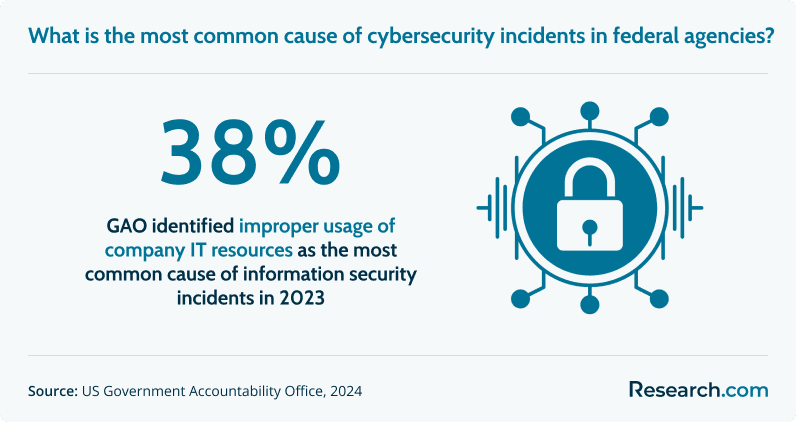
Good cybersecurity training also addresses people and process, not only tools. Human behavior, weak procedures, and poor access practices can create major risk even when technical controls are in place.
What types of specializations are available in the fastest online cybersecurity bootcamp?
A bootcamp usually prepares you for entry-level security work; specialization typically comes later through experience, certifications, and more focused training. The best strategy is to use the bootcamp to build fundamentals, then choose a specialization after you understand which parts of cybersecurity you enjoy and where employers are hiring.
- Penetration testing: Penetration testers, also called ethical hackers, legally test systems for weaknesses before criminals can exploit them.
- Cloud security: Cloud security professionals protect environments built on platforms such as Amazon Web Services (AWS) and Microsoft Azure. After a foundational bootcamp, learners interested in this path may compare the most affordable online cloud engineering bootcamps.
- Digital forensics: Forensics specialists investigate breaches, recover evidence, analyze attacker behavior, and support legal or internal investigations.
- Governance, risk, and compliance (GRC): GRC professionals connect security controls with policies, audits, regulations, and business risk management.
- Threat intelligence: Threat intelligence analysts study attacker tactics, emerging risks, and indicators of compromise to help organizations prepare defenses.
- Application security: Application security specialists work with development teams to identify vulnerabilities and build safer software through practices such as DevSecOps.
| If You Like... | Consider This Cybersecurity Path |
| Breaking systems in legal, controlled ways | Penetration testing |
| Cloud platforms, infrastructure, and identity controls | Cloud security |
| Investigations and evidence-based analysis | Digital forensics |
| Policy, audits, and business risk | GRC |
| Researching attackers and emerging threats | Threat intelligence |
| Working with developers and code security | Application security |
How to choose the best fast online cybersecurity bootcamp?
The best fast online cybersecurity bootcamp is not necessarily the shortest or most expensive program. It is the one that matches your current skill level, schedule, budget, learning style, and target role. Even when evaluating specialized options such as the fastest online CompTIA CySA+ training bootcamps, focus on evidence of quality rather than speed alone.
Key factors to compare
- Curriculum alignment: Look for hands-on coverage of networking, Linux, Windows, SIEM tools, vulnerability management, incident response, and security fundamentals. Alignment with certifications from organizations such as CompTIA, (ISC)², or ISACA can indicate relevance.
- Instructor background: Review instructor bios to see whether they have current or recent cybersecurity experience. Practitioners can often connect classroom concepts to real incident workflows.
- Career services: Ask what support is included: resume reviews, mock interviews, technical interview practice, employer introductions, and post-graduation coaching.
- Outcome transparency: Request recent job placement information, role titles, salary data, and how the provider defines “placed.” Be cautious if a school shares only vague success stories.
- Schedule realism: Compare the required weekly commitment with your work, family, and financial responsibilities. A faster bootcamp is not better if you cannot keep up.
- Financing terms: Read payment agreements carefully, especially for loans and ISAs. Understand the total repayment amount and refund policy.
This same evaluation logic applies to other technical programs, including the most affordable online data science bootcamps. A program should help you build usable skills and support the next step in your career, not simply advertise a fast completion date.
Questions to ask before enrolling
| Question | Why It Matters |
| What entry-level roles does the curriculum prepare students for? | Prevents mismatch between training and job expectations |
| How much live instruction is included? | Clarifies whether the program is interactive or mostly self-guided |
| What tools will I use in labs? | Shows whether the training reflects real security workflows |
| Are certification exams included in tuition? | Affects total cost and post-graduation credential planning |
| What support is available after graduation? | Job searches often continue beyond the final class date |
| Can I speak with recent graduates? | Provides insight into workload, instruction quality, and career outcomes |
What career paths are available for graduates of a fast online cybersecurity bootcamp?
A fast online cybersecurity bootcamp can help you compete for entry-level security roles, but your long-term path will depend on experience, certifications, performance, and specialization. Many graduates start in security operations, then move into engineering, testing, compliance, cloud security, or leadership.
Career planning in cybersecurity requires the same long-term thinking used in other professional education decisions, such as comparing the fastest online master's programs in marriage and family counseling: the credential should connect clearly to the role you want next and the career you want later.
Common entry-level roles
| Role | Typical Responsibilities | Good Fit For |
| SOC Analyst | Monitor alerts, review logs, escalate incidents, and document findings | Learners who enjoy investigation, process, and shift-based security operations |
| Junior Security Analyst | Support vulnerability tracking, access reviews, incident response, and reporting | Students who want a broad security role in a corporate environment |
| IT Security Support Specialist | Assist with account security, endpoint tools, policy enforcement, and user issues | Help desk or IT support workers moving into security |
| Vulnerability Management Analyst | Help scan systems, review findings, prioritize remediation, and track fixes | Detail-oriented learners interested in risk reduction |
The technical specialist path
If you enjoy hands-on technical work, you may grow into roles such as penetration tester, security engineer, cloud security analyst, or digital forensics investigator. This path requires deep technical development and often benefits from certifications and lab practice beyond the bootcamp.
The security leadership path
If you are strong in communication, planning, and cross-functional work, you may eventually move toward security manager, director of information security, or Chief Information Security Officer (CISO) roles. Leadership positions require not only technical credibility but also budgeting, risk management, policy development, and team leadership.
Interdisciplinary cybersecurity paths
Cybersecurity overlaps with psychology, law, business, education, and software development. A background in psychology can help with social engineering defense and awareness training. Legal knowledge can support privacy, compliance, and investigations. Software experience can lead to application security.
This differs from pursuing an affordable online web development degree, where the primary focus is often product development. Cybersecurity frequently requires connecting technical evidence to human behavior, business risk, and organizational policy.
The security entrepreneur path
After gaining professional experience, some cybersecurity practitioners launch consulting firms, managed security services, penetration testing practices, or security awareness businesses. This path is not usually realistic immediately after a bootcamp, but a bootcamp can be the first step toward building the technical base required.
How AI may affect cybersecurity careers
Artificial intelligence is changing security operations, threat analysis, automation, and attacker behavior. According to the World Economic Forum, 66% of cyber leaders believe AI will have a significant impact on security operations. Future cybersecurity professionals may need to understand AI-driven security tools, AI-related risks, and secure AI system design.
What is the job market for graduates with a fast online cybersecurity bootcamp?
The cybersecurity job market remains strong because organizations must defend systems, data, customers, and operations against constant threats. Demand is tied to business necessity rather than a short-term hiring trend. The projected $9.22 trillion cost of cybercrime and the average annual increase of 5.7% in IT security budgets show why organizations continue investing in security capability.
Bootcamp graduates can benefit from the shift toward skills-based hiring, where employers evaluate what candidates can do rather than relying only on degrees. This trend is similar to the way alternative routes, including a fast-track online elementary education degree, can help people move into new fields more quickly than traditional timelines.
Still, competition exists. Employers may prefer candidates who combine bootcamp training with IT experience, certifications, strong communication, and a portfolio of hands-on work. The strongest applicants can explain not only which tools they used, but also how they approached investigations, documented findings, and reduced risk.
| Data Breach | Number of Affected Records |
| Cam4 Data Breach (Mar 2020) | 10.88bn records |
| Yahoo Data Breach (2017) | 3bn accounts |
| Aadhaar Data Breach (Mar 2018) | 1.1bn people |
| Alibaba Data Breach (Jul 2022) | 1.1bn users |
| First American Financial Corporation Data Breach (May 2019) | 885m users |
| Verifications.io Data Breach (Feb 2019) | 763m users |
| LinkedIn Data Breach (Jun 2021) | 700m users |
| Facebook Data Breach (Apr 2019) | 533m users |
| Yahoo Data Breach (2014) | 500m accounts |
| Starwood (Marriott) Data Breach (Nov 2018) | 500m guests |
| Source: Statista, 2025 |
Are there any challenges to consider before enrolling in a fast online cybersecurity bootcamp?
Yes. The main challenge is intensity. A compressed online bootcamp can move quickly through networking, systems, security tools, labs, and incident scenarios. If you fall behind early, catching up can be difficult without disciplined study time and instructor support.
Remote learning also requires reliable technology, stable internet, good time management, and comfort asking for help online. Students who need more academic depth or a slower pace may prefer a degree, certificate, or preparatory course before entering a bootcamp. This decision process is similar to comparing other online education options, such as the most affordable online biotechnology master's programs, where format, workload, credibility, and career fit matter as much as price.
Common mistakes to avoid
| Mistake | Better Approach |
| Choosing the fastest program without checking workload | Ask how many hours per week successful students typically study |
| Looking only at tuition | Compare total cost, financing terms, certification fees, hardware, and lost work time |
| Assuming every bootcamp leads directly to a job | Review verified outcomes and build your own portfolio, network, and certification plan |
| Ignoring accreditation or state authorization | Confirm licensing, institutional partnerships, and recognition before enrolling |
| Skipping fundamentals | Study networking, operating systems, and basic security concepts before the first day |
| Relying only on rankings | Use rankings as a starting point, then compare curriculum, support, schedule, and outcomes |
Here’s What Graduates Have to Say About Their Fast Online Cybersecurity Bootcamp
"After leaving the military, I wanted a career where the work still felt mission-driven. Cybersecurity made sense because the job is about protecting systems and people. The online bootcamp gave me structure, and the cohort experience felt familiar. I later moved into a role with a government contractor, and my veteran benefits helped cover part of the cost." - Noah
"I had spent years on the IT help desk and felt like I had hit a ceiling. The bootcamp helped me focus on security-specific skills without leaving my full-time job. Three months after finishing, I accepted a Security Analyst role with a 30% pay increase." - Olivia
"I understood networking in theory, but the labs forced me to apply it. Configuring firewalls and then testing my own setup changed the way I thought about security. Doing that work from my home office gave me the hands-on practice I needed." - Omar
How do fast online cybersecurity bootcamps stay current with evolving industry demands?
Cybersecurity changes quickly, so bootcamps must revise curricula as threats, tools, and employer expectations shift. Strong providers consult industry practitioners, update labs, add current attack scenarios, and align coursework with widely recognized security practices. Programs that do not refresh content risk teaching outdated workflows.
When comparing programs, ask how often the curriculum is reviewed, who reviews it, and whether students practice with current tools and realistic scenarios. This need for constant curriculum relevance also appears in other technical fields, including online game development degree programs, where tools and production standards change over time.
Are fast online cybersecurity bootcamps accredited and recognized by industry experts?
Bootcamp recognition varies. Some programs are licensed by state workforce or education agencies, some are offered through universities, and some align coursework with industry certifications. Accreditation and licensing are not the same thing, so students should verify the exact status of each program rather than relying on broad claims.
Industry recognition can also come from certification alignment, employer partnerships, instructor credibility, and graduate outcomes. For students interested in blending technical expertise with management skills, programs such as the fastest online engineering management master's programs may later support leadership goals, but they serve a different purpose than entry-level cybersecurity bootcamps.
How to verify credibility
- Confirm state licensing or approval when a provider claims it.
- Check whether the program is offered by or through a recognized college or university.
- Ask whether the curriculum maps to certifications such as Security+ or other industry credentials.
- Review instructor qualifications and recent professional experience.
- Request transparent graduate outcomes and definitions.
- Read the enrollment agreement, refund policy, and financing terms before signing.
Can additional academic qualifications enhance your cybersecurity career?
Yes, additional academic qualifications can strengthen a cybersecurity career, especially for professionals targeting leadership, research, compliance, architecture, or specialized technical roles. A bootcamp may help you enter the field, while degrees, graduate certificates, and advanced certifications can deepen your theoretical understanding and expand your career options over time.
For example, professionals interested in security automation, AI risk, or emerging technology strategy may eventually combine cybersecurity experience with advanced study such as the most affordable online artificial intelligence degree programs. The right next credential depends on your target role, employer expectations, and whether you need academic depth, certification validation, or applied technical training.
Key Insights
- A fast online cybersecurity bootcamp can be a practical route into entry-level security work, especially for learners who need structure, labs, and career support.
- Speed should not be your only selection factor. Curriculum quality, instructor experience, career services, outcome transparency, financing terms, and schedule fit are more important.
- The field offers strong long-term earning potential, with information security analysts earning a median annual pay of $124,910, but entry-level bootcamp graduate salaries can vary widely.
- Most beginner-focused bootcamps do not require advanced coding skills or a computer science degree, but they do require persistence, technical curiosity, and disciplined study habits.
- Online bootcamps can be highly effective when they include live instruction, realistic labs, peer collaboration, and meaningful feedback.
- Cybersecurity specialization usually comes after the bootcamp through work experience, certifications, and focused training in areas such as cloud security, penetration testing, GRC, forensics, or threat intelligence.
- AI is becoming a major factor in cybersecurity operations, with 66% of cyber leaders expecting it to have a significant impact, making adaptability and continuous learning essential.
- Before enrolling, verify accreditation or licensing claims, read financing agreements carefully, ask for recent outcomes, and make sure the workload fits your life.
References:
- Statista Research Department. (2024, January 12). Annual increase in IT security budget worldwide from 2021 to 2024. Statista.
- The S1 Editorial Team. (2024, May 20). Cyber Security Statistics 2024: The Ultimate List. SentinelOne.
- US Bureau of Labor Statistics. (2024, April 16). Occupational Outlook Handbook, Information Security Analysts. BLS.gov.
- US Government Accountability Office. (n.d.). Cybersecurity. GAO.gov
- World Economic Forum. (2025). Global Cybersecurity Outlook 2025. WEforum.org
Other Things You Should Know About the Fastest Online Cybersecurity Bootcamps
In 2027, the fastest online cybersecurity bootcamps typically range from 8 to 12 weeks. These immersive programs are designed to equip students with core cybersecurity skills rapidly, focusing on practical, hands-on experience, and are ideal for those seeking swift entry into the cybersecurity field.
In 2027, the fastest online cybersecurity bootcamps demand foundational skills in networking, operating systems, and programming languages such as Python. Familiarity with cybersecurity tools like Wireshark and knowledge of security protocols and risk management are crucial for success in these intensive programs.
Yes. Many accelerated online bootcamps align with CompTIA Security+, CompTIA CySA+, and sometimes EC-Council Certified Ethical Hacker (CEH) exam objectives. Some also include practice tests, but they do not usually replace official exam fees or guarantee certification.


