2027 Marine Science Degree vs Bootcamp vs Certificate: Which Path Leads to Better Career Outcomes?

Co-Founder and Chief Data Scientist
Choosing between a marine science degree, bootcamp, or certificate poses a critical dilemma for those aiming to enter or advance in this field. Employers often weigh credentials heavily-with 68% favoring candidates holding a formal degree for research and environmental roles. Salary disparities can be stark, as degree holders typically earn more over time, while bootcamps offer quicker, lower-cost entry points with variable job placement rates.
Networking opportunities and long-term career growth also diverge significantly across paths-impacting returns on investment and suitability for different learner profiles. This article dissects these factors to guide readers toward the optimal pathway for their marine science careers.
Key Things to Know About Which Path Leads to Better Career Outcomes: Marine Science Degree, Bootcamp, or Certificate
- Marine Science degree graduates typically earn 20% more on average than bootcamp or certificate holders-employers prioritize degrees for research and specialist roles.
- Bootcamps offer faster job placement-often within six months-with practical skills favored in entry-level technician positions but limited long-term advancement.
- Certificates provide cost-effective upskilling with moderate salary gains but weaker networking opportunities-best suited for working professionals seeking specific skill enhancement.
How Does Marine Science Degree Compare to Bootcamps and Certificates in Total Program Cost and Time to Completion?
Prospective marine science students face a genuine choice between pursuing a traditional multi-year degree or opting for faster, more affordable alternatives-bootcamps and professional certificates. Neither path is inherently better; the right choice depends on individual goals, timelines, and learning preferences.
A traditional marine science degree typically means earning a bachelor's or associate's degree from a college or university. Bachelor's programs usually require four years of full-time study, while associates take approximately two years. These programs emphasize broad academic rigor, including coursework, lab work, and field research, providing a comprehensive foundation in marine science.
Bootcamps offer an intensive, practical alternative lasting from 8 to 26 weeks. These programs often focus on specific career skills such as data analysis, GIS mapping, or environmental monitoring. Many bootcamps run full-time, though some part-time options extend duration while spreading out costs. This path emphasizes hands-on training over academic breadth.
Professional certificates provide a flexible middle ground. Offered by platforms like Coursera and industry associations, these courses range from a few weeks to several months and can be self-paced or instructor-led. They concentrate on targeted competencies and accommodate varying schedules, making them suitable for working professionals or those testing new areas.
When comparing costs and time to completion, data from the National Center for Education Statistics (NCES) and the Integrated Postsecondary Education Data System (IPEDS) show that bachelor's degrees in marine science consistently cost between $40,000 and $100,000 for four years. Associate degrees average $6,000 to $20,000 for two years. Bootcamps reviewed on platforms like SwitchUp and Course Report typically cost $5,000 to $15,000. Certificates are the most affordable, often ranging from $200 to $2,000.
- Time Commitment: Degrees require multiple years; bootcamps last a few months; certificates can be completed in weeks or months.
- Total Cost: Degrees can cost tens of thousands; bootcamps cost thousands; certificates cost a few hundred to a couple thousand dollars.
- Format and Depth: Degree programs offer broad, deep learning with academic rigor; bootcamps focus on intensive, applied skills; certificates provide targeted knowledge with greater flexibility.
Cost and duration are necessary considerations but do not fully capture each pathway's value. Factors like salary outcomes, employer credential preferences, job placement rates, and long-term career growth significantly influence overall return on investment. Adult learners exploring other healthcare-related fields might also compare options such as medical billing and coding courses to gauge alternative career paths. Subsequent sections will analyze these critical elements to help guide your marine science education decisions.
What Career Outcomes Can Marine Science Degree Graduates Expect Compared to Bootcamp and Certificate Completers?
Labor market data from the Bureau of Labor Statistics (BLS) Occupational Employment and Wage Statistics and the NACE Early Career Salary Survey reveal distinct career outcomes for marine science degree graduates compared to bootcamp completers and certificate holders. Degree graduates generally enjoy a 75-85% employment rate within six months, reflecting the industry's traditional preference for formal academic credentials. Bootcamp completers-with a focus on technical or data skills-may see 60-70%, while certificate holders often face lower immediate placement due to their training's shorter and more specialized nature. These statistics highlight clear differences in the career outcomes of marine science degree graduates compared to bootcamp completers.
- Employment Rate: Degree holders maintain higher placement rates in scientific and regulatory jobs; bootcamp and certificate completers find more opportunities in tech-adjacent roles.
- Median Starting Salary: Degree recipients typically earn $45,000 to $55,000 annually, bootcamp completers range from $40,000 to $50,000, and certificate holders usually start between $35,000 and $45,000.
- Job Title Level: Degree graduates enter roles such as research assistants and environmental analysts, while certificate holders often secure technician positions; bootcamp graduates with strong portfolios may bypass entry-level titles, especially in GIS or data analytics.
The gaps in job placement and salary differences for marine science certificate versus degree holders vary by field segment and employer preferences. Skills-based hiring gains traction, allowing non-degree candidates to gain ground in specific areas. However, many scientific roles still prioritize degrees for competitive hiring.
Bootcamp outcome data is frequently self-reported and can include survivorship bias or selective disclosure. Prospective learners should critically evaluate these claims by seeking programs verified by CIRR or third-party audits. Career success also depends on portfolio quality, networks, geographic location, and target industry-credentials alone do not guarantee outcomes.
For those weighing educational options, considering pathways alongside verified data can improve decision-making. Additionally, comparing specialized credentials like marine science with alternatives across disciplines-such as exploring the best DNP programs-can provide broader context for investment and career planning.
Which Marine Science Pathway - Degree, Bootcamp, or Certificate - Offers the Highest Starting Salary for Graduates?
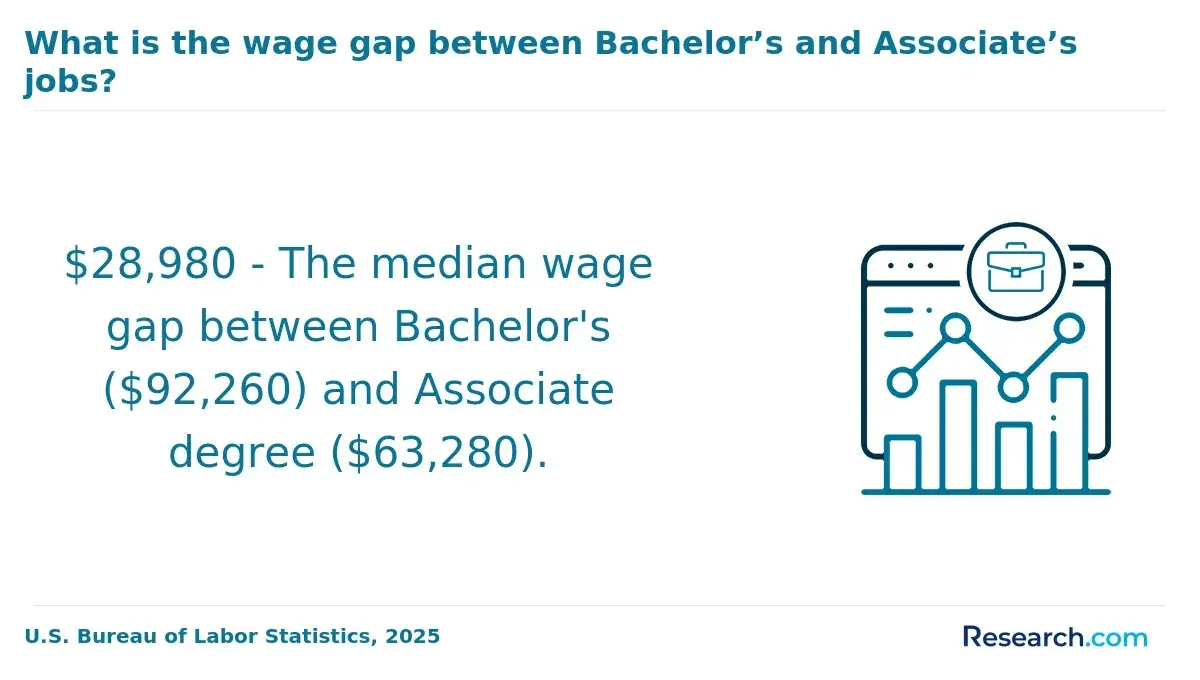
Data from the Bureau of Labor Statistics, National Association of Colleges and Employers, LinkedIn Salary Insights, and Glassdoor indicate clear salary distinctions among entry-level marine science professionals based on their education pathway.
- Degree Holders: Typically command starting salaries between $45,000 and $60,000 annually, with roles concentrated in government agencies, research organizations, and larger environmental firms that expect formal academic credentials.
- Bootcamp Graduates: Often find positions paying from $40,000 to $50,000, mainly within startups or smaller businesses valuing hands-on technical expertise in areas like data analysis or GIS.
- Certificate Completers: Usually enter the field with salaries in the $38,000 to $48,000 range, filling niche roles in marine policy or conservation, often supplementing other qualifications.
Several factors contribute significantly to salary variation beyond education level:
- Employer Type: Larger enterprises generally offer higher salaries to degree holders, while smaller firms may value specific technical skills more highly.
- Industry Sector: Government and academic jobs favor degrees and provide stable pay structures; nonprofit and private sectors show more salary variability depending on accepted credentials.
- Geographic Market: Coastal and research-heavy regions tend to offer better pay due to higher demand for marine science expertise, regardless of credential.
Degree holders frequently experience stronger long-term salary growth, accessing roles that require graduate education or advanced credentials, such as lead researcher or program manager positions. While bootcamp and certificate holders enter competitively, their upward mobility may be slower without additional academic qualifications.
Salary figures represent median benchmarks; individual outcomes vary with prior experience, specialization, geographic flexibility, and program quality. For a detailed cost-benefit perspective, readers should consult the ROI analysis section.
When asked, a professional with a marine science degree shared that navigating the transition from academic theory to applied work involved overcoming initial uncertainty about job prospects. He recalled, "Adapting my skills to meet employer expectations was challenging, but the degree opened doors to positions that aligned with my long-term goals." His experience highlighted that while starting salaries were competitive, the confidence and credentials gained through formal education provided stability and advancement opportunities that felt crucial early in his career.
Employers in marine science show varied preferences when assessing credentials-degree, bootcamp, or certification-with degrees still commanding the strongest recognition overall. Surveys from SHRM and LinkedIn Talent Insights highlight that formal bachelor's or advanced degrees remain primary filters in hiring, especially within large corporations, government bodies, and regulated sectors like environmental consulting and oceanographic research. These employers value degrees for their comprehensive theory and the demonstrated dedication they represent.
- Sector-Specific Preferences: Formal degrees are often required in federal or state government positions, environmental regulation firms, and leading research institutions, where accreditation is typically mandatory.
- Emerging Flexibility: Smaller firms and startups increasingly accept bootcamp or certificate holders, particularly if paired with proven technical abilities or portfolios, reflecting a shift toward skills-based hiring.
- Skills-Based Hiring Initiatives: Although some government agencies and tech companies have relaxed degree requirements, marine science job data show slow adoption-with degrees still serving as key proxies for reliability, except in specialized roles such as GIS and data analysis.
- Credential Portfolios: Combining degrees with certifications or bootcamp experience can improve competitiveness, especially for niche, evolving industry skills.
- Long-Term Career Impact: Degree holders usually access wider leadership and policy advancement, while bootcamp or certificate holders excel more in technical or support roles.
Those weighing employer preferences for marine science credentials should focus on the specific sector they aim to enter, as hiring standards differ widely. For a detailed look at career outcomes, including salary benchmarks across biology-related roles, see 20 careers in biology salary. This balanced view aids decisions beyond the common ranking of marine science degrees versus bootcamps, emphasizing data-backed insights relevant to distinct professional pathways.
Admission to accredited marine science degree programs typically demands a solid academic record-often a minimum GPA near 3.0-and completion of prerequisite courses in biology, chemistry, physics, and math. Standardized tests like the SAT or ACT are frequently required, and applications often include letters of recommendation and personal essays. Deadlines follow academic calendars, requiring careful planning several months before enrollment. These criteria serve as a quality filter, signaling to employers the student's preparedness and commitment.
Marine science bootcamps and certificate programs contrast sharply, offering open enrollment with few to no formal requirements. They eliminate barriers such as GPA thresholds and prerequisite classes, making them more accessible to non-traditional learners like career changers, working adults, and those facing financial or geographic constraints. Instead of selectivity, these programs demonstrate value through instructor expertise, curriculum relevance, accreditation, and job placement success.
- GPA and Academic Records: Degrees require competitive GPAs; bootcamps typically have none.
- Prerequisite Coursework: Degrees mandate foundational science and math; bootcamps welcome diverse educational backgrounds.
- Standardized Tests: Often required for degrees; rarely for bootcamps.
- Letters of Recommendation and Essays: Common in degrees; uncommon in bootcamps.
- Application Timelines: Degrees follow strict schedules; bootcamps offer rolling or multiple start dates.
While selectivity builds employer confidence in degree graduates, it can also pose inequitable hurdles for many aspiring learners. Those barriers are mitigated by bootcamps and certificates, which broaden access through flexible enrollment and lower upfront demands. Individuals should reflect on their academic preparation and life circumstances to determine which pathway aligns best with their goals-whether that barrier represents a meaningful quality benchmark or an unnecessary obstacle.
A professional who built her career after earning a marine science degree recalled how intense the admission process felt-balancing rigorous transcript reviews, standardized testing, and multiple recommendation letters. She described the experience as initially daunting but ultimately rewarding, noting that this thorough screening helped her develop discipline early on. This level of preparation made her feel confident entering the workforce, though she acknowledged it might discourage those juggling work or family responsibilities. Her perspective highlights how academic barriers can simultaneously prepare and limit aspirants in different ways.
Marine science degree programs deliver a broad academic framework combining general education-such as mathematics, chemistry, and environmental science-with specialized marine courses covering oceanography, marine biology, and ecosystems. This structure typically involves lab work, field research, and often a thesis or capstone project, emphasizing both theoretical foundation and practical application. Electives add flexibility, allowing students to tailor their studies for diverse career pathways. While degrees cultivate adaptable knowledge essential for long-term growth, they usually require a longer period before entering the workforce.
- Degree Curriculum: Comprehensive coverage integrates foundational sciences with marine-specific topics, enhanced by research experiences that deepen analytical skills and critical thinking.
- Bootcamp Curriculum: Designed for rapid skill acquisition, bootcamps focus on intensive, project-based learning-often concluding with a portfolio-to build job-ready technical abilities quickly. They emphasize applied tools like data analysis, GIS mapping, or environmental monitoring relevant to marine contexts but tend to exclude broader theoretical content and electives found in degrees.
- Certificate Curriculum: Certificates fall into two categories:
Certificates enhance specific skill sets and employability but generally lack extensive theory or research components.
- Entry-level certificates from providers like Coursera or Google introduce essential concepts and basic technical skills, suited for newcomers or support roles in marine-related fields.
- Advanced professional certifications target experienced practitioners aiming to deepen expertise in niche areas like marine GIS or regulatory compliance through concise, highly focused training emphasizing immediate workplace applicability.
Each pathway balances foundational knowledge and applied skills differently-degrees prioritize theoretical depth and versatility, bootcamps accelerate practical skillsets for quicker employment, and certificates offer targeted credentials that fit various experience levels and job requirements within the marine science sector.
Calculating return on investment (ROI) for marine science education pathways requires assessing total program costs-tuition, fees, materials-plus the opportunity cost of income foregone while studying. Opportunity cost is a critical factor: a two- or four-year degree means years away from the workforce, significantly reducing earnings during that period and raising the true cost compared to shorter bootcamp or certificate programs. Incorporating data from NCES, NACE salary benchmarks, and bootcamp outcome reports yields a comprehensive view of ROI over five- and ten-year horizons post-completion.
Here are scenario-based ROI insights for typical marine science learners:
- Recent High School Graduate: With no prior income to forego, the opportunity cost mainly includes tuition and fees. A bachelor's degree generally demonstrates a strong five- to ten-year ROI, due to a substantial salary premium. Certificates and bootcamps, which cost less and complete faster, offer quicker but smaller increases in earnings.
- Mid-Career Professional Leaving a $50,000 Job: Opportunity cost profoundly affects ROI. Lost income during a four-year degree can exceed $200,000, diminishing short-term returns. Conversely, bootcamps and certificates-often part-time or completed in months-minimize income loss and tend to yield positive ROI faster, usually within five years, despite smaller salary bumps.
- Part-Time Learner Maintaining Employment: Earning while studying reduces opportunity cost significantly. All pathways show improved financial outcomes here, though degrees still provide broader long-term salary growth, while bootcamps and certificates deliver faster initial returns.
ROI varies widely depending on individual circumstances rather than credential type alone. While degrees may have lower short-term ROI, they offer credentials and specialization preferred by many marine science employers. Bootcamps and certificates focus on speed and lower upfront costs but lack the same depth or industry recognition.
When examining job placement rates among marine science degree programs, bootcamps, and certificate programs, it's essential to consider their differing data collection methods and definitions of placement. Degree programs most often report placement rates through the Integrated Postsecondary Education Data System (IPEDS) or institutional career services. These statistics typically emphasize employment in roles directly related to marine science or associated research fields-often independently audited or verified, which enhances their reliability.
- Bootcamp Self-Reporting: Many marine science bootcamps rely on self-reported placement data, which vary in accuracy and criteria. Some include employment in broadly related environmental or technical positions, not strictly marine science. Since most lack external audits such as those mandated by the Council on Integrity in Results Reporting (CIRR) for coding bootcamps, these figures should be approached cautiously.
- Degree Program Outcomes: Degree pathways provide detailed tracking metrics-such as time-to-placement, salary ranges, and relevance of the job to the major-though reporting varies by institution. Using IPEDS data or alumni surveys, degree programs aim for transparency and consistency in outcomes.
- Definition of Placement: "Placement" definitions differ-bootcamps may count any job secured after completion, while degree programs emphasize related scientific roles. Awareness of these distinctions helps avoid overestimating career alignment promised by some pathways, especially when comparing certificate programs versus degree career outcomes in marine science.
- Career Services Impact: Effective career support-including employer connections, resume coaching, mock interviews, and alumni networks-substantially improves placement prospects in degree, bootcamp, and certificate pathways alike. Prospective students should evaluate career services as a critical factor when choosing a marine science education option.
- Critical Evaluation: Readers should seek granular placement data broken down by job type, salary bands, and placement timelines rather than relying on overall statistics. Benchmarking program claims against broader industry averages offers a clearer picture of true outcomes.
For professionals exploring educational options beyond traditional degrees, resources like the best online MHA programs illustrate how vetted credentials and transparent placement data can guide informed decisions.
The role of networking benefits in marine science degree programs remains a critical asset for career advancement-often surpassing formal instruction as learners progress. Degree programs typically provide extensive networking infrastructures including active alumni associations, tailored career fairs, faculty who serve as professional mentors, and Greek or professional organizations. The prestige and geographic reach of the institution significantly shape the breadth and influence of a graduate's network, with elite universities or those near marine research hubs offering heightened access to influential employers and research collaborations.
- Bootcamps: Generally smaller and newer, bootcamps employ a cohort model fostering close-knit peer communities. Established bootcamps develop growing alumni networks that emphasize strong referral practices and employer partnerships-especially where marine science intersects with technology, such as remote sensing or marine data analytics. While narrower in scope than degree networks, these connections can create effective hiring pipelines and project collaboration opportunities.
- Certificate Programs: Networks linked to major credential providers-like Google Career Certificates or industry-specific professional associations-vary widely in depth and reach. Some offer online communities and mentorship matching, but direct access to hiring managers or substantial alumni gatherings remains limited. For many learners, certificate networks primarily serve as knowledge-sharing platforms rather than robust career-launching ecosystems, requiring proactive engagement to leverage connections effectively.
This nuanced alumni access comparison between marine science bootcamps and certificates highlights that quality, accessibility, and long-term career value of networking grow with program community depth. Degree programs often deliver sustained professional influence, bootcamps stand out in specialized tech-driven marine science areas, and certificates provide helpful yet more limited networking without added effort. Learners evaluating options should also consider salary outcomes, employer credential preferences, job placement rates, and return on investment to find the best fit.
For additional insight on affordability and program comparisons, see BSN to MSN programs that similarly balance cost, credential value, and career impact.
Career outcomes for marine science pathways differ significantly by location due to variations in employer density, industry focus, and credential recognition. In major metropolitan hubs like San Francisco, Seattle, and Boston, bootcamp and certificate graduates benefit from concentrated employer networks and stronger job placement if they remain local. Graduates relocating away from these areas often face reduced opportunities because employers outside these hubs may be less familiar with non-degree credentials.
In mid-sized cities such as Raleigh or Portland, preferences are more balanced between degree holders and certificate earners, though bootcamp presence is smaller, limiting direct pipeline jobs. Here, alignment with local industry needs is crucial for skill-based pathways to succeed.
Rural and smaller markets typically favor traditional degree holders due to limited awareness of alternative credentials and lower employer density. Graduates of bootcamps or certificate programs in these areas often rely on remote work or relocation to improve career prospects.
The growth of remote work has partly evened the playing field-allowing marine science graduates across all pathways to compete for jobs benchmarked to metropolitan salaries. However, increased national competition, especially for remote roles, intensifies the job search.
Data from LinkedIn Talent Insights, SHRM surveys, Indeed research, and employer statements reveal that large enterprises and government agencies tend to use bachelor's or higher marine science degrees as strict filters during hiring. These organizations often depend on degrees due to formal job classifications, legal mandates, or funding requirements-making degrees a baseline rather than a distinguishing factor.
- Skills-First Approaches: Smaller firms, startups, and consulting agencies place greater emphasis on practical skills and demonstrated results. They evaluate portfolios, coding or data analysis tasks, and project outcomes more than formal credentials, a trend that has intensified since 2020 owing to technological advances and inclusive hiring efforts.
- Changing Employer Attitudes: Although many large employers publicly removed rigid degree requirements starting in 2020, hires with traditional marine science degrees still dominate these organizations. Non-degree credentials such as bootcamps and certificates are increasingly recognized but mainly for entry-level or specialized technical positions.
- Employer Type Significance: Established corporations and government bodies continue to prioritize comprehensive degree education due to regulatory compliance and perceptions of rigor.
- Research-Based Strategy: Job seekers should complement advertised job criteria with informational interviews and LinkedIn profile reviews of recent hires in target companies. This approach reveals the realistic distribution of qualifications and helps identify subtle expectations and emerging hiring practices.
What Graduates Say About Which Path Leads to Better Career Outcomes: Marine Science Degree, Bootcamp, or Certificate
- Jeffrey: "Choosing the marine science degree was a game-changer for me-while bootcamps can get you started quickly, the degree offered a much deeper understanding and significantly better salary prospects in the long run. Employers consistently value the comprehensive knowledge and research experience that come with a degree, which made my job hunt smoother and opened doors to roles with higher pay. Plus, the networking opportunities through internships and alumni connections have been invaluable for my career growth."
- Arianne: "Reflecting on my journey, the certificate path was ideal given my tight schedule and need for a cost-effective option, but I noticed that bootcamp graduates had a stronger edge in job placement rates due to the hands-on skills they gained. Employers I've talked to often look for practical experience above all-and bootcamps deliver that. However, long-term growth seems more promising with a degree, so it really depends on your learner profile and career timeline."
- Jonathan: "From a professional standpoint, I found that the bootcamp struck the best balance between return on investment and employer preference-its focused curriculum meant I entered the workforce fast with relevant skills, which employers actively seek. While the degree offers prestige and networking, the bootcamp alumni community proved to be a valuable resource for job leads and mentoring. For those who learn best through immersive, intensive study, this path really accelerates career momentum."
Other Things You Should Know About Marine Science Degrees
Accredited marine science degrees usually require 2 to 4 semesters of laboratory work, plus field courses in coastal ecology, oceanography, or marine biology. Many programs also include a capstone, research project, or internship, often totaling 120 semester credits for a bachelor's degree.
Recent high school graduates are generally better served by pursuing a marine science degree because it provides a structured, in-depth education that prepares them for a wide range of career options. On the other hand, career changers who already possess a relevant background or work experience may find bootcamps or certificate programs more practical for quickly gaining specialized marine science skills without committing to several years of study.
Marine science degrees are generally offered by accredited universities and carry widely recognized legitimacy that employers trust. Certificates and bootcamps vary significantly in accreditation-some may be affiliated with reputable institutions, while others are not formally recognized. This variability affects employer perceptions, with degrees usually preferred for roles requiring scientific rigor and certificates more accepted for technical or supplementary skills.
- So you want to become a Marine Biologist? | National Marine Aquarium https://www.national-aquarium.co.uk/learning-at-the-aquarium/marine-biologist/
- Bootcamp vs College: Which Offers Better ROI in 2025? https://www.skillspire.net/post/bootcamp-vs-college-which-path-offers-better-roi-in-2025
- Top 10 Best Paying Marine Biology Jobs 2026 (Inc Salaries) https://www.nexford.edu/insights/highest-paying-marine-biology-jobs
- So You Think You Want to be a Marine Biologist? - WiseOceans https://wiseoceans.com/so-you-think-you-want-to-be-a-marine-biologist/
- Marine Biologist Resume Example & Writing Guide https://www.jobseeker.com/en/resume/examples/marine-biologist
- Finding the right career in marine science https://www.marine.ie/site-area/news-events/news/finding-right-career-marine-science
- 10 Jobs You Can Get With a Marine Biology Degree https://www.seamester.com/blog/10-jobs-you-can-get-with-a-marine-biology-degree/
- Harnessing ATS and Automation for Job Success in Marine Sciences • Blue-Jobs • The online platform to find a job in marine sciences https://www.blue-jobs.com/blog/harnessing-ats-and-automation-for-job-success-in-marine-sciences/
- Top 15 Highest Paying Marine Biology Jobs in 2025 (UK & US Salaries Guide) https://apexlearning.org.uk/highest-paying-marine-biology-jobs-2026/
- Alumni Networks in STEM: Enhance Mentorship with Resources & Support https://ccwest.org/alumni-networks-in-stem-mentorship-connections-resources-and-support/