2027 Which Employers Hire Marine Science Degree Graduates? Industries, Roles, and Hiring Patterns

Co-Founder and Chief Data Scientist
Determining which employers hire marine science degree graduates presents a significant challenge-industries range widely from environmental consulting to government agencies, and roles vary from field research to policy analysis. With over 35% of entry-level marine science positions found in public sector organizations, understanding hiring patterns is crucial for career planning. The complexity intensifies as geographic markets and organizational types show distinct preferences for specialized skills.
This article addresses these challenges by examining the industries, roles, and hiring trends shaping employment opportunities for marine science graduates-offering readers actionable insights to navigate their education and career decisions effectively.
Key Things to Know About the Employers That Hire Marine Science Degree Graduates
- Government agencies-such as NOAA and the EPA-are leading employers, offering roles in environmental monitoring, policy development, and marine resource management.
- Private sector jobs concentrate within aquaculture, environmental consulting, and maritime technology firms-demanding expertise in data analysis, field research, and regulatory compliance.
- Hiring patterns show entry-level positions favor coastal regions with research institutions, while mid-career roles expand to include leadership and interdisciplinary collaboration across industries.
Which Industries Hire the Most Marine Science Degree Graduates?
Aligning academic preparation with career opportunities requires focusing on industries that absorb the largest share of marine science degree graduates. Data from the Bureau of Labor Statistics (BLS), National Center for Education Statistics (NCES), and LinkedIn Workforce Insights reveal key sectors with significant hiring volume in the United States. These sectors differ in how central marine science is to their operations-ranging from core functions to supporting roles-shaping the depth of fit for graduates exploring roles within each field.
- Environmental Consulting: A top employer, this industry values marine science expertise for assessing environmental impacts on marine ecosystems, conducting fieldwork, and ensuring regulatory compliance. Graduates typically work as marine biologists, environmental analysts, or field technicians integral to project success.
- Government Agencies: At federal, state, and local levels, marine science graduates fill roles in research, policy, resource management, and enforcement. Core marine science functions are central here-especially within fisheries, oceanic conservation, and coastal management organizations.
- Academic and Research Institutions: Universities and research centers employ primarily those with advanced degrees in roles such as research scientists, lab managers, and educators. Marine science drives innovation and knowledge creation in these settings.
- Aquaculture and Fisheries: This sector hires graduates to optimize sustainable seafood production, monitor aquatic health, and improve breeding. Marine science is a key operational component but often works alongside engineering and business teams.
- Nonprofit and Conservation Organizations: Focused on marine preservation, nonprofits recruit graduates for advocacy, research, and public outreach. Marine science expertise supports strategic planning, acting as a support function alongside communication and fundraising professionals.
- Energy and Natural Resources: In offshore oil, gas, and renewable energy, marine science is employed to conduct environmental impact assessments and habitat monitoring. This sector uses marine science to support regulatory compliance and sustainable resource development.
- Marine Technology and Equipment: Companies producing underwater sensors and oceanographic gear employ graduates for product testing, data analysis, and support. Marine science informs design and application within interdisciplinary technical teams.
Employment concentration across these industries varies by degree level-associate, bachelor's, or graduate-and by specific marine science specializations. Those exploring the field will benefit from understanding these patterns to target internships, specializations, and geographic markets most aligned with their goals. High school seniors, community college students, career changers, and professionals weighing graduate investments should similarly consider these insights as they plan their paths.
For those curious about how much does it cost to become a medical billing and coding professional, researching detailed program expenses can be equally impactful when comparing career alternatives beyond marine science.
What Entry-Level Roles Do Marine Science Degree Graduates Typically Fill?
Entry-level marine science graduates often start as research technicians-supporting data collection and laboratory analysis. Core responsibilities include sampling marine environments, preparing specimens, maintaining equipment, and assisting in data recording and preliminary interpretation. They typically report to senior researchers, principal investigators, or laboratory managers within academic, government, or nonprofit research organizations.
Competencies such as knowledge of marine ecosystems, familiarity with sampling techniques, and data management skills make graduates competitive for these roles. Other roles include:
Environmental Consultant or Analyst: These graduates frequently join consulting firms or environmental agencies as analysts who contribute scientific expertise to assess marine environmental impacts. Job duties focus on evaluating pollution effects, conducting environmental impact assessments, and supporting compliance with regulatory standards. Strong analytical abilities, understanding of marine laws and regulations, and data interpretation skills acquired during marine science training are essential.
Field Coordinator or Technician: Many fill field-based roles in nonprofits or government agencies dedicated to conservation and resource monitoring. Responsibilities include organizing fieldwork logistics, conducting ecological surveys, and engaging in community outreach or education programs. They report to program managers or conservation directors, sometimes leading seasonal or volunteer staff. Competencies in ecosystem assessment, communication, and project coordination specific to marine environments aid placement here.
Laboratory Assistant: In academic or private sector labs, graduates support experimental work and data quality control. Tasks involve maintaining lab equipment, preparing experimental setups, and recording observational data under supervision.They report to lab supervisors, technicians, or research scientists within universities or biotech firms. Knowledge of marine species biology, chemistry, and laboratory protocols acquired through coursework is valued.
Associate Consultant in Related Industries: Marine science skill sets also translate to roles in management consulting or financial services-especially those focusing on natural resource sectors. Job scopes include data analysis, environmental risk assessment, and strategic recommendations tailored to clients in fisheries, offshore energy, or coastal development.Positions typically report to senior consultants or project leads in consulting firms serving environmental or industrial clients. Scientific literacy combined with problem-solving and communication skills from marine science studies enables success in these roles.
Matching target entry-level roles to one's degree concentration, internship experience, and practical portfolio helps refine job search strategies for entry-level marine science jobs in the United States-a highly competitive and diverse market. Career changers and students exploring majors will find it valuable to map their strengths to roles aligned with industry sectors and job design.
To support workforce readiness and professional development, graduates should also explore options such as cheap online nursing programs for diversifying skill sets or bridging interdisciplinary opportunities.
What Are the Highest-Paying Employer Types for Marine Science Degree Graduates?
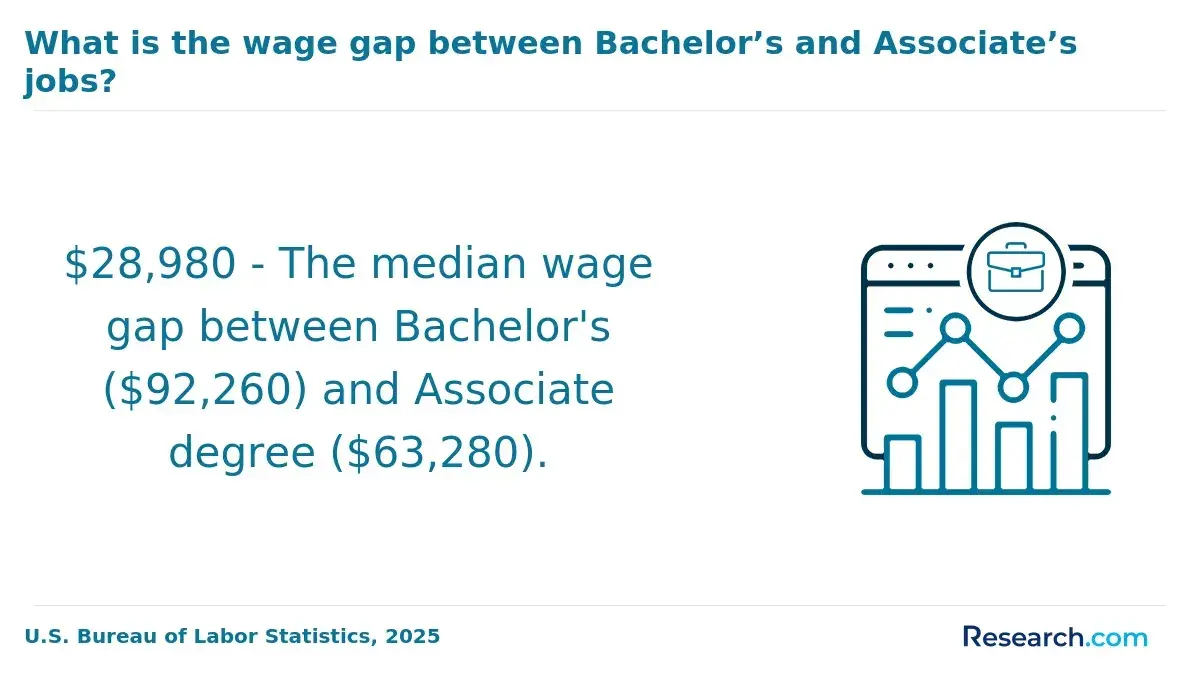
Marine Science graduates frequently find the highest salaries at large private firms-especially in oil and gas, environmental consulting, and marine technology industries. These employers benefit from high revenue per employee, allowing them to offer robust base pay. Investment-driven tech companies focused on ocean data or marine robotics often lead with generous salaries complemented by equity incentives. Environmental consulting firms with healthy profit margins also provide competitive starting pay and bonuses.
Some financial institutions and consulting firms, though not traditional marine science employers, hire graduates for environmental risk and sustainability roles. These firms typically offer attractive pay that reflects their generally higher compensation structures.
Federal, state, and local agencies like NOAA and EPA commonly employ marine science graduates with moderate salaries balanced by strong benefits and retirement plans. While base pay tends to be lower than private companies, the value of pensions, healthcare, and job security can offset the difference.
Graduates entering nonprofits or academia typically encounter the lowest direct salaries due to funding constraints. However, academia may provide indirect financial benefits such as tuition remission and research grants that enhance overall compensation.
Salary differences largely stem from business models-profit-driven private firms reward employees with higher cash and equity, while public and nonprofit employers emphasize mission stability and benefits. It's important to consider total compensation packages, including bonuses, equity, retirement, and health coverage. Moreover, career trajectory matters; a higher starting salary at a company with limited growth may ultimately be less lucrative than a lower-paying role offering steady raises and promotions.
A professional who successfully graduated with a marine science degree shared how navigating his job search shaped his perspective on employer types. "I initially chased the highest-paying offers from private firms but quickly realized that benefits and growth opportunities mattered more. Early on, it was stressful balancing salary expectations with company culture and advancement potential. Landing a position in a smaller environmental consulting company gave me steady raises and valuable experience, which paid off more over time than my first offer from a large tech firm. It wasn't just about the paycheck but where I could build a sustainable career."
Data from the U.S. Census Bureau's Statistics of U.S. Businesses and the BLS Quarterly Census of Employment and Wages reveal where marine science graduates tend to find work based on employer size. Large organizations-including Fortune 500 firms and mid-market companies-dominate hiring in sectors like environmental consulting and marine technology. These employers usually provide formal training, structured onboarding, and clear promotion paths, which appeal to graduates seeking stable career trajectories and recognizable brands on their resumes.
- Large Corporations: Offer stability and well-established career advancement opportunities, making them ideal for those wanting a predictable progression in marine science fields.
- Small Businesses: Startups, boutique consultancies, and nonprofits focus on marine conservation or education; they tend to employ fewer graduates but provide wider responsibilities and quicker growth through hands-on, cross-disciplinary roles.
- Specialization-Based Hiring: Disciplines like marine biotechnology often align with resource-rich large firms due to technical demands, whereas areas such as marine ecology thrive in agile, mission-driven small organizations.
- Career Fit Considerations: Employer size should complement other factors like industry segment, mission, location, and growth prospects to form a well-rounded employment choice.
Federal, state, and local agencies recruit marine science degree holders primarily through specialized scientific and technical job series, such as biological and physical science roles classified by the Office of Personnel Management (OPM). Agencies like the National Oceanic and Atmospheric Administration (NOAA), U.S. Geological Survey (USGS), Environmental Protection Agency (EPA), and various state natural resource departments frequently seek marine science graduates for environmental monitoring, research, and resource management positions.
Public sector hiring hinges on formal qualifications-bachelor's degrees grant entry at General Schedule (GS) levels GS-5 or GS-7, while advanced degrees facilitate access to higher pay grades. Some roles also require security clearances, especially those connected to national security or restricted research areas. Positions may fall under competitive service, with open merit-based applications and standardized evaluations, or excepted service, which expedites hiring for mission-critical fields and agencies such as NOAA Fisheries.
The federal GS system standardizes pay and promotions based on grade and step levels, blending educational credentials and experience. While government jobs offer long-term stability supported by defined-benefit retirement plans and comprehensive health coverage, salary increases and career advancement tend to follow steady, but slower, progressions shaped by union contracts and GS promotion timelines.
- Agencies Hiring Marine Science Graduates: NOAA, USGS, EPA, state fish and wildlife and coastal management offices.
- Credential Requirements: Bachelor's degrees typically required; master's or doctoral degrees preferred for research or supervisory roles.
- Hiring Processes: Competitive service involves merit-based assessments; excepted service targets specialized hiring with streamlined procedures.
- Pay and Advancement: Governed by GS classifications combining education and experience with rigid, stepwise promotion schedules.
- Security Clearances: Necessary for some positions tied to sensitive environmental or security-related work.
- Pipeline Programs: NOAA's Hollings Scholarship and Pathways Internship programs foster entry for recent graduates.
A marine science professional I spoke with recalled her early public sector job search as simultaneously daunting and rewarding. Navigating USAJobs applications required patience-meticulously compiling transcripts and detailing relevant experience to meet stringent criteria. She noted, "The process felt like jumping through hoops, but each step clarified my qualifications and fit." Securing an internship through a federal pathway program proved pivotal, providing hands-on experience and connections that eased her transition into a full-time role. Reflecting on her journey, she emphasized the importance of persistence and strategic application targeting, explaining that government hiring's structure-while rigid-offers unmatched stability and a clear framework for growth that ultimately suited her career goals perfectly.
Graduates with a marine science degree frequently engage with nonprofit and mission-driven organizations committed to environmental stewardship, education, and community involvement. Their expertise is in demand across entities focused on marine conservation, coastal resource management, and environmental advocacy.
- Program Areas: Professionals often work on conservation efforts, scientific research, habitat restoration, and development of policies protecting marine environments.
- Organizational Types: Employers include environmental advocacy groups, research institutions, aquariums, and nonprofits dedicated to ocean literacy and sustainability education.
- Functional Roles: Common positions include research coordinator, environmental educator, program manager, policy analyst, and field technician-roles blending scientific knowledge with community outreach.
Nonprofit marine science jobs tend to demand flexibility as employees may handle research, grant writing, leadership, and public engagement simultaneously. This broad scope fosters rapid skill acquisition, especially early in careers, although salaries often lag behind private sector levels.
- Role Scope: These positions typically encompass multiple responsibilities, contrasting the more specialized private-sector roles.
- Titles and Compensation: Job titles can vary and salaries commonly fall short of corporate pay scales, a reflection of limited nonprofit resources.
- Organizational Culture: Emphasis is placed on collaboration, mission focus, and social impact rather than financial gain.
Emerging mission-driven for-profit employers-such as benefit corporations, social enterprises, certified B Corporations, and impact-focused startups-offer marine science graduates opportunities to combine purpose with more competitive pay structures.
- Practical Trade-offs: Candidates should weigh lower initial compensation against benefits like Public Service Loan Forgiveness (PSLF) and the intrinsic fulfillment from contributing to environmental goals.
- Career Growth: Experience in nonprofits cultivates versatile skills applicable across sectors, aiding adaptability despite modest early financial returns. Prospective students might also want to consider online colleges.
Marine science degree graduates contribute significantly within the healthcare sector-leveraging analytical and scientific expertise beyond conventional clinical roles. Data from the Bureau of Labor Statistics (BLS) Occupational Employment and Wage Statistics alongside National Center for Education Statistics (NCES) graduate destinations indicate that these graduates find employment in diverse healthcare organizations such as hospital systems, insurance carriers, pharmaceutical companies, public health agencies, and health tech startups.
- Hospital Systems: Marine science graduates work in medical research support, environmental health monitoring, and data analytics teams focused on improving patient outcomes and operational efficiency.
- Insurance Carriers: They employ skills in risk assessment, statistical modeling, and environmental health to enhance actuarial analyses and develop health policies.
- Pharmaceutical Companies: Their knowledge aids drug development-especially bioprospecting and aquatic-derived compound research-and supports regulatory compliance efforts.
- Public Health Agencies: Graduates serve as environmental health specialists and epidemiology analysts, using data analysis, policy evaluation, and communication expertise to mitigate health risks.
- Health Tech Startups: Strengths in data management and systems modeling contribute to innovation in wearable devices, environmental sensors, and healthcare data platforms.
Competencies transferable to healthcare roles include advanced data analysis, operations management, science communication, policy research, financial management, and behavioral science applications. Marine science graduates should assess which skills align best with healthcare sub-sectors they target. Regulatory, credentialing, and compliance requirements often demand additional certifications-such as clinical or public health credentials-not typically covered in marine science curricula.
The healthcare sector remains among the most recession-resilient industries, with rapid growth in specialties like health technology and public health research. This stability and expansion provide promising pathways for marine science graduates who adapt their expertise to evolving healthcare needs and hiring patterns.
Technology companies and sectors are increasingly integrating marine science graduates into their workforce as environmental data, sensor technologies, and sustainability initiatives drive innovation. According to LinkedIn Talent Insights and labor market data from Burning Glass, there are two primary pathways where marine science competencies align closely with technology demand in the United States.
Working Within Technology Companies: Many tech firms develop core services around environmental monitoring, geospatial analytics, or climate science. Graduates commonly find roles in:
- Research & Development: Providing expertise for oceanographic sensors, autonomous underwater vehicles, and modeling software.
- Data Science & Analytics: Utilizing data interpretation and ecosystem modeling skills to enhance product features or assess environmental risks.
- Product Management: Translating scientific needs to guide software teams focused on marine-related solutions.
- Policy & Compliance: Navigating regulatory requirements critical for environmental tech deployment.
Supporting Technology Functions in Non-Tech Companies: Marine science graduates also support digital transformation, IT governance, and technology adoption in sectors such as shipping, energy, and government organizations. Roles include:
- Digital Transformation: Implementing platforms for environmental monitoring and operational efficiency.
- IT Governance & Systems Integration: Aligning marine data systems with enterprise technology standards.
- Operations & Supply Chain: Using technological tools to optimize maritime logistics and resource management.
The evolving landscape of skills-based hiring and remote work models in technology has expanded opportunities for marine science graduates who may not have a traditional programming background yet possess strong cross-disciplinary problem-solving abilities. Competencies in GIS, Python, R, and cloud computing are increasingly valued.
Accelerated demand is evident in emerging technology sectors employing marine science graduates for oceanographic research and environmental monitoring, particularly in areas such as:
- Climate Tech: Creating solutions to monitor and mitigate ocean-climate impacts.
- Health Tech: Investigating marine bioactives for human health benefits.
- AI-Adjacent Roles: Advancing data annotation, predictive modeling, and autonomous system design.
- EdTech and FinTech: Applying marine data expertise in education product design and specialized analytics.
Marine science graduates are advised to build portfolios that emphasize hands-on data projects, interdisciplinary collaboration, and proficiency with environmental technology platforms to align with these diverse career paths. For those considering a complementary credential, exploring programs like a health information management associate degree online can enhance employability in health tech sectors.
Mid-career roles for marine science graduates-typically five to ten years after entry-showcase diverse pathways shaped by industry, employer size, and specialization choices. Graduates often move beyond technical or research assistant positions into leadership, management, or advanced scientific roles. These roles reflect specialized leadership positions within environmental consulting firms and governmental marine research agencies.
- Functional Leadership: Many advance into project management, team lead, or program coordinator roles overseeing research initiatives, environmental compliance, or marine resource assessments, particularly in environmental consulting sectors.
- Specializations: Popular mid-career fields include marine ecology, oceanography, fisheries science, and coastal zone management. Professionals deepen technical expertise or move towards applied roles like restoration or policy advising, reflecting varied governmental marine science research careers for experienced graduates.
- Credential Development: Earning graduate degrees-master's or PhDs-and certifications such as Certified Fisheries Professional (CFP) or Project Management Professional (PMP) strongly correlate with advancement. Skills in data analysis, GIS mapping, and stakeholder engagement become indispensable.
- Employer Type Impact: Large organizations tend to provide structured promotion ladders leading to supervisory or departmental leadership roles. Conversely, those starting in startups or nonprofits experience more lateral moves, requiring broader skill sets and a proactive approach to leadership.
- Career Progression Patterns: Common title trajectories include advancing from research associate or field technician to marine scientist or environmental specialist, and then to senior scientist, marine program manager, or technical director.
- Geographic and Industry Variations: Career paths vary by region-graduates in coastal areas with extensive fisheries activity often focus on resource management, whereas those near research institutions typically pursue government or academic marine research roles.
Building early career capital-strong technical skills, relevant certifications, and networking-is essential. Marine science professionals exploring graduate-level investment may find resources on ADN to FNP programs useful for comparison across interdisciplinary fields.
Marine science employment is heavily influenced by geographic factors, with metropolitan areas such as San Diego, Seattle, and Boston showing the largest hiring volumes. These cities benefit from a concentration of federal research centers, oceanographic institutions, and thriving biotech industries that actively recruit marine science graduates. Such hubs provide opportunities at both entry and mid-career levels supported by well-established employer networks and advanced research infrastructure.
Mid-sized regional markets like Charleston, South Carolina, and Portland, Maine, offer competitive salaries driven by focused regional employers-including marine conservation groups and state agencies-creating attractive prospects for graduates targeting specialized roles. Conversely, smaller coastal and rural areas have fewer openings overall but often favor graduates with practical certifications or technical training for marine technician positions.
Since 2020, the rise of remote and hybrid work has reshaped traditional hiring geographies. Graduates in lower-cost areas can now compete for high-paying roles located in major hubs, but this also intensifies national competition, requiring job seekers to emphasize both technical skills and geographic adaptability. Understanding local employer demand and flexibility in relocation can significantly affect job placement speed and income progression.
Internship completion significantly boosts hiring success for marine science graduates-data from the NACE Internship and Co-op Survey show those with internships have two to three times higher job offer rates before graduation, along with quicker employment and elevated starting salaries. This advantage extends beyond initial job placement when internships occur at reputed research centers, government bodies, or recognized environmental firms. Such placements act as credential amplifiers-enhancing resumes by signaling practical expertise and cultural fit, which future employers value when assessing career potential.
Access to quality internships, however, varies widely. Students from lower-income families often face unpaid or geographically distant opportunities, while those at smaller or less connected schools may struggle with limited employer relationships. Geographic markets lacking marine science employers add another barrier. Programs offering virtual internships or cooperative education models help bridge these gaps, along with diversity-focused recruiting pipelines aimed at supporting underrepresented groups.
Internship Quality: Prestigious host organizations increase long-term career mobility by demonstrating candidate readiness and dedication.
Access Disparities: Structural challenges reduce availability for disadvantaged students-virtual and coop options provide critical alternatives.
Practical Guidance: Secure internships early-starting sophomore year-and target organizations aligned with your chosen marine science specialty. Use university career offices, alumni, and faculty networks to obtain referrals and insider information.
According to a 2023 university career report, internship experience accelerates marine science graduates' job attainment by an average of three months compared to peers without such experience.
What Graduates Say About the Employers That Hire Marine Science Degree Graduates
- Pierce: "Graduating with a degree in marine science opened unexpected doors for me-primarily within environmental consulting firms and government research agencies. I observed these employers often seek graduates for field technician and data analyst roles, emphasizing hands-on experience alongside academic credentials. Interestingly, hiring trends skew toward coastal regions, with hubs along the West Coast and Gulf of Mexico offering the most opportunities."
- Yves: "From my experience, those who employ marine science graduates range from nonprofit conservation groups to large maritime corporations, revealing the diverse career paths available. I found that organizations tend to prioritize candidates with specialization in oceanography or marine policy, especially for project management and advocacy positions. It's clear that recruitment spikes align with new environmental initiatives-particularly in Europe and Southeast Asia-where funding and interest are rapidly growing."
- Jonathan: "Working in this field has deepened my understanding of the different employers that drive marine science careers-academic institutions, governmental bodies, and private tech companies all play a role. These employers often recruit for research associate and technical support roles, preferring candidates who integrate strong analytical skills with practical knowledge. What stood out to me was the steady demand in the Atlantic seaboard and Australia's Great Barrier Reef region, reflecting both ecological importance and rich funding sources."
Other Things You Should Know About Marine Science Degrees
Employers often favor candidates with AAUS scientific diver certification, boating safety credentials, and CPR/first aid training. For federal or contractor roles, a USCG captain’s license or NOAA-related field safety training can strengthen applications. Many field jobs also require a clean driving record and offshore readiness.
The job market for marine science graduates is expected to grow moderately over the next decade, driven by increasing concern about ocean health, climate change, and marine resource management. Growth will be especially notable in environmental consulting, government regulatory roles, and non-profit organizations focused on sustainability. However, competition remains strong due to the specialized nature of the field and the limited number of available positions in some sectors.
Diversity, equity, and inclusion (DEI) initiatives are increasingly shaping hiring practices in marine science to broaden participation and reduce barriers for underrepresented groups. Many employers now actively seek diverse candidate pools and implement equitable recruitment strategies. These efforts not only improve workforce diversity but also enhance innovation and problem-solving in marine science research and conservation projects.
- Careers https://marinescience.blog.gov.uk/category/careers/
- Low ethnic diversity among university applicants in marine and environmental science in the United Kingdom - Communications Earth & Environment https://www.nature.com/articles/s43247-024-01579-1
- Finding the right career in marine science https://www.marine.ie/site-area/news-events/news/finding-right-career-marine-science
- 4 Reasons to Join a Marine Conservation Internship - Cape RADD https://www.caperadd.com/news/4-reasons-to-join-a-marine-conservation-internship/
- More than a Hobby: Marine Science Career Development through the Lens of Social Cognitive Career Theory | Current: The Journal of Marine Education https://current-journal.com/articles/10.5334/cjme.83
- 10 Jobs You Can Get With a Marine Biology Degree https://www.seamester.com/blog/10-jobs-you-can-get-with-a-marine-biology-degree/
- Top 15 Highest Paying Marine Biology Jobs in 2025 (UK & US Salaries Guide) https://apexlearning.org.uk/highest-paying-marine-biology-jobs-2026/
- Top 10 Highest Paying Marine Biology Jobs 2025 (Inc Salaries) | Nexford University https://www.nexford.edu/insights/highest-paying-marine-biology-jobs
- Careers in Marine Science - Clearwater Marine Aquarium https://mission.cmaquarium.org/what-we-do/conservation-research/careers-in-marine-science/
- Career Opportunities for Seekers of Marine Technology Jobs https://www.marinetechnologynews.com/articles/marinetechnology/career-opportunities-for-seekers-of-marine-technology-jobs-100039