2027 What Careers Can You Pursue With a Marine Science Degree? Salary Potential, Job Outlook, and Next Steps

Co-Founder and Chief Data Scientist
Exploring career options with a marine science degree often raises questions about salary potential and job stability. Many graduates worry whether their specialized knowledge can translate into competitive earnings across diverse industries such as environmental consulting, fisheries management, or oceanographic research.
In fact, the U. S. Bureau of Labor Statistics projects a 6% employment growth for marine-related science occupations through 2031, highlighting steady demand despite fluctuating budgets in government and private sectors.
This article examines key career paths, expected salaries, job market trends, and strategic steps graduates can take to build successful, sustainable careers in marine science professions.
Key Things to Know About the Careers You Can Pursue With a Marine Science Degree
- Careers with a marine science degree span diverse industries including environmental consulting, marine policy, aquaculture, and research institutions, reflecting broad application opportunities.
- Skills gained, such as data analysis, ecological assessment, and field research, are transferable to environmental science, conservation, and resource management roles.
- Advanced education and certifications often enhance long-term professional growth, with many roles requiring continual learning to address evolving marine and climate challenges.
What Careers Can You Pursue With a Marine Science Degree?
A degree in marine science unlocks career opportunities across environmental research, policy, and conservation sectors.
The U.S. Bureau of Labor Statistics projects an 8% growth in jobs for environmental scientists and specialists, a category that includes many roles suited for marine science degree holders. These trends highlight a steady demand for experts focused on preserving marine ecosystems and natural resources.
Some notable jobs available with a marine science degree, including biology careers, are the following:
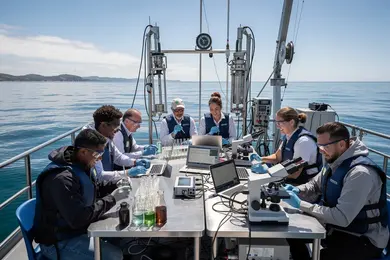
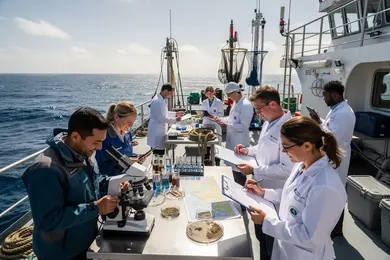
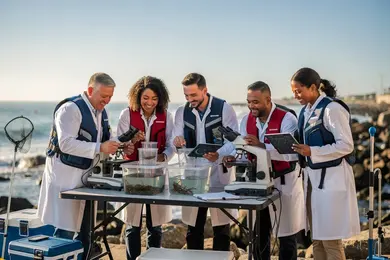
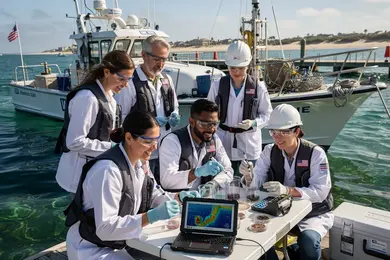
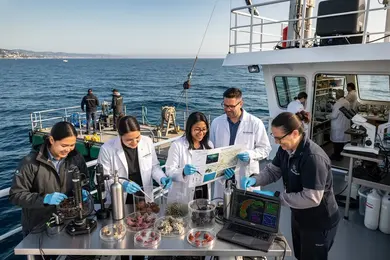
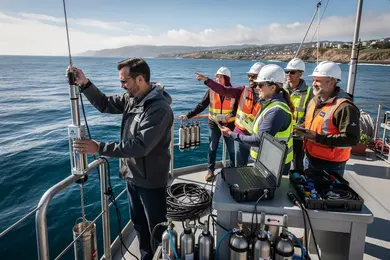
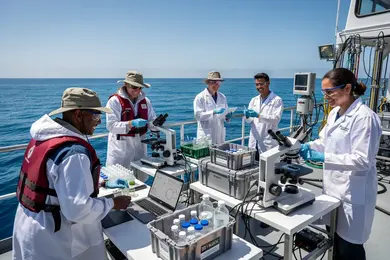
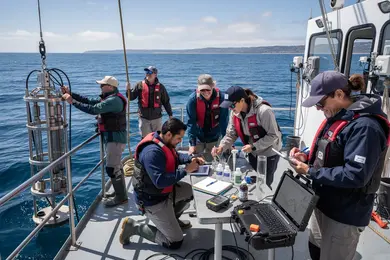
- Marine Biologist: Marine biologists study the behavior, genetics, and ecosystems of ocean organisms. They conduct field and laboratory research to understand species interactions and how environmental changes impact marine life.
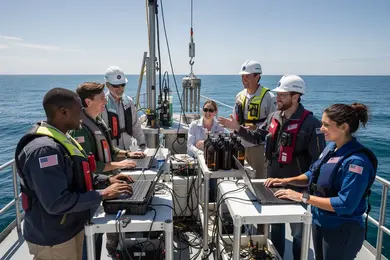
- Oceanographer: Oceanographers analyze the physical and chemical characteristics of oceans, including currents and water composition. Their work supports climate studies, marine resource management, and environmental monitoring.
- Marine Environmental Consultant: Consultants assess the environmental effects of projects on marine ecosystems for governments, NGOs, or private companies. They develop strategies to reduce harm and ensure compliance with environmental regulations.
- Marine Policy Specialist: These professionals combine scientific knowledge with legal expertise to advise on marine conservation policies and regulations. They influence how governments and organizations manage and protect oceans and coastal areas.
What Are the Highest-Paying Careers With a Marine Science Degree?
A degree in marine science can open doors to a variety of high-paying roles across research, government, private industry, and environmental consulting.
Salaries for professionals in this field typically range from $55,000 to over $120,000 annually, reflecting growth trends for graduates in marine-related disciplines. Exploring the highest-paying marine science careers in the US reveals several rewarding options.
Consider these top salary roles for marine science graduates:
- Marine Engineer: Marine engineers design, develop, and maintain ships, submarines, and offshore structures. Their salaries generally range from $80,000 to $130,000 per year. A marine science degree provides essential knowledge in oceanography and fluid mechanics critical to these technical positions.
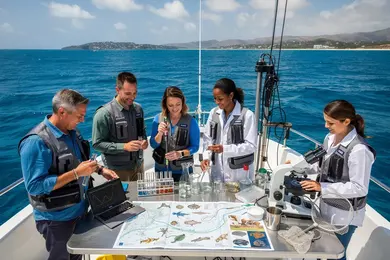
- Oceanographer: Oceanographers investigate physical, chemical, and biological properties of oceans, earning between $60,000 and $120,000. The degree equips graduates with skills in data analysis and environmental monitoring needed for scientific research.
- Environmental Consultant: Focusing on marine environments, these consultants advise industries and governments on environmental impacts and compliance, earning from $70,000 to $110,000 annually. Expertise in ecosystem assessment and marine regulatory frameworks supports this career.
- Fisheries Manager: Overseeing sustainable fishery operations and resource conservation, fisheries managers typically earn between $65,000 and $100,000. Marine biology knowledge from a marine science degree is fundamental for this role.
- Marine Policy Analyst: These analysts develop policies affecting marine environments, earning $60,000 to $105,000 annually. A marine science background aids in understanding ecological and socio-economic factors influencing marine policy decisions.
Emerging sectors such as climate change, renewable energy, and marine biotechnology show rising demand for marine science graduates, which may boost earning potential. Combining a marine science degree with graduate studies or certifications often leads to specialized roles and higher salaries.
For those considering advanced education options, exploring the best DNP programs online can provide valuable insights into further career development.
What Is the Job Outlook for Marine Science Degree Careers?
The job outlook for careers related to a marine science degree remains favorable, reflecting heightened global concern for environmental sustainability and ocean health. Employment in fields tied to marine science, such as environmental science and resource management, is expected to grow about 8% between 2022 and 2032, a rate exceeding the average for all occupations.
Demand is fueled by ongoing challenges like climate change, pollution, and habitat preservation, encouraging investment from government agencies and research organizations. The evolving nature of these environmental issues drives a need for professionals skilled in data interpretation, geographic information systems, and policy analysis, ensuring that workforce requirements adapt alongside scientific progress.
When asked about the job outlook, a professional with a marine science degree shared how navigating early career steps was both exciting and demanding. He described applying for multiple positions, often requiring versatility beyond traditional scientific tasks, such as mastering technical tools and communication skills.
"There were moments of uncertainty, especially when competition was tough," he explained, "but gaining experience in varied aspects of marine projects helped me find my niche." His perspective underscores that while the field can be competitive, adaptability and a broad skill set are vital for seizing emerging opportunities in marine science careers.
A marine science degree provides graduates with essential knowledge in oceanography and marine biology, equipping them for various entry-level careers in environmental and resource management fields.
Nearly 70% of marine science graduates in the United States secure relevant employment within a year, reflecting strong hiring trends for beginners in this area. These entry-level roles span research, conservation, and industry applications.
Common beginner jobs for marine science graduates include:
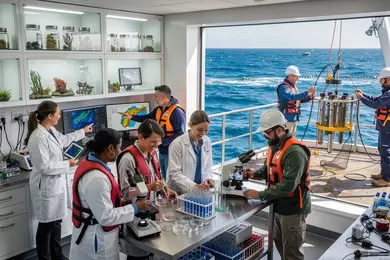
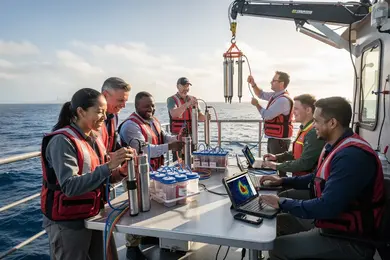
- Marine Technician: Oversees the operation and upkeep of specialized oceanographic instruments. This position benefits from hands-on experience with marine ecosystems and field equipment developed during academic training.
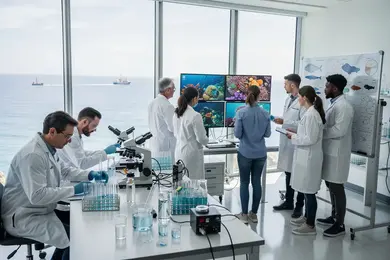
- Research Assistant: Aids scientific projects by gathering data, preparing samples, and supporting laboratory analyses. Marine science coursework provides crucial skills in research techniques and data management applicable in this role.
- Environmental Consultant: Evaluates aquatic environments to ensure compliance with conservation standards. Graduates leverage their understanding of ecological systems to inform environmental impact studies and policy planning.
- Fisheries Observer: Tracks commercial fishing practices to promote sustainability and regulatory adherence. Knowledge of marine populations and fisheries ecology gained during study is vital for this job.
- Aquaculture Assistant: Assists in breeding and maintaining aquatic species in controlled settings. Practical training in marine biology equips graduates to manage aquaculture operations effectively.
For those interested in specialized certifications complementing these careers, exploring options like the Certified Professional Coder (CPC) may provide additional pathways, although distinct from marine science roles.
A marine science degree imparts a versatile range of skills that are valuable across numerous fields, from environmental consulting to policy development.
More than 70% of employers highlight the importance of strong analytical and problem-solving abilities in graduates, underscoring their role in tackling intricate ecological issues.
The following key competencies are typically honed through marine science study:
- Scientific Research: This involves designing experiments, gathering data in both field and lab settings, and applying statistical analysis to interpret findings. These skills are sharpened through hands-on projects and research-intensive courses.
- Technical Expertise: Students become proficient with tools such as geographic information systems (GIS), remote sensing technology, and specialized software for modeling marine environments, combining classroom instruction with practical experience.
- Critical Thinking: Through case studies and interdisciplinary coursework, students develop the ability to assess complex ecosystems and devise solutions to challenges like climate impacts and habitat loss.
- Communication: Effective written and verbal communication is emphasized, with opportunities to write research papers, deliver presentations, and collaborate on group projects.
- Collaboration: Working alongside peers and professionals from diverse specialties fosters teamwork and interpersonal skills essential for managing joint scientific endeavors.
A marine science degree graduate shared how navigating a multi-institutional research project early in her career required not only technical skills but also adaptability and patience.
She recalled, "Coordinating data collection across different teams was challenging, but it taught me the importance of clear communication and collaboration in real-world science." She found that overcoming these hurdles strengthened her confidence and highlighted the practical value of her degree's skill set in professional settings.
A bachelor's degree in marine science can open doors to mid-level and professional roles without the necessity of additional certifications or advanced degrees.
A 2022 report from the National Association of Colleges and Employers indicates that about 35% of STEM bachelor's graduates move into mid-tier or higher professional positions within five years, highlighting the value of degree-based career growth. This progression reflects how marine science education equips graduates with skills that enhance workforce mobility and applied expertise.
Several career opportunities allow marine science graduates to advance beyond entry-level roles, taking on greater responsibility and leadership. These positions integrate scientific knowledge with project management and regulatory compliance, enabling graduates to contribute effectively in their fields.
- Marine Environmental Consultant: Professionals in this role provide guidance to organizations on the ecological effects of marine projects. Their duties include performing environmental assessments, creating compliance documentation, and advising on mitigation efforts. A marine science degree offers the necessary foundation to analyze environmental information and communicate insights to diverse stakeholders.
- Coastal Resource Manager: This position focuses on balancing conservation and economic interests by managing coastal ecosystems. Responsibilities include implementing policy, organizing conservation initiatives, and engaging with stakeholders. Marine science graduates bring an understanding of ecology and policy, crucial for sustainable coastal management.
- Research Project Coordinator: Coordinators oversee the planning and execution of marine research endeavors, managing logistics, budgeting, and communication among teams. The degree's combination of scientific knowledge and organizational skills prepares graduates to handle these complex projects without further formal education.
Many marine science careers require more than a bachelor's degree, often demanding advanced education or professional certifications.
For example, the U.S. Bureau of Labor Statistics reports that nearly 60% of environmental scientists and specialists hold a master's degree or higher, reflecting the importance of graduate credentials in related fields. These qualifications help professionals gain expertise necessary for specialized roles and regulatory compliance.
The following are key career paths in marine science that typically require additional certifications or advanced degrees:
- Marine Biologist: Research-focused roles usually require a master's or doctoral degree to conduct independent scientific studies and gain in-depth knowledge of marine ecosystems. Advanced education supports critical analysis and innovation in biological research.
- Oceanographer: Specialization in physical, chemical, or biological oceanography demands graduate-level education. These credentials are essential for analyzing complex data and informing environmental policies related to oceans.
- Marine Policy Analyst: Many positions need a graduate degree in marine science, environmental law, or public policy along with certifications in regulatory compliance. This ensures analysts can navigate legal frameworks and advocate for sustainable marine management.
- Marine Engineer/ Naval Architect: Professional engineering licenses (PE) are often required for career progression. These credentials demonstrate proficiency in designing and maintaining marine vessels and offshore infrastructure.
- Environmental Consultant: Certifications like Certified Environmental Scientist (CES) or state-specific licenses enhance credibility and are vital for roles involving environmental assessments of marine projects.
Holding these credentials allows marine science professionals to meet industry standards and assume leadership roles that integrate science, engineering, and policy.
Graduates holding a marine science degree often find opportunities outside traditional roles such as marine biology or environmental science.
A significant percentage of STEM graduates, nearly 40% according to a 2023 study by the National Association of Colleges and Employers, choose careers beyond their specific field, demonstrating the versatility of their education in today's evolving job market. This adaptability opens doors to a wide range of alternative career paths.
Marine science graduates can explore diverse roles that leverage their research skills and scientific knowledge, including:
- Science Communication Specialist: Responsible for translating complex marine and environmental data into clear, accessible content for public audiences, educators, and policymakers. Graduates' proficiency in scientific methodology helps them craft engaging narratives that promote oceanic awareness.
- Environmental Policy Analyst: Involves evaluating and shaping policies addressing ecological concerns. A marine science degree offers insight into marine ecosystems and the environmental impact of regulations, allowing graduates to influence sustainable policymaking.
- Data Analyst in Ocean Technology: This role entails managing and interpreting large datasets from oceanographic research. Skills in data management gained during studies are transferable to technology firms that specialize in environmental data analytics, aiding innovation in marine technologies.
- Science Education Coordinator: Focuses on developing educational programs and materials for museums, aquariums, or nonprofits. Graduates' expertise fosters public engagement and enthusiasm for marine conservation.
A marine science degree also supports career flexibility beyond research alone, allowing graduates to pursue alternative career paths for marine science graduates that intersect with communication, policy, technology, and education.
For those interested in expanding their skill set further, exploring options such as ultrasound tech online programs can offer additional interdisciplinary opportunities.
Salary potential for marine science graduates in the United States can vary widely due to several professional and educational factors.
Industry-based salary differences alone can result in wage gaps of over 20%, illustrating the varied earnings outcomes for marine science degree holders. This regional job market influence on marine science earnings further demonstrates the complexity of salary expectations in this field.
Key factors affecting salary potential for marine science graduates include:
- Industry Choice: Employment sector significantly impacts salary levels. Graduates working in government agencies or environmental consulting often see different pay scales compared to those in private research firms or marine technology companies, with wage differences that can exceed 20%.
- Experience Level: Salary generally increases with years of experience. Entry-level marine scientists earn less than professionals with advanced expertise or those who have progressed to senior research or management roles.
- Geographic Location: Salaries vary between coastal metropolitan areas and inland regions due to demand, cost of living, and availability of specialized jobs. Those in states with extensive coastline and established marine research facilities usually earn higher wages.
- Specialization: Different fields within marine science, like marine biology, oceanography, or marine policy, influence earnings due to varying market demand and funding. Technical skills or leadership responsibilities also tend to yield higher salaries than routine positions.
- Role Responsibility: Seniority and job role complexity affect compensation. Positions with greater leadership or technical oversight offer better pay compared to entry-level or support roles.
Prospective students weighing their options after graduation may also benefit from researching which school is better SNHU vs WGU when considering educational pathways that could impact their career trajectory.
Approximately 60% of natural science graduates either enter the workforce or continue their education within a year of earning their degree, highlighting the adaptability of career paths after completing a marine science program.
Many graduates choose to build practical expertise or deepen academic knowledge to enhance their professional prospects. The options available often include a mix of work experience, advanced study, and skill development.
Common next steps after earning a marine science degree include:
- Workforce Entry: Many graduates begin in entry-level positions at environmental consulting firms, research centers, or government organizations. These roles provide hands-on experience in fieldwork, data collection, and project coordination.
- Graduate Studies: Pursuing master's or doctoral degrees allows students to specialize in areas such as marine biology or oceanography. Advanced degrees often lead to opportunities in research, academia, and leadership.
- Internships and Fellowships: Engaging in these programs offers valuable professional experience and networking, frequently resulting in full-time employment in aquariums, nonprofits, or federal agencies.
- Professional Certification: Obtaining certifications in fields like GIS, environmental management, or data science boosts qualifications and improves competitiveness in the job market.
What Graduates Say About the Careers You Can Pursue With a Marine Science Degree
- Juri: "Choosing to study marine science stemmed from a deep curiosity about the ocean's vast ecosystems and the urgent need to protect them. After graduation, I realized the field offers diverse career paths-from research and conservation to policy-making-which made deciding on a direction both exciting and challenging. Earning my degree truly opened doors to impactful work, allowing me to contribute toward sustainable marine resource management."
- Abdullah: "Marine science appealed to me because of its blend of biology, chemistry, and environmental studies, which helped me understand life beneath the waves. Reflecting on my journey, the most valuable insight was recognizing the importance of interdisciplinary skills when choosing a career-whether in academia, government, or private sectors. This degree fundamentally shaped my professional outlook, giving me a strong foundation to address real-world oceanic issues."
- Susan: "My decision to pursue a marine science degree was driven by a passion for conservation and a desire to make a tangible difference. The career options can seem overwhelming, but the degree's versatility allowed me to explore roles in scientific research, education, and environmental consulting. Professionally, the training I received provided credibility and the technical expertise necessary to thrive in an evolving and competitive field."
Other Things You Should Know About Marine Science Degrees
In 2027, fieldwork experience remains crucial for marine science careers. It provides hands-on skills and understanding of marine environments, which are vital for roles in research, conservation, and policy-making. Employers value candidates with practical experience due to the complex nature of marine ecosystems.
Yes, marine science professionals often find employment outside traditional research settings. Many work for government agencies, environmental consulting firms, non-profits, and educational organizations. Industry sectors such as fisheries management, marine technology, and ocean conservation also offer diverse career opportunities.
Technology is central to modern marine science, facilitating data collection, analysis, and modeling. Careers increasingly require familiarity with tools such as GIS (Geographic Information Systems), remote sensing, underwater drones, and statistical software. Staying updated on technological advancements is essential for career growth in the field.
Many marine science jobs need only a bachelor’s degree, but research, management, and specialized technical roles often require a master’s or PhD. Federal research positions commonly follow the OPM General Schedule, and advanced credentials can improve access to NOAA, EPA, and consulting careers.
- Top 15 Highest Paying Marine Biology Jobs in 2025 (UK & US Salaries Guide) https://apexlearning.org.uk/highest-paying-marine-biology-jobs-2026/
- 13 Highest Paying Countries for Marine Biologists https://finance.yahoo.com/news/13-highest-paying-countries-marine-200441673.html
- So you want to become a Marine Biologist? | National Marine Aquarium https://www.national-aquarium.co.uk/learning-at-the-aquarium/marine-biologist/
- Reasons to Major in Marine Biology https://www.seamester.com/blog/8-reasons-to-major-in-marine-biology/
- Career opportunities after Marine Science https://www.ulster.ac.uk/faculties/life-and-health-sciences/geography-and-environmental-sciences/careers/marine-science
- Marine Salaries https://www.marinecareers.net/resources/salaries