2027 Which Marine Science Degree Careers Offer the Best Return Without Graduate School?

Co-Founder and Chief Data Scientist
Rising tuition and mounting student debt force many prospective marine science graduates to weigh the financial benefits of pursuing graduate degrees against starting work sooner. With entry-level salaries averaging around $50,000 annually for bachelor's holders, the question arises: can careers without graduate education yield competitive returns?
Many roles in field research, environmental consulting, and fisheries management offer promising paths that emphasize practical skills over advanced degrees. This article examines which marine science degree careers deliver the best return on investment without requiring graduate school, providing guidance to maximize both earnings and career longevity.
Key Benefits of Marine Science Degree Careers That Offer the Best Return Without Graduate School
- Careers in marine science often show strong early salary growth, enhancing long-term return on investment by maximizing earnings before typical mid-career stages.
- Stable job demand in marine science fields supports consistent employment and career advancement, providing solid financial security over time.
- Accessible entry requirements for many marine science roles allow graduates to enter the workforce quickly, avoiding the time and cost of graduate education.
Which Marine Science Careers Offer the Best Return Without Graduate School?
Evaluating return on investment in marine science careers is essential for students targeting workforce entry without pursuing graduate education. The U.S. Bureau of Labor Statistics reports a median annual wage near $79,000 for related environmental science roles, highlighting potential solid income.
Several marine science careers offer a balance of salary, longevity, and advancement without requiring advanced degrees.
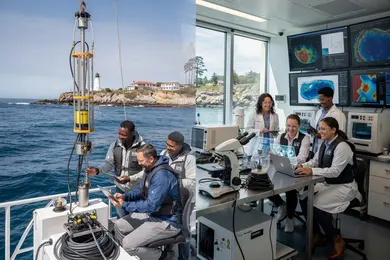
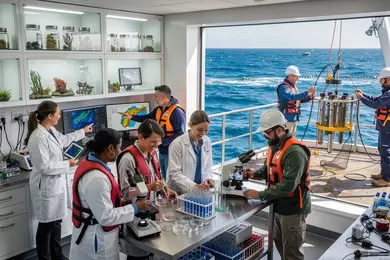
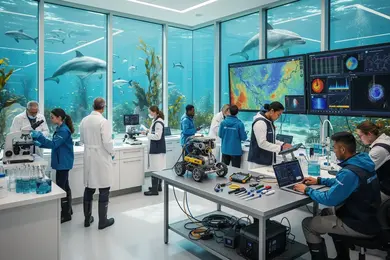
- Marine Technician: This role involves maintaining and operating scientific equipment essential for marine research. With steady demand from research institutions and environmental agencies, marine technicians benefit from stable employment and paths to specialize in emerging technologies, providing a strong long-term ROI.
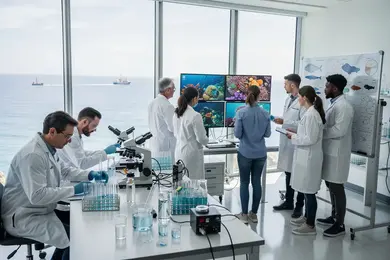
- Environmental Consultant (Marine Focus): Environmental consultants assess human impacts on marine ecosystems, assisting businesses in regulatory compliance. Combining fieldwork and analysis, this career offers competitive pay and consistent demand linked to conservation and environmental legislation.
- Fisheries Officer: Fisheries officers monitor fish populations and enforce sustainable practices, balancing economic and ecological interests. Often employed by government entities, they enjoy career stability and the ability to influence marine resource management.
- Marine Educator or Outreach Coordinator: These professionals promote marine science knowledge to the public and stakeholders, supporting organizational conservation missions. Their roles often lead to leadership positions within educational or nonprofit sectors, offering rewarding career growth without requiring graduate school.
Those interested in exploring options beyond traditional paths may also find value by examining related fields with substantial acceptance opportunities, such as nursing programs with high acceptance rates, which provide alternative routes to meaningful science or environmental careers. This broad perspective can help students identify rewarding marine science careers with the best salary without graduate school.
What Are the Highest-Paying Marine Science Jobs Without a Master's Degree?
Many students aiming for careers in marine science seek roles that offer strong earning potential without the need for graduate education. According to the U.S. Bureau of Labor Statistics, environmental scientists and specialists, a group that includes numerous marine science professionals, earn a median annual wage around $73,230.
Below are several high-paying marine science jobs accessible with just a bachelor's degree.
- Marine Biologist/Environmental Scientist: Typically earning between $55,000 and $90,000 annually, these professionals study aquatic organisms and ecosystems. They often work for government agencies or private firms, analyzing environmental impacts and guiding conservation efforts. Their specialized knowledge and critical role in environmental protection support competitive salaries.
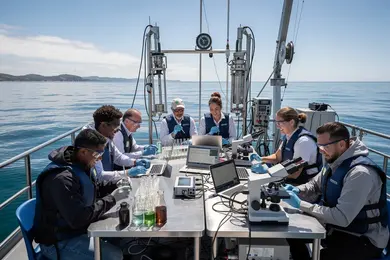
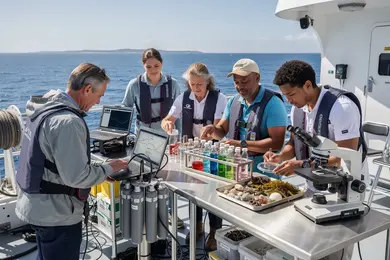
- Marine Technician: With salaries ranging from $50,000 to $85,000, marine technicians operate and maintain scientific instruments and vessels used for oceanographic research. Their technical expertise in managing complex equipment contributes to their strong earning potential without requiring postgraduate education.
- Fisheries Manager: Earning usually between $60,000 and $90,000 annually, fisheries managers oversee sustainable harvesting practices and regulatory compliance for commercial and recreational fisheries. Their ability to balance economic factors and conservation efforts makes this role well-compensated at the bachelor's level.
- Marine Environmental Consultant: This role commands salaries from $60,000 to $95,000, advising companies and government bodies on environmental assessments and mitigation strategies. Their expertise in marine ecosystems and regulatory landscapes drives higher pay among bachelor's-level positions.
Which Industries Offer High Salaries Without Graduate School?
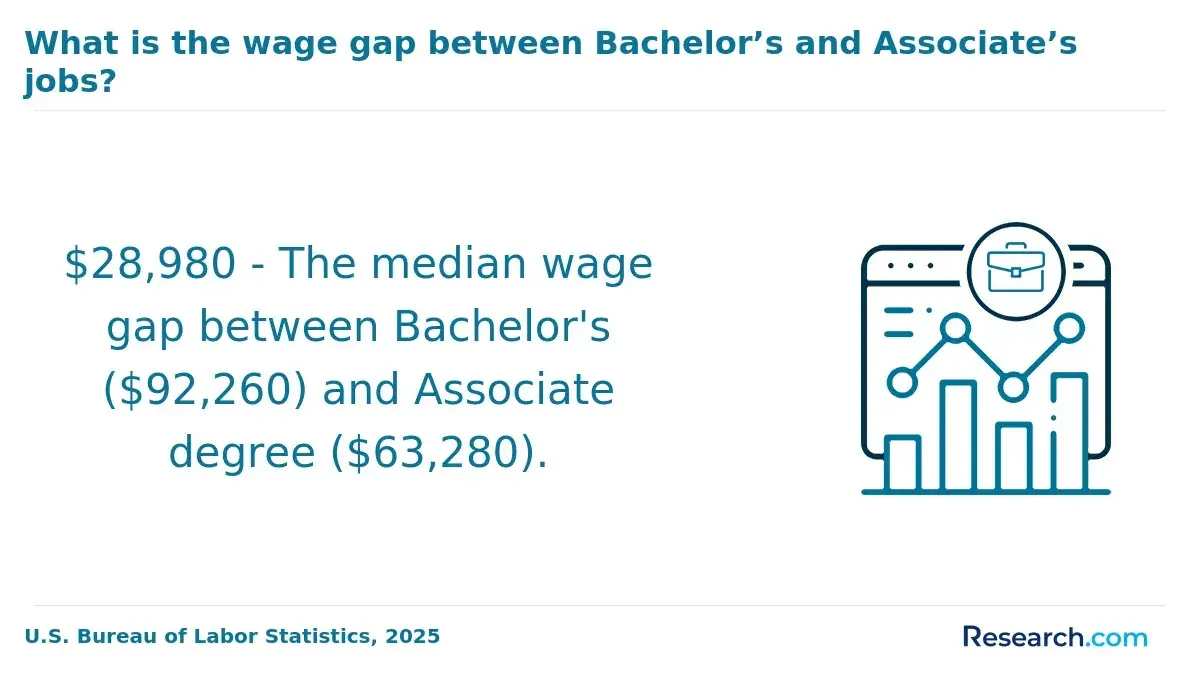
Industry selection significantly influences salary outcomes for marine science graduates, with some sectors offering median wages more than 25% above the national average for biological scientists. Opting for industries that reward expertise without requiring graduate degrees can maximize earnings and career value.
Below are several industries notable for providing high salaries to marine science bachelor's degree holders.
- Oil and Gas: This sector demands expertise in environmental management and regulatory compliance, reflecting its economic weight. Salaries typically range between $60,000 and $90,000 annually, driven by the need for skilled professionals to ensure sustainable resource development.
- Environmental Consulting: Firms specializing in ecosystem analysis, contamination assessment, and coastal management offer competitive pay to attract experts. Project-based contracts commonly yield salaries from $55,000 to $85,000, reflecting steady demand for environmental services.
- Fisheries and Aquaculture: Prioritizing sustainable harvesting and production efficiency links scientific knowledge directly with industry success. Salaries in this sector usually fall between $50,000 and $80,000, varying by experience and location.
- Government Agencies: State and federal organizations employ marine science professionals in roles related to resource management and regulation, often offering salaries starting around $55,000. Compensation tends to increase with tenure and responsibility while maintaining benefits.
- Maritime Technology and Engineering: Combining marine science with technological innovation, this field supports high salaries from $60,000 to $90,000. Demand for expertise in ocean instrumentation and offshore engineering drives strong financial rewards.
Reflecting on these options, a marine science degree graduate shared his experience entering the oil and gas sector. He described the initial challenge of navigating complex environmental regulations and learning industry jargon, which felt overwhelming at first.
However, his science background provided a solid foundation, and gaining hands-on experience through project involvement gradually built his confidence and competence. He noted, "It wasn't an easy transition, but understanding the bigger economic impact of our work kept me motivated." His story highlights how persistence and adapting knowledge to industry needs can lead to rewarding careers without advanced degrees.
Choosing entry-level marine science jobs that offer clear paths for advancement ensures a solid foundation for a lasting career. According to the U.S. Bureau of Labor Statistics, some environmental technician roles grow by up to 8% over ten years, reflecting notable opportunities for early promotion.
Below are several high-demand entry-level marine science careers that foster skill development and long-term growth.
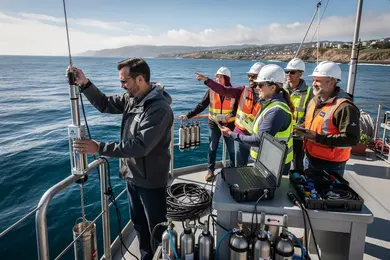
- Marine Technician: These professionals manage and maintain research equipment, collecting essential data in the field. This hands-on experience builds technical know-how and familiarity with marine ecosystems, paving the way to supervisory or specialized research positions.
- Environmental Science Technician: Working often in government or consulting, these technicians monitor aquatic environments and ensure regulatory compliance. Their expertise in data collection and environmental protocols can lead to roles in project management or policy advisory.
- Fisheries Observer: By collecting data on commercial fishing activities, fisheries observers contribute to sustainable resource management. This role develops an understanding of marine populations, opening doors to careers in fisheries management and conservation.
- Aquaculture Assistant: Assisting with the cultivation of marine species, this position offers practical skills crucial for advancing into aquaculture operations or research.
Choosing roles with real-world experience and potential for growth adds value beyond immediate earnings. For those seeking the best-paying marine science jobs without graduate degree requirements, combining practical skills with these positions offers strong long-term returns. Students interested in advancing their marine science education may also explore BSN to DNP programs online to align academic progress with career goals.
Enhancing specialized skills plays a crucial role in boosting salary prospects for those with a bachelor's degree in marine science. Recent data suggests employers increasingly reward skill-based expertise, with some abilities attracting wage increases near 20%.
Below are key competencies that significantly improve earning potential without the need for graduate-level education.
- Data Analysis: Mastery of analytical tools such as R or Python enables professionals to interpret large environmental datasets effectively. This capability drives informed decision-making in resource management and commands higher pay due to its technical importance.
- Technical Communication: The skill to clearly present research findings and regulatory content fosters stronger stakeholder collaboration and project success, often translating into better compensation.
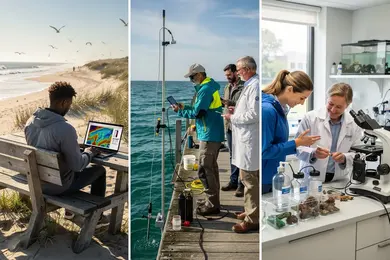
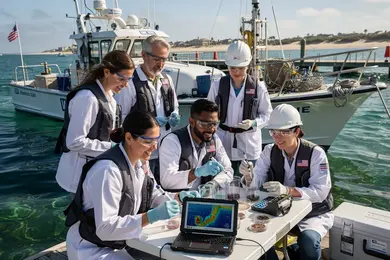
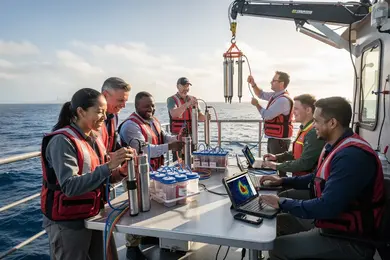
- Field Research Proficiency: Hands-on expertise with sampling methods and oceanographic instruments shows practical knowledge valued by employers, frequently reflected in improved salary offers.
- GIS Competency: Ability to utilize GIS software for spatial data mapping enhances job responsibilities related to habitat evaluation and coastal planning, which can lead to pay raises.
- Project Management: Effective coordination of timelines, budgets, and teamwork signals leadership potential, opening doors to higher-wage roles.
A professional with a marine science degree shared how developing technical communication skills transformed her career growth. She recalled initially struggling to simplify complex data for varied audiences, which limited her impact and earnings. Through persistent effort to refine reports and presentations, she gained confidence and recognition, leading to expanded project roles and salary enhancements.
"Being able to connect science with real-world applications boosted not only my value to employers but also my enthusiasm for the work," she reflected. This experience highlights how cultivating practical communication skills can directly affect salary advancement without pursuing a master's degree.
Certifications offer marine science graduates focused expertise and industry credibility, serving as effective alternatives to master's degrees. Research from the Project Management Institute reveals that certified professionals can earn up to 20% more than their non-certified counterparts, demonstrating strong advantages in salary and job opportunities.
The following certifications are recognized for enhancing career prospects without the need for graduate-level education.
- Certified Marine Scientist (CMS): This credential verifies essential skills in areas such as oceanography, ecology, and research methodologies. It signals proficiency with current industry standards, boosting professional recognition and employability within marine science disciplines.
- Professional Wetland Scientist (PWS): Offered by the Society of Wetland Scientists, this certification is well-regarded for those involved in coastal ecosystem management and conservation efforts. It supports roles related to environmental regulation and habitat preservation.
- Remote Pilot Certificate (FAA Part 107): As drone technology becomes integral to marine research and environmental monitoring, this certification from the Federal Aviation Administration grants legal authority to operate drones. It enhances capabilities in data collection and assessment of marine environments, increasing competitive advantage.
- Certified Environmental Professional (CEP): Covering environmental laws, impact evaluations, and sustainability techniques, this multidisciplinary certification suits professionals engaged in marine resource management and policy without pursuing higher degrees.
- CERT Specialist in Aquatic Toxicology: Concentrating on pollution effects in aquatic settings, this credential supports careers in environmental consulting and regulation by validating expertise in toxicology related to marine contexts.
Experience often plays a critical role in career advancement within marine science, with many employers placing higher value on demonstrated skills, hands-on problem-solving, and proven performance than on formal academic credentials alone. Hiring managers frequently reward candidates who bring relevant work experience, certifications, and a solid track record, especially for operational and technical roles like environmental technicians or maritime operations coordinators.
On-the-job learning fosters expertise in practical applications, teamwork, and project management-qualities that may be more challenging to develop solely through graduate education. This emphasis on real-world competencies can positively influence promotions and lateral career moves, highlighting adaptability and commitment.
However, relying solely on experience often limits faster advancement into senior research, policy, or academic positions where advanced degrees are standard requirements. Specialized areas such as oceanography or marine biology research generally demand a master's or PhD for leadership roles or grant eligibility.
Although industry-specific certifications and licenses may help bridge the gap, they cannot completely replace the theoretical depth and methodological knowledge gained through graduate programs. Experience holds the greatest value in applied science and operational settings, especially when paired with continuous professional development and strong networking, making it essential for bachelor's degree graduates seeking substantial career returns without further schooling.
Many professionals in marine science weigh the benefits and drawbacks of pursuing graduate education. Data from the U.S. Bureau of Labor Statistics shows workers with graduate degrees typically earn about 20% more in STEM fields, including marine science, compared to those holding only a bachelor's degree.
Considering such disparities, it's important to understand the potential limitations faced without further academic credentials.
- Slower Career Advancement: Certain senior and specialized roles in research institutions and government agencies often require a master's or doctoral degree. Individuals without graduate education may experience delays in leadership opportunities and upward mobility, encountering career limitations without a graduate degree in marine science.
- Reduced Specialized Knowledge: Graduate programs offer focused training in niches like marine ecology or biotechnology. Those ending their studies at the bachelor's level might struggle to compete for these positions where advanced expertise is preferred or necessary.
- Competitive Hiring Disadvantages: In hiring scenarios, candidates with graduate degrees often have an edge due to deeper academic backgrounds and research experience. This gap can make it tougher for bachelor's holders to secure certain technical or research-intensive jobs.
- Limited Networking Opportunities: Graduate studies provide extended access to professional networks, internships, and research projects. Without this, bachelor's degree holders must invest additional effort to build connections independently, which can impact job prospects.
- Restricted Access to Advanced Roles: Some marine science roles, especially those focused on cutting-edge technology or climate modeling, virtually require graduate-level training, limiting the variety of projects and industries accessible without it.
For prospective students aiming to balance education investment and career returns, there are options offering quality education with flexibility, such as no application fee online colleges, which can help mitigate some barriers associated with further study.
Return on investment (ROI) in education measures how well the costs and time spent earning a degree align with the financial and career benefits gained. For those pursuing a marine science degree, focusing on roles with strong starting salaries can significantly improve ROI. According to the National Association of Colleges and Employers, bachelor's degree holders in environmental and earth sciences earn median starting salaries around $50,000.
Here are practical strategies for those seeking a marine science degree career path with the highest return.
- Choose High-Demand Specializations: Focusing on subfields like coastal resource management, oceanography, or marine technology taps into areas with growing job markets and higher earning potential. These specializations often offer more lucrative opportunities without necessarily requiring additional graduate education.
- Gain Early Hands-On Experience: Pursuing internships and fieldwork early in your academic career builds valuable skills and professional connections. This practical exposure can set you apart in competitive job markets, enhancing your ability to maximize earning potential with a marine science degree.
- Develop Technical Expertise: Mastering technical skills such as GIS, data analysis, and remote sensing technologies adds considerable value. These competencies are highly sought after in environmental consulting, government agencies, and the private sector, where higher salaries prevail.
- Aim for Private and Government Sector Roles: Employment in environmental consulting firms, renewable energy companies, or federal agencies often provides better salary packages and benefits compared to nonprofit or purely research-focused positions, boosting overall ROI.
- Explore Continued Learning Options: While graduate degrees aren't needed to enhance return, supplementing your marine science degree with targeted professional development or certificates can elevate expertise. For broader career flexibility, consider adjacent fields, such as a master's in nutrition, to diversify earning potential.
Deciding on graduate school in marine science depends on your career goals, industry demands, and the return on investment. Data shows that professionals holding a master's degree in scientific fields earn about 20% more than those with only a bachelor's degree, highlighting the benefits of graduate school for marine science professionals. While many entry-level marine science roles are accessible with a bachelor's, advancing often requires higher credentials.
Graduate degrees are typically worth pursuing when aiming for specialized positions that involve ecological modeling, conservation techniques, or marine biotechnology. Leadership roles within government, environmental consulting, or nonprofit sectors also often prefer candidates with advanced education.
Additionally, certain regulated professions and research-focused careers, including university faculty or project lead positions, require graduate credentials. For those seeking solid marine science careers without graduate education, exploring pathways like specialized certifications or programs such as RN to BSN online programs can offer strong salary potential without additional graduate study.
What Graduates Say About Marine Science Degree Careers That Offer the Best Return Without Graduate School
- Pierce: "Choosing not to pursue graduate school after earning my marine science degree was initially daunting, but it turned out to be the right path for me. I focused on gaining industry certifications and hands-on experience through internships, which opened doors in environmental consulting. This approach proved that practical experience combined with a solid undergraduate foundation can lead to fulfilling careers without the extra years in academia."
- Aryan: "Reflecting on my journey, skipping graduate school allowed me to dive straight into the workforce and develop essential skills that many advanced degrees overlook. I took advantage of networking opportunities and specialized training in marine technology, maximizing my degree's potential. It's rewarding to see how a bachelor's degree in marine science can lead to impactful roles in coastal resource management and policy without additional schooling."
- Jonathan: "From a professional standpoint, my marine science degree was a valuable springboard into the private sector, particularly in marine environmental compliance. I diligently expanded my expertise by obtaining relevant certifications and volunteering for projects that enhanced my understanding of marine ecosystems. I'm confident that my career growth reflects the strength of practical knowledge and strategic career moves rather than graduate credentials."
Other Things You Should Know About Marine Science Degrees
Common employers prefer certifications in SCUBA diving, boating safety, and first aid, plus OSHA 10 or 30 for field safety. For marine field technician roles, a NOAA or university research boat checkout and a valid driver’s license are often required before deployment.
Regions with a strong focus on marine industries, such as coastal states and areas with significant marine conservation efforts, generally provide better job opportunities. States like Florida, California, and Washington have abundant positions in marine biology, environmental monitoring, and fisheries management for bachelor 's-level graduates. Proximity to coastlines often facilitates access to relevant employers and fieldwork.
Marine science graduates without graduate degrees can advance by gaining specialized certifications, accumulating field experience, and demonstrating technical expertise. Many improve their roles through promotions to supervisory or project coordinator positions within environmental consulting firms, aquariums, or government agencies. Continued professional development and networking also help open pathways to higher responsibility and salary over time.
- Breaking into Marine Conservation: Career Advice From a Marine Biologist (With or Without a Degree) | Conservation Careers https://www.conservation-careers.com/interviews/breaking-into-marine-conservation-career-advice-from-a-marine-biologist-with-or-without-a-degree/
- The Future of Skills in Marine Mammal Science - Green Jobs for Nature https://greenjobsfornature.org/news-blog/the-future-of-skills-in-marine-mammal-science/
- Top 10 Highest Paying Marine Biology Jobs 2025 (Inc Salaries) | Nexford University https://www.nexford.edu/insights/highest-paying-marine-biology-jobs
- Top 15 Highest Paying Marine Biology Jobs in 2025 (UK & US Salaries Guide) https://apexlearning.org.uk/highest-paying-marine-biology-jobs-2026/
- Career growth, simplified https://www.metaintro.com/blog/high-paying-marine-science-careers-2025
- So You Think You Want to be a Marine Biologist? - WiseOceans https://wiseoceans.com/so-you-think-you-want-to-be-a-marine-biologist/
- 10 Jobs You Can Get With a Marine Biology Degree https://www.seamester.com/blog/10-jobs-you-can-get-with-a-marine-biology-degree/
- More than a Hobby: Marine Science Career Development through the Lens of Social Cognitive Career Theory | Current: The Journal of Marine Education https://current-journal.com/articles/10.5334/cjme.83
- Study Marine Science - Experience, Job Opportunities, Salary + Survey https://jobtensor.com/uk/Studies/Marine-Science
- Here’s what I teach my students about finding jobs in marine biology and conservation https://www.southernfriedscience.com/heres-what-i-teach-my-students-about-finding-jobs-in-marine-biology-and-conservation/