2027 Best States for Marine Science Degree Graduates: Salary, Demand, and Career Opportunity

Co-Founder and Chief Data Scientist
Graduates with a marine science degree often face uncertainty about where to start their careers-salary, job availability, and long-term growth vary widely across states. For example, states like California and Washington offer a 15% higher median salary than the national average for marine science professionals. Yet, high living costs and licensing differences complicate relocation decisions.
This article analyzes salary data, employment demand, tax policies, and local industry strength to help graduates and professionals identify states that offer not only immediate employment but also sustained career development and quality of life-crucial factors for thriving in the marine science field.
Key Things to Know About the Best States for Marine Science Degree Graduates
- States like California and Florida offer the highest average marine science salaries-up to 20% above the national median-adjusted for cost of living and state income tax advantages.
- Employment demand is projected to grow fastest in Gulf Coast states, driven by expanding coastal research institutions and climate resilience programs.
- Robust networking opportunities and remote work flexibility are strongest in Pacific Northwest states, supporting career advancement beyond traditional fieldwork roles.
Which States Offer the Highest-Paying Jobs for Marine Science Degree Graduates?
The Bureau of Labor Statistics (BLS) Occupational Employment and Wage Statistics (OEWS) data highlight the top US states offering the highest paying jobs for marine science degree graduates. These states combine strong demand, extensive industry presence, and wage premiums driven by federal and private sector investments.
- California: Leading the pack due to its vast coastline and numerous marine research institutions, California offers high wages supported by federal and state labs, aquaculture, and ocean technology firms. However, the elevated cost of living in cities like San Diego and San Francisco reduces overall purchasing power.
- Washington: Washington's marine science salaries benefit from substantial federal funding, including NOAA facilities, and a vibrant maritime industry in Seattle. Although living expenses are high, they remain more affordable than California's, making net earnings more attractive.
- Massachusetts: Known for its marine biology heritage and technology innovation, Massachusetts boasts lucrative roles supported by academic centers and aquaculture businesses in Boston and Cape Cod. High living costs and taxes are partially balanced by strong career growth prospects.
- Alaska: Remote work locations and challenging environments in Alaska demand higher salaries, fueled by fisheries management and coastal resource development. Employers often provide benefits and allowances to offset the generally high cost of living.
- Virginia: The expanding maritime economy, naval research, and coastal ecosystem management contribute to competitive wages. Moderate cost of living relative to salaries enhances real income potential for marine science degree jobs.
- Florida: Florida's extensive coastlines drive opportunities in environmental consulting and marine wildlife conservation. Salary ranges reflect diverse affordability across coastal regions.
When mapping career prospects in the top US states for marine science salary and demand, it remains essential to weigh cost-of-living indices and local market nuances carefully. High wages may not translate to true financial advantage due to expensive housing and goods. Additionally, aspiring professionals should consider licensing requirements, regional industry composition, networking ecosystems, and remote work options that affect genuine career sustainability.
For those exploring advanced education paths linked to science and health fields, reviewing options from online pharmacy schools can offer valuable insights into the broader landscape of specialized degree programs and their economic outcomes.
Where Is Demand for Marine Science Graduates Growing the Fastest in the United States?
The demand for marine science graduates varies significantly across U.S. states, shaped by economic, environmental, and policy influences. Analysis of BLS Occupational Employment Projections and state labor market trends reveals which regions among the states with fastest growing demand for marine science graduates are expanding beyond seasonal hiring into long-term growth.
- Florida: Along Florida's rapidly growing coastal populations and tourism sectors, strong demand persists for marine science professionals. Investments in coral reef restoration, especially around the Florida Keys, boost environmental consulting and research roles. The state's fishing industry and sustainable aquaculture initiatives further expand opportunity. While seasonal factors impact some hiring, climate adaptation policies signal sustained growth.
- California: California's extensive coastline, major ports, and diverse marine economy drive steady expansion in marine science fields. State programs focused on marine protected areas and offshore wind energy development generate new career options. Research universities bolster innovation, ensuring structurally expanding labor markets in the marine sector.
- Washington: Washington benefits from its seafood industry, marine transportation hubs, and strong federal funding for Pacific Northwest marine research. This supports ongoing demand in oceanographic research and fisheries management that is expected to remain stable due to solid industry foundations and climate change mitigation efforts.
- Virginia: Virginia's growth is linked to naval bases, marine biotechnology, and Blue Economy initiatives, including offshore energy and marine data analytics. Long-term infrastructure investments and public-private partnerships underpin a structurally expanding market rather than short-term fluctuations.
- Louisiana: Coastal restoration projects following hurricanes have led to short-term hiring surges, while environmental consulting firms and wetland restoration efforts drive structural growth. Louisiana's key position in the Gulf energy corridor fosters demand for marine science roles focused on ecosystem impact and remediation.
New graduates and professionals seeking mid-career advancement or relocation should weigh factors such as licensing requirements, industry diversity, and remote work availability to thrive where demand is strongest. For a comprehensive view of pathways in allied fields, consider exploring affordable programs like masters in healthcare administration.
Considering the states with the top U.S. regions hiring marine science degree holders helps align career moves with robust labor markets, cost-of-living, and quality-of-life considerations-essential for those reentering the field or transferring credentials.
How Do Cost-of-Living Differences Affect the Real Value of a Marine Science Salary Across States?
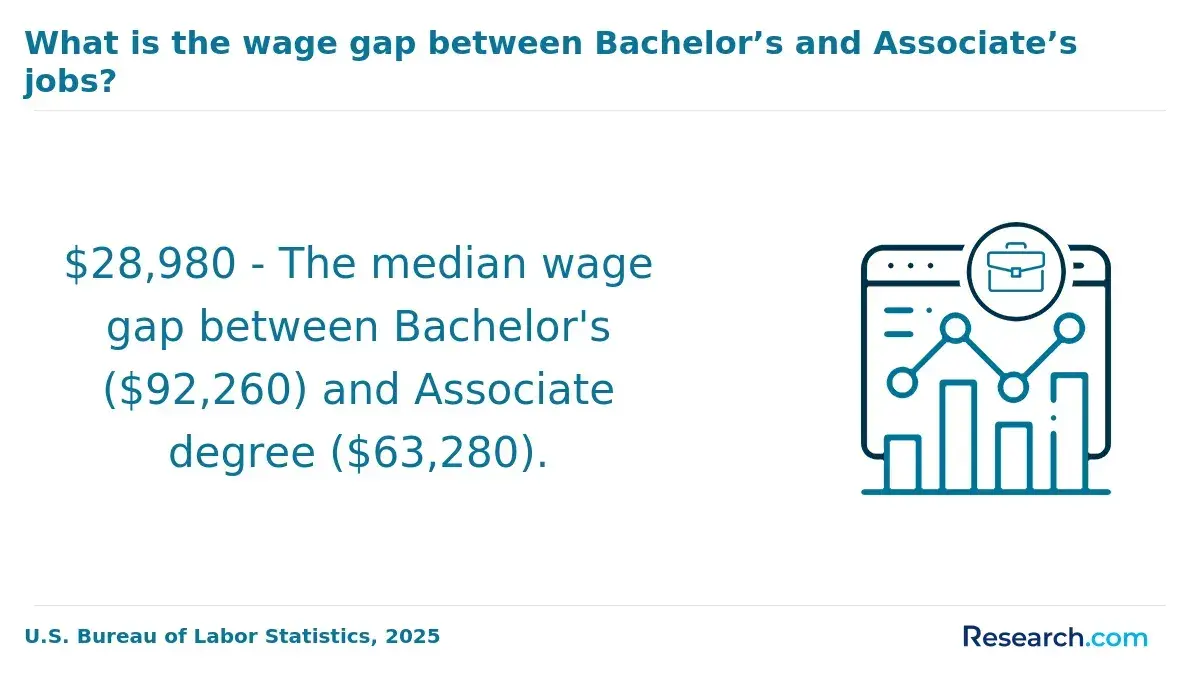
Nominal salaries for marine science degree holders often mask significant differences in actual purchasing power across states-factors such as housing, transportation, and taxes drastically alter take-home value. Tools like the Council for Community and Economic Research (C2ER) Cost of Living Index and the MIT Living Wage Calculator provide essential adjustments to reveal true income potential beyond the paycheck number.
California vs. Texas: California salaries in marine science can exceed those in Texas by 20%-30%, but the state's soaring housing prices and steep state income tax sharply reduce disposable income.
- For example, a marine scientist earning $80,000 annually in California might possess similar or even lesser spending power than a peer earning $60,000 in Texas after accounting for living expenses.
- Additional costs such as lengthy commutes and higher property taxes compound this disparity.
Housing Costs: Expenses related to rent or mortgages consume a major portion of earnings, with coastal states like California and New York displaying notably high real estate costs that diminish effective salary.
Transportation and Taxes: Variations in fuel prices, public transit availability, vehicle upkeep, and state income tax rates-from zero in states like Texas and Tennessee to over 10% elsewhere-fundamentally influence net compensation.
Holistic Considerations: Evaluating compensation should include analyzing affordable housing, manageable transportation expenses, and tax implications together. This comprehensive view helps align professional decisions with overall financial well-being.
Reflecting on the question of how cost-of-living affects real earnings, a professional who completed a marine science degree shared the challenge of balancing salary offers with living costs. He explained, "I initially focused on gross pay alone, but quickly realized the importance of digging into local housing markets and state tax burdens. Relocating for what seemed like a better job offered less financial security than staying in a lower-paying but more affordable area. Navigating these details was daunting but critical for planning a sustainable career path."
States leading in active marine science job postings include California, Florida, Washington, Massachusetts, and Texas-each presenting unique employment dynamics. California offers a wide spectrum of roles from entry-level research assistants to senior resource managers, supported by a diverse coastal economy encompassing public agencies, academia, and private sectors. This variety indicates steady career growth rather than simple job turnover.
- Florida: Job openings here fluctuate seasonally, tied to environmental monitoring and grant cycles aligned with tourism and fisheries. Positions often emphasize mid-to-senior levels, highlighting marine conservation and habitat restoration, so timing job searches strategically is essential.
- Washington: The market balances research and applied roles in oceanography and aquaculture, presenting opportunities across career stages for graduates seeking growth.
- Massachusetts: Known for academic and federal research jobs, it hosts many entry and advanced positions, though contract-based funding means some roles have shorter durations.
- Texas: Growth in coastal industries drives primarily mid-level openings in environmental compliance and offshore management, reflecting expansion rather than frequent turnover.
For new graduates aiming to build lasting careers, states offering a broad mix of marine science graduate employment demand by state tend to promise greater stability. Seasonal spikes often require a carefully timed approach to job hunting. Evaluating factors like workforce composition and regional economic support plays a crucial role in identifying where marine science credentials deliver the most value. For those comparing career paths, understanding such nuances is as vital as considering occupational salary data, much like analyzing the medical coder salary to gauge market potential in healthcare fields.
Environmental Consulting and Management: In states with rigorous environmental laws and strong coastal conservation efforts, this sector provides stable employment backed by government and private funding. Salaries here are competitive, and advancement relies on earning certifications and gaining skills in environmental assessments.
Federal and State Marine Research Agencies: Major research organizations, including NOAA and state-level ocean institutes, offer numerous roles focused on research and policy. These public-sector jobs provide good job security and benefits, though pay tends to be moderate; career growth often depends on research output and securing grants.
Aquaculture and Fisheries Management: Regions with robust commercial fishing industries support diverse opportunities ranging from biological research to resource oversight. Earnings vary considerably, with managerial and innovative sustainable practice roles commanding higher wages, though economic and ecological changes may impact job stability.
Maritime Technology and Engineering: States with advanced maritime infrastructure host positions centered on underwater robotics and oceanographic instruments. These roles generally pay well, reflecting the demand for specialized technical expertise and the influence of defense and private sector investments.
Tourism and Coastal Resource Management: Coastal tourism drives employment in states with popular beach destinations. While often seasonal and lower paying, this field offers unique career paths in environmental education, preservation, and community engagement.
A marine science professional who built her career after graduation shared that choosing a state aligned with her passion for tech innovation shaped her trajectory. She recalled the challenge of navigating specialized certifications but valued the higher salaries and career advancement potential in maritime technology sectors. "The networking opportunities and investment in R&D were crucial," she reflected. "It wasn't just about finding a job-it was about growing in a niche that matched my skills and aspirations." This insight highlights how state industry profiles strongly influence career satisfaction and progression.
Since regulations can shift with environmental policy changes, verifying the most current licensing details through relevant state boards or agencies before relocation is essential.
According to the U.S. Bureau of Labor Statistics, employment for environmental and marine scientists is projected to grow 6 percent from 2022 to 2032-outpacing average occupational growth and underscoring the value of navigating licensure efficiently.
California: Professionals in marine science who participate in environmental impact assessments must obtain state-certified credentials, including approved certifications and biennial continuing education credits. Although this comprehensive process may extend the timeline for workforce entry, it promotes strict standards and opens doors to well-funded research opportunities.
Florida: This state requires a combination of state licensure alongside federal permits, especially for roles in fisheries and conservation. Renewal involves mandatory workshops focusing on best practices, which increases administrative tasks but broadens career pathways.
Washington: Licensing here tends to be less stringent, centering on certain research and aquaculture regulation activities. Flexible reciprocity agreements facilitate the transfer of credentials for relocating professionals, helping reduce employment gaps.
Massachusetts: Demanding certification through state environmental agencies often necessitates advanced expertise in marine policy or ecosystem management, plus regular skills validation. These rigorous requirements correlate with higher average wages and expanded advancement prospects.
Oregon: The state focuses more on permits related to marine facility operations rather than individual licenses. This lighter regulatory approach allows faster job placement but may limit recognition of out-of-state specialized credentials.
Achieving or surpassing these state-specific certification standards broadens eligibility for roles across academia, government, and private sectors. Employers tend to favor candidates compliant with local regulations, enhancing earning potential and career stability.
Evaluating quality of life for marine science professionals requires moving beyond salary and job availability to include commute times, healthcare access, and cultural amenities. Data from WalletHub and the American Communities Survey highlight these factors as critical influences on sustainable careers. States offering shorter average commute times allow marine science professionals more time for research and personal pursuits-vital given the demanding schedules often involved.
Work-life balance is also shaped by weekly work hours and state-level paid leave policies. Supportive family leave can ease burnout, especially since marine science roles frequently involve fieldwork and irregular hours. Survey data from marine science professionals reveal regional differences in job satisfaction and burnout, with stronger institutional support and professional networks correlating with higher morale despite moderate salary growth.
- California: Combines diverse cultural amenities and solid healthcare access but has longer commutes and higher living costs. Paid family leave policies help mitigate stress among marine science workers.
- Washington: Features shorter commutes and robust healthcare systems alongside abundant outdoor recreational opportunities that enhance quality of life.
- Florida: Offers a lower cost of living and numerous marine research centers. Although working hours are longer, paid sick leave and vacation policies support a healthier work-life balance.
- Maine: Known for a slower pace and strong community ties. Professionals report lower burnout, manageable workloads, and generous state leave benefits.
Choosing a state for a marine science career involves weighing employment opportunities against these quality-of-life factors. High salaries alone do not guarantee a fulfilling professional experience-states that encourage manageable workloads and provide supportive policies foster more sustainable careers.
Urban versus rural marine science job opportunities in top U.S. states show clear differences in availability, salary, and career growth potential within the same state. Cities such as Seattle, Washington, and Boston, Massachusetts, typically display much higher demand for marine scientists, fueled by a concentration of research institutions, marine tech companies, environmental agencies, and universities.
- Job Availability: In metropolitan hubs, there are more diverse employers-from federal marine labs to conservation non-profits-offering a broad spectrum of roles. Rural coastal counties often have fewer openings but retain opportunities in community colleges, regional aquaculture, and local resource management agencies.
- Salary Levels: Wage disparities favor urban centers due to competitive labor markets and higher living costs. For example, marine scientists in San Diego earn significantly more than their counterparts in California's rural coastal areas, boosted by private sector funding and advanced projects.
- Career Growth Potential: Metropolitan areas support advancement through networking events, conferences, and large-scale marine initiatives, essential for new graduates and mid-career pros aiming for leadership. Conversely, some states like Maine and North Carolina sustain viable rural careers for those prioritizing affordability and lifestyle.
- Remote and Hybrid Work: The increasing availability of remote roles in data analysis, GIS mapping, and report writing helps narrow urban-rural divides. However, jobs requiring fieldwork still favor proximity to major coastal metros.
- Local Ecosystem Importance: Researching specific local employer networks rather than relying solely on statewide averages is vital, as smaller cities with dedicated marine research or environmental NGOs may outperform larger metros lacking this focus.
For those considering reentry or pursuing specialized training in healthcare alongside marine science, exploring an online ultrasound tech school offers flexible education options. Salary differences for marine science graduates between urban and rural areas within the same state should guide career planning while factoring in state tax policies, cost of living, and quality-of-life indicators. Navigating these factors ensures graduates and professionals select locations where their credentials hold maximum value, thriving rather than merely working in the marine science field.
The balance between public and private sector employment profoundly shapes marine science career opportunities by state. States dominated by public sector employers-such as federal, state, or local government agencies, universities, and military installations-typically offer greater job stability and structured career paths. For example, California, Florida, and Maryland provide marine science graduates with defined-benefit pensions, comprehensive healthcare, and formal promotion frameworks. University-affiliated research roles in these states benefit from steady funding and long-term projects, appealing to professionals valuing security and predictable advancement.
- Public Sector Dominance: Large government agencies and military research centers in Maryland and Virginia support stable employment through institutions like NOAA. These states emphasize mission-driven work environments with benefits that enhance long-term career sustainability.
- Private Sector Influence: States with a strong private sector presence-such as Texas and Louisiana-offer higher starting salaries and faster growth, fueled by marine technology startups and environmental consultancies. However, these opportunities carry greater risk due to funding variability and market fluctuations. Compensation often includes performance-based bonuses and stock options, but benefits are typically less formalized, reflecting an entrepreneurial, results-oriented culture.
- Employer Composition Data: BLS Quarterly Census of Employment and Wages data highlights how states along the Gulf Coast lean heavily private sector, driven by energy and environmental consulting firms, while states like California mix robust academic research with growing private industries.
- Cultural and Career Fit: Marine science graduates should realistically evaluate whether they prefer the structured, mission-focused public sector or the dynamic, growth-driven private sector. Their choice impacts networking, work-life balance, and compensation models.
Considering these dynamics, selecting a state for a marine science career involves more than wage and demand levels-it requires understanding the industry composition and cultural fit relevant to each location. Those interested in exploring educational pathways may also examine options like the cheapest online master's in nutrition to complement career development in related fields.
States that prioritize investment in higher education, applied research, and workforce development foster environments where marine science careers can flourish long-term. These investments bolster university programs and connect graduates directly with innovation hubs, research organizations, and industry leaders, accelerating professional growth beyond initial employment.
- California: Known for its comprehensive research university system, the state channels substantial resources into marine science initiatives.
- Collaborations between academic institutions and coastal research centers offer practical experience and enhance job placement prospects.
- State-sponsored workforce programs focus on emerging marine technologies and environmental stewardship.
- Washington: Home to major marine research centers affiliated with public universities and federal bodies.
- Strong funding for applied oceanographic research attracts federal grants and fosters public-private partnerships.
- Close ties to Seattle's tech and innovation sectors expand networking and career advancement opportunities.
- North Carolina: Offers government-backed programs centered on sustainable fisheries and ecosystem management.
- University-state agency partnerships deliver internships and training grants, enhancing workforce readiness.
- Growing coastal research hubs serve as vital launch points for early-career professionals.
- Massachusetts: Boasts globally recognized institutions excelling in marine and environmental sciences.
- Robust funding supports oceanographic research and technological innovation, maintaining a dynamic job market.
- Synergistic relationships among academia, government, and industry diversify career pathways.
Evaluating a state's dedication to marine science education and research reveals critical factors influencing career quality and opportunity-making educational infrastructure an essential asset for sustained professional success.
Remote and hybrid roles in marine science are becoming more common, supported by employer trends favoring flexible work arrangements. This shift allows professionals to live in more affordable areas without sacrificing income tied to coastal hubs with higher wages.
- California: Employers in California's coastal research and environmental consulting sectors are adopting hybrid and remote models. While living costs remain high, many salaries align with national benchmarks, enabling workers to relocate and maintain competitive pay.
- Washington: Seattle's marine technology and research industries foster cultures embracing virtual collaboration. The state's favorable tax policies and emphasis on ecosystem innovation create a strong environment for remote marine science roles.
- Massachusetts: This state's concentration of academic and governmental marine science institutions pushes hybrid work adoption. Employers often permit remote work from lower-cost regions while offering salaries responsive to Boston's higher wage standards.
- North Carolina: Expanding coastal research organizations in North Carolina increasingly offer remote and hybrid options, especially in marine policy and data analysis fields. Lower living expenses combined with work flexibility attract candidates across career stages.
- Florida: Florida's extensive marine ecosystems demand specialists and welcome a mix of virtual and field-based hybrid positions. The absence of state income tax and warm climate enhance its appeal, although onsite expectations vary by employer.
Evaluating flexible marine science markets involves scrutinizing job postings for explicit remote work policies and employer culture toward location independence. Graduates and professionals can negotiate compensation aligned with higher-cost areas despite residing elsewhere by demonstrating remote productivity and clarifying travel requirements. This approach ensures a balanced integration of career advancement and lifestyle preferences in hybrid marine science roles.
What Graduates Say About the Best States for Marine Science Degree Graduates
- Pierce: "From my experience, California truly stands out as the best state for Marine Science graduates. The salary levels there are competitive, and the demand for skilled professionals is consistently high thanks to the extensive coastline and research institutions. What excites me the most are the abundant career opportunities that allow for growth in both academia and industry-it's a vibrant ecosystem for anyone passionate about the field."
- Aryan: "Reflecting on my journey, I believe Washington offers a unique balance for marine science graduates. The state's strong emphasis on environmental conservation drives a steady demand for experts, which leads to satisfying career outcomes. Although the salaries might not be the highest nationally, the quality of life and impactful work opportunities make it a top choice in my eyes."
- Jonathan: "Professionally speaking, Florida is a strategic hub for marine science professionals seeking solid career advancement. The robust job market combined with competitive salaries makes it highly attractive for recent graduates. Additionally, the state's extensive coastline presents diverse research and practical applications-something I've found invaluable as I built my career here."
Other Things You Should Know About Marine Science Degrees
Marine Science graduates should check the state Department of Environmental Protection, coastal commission, fish and wildlife agency, and any licensing board tied to fieldwork or sampling. Some states require marine technicians, environmental scientists, or vessel operators to hold state permits, safety training, or water-quality certifications before starting work.
States with diverse marine science sectors and substantial public and private funding offer more leadership advancement opportunities. For example, California, Florida, and Virginia have extensive research institutions, government agencies, and private companies supporting career progression from entry-level roles to management and policy leadership. Marine science graduates seeking advancement are advised to consider states with established ecosystems fostering professional development.
Graduates should balance competitive salaries and job demand with cost of living and quality of life factors such as climate, community, and access to coastal environments. High salaries in expensive states may not translate to greater purchasing power, while states with moderate salaries but lower living costs might offer better overall satisfaction. Evaluating personal priorities alongside data on employment opportunities and lifestyle amenities ensures a well-rounded decision.
- Best Places To Live For Marine Biology https://dashboards.mlscn.gov.ng/libweb/26iijP/3FE067/BestPlacesToLiveForMarineBiology.pdf
- Career growth, simplified https://www.metaintro.com/blog/high-paying-marine-science-careers-2025
- 10 Jobs You Can Get With a Marine Biology Degree https://www.seamester.com/blog/10-jobs-you-can-get-with-a-marine-biology-degree/
- How to become a marine biologist? | Conservation Careers https://www.conservation-careers.com/how-to-become-a-marine-biologist/
- Marine Biology Career Advice https://www.southernfriedscience.com/marine-biology-career-advice/
- Polish Graduate tracking system - articles https://ela.nauka.gov.pl/en/labor-market/small_towns_not-so-small_careers
- Finding the right career in marine science https://www.marine.ie/site-area/news-events/news/finding-right-career-marine-science
- What Are the Best Schools to Study Marine Biology? https://www.scubadiving.com/best-schools-study-marine-biology
- Career Fields https://www.marinecareers.net/career-fields
- How Do You Become a Marine Scientist? - Green Jobs for Nature https://greenjobsfornature.org/news-blog/how-do-you-become-a-marine-scientist/