2027 What Job Postings Reveal About Marine Science Careers: Skills, Degrees, and Experience Employers Want

Co-Founder and Chief Data Scientist
What do employers truly seek when hiring for marine science roles? For many recent graduates navigating job listings, the array of required skills, degrees, and experience can seem overwhelming. Industry data shows that nearly 70% of marine science-related positions now emphasize multidisciplinary expertise, blending fieldwork with data analysis.
This trend underscores the evolving expectations for candidates beyond traditional academic credentials. Understanding these shifting demands is crucial for job seekers aiming to align their qualifications with market needs.
This article examines what current job postings reveal about the core competencies, educational backgrounds, and practical experience employers desire in marine science careers.
Key Things to Know About Skills, Degrees, and Experience Employers Want
- Job postings emphasize proficiency in data analysis, fieldwork skills, and communication as essential for marine science roles, reflecting employers' focus on practical and technical abilities.
- Most positions require a bachelor's degree, with 40% preferring candidates holding a master's or higher, indicating strong educational expectations tied to experience levels.
- Analysis of job listings clarifies hiring trends, helping students align their academic and internship choices with real-world employer demands in marine science careers.
What Do Job Postings Say About Marine Science Careers?
Job postings for marine science careers often mirror the practical demands of the field, requiring candidates to possess a combination of academic credentials, technical skills, and hands-on experience.
A majority of positions specify at least a bachelor's degree in marine science or related areas, with a growing number seeking applicants who have advanced degrees.
Proficiency in data analysis, research methodologies, and tools like GIS commonly appears alongside expectations for fieldwork or laboratory experience. Approximately 65% of marine science job postings highlight the need for candidates to have three or more years of relevant experience, indicating competitive hiring standards.
These postings reveal consistent patterns in employer expectations, emphasizing both academic and practical competencies across most roles.
While core qualifications such as degree requirements and technical skills remain stable, differences emerge depending on job function-for example, research-oriented positions may value publication history, while consulting roles focus more on project management expertise.
Communication skills are also frequently noted, reflecting the interdisciplinary collaboration essential in marine science careers. Together, these factors illustrate a nuanced hiring landscape where the blend of knowledge, skills, and experience varies but always remains critical.
What Skills Are Most Requested in Marine Science Job Postings?
Job postings in marine science consistently emphasize several critical skills that employers seek for successful candidates. More than 70% of these postings specifically mention data analysis as an essential skill, reflecting the growing role of quantitative approaches in the field.
This demand highlights the importance of technical and analytical competencies in marine science careers.
Below are some of the most frequently requested skills detailed in marine science job postings:
- Analytical Skills: These are crucial for interpreting complex scientific data collected from fieldwork or laboratory research. Strong analytical abilities help professionals make meaningful conclusions about marine ecosystems, species behaviors, and environmental changes.
- Data Management Proficiency: Familiarity with statistical and data management software such as R, MATLAB, or Python is commonly required. This expertise enables scientists to handle large datasets efficiently and produce accurate, reproducible research outcomes.
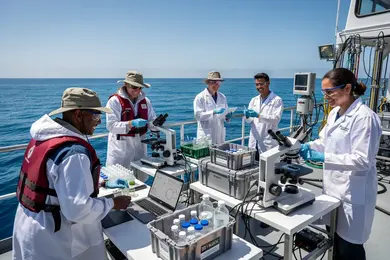
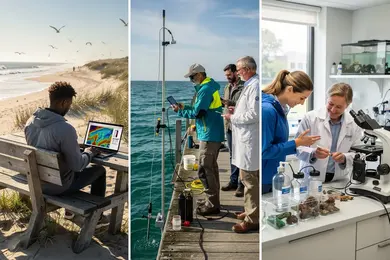
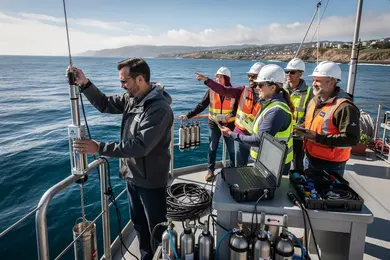
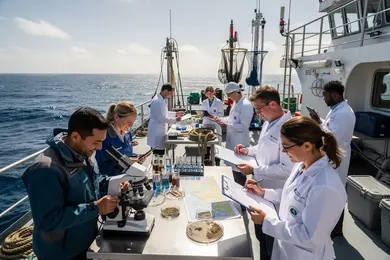
- Fieldwork Experience: Conducting surveys, collecting samples, and using marine research equipment in diverse and challenging environments are essential skills. Employers value candidates who apply proven field methods while maintaining safety and environmental compliance.
- Communication Skills: Writing reports, publishing research, and collaborating with interdisciplinary teams demand strong verbal and written communication abilities. Effective communication ensures that marine science research can influence policy, conservation, and public awareness.
- Problem-Solving: The ability to address unpredictable challenges such as climate change, pollution, or species conservation is highly valued. Innovative solutions and adaptability to environmental changes are key traits for marine scientists.
Understanding these marine science technical skills in job postings is vital for aligning training with employer expectations. Prospective students exploring top degrees and qualifications for marine science careers should also consider these skills as part of their preparation.
For those interested in related healthcare fields, there is useful information available on how much does it cost to become a medical coder, which may offer parallel pathways in technical expertise and job market demand.
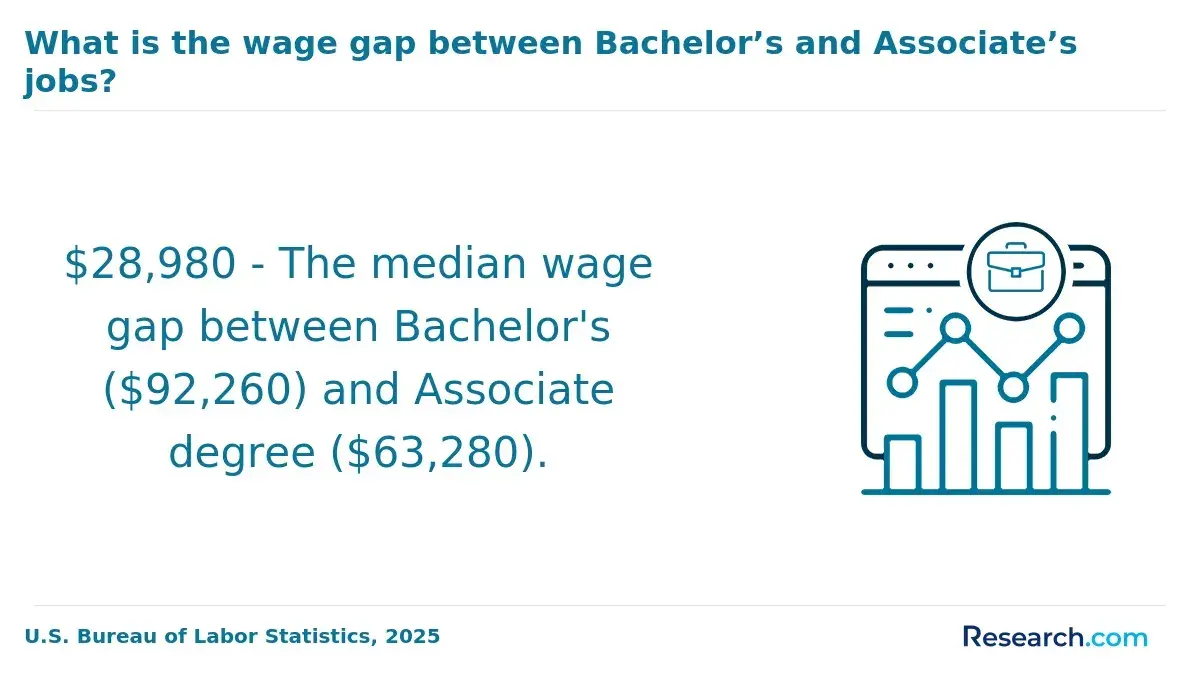
What Degrees Do Employers Require for Marine Science Careers?
Job listings in marine science consistently indicate that educational qualifications are a major factor in hiring decisions, with requirements varying based on the role's complexity and the employer's sector.
Typically, entry into the field demands an undergraduate degree, while more specialized or senior roles favor advanced degrees. Nearly 45% of listings specify a master's degree or higher for specialized positions.
Common degree trends found in marine science postings include the following:
- Bachelor's Degree Minimum: Most entry-level positions require a bachelor's degree in marine science or a related field such as oceanography, biology, or environmental science. This level typically provides a foundational understanding of marine ecosystems and scientific practices.
- Advanced Degrees Preferred: Roles involving detailed research, environmental assessment, or data analysis often call for a master's degree. These graduate qualifications support greater technical expertise and analytical skills.
- Doctorate for Academic Roles: Positions in academia, government research, or policy development frequently require a PhD, reflecting the emphasis on deep specialization and research capabilities.
- Industry Variation: Degree expectations differ by employer type; government agencies and universities generally enforce stricter requirements compared to private sector or conservation organizations, where practical experience can sometimes supplement formal education.
When asked about his experience pursuing a career with a marine science degree, a graduate shared that meeting educational expectations was just one challenge among many.
"The rigorous coursework was demanding, but what stood out most was navigating the competitive job market where advanced degrees often set applicants apart," he said.
He added that the path involved continual learning and adapting, noting, "Securing positions often meant balancing degree requirements with gaining relevant hands-on experience, which wasn't always straightforward."
This blend of academic achievement and practical involvement, he reflected, shaped his understanding of employer expectations in the field.
Marine science job postings clearly differentiate experience requirements based on the level and area of specialization. Employers rely heavily on experience as a critical factor when selecting candidates, ensuring practical and theoretical capabilities align with role demands.
Below are common patterns seen in entry-level marine science careers experience requirements and beyond:
- Entry-Level Roles: Usually require minimal experience, typically welcoming recent graduates or those with internships. Candidates should show foundational knowledge and eagerness to learn within applied environments.
- Early Career Positions: Demand around 1-3 years of experience, often emphasizing hands-on fieldwork or laboratory skills essential for independent task completion.
- Mid-Career Opportunities: Generally expect 3-7 years of directly relevant experience, including project management capabilities and proficiency in research techniques backed by tangible results.
- Senior-Level Jobs: Require extensive expertise, typically 7+ years, along with leadership roles in complex projects, securing funding, and advanced specialization.
Employers use these experience thresholds to filter candidates who can meet the practical challenges within marine science. For those balancing work and study, exploring online nursing programs for working adults offers insights into flexible education paths that complement professional growth.
Certain fields actively seek recent graduates with little or no professional background, especially in marine science-related areas. Entry-level roles in these industries frequently highlight availability for training and prioritize candidates' enthusiasm and baseline knowledge over experience.
Research indicates that nearly 40% of marine science entry-level positions do not require previous work experience, showing openness to new graduates.
Below are key industries known for hiring fresh marine science graduates without prior experience:
- Government Agencies: Focus on regulatory compliance, environmental monitoring, and conservation roles. These positions often include comprehensive training programs and attract graduates interested in public sector work.
- Nonprofit Organizations: Engage new hires primarily in outreach, research support, and volunteer coordination. These groups value passion for conservation and provide hands-on learning environments.
- Academic and Research Institutions: Offer technician and lab assistant roles, enabling graduates to develop research skills alongside experienced scientists. Minimal previous employment is acceptable as formal education is the main requirement.
- Aquaculture and Fisheries: Employ entry-level workers in operational tasks such as species monitoring and environmental data collection. These roles allow practical engagement with marine ecosystems on a daily basis.
When speaking with a fresh graduate with a marine science degree, she described the transition from school to the workforce as both challenging and rewarding. "Applying for jobs without experience was intimidating, but I found industries willing to teach and support newcomers," she shared.
She recalled how internships in nonprofit settings helped build confidence, and how direct involvement in fieldwork confirmed her decision to pursue hands-on roles. Her story highlights the value of persistence and the positive impact of industries that invest in training fresh talent.
Certain sectors in the marine science field have higher standards for experience and specialized skills, making their hiring processes more selective. Job postings often highlight the need for extensive practical knowledge or advanced qualifications, reflecting the complexity and regulatory demands of these industries.
Research indicates that about 60% of job openings in regulatory and energy-related marine science positions require candidates to possess at least five years of relevant experience.
The following industries typically seek candidates with elevated levels of expertise and certification:
- Offshore Energy: Candidates usually must demonstrate multi-year experience in underwater surveying, remote sensing, or geotechnical work. Industry-specific certifications, especially those focusing on safety and equipment operation, are often mandatory due to the high-risk and technical nature of the environment.
- Environmental Consulting: Employers favor applicants with strong foundations in marine ecology paired with project management abilities. Proficiency in advanced data analysis tools is frequently required to meet stringent environmental impact assessment standards.
- Government and Regulatory Bodies: These agencies prioritize professionals experienced in navigating legal and policy frameworks. Expertise in federal and international regulations, as well as compliance monitoring, is commonly sought after for careers in environmental oversight.
- Private Sector Research: Research and development entities look for candidates who blend scientific knowledge with applied technical skills. Demonstrated involvement in multidisciplinary projects and advanced certifications often set applicants apart.
Across these fields, marine science employers value candidates who combine academic credentials with hands-on experience, focusing on specialized equipment operation, regulatory adherence, and complex project coordination.
Employers in marine science careers rely heavily on specific credentials to assess the expertise and readiness of candidates. Academic qualifications, professional certifications, and licenses often serve as vital indicators of a candidate's knowledge and practical capabilities, influencing hiring decisions across various roles.
Below are some of the most valuable credentials that marine science employers frequently seek:
- Bachelor's Degree: A bachelor's degree in marine science or related fields such as biology, environmental science, or oceanography is generally the minimum academic requirement for entry-level positions. It provides foundational knowledge of marine ecosystems and scientific methodologies essential for the role.
- Advanced Degrees: Master's and doctoral degrees are highly regarded for research-intensive or specialized roles. These qualifications demonstrate advanced knowledge, experience in conducting rigorous research, and the potential to contribute to scientific innovation and project leadership.
- Professional Certifications: Credentials like the Certified Marine Science Technician (CMST) or certifications in Geographic Information Systems (GIS) highlight applied skills in technical aspects such as marine fieldwork and environmental data analysis, increasing a candidate's employability.
- Licenses: Licenses for vessel operation and scientific diving are often required or preferred. Scientific diving certification is crucial for conducting underwater research safely, while vessel operator licenses support effective management of fieldwork logistics.
Salary levels in marine science-related roles are influenced by factors such as experience, education, and the complexity of the position. Employers often advertise salary ranges that give them the flexibility to adjust compensation based on a candidate's qualifications, with entry-level salaries typically anchored near the lower end.
Research shows salary variation by experience in STEM fields, including marine science, can exceed 30% between early career professionals and those with extensive relevant work history.
This variation reflects the importance of advanced degrees or specialized skills, which significantly impact negotiable marine science salaries by experience level.
Experience also affects salary flexibility in job postings, as employers frequently use pay ranges rather than fixed figures to attract candidates with different expertise levels. Entry-level positions tend to have less room for negotiation due to limited budgets and standard qualifications, while advanced roles demonstrate wider pay scales that reward higher expertise and responsibility.
Many employers expect candidates with professional certifications or unique competencies to negotiate salaries at the upper end of these ranges.
Additionally, those interested in further advancing their credentials may consider exploring online nursing PhD programs as an example of how specialized education can enhance career prospects and salary potential in STEM-related fields such as marine science career salary negotiation tips highlight this dynamic.
Job postings offer valuable insights for tailoring your resume to meet what employers seek in marine science careers. Research shows that approximately 75% of employers use applicant tracking systems (ATS) to screen resumes, making it essential to align your language and qualifications with job descriptions.
This alignment improves your chances of passing initial screenings and gaining recruiter attention. Here are key strategies to match your resume to marine science job descriptions effectively:
- Interpret Job Postings: Focus on employer priorities by carefully analyzing highlighted tasks and essential skills such as environmental impact assessments, data analysis, or field research. This understanding helps you emphasize the most relevant aspects of your background.
- Highlight Relevant Experience: Showcase internships, previous roles, or projects directly related to marine science methodologies. Specific examples of lab work or field studies strengthen your application by demonstrating practical expertise.
- Align Terminology: Use language that mirrors the job description, including industry-specific keywords and technical jargon, to enhance ATS compatibility and prove subject matter knowledge.
- Prioritize Qualifications: Emphasize key credentials such as a bachelor's or master's degree in marine science or a related field, certifications, and relevant software proficiencies. You can explore pathways like an ASN program to build foundational science skills applicable across disciplines.
Matching skills and experience to marine science employer requirements in the US by carefully tailoring resumes based on job postings is a proven approach to increasing hiring success.
Job ads in marine science offer essential clues about what employers expect from candidates, detailing the skills and qualifications required for various roles. Careful examination of these postings helps clarify the specific expectations for responsibilities, educational backgrounds, and experience levels.
According to a 2023 Ocean Careers Research survey, more than 65% of marine science job listings clearly specify both required and preferred skills, showing transparency in hiring criteria.
Key aspects to consider when reviewing these job postings include:
- Job Responsibilities: Listings highlight the daily tasks and research areas involved, revealing the role's primary focus within marine science and helping applicants assess fit.
- Educational Qualifications: Employers usually require a bachelor's or master's degree in related fields, often favoring candidates with advanced or specialized training.
- Technical Skills: Specific proficiencies like data analysis, laboratory methods, or fieldwork techniques are frequently listed as necessary for success in the position.
- Experience Level: Job ads distinguish between entry-level and experienced candidates, specifying years of relevant work or research projects needed.
- Soft Skills: Communication, teamwork, and project management abilities are sometimes emphasized as important professional competencies.
- Additional Training: Some roles may prefer candidates with credentials such as an online kinesiology degree or related certifications to demonstrate broader expertise.
What Graduates Say About Skills, Degrees, and Experience Employers Want
- Lara: "As a recent graduate, I found that carefully studying job postings helped me identify roles that perfectly matched my marine science credentials. The descriptions clarified the skills employers value most, guiding me to tailor my applications and stand out among other fresh graduates. Using job ads as a roadmap really boosted my confidence in launching my career."
- Beatriz: "Reflecting on my career progression, job postings have been instrumental in understanding how the field of marine science evolves and what new expertise is in demand. By regularly analyzing ads, I could pursue targeted certifications and experiences, which opened doors for higher-level positions. The strategic use of these postings truly shaped my professional growth over the years."
- Wilhelm: "In my professional journey, job ads have consistently influenced my decisions by highlighting emerging specializations within marine science. They helped me anticipate industry trends and adapt my skills accordingly, which is crucial in such a competitive field. I view these postings not just as opportunities but as vital insights to maintain relevance and career momentum."
Other Things You Should Know About Marine Science Degrees
Yes, many marine science job postings emphasize the importance of interdisciplinary skills. Employers seek candidates who combine marine biology knowledge with expertise in data analysis, GIS mapping, or environmental policy. This blend allows professionals to address complex marine issues from multiple perspectives, enhancing their value in research and conservation roles.
Internships and volunteer work are frequently mentioned as valuable in marine science job postings. These experiences demonstrate practical knowledge and commitment to the field, especially when paid positions require several years of work experience. Employers often view hands-on activities in laboratories, field research, or conservation projects as strong indicators of a candidate's readiness.
Technical skills often complement academic credentials but can sometimes outweigh formal degrees depending on the job. Proficiency in software like R, Python, or ArcGIS; experience with remote sensing; and laboratory techniques are commonly required. Employers look for a balance, where candidates have sufficient theoretical knowledge alongside these practical abilities.
Yes. Many marine science postings require fieldwork, vessel operations, or sea time, often noting scuba certification, sampling cruises, or laboratory-to-field transitions. Employers may ask for 6–12 months of hands-on research experience, especially for technician and early-career roles.
- Marine Biology Career Advice https://www.southernfriedscience.com/marine-biology-career-advice/
- Finding the right career in marine science https://www.marine.ie/site-area/news-events/news/finding-right-career-marine-science
- So you want to become a Marine Biologist? | National Marine Aquarium https://www.national-aquarium.co.uk/learning-at-the-aquarium/marine-biologist/
- Careers at Sea - Schmidt Ocean Institute https://schmidtocean.org/education/careers-at-sea/
- What Soft Skills Are Needed For Marine Biology Career? https://sajoki.com/what-soft-skills-are-needed-for-marine-biology-career/
- Harnessing ATS and Automation for Job Success in Marine Sciences • Blue-Jobs • The online platform to find a job in marine sciences https://blue-jobs.com/2024/10/17/harnessing-ats-and-automation-for-job-success-in-marine-sciences-%F0%9F%A4%96/
- Top 10 Highest Paying Marine Biology Jobs 2025 (Inc Salaries) | Nexford University https://www.nexford.edu/insights/highest-paying-marine-biology-jobs
- Study Marine Science - Experience, Job Opportunities, Salary + Survey https://jobtensor.com/uk/Studies/Marine-Science
- Marine scientist: job description https://targetjobs.co.uk/careers-advice/job-descriptions/marine-scientist-job-description
- 10 Jobs You Can Get With a Marine Biology Degree https://www.seamester.com/blog/10-jobs-you-can-get-with-a-marine-biology-degree/