2027 Is a Marine Science Degree Better Than Experience Alone? Salary, Hiring, and Career Growth Compared

Co-Founder and Chief Data Scientist
A candidate enters the marine science field with only hands-on experience and self-taught skills, while another holds a formal marine science degree. Despite comparable practical knowledge, the degree holder frequently accesses higher starting salaries and faster promotion paths due to credential recognition.
Industry data from 2025 reveals that 82% of employers prefer candidates with degrees for marine science roles, making it challenging to enter these positions without formal education.
This contrast highlights the tangible value of a degree in opening doors and securing career growth. This article analyzes salary differences, hiring preferences, and advancement opportunities to guide career decisions in marine science.
Key Points About Having Marine Science Degrees vs Experience Alone
- Marine science degree holders typically access higher starting salaries, with a 15% wage premium over experienced non-degree workers reported in 2025 industry surveys.
- Employers frequently prefer degree credentials for specialized roles, granting graduates broader job opportunities within research institutions and government agencies.
- Degree holders are more likely to attain leadership and advanced research positions, benefiting from formal training and professional networks not as accessible to experience-only candidates.
What technical proficiencies can you gain from having Marine Science degrees vs self-teaching?
Professionals can gain foundational principles and practical applications in marine science through formal degree programs, whereas learning solely from job experience often provides a narrower and less structured understanding.
Below are five key technical proficiencies where marine science degrees typically offer deeper knowledge and hands-on training compared to self-taught proficiencies or job-based learning:
- Advanced Statistical Analysis: Marine science degrees emphasize using software like R or MATLAB to perform comprehensive ecological data interpretation and oceanographic trend modeling. In contrast, self-teaching frequently lacks the structured curriculum needed to master these complex statistical techniques.
- Geospatial Technologies: Degree programs offer in-depth study of Geographic Information Systems (GIS) with a specific focus on marine environments, providing experience essential for accurately mapping habitats and detecting changes. Job experience or bootcamps might introduce GIS but rarely cover marine-specific applications in detail.
- Remote Sensing and Instrumentation: Students receive hands-on training with tools like sonar and CTD (Conductivity, Temperature, Depth) sensors during coursework, enabling better understanding of data collection methods. Relying on self-taught skills often limits familiarity with such specialized marine instruments.
- Molecular Techniques: Laboratory skills for techniques such as DNA barcoding and environmental DNA (eDNA) require supervised training and access to specialized facilities typically found only within formal education. These labs teach procedures not easily replicated through casual job training.
- Policy and Conservation Frameworks: Marine science degree programs include interdisciplinary study bridging science with regulatory and policy knowledge, preparing students to engage effectively in conservation efforts. This critical perspective is often missing when learning independently or solely on the job.
These technical proficiencies underline the importance of hands-on laboratory experience with marine science education, which is difficult to obtain through self-teaching alone.
According to a 2025 employment survey, 68% of marine science employers prefer candidates with degrees over equivalent experience when hiring for technical roles, reflecting the industry's confidence in formal training for mastering complex skills.
For students considering education options, exploring the benefits of degree programs alongside experience can be valuable. For those seeking related professional development paths, resources like PharmD online programs demonstrate the growing availability of flexible, advanced education models that integrate practical training.
Are there certifications or licenses that only Marine Science degree holders can obtain?
Continuing education and additional credentials always add value, especially as more employers consider skills-based hiring. Certain certifications and licenses specifically require formal academic preparation.
Below are some key credentials linked to a marine science degree certification requirements that can enhance career opportunities:
- Certified Marine Scientist (CMS): This designation, offered by professional organizations like the Marine Environmental Professional certification board, requires a bachelor's or higher degree in marine science or a related field plus relevant work experience.
- Professional Wetland Scientist (PWS): The PWS certification demands a marine or environmental science degree to confirm foundational knowledge in wetland ecology. Holding this license enables candidates to take on regulatory projects with federal and state agencies.
- NOAA Diving Certification: While not exclusively required to hold a degree, many training programs for this credential give preference to applicants with a marine science degree due to the essential understanding it provides of marine ecosystems and safety protocols. It is valuable for professionals engaged in underwater research and monitoring.
- Marine Mammal Observer (MMO): This role requires specialized training after completing a marine science degree, ensuring the candidate can effectively monitor marine mammals during industrial projects to avoid ecological disruptions. The degree is often a prerequisite for accessing this professional license.
Data indicates that 68% of marine science professionals holding certifications tied to academic degrees experience faster promotions compared to those relying solely on experience. This combination of formal education and credentialing has a significant impact on career growth.
For students weighing options, considering a marine science degree alongside self-teaching may offer a stronger foundation for obtaining these licenses exclusive to marine science graduates.
Exploring additional education options can also be beneficial in related fields-for example, pursuing a health care administration masters can complement your credentials and open further career pathways.
Will a degree in Marine Science make you more employable?
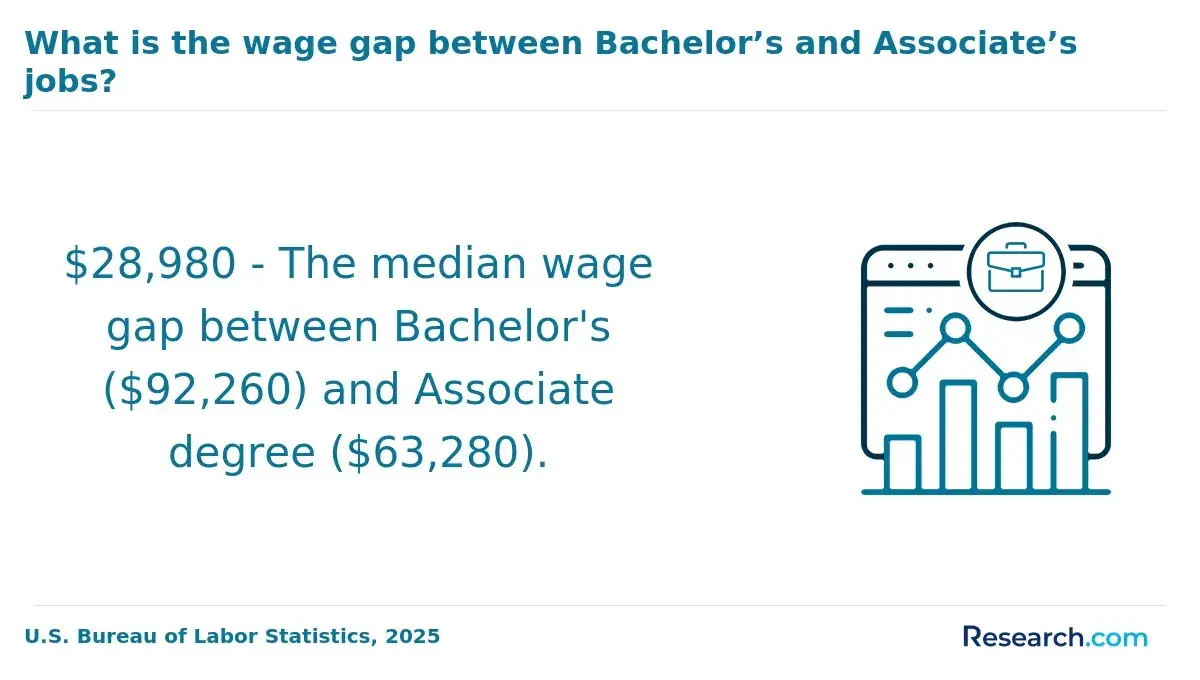
Graduates with a marine science degree generally experience stronger job prospects than those relying solely on experience or self-taught skills. Most employers in this field prioritize candidates who have completed at least a bachelor's program, especially for roles involving scientific research, environmental monitoring, or policy-making.
While some positions allow for skills gained through hands-on work, these are typically technician-level or field roles with less emphasis on formal education.
The key reasons for this outlook include the foundational knowledge a degree offers in oceanography, data interpretation, and regulatory frameworks, which employers see as essential. Practical experience is valued, but it usually serves to enhance formal training rather than replace it.
Moreover, only a minority of organizations have adopted skills-first hiring practices, meaning that academic credentials remain a common baseline for most professional and research-oriented jobs in marine science.
Ultimately, whether a marine science degree is necessary depends on one's career ambitions. Those aiming for scientific positions, policy development, or advanced research roles will likely find a degree indispensable. Conversely, if the goal is to work in field technician roles or specialized tasks where hands-on skills dominate, experience and certifications might suffice.
The author spoke with a professional who earned a bachelor's degree in marine science online to gain insight into the real-world value of the credential.
He shared that balancing coursework with part-time work and family commitments was intense but rewarding. "It wasn't just about taking classes," he explained; "it was learning how to apply complex concepts practically."
After graduating, he noticed that the degree opened doors that experience alone hadn't, especially when interviewing for research positions.
"Employers asked about my academic projects and analyses more often than my volunteer work," he recalled. Although gaining skills outside the classroom was crucial, having the formal degree "gave me confidence and credibility in the field."
Certain careers in marine science require candidates to hold a formal degree due to the technical knowledge and regulatory expertise involved, while other opportunities prioritize practical skills and job-readiness without insisting on academic credentials.
Below are examples of key marine science degree job opportunities and their educational demands:
- Marine Biologist: This career involves studying aquatic organisms and ecosystems through both field research and laboratory work. A degree is essential to develop the necessary foundation in biological sciences and research methods, especially for leadership or independent study roles.
- Oceanographer: Oceanographers investigate physical, chemical, and geological ocean properties to improve understanding of climate impacts and resource management. Their work requires advanced scientific training, making a marine science degree or a related scientific discipline vital.
- Environmental Consultant: Specialists in this role advise on marine environmental impact assessments and regulatory compliance, relying heavily on knowledge of scientific standards and legislation. Degrees provide the credibility and expertise needed to interpret complex data and reports effectively.
- Marine Policy Analyst: Combining science with law and public administration, these professionals develop policies affecting oceans and coastal areas. While a marine science degree supplemented by policy or legal training is common, strong advocacy experience may sometimes compensate for formal education.
- Marine Conservation Specialist: Focused on protecting marine habitats and species, conservationists often collaborate with NGOs and research institutions. Entry-level positions may not require degrees, but advanced roles managing research projects generally do.
Marine science degree job opportunities stand out for providing access to positions that require deep scientific expertise and regulatory knowledge, whereas career paths with a marine science degree may complement this by combining practical experience and ongoing education.
A 2025 study by the National Oceanic Workforce Institute found that 78% of stable marine science jobs require at least a bachelor's degree, with degree holders earning up to 25% more than those relying on experience alone.
For students exploring education options, considering exercise science degrees online can offer an example of how related scientific disciplines provide flexible, accredited pathways. This highlights the value of formal credentials when aiming for specialized and well-compensated roles in marine science careers.
Holders of marine science degrees generally experience greater ease in building professional networks due to structured access to academic peers, faculty mentors, and industry experts. These connections often lead to valuable referrals and job opportunities, as relationships developed through formal education carry more credibility among hiring managers.
In contrast, those without degrees usually must rely on self-initiated networking efforts like engaging in social media groups, volunteering, and attending informal events, which can demand considerable time and persistence to yield comparable contacts.
Students enrolled in marine science programs benefit from resources such as university career centers, alumni networks, and invitations to specialized conferences or professional organizations.
These tools provide a ready-made framework for networking that is often unavailable to non-degree holders, who typically depend on their immediate social circles or connections made within their workplace.
Faculty recommendations and research collaborations further enhance degree holders' chances of connecting with influential professionals in the field.
The marine science industry places significant value on trust and reputation, meaning that connections forged through academic channels frequently accelerate career advancement. While it is possible to succeed through experience and self-teaching alone, the networks linked to formal degrees remain a powerful asset.
Therefore, building and maintaining professional relationships is essential for sustained growth in this field, making structured networking opportunities a key advantage of pursuing a marine science degree.
Having a marine science degree often increases eligibility for higher-level roles within the field, particularly those involving leadership or specialized expertise. This advantage arises because certain positions require formal education as a baseline qualification.
The following points highlight why a degree can positively influence promotion chances:
- Credential Validation: A marine science degree provides verified knowledge and technical skills that employers highly value, setting degree holders apart from those relying solely on experience or self-study.
- Advanced Competency: Degree programs equip individuals with a thorough understanding of ecological, chemical, and biological marine systems, which is crucial for managing complex projects and teams effectively.
- Professional Preparedness: Formal education often includes training in grant writing, project management, and interdisciplinary collaboration, skills essential for securing leadership positions and managing research initiatives.
Though experience and exceptional performance can lead to career advancement, individuals without a degree may face more challenges competing for top roles. They frequently need to complement practical knowledge with certifications or ongoing education to match the qualifications and opportunities available to degree holders.
Professionals holding a marine science degree typically start with an average salary near $50,000 annually, compared to about $35,000 for those who rely solely on experience. Over time, the income outlook diverges more sharply, as degree holders can reach salaries exceeding $90,000 in mid-career positions such as environmental consultants or research coordinators.
Conversely, those without formal qualifications often face a slower salary trajectory, frequently plateauing between $60,000 and $70,000. This wage pay gap illustrates the significant impact a marine science degree has on long-term earning potential and career advancement in the field.
The income ceiling for non-degree professionals is often limited, especially when their experience comes from unregulated roles or field-based tasks. Degree holders are more likely to access specialized career paths including policy advising, academia, or high-level research, which carry better compensation.
However, non-degree holders can enhance their income outlook by developing skills like data analysis, remote sensing, or pursuing relevant certifications. Marine science degrees affect a professional's income outlook by opening these opportunities, though continual self-improvement can help bridge gaps.
For those exploring educational options, resources related to financial aid for medical billing and coding online classes may provide useful funding insights for skill-building programs.
The average tuition for a marine science degree generally falls between $20,000 and $50,000 per year, varying by institution and program type. Professionals typically see a return on investment within 7 to 10 years, based on a median starting salary near $50,000 and career advancement opportunities in research, environmental consulting, and government roles.
Studies indicate that degree holders earn about 15% more over their careers than those relying solely on experience and self-teaching.
Financial aid options such as grants, scholarships, and work-study programs can significantly reduce upfront costs, helping to minimize student debt. Accelerated degree programs also allow students to complete their education faster, entering the workforce sooner and improving ROI.
Additionally, internships and cooperative education provide valuable hands-on experience and professional connections, which boost job prospects and salary growth.
Combining formal marine science education with practical experience is often the most effective strategy for quicker career advancement and maximizing long-term financial benefits.
The marine science industry is increasingly incorporating AI and automation, especially in routine tasks like data collection and basic analysis. Economic fluctuations add an extra layer of volatility, affecting funding and job stability.
Degree holders in marine science tend to navigate these changes better because their formal education prepares them to handle complex data interpretation, experiment design, and adaptation to new technologies. This broad skillset makes them less vulnerable to job displacement during automation shifts or economic downturns.
In contrast, professionals relying solely on experience or self-taught knowledge may struggle to keep pace with technological advancements, making their roles more susceptible to layoffs or automation.
Employers often favor candidates with recognized degrees during budget cuts, seeing them as more adaptable and equipped with up-to-date expertise. Consequently, marine science graduates generally enjoy greater job security compared to their non-degree counterparts.
When asked about his perspective, a professional who graduated from an online marine science bachelor's program shared that having a degree gave him confidence during uncertain times.
He described how his coursework helped him learn cutting-edge tools and methodologies he wouldn't have accessed otherwise, which proved invaluable when his workplace adopted new automated systems.
"It was challenging to balance work and study, but knowing I had credentials made it easier to adjust and stay relevant," he said. This experience reinforced his belief that formal education offers a crucial advantage in weathering industry changes.
What Graduates Say About Their Marine Science Degrees
- Christina: "Completing a degree in marine science truly gave me a competitive edge in the job market. The hands-on experience and fieldwork prepared me to tackle real-world challenges immediately, making my transition into the industry seamless. I've found that employers value the specialized knowledge marine science graduates bring, which has opened doors for advancement and better salary opportunities."
- Kelly: "Looking back, my marine science degree was pivotal in shaping my career trajectory. Beyond the technical skills, it taught me critical thinking and scientific communication, which are essential in this field. The degree not only made me job-ready but also consistently proved beneficial in promotions and expanding my professional network."
- Mira: "My marine science education provided a solid foundation that employers recognize and respect. The rigorous coursework and research projects instilled confidence and competence, setting me apart in a competitive industry. This degree has been instrumental in securing rewarding positions and negotiating better compensation over the years."
Other Things You Should Know About Marine Science Degrees
Individuals without formal marine science degrees often encounter limitations in accessing higher-level research positions or specialized roles. Employers tend to prefer candidates with academic credentials for advanced projects due to the rigorous training and theoretical knowledge involved. This can slow career progression for self-taught professionals, especially in institutions with strict degree requirements.
Formal education in marine science can provide greater job stability in regulated sectors such as government agencies and academic research institutions. Degrees often serve as a prerequisite for long-term contracts and tenure-track positions, offering more security than roles based solely on experience. Conversely, experience-based roles may be more project-dependent and subject to funding availability, which can affect stability.
In 2027, marine science degree holders typically have better access to research funding opportunities compared to those with experience alone. Funding bodies often prioritize applicants with formal educational credentials, as they are perceived to have rigorous training and a stronger theoretical foundation.
Many federal ocean jobs list a bachelor’s degree in marine science, biology, oceanography, or a related field, plus specialized coursework in statistics, chemistry, or GIS. Hiring under the U.S. Office of Personnel Management often follows the GS-0401, GS-1301, or related series requirements.
- “Misconceptions about studying marine science almost stopped me from applying – but look at me now!” - SAMS UHI Student Blog https://blog.sams.ac.uk/misconceptions-about-studying-marine-science-almost-stopped-me-from-applying-but-look-at-me-now/
- Survey on the Impacts of Networks in Marine Sciences Careers – Cesam https://www.cesam-la.pt/en/calls/survey-on-the-impacts-of-networks-in-marine-sciences-careers/
- Oceanography Program ROI https://collegeroi.org/roi/major/oceanography/programs/marine-sciences-bachelors-degree/
- Breaking into Marine Conservation: Career Advice From a Marine Biologist (With or Without a Degree) | Conservation Careers https://www.conservation-careers.com/interviews/breaking-into-marine-conservation-career-advice-from-a-marine-biologist-with-or-without-a-degree/
- Making Waves: How to Gain Valuable Experience Whilst Studying Marine Science https://wiseoceans.com/how-to-gain-valuable-experience-whilst-studying-marine-science/
- Career Outlook https://www.marinecareers.net/resources/career-outlook
- Marine Biology: A Career of Impact | GVI https://www.gvi.co.uk/blog/smb-marine-biology-a-career-of-impact/
- More than a Hobby: Marine Science Career Development through the Lens of Social Cognitive Career Theory | Current: The Journal of Marine Education https://current-journal.com/articles/10.5334/cjme.83
- Reasons to Major in Marine Biology https://www.seamester.com/blog/8-reasons-to-major-in-marine-biology/