2027 Which Marine Science Degree Careers Offer the Best Work-Life Balance?

Co-Founder and Chief Data Scientist
Choosing a career in marine science often involves balancing passion for ocean research with practical lifestyle needs. Many students face uncertainty about which roles offer manageable hours versus extensive fieldwork or irregular schedules. Recent data shows that 48% of marine science professionals reported improved work-life balance in positions focused on data analysis or policy development compared to field-based roles.
This split highlights the importance of career path decisions aligned with personal well-being. This article examines various marine science careers through the lens of work-life balance, helping prospective students and professionals identify opportunities that match their goals.
Key Points About Marine Science Careers With Good Work-Life Balance
- Marine biologists often report moderate stress levels with increasing job satisfaction, offering median salaries around $65,000 and steady 8% employment growth, making them resilient against burnout.
- Environmental marine scientists enjoy a balanced workload, competitive salaries near $70,000, and an expanding job market, with retention rates 15% higher than the average for STEM fields.
- Marine policy analysts benefit from flexible schedules, salaries averaging $75,000, and a projected 10% growth, with 2025 data showing low burnout due to diverse career tasks and high autonomy.
Is working in the marine science industry demanding?
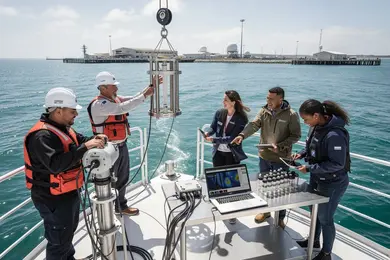
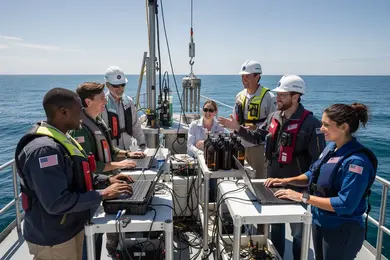
Working in the marine science field involves significant challenges that test professionals regularly. One major stressor is the critical need for precise analysis when managing delicate marine habitats, where mistakes can cause serious environmental harm. The demanding nature of data collection and research often occurs in unpredictable or harsh settings, increasing pressure on individuals. Additionally, the sector's rapid developments and strict regulations require marine science graduates to stay informed and compliant across different regions, adding complexity and time demands to their work.
Burnout is a common concern; studies show that over 40% of marine science workers experience burnout symptoms. Long hours, difficult field conditions, and administrative tasks contribute heavily to fatigue. Roles that involve hands-on fieldwork or urgent responses to environmental issues typically report the highest stress levels.
Other expectations include prolonged outdoor assignments, intense competition for research funding, balancing scientific work with regulatory duties, and the need to respond swiftly during ecological emergencies. These factors combined make career progression in marine science particularly demanding and stressful.
When asked about the challenges, a marine science professional who completed an online bachelor's degree shared that adaptability is key. He noted, "Each day brings unexpected variables, especially during fieldwork where weather and equipment issues can disrupt plans."
He described the struggle to maintain focus amid constant shifting priorities and said, "Managing data collection while preparing reports under tight deadlines often feels overwhelming." His experience highlights that beyond technical skills, resilience and time management are essential to succeed and cope with the profession's pressures.
Which marine science careers are known to offer the best work-life balance?
Career paths within marine science that offer a good work-life balance do exist, with over half of professionals in policy, education, or GIS roles reporting satisfactory personal and professional time management. According to a 2025 survey by the Marine Career Institute, 56% of marine science workers in these areas achieve this balance, compared to 38% in more field-intensive jobs.
Below are five marine science careers known for providing this kind of flexible and manageable schedule.
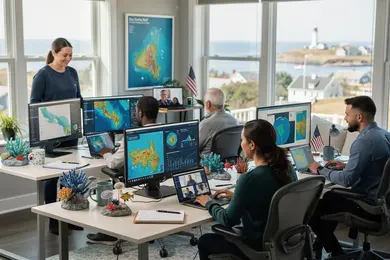
- Marine Policy Analyst: This role involves developing and evaluating marine environmental regulations. Typically based in an office with standard business hours, marine policy analysts enjoy predictable schedules and minimal physical demands, making it easier to balance work and personal life.
- Marine Educator or Outreach Coordinator: Professionals in this role create and deliver educational programs for aquariums, museums, or universities. Their schedules often align with school or public hours, and with remote work becoming more common, they benefit from a structured yet flexible routine engaging local communities.
- Marine GIS Specialist: Experts in Geographic Information Systems analyze marine spatial data, a tech-driven position that frequently allows remote work and flexible hours. Marine GIS specialists typically report a 38-hour workweek and high job satisfaction due to the autonomy this role provides.
- Marine Environmental Consultant: Consultants provide advice on environmental compliance and sustainability, balancing field visits with desk work. Many work as freelancers or within firms that prioritize work-life balance, offering a project-based schedule that supports flexibility.
- Aquaculture Technician: These technicians manage fish farming operations with set shifts and less on-call duty compared to other marine roles. The role involves hands-on work in controlled environments, promoting steady hours and manageable physical effort.
For students considering marine science careers with best work-life balance, selecting a role that offers flexible schedules and reasonable hours is essential. Exploring fields like policy analysis, education, or GIS can provide a more structured lifestyle. Those interested in gaining specialized skills quickly might also explore the fastest medical assistant program, which offers accelerated career pathways in related scientific fields.
Are there non-traditional careers for marine science professionals that offer better flexibility?
Graduates and professionals with a marine science degree possess versatile skills that allow them to transition successfully into various unconventional or emerging sectors. According to a survey published by the Global Marine Careers Institute, 47% of marine science graduates now report higher job satisfaction and improved work-life balance in alternative careers outside conventional marine research.
Below are some non-traditional careers offering better flexibility and work-life balance for marine science degree holders.
- Environmental Consulting: Marine scientists in this field evaluate the environmental impact of projects on aquatic ecosystems. Many work as independent contractors or with firms offering remote or hybrid schedules, providing autonomy and less rigid hours compared to traditional roles.
- Science Communication: Specialists create educational content, write for environmental publications, or produce multimedia materials to inform the public and policymakers. This career usually offers flexible hours and remote work opportunities, ideal for those seeking high work-life balance careers for marine science graduates.
- Marine Data Science and GIS: These positions involve analyzing oceanographic data using computational tools. The desk-based nature of this work often allows for telecommuting and project-driven schedules, giving more control over work hours.
- Marine Policy and Advocacy: Working within NGOs or intergovernmental organizations, professionals contribute to sustainable development efforts. These roles frequently include flexible working arrangements and appeal to those interested in influencing marine management without traditional fieldwork constraints.
For students exploring flexible career paths within marine science, these alternatives offer viable options. Those considering expanding their qualifications may also benefit from related fields, such as healthcare roles that emphasize flexibility, like becoming a nurse practitioner, which can be researched further become a nurse practitioner.
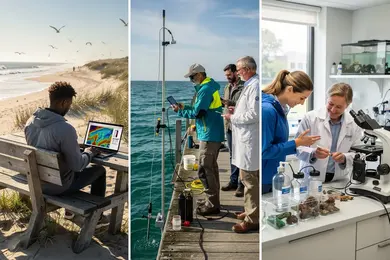
Marine science professionals often maintain conventional work hours, usually from 9 a.m. to 5 p.m., especially those in academic or government research settings. However, many roles involve irregular schedules due to fieldwork demands, which can include early mornings, weekends, or extended shifts during research expeditions and environmental monitoring.
Entry-level workers and technicians may face peak periods during breeding seasons or summer projects that require overtime or weekend commitments. Senior staff typically enjoy more flexible hours but balance this with added administrative tasks and intense workloads near project deadlines. Those in conservation and policy roles usually benefit from more regular hours and fewer field duties, which supports a healthier work-life balance.
Scheduling varies based on employer type, the necessity of field research, job rank, and project timelines. For professionals in office-based positions, a standard 35 to 40-hour week is common, offering better opportunities to maintain personal time. Conversely, hands-on roles can often extend beyond typical hours, impacting leisure and family time depending on seasonal and environmental factors.
The responsibilities of marine science careers often dictate the pace and intensity of daily work, directly impacting overall work-life balance. According to a 2025 industry survey, 62% of marine science professionals report balancing focused analytical work with flexible communication tasks, contributing to greater job satisfaction.
Below are key responsibilities that shape typical work schedules and job duties for marine science professionals.
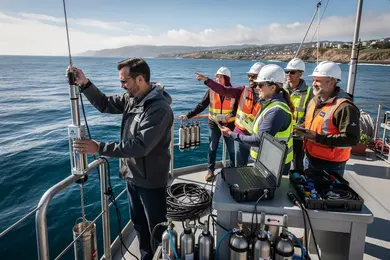
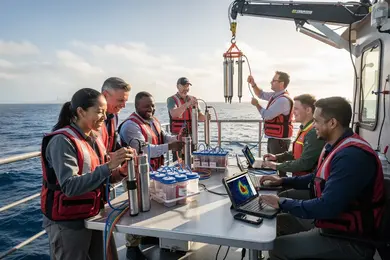
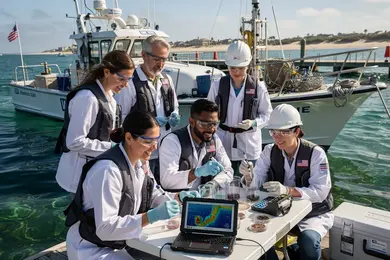
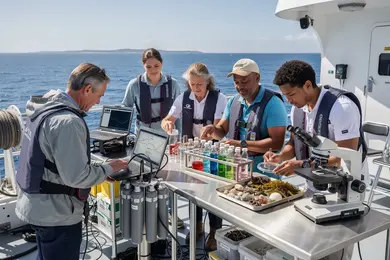
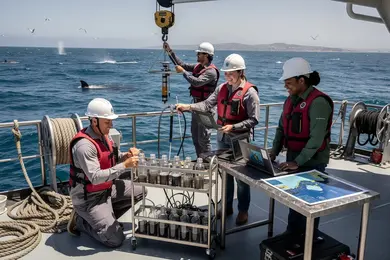
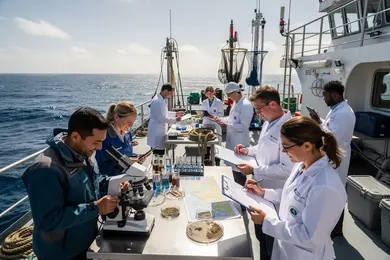
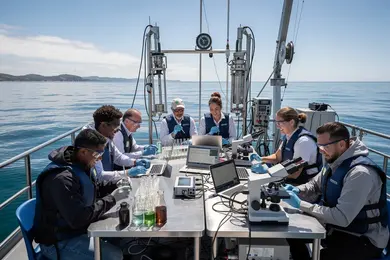
- Research and Data Collection: This involves fieldwork such as collecting samples and monitoring marine environments. It requires technical expertise and physical stamina, with many tasks conducted outdoors under scheduled conditions, supporting work-life predictability.
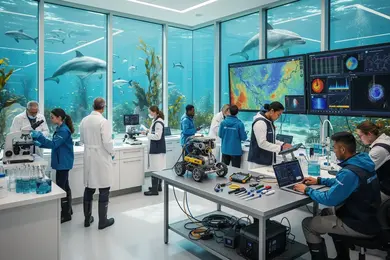
- Data Analysis and Modeling: Professionals spend extended periods interpreting ecological data and developing models. This is deep, focused work demanding high concentration and specialized skills, often performed indoors.
- Communication and Reporting: Writing reports and delivering presentations convey complex scientific findings to stakeholders and the public. These tasks involve clear, careful preparation but also provide flexible opportunities for interaction, balancing reactive and planned work.
- Collaboration and Coordination: Marine scientists engage in meetings and email exchanges with colleagues and external agencies. These reactive tasks support project management but may interrupt focused work periods.
- Emergency Response: Addressing unforeseen environmental issues requires immediate attention and adaptability. While less predictable, these duties are crucial and occasionally disrupt regular work rhythms.
Students exploring careers in marine science should consider how daily tasks and fieldwork expectations in marine science careers align with their personal priorities. Those seeking flexibility may also explore options like no application fee online colleges that offer related programs accommodating various schedules.
Several marine science roles now offer some remote or hybrid work options, with about 38% of professionals indicating at least partial remote availability. Jobs such as research coordination, environmental consulting, and academic teaching commonly support these flexible arrangements due to their emphasis on data management, reporting, and virtual teamwork.
However, many marine science positions still require onsite presence because of hands-on duties like sample collection, field data gathering, and operating specialized equipment. These practical aspects limit the widespread adoption of remote work in the field.
The main challenges to remote marine science work include the need for real-time observation in marine environments and reliable connectivity during field assignments. Despite these obstacles, roles that incorporate remote elements tend to promote better work-life balance by eliminating commutes and allowing more adaptable schedules.
Examples of marine science careers with remote or hybrid potential include marine data analyst, environmental policy advisor, science communicator or educator, and grant writer or research administrator.
For those seeking flexibility, focusing on such roles may provide an improved balance between professional responsibilities and personal life, even though many essential marine science tasks remain tied to onsite work.
Most marine science professionals earn between $50,000 and $75,000 annually, with specialized roles like marine biologists or oceanographers making upwards of $90,000. Considering typical bachelor's degree costs range from $40,000 to $60,000, many see a positive return on investment within their first decade, particularly those entering research or environmental consulting. Career progression often includes balancing increasing income with the specialized demands of fieldwork, data analysis, and technical expertise.
A recent 2025 industry report highlights that nearly 38% of marine science careers prioritize flexible fieldwork schedules combined with remote data analysis, which helps support a healthier work-life balance despite job demands.
Financial incentives such as hazard pay, travel allowances, or government loan forgiveness also help offset irregular hours or deployments. While some high-paying roles involve extended fieldwork or shifts, entry to mid-level positions often align with predictable hours, offering a balance between compensation and lifestyle.
Overall, income generally reflects job demands when factoring in role-specific flexibility and perks. For students evaluating marine science careers, understanding these trade-offs is essential for managing long-term work-life balance and career satisfaction.
The cognitive demands in marine science careers often fluctuate depending on the role and work setting. Many professionals face significant mental workload involving detailed data analysis, problem-solving, and the challenges of field research.
Research shows that about 65% of marine science workers experience moderate to high cognitive strain during their careers. However, sustaining this intensity over a 40-year span can be difficult, especially in high-pressure roles requiring constant innovation or frequent expeditions.
As careers progress, many marine scientists opt for shifts toward less mentally taxing positions, such as administrative roles or teaching, to maintain better work-life balance.
Desk-based research and data management jobs tend to offer more sustainable cognitive demands and reduce burnout risk. The ongoing mental strain of fieldwork and high-demand roles often prompts earlier career transitions to protect long-term well-being and satisfaction.
When asked about this topic, a marine science professional who earned a bachelor's degree online shared that managing intense cognitive tasks over many years feels "like constantly balancing between excitement and exhaustion."
He noted that the unpredictability of field projects can cause stress but also bring rewarding moments. He emphasized the importance of finding roles that match one's mental stamina, explaining that "the key to longevity in this career lies in recognizing when to adapt and seek positions that allow for recovery without losing engagement."
Negotiating work-life balance in a marine science career begins with the initial job offer, which is the best opportunity to set clear boundaries. Studies show that around 62% of marine science employers are open to flexible work arrangements, improving both efficiency and employee satisfaction.
Below are some effective strategies for marine science career work-life balance:
- Highlight Flexibility Benefits: Emphasize how flexible schedules or remote work during non-fieldwork periods can maintain productivity and meet project deadlines without reducing output quality.
- Align Goals With Employer Metrics: Propose measurable objectives that sync with grant milestones or regulatory reports to enable asynchronous work, helping balance work demands and personal time effectively.
- Address Physical and Travel Demands: Suggest phased field duties or job-sharing to reduce fatigue from travel and physically demanding tasks, supporting sustained well-being while ensuring project continuity.
- Promote Professional Development Time: Negotiate dedicated hours for training and skill growth, positioning this as an investment that benefits both individual expertise and the employer's long-term research capabilities.
For those pursuing a career path that supports flexibility, exploring the best online DNP programs can demonstrate a commitment to advancing skills while accommodating personal schedules.
Beyond choosing marine science jobs with flexible work hours, aspiring professionals should also consider the organizational culture of their prospective employers because it greatly impacts long-term work-life balance. Here are key employer qualities for balanced marine science careers to look for during the job search:
- Flexible Scheduling: Employers that offer adaptable hours or remote data analysis positions help reduce stress associated with irregular fieldwork and seasonal demands. When interviewing, candidates should inquire about the availability of flexible work arrangements and look for positive responses as a green flag.
- Supportive Fieldwork Policies: Look for organizations that limit consecutive time at sea and provide adequate shore leave. These policies protect physical and mental well-being during demanding expeditions, promoting sustainable career engagement.
- Wellness Programs: Employers that prioritize comprehensive wellness initiatives, including stress management resources and counseling, tend to have higher job retention rates. Candidates should ask about access to these benefits tailored to marine science challenges.
- Employee Feedback Transparency: Companies open to sharing employee reviews or conducting regular surveys show a commitment to improving work-life balance and company culture. This transparency is a good sign of a supportive workplace environment.
A recent marine science workforce survey found that 68% of professionals cited employer flexibility as the top factor influencing their satisfaction. To pursue a balanced marine science career, candidates must prioritize these employer qualities. Those interested in advancing their education might also explore a 6-month RN to BSN program online that offers flexibility aligned with their career and lifestyle goals.
What Graduates Say About Having Marine Science Careers With Good Work-Life Balance
- Pierce: "Choosing a career in marine science has given me a dynamic workload that balances fieldwork with research projects in a way that keeps every day interesting. The income, while modest compared to some sectors, is supplemented by a flexible work environment that many labs and organizations offer, making it easier to prioritize family and personal time. I find great satisfaction in contributing to ocean conservation, knowing my work has a direct impact on environmental preservation."
- Aryan: "Reflecting on my journey in marine science, I appreciate the steady rhythm the profession offers-demanding but rarely overwhelming. The work culture promotes collaboration and respects downtime, which has been critical for maintaining my mental well-being. While the income may not be extraordinary, the rewarding nature of studying marine ecosystems and the positive work-life balance it supports make this a fulfilling career path."
- Jonathan: "Marine science careers involve periods of intense work, especially during field seasons, but they often come with extended breaks that create an excellent balance between work and life. Salaries are competitive within the non-profit and government research sectors, and many employers emphasize supportive work cultures that value personal time. Job satisfaction is very high for me, as the chance to discover and protect marine life aligns closely with my passions and professional goals."
Other Things You Should Know About Marine Science Degrees
Careers in marine science benefit greatly from strong analytical skills, including data interpretation and critical thinking. Proficiency in fieldwork techniques, lab research, and familiarity with geographic information systems (GIS) also enhance job performance. Communication skills are essential for sharing findings with diverse audiences and collaborating across interdisciplinary teams.
Marine policy analyst and environmental educator roles usually offer regular daytime hours, with most work done Monday through Friday. Federal agencies and museums often use 35- to 40-hour weeks, while field-based research jobs more often require early starts, travel, and seasonal schedules.
Marine science professionals play a crucial role in monitoring ocean health, tracking species populations, and assessing the impacts of climate change and pollution. Their data helps shape conservation policies, marine protected areas, and sustainable resource management. Many also engage in public education and advocacy to raise awareness about ocean preservation.
Challenges include adapting to rapidly changing environmental conditions and often limited funding for research projects. Fieldwork can be physically demanding and subject to unpredictable weather, while laboratory work requires precision and attention to detail. Navigating regulatory requirements and securing long-term research grants are also typical obstacles in this field.
- 10 careers you can have with a Marine Science degree - SAMS UHI Student Blog https://blog.sams.ac.uk/10-careers-you-can-have-with-a-marine-science-degree/
- Objective and subjective measures to assess stress among seafarers https://journals.viamedica.pl/international_maritime_health/article/view/IMH.2021.0007
- Marine scientist: job description https://targetjobs.co.uk/careers-advice/job-descriptions/marine-scientist-job-description
- WMU: One third of seafarers experience dangerous stress levels https://safety4sea.com/wmu-one-third-of-seafarers-experience-dangerous-stress-levels/
- More than a Hobby: Marine Science Career Development through the Lens of Social Cognitive Career Theory | Current: The Journal of Marine Education https://current-journal.com/articles/10.5334/cjme.83
- What is a typical day for a marine biologist ? The reality… - Cape RADD https://www.caperadd.com/news/what-is-a-typical-day-for-a-marine-biologist-the-reality/
- 3 steps to a better work-life balance https://whalescientists.com/work-life-balance/
- Marine Conservation Jobs | Ultimate Guide | Conservation Careers https://www.conservation-careers.com/marine-conservation-jobs/
- Schmidt Marine https://jobs.schmidtmarine.org/
- Balancing Work and Personal Life in the Maritime Industry — marnect https://www.marnect.com/blogs/balancing-work-and-personal-life-in-the-maritime-industry