2027 Marine Science Degree Careers Ranked by Stress Level, Salary, and Job Stability

Co-Founder and Chief Data Scientist
Choosing a career path in marine science can be daunting for recent graduates focused on balancing job security and burnout risks. While roles like marine biologist researchers often promise higher salaries, they can also involve intense fieldwork and grant-related stress, impacting work-life balance. In contrast, government or environmental policy positions may offer greater stability but generally lower compensation.
With the marine science workforce projected to grow 8% over the next decade, understanding these trade-offs is vital. This article compares marine science careers ranked by stress level, salary, and job stability to guide informed, sustainable career decisions.
Key Things to Know About Marine Science Degree Careers Stress Level, Salary, and Job Stability
- Stress levels vary widely, with research and fieldwork roles often more demanding than lab-based or administrative positions, impacting work-life balance and mental health.
- Salary ranges from $40,000 in entry-level roles to over $90,000 annually for senior scientists, influencing financial stability and career satisfaction significantly.
- Job stability correlates with sector; government positions tend to offer more security than private sector jobs, affecting long-term career planning and risk tolerance.
What are the least stressful jobs for marine science graduates?
Stress levels in marine science careers vary widely depending on job responsibilities, work environments, and deadlines. While some roles involve extensive fieldwork or rapid research publication demands, others offer more structured tasks and predictable schedules.
According to the American Institute of Stress, nearly 77% of professionals report experiencing work-related stress, which significantly impacts job satisfaction and well-being.
Below is a ranking of five marine science careers that are generally considered lower stress beyond entry-level positions, focusing on factors like workload predictability and work environment conditions.
- Marine Science Educator (Non-field Instructor): Educators teaching marine science in classrooms or online operate with planned curricula and consistent schedules. Their interaction with students follows predictable patterns, and emergencies are rare, making this role one of the least stressful marine science careers in the United States.
- Oceanographic Data Manager: These professionals handle the organization and maintenance of marine data sets essential to research. The job is sedentary with routine tasks such as data entry and quality assurance, minimizing the unpredictability and time pressures found in fieldwork.
- Marine Policy Analyst: Analysts evaluate and recommend policies impacting marine environments, mainly working in office settings with clear objectives and deadlines. The steady workload and minimal time-sensitive demands contribute to their relatively low stress levels.
- Marine Laboratory Technician: Working in controlled lab environments, technicians prepare samples and maintain instruments, following structured protocols. The routine schedules and limited public interaction support a balanced work rhythm with fewer stressors.
- Environmental Consultant: These consultants assess marine ecosystems for regulatory compliance, often performing scheduled site visits and data analysis. With administrative support and evenly spaced deadlines, this role experiences less time pressure than many research-focused positions.
For those pursuing low stress jobs for marine science degree holders, exploring roles with predictable demands and structured environments can offer greater job satisfaction. Additionally, individuals interested in fast-tracked healthcare pathways might consider related fields, such as enrolling in a medical assistant certification accelerated program as an alternative career option.
What are the most stressful jobs with a marine science degree?
Careers in marine science often come with significant stress due to intense workloads, urgent deadlines, and the emotional impact of decisions affecting ecosystems or public safety. Professionals in this field balance scientific accuracy with management pressures, making certain roles especially demanding. These factors contribute to the highest stress marine science careers in the US.
Below is a ranking of the most demanding jobs for marine science graduates based on stress levels.
- Marine Environmental Consultant: Consultants face strict regulatory deadlines and must produce precise environmental impact assessments quickly. Managing conflicting interests between developers and regulators adds intense time pressure and emotional strain.
- Marine Research Scientist: Pressure to publish findings and secure funding creates a high-stakes environment. Their work involves physically demanding and unpredictable fieldwork combined with meticulous laboratory tasks under tight project timelines.
- Fisheries Manager: These managers must maintain sustainable fish populations while balancing complex ecological data with economic and political demands. The constant challenge to reconcile conservation goals with industry needs generates ongoing stress.
- Coastal Zone Manager: Juggling various stakeholders, including government agencies and local communities, adds complexity. Making quick decisions on coastal development and hazard response heightens workload and emotional demands.
- Marine Policy Analyst: Analysts interpret scientific data and legislative updates under pressure to shape effective policies. The responsibility to influence regulations and meet tight deadlines sustains high stress levels.
For prospective students considering related fields, programs such as masters in health administration often also involve managing stress linked to high responsibility and urgent decision-making.
Which entry-level marine science jobs have low stress?
Entry-level marine science careers with low stress usually feature consistent schedules, defined responsibilities, and close supervision. These conditions help minimize the unpredictability and pressure that can intensify stress, especially early in a career.
A 2023 survey by the National Occupational Mental Health Institute revealed that nearly 40% of novice scientists identify variable workloads as a major stress factor. Jobs with set routines and clear oversight offer a supportive environment for gaining experience without urgent deadlines or heavy accountability.
Below is a ranked list of five entry-level roles known for relatively low stress, starting from the least stressful.
- Marine Science Technician: These technicians handle well-established daily tasks like maintaining equipment and collecting samples. They operate under steady supervision and are not responsible for designing or interpreting research, which limits the pressure associated with complex decision-making.
- Laboratory Assistant: Laboratory assistants conduct routine tests and prepare materials with regular hours and straightforward duties. Their work follows standard procedures, and frequent direction reduces uncertainty and workload fluctuations.
- Research Assistant: Serving as support to lead researchers, research assistants gather data and update logs according to planned schedules. The predictable and supervised nature of their duties helps maintain lower stress levels.
- Marine Park Ranger (Entry-Level): These rangers balance educational outreach with environmental monitoring through steady workloads and established guidelines. Public engagement combined with routine fieldwork creates a manageable work pace.
- Water Quality Technician: Focused on sample collection and data recording, water quality technicians follow strict protocols within team settings. This role benefits from clear expectations and structured oversight, keeping stress in check.
A marine science degree graduate currently working as a laboratory assistant shared that while the workload is generally predictable, learning the specific protocols took time. "Adjusting to the routine was challenging at first because I wanted to do everything perfectly," he recalled. He emphasized that the regular feedback from supervisors helped ease uncertainties, allowing him to build confidence gradually. "Knowing exactly what was expected each day reduced my anxiety and let me focus on improving my skills," he explained, highlighting the value of clear guidance in minimizing stress at the start of a scientific career.
Certain marine science roles offer a balance of competitive salaries and lower stress thanks to well-defined workflows, specialized knowledge, and consistent working conditions. These factors create a more predictable setting, allowing professionals to focus on expertise without constant high-pressure demands. This combination can be found in a selection of careers that emphasize stability and manageable workloads.
Here are some fields where higher pay and less stressful work often coincide:
- Environmental Consulting: Experts in this area provide guidance on environmental laws and impact assessments with clear project deadlines and client-focused objectives. The structured process minimizes surprises, supporting both a rewarding salary and a reasonable stress level.
- Policy and Management: Professionals working in regulatory and strategic roles operate within established protocols and steady schedules. The role's clarity and responsibility ensure compensation aligns with expertise while maintaining a controlled pressure environment.
- Academic or Government Research: These positions generally have extended project timelines and specific goals, which lower day-to-day tension. Stable funding and employment are common, yielding respectable pay compared to the low-stress nature of the work.
- Technology Development: Specialists designing and supporting oceanographic instruments benefit from technical roles that have precise objectives and limited crisis situations. This fosters a predictable work environment with solid financial rewards.
- Education and Outreach: Teaching and communicating marine science through planned curricula and public engagement offers predictable routines. While earnings are moderate, the lower stress from organized schedules makes it attractive for many seeking low-stress marine science jobs with high pay and job stability.
Those interested in advancing in related fields might find programs like the LPN accelerated program helpful for broadening their career skills and opportunities.
Earnings within marine science careers vary greatly, influenced by factors such as job complexity, industry needs, and the level of specialization required. Roles demanding advanced expertise or substantial managerial responsibility tend to offer higher salaries, particularly in sectors like energy, consulting, and private industry.
Here is a ranked list of five top-paying marine science careers, from the highest to lowest median salaries:
- Petroleum Geologist ($110,000-$140,000): This position commands top compensation due to its critical role in oil and gas exploration. It requires deep geological knowledge and bears the responsibility for discovering underwater resources essential to energy production.
- Marine Environmental Consultant ($85,000-$110,000): Consultants earn high salaries by advising businesses on environmental compliance and impact reduction. Their work combines scientific expertise with legal and commercial insight, driving demand for their skills.
- Marine Engineer ($80,000-$105,000): Designing and maintaining maritime vessels and offshore platforms demands technical skill and influences operational safety, resulting in competitive pay.
- Oceanographer ($70,000-$95,000): Oceanographers involved in specialized research or government initiatives focusing on climate and marine resources often receive substantial salaries relative to the field.
- Fisheries Manager ($60,000-$85,000): Leadership roles overseeing sustainable fishing operations require both scientific knowledge and management ability, providing solid earning potential within marine science careers.
When asked about the highest paying careers in her field, a professional with a marine science degree shared how navigating these roles combines excitement with challenge. She explained that breaking into top-paid positions often involves mastering diverse skill sets and enduring periods of uncertainty.
"The process demands persistence and adaptability," she said, reflecting on the complexities of managing projects, client expectations, and ever-changing environmental regulations. Yet, she emphasized the satisfaction in applying scientific knowledge to real-world problems, noting that the reward lies not only in compensation but also in meaningful impact and career growth.
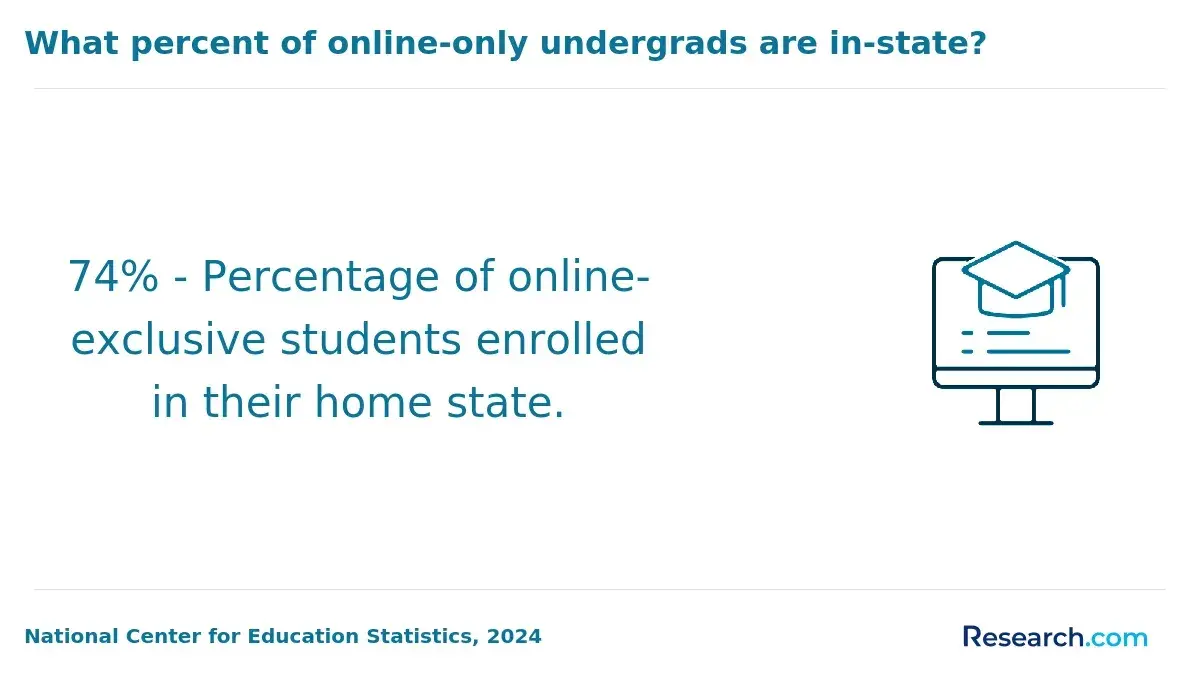
Some careers available to marine science graduates typically offer lower pay due to factors like being entry-level roles, limited technical specialization, or involving primarily administrative and support tasks. These positions often come with fewer responsibilities and less opportunity for independent scientific work, which impacts their compensation.
The following is a ranked list of five marine science-related careers with some of the lowest median salaries, moving from the lowest to somewhat higher but still relatively modest pay.
- Marine Laboratory Assistant ($28,000-$32,000): These entry-level roles mainly involve supporting lab operations with basic duties such as preparing equipment and collecting straightforward samples. The limited technical specialization and scope of responsibility keep salaries near the lower end of the spectrum.
- Fishery Observer ($30,000-$35,000): Often seasonal positions, fishery observers gather routine data in field settings but typically lack advanced analysis or supervisory duties. This combination of temporary work and basic tasks restricts earning potential.
- Environmental Field Technician ($33,000-$38,000): Focused on environmental monitoring and data collection, this role generally does not require complex scientific interpretation or leading projects, which contributes to its modest pay scale.
- Marine Park Ranger ($35,000-$40,000): While involving enforcement and public education within marine parks, these positions usually have limited scientific responsibilities, resulting in a relatively lower median salary compared to specialized research roles.
- Aquarist Assistant ($38,000-$43,000): These roles support daily aquarium operations and care for marine life but rarely involve conducting scientific research, capping earning opportunities despite the important nature of the work.
Certain marine science careers offer stronger job security due to steady demand, essential services, and specialization within regulated or governmental organizations. For instance, jobs in environmental science and protection are projected to grow by about 8% from 2022 to 2032, reflecting a consistent need in marine and coastal environments. This growth supports stable employment prospects for several marine science professions.
The following careers are known for their job stability:
- Government Biologists: Marine biologists employed by government agencies or nonprofit conservation groups enjoy steady demand stemming from ecological preservation efforts and policy mandates.
- Federal Oceanographers: Oceanographers working in federal research institutions often have long-term roles due to ongoing climate research and sustained scientific missions.
- Resource Managers: Marine resource managers who oversee fisheries and coastal zones benefit from job security because their work is essential for sustainable resource use enforced by regulation.
- Environmental Compliance Specialists: These professionals provide critical oversight in industries like shipping and offshore energy, ensuring adherence to mandatory environmental laws and regulations.
- Marine Technicians: Specialists who maintain and operate scientific equipment tend to experience low turnover due to their specialized skills and continuous involvement in field operations.
Overall, careers grounded in environmental services, regulatory compliance, and government-supported research usually provide the most reliable job security within marine science.
Certain industries provide marine science graduates with a well-rounded combination of salary, manageable stress levels, and job stability. Approximately 68% of professionals working in regulated environments report moderate to high job satisfaction, reflecting the balance these sectors often achieve. This balance makes some fields particularly attractive for those seeking careers with stable employment conditions and reasonable workloads.
Key industries offering these advantages include:
- Public Sector: Government agencies focused on environmental protection and resource management offer structured workflows and well-defined roles. This regulated environment helps reduce stress and ensures consistent work demand, with salaries complemented by strong benefits and retirement plans.
- Academic and Research Institutions: These organizations promote intellectual engagement within predictable frameworks, contributing to moderate stress compared to fast-paced private sectors. Stable funding, tenure-track positions, and long-term contracts enhance job reliability despite varying salary levels.
- Environmental Consulting: This industry benefits from steady workloads driven by environmental impact assessments and compliance monitoring. Operating under strict regulations, companies maintain predictable schedules that help control stress. Compensation is often higher than in the public sector, though it can fluctuate with economic cycles.
- Regulatory Agencies: Entities enforcing environmental laws provide marine science professionals with secure positions due to ongoing regulatory oversight. Standardized tasks and steady project pipelines promote consistent work conditions, balancing salary and stress.
- Universities with Dual Degree Programs: Institutions offering universities with dual degree programs encourage interdisciplinary approaches that often translate into diversified career opportunities with balanced earning potential and stability.
Developing strong transferable skills significantly helps marine science graduates reduce workplace stress and enhance long-term job stability. Employees who actively develop communication and problem-solving skills show a 23% higher job retention rate, according to a 2022 Journal of Vocational Behavior study.
Effective skills that reduce stress and increase job stability for marine science graduates include strong analytical abilities and proficient communication skills.
Here are key skills that support a balanced workload and career longevity:
- Effective Communication: Clear verbal and written communication minimizes misunderstandings and fosters collaboration within teams. This skill is essential for conveying complex environmental data and facilitating a supportive work environment, lowering stress.
- Organizational Ability: Managing multiple projects and meeting deadlines with efficient prioritization eases feelings of overwhelm. Strong project management skills contribute directly to job stability by ensuring consistent performance under pressure.
- Adaptability: Flexibility in adopting new technologies and research methods helps marine science graduates stay relevant amid evolving scientific landscapes. Adaptable professionals respond better to unexpected challenges, experiencing less stress and greater job security.
- Technical Proficiency: Expertise in specialized equipment and data analysis software boosts confidence and productivity. Mastery of these tools often leads to career advancement, reinforcing long-term employment prospects.
- Analytical Skills: The ability to interpret complex environmental data supports informed decision-making and problem-solving. This critical skill enhances performance and reduces workplace challenges that can contribute to stress.
For those interested in expanding their qualifications, exploring direct entry MSN programs online can offer new professional pathways and skill development opportunities within STEM fields, enhancing career flexibility and stability.
Marine science career skills for job stability in the U.S. depend heavily on building these competencies to manage stress effectively and maintain a balanced workload.
Graduates in marine science should consider factors like preferred work settings, tolerance for stress, expected income, and job security when choosing a career path. Prioritizing these personal elements can greatly enhance overall job satisfaction and professional fulfillment.
Research shows that 61% of workers report higher satisfaction when their jobs align closely with lifestyle needs such as flexible hours and manageable stress. Focusing on how each career matches individual priorities helps create a more balanced and rewarding work experience.
Balancing salary ambitions with stress levels and stability is key when comparing marine science careers. Some roles may offer higher pay but come with increased pressure and unpredictable hours, while others provide steady income and lower stress.
Recognizing how these trade-offs fit personal lifestyle preferences enables graduates to select paths that support long-term well-being and job satisfaction. Ultimately, assessing these factors together allows for a thoughtful approach in choosing a fulfilling marine science career.
What Graduates Say About Marine Science Degree Careers Stress Level, Salary, and Job Stability
- Pierce: "Marine science careers can be demanding, especially when fieldwork and lab deadlines pile up, but the excitement of discovery makes the stress manageable. Salary prospects vary, yet with experience, the compensation becomes quite rewarding. Job stability is strong in this field, particularly within government and research institutions, which made me feel secure moving forward."
- Aryan: "Reflecting on my journey in marine science, I found that balancing passion and pressure shapes your experience a lot. The salary might not start high, but the opportunity to grow and contribute to environmental solutions is priceless. Additionally, career stability is decent, though some roles depend on grant funding, which requires adaptability."
- Jonathan: "I approached marine science with a professional mindset, realizing early on that the workload could be intense but rewarding. Salaries are competitive when you specialize, especially in technical or consultancy roles. The field offers solid long-term employment prospects if you stay current with new technologies and trends."
Other Things You Should Know About Marine Science Degrees
Geographical location greatly influences job stability for marine science professionals. Coastal areas, especially those with active research institutions or marine conservation projects, tend to offer more consistent employment opportunities. Conversely, remote or inland locations might have fewer positions, making jobs more competitive and potentially less stable.
Funding availability significantly impacts stress in marine science careers, as many roles depend on grants and project-based financing. Limited or inconsistent funding can lead to job insecurity, heightened pressure to secure resources, and potential pauses in research. Stable funding environments reduce stress by ensuring continuity and resources for long-term projects.
Academic marine science positions often have lower initial salaries but can offer greater job stability through tenure tracks, albeit with pressures related to publishing and grant acquisition. Industry roles may provide higher salaries but can involve more demanding deadlines and performance expectations. Stress levels vary individually but are influenced by these structural differences.
A STCW safety certificate is essential for many sea-going roles, while scuba certification, GIS training, and ROV operation credentials strengthen applications for field and industry jobs. Employers also value federal or state permits for sampling, boat handling, and lab safety compliance.
- Study Marine Science - Experience, Job Opportunities, Salary + Survey https://jobtensor.com/uk/Studies/Marine-Science
- 10 Jobs You Can Get With a Marine Biology Degree https://www.seamester.com/blog/10-jobs-you-can-get-with-a-marine-biology-degree/
- What is it like working as a Marine Biologist? https://www.girlsthatscuba.com/working-marine-biologist/
- Stress less and earn more: These are the high-paying jobs that give you a work-life balance too | Euronews https://www.euronews.com/next/2022/10/19/stress-less-and-earn-more-these-are-the-high-paying-jobs-that-give-you-a-work-life-balance
- Marine Conservation Jobs | Ultimate Guide | Conservation Careers https://www.conservation-careers.com/marine-conservation-jobs/
- From HR to Tech - The best industries for work-life balance | Lano Blog https://www.lano.io/blog/from-hr-to-tech-the-best-industries-for-work-life-balance
- 13 Highest Paying Countries for Marine Biologists https://finance.yahoo.com/news/13-highest-paying-countries-marine-200441673.html
- Dive in: why marine science is an exciting field to work in | AIMS https://www.aims.gov.au/information-centre/news-and-stories/dive-why-marine-science-exciting-field-work
- 22 Top Companies That Prioritize Work-Life Balance | The Muse https://www.themuse.com/advice/companies-with-great-work-life-balance
- Industries Offering the Best Work-Life Balance https://t10e.uk/industries-offering-the-best-work-life-balance/