2027 Which Marine Science Degree Careers Have the Lowest Unemployment Risk?

Co-Founder and Chief Data Scientist
Choosing a specialization within marine science can feel uncertain-especially when job stability is a primary concern. Entry-level graduates often face volatile markets, while mid-career practitioners grapple with automation and shifting industry demands. Research reveals that marine policy analysts and coastal resource managers working in government and environmental consulting experience unemployment rates as low as 3.2% across career stages.
Credentialing through professional certification and selecting geographic markets with sustained coastal development projects further reduce risk. This article examines these factors systematically, helping prospective and current marine science professionals identify pathways and credentials that maximize long-term employment security in a rapidly evolving labor market.
Key Things to Know About the Marine Science Degree Careers With the Lowest Unemployment Risk
- Historical unemployment rates for marine science graduates show lower volatility when professionals hold advanced certifications or licenses-these credentials provide notable protection during economic downturns.
- Ten-year demand projections indicate growth in coastal management and marine renewable energy sectors, sectors less vulnerable to automation and benefiting from geographic market expansion.
- Graduate education significantly reduces long-term unemployment risk by enabling specialization in recession-resilient fields like marine biotechnology, while professional certification enhances adaptability amid sector disruptions.
What Makes Marine Science Degree Jobs More or Less Resistant to Unemployment?
Unemployment risk for marine science degree holders varies by the nature of job displacement-structural unemployment stems from long-term shifts like industry decline or automation, frictional unemployment covers short-term transitions between roles, and cyclical unemployment reflects economic downturns affecting many sectors. Assessing how these factors apply specifically to marine science careers requires data from the Bureau of Labor Statistics (BLS), O*NET profiles, and Lightcast labor analytics.
Key predictors of lower unemployment risk in the marine science degree job market resilience factors include:
- Occupational Licensing: Positions demanding formal licensure or certification, such as marine environmental scientists working with regulatory agencies, tend to have stronger job security.
- Employer Concentration: Roles dispersed across multiple organizations or industries reduce reliance on a single employer, lowering vulnerability.
- Sector Growth Rate: Fields aligned with expanding areas like coastal resilience and marine technology generally show more stable demand.
- Role Replaceability: Jobs requiring specialized skills and human judgment-like marine policy analysts or research experts-are less susceptible to automation.
Beyond these factors, degree level and specialization critically shape resilience, as advanced credentials often unlock leadership or research roles with reduced unemployment risk. Regional unemployment trends for marine science careers also reveal that coastal hubs and research centers typically sustain stronger demand, mitigating local employment fluctuations.
This article applies a consistent analytical framework covering historical unemployment, ten-year demand projections, automation threat, recession resistance, licensure importance, geographic supply-demand implications, and graduate education's protective role to objectively assess career paths in marine science. Such comprehensive evaluation aids decisions backed by labor market evidence.
Ultimately, prioritizing marine science specializations proven to lower unemployment risk-rather than relying solely on passion or salary-substantially increases career stability. For advice on further advancing your qualifications, consider exploring DNP online programs as part of your professional development portfolio.
Which Marine Science Career Paths Have the Lowest Historical Unemployment Rates?
Several marine science career paths have demonstrated consistently lower-than-average unemployment rates in the United States-offering greater stability for graduates and professionals entering the field. This analysis draws on over a decade of data from the BLS Current Population Survey, NACE First-Destination Surveys, and Federal Reserve labor market research to identify occupations with historically low unemployment risk, supported by durable structural factors that transcend economic cycles.
- Marine Biologists Specializing in Ecosystem Conservation: Ongoing regulatory mandates protecting endangered species and critical habitats secure steady demand.
- Strict environmental regulations enforce continuous need for expertise, mitigating downturn risks.
- Climate change awareness from public and governmental sectors sustains stable funding streams.
- During the 2008-2009 and 2020 recessions, public contracts and nonprofit grants buffered employment.
- Coastal and Oceanographic Engineers: Essential in coastal resilience and maritime safety infrastructure projects.
- Urban coastal expansion drives demand for shoreline protection engineering.
- Federal and state agencies classify these roles as essential services, preserving jobs during recessions.
- Post-2020 infrastructure acceleration reinforced resilience in this specialization.
- Fisheries Scientists and Managers: Chronic undersupply of qualified professionals sustains low unemployment risk.
- International regulations mandate scientific stock assessments and sustainable quotas, ensuring consistent work.
- Recession impacts on supply chains spared core management roles in 2008-2009 and 2020.
- Government funding protects positions from market fluctuations.
- Marine Environmental Consultants: Compliance experts critical to environmental impact assessments for development projects.
- Regulatory frameworks require independent consulting across private and public sectors.
- Demand remains stable even in downturns due to legal and permitting obligations.
- Rapid labor market recovery post-COVID underscores job security here.
- Marine Science Educators and Outreach Specialists: STEM education roles tied to marine science exhibit relative stability.
- Public education funding and growing marine literacy awareness maintain employment levels.
- Some temporary cuts occurred during economic upheavals, but unemployment stayed below average.
- Expansion of virtual learning modes bolstered resilience in recent years.
Students and professionals should treat historical unemployment rates as a necessary but insufficient criterion when evaluating marine science career paths with lowest historical unemployment rates in the United States. Pairing this insight with projections of long-term demand and analysis of automation vulnerability produces a more comprehensive risk profile. Geographic market selection, licensure, and professional certification also play critical roles in mitigating unemployment risk. Those seeking further cross-disciplinary options might explore credentials linked to fields like healthcare administration to diversify their qualifications and improve career resilience.
How Does the Marine Science Job Market Compare to the National Unemployment Average?
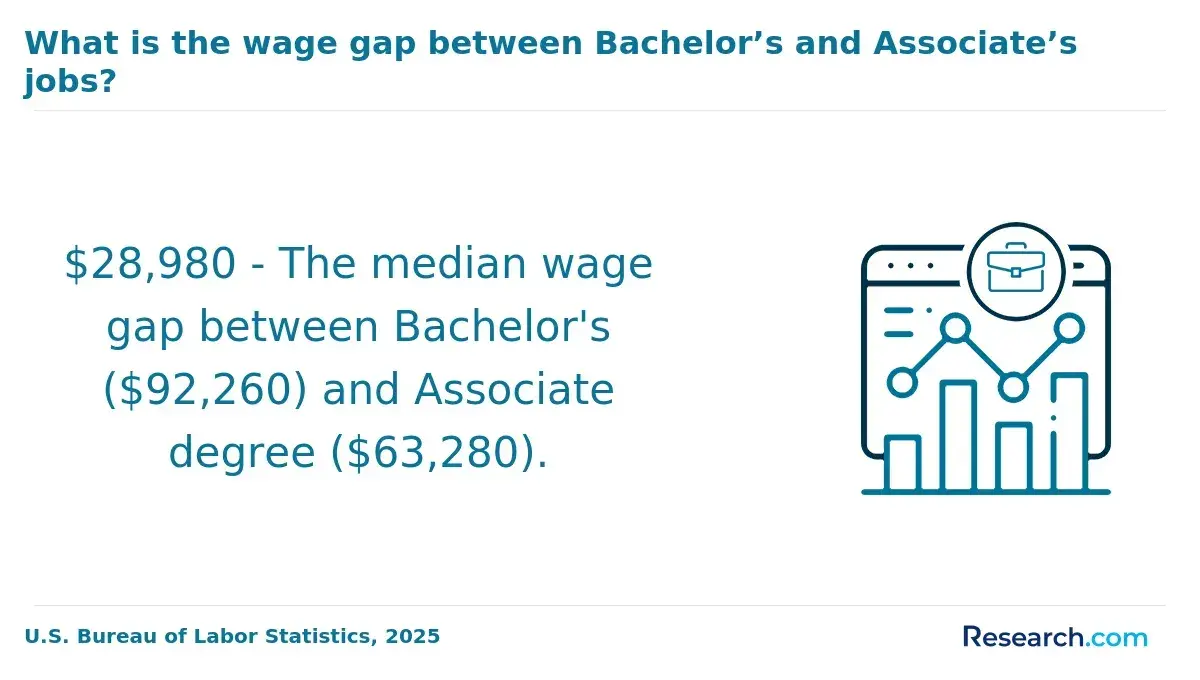
College graduates nationwide face an average unemployment rate near 2.5%. For those holding a marine science degree-especially in roles like environmental consulting, marine biology research, or coastal resource management-the rate drops to about 1.3%. This gap signifies shorter job searches and more stable earnings for marine science graduates entering these sectors, highlighting a notably lower employment risk than the general college-educated population.
Underemployment Factor: Formal unemployment figures do not capture the full picture. Many marine science graduates find themselves underemployed-engaged in work unrelated to their field-which limits income growth and career advancement. Research from the Federal Reserve Bank shows underemployment rates for marine science remain somewhat higher than the unemployment rates, suggesting early-career professionals often accept lower-tier roles, impacting long-term job security.
Small Field Variability: Marine science specialties often involve limited labor pools, causing unemployment data to fluctuate year to year more sharply than larger fields. Minor shifts in hiring or layoffs can disproportionately impact statistics, so evaluating multi-year trends is essential to avoid misreading short-term changes as structural instability.
Sector and Location Differences: Careers linked to government agencies or regulatory bodies-such as fisheries management or marine environmental compliance-tend to demonstrate lower unemployment risk due to funding consistency. Regional factors matter as well; coastal areas with robust marine industries generally offer steadier employment than inland regions. Additionally, applied fields like marine technology and environmental consulting usually face less volatility than academic research positions.
When I spoke with a professional who successfully graduated with a marine science degree, he emphasized the challenge of navigating underemployment in his early years. "It felt like a constant balancing act," he shared. "I accepted several entry-level jobs that didn't align perfectly with my training, just to stay afloat. The key was patience-actively pursuing certifications and networking until the right opportunity in my field appeared." His experience underscores the complexities behind the numbers and the importance of persistence and targeted credentials in securing long-term career stability.
Demand for marine science specializations is sharply focused on a few key fields-reflecting evolving economic, regulatory, and technological forces rather than equal interest across all areas. Analysis of labor market data measuring job postings, time to fill positions, and salary benchmarks reveals persistent employer need in select specializations, signaling a robust outlook rather than short-term spikes.
- Marine Environmental Compliance: Heightened regulations and global agreements drive this field's demand. Employers seek experts to guide operations through complex environmental laws, especially within offshore energy and maritime industries.
- Coastal and Marine Ecosystem Restoration: Climate resilience projects and habitat recovery initiatives fuel steady hiring, supported by government and NGO investments.
- Marine Data Science and Remote Sensing: Rising use of autonomous underwater vehicles, satellites, and advanced monitoring creates strong demand for professionals blending marine expertise with data analytics skills.
- Fisheries Science and Aquaculture: Persistent shortages combined with growing seafood consumption sustain this field's importance for food security and coastal economies.
- Oceanographic Instrumentation and Technology Development: Innovations in sensors and exploration tools open opportunities in research labs and marine tech startups.
- Marine Policy and Resource Management: Integration of science with governance continues to drive need for professionals translating research into sound policies.
Those seeking top marine science careers hiring in the United States should verify these demand trends by comparing job market data with salary surveys, professional association reports, and insights from hiring managers aligned with their preferred geography and sector.
To translate this data into academic planning, students are advised to target coursework in emerging tech, environmental law, and data analysis, while gaining relevant internships. Credentials like professional certifications in environmental compliance or remote sensing enhance competitiveness and career resilience. For example, pursuing a 12 week LPN program may illustrate a pathway for fast-tracked credential acquisition in related fields.
Analysis of BLS employment statistics, JOLTS labor turnover data, and Lightcast demand forecasts identifies five industries that employ the largest share of marine science graduates while maintaining stable and expanding job markets. These sectors owe their resilience to structural protections such as essential-service designation, regulatory mandates, or persistent technical talent shortages-shielding them from layoffs and cyclical downturns.
- Environmental Consulting And Regulation: Employment thrives here due to strict environmental laws demanding ongoing compliance and impact assessments.
- Key tasks include conducting environmental reviews, monitoring adherence to regulations, and managing restoration initiatives.
- Graduates need proficiency in environmental legislation, policy analysis, and applied marine ecology.
- Reporting typically involves coordination with senior scientists or regulatory authorities.
- Training in ecosystem dynamics and regulatory frameworks makes these professionals vital for both public agencies and private firms.
- Government Research And Conservation Agencies: Stable funding for resource protection underpins long-term job security.
- Responsibilities encompass field data collection, biodiversity assessments, and conservation planning.
- Critical skills involve statistical modeling, field methodologies, and species identification.
- Marine science practitioners usually fit within established public sector hierarchies, such as NOAA or EPA.
- Their marine ecosystem expertise and policy evaluation capabilities cement their roles.
- Coastal And Marine Infrastructure Management: Classification as essential services supports consistent hiring despite economic fluctuations.
- Roles require environmental risk evaluations, sediment and hydrodynamic analyses, and integrating sustainability into infrastructure projects.
- Competencies include geospatial systems, risk assessment models, and mitigation strategies.
- Positions report to engineering or infrastructure planning units.
- Understanding oceanographic processes is crucial for infrastructure resilience and planning.
- Marine Biotechnology And Pharmaceutical Development: Chronic demand arises from innovation-driven growth and specialized scientific expertise.
- Functions range from bioprospecting to molecular research and product development.
- Core knowledge areas include molecular biology, biochemistry, and advanced lab techniques.
- Employment typically sits within focused research and development teams.
- Marine graduates provide necessary biological insight powering drug discovery and biotech innovations.
- Education And Public Outreach: Sustained funding and public interest fuel growth in educational programming and awareness campaigns.
- Duties include curriculum creation, science communication, and engaging diverse communities.
- Essential skills cover subject mastery, pedagogy, and multimedia tools.
- Reporting structures involve educational managers or directors.
- Marine expertise lends authenticity and depth to outreach efforts.
While these sectors offer employment stability, graduates who focus solely on one industry expose themselves to risks from regulatory shifts, technological evolution, or location-based economic changes. Diversifying competence across multiple sectors-such as combining compliance knowledge with data analytics or blending fieldwork skillsets with science communication-can reduce this vulnerability. High-quality employers with multi-year record stability and low layoffs for marine science professionals include leading government bodies, top environmental consultancies, and prominent marine biotech firms, all renowned for supporting ongoing employee development.
Reflecting on these insights, a professional who built her career post-graduation recalled navigating early uncertainty in a competitive job market. She described the challenge of translating academic skills into actionable roles across sectors-"I found success by bridging my analytical background with communication abilities, which opened doors in both research agencies and outreach programs." Her experience highlights the importance of adaptability and continuous learning to secure long-term employment in marine science fields facing dynamic environmental and economic landscapes.
Government and public-sector employment for marine science degree holders generally offers greater job security than private-sector positions-supported by data from BLS, OPM, and NASPE. These roles benefit from civil service protections that reduce layoffs and position eliminations, even amid budget cuts and economic downturns.
- Employment Stability: Federal, state, and local government jobs experience lower layoff rates compared to private-sector roles. Civil service regulations and union agreements make involuntary separations less frequent, providing a steadier career path.
- Layoff Frequency: While private-sector jobs in environmental consulting or marine technology fluctuate with market dynamics, public-sector roles face fewer cuts. Hiring slowdowns are more common than mass layoffs at government agencies.
- Role Categories: Marine science graduates often occupy:
- Federal agency posts such as NOAA or U.S. Fish and Wildlife Service, insulated by policy mandates and stable funding.
- State and local marine resource management positions tied to regional needs.
- Academic and research institution roles combining stability with scientific advancement.
- Quasi-governmental organizations funded publicly, which also show lower unemployment risks.
- Career Tenure: Public-sector careers tend to support longer employment spans through pension plans and strong job protections-reducing unemployment spells for marine science professionals.
- Trade-Offs: Many government roles come with lower starting salaries than private counterparts but offer compensatory benefits:
- Consistent employment minimizing income disruptions.
- Robust retirement benefits.
- Comprehensive leave policies including parental leave.
- Eligibility for public service loan forgiveness programs easing student debt.
- Financial Security Versus Income Potential: Risk-averse graduates may favor stable public-sector jobs for predictable income and benefits, whereas those seeking higher earnings might prefer the more volatile private sector.
- Decision Factors: Careful evaluation of personal risk tolerance and financial ambitions is essential to choosing public employment-this strategic approach prevents defaulting to either sector without thorough consideration.
Licensure and certification are critical in safeguarding employment stability for marine science degree holders by setting recognized professional standards that regulate access to key career paths. Many roles-such as marine environmental consultants and coastal engineers-mandate licensure, including professional engineering (PE) licenses or environmental assessment certifications, as required by state licensing boards and federal agencies. These legal prerequisites restrict labor supply exclusively to credentialed professionals, limiting competition and thus providing a reliable demand floor even during economic downturns.
- Legal Prerequisites: Mandatory licensure is often essential for positions involving environmental impact assessment or engineering design, excluding unlicensed individuals and thereby reducing unemployment risk through protected employment segments.
- Restricted Labor Supply: Licensure limits the available labor pool, preventing substitution by uncredentialed workers and preserving wages and job availability. This creates durable demand for licensed marine science practitioners despite market fluctuations.
- Non-Mandatory Certifications: While not legally required, certifications like Certified Fisheries Scientist (CFS) or Coastal Zone Management specialist serve as competitive filters. They help employers identify top candidates and reduce unemployment exposure for those possessing them.
- Strategic Credentialing: Differentiating essential licensure from valued but optional certifications enables graduates to prioritize credential acquisition-securing entry first with required licenses, then enhancing long-term stability with respected certifications.
- Recent Trend: According to the U.S. Bureau of Labor Statistics, occupations requiring mandatory licensure have unemployment rates approximately 1.5 percentage points lower than the national average-reflecting this protective impact across federal environmental science sectors.
By consulting state licensing boards, professional association credentialing standards, and authoritative BLS data, marine science professionals can develop a tailored credentialing strategy. This approach optimally balances time and financial investment against labor market returns-reducing unemployment risk throughout entry-level, mid-career, and senior stages in a dynamic employment landscape shaped by automation and demographic shifts.
Geographic location heavily influences unemployment risk for marine science degree graduates due to regional differences in industry presence, labor demand, and economic stability. Analysis using BLS metropolitan area unemployment data, ACS geographic employment data by occupation, and Lightcast regional demand analytics reveals that coastal metropolitan areas-such as Seattle, San Diego, and Boston-offer the lowest unemployment risk. These metro areas benefit from dense clusters of government agencies, research institutions, and marine industries that consistently drive demand for marine science degree holders. This geographic labor market variation highlights how regional industry concentration stabilizes employment, unlike inland areas with fewer marine science employers, resulting in longer job search periods and greater vulnerability to localized economic downturns. Such disparities illustrate how regional labor markets influence marine science degree employment outcomes.
Structural factors contribute to these geographic employment patterns. Regions anchored by government research centers, healthcare corridors, or technology hubs provide stable, diverse opportunities that protect marine science professionals from economic shocks. By contrast, inland or less diversified economies tend to have lower marine science employer density, heightening local unemployment risk.
Remote work capabilities further transform geographic unemployment exposure. Marine science specializations focused on data analysis, computational modeling, or policy research can often be done remotely, expanding labor market access nationwide. This flexibility diminishes reliance on regional marine science job densities. However, many roles-such as fieldwork and ecosystem monitoring-require physical presence, limiting the ability to mitigate geographic risk through telework. Prospective students should consider whether pursuing a specialization aligned with remote work reduces their unemployment risk significantly.
Conducting a geographic labor market analysis is essential for those navigating marine science career paths. Using localized BLS data, job posting geography filters on platforms like LinkedIn, and regional wage benchmarks clarifies if staying put, relocating strategically, or pursuing a remote-eligible specialization best balances unemployment risk with personal preferences. Some may even explore enrollment in an accelerated biology degree online to quickly access versatile credentials aligned with these market dynamics.
Within the marine science field, certain career paths are more vulnerable to automation and technological disruption based on their job tasks. Applying insights from the McKinsey Global Institute automation susceptibility, Oxford Martin School occupational probability research, and MIT's task-level automation studies reveals which roles face significant displacement risks from artificial intelligence, machine learning, robotic process automation, and related technologies.
- Data Analysts and Technicians: Roles centered on routine data processing, pattern recognition, and dataset compilation are highly susceptible. Machine learning algorithms that quickly identify trends can automate many of these repetitive tasks.
- Environmental Monitoring Operators: Jobs relying on standardized decision-making through automated systems-such as water quality surveillance-are increasingly replaced or supplemented by smart sensor networks and remote monitoring platforms, reducing ongoing human intervention.
- Regulatory Compliance Specialists: Positions focused on document review and routine regulatory reporting face automation through advanced document analysis and auditing technologies, making narrowly focused compliance roles vulnerable.
- Routine Client-Facing Roles: Repetitive public education, outreach, or advisory services can be disrupted by AI-powered chatbots and virtual assistants handling standardized inquiries without human assistance.
In contrast, marine science careers requiring non-routine problem solving, ethical judgment, complex ecosystem modeling, and creativity-like marine ecologists formulating conservation approaches or oceanographers interpreting novel data patterns-are less exposed to automation. These professions demand nuanced interpersonal skills, ethical oversight, and integrative thinking machines cannot yet replicate fully, contributing to their relative job security even amid technological disruption in marine science careers most vulnerable to automation in the United States.
Interpreting automation risk requires nuance-susceptibility scores are probabilistic, not deterministic. The speed and scope of automation depend on employer investment, regulatory environments, technology maturity, and regional labor cost differences. Therefore, marine science specialists must continuously monitor industry trends and pursue lifelong learning to maintain employment security and adapt to evolving market demands, including geographic considerations that affect job stability.
For those evaluating employment options or seeking certifications, understanding these automation dynamics alongside factors such as licensure and graduate education is vital. Additionally, exploring supplementary career paths informed by resources like the PMHNP salary by state can help diversify prospects and reduce unemployment risk over time in evolving scientific fields.
Graduate degrees significantly lower unemployment rates for marine science graduates by providing credentials that open access to specialized roles with reduced competition. Data from the Georgetown University Center on Education and the Workforce, supported by Bureau of Labor Statistics earnings and unemployment figures, show that individuals with advanced degrees experience unemployment rates several percentage points below those holding only bachelor's degrees. Additionally, graduate outcomes studies from NACE confirm these degrees enhance career durability and deliver higher median incomes in marine-related sectors.
The most effective graduate degrees in reducing unemployment risk include:
- Professional Master's Programs: Degrees conferring licensure eligibility-such as engineering or clinical marine sciences-grant entry to regulated, high-demand occupations with stable employment prospects.
- Research-Focused Master's and Doctoral Degrees: These prepare graduates for advanced practitioner and researcher roles that face limited qualified candidate pools, thus offering stronger job security and salary premiums.
- MBA Programs: MBAs emphasizing environmental management or maritime industries equip graduates for leadership roles that can break through career advancement barriers experienced by many bachelor's holders.
Investment Considerations:
- Cost: Tuition varies widely, typically ranging from $20,000 to more than $60,000 depending on the institution and program.
- Duration: Programs usually last one to three years full-time, potentially delaying full-time workforce entry.
- Opportunity Cost: Time devoted to graduate education may mean lost income and experience, particularly impactful early in a career.
- Break-Even Analysis: Post-degree salary raises-typically 20% to 40% higher-need to compensate for upfront costs and income interruptions to justify the investment.
While graduate education offers a reliable path to lower unemployment risk and higher earnings in marine science careers, alternative strategies-such as targeted certifications, relocating to regions with growing marine industries, selecting employers in stable sectors, or specializing in niche areas-can deliver comparable career resilience with less time and financial burden. Prospective and current professionals should assess these options alongside program-specific data and labor market conditions to select the most effective approach for long-term employment security.
Entry-level roles in marine science offering the greatest long-term job security typically combine well-defined advancement paths, strong employer retention practices, and the opportunity to develop transferable credentials. Data from national employment surveys and career trajectory analyses reveal several positions that reliably lead to stable mid-career roles rather than short-term employment gaps.
- Environmental Consultant: Occupying a structured career lattice within consulting firms, these roles emphasize developing technical expertise and project management over 2 to 4 years before promotion to senior or lead positions. Skills gained are highly portable across government, corporate, and nonprofit sectors, creating a robust professional network that mitigates unemployment risk.
- Marine Technician: Found predominantly in research and government institutions, these stable roles include formal training and certification programs. Retaining individuals for 3 to 5 years on average, they build essential field and technical experience crucial for transitioning into specialized technician or scientist positions. The constant demand for technical support in marine monitoring helps buffer economic cycles.
- Regulatory Analyst: Entry-level positions in agencies and environmental nonprofits focus on marine policy and compliance. Advancement toward professional certification and cross-departmental leadership typically occurs within 3 to 6 years, anchoring long-term career stability. The role's intersection of science and policy generates wide employer interest and extensive networking opportunities.
- Aquaculture Specialist: Driven by growing global attention on sustainable food production, these roles in private industry and public extension services reward relevant certifications and practical experience. Typically, advancement to supervisory or research positions unfolds over 4 to 7 years, especially in regions investing heavily in aquaculture.
- Marine Science Educator: Positions in informal education and outreach-commonly within aquariums and environmental groups-offer steady employment supported by promotion through program coordination up to leadership over a decade. Additional certification in education or communication enhances long-term stability while broad public engagement skills provide career resilience.
Choosing entry-level offers with strong internal promotion records, above-average retention rates, and roles less vulnerable to automation or economic downturns is critical. Geographic areas with robust marine research funding, regulatory frameworks, or aquaculture development deepen job security. Early-career professionals are best served by roles fostering interdisciplinary skills, professional certifications, and expansive networks to solidify durable marine science careers.
What Graduates Say About the Marine Science Degree Careers With the Lowest Unemployment Risk
- Pierce: "Pursuing a marine science degree opened doors into the aquaculture and environmental consulting industries-two sectors where demand is steady and unemployment risk stays low. I've learned that specializing in marine ecology combined with earning professional certifications, especially at the mid-career stage, really boosts job security and growth potential. Being flexible about geographic markets-willing to work in coastal regions worldwide-also made a huge difference in maintaining steady employment."
- Arianne: "Reflecting on my journey through a marine science degree, I realized that focusing on marine technology and working within renewable energy sectors offers one of the safest career paths from entry-level onward. Credentialing with relevant certifications early on helped me stand out during job searches, while gaining experience in regions investing heavily in green energy-like the Pacific Northwest-further reduced employment risks. It's clear that matching your specialization with emerging industries can really safeguard your professional future."
- Jonathan: "From a professional standpoint, the key to minimizing unemployment risk in marine science careers lies in combining specialties like marine policy with a strong network in government and nonprofit sectors. Earning advanced credentials tailored to regulatory compliance at senior stages opened leadership roles that tend to be more recession-resistant. Moreover, focusing on geographic hubs such as the Gulf Coast-where marine industries thrive-offers both stability and advancement opportunities that many overlook."
Other Things You Should Know About Marine Science Degrees
Mid-career demand is strongest for marine science professionals skilled in data analysis, geographic information systems (GIS), and environmental compliance. Roles in government agencies, environmental consulting firms, and nonprofit organizations tend to offer greater job security. Individuals with expertise in these areas experience lower unemployment due to ongoing regulatory requirements and expanding marine ecosystem management efforts.
ASLO, NOAA, and AFS-related certifications can improve hiring chances for marine science graduates. Employers also value SCUBA, boating safety, and GIS credentials, plus federal diving medical clearance for field roles. These qualifications signal job readiness for research, monitoring, and environmental compliance work.
Economic recessions typically reduce funding for marine research and environmental projects-leading to higher unemployment rates in related fields. However, careers tied to regulatory compliance and public sector marine management exhibit more resilience due to mandated environmental protections. Overall, marine science professions reliant on discretionary industry funding bear the greatest risk during economic downturns.
- 10 Jobs You Can Get With a Marine Biology Degree https://www.seamester.com/blog/10-jobs-you-can-get-with-a-marine-biology-degree/
- Education & Careers in Marine Biology | MarineBio Conservation Society https://www.marinebio.org/careers/
- More than a Hobby: Marine Science Career Development through the Lens of Social Cognitive Career Theory | Current: The Journal of Marine Education https://current-journal.com/articles/10.5334/cjme.83
- Breaking into Marine Conservation: Career Advice From a Marine Biologist (With or Without a Degree) | Conservation Careers https://www.conservation-careers.com/interviews/breaking-into-marine-conservation-career-advice-from-a-marine-biologist-with-or-without-a-degree/
- The WMU's Future of Work Programme https://wmu.se/research/future-of-work
- Infographic: Which Fields of Study Are (Not) Leading to Jobs? https://www.statista.com/chart/35108/unemployment-by-field-of-study/
- Is there a place for biologists in the age of automation? https://www.synbiobeta.com/read/is-there-a-place-for-biologists-in-the-age-of-automation
- Top 10 Highest Paying Marine Biology Jobs 2025 (Inc Salaries) | Nexford University https://www.nexford.edu/insights/highest-paying-marine-biology-jobs
- The role of Public Employment in the climate crisis https://www.econ3x3.org/article/role-public-employment-climate-crisis
- Top 15 Highest Paying Marine Biology Jobs in 2025 (UK & US Salaries Guide) https://apexlearning.org.uk/highest-paying-marine-biology-jobs-2026/