2027 Marine Science Degree Careers Ranked by Salary, Growth, and Work-Life Balance

Co-Founder and Chief Data Scientist
Choosing a career path with a marine science degree often involves weighing salary against growth potential and work-life balance-yet many graduates struggle to find roles excelling in all three. For example, the U. S. Bureau of Labor Statistics projects a 5% growth rate for occupations related to marine science through 2032, a figure that can mislead without context on compensation and hours required.
This article evaluates marine science careers holistically-ranking options by salary, career growth outlook, and work-life balance. It aims to guide students and professionals toward informed decisions that align financial stability, advancement, and sustainable lifestyles.
Key Things to Know About Marine Science Degree Careers Ranked by Salary, Growth, and Work-Life Balance
- Marine science careers with the highest salaries, such as oceanographers and marine engineers, offer median incomes exceeding $90,000 but often require advanced degrees and specialized skills.
- Fields like marine environmental consulting show projected growth rates above 10% through 2030, reflecting increasing demand for sustainability-focused expertise.
- Work-life balance varies widely-academic research roles may involve irregular hours, whereas government and regulatory jobs typically provide more predictable schedules, beneficial for long-term career sustainability.
How Are Marine Science Degree Careers Evaluated and Ranked Across Salary, Growth, and Work-Life Balance?
Ranking marine science degree careers requires evaluating three key pillars-salary, career growth, and work-life balance-to provide a fuller perspective beyond just compensation. Each pillar contributes uniquely to understanding career quality and sustainability across the marine science job market.
Salary: Median wage data come from the US Bureau of Labor Statistics' Occupational Employment and Wage Statistics. Using median figures eliminates distortions from extreme pay levels and reflects typical earnings by region and sector, essential for a marine science degree career salary comparison.
Career Growth: This uses the BLS's ten-year employment projections to measure expected demand and expansion in marine science roles. Solid growth rates highlight opportunities for advancement and job availability-key for evaluating marine science job growth and work-life balance analysis.
Work-Life Balance: Assessed through combined data from the American Time Use Survey, Glassdoor employee reviews, and industry-specific workforce satisfaction studies, this pillar captures average work hours, stress, flexibility, and job satisfaction. It addresses the daily experience of professionals beyond financial rewards.
Together, these pillars create an evidence-based ranking tool meant to guide, not dictate, career choices-since individuals may prioritize factors like flexibility over salary differently. This balanced approach helps diverse audiences, from high school seniors choosing a major to mid-career professionals considering a strategic pivot.
The analysis will explore five marine science careers in depth:
- Marine Biologist: Focused on research and conservation, balancing fieldwork with lab analysis.
- Oceanographer: Specializes in physical, chemical, or geological aspects of the oceans with varied research settings.
- Environmental Consultant: Applies marine science expertise to regulatory compliance and impact assessments.
- Marine Policy Analyst: Works at the intersection of science and legislation to influence marine resource management.
- Aquaculture Manager: Oversees sustainable seafood production operations combining science and business management.
Those interested in alternate healthcare paths may also find useful information about the RN to BSN with no clinical hours programs, offering relevant career flexibility options.
Which Marine Science Degree Career Paths Offer the Highest Starting and Mid-Career Salaries?
Marine Engineer: Marine engineers earn among the highest starting salaries for those with a marine science degree, with median entry pay near $70,000 and mid-career salaries exceeding $120,000. This premium is driven by the complex technical skills needed to design, build, and maintain ship systems and offshore structures-sectors where maritime transportation's critical economic value sustains strong demand. A shortage of interdisciplinary candidates with expertise in both marine science and engineering further boosts earning potential. Salaries vary by employer type, with private shipbuilding firms and public maritime agencies offering different compensation, and location matters-busy ports and offshore oil hubs provide the most lucrative opportunities.
Marine Biologist (Specialized Researcher): Starting median salaries for specialized research marine biologists are around $55,000, rising to over $110,000 mid-career, particularly in federal agencies or environmental consulting firms. Advanced degrees and the scarcity of experts able to conduct impactful marine ecosystem research elevate pay. Economic emphasis on sustainability and climate adaptation amplifies demand. While entry wages may seem modest, career growth is robust with specialization and strong publication records. Public research institutions generally provide steadier work-life balance but lower top salaries than private or contract research roles.
Marine Environmental Consultant: Environmental consultants with marine science backgrounds typically start near $60,000 and can surpass $100,000 after ten years. Rising regulatory scrutiny on maritime industries fuels demand for consultants skilled in environmental impact assessments and remediation. Those working for multinational firms or independently in areas with strict coastal regulations command the highest fees. This path offers a balance of field and office work with more flexible schedules compared to some engineering roles.
Oceanographer: Entry-level oceanographers earn about $50,000, with mid-career salaries reaching $95,000 to $110,000. Higher pay is associated with government and private sector roles supporting offshore energy, relying on advanced data analysis and modeling. Tough scientific training and advanced degrees limit the talent pool, supporting salary growth. Work-life balance varies significantly, with government jobs offering more predictable hours than industry contracting.
Marine Policy Analyst: Starting salaries hover near $52,000 while experienced professionals can earn over $95,000 in federal or large nonprofit sectors. This role blends marine science and policy expertise to produce actionable recommendations in complex regulatory environments. Earnings vary regionally, reflecting the intensity of marine resource management activities. The field often provides comparatively stable work-life balance, suited for long-term career planning.
These marine science degree careers illustrate a wide range of salary floors and ceilings shaped by education, market forces, and employer type. Regional variations also shape opportunities-see the geographic section for more insight. For students considering healthcare or cross-disciplinary options, exploring healthcare administration courses can expand career flexibility beyond the traditional marine science scope.
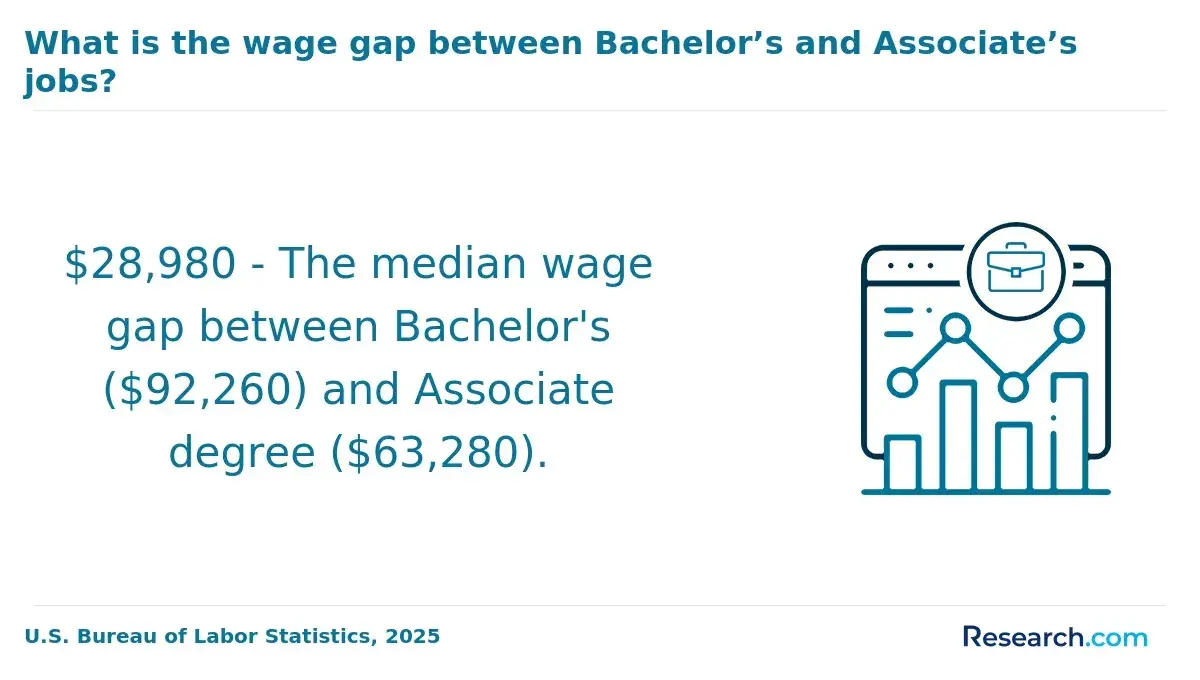
What Do the Bureau of Labor Statistics Job Growth Projections Reveal About the Future of Marine Science Degree Careers?
It's crucial to remember BLS projections represent national trends-local factors such as coastal development initiatives, regional environmental programs, and industry investments can create markedly different employment realities. Sector and geographic variations will be discussed later for deeper insight.
Environmental Scientists and Specialists: Careers in this field outpace average growth due to heightened environmental regulations, public focus on sustainability, and climate change awareness. Graduates skilled in environmental assessments and conservation are increasingly sought after by government bodies and consulting firms.
Biological Technicians: This role is expected to expand rapidly, fueled by advancements in marine biology research and technology. Growing investment in biotech and scientific studies strengthens opportunities for those with expertise in marine ecosystems.
Hydrologists: Demand for hydrologists rises faster than average because they address critical water resource challenges caused by population growth and climate variability. Marine science graduates concentrating in hydrology have promising prospects managing water quality and availability.
Postsecondary Teachers in Marine Science: Steady demand exists as colleges continue enrolling STEM students. Increasing research funding supports faculty hiring that balances teaching responsibilities and ongoing research.
Fisheries and Aquaculture Technicians: Moderate growth is driven by expansion in aquaculture industries and sustainable fisheries management. Graduates gain an edge by acquiring specialized knowledge of relevant technologies and regulatory frameworks.
Oceanographers and Marine Biologists: This group experiences slower growth around or below the national average, linked to mature segments and reliance on variable research grants. Professionals can boost their prospects by diversifying into data analytics, GIS, or policy-related roles.
Marine Technicians: Some technical positions remain stable but certain legacy and seasonal roles face flat demand. Upskilling in cutting-edge areas like remote sensing and autonomous underwater vehicles helps maintain career relevance.
When asked about the outlook these projections reveal, a recent marine science graduate shared his experience: "Completing the degree was challenging with shifting opportunities in various specializations. I found that staying flexible-especially by learning data science skills alongside core marine topics-was key. Sometimes it felt like navigating uncertain currents, but adapting helped me find roles that weren't immediately obvious from just looking at traditional marine career paths." His journey highlights the importance of continuous learning and versatility in a changing field.
Work-life balance is a complex concept measured here by several indicators: average weekly hours worked, predictability of schedules, availability of remote or hybrid options, paid time off (PTO) norms, and employee satisfaction ratings from Glassdoor, Indeed, and Payscale. These factors combine to form a detailed profile for various marine science careers, drawing from the BLS American Time Use Survey, industry workforce reports, and employer review platforms.
Hours Worked: Most marine science professionals typically work between 35 and 50 hours per week. Academic researchers often exceed this, particularly during busy project phases, whereas government and environmental consulting jobs usually maintain more regular 40-hour weeks.
Schedule Predictability: Roles involving fieldwork, like marine biologists and oceanographers, often encounter irregular or seasonal shifts, affecting daily routine consistency. In contrast, lab-based and analytical positions usually feature steadier hours.
Remote Work Availability: Flexibility through hybrid or remote work is increasingly present in policy and analytical roles, while fieldwork-centric positions mostly require on-site presence.
Paid Time Off Norms: Federal and large agency jobs generally align with or exceed national PTO averages. Private sector roles, especially in small companies, can offer less predictable leave policies.
Employee Satisfaction Scores: Government environmental agencies often score higher on work-life balance compared to academia and nonprofit research, where workload and funding challenges limit flexibility. This variation reflects work-life balance factors in marine science jobs and differs by employer, sector, and career stage.
Career Stage Variation: Early-career marine science workers report heavier workloads and less schedule control. Mid-career professionals tend to gain stability and flexibility, especially in senior or administrative roles.
Personal Agency: Managing work-life balance is partly within professionals' control through employer selection, negotiation, and career path choices. Considering balance as an active career design feature empowers sustained satisfaction and productivity. For those seeking better options, exploring jobs with a biology degree may reveal paths offering improved lifestyle balance.
An equal-weight approach evaluates salary, career growth, and work-life balance with the same importance to provide a rounded ranking of marine science careers. This method reflects the preferences of job seekers who want not only financial reward but also steady advancement and manageable schedules. The combined scores reveal a diverse set of top paths.
- Marine Biologist: Offers balanced salary, steady career growth, and a good work-life rhythm. Its strength lies in constant job demand and reasonable hours, which support long-term satisfaction despite not topping in pay.
- Oceanographer: Generally earns more than marine biologists and benefits from strong growth, especially in research and government sectors. However, work-life balance varies due to intense fieldwork commitments.
- Marine Environmental Consultant: Scores highest for growth and work-life balance despite moderate earnings. The role's flexible schedule and rising significance in environmental policies boost its overall appeal.
- Marine Policy Analyst: Though not the highest paying, it excels in growth prospects and offers a stable, office-based environment prized for work-life balance.
- Fisheries Manager: Combines competitive pay with solid job growth. Work-life flexibility depends on agency and location, making it attractive for career-oriented individuals.
- Marine Technician: Commands lower salary but benefits from consistent job growth and excellent work-life balance, ideal for those valuing routine and hands-on roles.
Adjusting the emphasis on these three pillars can reorder priorities-favoring income might elevate oceanographer or fisheries manager, while focusing on lifestyle leans toward marine environmental consultant or technician. This adaptability helps professionals align choices with personal goals.
When discussing these rankings with a marine science graduate now working in the field, she reflected on how the balance of factors shaped her career path. Though initial offers focused heavily on salary, navigating the realities of intense fieldwork and varying schedules led her to value roles that provided steadier hours and growth opportunities. She mentioned how, early on, the unpredictability of field assignments presented challenges she hadn't fully anticipated, yet gradually she found satisfaction in positions allowing for a healthier balance without sacrificing advancement. This perspective highlights how real-world experiences often refine priorities beyond data alone.
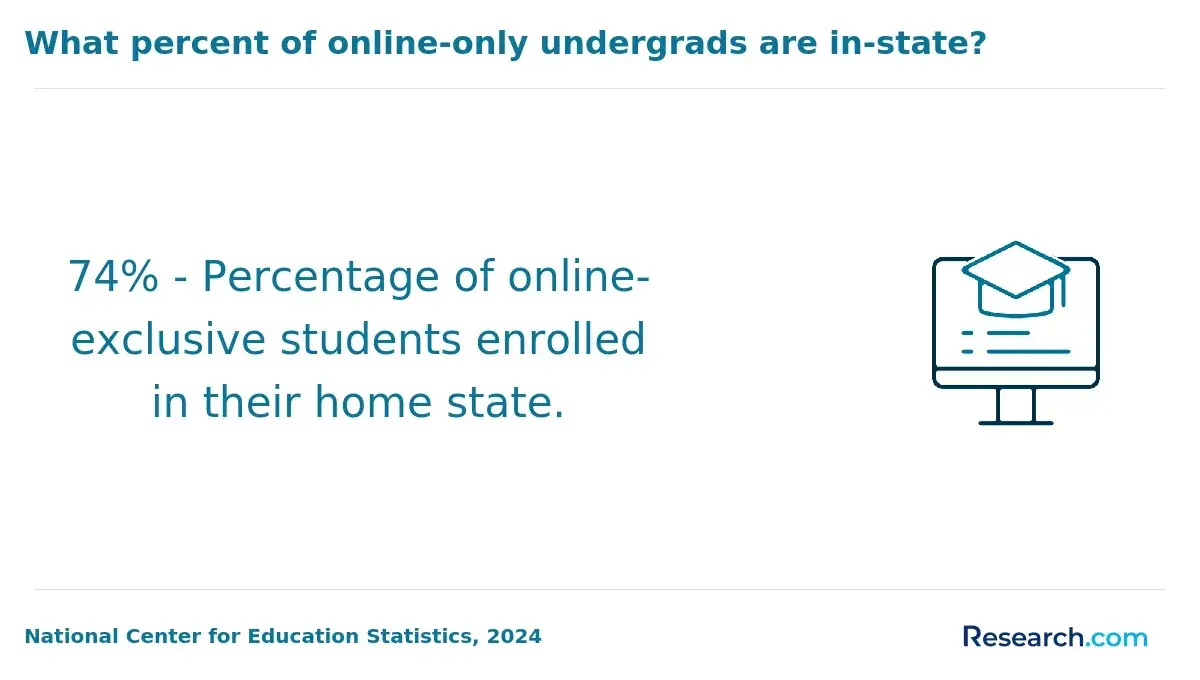
Choosing a specialized path within marine science strongly impacts earnings, career progression, and lifestyle balance over time. Data from the U.S. Bureau of Labor Statistics and professional surveys reveal distinct differences across key marine science disciplines, highlighting trade-offs between salary potential, job growth, and work-life quality.
- Marine Biology: Offers moderate salaries with steady employment growth around 5% through 2032. Work typically involves ecosystem research and conservation but can demand irregular field hours that may affect personal time negatively.
- Ocean Engineering: Known for high salary potential and positive growth outlook due to expanding offshore projects. This specialization requires advanced technical and management skills but often entails intense workloads with tight deadlines, challenging work-life balance.
- Marine Policy and Management: Characterized by slower growth and lower pay, this area usually involves government or NGO roles with more regular schedules and reduced physical demands. Advanced degrees in environmental law or policy enhance promotion chances.
- Marine Geology: Balances competitive compensation and moderate demand. Fieldwork cycles allow professionals better control over schedules, supporting healthier work-life integration.
- Fisheries Science and Aquaculture: This applied sector is growing steadily due to sustainability concerns. Earnings are moderate, and seasonal work patterns require adaptability with timing commitments.
Early specialization often means graduate coursework, certifications, and hands-on experience, which combine to produce higher early-career salaries and faster advancement compared to generalists. However, cultivating broad strategic competencies across policy, technology, or leadership areas may enable some generalists to outpace specialists in earnings at senior levels.
Recent research highlights that professionals blending technical expertise with leadership skills can expect approximately 15% greater earning potential within marine science fields, emphasizing the benefit of balanced development in building a rewarding career.
Geographic location plays a crucial role in shaping median salaries, employment growth, and work-life balance for marine science graduates across the U.S., influencing long-term career satisfaction and financial outcomes. The following regional overview draws on BLS sub-national Occupational Employment and Wage Statistics and workforce development data to inform strategic career planning.
- Northeast: Competitive median salaries prevail in metropolitan hubs such as Boston and New York City, though high living costs and taxes often dilute purchasing power. Job growth remains steady, driven by renowned research institutions and environmental agencies. Work-life balance can be challenging in dense urban areas due to long commutes and higher living expenses.
- Southeast: States including Florida and the Carolinas offer moderate salaries but faster employment growth, fueled by coastal conservation and marine tourism sectors. Lower living costs enhance affordability and support better lifestyles. Smaller markets tend to provide more balanced work environments compared to busy metropolitan centers.
- Midwest: With limited coastal access, marine science opportunities are relatively scarce, leading to slower growth and below-average salaries. However, modest living expenses improve overall financial comfort. A favorable work-life balance is typical, supported by shorter commutes and community-oriented settings.
- Southwest: Including cities like San Diego and Houston, this region exhibits strong job growth and competitive pay. High housing costs may offset salary gains, yet emerging remote work options allow professionals to live in affordable surrounding areas while earning metropolitan-level wages.
- West: The West Coast commands some of the highest salaries, especially in Seattle and San Francisco. Job growth is robust, boosted by technology and marine research funding. Very high living costs often strain work-life balance, but hybrid and remote work increasingly enable professionals to separate income from location constraints, enhancing lifestyle flexibility.
While major metropolitan areas offer substantial salary and career growth advantages, their high expenses can reduce overall financial well-being. Conversely, mid-tier markets may deliver superior purchasing power due to lower housing and tax burdens. Remote and hybrid work models are shifting traditional dynamics-allowing marine science specialists to align their earnings with high-cost markets while residing in more affordable communities. Optimal geographic choices depend on individual career paths and personal priorities such as commute times, community engagement, and proximity to family.
Public sector marine science roles typically offer lower base salaries than the private sector across entry, mid, and senior levels. Entry-level government positions often pay 10-20% less than comparable private jobs. At mid-career, this gap narrows somewhat-generally around 15%-while senior public sector scientists still earn less on paper, though the margin is reduced. However, total compensation in the public sector includes valuable benefits such as defined-benefit pensions, loan forgiveness programs, and comprehensive health coverage that can significantly offset the lower cash salary. These extras effectively reduce the overall compensation gap and provide greater financial security over a full career.
Career advancement and lifestyle differences in public and private marine science jobs are influenced by sector growth trends. Public sector growth is concentrated in federal and state agencies focused on environmental protection, climate resilience, and fisheries management. Agencies like NOAA and the Environmental Protection Agency have increased hiring due to infrastructure investments and policy priorities centered on coastal and ocean health. Defense-related marine technology also shows steady demand. On the private side, the fastest growth exists in renewable energy-particularly offshore wind development-alongside aquaculture and environmental consulting firms. These private sectors respond to corporate sustainability targets and increased regulatory compliance.
Public sector marine science careers generally provide stronger schedule predictability, more generous leave policies, and higher employee satisfaction regarding work-life balance. Government roles often feature structured hours and flexible telework options that enhance lifestyle sustainability. Private sector jobs vary widely; consulting and energy sector positions sometimes demand long or irregular hours during project deadlines, reducing balance. Yet, some large corporations have begun improving wellness programs and flexible scheduling. Ultimately, factors like employer, job function, and career stage influence balance, but public roles consistently score higher in aggregate satisfaction measures. Exploring masters programs in dietetics can also provide insights into academic pathways that complement a marine science career.
Advanced degrees and certifications substantially affect salary, career growth, and work-life balance for marine science professionals, providing important returns on investment beyond the initial bachelor's degree. Evaluating these credentials helps align education choices with specific career goals and ranking priorities.
- Master's Degree: This credential typically offers a 15-30% salary premium over bachelor's holders, as shown by BLS data. It requires 1-3 years of additional study with associated tuition expenses. Master's degrees often unlock opportunities in research roles, environmental consulting, and supervisory positions that are otherwise inaccessible. Career growth generally accelerates moderately, and work-life balance may improve due to increased autonomy, although fieldwork demands can offset this. Pursuing a master's can be especially beneficial for those emphasizing advanced research or leadership in marine science career advancement.
- Doctoral Degree (PhD): A PhD often results in a 30-50% salary increase and opens doors to senior academic, government research, and policy-making positions. The 4-7 years needed come with significant financial and time investment. While doctoral attainment fast-tracks access to senior expert roles and tenure, work-life balance challenges arise from research pressures and grant cycles, though greater schedule control may occur later in a career. For professionals targeting high-level academia or policy influence, a doctoral degree offers strong returns despite balance trade-offs.
- Professional Certifications: Credentials such as Certified Environmental Scientist or Project Management Professional typically yield a 5-15% salary boost with shorter preparation times and lower costs. They grant access to specialized technical and management roles, often improving job stability and supporting balanced schedules-particularly relevant for marine science certifications impact on salary and work-life balance in consulting or regulatory compliance fields.
- Work-Life Balance Considerations: Holding advanced degrees that lead to leadership or autonomous roles in government or industry can enhance control over working hours. Conversely, some high-pressure environments, notably those tied to research funding or emergency response, may reduce balance despite improved pay.
- Targeted Credentialing: Marine science professionals should strategically select credentials aligned with their desired outcomes-opting for master's degrees for research and field leadership, doctoral degrees for academia and policy, or certifications for technical and managerial advancement. Avoiding unnecessary credential accumulation maximizes both career satisfaction and financial return. Those interested in fast-track specialized study might explore direct entry MSN programs online for comparison with other accelerated credential paths.
Approximately 20% of marine science roles provide significant location flexibility, according to LinkedIn Workforce Insights and Owl Labs' 2023 State of Remote Work report. Careers like marine policy analysis, environmental consulting, and data science are more likely to include remote or hybrid options. In contrast, jobs requiring hands-on tasks, such as research technicians, field biologists, and marine engineers, often necessitate consistent on-site presence.
Positions offering remote work options generally maintain salary levels comparable to their on-site counterparts, with some policy and consulting roles commanding slightly higher pay due to the specialized skills and flexible work environments they require. Geographic arbitrage allows some professionals to earn salaries typical of coastal markets while residing in lower-cost areas-boosting their purchasing power without changing nominal income.
Career progression for remote or hybrid marine science professionals can vary. Some organizations have embraced distributed teams, lessening risks of slowed advancement from reduced networking opportunities. Fields centered on marine data analysis appear less affected by remote work's impact on career growth compared with roles focused on lab or fieldwork, where visibility and informal mentorship can be more limited.
Remote work delivers clear advantages such as eliminating commutes, offering flexible schedules, and increasing autonomy-contributing to better work-life balance. However, challenges including blurred lines between personal and professional time and pervasive "always-on" expectations can pose difficulties, especially for those without dedicated home offices. As highlighted by a 2023 BLS American Time Use Survey, remote environmental science workers reported 15% more discretionary time than those working entirely on-site.
Certain marine science career paths demonstrate a strong balance among salary, growth potential, and work-life quality-delivering solid performance across all three areas without notable compromises. These roles benefit from structured work environments, clear advancement routes, and schedules that typically avoid excessive overtime, supported by data from Glassdoor, PayScale's Work-Life Balance Index, and the BLS American Time Use Survey.
- Marine Environmental Consultant: Employed mainly by government agencies, environmental organizations, or nonprofits, consultants engage in project-focused work with predictable hours. This setting often allows flexible remote work and aligns with growing demand driven by environmental regulations, offering competitive salaries and steady career progression.
- Marine Policy Analyst: Found in government and research institutions, this role combines scientific knowledge with policy development. Analysts benefit from stable office hours and minimal field duties, advancing in emerging areas of climate legislation while experiencing improved work-life balance through standardized workdays and limited overtime.
- Marine Science Educator: Typically working in academia, aquariums, or museums, educators enjoy defined schedules shaped by academic calendars and holidays. Though compensation varies, career growth is supported by expanding needs for science communication, and predictable daily routines promote a sustainable lifestyle.
Individual perceptions of work-life balance will vary depending on management style, team culture, and personal discipline, so these roles should serve as a guide for employer research rather than a promise of guaranteed work-life quality. Notably, remote and hybrid opportunities in marine science professions have increased by over 20% in recent years-further enhancing balance for many practitioners in the field.
What Graduates Say About the Marine Science Degree Careers Ranked by Salary, Growth, and Work-Life Balance
- Pierce: "Graduating with a degree in marine science opened my eyes to the nuanced balance between salary potential and the joy of daily tasks. While some roles offer lucrative salaries, the long-term career growth in these positions can vary significantly, so it's essential to find a path that aligns with both your financial goals and personal fulfillment. For me, the best part has been discovering careers that maintain a positive day-to-day work-life balance-something I value immensely."
- Aryan: "Looking back on my experience, I found the ranking of marine science careers to be insightful when considering stability and advancement opportunities. Salary often reflects not just the specialty but also the geographic location, which plays a huge role in long-term growth prospects. Personally, I appreciate a steady work-life rhythm, especially in fieldwork-driven jobs where flexibility and passion often outshine monetary gains."
- Jonathan: "From a professional standpoint, the career ranking metrics in marine science underscore the importance of a comprehensive approach-salary, growth potential, and daily work-life balance are all critical pieces of the puzzle. Early-career salaries might not be high, but the upward trajectory and rewarding nature of the work make it worthwhile. I've learned that prioritizing a lifestyle that supports mental and physical health often leads to the most sustainable success in this field."
Other Things You Should Know About Marine Science Degrees
A master’s degree in marine science, oceanography, environmental science, or fisheries management is the main route to higher-paid research and leadership jobs. Many employers require 30 to 36 graduate credits, a thesis or capstone, and field or lab experience for roles in government, consulting, and conservation.
The industry sector plays a significant role in career outcomes. Government and academic sectors often provide better work-life balance but may have slower salary growth. Private industry jobs, such as those in environmental consulting or biotechnology, usually offer higher salaries and faster career advancement but can demand longer hours and more travel.
Choosing a sector strategically early on can impact long-term success. Graduates who gain experience in high-demand specialties or combine technical skills with management training tend to access better salaries and advancement. Additionally, selecting roles that align with personal work-life balance preferences can ensure sustainable career satisfaction.
Reports from marine science professionals indicate mixed experiences. Many value meaningful work with ocean ecosystems but note that salary satisfaction varies widely by sector and geography. Career advancement is generally seen as attainable with further education or specialization, while work-life balance can be challenging during field seasons but improves in administrative or research-centered roles.
- 3 steps to a better work-life balance https://whalescientists.com/work-life-balance/
- Marine Graduate Training https://www.marineboard.eu/marine-graduate-training
- Here’s what I teach my students about finding jobs in marine biology and conservation https://www.southernfriedscience.com/heres-what-i-teach-my-students-about-finding-jobs-in-marine-biology-and-conservation/
- Study Marine Science - Experience, Job Opportunities, Salary + Survey https://jobtensor.com/uk/Studies/Marine-Science
- More than a Hobby: Marine Science Career Development through the Lens of Social Cognitive Career Theory | Current: The Journal of Marine Education https://current-journal.com/articles/10.5334/cjme.83
- Salary expectations in Marine Sciences https://www.blue-jobs.com/blog/salary-expectations-in-marine-sciences/
- In search of a sea-life balance in an adverse environment : understanding seafarers' life, work and turnover https://commons.wmu.se/lib_reports/93/
- Career-Life Balance and How to Make a Successful Career in Marine Mammal Science https://www.st-andrews.ac.uk/~sh43/CLBworkshop/
- Career growth, simplified https://www.metaintro.com/blog/high-paying-marine-science-careers-2025
- 10 Jobs You Can Get With a Marine Biology Degree https://www.seamester.com/blog/10-jobs-you-can-get-with-a-marine-biology-degree/