2027 Which Marine Science Degree Careers Offer the Best Long-Term Salary Growth?

Co-Founder and Chief Data Scientist
Choosing a career in marine science often means balancing passion with practical considerations like salary growth. Recent graduates and career switchers increasingly prioritize fields with a clear trajectory for long-term financial gain.
Employment in marine science is projected to grow by 11% through 2031, reflecting rising demand for expertise in environmental monitoring and ocean technology. While entry-level pay varies widely-from research assistants to maritime policy analysts-the potential for advancement hinges on specialized skills and leadership roles.
This article examines which marine science degree careers offer the best long-term salary growth and explains the factors driving these trends, helping readers make informed career decisions.
Key Benefits of Marine Science Degree Careers That Offer Long-Term Salary Growth
- Careers in marine science often show steady salary increases, with experienced professionals earning up to 30% more after 10 years due to advanced expertise and leadership roles.
- Continuous skill development in specialized areas like oceanography or marine ecology significantly boosts earning potential throughout a marine science career.
- Long-term growth opportunities in research institutions and environmental agencies provide financial stability and chances for advancement, supporting sustained salary progression over decades.
Which Marine Science Careers Have the Highest Long-Term Salary Growth?
Certain careers within marine science stand out for their strong long-term salary growth. These roles tend to reflect broader trends in environmental research, resource management, and technological innovation, where expertise becomes increasingly valuable over time.
The following careers in marine science are particularly known for their robust long-term salary growth:
- Marine Ecologists: These professionals experience strong salary growth tied to expanding environmental regulations and conservation efforts. As their work increasingly influences sustainable policy, demand for their expertise drives steady compensation increases.
- Marine Engineers and Naval Architects: With a technical focus on designing ships and offshore structures, these roles benefit from ongoing technological advancements. Their specialized skills lead to rising remuneration as projects grow in scale and complexity.
- Marine Biotechnologists: This niche field enjoys increasing earnings fueled by emerging applications of marine-derived bioproducts in health and industry. Commercialization of research outputs creates pathways for sustained financial advancement.
Prospective students interested in expanding their career possibilities might explore programs such as an online PharmD that intersect with biotechnological and environmental sciences for additional avenues in health-related marine applications.
How Does Salary Growth Progress Over Time in Marine Science Careers?
Salary growth in marine science careers generally follows a steady and gradual upward trend throughout a professional lifetime. This progression commonly reflects incremental increases that compound over time, leading to significant earnings improvement.
Long-term salary growth in marine science-related fields averages about 3% to 4% annually, demonstrating moderate yet consistent wage inflation and pay raises. These regular increases align with accumulated experience and tenure rather than abrupt shifts in compensation.
Across a career timeline, salary growth behaves as successive stages that build on previously established earnings, creating a compounding effect. Modest annual raises accumulate, punctuated occasionally by larger increases tied to milestones or promotions.
This pattern ensures a smooth trajectory of financial advancement, where small but steady increments contribute to notable improvements over decades. Marine science professionals typically experience this ongoing progression as a series of gradual upward steps in their salary path.
Which Entry-Level Marine Science Jobs Lead to High-Paying Careers?
Many entry-level marine science roles offer a foundation for careers with significant salary growth over time. Typically, starting salaries range from $40,000 to $55,000 annually, but certain positions are known to lead to more lucrative opportunities as professionals gain experience and responsibilities.
Below are some entry-level jobs in marine science commonly linked to strong salary advancement:
- Marine Research Assistant: This role involves supporting scientific studies through data collection and fieldwork, providing essential experience that often leads to advanced research or consultancy positions with higher pay.
- Environmental Technician: Engaging with environmental monitoring and field surveys, these technicians develop practical skills valuable for moving into management or regulatory roles that offer increased compensation.
- Aquaculture Technician: Focused on cultivating marine species, this job serves as a launching point toward leadership roles in aquaculture operations or biotechnology sectors known for upward income trends.
- Marine Laboratory Technician: By assisting with experiments and quality assurance in lab settings, individuals build a skill set that typically supports promotion to supervisory or specialist scientist roles with better salaries.
- Fishery Observer: Monitoring fishing activities and gathering compliance data, fishery observers often transition to policy or fisheries management careers associated with greater earnings.
A new marine science degree graduate shared that starting in an entry-level position felt overwhelming at first because of the uncertainty about which path would yield financial stability.
"I was constantly weighing whether the hands-on experience I was gaining would truly open doors," he explained. Over time, he noticed how roles focused on data and regulation influenced his prospects more positively, confirming that certain jobs do indeed offer stronger career and salary growth than others.
This insight gave him the confidence to pursue specialized opportunities aligned with his long-term goals.
Industries with broad compensation frameworks and growing demand often provide the strongest long-term salary growth for marine science graduates. For instance, environmental scientists and specialists, including many in marine science, are expected to experience a 15% salary increase through 2031 according to the U.S. Bureau of Labor Statistics.
Below are some of the best-paying industries for marine science graduates in the US known for solid salary progression:
- Environmental Consulting: Firms in this sector usually offer structured pay scales that reward experience and project leadership, driven by increasing environmental regulations and the need for ecological assessments. This creates stable and gradual income growth over time.
- Oil and Gas: Despite its cyclical nature, this industry tends to deliver competitive salary increases tied to the technical challenges and risks of offshore operations. Performance bonuses and benefits often boost overall compensation.
- Government Agencies: Marine science professionals here benefit from standardized pay systems with adjustments for seniority and inflation. While starting salaries may be modest, promotions and tenure-based raises contribute to steady long-term growth.
- Aquaculture: As a fast-expanding industry focused on sustainable seafood production, aquaculture supports rising salary trends aligned with its global growth and technological adoption.
- Renewable Energy: Emerging sectors like offshore wind and tidal power provide strong upward salary momentum due to increased investments and specialized project roles.
For those exploring educational options to enter these fields, researching the best DNP programs online may offer valuable guidance on pathways supporting such careers.
Long-term salary growth in marine science careers depends on several overarching factors tied to typical workplace evolution and career advancement. These elements highlight why some marine science professionals see their earnings rise steadily over time. The key influences include the following:
- Experience Accumulation: Gaining years of practice enhances expertise, making individuals more valuable to employers. This experience often leads to regular salary increases or access to roles with better compensation.
- Organizational Responsibility: Moving into positions with supervisory duties or project oversight typically comes with higher pay. Greater responsibility signals trust and leadership, which employers usually reward financially.
- Funding and Industry Demand: Salaries are affected by the availability of financial resources and the level of demand in marine science fields. Consistent or rising funding streams can support salary growth more reliably.
- Geographic Location: Pay scales vary by region, with areas that have higher costs of living or stronger support for marine science initiatives often offering better compensation. Location thus plays a role in how quickly salaries grow.
- Professional Reputation: Building a strong network and being recognized for significant contributions can open doors to lucrative consulting, research grants, and job opportunities, boosting long-term earnings.
After discussing these factors, a professional with a marine science degree shared her experience. "Early in my career, I struggled to see clear salary growth despite taking on more complex work. It was frustrating not to have immediate financial rewards for increased effort."
Over time, she explained, gaining trust and leading projects finally translated into concrete pay raises.
"Building relationships and a solid reputation took patience, but gradually these connections led to consultancy offers and grant-funded roles that improved my income. The process wasn't quick, but the steady progression felt rewarding and reinforced the value of persistence."
Developing specialized skills in marine science can significantly impact salary growth over time. Professionals who focus on targeted expertise often see greater financial rewards compared to those with more general knowledge. Studies show that marine scientists with strong data analytics or technical skills can earn as much as 20% more throughout their careers.
Key skill areas contribute differently to long-term earning potential in marine science careers. These include:
- Quantitative Data Analysis: Mastery of statistical modeling and data interpretation enables scientists to extract meaningful insights from complex marine datasets, increasing their value to employers and research projects.
- Technical Instrumentation: Proficiency with advanced laboratory equipment and field instruments allows marine scientists to perform specialized experiments, enhancing their expertise and salary prospects.
- Regulatory Knowledge: Understanding environmental policies and regulatory frameworks equips professionals to navigate compliance challenges, making them indispensable in projects with legal or conservation implications.
- Software Proficiency: Skills in software tools related to marine research, such as GIS mapping or modeling applications, boost employability and provide a competitive advantage in securing higher-paying roles.
Advanced degrees and certifications often lead to greater long-term earnings for professionals in marine science. Additional qualifications typically align with expanded responsibilities, leadership roles, and higher compensation as careers progress.
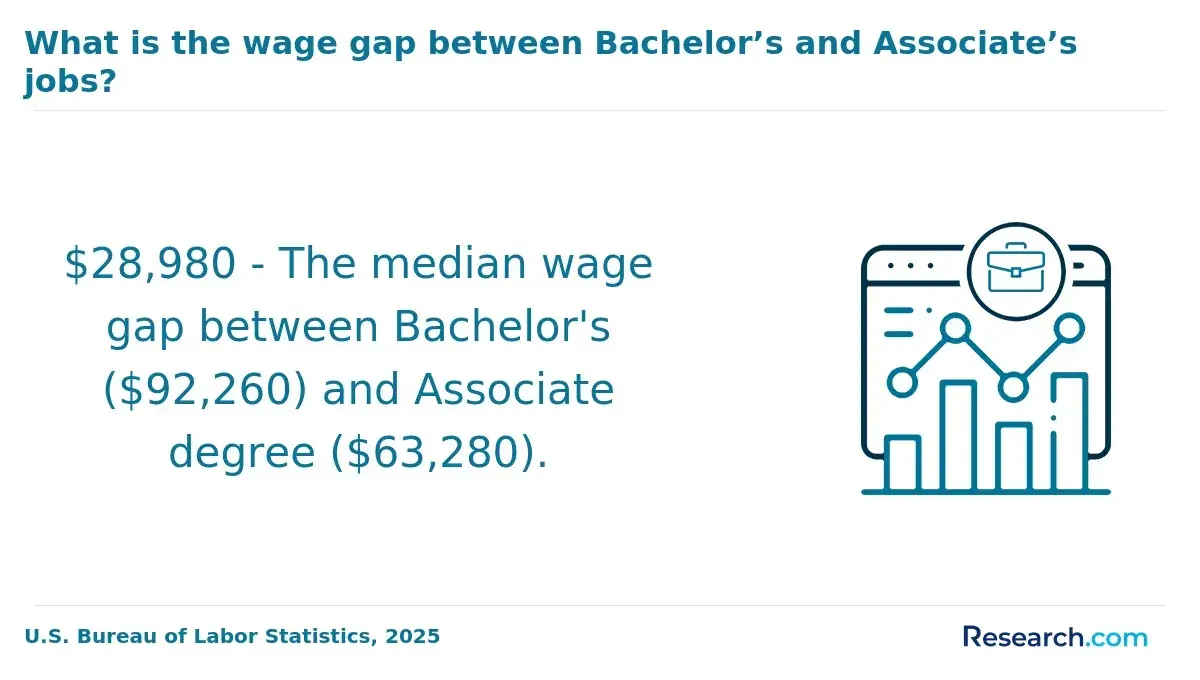
Studies show that marine scientists with a master's degree or higher earn approximately 20% to 30% more across their careers compared to those holding only a bachelor's degree. This reflects increased technical expertise, project management skills, and the ability to secure funding or influence policy decisions.
The financial impact of advanced education varies by specialization and career context within marine science. Fields such as oceanography, marine ecology, or environmental consulting commonly reward higher degrees with greater salary growth, while more applied positions focusing on fieldwork or marine operations may emphasize certifications and professional experience instead.
Credentials in marine safety, environmental compliance, or project management can also enhance earning potential by demonstrating practical skills valued by employers. Ultimately, the degree to which advanced education and certifications increase earnings depends on the specific demands and expectations of the chosen marine science career path.
Job stability is a crucial factor influencing long-term salary growth in marine science careers. Continuous employment allows professionals to deepen their expertise, develop specialized skills, and enhance their value to employers, which often leads to steady income increases.
Research indicates that workers maintaining consistent roles in science-related fields can experience an average annual wage growth of 3% to 5%. This steady progression highlights how job retention supports sustained earnings and mitigates setbacks often caused by employment gaps or frequent job changes.
Stable employment fosters a clear trajectory of incremental salary growth over the course of a marine science professional's career. As experience accumulates, employers typically reward reliability and growing skill sets with raises or promotions, reinforcing a positive earning trend.
Additionally, job stability often grants access to benefits like retirement plans, bonuses, and funded research opportunities, all contributing to a stronger overall compensation package.
Those interested in related fields might also find comparative insights on medical coding pay useful when assessing long-term financial outcomes.
Certain marine science careers typically reach their highest salary levels after 10 or more years of professional experience, reflecting accumulated expertise and leadership roles. Mid- to late-career marine scientists with over a decade of experience can expect median salaries exceeding $90,000 annually, especially in government, private sector consulting, and academia leadership positions.
Below are some high-earning career paths commonly established after 10+ years in the field:
- Senior Marine Biologist: Leading multidisciplinary research teams or directing laboratory operations, senior marine biologists command higher salaries due to their depth of knowledge and leadership influence within scientific projects.
- Oceanographic Engineer: Managing the development of technology or vessel operations, these professionals leverage their technical expertise to oversee complex projects and innovations, placing them in upper salary brackets.
- Marine Environmental Consultant: Advising on regulatory compliance and sustainability initiatives, consultants in this role combine scientific insight with strategic guidance to support environmental policies and business practices.
- Academic Professor: With established publication records and leadership roles in research, professors and research directors earn elevated compensation through their contributions to education and scientific advancement.
- Government Agency Manager: Overseeing marine resource programs, these managers hold significant responsibility for policy implementation and program success, which is reflected in their higher compensation levels.
Exploring educational pathways like an ASN program online can be a strategic step toward entering specialized fields that lead to such high-paying roles over time.
Evaluating long-term earning potential is crucial when selecting marine science careers with the highest salary growth potential. While starting salaries might be modest, some roles offer over 30% wage growth as professionals advance in experience and expertise.
Several considerations can help identify marine science career paths with strong salary growth. Key factors include:
- Long-Term Potential: Focus on roles where salary increases significantly outpace starting wages, ensuring sustained financial progress throughout your career.
- Role Advancement: Careers with structured progression into leadership or technical specialties often lead to higher compensation and job stability over time.
- Industry Demand: Fields tied to emerging marine technologies or environmental policy are more likely to experience growing demand and improved salary prospects.
- Specialization Growth: Developing expertise in niche or expanding areas of marine science can position professionals for premium pay and greater job security.
- Geographic & Sectoral Variations: Regional economic factors and employment sectors influence compensation, so considering location alongside career choice is important.
For related educational pathways, some explore an ADN to NP transition, demonstrating how strategic education impacts career and salary growth.
What Graduates Say About Marine Science Degree Careers That Offer Long-Term Salary Growth
- Pierce: "Choosing a marine science degree was a pivotal decision for me because of the expanding roles in environmental consulting and marine policy development. The long-term salary growth in these areas often surpasses expectations, especially when combined with advancing technological skills. Reflecting on my journey, the degree provided a solid foundation that opened doors to leadership positions focused on sustainable ocean management."
- Aryan: "The return on investment from my marine science degree has been remarkable, particularly as industries increasingly demand expertise in climate impact and marine conservation. What stands out most to me is how versatile this field is-I've transitioned from field research to data analysis, and each step offered better compensation. Professionally, this degree positioned me in cutting-edge projects influencing global marine health, which is both rewarding and financially promising."
- Jonathan: "From a professional standpoint, the marine science degree has significantly enhanced my credibility and opportunities within the oceanographic research community. Careers in marine biotechnology and offshore resource management have shown substantial salary growth, reflecting the high demand for specialized knowledge. My experience confirms that investing in this degree can lead to impactful work and sustained financial benefits over time."
Other Things You Should Know About Marine Science Degrees
Marine science careers with strong long-term salary growth often involve a mix of fieldwork, laboratory research, and office-based tasks. Professionals may work at research institutions, government agencies, private firms, or conservation organizations. Some roles require time at sea or in remote locations, while others are primarily desk-oriented, analyzing data or developing policies.
Coastal regions and areas with strong marine industries or research hubs tend to provide better long-term salary growth for marine science professionals. Regions with active fisheries, offshore energy development, or marine biotechnology sectors typically offer more job openings and higher paying roles. Additionally, international organizations and agencies involved in marine conservation can present lucrative opportunities in certain global locations.
Networking and involvement in professional marine science organizations play a significant role in career advancement and salary growth. Building relationships with peers and industry leaders can lead to collaborations, funding opportunities, and job referrals. Membership in organizations often provides access to conferences, training, and certifications that enhance credentials and marketability.
Yes. Many higher-paying marine science jobs require OSHA safety training, SCUBA certification, or vessel safety credentials such as the U.S. Coast Guard Captain’s License for research operations. Employers may also require first aid, CPR, and hazardous-materials training before field deployment or shipboard work.
- Salaries https://www.marinecareers.net/resources/salaries
- 10 Jobs You Can Get With a Marine Biology Degree https://www.seamester.com/blog/10-jobs-you-can-get-with-a-marine-biology-degree/
- Here’s what I teach my students about finding jobs in marine biology and conservation https://www.southernfriedscience.com/heres-what-i-teach-my-students-about-finding-jobs-in-marine-biology-and-conservation/
- Top 15 Highest Paying Marine Biology Jobs in 2025 (UK & US Salaries Guide) https://apexlearning.org.uk/highest-paying-marine-biology-jobs-2026/
- Top 10 Highest Paying Marine Biology Jobs 2025 (Inc Salaries) | Nexford University https://www.nexford.edu/insights/highest-paying-marine-biology-jobs
- Study Marine Science - Experience, Job Opportunities, Salary + Survey https://jobtensor.com/uk/Studies/Marine-Science
- Artwork of a gum leaf symbolising ‘welcome’ and acknowledging diverse countries, environments, communities, cultures, beliefs, and history. https://www.seek.com.au/entry-level-marine-science-jobs
- Evaluating the socioeconomic impacts of MSC certification at fishery level - NEF Consulting https://www.nefconsulting.com/our-work/clients/evaluating-the-socioeconomic-impacts-of-msc-certification-at-fishery-level/
- Career growth, simplified https://www.metaintro.com/blog/high-paying-marine-science-careers-2025
- 13 Highest Paying Countries for Marine Biologists https://finance.yahoo.com/news/13-highest-paying-countries-marine-200441673.html