2027 Are Too Many Students Choosing Marine Science? Oversaturation, Competition, and Hiring Reality

Co-Founder and Chief Data Scientist
A recent marine science graduate searching for entry-level research positions finds herself competing with hundreds of others in a region where job openings have barely increased in five years.
Despite a 40% rise in marine science degree completions nationwide since 2015, the number of available roles such as marine biologist, oceanographer, and environmental consultant remains tightly constrained.
This growing disparity presents challenges in distinguishing oneself amid mounting competition. This article explores whether the marine science field is becoming oversaturated, evaluates current hiring trends, and offers insights to help students and graduates navigate the realities of employment in this evolving sector.
Key Things to Know About the Oversaturation, Competition, and Hiring Reality in the Marine Science Field
- Graduates in marine science have increased by 40% over the past decade, causing limited job openings and heightened concerns about market oversaturation.
- Competition drives employers to expect advanced skills and relevant experience, making internships and specialized certifications critical for candidate differentiation.
- Understanding current hiring trends and sector growth assists students in setting achievable career goals and preparing strategically for fluctuating job availability.
Is the Marine Science Field Oversaturated With Graduates?
Oversaturation in the marine science field happens when the supply of graduates exceeds the number of available jobs. Recent labor market data shows that marine science graduates grew by about 25% over five years, while job openings increased by less than 10% in the same timeframe.
This imbalance means that more individuals are entering the workforce than there are relevant positions to fill. As a result, the market experiences a surplus of qualified candidates competing for limited roles.
This oversupply creates a more competitive environment where hiring managers raise their expectations, often seeking candidates with added certifications or practical experience. Recruiters become more selective, prioritizing applicants who can demonstrate specialized skills or project involvement.
Consequently, many graduates may find themselves spending longer periods in temporary or unpaid roles as they attempt to build resumes that align with elevated hiring standards.
What Makes Marine Science an Attractive Degree Choice?
Marine science continues to attract strong student interest, with enrollment growth rates exceeding 7% annually in marine-related degree programs across the United States.
This steady rise reflects the field's enduring appeal to learners passionate about understanding ocean environments and their global significance. Such popularity is linked in part to the unique benefits of studying marine science in the US.
Several key factors contribute to marine science being an attractive degree choice:
- Interdisciplinary Foundation: Marine science integrates biology, chemistry, physics, geology, and environmental science, offering students a broad and varied scientific base. This interdisciplinary approach allows learners to connect diverse methodologies focused around the oceanic environment.
- Versatility in Application: The degree prepares students for multiple paths, including conservation, marine policy, resource management, and education. This flexibility makes it an appealing option for those seeking adaptable academic and career opportunities.
- Alignment with Global Issues: Many students feel motivated by marine science's connection to environmental stewardship, climate change, and sustainability. The degree resonates with those driven to work on meaningful challenges impacting ocean health and preservation worldwide.
- Experiential Learning: Emphasis on hands-on research, fieldwork, and laboratory experience enables students to apply theory to real-world situations. This practical element enhances engagement and deepens understanding.
- Oceanic Fascination: The cultural and aesthetic appeal of marine ecosystems sparks enthusiasm and curiosity. The intrinsic allure of marine life inspires students to explore the science behind these remarkable phenomena.
Students interested in related fields can also explore options such as online pharmacist programs, expanding their academic and career horizons beyond marine science degree career opportunities.
What Are the Job Prospects for Marine Science Graduates?
Job opportunities for marine science graduates tend to be limited and vary widely depending on the sector. While the field offers specialized roles, competition is significant as more graduates enter the workforce.
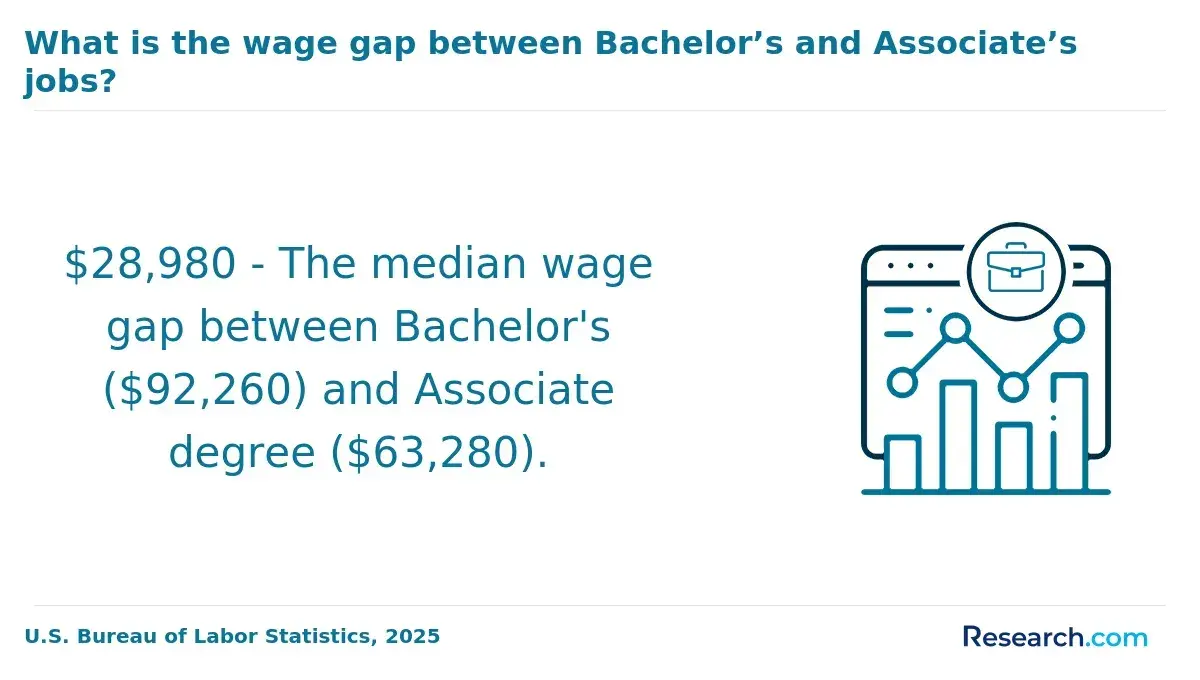
According to the U.S. Bureau of Labor Statistics, employment for environmental scientists and specialists, which often includes marine science roles, is expected to grow 8% from 2022 to 2032, roughly matching the average growth rate across all occupations.
Below are some common marine science career paths outlining typical job availability and entry requirements:
- Marine Biologist: Positions often require advanced degrees, with entry-level roles usually involving research assistantships supporting ongoing studies. Job openings are relatively rare and highly competitive.
- Oceanographer: These roles focus on physical and biological ocean aspects and are mostly found in academia or government projects. Graduate education is typically necessary to secure these positions, which have limited but steady demand.
- Environmental Consultant (Marine Focus): Consultants evaluate environmental impacts for marine and coastal projects. The sector experiences fluctuating hiring based on development trends, often favoring candidates with practical experience beyond their degree.
- Fisheries Scientist: Regulatory oversight creates a more consistent need for professionals managing fish populations and sustainability. Nonetheless, competition remains strong, especially for permanent roles.
A marine science degree graduate shared that finding stable employment was tougher than anticipated. He described spending months applying widely and facing repeated rejections before landing a temporary research position.
"The bottleneck isn't just the number of jobs but also the high level of qualifications many employers expect," he noted. Despite the challenges, he emphasized the importance of persistence and gaining any relevant experience to improve chances of landing a suitable role.
The employment outlook for marine science graduates shows moderate growth but varies widely depending on the sector. Environmental science and related fields, including marine science, are expected to grow by about 8% from 2022 to 2032, suggesting steady demand yet competitive hiring conditions.
The marine science job growth and demand reflect expanding environmental priorities, though specific roles face different challenges.
Several career paths in marine science present diverse employment trends:
- Marine Biologists usually find roles in research centers, government agencies, and conservation groups. Despite steady interest, job availability can be limited by the availability of grants and funding constraints.
- Environmental Consultants focusing on marine environments are seeing increased opportunities, largely driven by rising regulatory requirements and environmental impact assessments.
- Marine Policy Analysts benefit from growing efforts in ocean governance and sustainability, with stable prospects as policies evolve.
- Fisheries Scientists experience variable demand influenced by government budgets and seasonal management programs, which affect job consistency.
- Oceanographers working in academia or government research roles often face fewer openings but gain from expertise in specialized data collection and environmental monitoring.
Job seekers should be aware that while marine science roles are not broadly oversaturated, competition remains intense, particularly in government-funded research. For students considering intersections of health and environment, an online health admin degree could offer complementary career options.
The job market in marine science is notably competitive, largely due to an increasing number of graduates each year vying for a limited number of roles. Entry-level positions, such as research technicians or assistants, face an applicant-to-job ratio often exceeding 10:1, highlighting intense rivalry for these openings.
Specialized roles demanding advanced degrees tend to have fewer applicants but come with higher qualifications and selectivity. This uneven distribution of positions contributes significantly to the overall competitive landscape.
Differences across employment sectors also shape competition levels in marine science careers. Government and nonprofit organizations often maintain steady hiring but require strict qualifications, while private sector jobs fluctuate based on industry needs like marine technology or fisheries.
Academic institutions typically seek candidates with strong publication records and advanced training, narrowing the pool further. Geographic demand plays a role as well, with coastal regions offering more opportunities that attract applicants nationally and internationally, increasing competition in those areas.
When asked about her perspective on how competitive the marine science job market is, a professional with a Marine Science degree shared that the process was both challenging and eye-opening. She recalled applying to dozens of positions, many requiring extensive qualifications, and often facing rejections despite strong credentials.
"It felt like the more I applied, the more I realized how tough the market really was," she reflected. Yet, she also emphasized that perseverance and continuous skill development helped her eventually secure a role, making her journey both demanding and rewarding.
Some careers in marine science face less competition due to steady demand in niche roles or locations where fewer applicants qualify or want to work.
For instance, marine technician positions report vacancy rates about 15% higher than the average for environmental scientists, indicating persistent staffing shortages. These factors contribute to a lower ratio of candidates per opening in select areas of the field.
The following examples highlight marine science jobs that tend to attract fewer applicants:
- Marine Technician: These roles support research operations and equipment upkeep, often requiring specialized technical skills that limit the applicant pool. The ongoing need for maintenance and fieldwork ensures steady openings with less competition.
- Environmental Compliance Officer: Positions focused on regulatory monitoring involve a consistent demand tied to government and institutional oversight. Broader qualifications and fewer applicants make these roles less contested.
- Coastal Restoration Technician: Jobs centered on habitat rehabilitation are typically localized, restricting the candidate base. Their specialized focus and geographic constraints contribute to reduced applicant numbers.
- Fisheries Observer: These roles require monitoring fish populations directly on-site, often in remote areas, which dissuades many candidates but sustains employer demand.
- Scientific Diver: Underwater research support demands certification and physical readiness, narrowing eligible applicants. Despite this, steady project work creates ongoing vacancies with less competition.
The combination of specialized skill requirements, specific job locations, and stable but limited openings means these careers rarely experience the oversaturation common in more popular marine science fields. As a result, they continue to offer realistic employment opportunities despite broader hiring challenges in the discipline.
Salary levels significantly impact job market saturation within marine science fields. Positions offering higher pay tend to attract more candidates due to greater financial incentives and perceived career stability. This increased interest often leads to intense competition for a limited number of vacancies.
For instance, average salaries for marine scientists in research and environmental consulting typically range from $55,000 to $90,000 annually, which draws a concentrated pool of applicants compared to lower-paying roles.
In contrast, lower-paying marine science positions, such as entry-level technicians or field support roles, frequently face ongoing vacancies and less competition. These jobs may involve less specialized work or be located in less desirable settings, reducing their appeal despite their importance.
As a result, salary disparities create uneven demand across the field, causing oversaturation mainly in prestigious, well-remunerated sectors while essential but lower-paid roles remain understaffed and less competitive.
Marine science graduates who develop a strong mix of foundational knowledge and practical skills can improve their chances of being hired more quickly.
Employers in this sector often prefer candidates who demonstrate both technical competence and applied abilities, leading to faster employment outcomes. One study found that candidates with key competencies were hired 30% faster than those without these qualifications.
Below are essential skills that help marine science graduates get hired faster:
- Data Analysis: Handling large environmental datasets and proficiency with statistical software boosts a graduate's ability to interpret and present meaningful results. Programming skills in languages like R or Python are particularly valued, enhancing employability for marine science graduate skills for employment.
- Fieldwork Proficiency: Experience operating oceanographic instruments and conducting marine sampling signals readiness for hands-on responsibilities. Practical technical skills reduce the training time employers must provide, making graduates more attractive candidates.
- Communication Skills: The ability to clearly explain complex scientific concepts in writing and speech helps graduates effectively engage with diverse audiences. Strong communication supports organizational outreach and policy goals, a key qualification to get hired in marine science careers.
- Problem-Solving and Critical Thinking: Demonstrated independence in troubleshooting equipment and adapting research methods under varying conditions shows initiative. These skills contribute to quicker integration into projects demanding flexibility and innovation.
- Interdisciplinary Knowledge: Understanding connections between marine science, environmental policy, and GIS mapping broadens opportunities. Graduates able to engage in multiple project types increase their demand in the competitive job market.
For students also exploring other fields, programs in medical billing and coding online schools offer alternative career paths with focused skill training and financial aid options.
Graduates with a marine science degree often find themselves exploring career paths beyond traditional research or fieldwork due to the versatility of their training.
Their education encompasses biology, chemistry, data analysis, and environmental systems, allowing them to apply these skills across various industries. This adaptability is especially important given the competitive nature of the marine science degree job prospects beyond research.
Many marine science graduates turn to alternative career opportunities where their broad skillset is valuable, such as the following:
- Environmental Consulting: Professionals in this field help businesses and governments assess environmental impacts, ensure regulatory compliance, and develop sustainable solutions. Marine science graduates apply their understanding of ecosystems and pollution to mitigate risks and advise on best practices.
- Science Communication and Education: These roles focus on translating complex scientific concepts into clear messages for public outreach, museums, media, or educational programs. Graduates use their research experience to increase awareness of marine and environmental issues among diverse audiences.
- Data Analysis and Geographic Information Systems (GIS): Expertise in managing large datasets and spatial analysis is in demand across many sectors like urban planning and resource management. Marine science programs typically train students in statistical methods and GIS, enabling them to work beyond traditional marine roles.
- Policy and Regulatory Roles: Graduates often collaborate with government agencies or NGOs to influence environmental policies and conservation strategies. Their scientific training supports informed decision-making on coastal and marine resource management.
Understanding the landscape of alternative career opportunities for marine science graduates can broaden employment options beyond typical research settings.
Additionally, those interested in related health administration fields might explore cahme accredited online MHA programs as a complement or alternative to their marine-focused education.
The relevance of a marine science degree today depends largely on career path, specialization, and alignment with industry demand. About 65% of marine science graduates secure jobs in their field within a year, showing moderate but not guaranteed employment prospects.
Those focused on areas like oceanography, marine ecology, or environmental policy may find better opportunities, especially when their skills match current workforce needs. The job market remains competitive, so graduates must remain aware of evolving trends to maximize the value of their degree.
Whether a marine science degree is worth the career investment often hinges on a graduate's adaptability and skill development. The degree offers interdisciplinary expertise valuable in environmental agencies, conservation, and emerging ocean-related industries.
Incorporating skills like data science, GIS, or environmental law broadens career options and strengthens prospects in a shifting job market.
Students considering flexible pathways may also explore related fields or even the cheapest direct entry MSN programs for expanded opportunities.
What Graduates Say About the Oversaturation, Competition, and Hiring Reality in the Marine Science Field
- Alwyn: "Graduating with a marine science degree opened my eyes to how saturated the field truly is-landing a job isn't as straightforward as I initially thought. I learned quickly that standing out through specialization and networking was essential to securing competitive roles. Ultimately, the degree was invaluable in shaping my understanding of the industry, even though I had to pivot slightly to remain employable in the long term."
- Nikki: "The hiring reality in marine science caught me off guard: the competition is fierce, and many graduates vie for relatively few positions. This made me seriously consider alternative career paths within environmental science, where demand isn't as high but the skills I gained remain relevant. Reflecting on it now, my marine science degree was a crucial foundation, but flexibility is key in this field."
- Janet: "I'm enthusiastic about what my marine science degree has contributed to my professional life, but I won't sugarcoat the challenges. The field is crowded, so I focused on carving out a niche to stand out and avoid the fierce competition for generalist roles. Knowing the hiring realities early on helped me strategically pursue less saturated opportunities, and that tactic has paid off well for my career growth."
Other Things You Should Know About Marine Science Degrees
First jobs often come from government agencies, consulting firms, aquariums, universities, and environmental nonprofits. In the United States, NOAA, state resource departments, and environmental consulting companies are major employers. Many entry-level roles ask for 1–3 years of field, lab, or data-analysis experience.
In 2027, marine science hiring is heavily influenced by seasonality and location. Coastal regions offer more opportunities tied to field research during the warmer months, while certain marine conservation roles may be focused on specific ecosystems like coral reefs, depending on local conservation priorities and tourism seasons.
Yes, contract and temporary positions make up a significant portion of marine science employment. These roles often arise from short-term research projects or environmental assessments and may not lead directly to permanent jobs, contributing to employment instability in the field.
- 10 careers you can have with a Marine Science degree - SAMS UHI Student Blog https://blog.sams.ac.uk/10-careers-you-can-have-with-a-marine-science-degree/
- Career Outlook https://www.marinecareers.net/resources/career-outlook
- 10 Jobs You Can Get With a Marine Biology Degree https://www.seamester.com/blog/10-jobs-you-can-get-with-a-marine-biology-degree/
- A Guide To Picking A College – The Marine Sciences https://www.taylorkseadiving.com/post/a-guide-to-picking-a-college-the-marine
- Marine biologist on salaries, tears and the one thing everyone could do to save the planet | Money News | Sky News https://news.sky.com/story/marine-biologist-on-salaries-tears-and-the-one-thing-everyone-could-do-to-save-the-planet-13514108
- The Rise and Fall of Marine Biology as a Popular Major https://www.honorsociety.org/articles/rise-and-fall-marine-biology-popular-major
- What Degree Do You Need to Be a Marine Biologist? | GVI https://www.gvi.ie/blog/smb-what-degree-do-you-need-to-be-a-marine-biologist/
- Marine Conservation Jobs | Ultimate Guide | Conservation Careers https://www.conservation-careers.com/marine-conservation-jobs/
- So You Think You Want to be a Marine Biologist? - WiseOceans https://wiseoceans.com/so-you-think-you-want-to-be-a-marine-biologist/
- Choosing the Right Major for a Career in Marine Biology: Tips and Considerations â Marine Biology 4 All https://www.marinebiology4all.com/blog/s9oq1lyo33uwmgwaufr2wcge8j9qq8-5d6x6