2027 Which Industries Offer the Best Career Paths for Marine Science Degree Graduates?

Co-Founder and Chief Data Scientist
Graduates with a marine science degree often face uncertainty when choosing industries that balance compensation, job stability, advancement, and workplace culture. For example, while some sectors offer high starting salaries, they may lack clear career progression or supportive environments-leading to early burnout.
According to the U. S. Bureau of Labor Statistics, employment in environmental and marine science-related fields is projected to grow 8% over the next decade, underscoring demand yet underscoring the importance of strategic sector selection. This article explores industries excelling in these key areas to help marine science graduates identify sustainable and rewarding career paths.
Key Things to Know About the Industries That Offer the Best Career Paths for Marine Science Degree Graduates
- Environmental consulting offers competitive salaries-median wages exceed $70,000-and clear advancement through project leadership and specialized certifications, with strong emphasis on sustainable practices and regulatory expertise.
- Government agencies provide job stability and comprehensive benefits-over 80% of marine science graduates in federal roles retain employment past five years-though advancement often requires navigating structured civil service pathways.
- Academic and nonprofit sectors emphasize mission-driven culture and research innovation, with moderate compensation; tenure and grant acquisition present key routes to career progression and influence.
Which Industries Offer the Highest Starting Salaries for Marine Science Degree Graduates?
Industries offering the highest starting salaries for marine science degree graduates reflect a combination of specialized skill requirements, market demand, and sector profitability drawn from recent Bureau of Labor Statistics (BLS) Occupational Employment and Wage Statistics data.
These sectors tend to reward entry-level marine scientists with premium wages due to unique economic and structural factors:
- Oil and Gas Extraction: High entry salaries arise from the technical expertise needed for offshore drilling operations and environmental risk mitigation. The complexity of exploration and strong sector profits drive generous compensation packages.
- Federal Government: Agencies focused on environmental protection, fisheries, and oceanographic research offer competitive starting wages. Government roles leverage advanced data analysis and policy skills, with labor shortages further boosting pay, coupled with predictable long-term salary growth.
- Pharmaceutical and Biotechnology: This growing sector values marine science graduates for drug discovery and bio-prospecting roles. Specialized laboratory competence and familiarity with marine biochemistry command premium starting salaries linked to high research innovation demands.
- Engineering Services: Environmental consulting and marine infrastructure firms recruit marine science experts to fulfill regulatory and habitat restoration mandates. Project-driven work with strict deadlines often results in above-average starting pay.
- Scientific Research and Development: Employers in physical, engineering, and life sciences invest in marine science talent for innovative projects, sustaining higher-than-average entry salaries to maintain competitive advantage.
- Management, Scientific, and Technical Consulting Services: Expertise in marine ecology and compliance translates to elevated initial pay due to interdisciplinary requirements and labor shortages.
- Utilities: The water treatment sector, while offering somewhat lower starting salaries, provides steady compensation underpinned by union representation and public funding.
While evaluating the top-paying sectors for entry-level marine science careers worldwide, it's vital to recognize that starting salary is just one dimension. Factors such as advancement potential, job security, satisfaction, and remote work availability are equally important over the long term.
Career changers and graduate students researching how their advanced marine science credentials translate across industries may also consider the financial commitment of education. For example, understanding the medical billing and coding cost can provide a useful comparison of investing in career-focused education paths.
This resource aims to provide a comprehensive view of where marine science graduates will genuinely thrive by balancing compensation with professional development investment and mission alignment.
What Are the Fastest-Growing Industries Actively Hiring Marine Science Graduates Today?
Several industries are showing above-average growth in roles related to marine science-each shaped by distinct economic, technological, and regulatory drivers that influence long-term hiring trends.
Recognizing these sectors helps graduates align career choices with sustainable employment prospects and evolving market needs.
- Environmental Consulting: Demand here is structurally expanding due to stricter environmental regulations and rising corporate responsibility mandates. Firms increasingly seek marine science experts to assess impacts on coastal and ocean ecosystems as governments and private entities work to meet climate policies and biodiversity protection goals.
- Renewable Energy: Offshore wind and tidal projects are expanding rapidly, propelled by global decarbonization commitments. Marine science professionals are essential for site assessments, environmental impact analyses, and monitoring, supported by continuous technological progress and infrastructure investment over the next decade.
- Aquaculture and Fisheries Management: Growth is steady as worldwide seafood demand rises alongside concerns about overfishing. Marine science graduates contribute to sustainable fish breeding, disease control, and habitat restoration-key factors as regions adapt to food security challenges in this top sector recruiting marine science degree holders.
- Marine Transportation and Ports: Industry expansion links closely to international trade, driving a need for environmental assessments and pollution control expertise. However, hiring here hinges on cyclical trade patterns and infrastructure funding, reflecting a less predictable short-term outlook.
- Scientific Research and Education: Steady funding for climate change, ocean health, and biodiversity research ensures stable demand for researchers and educators. These roles-while not the fastest growing-offer long-term career stability and opportunities for policy influence, aligning with many graduates' professional goals.
For those exploring career options or sector pivots in marine science, assessing factors like advancement pathways, remote work potential, licensing requirements, and mission alignment is crucial, especially across these fastest growing industries hiring marine science graduates.
This comprehensive view helps individuals navigate where they can thrive over the course of their careers. For professionals also interested in sectors offering growth beyond marine science, programs such as healthcare administration may provide additional opportunities worth considering.
How Does Industry Choice Affect Long-Term Earning Potential for Marine Science Professionals?
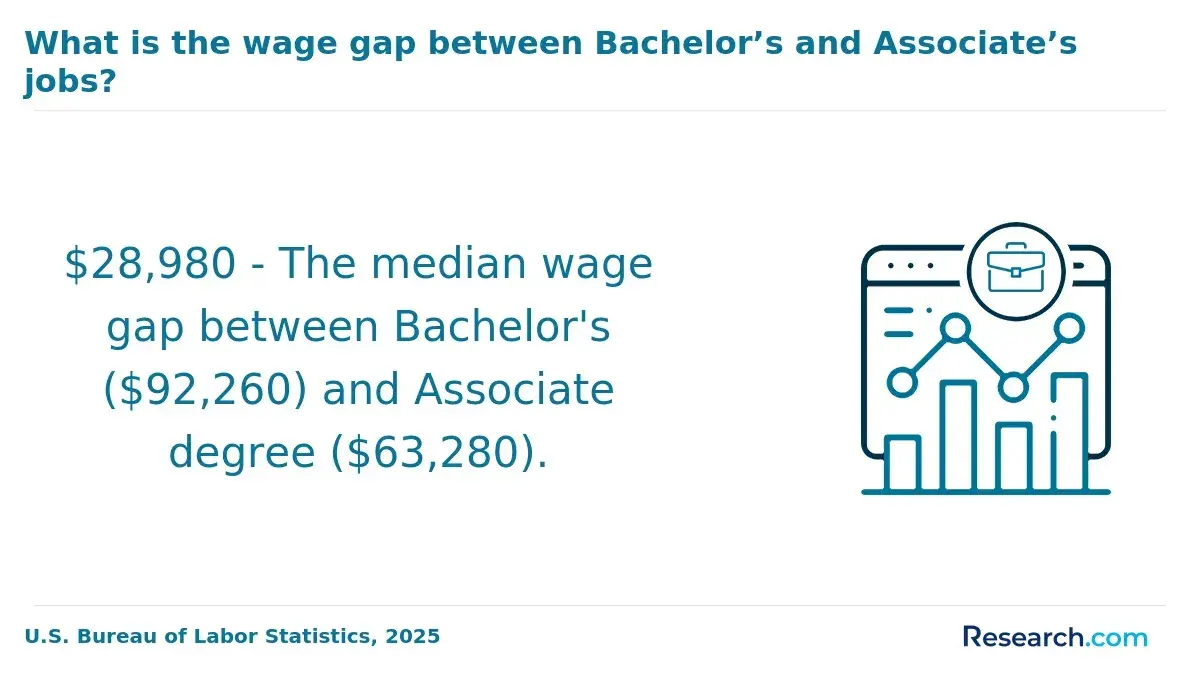
Long-term salary paths for marine science professionals shift dramatically by industry-early earnings barely hint at future potential. Some fields see salaries multiply within a decade or so, while others maintain relatively flat growth regardless of tenure or merit.
- Growth Potential: Sectors like private environmental consulting and energy exploration often offer rapid pay escalations as expertise deepens and leadership roles open, sometimes doubling or tripling starting salaries within 10 to 15 years.
- Restricted Advancement: Public sector and academic roles usually have narrow pay scales, with incremental raises that don't reflect higher performance or extensive experience, limiting financial progression over a career.
- Compensation Variability: Commercial industries frequently supplement salaries with bonuses, equity stakes, and profit-sharing opportunities, significantly increasing total earnings, while such incentives remain modest or absent in government jobs.
- Work Flexibility and Development: Industries differ in their embrace of remote work and funding for skill upgrades-factors that indirectly boost long-term income by enhancing job satisfaction and career growth.
- Promotion Pathways: Clear hierarchies and encouragement of advanced credentials in certain fields help marine science professionals climb to higher-paying managerial or specialized positions over time.
One marine science professional I spoke with shared how industry choice profoundly shaped his career outlook: "Leaving school, I initially focused on my starting salary, but it quickly became clear the real challenge was understanding which fields valued experience and offered growth."
"I faced a steep learning curve navigating different companies, weighing not just pay but benefits like mentorship and flexibility. It was daunting at times, but over years, choosing an industry with strong advancement pathways made all the difference in building a sustainable career," he said.
Government employment-particularly within federal and state environmental agencies-has historically provided some of the most stable and recession-proof careers for marine science graduates.
Data from downturns like the 2008 financial crisis and the 2020 COVID-19 pandemic reveal that these roles often maintain steady demand due to ongoing commitments to ocean conservation, fisheries oversight, and climate research.
Private-sector environmental consulting firms have demonstrated resilience by working with diverse clients across public and commercial realms.
While these positions can face volatility during economic slumps, their adaptability and increasing integration of hybrid or remote arrangements can offer marine science graduates valuable work-life balance options despite fluctuating job security.
Academia and research institutions, although susceptible to funding variability, remain critical employers, especially for those with advanced degrees. Grants and tenure-track opportunities provide intellectual engagement and some insulation against layoffs, though compensation may lag behind private sector alternatives.
Marine science graduates seeking the most resilient industries hiring marine science degree holders must weigh trade-offs between salary potential and employment security.
Public and nonprofit sectors typically offer clearer career advancement pathways and strong professional development programs, aligning well with those prioritizing long-term stability.
- Countercyclical Stability: Government and essential services sectors show the least susceptibility to hiring freezes during recessions.
- Volatility: Higher salaries often reside in consulting and private industry roles that can experience layoffs or hiring slowdowns.
- Licensing and Specialization: Certifications such as marine surveying enhance job security and earning potential.
- Mission Alignment: Many find purpose-driven work in sectors focused on environmental stewardship, improving job satisfaction and retention.
A recent trend shows increased demand for professionals who combine technical marine science expertise with regulatory knowledge-signaling continued growth in consulting roles.
For career changers considering stability and flexibility, exploring options like fast track LPN programs online alongside marine science skills may also broaden resilience against future economic shifts.
Private-sector opportunities for marine science degree holders span diverse industries-each with distinct cultures, advancement models, and compensation schemes. These roles often outpace public-sector positions in salary growth and promotion speed, attracting those prioritizing rapid career progression and business-driven targets.
- Biotechnology: Firms ranging from global pharmaceutical leaders to nimble startups leverage marine biological knowledge to develop innovative products. Such companies emphasize collaboration, high performance, and research-intensive roles that drive product pipelines.
- Energy and Natural Resources: Top energy corporations-including oil, gas, and renewables-employ marine scientists for environmental assessments and sustainable projects. These employers provide structured career ladders and blend fieldwork with corporate responsibilities.
- Environmental Consulting: Consulting groups recruit marine scientists for navigating regulatory frameworks, restoring habitats, and mitigating impacts. The project-driven nature fosters faster promotions and adaptable work settings.
- Technology and Data Analytics: Emerging tech firms focused on ocean monitoring, satellite data, and analytics integrate marine science expertise to enhance innovation. Many offer flexible, remote-friendly environments and progressive workplaces.
Private employers reward individual achievement through bonuses and equity, contrasting with public agencies' focus on policy and research longevity. Investments in mentorship and skill development are common, appealing to professionals eager to expand their capabilities.
Those inclined toward dynamic, versatile roles might thrive in startup settings, whereas individuals valuing predictability and clear advancement often gravitate to large corporations.
Reflecting on her journey, a marine science professional shared how transitioning into the private sector challenged her to swiftly adapt to fast-paced deliverables and performance metrics. She recalled navigating competitive hiring processes that tested both technical expertise and business acumen.
The mentorship she encountered helped bridge gaps in industry knowledge, and the emphasis on measurable impact inspired her to continually refine her skills. This experience underscored how private-sector careers demand agility but offer rewarding growth aligned with innovation and tangible results.
Government roles for marine science graduates-common in agencies like the National Oceanic and Atmospheric Administration (NOAA), the Environmental Protection Agency (EPA), and various state natural resource departments-follow structured civil service systems.
These pathways feature standardized grade-level promotions tied to federal or state pay scales, creating predictable advancement routes.
Public sector wages tend to start competitively but encounter ceilings compared to private industry salaries, especially within specialized fields such as environmental consulting or marine technology firms.
Government positions often provide robust benefits including healthcare and defined-benefit pensions, enhancing overall compensation packages.
Progression in government service is generally slower due to set promotion schedules and a capped number of senior roles. Nonetheless, agencies like NOAA offer lateral career shifts into research, policy, or management, supporting broader professional development.
Positions in public agencies frequently include strong job security, eligibility for student loan forgiveness programs for qualifying service, and access to retirement plans that guarantee pension benefits-attractive features for those prioritizing long-term financial stability.
Marine science graduates in public roles should expect more modest wage growth and fewer executive-level opportunities relative to private sector jobs. Additionally, government positions may provide less flexibility regarding remote work options and the pace of innovation projects.
Employers in marine technology, environmental consulting, and aquaculture typically offer higher initial salaries and faster career progression driven by merit. However, these jobs might lack the long-term pension security and can be more vulnerable during economic downturns.
According to the U.S. Bureau of Labor Statistics, employment for environmental scientists and marine specialists within government agencies is expected to increase by 8% between 2022 and 2032, indicating sustained demand in public policy and conservation.
The industries with the clearest leadership and advancement pathways for marine science professionals combine transparent promotion structures with substantial investment in professional development.
Analysis of professional association surveys and LinkedIn workforce data reveals that environmental consulting, government agencies, and maritime technology firms offer the strongest upward mobility.
These sectors regularly elevate marine science graduates into management, director, and C-suite roles within ten to fifteen years:
- Environmental Consulting: This sector is notable for merit-based advancement. Marine science graduates often begin as field scientists or analysts, progressing to project managers and senior consultants by applying domain expertise and client management skills.
- Graduate Education: Earning an MBA with a sustainability or environmental management specialization accelerates leadership opportunities.
- Government Agencies: Organizations like NOAA and EPA provide structured promotion ladders with clear criteria for leadership positions-including regional managers and program directors.
Across these sectors, continuous professional development-especially combined with advanced degrees-enhances scientific and managerial skills.
Recent data indicates marine science professionals with STEM and business qualifications achieve leadership roles 35% faster than peers lacking interdisciplinary education.
Several emerging and technology-driven industries are expanding the demand for marine science skills-creating unique opportunities for graduates to apply their expertise in innovative ways.
These sectors value a combination of traditional marine knowledge and advanced technical competencies, making them promising fields for upskilling and career growth.
- Artificial Intelligence: AI is revolutionizing data analysis and modeling within marine environments, including ecosystem monitoring and predictive analytics for climate impacts. Marine science graduates with programming abilities and machine learning knowledge are increasingly sought after to develop AI tools that can handle large-scale oceanographic datasets.
- Clean Energy: The push for sustainable energy sources has boosted offshore wind, tidal, and wave energy industries. Expertise in marine ecosystems and environmental impact assessments is crucial here, alongside technical skills in renewable energy infrastructure and regulatory compliance.
- Biotechnology: Innovations in marine biotechnology harness biological resources derived from marine organisms for pharmaceuticals, biofuels, and biomaterials. Graduates who combine marine biology with molecular techniques and bioprocess engineering are positioned to contribute significantly.
- Advanced Manufacturing: Marine science intersects with advanced manufacturing in designing and deploying underwater robotics, sensors, and drones for exploration and data collection. Competencies in materials science, automation, and systems integration complement marine domain knowledge in this cutting-edge area.
- Digital Health: Though less obvious, digital health benefits from marine natural products and understanding marine-derived compounds for medical research. Cross-disciplinary skills linking marine pharmacology, bioinformatics, and healthcare technology are emerging as valuable assets.
To thrive in these industries, marine science graduates should consider targeted upskilling-such as certifications in data science, coding, or renewable energy technologies-and possibly pursue graduate studies that blend ecological science with engineering or computer science.
Engaging in career pivots to emerging coastal technology innovations for marine science careers can position professionals well, but they must weigh the higher risks associated with rapid technological change and evolving market dynamics.
Graduates can also explore accredited programs that enhance technical proficiency, including CAHME accredited online MHA programs for those interested in integrating health administration expertise with marine science applications.
Evaluating an early-stage industry involves researching its financial stability, regulatory environment, and potential for long-term impact. Networking with professionals, seeking internships, and acquiring interdisciplinary skills help graduates maximize their potential.
Ultimately, those who adapt and invest in continuous learning will be best positioned to leverage their marine science expertise across these expanding technology-driven sectors.
For graduates exploring career opportunities in nonprofit marine science organizations, the sector offers distinct advantages beyond traditional salary metrics-especially for those prioritizing mission-driven work.
Compensation in nonprofit marine science roles typically trails private sector pay but can remain competitive with select government positions.
Entry-level salaries often start below $50,000 annually, while mid-career roles range from $60,000 to $75,000 depending on geographic location and size of the organization.
- Compensation: Average nonprofit salaries reflect budget constraints but are supplemented by unique financial incentives.
- Benefits and Financial Incentives: Comprehensive benefits packages frequently include health insurance, retirement options, and flexible schedules.
- Advancement Structures: Unlike more linear private sector paths, progression in mission-driven marine science careers often depends on demonstrated impact and networking within the nonprofit community, involving leadership in conservation, policy advocacy, and interdisciplinary projects.
- Mission Alignment and Workplace Culture: Strong value congruence with organizational missions-such as ocean conservation or sustainable fisheries-frequently yields higher job satisfaction and a deeper sense of purpose over time.
- Non-Monetary Benefits: Opportunities for remote or field-based work, employer-funded professional development, and meaningful research engagement enhance overall career fulfillment.
Marine Science graduates weighing a sector pivot or first job can find nonprofit roles compelling, especially when aligned with personal values and the desire for impactful work. Additionally, government programs and nonprofit benefits often balance out salary disparities.
Those interested in integrating further education or exploring flexible pathways may consult resources like the nutrition online degree rankings, which illustrate parallel dynamics in career and educational flexibility.
Ultimately, mission-driven marine science careers with advancement potential offer a robust, multidimensional value proposition for professionals committed to meaningful environmental stewardship.
Remote and hybrid opportunities for marine science professionals vary significantly by sector-driven mainly by the balance between fieldwork demands and analytical tasks.
Government and environmental consulting roles frequently offer hybrid schedules, as much of the data modeling, report writing, and policy development can be done remotely, while field sampling requires on-site presence.
Academic institutions increasingly support flexible arrangements during grant writing and data analysis phases, but laboratory experiments and expeditions necessitate periodic travel to specialized facilities.
Nonprofit organizations emphasize virtual collaboration and often enable fully remote roles-particularly in advocacy, outreach, and program coordination.
By contrast, sectors dependent on vessel operations, dive work, or equipment upkeep-like marine engineering and aquaculture-remain heavily anchored to physical sites, limiting remote possibilities.
Remote work expands geographic options for marine science graduates-allowing them to reside in lower-cost areas without sacrificing salary levels typical of major coastal or metropolitan markets.
Organizations fostering remote work tend to have mature digital infrastructure and a culture grounded in trust and outcome-based evaluation.
Job seekers should investigate an employer's remote work policies during interviews-specifically asking about flexibility, communication expectations, and performance metrics-and negotiate schedules that align with both productivity and personal circumstances.
Recent data shows that about 35% of scientific professionals engage in some form of remote work, with hybrid models expected to grow by roughly 20% in marine science roles over the next five years, reflecting a broader trend toward flexible workforce practices.
- Geographic Flexibility: Remote roles enable living in affordable regions while earning competitive salaries from high-cost areas.
- Employer Culture: Established remote work tools and trust-based management correlate with greater schedule flexibility.
- Job Search Advice: Candidates should proactively inquire about remote arrangements and advocate for flexible workplans emphasizing communication and efficiency.
- Trend Insight: Hybrid and remote marine science jobs are projected to increase by 20% within five years as digital collaboration advances.
Licensing demands vary considerably across fields employing marine science graduates-some sectors enforce rigorous certification and experience prerequisites that extend beyond academic credentials.
For example, environmental consulting and coastal resource management often require state or federal licenses for activities like habitat restoration or water quality assessments, mandating years of supervised practice and successful completion of licensing exams.
Such mandates add both time and financial investment before full professional entry.
- Regulatory Barriers: Industries focused on environmental compliance impose strict licensing rules that can delay employment without additional credentials or on-the-job training.
- Accessible Pathways: Roles in academic research or government agencies typically prioritize advanced degrees and technical expertise over formal licenses, offering a comparatively smoother entry route.
- Certifications: Acquiring professional credentials such as Certified Ecologist or Environmental Professional Certification-along with specialized diving qualifications-can markedly enhance a candidate's competitiveness and speed up career progression.
- Continuing Education: Many licenses necessitate ongoing learning to maintain validity, ensuring professionals remain updated on emergent regulations and technological advances vital for long-term success.
- Industry Trends: Data from the National Association of Environmental Professionals indicate that 72% of employers in this sector now favor candidates holding at least one relevant certification, emphasizing the growing value placed on credentialing.
- Recommendations: Given variability across jurisdictions and sectors, marine science graduates should regularly consult official licensing bodies and professional organizations to confirm up-to-date requirements before committing to a specialization.
What Graduates Say About the Industries That Offer the Best Career Paths for Marine Science Degree Graduates
- Pierce: "Marine science opens doors in industries with strong compensation packages, particularly in environmental consulting and governmental research roles. What surprised me most was how much these sectors value expertise-making advancement opportunities plentiful if you're willing to keep learning. The blend of technical work and outdoor field experiences really shapes a fulfilling career."
- Aryan: "Reflecting on my journey, the workplace culture in marine science-related nonprofits and academia is incredibly collaborative and passionate. Despite the stability concerns in some research grants, many organizations strive to create supportive environments that foster growth. For me, this culture made all the difference between just a job and a true vocation."
- Jonathan: "Professionally, I've found that marine science careers tied to governmental agencies often offer unmatched job stability and clear promotion paths. The structured environment lets you focus on gaining expertise while advancing steadily, which is valuable in our fast-changing world. Compensation may vary-but the security and career development balance it well."
Other Things You Should Know About Marine Science Degrees
The offshore energy, marine transportation, and aquaculture industries hire marine science graduates with U.S. Coast Guard credentials, especially STCW endorsement or Merchant Mariner Credential. Employers often require valid TWIC cards, medical fitness, and safety training such as Basic Safety Training.
Geographic location plays a crucial role in shaping career opportunities for marine science graduates. Coastal regions and areas with significant marine resources provide a wider range of jobs in research, conservation, and resource management. Conversely, inland locations typically have fewer direct marine-related roles, often requiring graduates to seek positions in policy, education, or data analysis.
Federal and state government agencies, as well as large environmental consulting firms, generally invest heavily in professional development. These employers often fund training programs, certifications, and advanced degrees to keep their staff current with evolving marine science techniques and regulations. Academic and research institutions also prioritize continuing education but may expect employees to secure their own funding.
In 2027, marine science graduates can find promising career paths in industries like environmental consulting, government agencies focused on marine conservation, and aquaculture. These sectors offer opportunities for impactful work addressing climate change, sustainable fisheries, and marine ecosystem preservation, leveraging their expertise in marine biology, oceanography, and environmental science.
- Exploring New Skills and Careers in the Ocean Industry https://www.oceanologyinternational.com/london/en-gb/blog/articles/skills-and-careers-in-the-ocean-industry.html
- Study Marine Science - Experience, Job Opportunities, Salary + Survey https://jobtensor.com/uk/Studies/Marine-Science
- New Technologies, New Technical Skills - the future of maritime jobs https://escolaeuropea.eu/yep-med/new-technologies-new-technical-skills/
- 10 Jobs You Can Get With a Marine Biology Degree https://www.seamester.com/blog/10-jobs-you-can-get-with-a-marine-biology-degree/
- Global marine engineering trends you should know about https://www.mla.ac.uk/blog/global-marine-engineering-trends-you-should-know-about/
- Getting Started in Deep-Ocean Science https://www.dosi-project.org/deep-ocean-organizations/
- 13 Highest Paying Countries for Marine Biologists https://finance.yahoo.com/news/13-highest-paying-countries-marine-200441673.html
- How to become a marine biologist? | Conservation Careers https://www.conservation-careers.com/how-to-become-a-marine-biologist/
- Non-Profit/Public/Organizational Management. vs Marine Sciences. | CareerDataLab https://www.careerdatalab.com/compare-majors/2194/to/1196