2027 Most Valuable Skills You Build in a Marine Science Degree and Which Careers Use Them Most

Co-Founder and Chief Data Scientist
Why do Marine Science graduates sometimes find themselves underprepared for the rapidly evolving environmental sector? Despite rigorous coursework, 37% of recent graduates report gaps in practical skills such as data analysis and remote sensing technology, which employers increasingly demand. This disconnect challenges career adaptability and growth in fields heavily influenced by advancing research tools and climate concerns. Understanding which skills hold the most value in today's workforce can shape better educational outcomes. This article explores the most valuable skills developed through a marine science degree and highlights the careers that depend on them, guiding students toward strategic career readiness.
Key Benefits of the Most Valuable Skills You Build in a Marine Science Degree
- Developing analytical and research skills in marine science increases career readiness by equipping students to handle complex environmental data and scientific challenges.
- Adaptability gained through interdisciplinary training allows graduates to work in conservation, policy, education, and private sectors, broadening employment opportunities.
- Long-term growth is supported by critical thinking and problem-solving abilities, essential for evolving roles in climate science, resource management, and technological innovation.
What Are the Core Skills Taught in Marine Science Programs?
Marine science programs focus on developing essential skills that enable students to navigate complex scientific and environmental challenges. Over 75% of graduates report feeling prepared to contribute effectively in research and conservation roles, underscoring the success of these programs in fostering career readiness. These core skills form the foundation for professional growth across various marine-related fields.
The essential marine science skills for career readiness include:
- Data Interpretation and Analysis: Students gain expertise in collecting and examining marine data to draw evidence-based conclusions. This skill is vital for tasks like environmental monitoring and decision-making in professional settings.
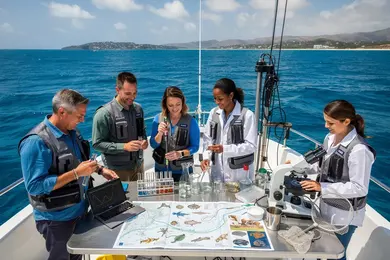
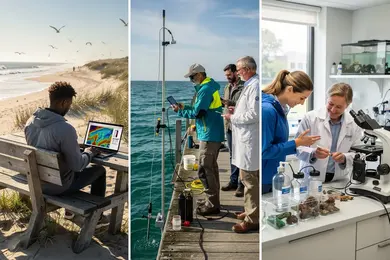
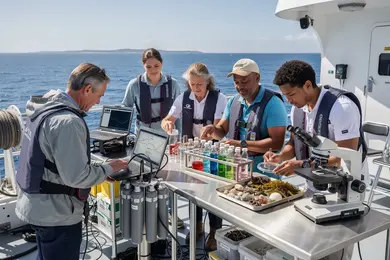
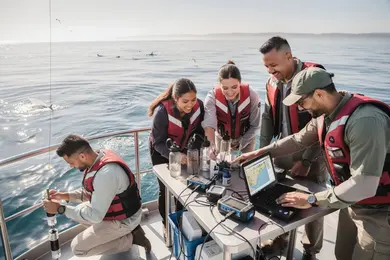
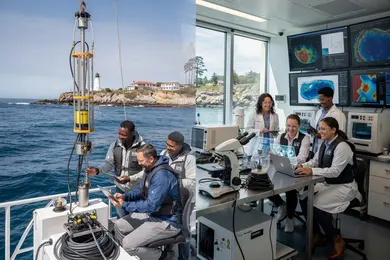
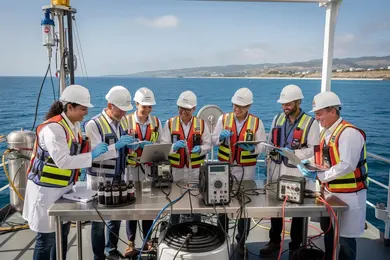
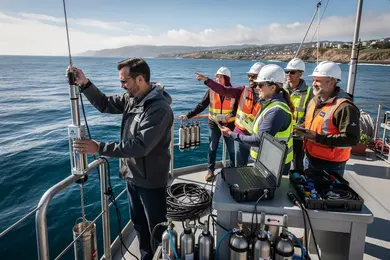
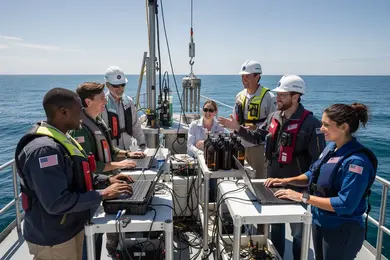
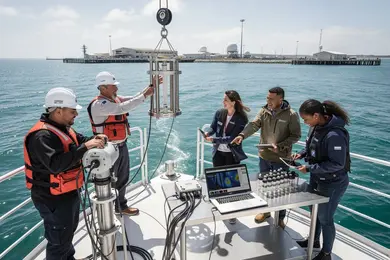
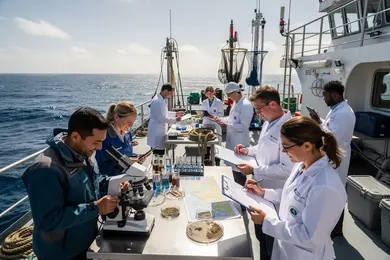
- Fieldwork Proficiency: Hands-on training in real marine environments equips students with the ability to conduct accurate observations and handle scientific equipment effectively. This practical competence is crucial when working directly in marine ecosystems.
- Scientific Communication: Developing clear written and verbal communication skills enables students to share complex research findings with peers, policymakers, and the public. Strong communication fosters collaboration and informed decision processes.
- Problem-Solving and Critical Thinking: Programs encourage systematic analysis of ecological issues to devise practical solutions. These skills are essential for addressing the intricate challenges found in marine environments.
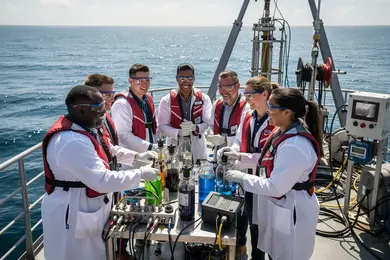
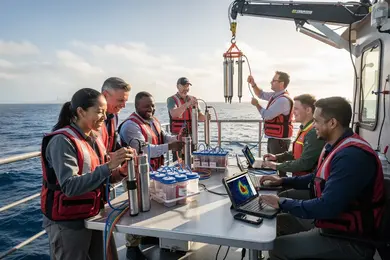
- Collaboration and Teamwork: Learning to work within multidisciplinary teams helps students integrate diverse expertise and approaches. Effective teamwork enhances the capacity to tackle comprehensive marine science questions.
What Technical Skills Are Taught in Marine Science Programs?
Marine science programs develop essential technical competencies that allow students to apply academic knowledge effectively in practical marine environments. Over 75% of professionals in environmental and marine-related fields highlight the critical role of advanced data analysis and technological proficiency in their daily work. These skills enable precise research and a deeper understanding of complex marine systems.
Key technical skills taught in marine science programs include:
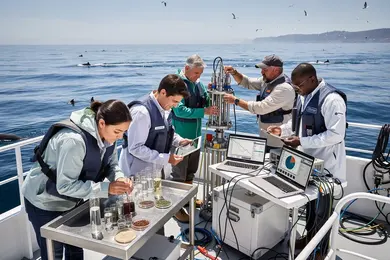
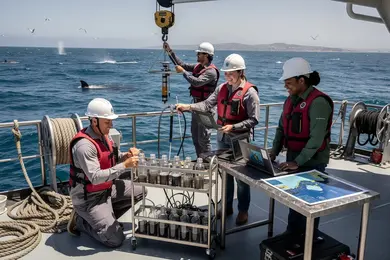
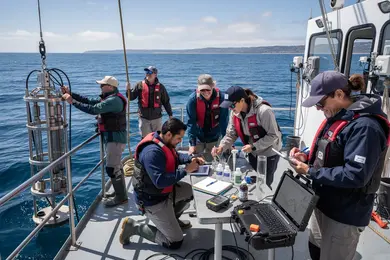
- Field Research Techniques: Instruction covers sample collection, conducting surveys, and operating specialized equipment such as sonar, remotely operated vehicles (ROVs), and water quality sensors. These core laboratory and field techniques in marine science support accurate data acquisition from diverse marine habitats.
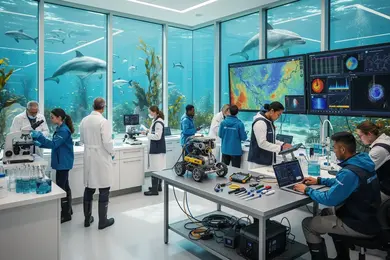
- Data Analysis and Statistical Methods: Students learn to use software tools for statistical evaluation, geographic information systems (GIS), and environmental modeling. These tools help interpret complex datasets, identify ecological patterns, and forecast environmental changes.
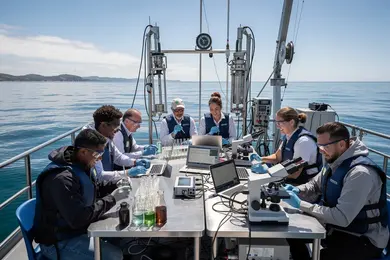
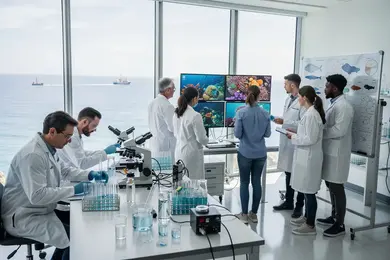
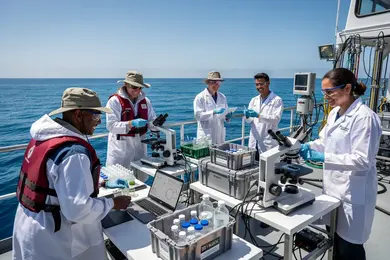
- Laboratory Skills: Training includes chemical analysis, microscopy, and biological assays, enabling close examination of marine organisms and water samples. This technical expertise is vital in ecological and biochemical studies.
- GIS and Remote Sensing: Proficiency in spatial data processing and mapping is developed to monitor marine habitats, coastal dynamics, and resource management effectively.
These technical skills allow graduates to address scientific questions accurately and apply technology for ongoing exploration and conservation. Those interested in expanding their expertise beyond marine science might explore additional programs such as a masters in healthcare administration, enhancing interdisciplinary competencies for environmental health perspectives.
What Soft Skills Do Marine Science Students Develop?
Programs in marine science encourage students to build essential interpersonal and behavioral skills that enhance their success both academically and professionally. A recent survey found that more than 90% of employers rank communication and teamwork as top priorities, underscoring their value across fields. These programs create opportunities that nurture these competencies through practical and collaborative experiences.
Marine science students typically develop a range of important soft skills, including:
- Effective Communication: Students practice conveying complex scientific ideas clearly to varied audiences, whether through presentations, writing, or group discussions, which strengthens their ability to share information transparently and persuasively.
- Collaboration: Working closely with peers on research projects and field activities fosters cooperation and mutual support, helping students contribute constructively toward shared objectives.
- Analytical Problem-Solving: Encountering and resolving unexpected results during experiments trains students to think critically and investigate solutions with flexibility and creativity.
- Resilience and Adaptability: Exposure to changing marine environments teaches students to adjust quickly to new challenges, promoting perseverance in uncertain or evolving circumstances.
- Time Prioritization: Managing coursework alongside field and lab time cultivates the ability to organize tasks efficiently and meet deadlines under pressure.
Reflecting on these experiences, a marine science degree graduate described how navigating demanding field research tested his patience and adaptability. "There were moments when weather and equipment issues threatened to delay our work, but we learned to recalibrate plans and communicate quickly to keep progress on track," he recalled. He emphasized that these situations improved his confidence in managing unexpected obstacles and strengthened his ability to collaborate under stress, invaluable traits he carries into his career today.
Employers increasingly value transferable skills when hiring across industries, with a 2023 survey revealing that 85% prioritize abilities like critical thinking and communication over specific academic backgrounds. This emphasis on adaptability highlights how skills gained from a marine science degree contribute broadly to professional versatility.
Below are some key transferable skills acquired through marine science studies and their cross-career relevance:
- Critical Thinking: The study of marine environments involves evaluating complex systems and solving multifaceted problems, a process that sharpens analytical reasoning. These skills support thoughtful decision-making in various scientific, business, and policy contexts.
- Data Analysis: Marine science training emphasizes managing and interpreting extensive datasets collected from fieldwork and experiments. Proficiency in quantitative analysis is applicable in fields ranging from public health monitoring to market research.
- Communication Skills: Preparing research reports and presenting findings fosters clear and effective communication. Such skills are essential in academic, advocacy, educational, and corporate settings where conveying detailed information accurately is crucial.
- Project Coordination: Organizing field expeditions and collaborative research enhances leadership and management abilities. These capabilities are highly valued in environments requiring teamwork and strategic planning.
- Adaptability: Exposure to dynamic environmental factors and emerging technologies encourages flexibility and continuous learning. This agility allows graduates to thrive amid rapid industry changes and broaden career possibilities.
Those interested in expanding their career options beyond marine science might also explore related fields, such as accredited medical billing and coding schools online, where transferable skills are similarly critical.
More than two-thirds of employers in the marine science sector face challenges in finding graduates equipped with vital data analysis and field research skills. This shortage underscores the need for specific technical and environmental expertise that supports effective marine ecosystem management. The following points highlight some of the most sought-after skills in this field today.
- Data Analysis: Mastery of statistical methods and software used to interpret complex data sets from oceanographic equipment and ecological studies is critical. This skill allows professionals to generate reliable conclusions beyond direct observations.
- Field Research Techniques: Competency in collecting and maintaining biological and chemical samples under demanding ocean conditions ensures accuracy and trustworthiness in scientific findings.
- Technical Equipment Proficiency: Familiarity with instruments like autonomous underwater vehicles, drones, and GIS platforms enhances the ability to monitor marine habitats innovatively and at various scales.
- Environmental Assessment Expertise: Knowledge of impact evaluations and regulatory frameworks supports responsible marine spatial planning and sustainable use of marine resources.
- Scientific Communication: Clear articulation of complex research findings enables collaboration across disciplines and informs policy and conservation efforts effectively.
When speaking with a professional holding a marine science degree, she reflected on the initial difficulties of mastering both the technical tools and communicating complicated data findings effectively. She shared how balancing data precision with storytelling was challenging but essential, especially when working with multidisciplinary teams who needed clear insights to make decisions. Her experience illustrated that developing these skills is not just about technical ability but also about patience and adaptability amid evolving research demands.
Employers assessing entry-level marine science graduates place strong emphasis on core technical and analytical abilities combined with flexibility to navigate changing environmental conditions. Recent studies reveal that more than 70% of employers prioritize competencies in practical data analysis and fieldwork when selecting candidates for these roles. These skills are vital for graduates to make immediate and meaningful contributions to scientific and conservation projects.
Key skills expected by employers from entry-level marine science graduates include the following:
- Scientific Knowledge: A deep understanding of marine ecosystems and environmental processes is crucial. This expertise enables graduates to accurately interpret study results and support ongoing research and sustainability initiatives.
- Data Analysis: Proficiency in managing and visualizing data through specialized software tools is essential. Entry-level professionals must handle complex datasets efficiently to aid scientific inquiries and guide environmental decisions.
- Fieldwork Skills: Hands-on experience with sampling techniques and equipment operation is highly sought after. These practical abilities allow graduates to collect precise and dependable data in diverse marine environments.
- Effective Communication: The capacity to clearly present scientific findings both verbally and in writing is fundamental. New professionals need to share information with colleagues, policymakers, and the public in a clear and accessible manner.
- Critical Thinking: Employers value adaptability and problem-solving skills to address unexpected changes during research or field conditions. Graduates should demonstrate initiative and creative approaches when confronted with scientific challenges.
Nearly 70% of marine science graduates secure employment in fields directly related to their studies within five years, reflecting strong demand for their skills across multiple industries. Employers increasingly seek professionals who can analyze data, conduct field research, and provide scientific insights for environmental and resource management. These core competencies open doors to diverse career paths.
Marine science skills align closely with the following career areas:
- Environmental Consultancy: Specialists assess aquatic ecosystem health and develop sustainable management plans. They utilize knowledge of marine biodiversity and pollutant effects to guide industries in meeting environmental regulations.
- Fisheries Management: Graduates apply population dynamics and habitat assessment techniques to promote sustainable harvesting. Their expertise supports balancing economic demands with long-term ecosystem resilience.
- Public Sector Roles: Marine scientists contribute to policy creation and enforcement, often translating complex research into practical regulations. Strong communication and data synthesis skills are essential in these positions.
- Academic and Research Institutions: Careers here involve designing experiments, conducting ecological studies, and analyzing large datasets to address ocean health and climate change issues. Rigorous scientific inquiry is central to these roles.
- Marine Biotechnology and Oceanography: Marine science knowledge underpins development of new biological products and the study of physical and chemical ocean processes. These fields often overlap and demand interdisciplinary expertise.
Certain marine science skills are closely linked to higher salary outcomes because employers recognize the practical value and expertise these skills bring to their organizations. Professionals with these capabilities often command better compensation as they address critical challenges in marine environments. This correlation makes understanding the marine science degree skills with the highest salary potential essential for those aiming to maximize their earning prospects.
The following key skills rank among the top marine science career skills in demand and contribute significantly to higher salaries:
- Geographic Information Systems (GIS): Specialists proficient in GIS technologies typically receive a 10% to 20% salary premium. Their expertise in spatial data analysis is vital for habitat mapping, environmental assessments, and resource management initiatives.
- Advanced Data Analysis: Marine scientists skilled in using tools like R, MATLAB, or Python to interpret large datasets can expect $5,000 to $15,000 higher annual pay. These skills enable better monitoring of ecosystems and predictive modeling.
- Marine Instrumentation: Expertise operating remotely operated vehicles (ROVs) and sonar equipment results in approximately a 10% salary increase. These technical skills support offshore research and environmental monitoring tasks.
- Laboratory and Experimental Skills: Proficiency in marine chemistry and microbiology lab work is linked to a 7% to 15% salary premium, reflecting employers' need for detailed sample analysis in pollution control and sustainability efforts.
- Project Management: Abilities in managing projects, including grant writing and interdisciplinary collaboration, often lead to $5,000 to $12,000 higher pay. Effectively delivering measurable outcomes strengthens funding and organizational goals.
For students exploring educational options that build these valuable skills, accessing resources on the top online MHA programs may offer additional career development pathways related to environmental health and management.
Internships play a vital role in developing practical marine science skills by providing students with essential real-world experience. This hands-on exposure bridges the gap between theoretical knowledge and applied work, allowing students to reinforce academic concepts such as species identification, data collection, and environmental monitoring in actual marine environments.
Research shows that 75% of marine science graduates who completed internships report enhanced abilities in scientific data analysis and fieldwork, highlighting the importance of real-world experience in marine science internships. These opportunities immerse students in applied settings where they can directly apply classroom learning to diverse ecological challenges.
Through structured tasks and guided supervision, internships refine core marine science skills by encouraging practical engagement with field sampling, laboratory techniques, and specialized equipment. This supervised experience helps students strengthen their technical competencies while fostering problem-solving and adaptability.
Collaboration with professionals within multidisciplinary teams further enhances communication and broadens their understanding of marine science's role in conservation and resource management. For those considering advanced credentials, exploring the fastest post master's FNP certificate programs may complement the practical skills gained during internships.
Effectively showcasing marine science skills on a resume is essential for clearly conveying your qualifications and ensuring they meet professional standards. A streamlined presentation enables hiring managers to quickly grasp your expertise and how it aligns with job requirements.
To help structure this information, consider the following guidelines when listing your skills:
- Organize by Category: Group related skills such as technical abilities, analytical techniques, and fieldwork competencies together. This arrangement enhances clarity and allows reviewers to assess core strengths at a glance.
- Use Specific Language: Describe skills precisely with clear terms instead of vague phrases. Focus on concrete competencies like data analysis, GIS operation, laboratory methods, or ecological assessment to showcase your technical proficiency.
- Be Concise and Action-Oriented: Employ brief, dynamic descriptions that reflect practical experience or application. This makes your skills more engaging and relevant without overloading the resume.
- Maintain Consistent Formatting: Apply a uniform style throughout the skills section, using bullet points or simple lists. Consistency improves readability and lends a professional polish to your presentation.
- Avoid Repetition: Mention each skill just once, expanding only if additional detail is necessary. This approach prevents redundancy and keeps your resume focused and efficient.
What Graduates Say About the Most Valuable Skills You Build in a Marine Science Degree
- Pierce: "Enrolling in a marine science degree was one of the best decisions I made, as it taught me not just theoretical knowledge but critical analytical skills that are essential in research and conservation roles. The complexity of integrating fieldwork with lab analysis was challenging but incredibly rewarding, sharpening my adaptability and problem-solving abilities. Today, these skills are invaluable as I work in environmental policy, where understanding scientific data and communicating it effectively are key."
- Aryan: "Reflecting on my marine science studies, I realize how the progression from foundational courses to specialized topics helped me build a strong skillset unique to this field - from ecological surveying to data modeling. One of the biggest challenges was managing the diverse skill demands, but overcoming it prepared me for the multidisciplinary nature of oceanographic research. In my current career as a marine biologist, these skills enable me to design experiments and analyze ecosystems with confidence."
- Jonathan: "My experience with a marine science degree has been professionally transformative, especially in developing critical thinking and technical communication skills that distinguish effective marine resource managers. What stood out was the emphasis on real-world applications, which often required stepping out of my comfort zone to collaborate across disciplines. These capabilities have been crucial in my role overseeing sustainable fisheries, where science informs policy and community engagement alike."
Other Things You Should Know About Marine Science Degrees
In 2027, GIS (Geographic Information System) skills are crucial for fieldwork in marine science, allowing professionals to analyze spatial data effectively. This helps with habitat mapping, tracking oceanographic changes, and visualizing ecological trends, thereby enhancing research accuracy and aiding conservation efforts.
Marine science inherently draws from biology, chemistry, geology, and physics, requiring students to integrate concepts across these disciplines. This interdisciplinary understanding allows professionals to analyze marine ecosystems holistically and work effectively with experts in related fields. Positions in marine resource management and environmental policy often demand this broad knowledge base to make informed decisions.
Interpreting complex datasets is central to marine science, as professionals routinely analyze water quality, species populations, and climate trends. Students develop proficiency in statistical software and data visualization tools, which are essential for deriving meaningful conclusions. Careers in research institutions, fisheries management, and marine conservation depend on these data interpretation skills to guide scientific and policy outcomes.
Marine science students should learn Excel for data cleaning, R or Python for statistical analysis, and ArcGIS or QGIS for mapping. Many upper-level programs require at least one data-analysis course and a field or lab project that uses these tools, which are standard in research and environmental consulting.
- Undergraduate degree in Marine Sciences https://web.ua.es/en/grados/grado-en-ciencias-del-mar/objectives-career-options.html
- How to Write The Perfect Marine-Based CV https://wiseoceans.com/writing-the-perfect-marine-based-cv/
- Dive into Marine Biology Internships: Exploring GVI's Conservation Programs and Benefits | GVI https://www.gvi.co.uk/blog/smb-dive-into-marine-biology-internships-exploring-gvis-conservation-programs-and-benefits/
- Technical Training https://www.oceanscienceanalytics.com/technical-training
- The Perfect Marine Biologist Resume Writing Tips | The Perfect Resume https://theperfectresume.com.au/pages/the-perfect-marine-biologist-resume-writing-tips
- Finding the right career in marine science https://www.marine.ie/site-area/news-events/news/finding-right-career-marine-science
- Marine Conservation Jobs | Ultimate Guide | Conservation Careers https://www.conservation-careers.com/marine-conservation-jobs/
- 4 Reasons to Join a Marine Conservation Internship - Cape RADD https://www.caperadd.com/news/4-reasons-to-join-a-marine-conservation-internship/
- Scientific Training Program | BCSS | Conservation | Apply Now https://bcssmz.org/scientific-training-program/
- Career growth, simplified https://www.metaintro.com/blog/high-paying-marine-science-careers-2025