2027 Marine Science Degree Careers That Do Not Require Graduate School

Co-Founder and Chief Data Scientist
A recent marine science graduate faces a clear divide: some roles in environmental consulting, fisheries management, and marine technician work welcome entry-level candidates with a bachelor's degree, while others like oceanographic research or advanced policy advising often demand graduate credentials. About 65% of marine science jobs require at least a master's degree, creating a competitive landscape for early-career professionals. Employers increasingly value hands-on experience and certifications alongside formal education. This article explores marine science career paths that do not require graduate school but still offer strong employability and growth potential.
Key Things to Know About the Marine Science Careers That Do Not Require Graduate School
- Many marine science careers allow direct entry with a bachelor's degree, bypassing graduate education, particularly in roles like marine technician, environmental compliance, and field research assistant.
- Employers often prioritize relevant skills and hands-on experience over advanced degrees, shaping entry-level hiring practices and emphasizing practical knowledge.
- Internships, certifications, and fieldwork enhance employability, making these career paths accessible immediately post-graduation while supporting meaningful long-term professional growth.
What Career Paths Can You Pursue with a Marine Science Degree Without Graduate School?
Approximately 60% of marine science bachelor's degree holders secure relevant jobs within two years without pursuing graduate school, highlighting strong demand for entry-level roles across diverse industries. While opportunities vary depending on the type of position and sector, many employers value the versatile skills that accompany an undergraduate marine science education.
Below are several entry-level marine science careers without graduate school that graduates often pursue:
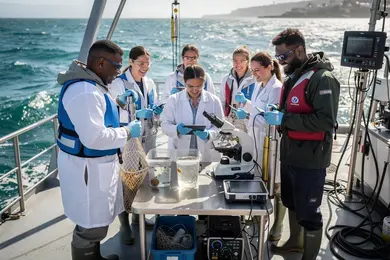
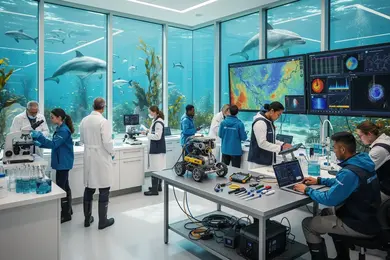
- Environmental Technician: These roles capitalize on field and laboratory skills gained during undergraduate studies. Many organizations hire graduates for monitoring and data collection tasks, making it a common first step for bachelor's degree holders.
- Fisheries Technician: Focused on sustainable fisheries, these positions involve assisting with stock assessments and data analysis. Agencies frequently fill these jobs with bachelor's graduates due to their practical skills and understanding of marine ecosystems.
- Marine Science Educator: Aquariums, museums, and public outreach programs often seek bachelor's degree holders to develop and deliver educational content. This role leverages communication abilities alongside a broad marine science background.
- Coastal Zone Manager Assistant: Supporting policy implementation and environmental assessments related to coastal development, this position is well-suited for those with a marine science bachelor's. It offers hands-on experience without requiring advanced degrees.
- Research Assistant: Universities and government agencies use bachelor's graduates to support ongoing marine research. These roles provide valuable practical experience and often serve as a gateway to further opportunities.
Each of these roles benefits from the wide-ranging marine science curriculum, which integrates biology, chemistry, geology, and environmental science. This combination makes graduates appealing to employers seeking candidates capable of addressing complex environmental challenges. For students exploring educational options, considering easy to get into nursing schools alongside marine science can be part of broader career planning strategies.
What Are the Highest-Paying Jobs for Marine Science Degree Graduates Without a Graduate Degree?
Many high-paying careers for marine science graduates are accessible without graduate school, especially in roles where employers prioritize hands-on experience and bachelor's-level education. According to the U.S. Bureau of Labor Statistics, environmental scientists and specialists, common among marine science graduates, earned a median annual wage of about $73,230 in 2022, highlighting strong earning potential. These opportunities typically combine specialized knowledge with workforce demand in environmental and coastal sectors.
Several such roles stand out for their salary prospects and job security:
- Marine Environmental Consultant: These professionals help businesses and government agencies comply with environmental regulations, preventing costly fines and delays. High demand and regulatory complexity drive competitive salaries without necessitating advanced degrees.
- Fisheries Biologist or Manager: Managing fish populations and supporting sustainable practices directly impacts economic outcomes for fisheries. This responsibility, combined with field and analytical expertise, results in well-paid positions typically open to bachelor's degree holders.
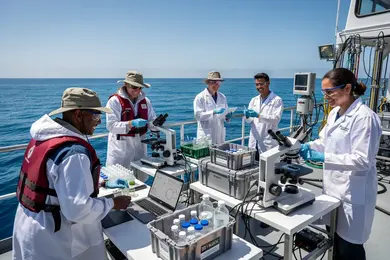
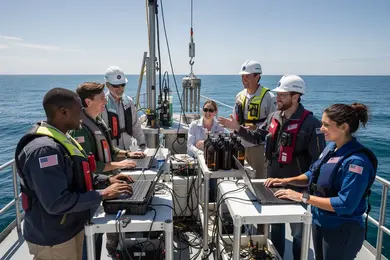
- Oceanographic Technician: Operating and maintaining scientific instruments for ocean research requires technical skill and precision, leading to salaried roles in research institutions and government agencies that value bachelor-level qualifications.
- Marine Conservation Officer: Protecting marine ecosystems and enforcing environmental laws ensures biodiversity and resource sustainability, often yielding stable funding and competitive compensation, particularly within government or nonprofit organizations.
- Environmental Health and Safety Specialist: Specialists focusing on marine environments play key roles in workplace and product safety compliance, providing broad organizational impact and resulting in higher salaries.
What Skills Do You Gain from a Marine Science Degree That Employers Value?
Marine science degree programs develop a range of transferable skills that employers highly appreciate, especially in jobs not requiring graduate education. A recent study by the National Association of Colleges and Employers found that 91% of employers emphasize soft skills and problem-solving abilities alongside technical knowledge when hiring bachelor's degree holders. These programs prepare students with versatile competencies valued across many fields.
Key transferable skills gained from a marine science degree include:
- Data Analysis: Students become proficient in gathering and interpreting complex environmental data, sharpening their attention to detail and analytical thinking. These abilities support effective decision-making in diverse sectors beyond science.
- Critical Thinking: Programs challenge students to evaluate complicated ecological issues and develop solutions, which cultivates adaptability and independent judgment sought after in entry-level roles.
- Technical Skills: Familiarity with mapping technologies and statistical tools gives graduates hands-on experience that reduces the need for additional training, boosting employability in various industries.
- Communication and Teamwork: Collaborative projects enhance students' ability to express complex ideas clearly and work efficiently with interdisciplinary teams.
- Project Management: Managing research and fieldwork tasks fosters organizational skills and accountability, preparing graduates to handle responsibilities and initiatives confidently.
A marine science degree graduate shared that their ability to analyze environmental data and communicate findings clearly was essential when transitioning to a government role where they managed ongoing field studies. They noted, "Applying these skills helped me quickly adapt to the fast-paced workplace and contribute meaningfully from day one."
Approximately 60% of Marine Science graduates secure entry-level roles within six months of finishing their bachelor's degrees, often without prior professional experience. Employers frequently create these early-career positions to accommodate new graduates, enabling a smooth transition into the workforce without requiring graduate school or extensive job history.
Entry-level opportunities accessible to recent graduates commonly include the following types of roles:
- Research Assistant: Designed for early-career candidates, these positions provide practical training in data collection and analysis, helping graduates gain foundational research experience without demanding previous employment in the field.
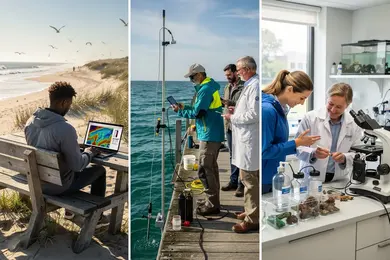
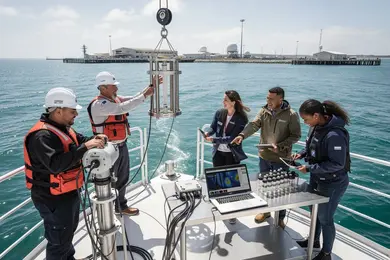
- Field Technician: Focused mainly on in-field data gathering and environmental monitoring, these jobs are open to graduates who possess relevant academic knowledge, often including tasks such as GIS mapping and report writing.
- Environmental Educator: Positions in conservation-focused organizations prioritize communication skills and basic marine science expertise over previous work experience, making them suitable for bachelor's degree holders passionate about marine awareness.
- Aquaculture Assistant: These roles support marine species cultivation and typically come with structured training programs, catering specifically to new graduates seeking entry-level marine science jobs without graduate degrees.
Graduates exploring these pathways will find valuable opportunities that build essential skills and professional networks to foster advancement in marine science careers without immediately pursuing advanced degrees. For those considering further education options, exploring online DNP FNP programs can offer flexible pathways aligned with healthcare and environmental interests.
Certifications and short courses provide marine science graduates with practical, specialized skills that boost employability without the need for graduate education. These credentials target essential job functions and increase competitiveness in the workforce. Recent data shows that over 60% of employers in marine and environmental fields prioritize applicants with relevant certifications or focused training.
The following credentials can support career advancement and readiness for marine science graduates:
- Commercial Diver Certification: This certification teaches underwater safety, equipment management, and operational techniques, opening opportunities in underwater research and maintenance positions where diving competency is crucial.
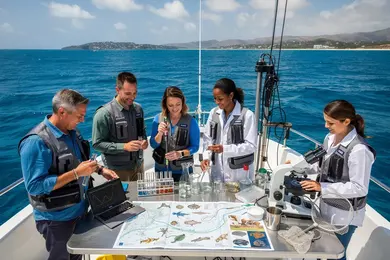
- Scientific Diver Certification: Focused on marine research diving, this credential equips candidates with skills to safely collect underwater data, making them valuable for ecological studies and environmental monitoring roles.
- GIS Certification: Offering expertise in spatial data mapping and analysis, this certification is sought after for managing and interpreting coastal and marine environmental information.
- Marine Wildlife Identification: Short courses in this area help develop expertise in recognizing species and ecosystems, which is vital for conservation work and regulatory compliance tasks.
- Boat Operation and Safety Training: This training ensures proficiency in vessel handling and maritime safety, essential for many fieldwork roles involving marine navigation.
A marine science professional shared that pursuing the Commercial Diver Certification significantly expanded their career options. Initially challenging because of the physical demands and technical skills involved, the training offered hands-on experience that classroom learning couldn't provide. They emphasized how this credential made them more confident in underwater assignments and helped secure hands-on positions that didn't require further academic degrees, illustrating the practical value of targeted certifications in career development.
Employment opportunities for marine science graduates without graduate degrees differ widely across industries. Certain sectors, driven by extensive hiring needs and operational demands, are notably receptive to candidates holding bachelor's degrees. In fact, around 40% of marine science bachelor's degree holders find roles in government, private, or non-profit organizations that prioritize practical skills over advanced degrees.
The following industries particularly welcome marine science graduates without requiring further education:
- Government Agencies: Public sector employers at federal, state, and local levels frequently recruit graduates for positions in environmental regulation, resource management, and monitoring, offering accessible entry points due to their broad staffing needs.
- Environmental Consulting: Consulting firms engaged in impact assessments and habitat restoration often seek bachelor's-level graduates to support diverse projects, valuing hands-on knowledge and adaptability.
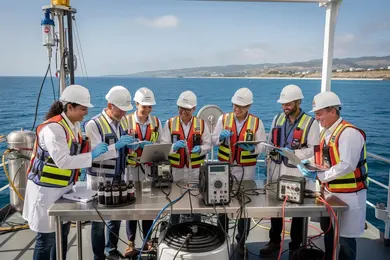
- Marine Technology Firms: Companies producing marine instruments and data tools hire graduates to assist with fieldwork and data processing, relying on interdisciplinary teams where advanced degrees are not always mandatory.
- Non-Profit Organizations: Conservation and advocacy groups recruit for program coordination and outreach roles, drawing on the mission-driven nature of their work and consistent hiring demands.
- Aquaculture and Fisheries: Commercial fishery and aquaculture sectors need staff for stock monitoring and operational roles, often prioritizing applied skills and bachelor's credentials over graduate schooling.
Non-traditional career structures offer marine science graduates more accessible pathways by lessening dependence on formal workplace settings and advanced degrees. Digital platforms and independent contracting have opened doors for those holding a bachelor's degree, allowing broader participation in the field beyond traditional research or fieldwork roles. In fact, about 37% of science-related workers now engage in remote or freelance positions, highlighting the shift toward flexible employment models.
Several types of freelance, remote, and project-based roles illustrate how these alternative formats support career entry for marine science graduates without graduate school:
- Distributed research support: Remote tasks like data analysis, ecological modeling, and satellite image processing enable professionals to contribute to global projects using digital tools, reducing location constraints.
- Digital content creation and science communication: Graduates can create blogs, educational podcasts, or online courses focused on marine biology and ocean conservation, building client networks without onsite commitments.
- Environmental consulting and technical writing: Independent consultants provide expertise on regulations and ecosystem management for specific projects, leveraging remote communication and contract work flexibility.
- Citizen science coordination: Managing volunteer engagement and data curation for citizen science platforms relies on remote collaboration, offering flexible roles outside traditional lab or office environments.
- Freelance GIS and remote sensing services: Specialists in geographic information systems support marine spatial planning and habitat mapping remotely, offering location-independent contract opportunities.
Graduates with a marine science degree can start building a career without pursuing graduate school by entering the workforce directly after earning their bachelor's degree. Early career momentum is often shaped by access to entry-level marine science jobs for bachelor's degree graduates that align with their skills and interests. Exposure to workplace environments such as environmental agencies or fisheries management helps graduates gain valuable experience, which is crucial for advancement. Recent employment data show that about 60% of marine science bachelor's graduates secure jobs in their field or related industries within a year without needing advanced degrees.
Long-term career development for those without graduate education usually depends on progressing within organizations through expanding responsibilities and evolving roles. Career growth can occur by taking on supervisory duties, project coordination, or public outreach, emphasizing continuous professional engagement over formal education. This pathway differs across government, non-profit, and private sectors, allowing graduates to adapt and advance based on merit and experience. Those interested in quick program completion might also explore opportunities like a 6 month LPN program online to complement their skills.
Skipping graduate school is a common pathway in marine science careers, enabling earlier entry into the workforce while affecting long-term professional options. About 60% of marine science bachelor's degree holders find employment within the first year without advanced degrees, though growth potential may vary by employer type. How this choice influences career trajectories depends on the intended role and organization.
Consider these key pros and cons of skipping graduate school in marine science:
- Early Workforce Entry: Starting work sooner allows bachelor's degree holders to gain practical experience and earn income earlier, which can be valuable for building skills and professional networks in entry-level marine science jobs without graduate degree requirements.
- Opportunity Costs: Avoiding graduate school means saving time and money spent on tuition and living expenses, allowing faster financial independence and lower educational debt.
- Long-Term Progression Limits: Some employers, especially government research agencies and academic labs, prefer graduate degree holders, which can restrict advancement opportunities for those without a master's or higher.
- Career Flexibility: Skipping graduate school lets individuals explore diverse marine science roles including field data collection, outreach, and technical support, which often do not require advanced degrees.
- Competitive Edge in Specialized Roles: Graduate education may be essential for technical jobs such as underwater sensor development, but for many typical positions bachelor's degrees suffice.
Understanding these factors can help marine science students decide if skipping graduate school aligns with their career goals. For those interested in balancing flexible options and job readiness, exploring online sonography programs offers an example of alternative specialized education paths complementing a bachelor's degree in related sciences.
Graduates with a bachelor's degree in marine science typically enter a varied job market where placement outcomes reflect a range of industry needs and workforce demands. Employment trends for bachelor's level marine science graduates show starting salaries often fall between $35,000 and $55,000, influenced by factors such as geographic location and employer type. While some specialized roles present competitive entry barriers, many available positions are accessible and provide stable opportunities in fields like environmental consulting and government agencies. The broader employment landscape is shaped by an evolving market that values diverse skill sets beyond traditional marine science qualifications.
Job placement outcomes in marine science are not uniform and depend heavily on overarching labor market dynamics and sector-specific conditions. Industry demand and job placement for marine science degree holders vary across roles including regulatory support, aquaculture, and interdisciplinary areas like data analysis or policy. These sectors differ in compensation and accessibility, highlighting how career prospects align with broader economic and organizational trends. For a streamlined path to employment, some may consider programs like the fastest RN to BSN program online, which exemplifies focused study options tied to specific workforce needs.
What Graduates Say About Marine Science Careers Even Without Pursuing Graduate School
- Pierce: "Graduating with a marine science degree gave me a distinct edge when stepping into roles that demanded both technical knowledge and adaptability. I was able to apply real-world skills I gained through labs and fieldwork directly to environmental consulting jobs. Looking back, the hands-on experience was invaluable in building my confidence and making me a competitive candidate without needing to go to graduate school."
- Aryan: "My journey after earning a marine science degree was surprisingly smooth. Employers appreciated my broad understanding of ocean ecosystems and data analysis, which helped me secure a position at a coastal management firm straight out of college. While I sometimes considered advanced studies, the practical skills and scientific mindset I developed were more than enough to launch a fulfilling career."
- Jonathan: "Entering the workforce with a marine science degree, I quickly realized how much employers value applied knowledge and problem-solving skills. The degree prepared me to navigate environmental policies and engage in sustainable practices, which has been critical in my current role with a marine technology company. I often reflect on how the degree's interdisciplinary approach shaped my professional mindset without the need for further academic credentials."
Other Things You Should Know About Marine Science Degrees
Gaining hands-on field experience, such as internships or volunteering in labs, is beneficial for aspiring marine science professionals. It enhances practical skills and networking opportunities, helping graduates secure roles as lab technicians, research assistants, or in coastal conservation without needing a graduate degree.
Absolutely. Graduates with a bachelor's degree in marine science often work as research assistants or technicians on active projects. While they typically support data collection, equipment maintenance, or sample processing, these roles contribute meaningfully to scientific research without requiring independent project leadership, which usually demands graduate-level qualifications.
Certifications in SCUBA, small boat handling, GIS, and OSHA 10 or 30 can strengthen a marine science résumé. Employers also value AAUS scientific diving certification for field roles and CPR/first aid training. These credentials support jobs in monitoring, aquaculture, and marine field operations.
Yes, career growth is possible through experience, professional development, and networking. Some marine science professionals advance into supervisory or management roles within environmental agencies, aquariums, or nonprofit organizations without graduate degrees. However, certain specialized or leadership positions may eventually require additional education or certifications for further advancement.
- How Do You Become a Marine Scientist? - Green Jobs for Nature https://greenjobsfornature.org/news-blog/how-do-you-become-a-marine-scientist/
- 10 careers you can have with a Marine Science degree - SAMS UHI Student Blog https://blog.sams.ac.uk/10-careers-you-can-have-with-a-marine-science-degree/
- Top 10 Marine Biologist Certifications | ResumeCat https://resumecat.com/blog/marine-biologist-certifications
- Breaking into Marine Conservation: Career Advice From a Marine Biologist (With or Without a Degree) | Conservation Careers https://www.conservation-careers.com/interviews/breaking-into-marine-conservation-career-advice-from-a-marine-biologist-with-or-without-a-degree/
- Study Marine Science - Experience, Job Opportunities, Salary + Survey https://jobtensor.com/uk/Studies/Marine-Science
- 7 Classes That All Aspiring Marine Biologists Should Take https://www.seamester.com/blog/7-high-school-classes-that-all-aspiring-marine-biologists-should-take/
- Career Outlook https://www.marinecareers.net/resources/career-outlook
- Artwork of a gum leaf symbolising ‘welcome’ and acknowledging diverse countries, environments, communities, cultures, beliefs, and history. https://www.seek.com.au/entry-level-marine-science-jobs
- Top 15 Highest Paying Marine Biology Jobs in 2025 (UK & US Salaries Guide) https://apexlearning.org.uk/highest-paying-marine-biology-jobs-2026/
- Finding the right career in marine science https://www.marine.ie/site-area/news-events/news/finding-right-career-marine-science