2027 Most Recession-Resistant Careers You Can Pursue With a Marine Science Degree

Co-Founder and Chief Data Scientist
Graduates with a marine science degree often face uncertainty during economic downturns, as funding for research and conservation can shrink. Yet, some sectors remain surprisingly stable—fisheries management, environmental consulting, and regulatory compliance continue growing despite recessions.
According to recent data, environmental jobs tied to marine science have seen a 12% increase during economic slumps, driven by stricter regulations and climate resilience efforts.
To stay competitive, candidates must develop interdisciplinary skills—particularly in data analytics and policy interpretation—beyond core marine science knowledge. This article explores recession-resistant careers tailored to marine science graduates and strategies to thrive in a volatile job market.
Key Points About Recession-Resistant Marine Science Careers
- Marine science graduates often secure roles in environmental consulting—an industry growing 12% faster than average due to regulatory demands, ensuring steady job prospects regardless of economic downturns.
- Positions in marine resource management remain resilient, as governments prioritize sustainable fisheries, creating ongoing demand for scientifically trained professionals.
- Careers in marine technology development offer stability, with innovation in ocean monitoring systems expanding despite recessions, driven by global climate change adaptation efforts.
What is the employment outlook for graduates of Marine Science?
The hiring landscape for graduates with a marine science degree is promising, with job demand growing faster than average. Labor projections indicate an 8% increase in roles related to marine biology, environmental consulting, and oceanography over the next decade, reflecting steady opportunities for qualified professionals.
Here are key reasons contributing to the strong job prospects for marine science graduates in the United States:
- Environmental Monitoring: Continuous observation of oceans and coastal ecosystems requires skilled scientists to track changes, impacting climate studies and habitat conservation efforts.
- Regulatory Requirements: Increasing laws aimed at protecting marine environments drive demand for experts who can ensure compliance and sustainable practices across industries.
- Sustainable Seafood and Aquaculture: Growing markets for eco-friendly seafood solutions create new career paths supporting food security and responsible resource management.
- Lower Unemployment: Marine science professionals experience unemployment rates below the national average, underscoring the field's recession-resistant nature across public and private sectors.
Skills in data analysis, ecological modeling, and marine technology enhance versatility in careers spanning research institutions, nonprofit organizations, and government agencies.
For students interested in sustainability and science, a marine science degree opens doors to recession-resistant careers aligned with evolving environmental and industry demands. Those seeking the fastest online DNP programs also benefit from dynamic fields that prioritize long-term job stability and impact.
What are the most recession-resistant careers for Marine Science degree graduates?
Certain marine science roles and related fields remain naturally insulated from economic fluctuations because they serve essential functions or adhere to strict government regulations.
This stability is reflected in a labor market analysis that shows employment in environmental and marine science careers declines only 3% during recessions-significantly less than the 8% average drop seen in other scientific fields.
Below are some top marine science careers resilient to economic downturns:
- Marine Environmental Consultant: These professionals evaluate environmental impacts and ensure compliance with laws regulating coastal and marine development projects. Their expertise remains in demand because many infrastructure initiatives legally require environmental assessments regardless of economic conditions.
- Fisheries Biologist: Fisheries biologists focus on sustaining fish populations crucial for food security and commercial fishing industries. Regulatory agencies prioritize these roles to prevent overfishing and protect vital economic resources, which helps maintain job security even in downturns.
- Marine Policy Analyst: Advising governments and organizations on marine resource management and climate adaptation, these analysts contribute to sustainable development goals. Their role is viewed as a critical investment, typically shielded from budget cuts amid fiscal tightening.
- Coastal and Marine Resource Manager: Responsible for protecting coastal zones and promoting sustainable use, these managers play a key role in disaster mitigation and biodiversity preservation. Governments and NGOs consider these priorities essential, preserving these jobs despite recessions.
- Marine Research Scientist: Scientists focused on ocean health and climate change provide data that influences key policy decisions. Funding bodies tend to protect research related to national security, environmental policy, or public health, reducing the risk of layoffs.
For those exploring further education options that complement marine science degrees and aim for economic resilience, programs like the accelerated healthcare administration degree online can broaden career pathways in adjacent fields with strong job security.
In which industries can Marine Science degree holders find work?
Graduates with a marine science degree have versatile skills that extend beyond traditional marine roles, allowing them to thrive in various sectors even during economic downturns. Research from the National Oceanic and Atmospheric Administration reports a 12% rise in marine science research funding, underscoring sustained investment.
Below are key industries where marine science expertise supports resilient careers:
- Environmental Consulting: Professionals assess how human activities affect marine ecosystems and develop strategies to minimize damage. Roles such as environmental analysts and coastal zone managers remain in demand due to persistent environmental regulations.
- Government Agencies: Federal and state institutions employ marine scientists to manage natural resources and enforce conservation policies. Positions like fisheries managers and research specialists benefit from relatively stable government funding.
- Renewable Energy: The shift toward green energy has increased opportunities in offshore wind and tidal power projects. Marine scientists contribute by conducting environmental impact assessments and resource evaluations, with jobs including project managers and oceanographic technicians.
- Healthcare and Biotechnology: The quest for new marine-derived pharmaceuticals sustains roles in research and development. This specialized field attracts both public and private investment, supporting ongoing innovation despite market fluctuations.
- Education and Research Institutions: Academic careers and scientific research offer consistent employment thanks to grants and funding dedicated to marine-related studies, building knowledge even amid economic challenges.
Speaking with a professional who graduated from an online marine science bachelor's program revealed how navigating the early career landscape requires patience and adaptability.
He shared, "Finding positions that perfectly matched my degree felt daunting at first. I had to apply to a variety of roles and sometimes take on internships to gain relevant experience."
He also noted how constantly updating his knowledge through workshops and networking helped him uncover opportunities in less obvious fields like environmental policy. This persistence, he explained, was key to transforming a broad marine science education into a focused and resilient career path.
Marine science jobs in the public sector-such as positions within government agencies, academia, and nonprofit organizations-generally offer stronger job stability. This is due to steady funding from taxes and grants, which remain more reliable during economic slowdowns.
Fields like government-run environmental monitoring often maintain steady demand because regulatory and conservation requirements continue irrespective of market shifts.
On the other hand, marine science roles in the private sector—including corporate research, environmental consulting, and startups-tend to be more sensitive to economic fluctuations. These jobs rely heavily on client budgets and investor priorities, which can tighten in recessions, leading to less predictable employment.
However, private sector roles frequently provide faster career advancement, driven by innovation and competition, and often deliver higher earning potential.
Choosing between these sectors depends largely on a graduate's tolerance for risk and career priorities. Public sector roles are appealing for those valuing job security, consistent career paths, and benefits like union protections and pensions.
Alternatively, those who prioritize rapid growth and performance-based rewards may lean toward the private sector despite its volatility. Research shows about 65% of marine science graduates in government jobs retain their positions during economic downturns versus roughly 40% in private firms, highlighting key differences in resilience.
Geographic location greatly influences job stability for marine science graduates, as some areas serve as key industry centers. The following states offer particularly strong opportunities for those seeking recession-resistant careers in this field.
- California: With its expansive coastline, California hosts numerous research institutions, aquaculture ventures, and environmental monitoring programs. The state's significant funding for marine conservation and climate resilience drives steady demand, supported by a location quotient well above the national average.
- Florida: Florida's economy, bolstered by tourism, commercial fishing, and coral reef restoration, fuels ongoing employment for marine science professionals. Its extensive marine parks and the Everglades require consistent ecological management, enhanced by a growing coastal population that reinforces long-term job prospects.
- Washington: Washington's thriving maritime sector-including shipping, commercial fisheries, and marine technology-creates a reliable market for marine scientists. Key research centers around Puget Sound focus on environmental impacts and sustainable seafood, ensuring durable career opportunities in ocean health and fisheries management.
These states combine economic strength with environmental priorities, making them ideal for marine science graduates looking for resilient employment. National trends also show a robust growth rate in oceanographic and marine biotechnology roles, expanding the range of viable career paths beyond traditional jobs.
Post-graduate credentials and continuing education provide a crucial layoff shield by validating specialized, high-demand expertise in marine science careers. Studies show that roles requiring technical certifications have a 15% lower unemployment rate during recessions than those without such credentials.
Here are some top certifications that enhance stability and career prospects:
- Certified Fisheries Professional (CFP): This certification demonstrates expertise in sustainable fisheries management, a prioritized area as governments and organizations focus on resource conservation. CFP holders often secure stable positions in government agencies, NGOs, and consulting firms where budget reductions are less frequent due to regulatory mandates.
- Remote Sensing and GIS Certification: Essential for marine ecologists and oceanographers, this credential covers geographic information systems and remote sensing technologies used in habitat mapping and climate change monitoring. Skills in geospatial data analysis are critical for environmental compliance, helping holders obtain roles in environmental consulting and research institutions with steady funding.
- Certified Aquatic Scientist (CAS): Focused on water quality analysis and aquatic toxicology, CAS is vital for professionals working in municipal water authorities or environmental protection agencies. These sectors are less vulnerable to cuts, and CAS-certified individuals benefit from recognized competencies that support job retention and advancement.
- Commercial Diving Certification: Particularly valuable for underwater research, inspection, or restoration projects, this advanced certification enables marine scientists to take on specialized and high-demand roles in marine operations that rely on human capability over automation.
For those pursuing a marine science degree with a focus on career resilience, exploring best MHA online programs and related certifications can further enhance employability in adjacent industries.
These certifications to make marine science careers recession-proof remain some of the top certifications for marine science professionals in the United States seeking to secure lasting career opportunities despite economic downturns.
Regularly enhancing skills can make marine science professionals less vulnerable to job cuts during economic slowdowns. Below are five essential competencies that marine science graduates can develop to improve their employability and secure recession-resistant roles:
- Data Analysis and Statistical Modeling: Mastery of tools like R, Python, or MATLAB enables handling complex datasets on ocean conditions and biodiversity. These abilities are crucial for careers in environmental research, consulting, and policy evaluation.
- Geographic Information Systems (GIS): Expertise in GIS supports habitat mapping, marine species tracking, and coastal resource management. This technical skill is increasingly sought after by agencies involved in environmental planning and conservation.
- Environmental Policy and Regulation: Understanding marine protection laws at various governance levels helps graduates guide compliance efforts and promote sustainability. Such knowledge is valuable for jobs in regulatory organizations, NGOs, and natural resource oversight.
- Communication and Stakeholder Engagement: The skill to translate scientific data into clear messages for policymakers, industry leaders, or the public enhances impact and funding prospects. Effective writing and presentation skills expand opportunities beyond traditional research roles.
- Marine Technology and Instrumentation: Practical experience with underwater drones, remote sensors, and monitoring equipment increases relevance in innovative marine technology sectors and applied research.
Focusing on acquiring essential certifications for marine science careers combined with interdisciplinary expertise strengthens job security in a competitive market.
For those considering broader healthcare fields with flexible options, exploring accelerated LPN programs can provide additional career resilience and alternative pathways.
School prestige can significantly influence job security for marine science graduates, especially in a competitive market. Employers often recognize degrees from well-known institutions as indicators of rigorous training and reliable knowledge, which can lead to more stable and higher-paying positions.
Graduates from prestigious programs may find it easier to stand out during the hiring process due to their institution's reputation.
Attending the right school also offers valuable networking advantages. Many top marine science programs maintain close connections with research centers, government agencies, and industry leaders, providing students with internships and job placements not widely accessible elsewhere.
These networks can open doors to exclusive opportunities and collaborations, boosting graduates' career trajectories early on.
Nonetheless, graduates from any accredited marine science program remain competitive by demonstrating proven performance through internships, research, and relevant experience.
Consistent skill development and professional accomplishments can offset the lack of institutional prestige, allowing candidates to secure recession-resistant careers in marine science and related fields.
Proactively aligning academic experiences with the shifting demands of the marine science field is vital for enhancing employability and achieving greater job security. Building relevant skills and networks early prepares students for competitive roles in this evolving industry.
Consider these effective strategies to boost career readiness:
- Hands-On Experience: Pursue internships or volunteer work with governmental bodies, non-profits, or commercial entities focused on marine ecosystems. These opportunities develop practical skills and familiarize students with the tools and technologies currently used in the field.
- Research Engagement: Participate in capstone or independent projects that involve real data collection and analysis to deepen technical expertise and demonstrate problem-solving abilities.
- Technical Proficiency: Gain competency in software such as GIS, remote sensing, and statistical packages, which are increasingly essential for marine resource management and environmental assessments.
- Networking Opportunities: Join professional societies and attend scientific conferences or workshops to access industry insights and establish connections that might lead to job prospects.
- Communication Skills: Develop the ability to convey complex scientific concepts clearly through presentations and writing-skills increasingly valued by employers for stakeholder engagement and outreach.
When asked how to meet current job market needs, a professional with an online marine science bachelor's shared his experience navigating the transition from student to practitioner. He emphasized the challenge of balancing coursework with unpaid internships that provided real-world exposure.
"It was overwhelming at times, but those hands-on roles were crucial for building confidence," he said. He also noted the value of creating a niche by combining marine science knowledge with public policy interests, which helped him stand out.
"Networking felt intimidating initially, but every conversation opened doors I hadn't expected," he reflected, highlighting the importance of persistence and adaptability in pursuing a sustainable marine science career.
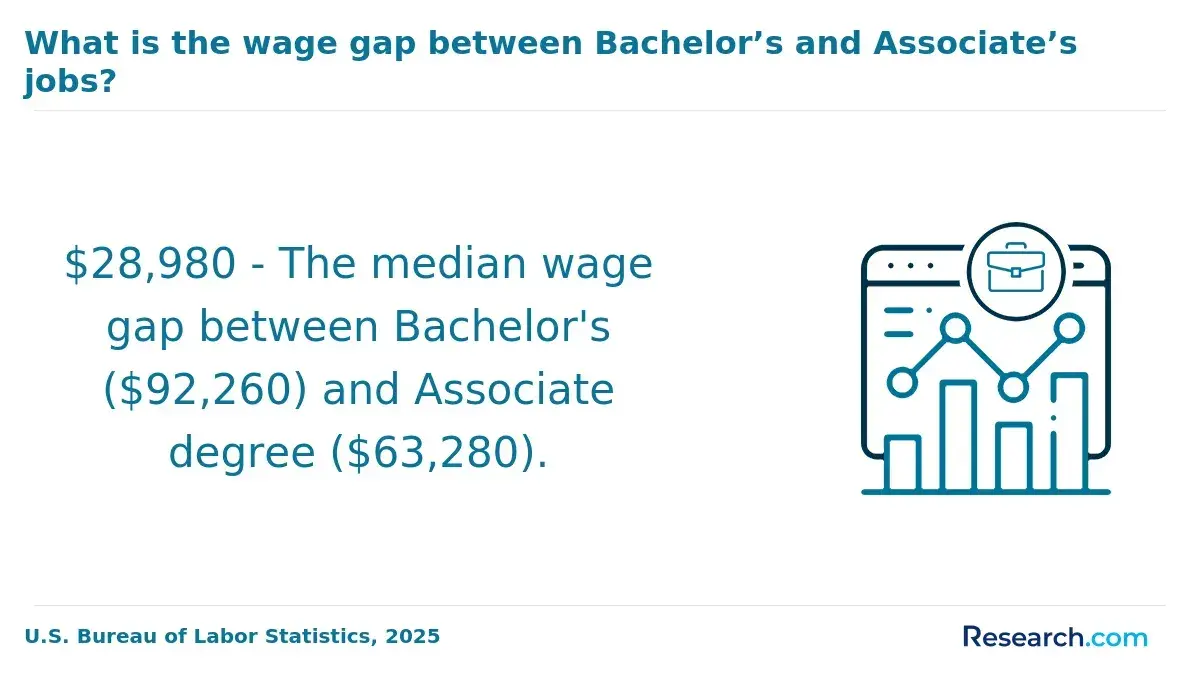
Careers in marine science with recession-resistant traits typically offer an average annual salary near $70,000, aligning with the national average for science-related fields.
Positions tied to environmental consulting, governmental research, and marine resource management often exceed $90,000, reflecting the increased demand for expertise in sustainable resource use and regulatory compliance during economic downturns.
The average pay for marine science jobs during economic downturns tends to remain stable compared to many other sectors.
Marine science careers with a focus on regulatory and environmental roles generally offer lucrative income, while other positions—such as academic research or entry-level fieldwork—may offer lower salaries but still provide steady employment.
Income fluctuations can also depend heavily on industry, company size, and geographic location. Furthermore, professionals earning specialized certifications like marine GIS mapping or advanced underwater robotics often receive bonuses or premium pay, enhancing the overall financial resilience of their careers over time.
The financial outlook improves further considering a 3.5% projected annual wage growth for marine science professionals, surpassing the national average of 3.0%.
Recent surveys reveal that 68% of marine science graduates in recession-resistant roles report stable or rising wages despite broader economic pressures.
Students interested in expanding their career and income potential may also explore advanced programs such as RN to nurse practitioner programs, which provide additional pathways in related health and science fields.
What Graduates Say About Their Career After Getting a Degree in Marine Science
- Pierce: "Pursuing a marine science degree was driven by my passion for ocean conservation and the hope of making a tangible difference in environmental policy. The program's combination of rigorous coursework and hands-on research gave me not only the scientific knowledge but also critical analytical skills. This foundation proved essential in landing a stable role with a government agency where environmental regulations remain a priority regardless of economic downturns."
- Spencer: "Reflecting on my journey, choosing marine science was a strategic decision influenced by the growing emphasis on sustainable resource management. The degree sharpened my problem-solving abilities and exposed me to interdisciplinary collaboration, which are highly valued in my current job in aquaculture technology. I feel fortunate that the specialized training I received has protected me from the volatility many face in other sectors."
- Jackie: "My interest in marine science stemmed from childhood fascination with marine ecosystems, but it was the comprehensive field experience during my studies that truly set me apart professionally. The degree equipped me with practical skills and a deep understanding of marine biology that employers recognize as crucial for positions in research institutes and environmental consulting firms. This expertise has certainly contributed to the resilience of my career path during economic shifts."
Other Things You Should Know About Marine Science Degrees
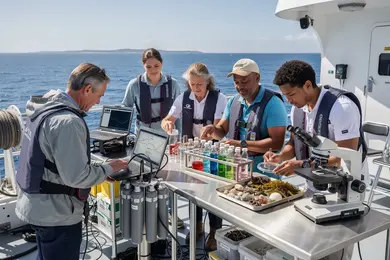
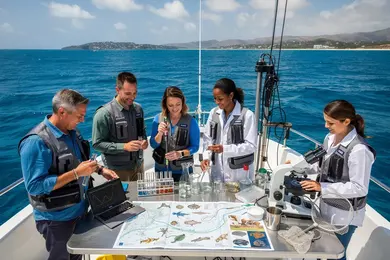
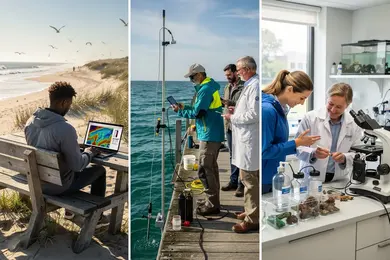
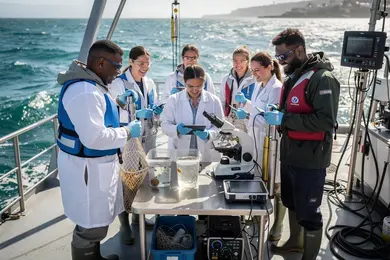
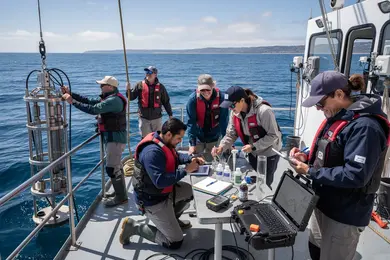
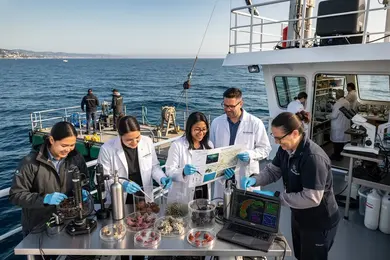
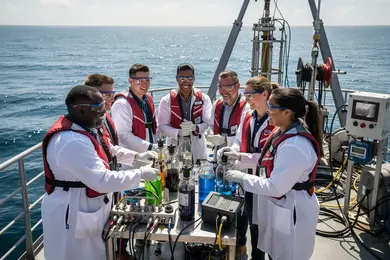
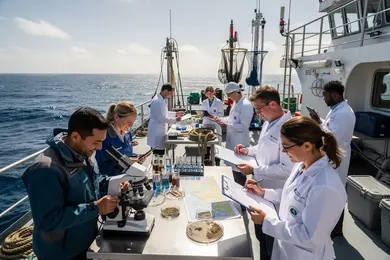
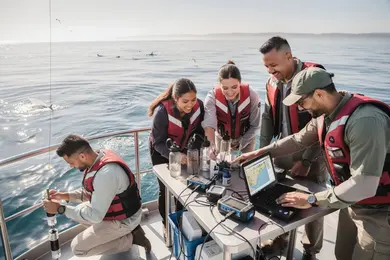
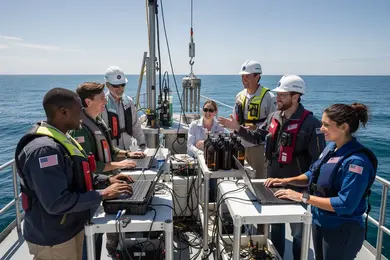
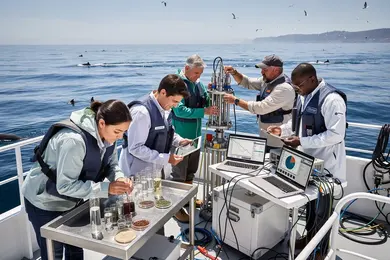
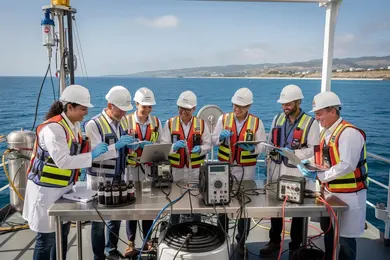
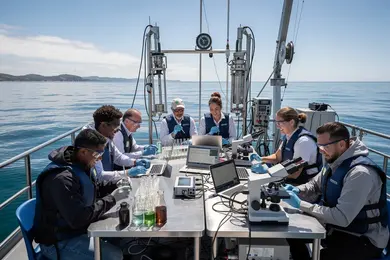
Recession-resistant careers in marine science often involve diverse work settings, including field research sites, laboratories, government agencies, and consulting firms. Professionals may work on oceanographic vessels, coastal monitoring stations, or in offices conducting data analysis. Many roles require adaptability to both outdoor and indoor environments depending on the project or position.
Federal ocean jobs often require position-specific certifications, plus U.S. citizenship and a background investigation. For NOAA and EPA-related roles, candidates may need boating safety, SCUBA, GIS, or OSHA training, and some marine technician posts require specialized field or lab credentials.
Nonprofit organizations focused on marine conservation, education, and research often provide stable career options within marine science. These groups rely on grants and donations but usually retain support due to public interest in environmental protection. Working in nonprofits can offer consistent funding for specific projects, making these careers more resistant to recessions.
- The best recession-proof jobs https://www.getrichslowly.org/the-best-recession-proof-jobs/
- A rising voice for the ocean: exploring the role of an ocean economist with Kaija Barisa | Conservation Careers https://www.conservation-careers.com/interviews/a-rising-voice-for-the-ocean/
- 10 Jobs You Can Get With a Marine Biology Degree https://www.seamester.com/blog/10-jobs-you-can-get-with-a-marine-biology-degree/
- Here’s what I teach my students about finding jobs in marine biology and conservation https://www.southernfriedscience.com/heres-what-i-teach-my-students-about-finding-jobs-in-marine-biology-and-conservation/
- Recession-Proof Careers: Jobs Designed to Withstand an Economic Downfall https://uafs.edu/news/2025/uafs-degrees-that-lead-to-recession-proof-careers.php
- Top 15 Highest Paying Marine Biology Jobs in 2025 (UK & US Salaries Guide) https://apexlearning.org.uk/highest-paying-marine-biology-jobs-2026/
- Salary expectations in Marine Sciences https://www.blue-jobs.com/blog/salary-expectations-in-marine-sciences/
- Recession-Proof Careers: Roles That Stay in Demand - ARM https://www.arm.co.uk/blog/recession-proof-careers-roles-that-stay-in-demand-no-matter-what/