2027 Best Career Pivot Options for People With a Marine Science Degree

Co-Founder and Chief Data Scientist
Graduates with a marine science degree often face uncertainty when their initial career goals shift or market demands evolve—transitioning to new roles can seem daunting without clear direction.
Research shows that 68% of science graduates successfully pivot by leveraging transferable skills like data analysis, project management, and environmental expertise in high-growth sectors such as renewable energy and environmental consulting.
Entry-level positions in these fields remain accessible with the right credentials, networking strategies, and resume reframing targeted at employers beyond traditional marine roles. This article outlines a strategic roadmap to navigate career pivots effectively, maximizing long-term outcomes for marine science degree holders.
Key Things to Know About the Best Career Pivot Options for People With a Marine Science Degree
- Marine Science graduates excel in data analysis and environmental monitoring-skills applicable to sustainability consulting and environmental policy, sectors growing at 8% annually.
- Entry-level roles in GIS tech, oceanography support, and regulatory compliance offer accessible pivots requiring minimal retraining but strategic credential upgrades accelerate advancement.
- Networking through professional societies and targeted resume reframing to emphasize interdisciplinary skills significantly increases visibility for diverse roles-from government to private sector.
What Career Pivot Options Are Available to People With a Marine Science Degree?
Career pivoting has become a widely accepted and strategic practice in today's evolving job market-no longer a sign of uncertainty, but a proactive path to growth. The Bureau of Labor Statistics (BLS) reveals that the average worker changes jobs multiple times, underscoring the value of transferable skills.
Research from the National Association of Colleges and Employers (NACE) highlights that graduates with interdisciplinary degrees, such as marine science, possess versatile knowledge bases that ease transitions between fields.
Additionally, LinkedIn Workforce Insights show that science graduates frequently move into sectors prioritizing analytical thinking and problem-solving, qualities ingrained in marine science education.
For those exploring entry-level career paths for marine science graduates seeking a professional pivot, several key directions stand out, each grounded in practical competencies and market demands:
- Environmental Consulting: Utilizing research expertise and ecological knowledge, graduates play critical roles in sustainability initiatives, environmental impact assessments, and compliance for various clients.
- Data Analysis and Technology: Handling complex datasets during marine science training naturally leads to opportunities in data science, GIS, or managing technical projects within environmental tech.
- Education and Science Communication: With strong subject matter expertise, many graduates transition to teaching or developing educational content, meeting growing needs for effective public science communication.
- Policy and Regulatory Affairs: Knowledge of environmental laws enables roles in government or advisory capacities that influence marine and environmental legislation.
- Marine and Coastal Resource Management: Applying conservation and sustainability knowledge, professionals work within natural resource management to support community and industry needs.
This breadth confirms that a marine science degree offers flexibility far beyond traditional research roles.
The subsequent sections will explore transferable competencies, credentialing strategies—including opportunities such as a pharmacy degree online that some graduates might consider for further specialization—networking techniques, and resume reshaping to empower deliberate, informed career pivots.
Which Industries Outside the Traditional Marine Science Field Hire Marine Science Degree Holders?
Graduates holding a marine science degree find career opportunities beyond traditional marine roles by targeting industries that value their specialized knowledge and analytical skills.
Employment data and labor market analytics highlight several high-demand industries hiring marine science graduates, ranked by hiring volume and the relevance of the degree.
- Environmental Consulting: Firms in this industry often seek marine science graduates to perform aquatic impact assessments, regulatory compliance, and restoration projects. The degree is a recognized pipeline here, as clients demand scientific expertise for environmental permitting and sustainability efforts.
- Government and Public Policy: Federal and state agencies hire marine science professionals for resource management, enforcement, and policy development roles. While some jobs require direct marine science knowledge, many prioritize graduates' analytical and research abilities, requiring candidates to translate their credentials into public service skills.
- Energy and Natural Resources: This sector, including offshore oil, gas, and renewable energy like offshore wind, engages marine science graduates for environmental monitoring, spatial planning, and safety management. The degree provides a solid foundation, although practical certifications enhance employability.
- Education and Science Communication: Museums, aquariums, and nonprofits employ graduates for outreach and education roles that demand translating complex scientific concepts for diverse audiences. The degree is highly valued but often supplemented by communication training.
- Technology and Data Analytics: Companies specializing in marine tech, remote sensing, and geospatial analytics recruit graduates for data management, software support, and field operations. Additional technical expertise improves candidates' competitiveness in this niche.
- Commercial Fisheries and Aquaculture: This industry relies on marine science graduates for sustainable harvesting practices, stock assessments, and aquaculture management. Employers appreciate the applied biology and ecosystem knowledge marine science provides.
- Insurance and Risk Management: Though less traditional, roles in marine-related risk assessment-such as environmental liability and climate hazards—seek marine scientists who can interpret scientific data in a financial context. The degree is respected when paired with business or risk management skills.
Pivoting to a new industry while staying within familiar functions—such as research, operations, or communication—typically requires fewer additional credentials than moving into new functional roles.
Using informational interviews with marine science degree holders employed across these sectors can help identify transferable skills, employer targets, and tailor resumes effectively. This strategy offers actionable guidance to convert broad insights into personalized career plans.
Those evaluating marine science degree career opportunities outside traditional fields will find expanding into adjacent industries a practical way to maximize their degree's value.
For career changers exploring whether their marine science background provides sufficient foundation for a pivot, targeted credential strategies and networking—often alongside supplementary training-are essential for success. Prospective students should also consider the flexibility a marine science degree offers across growing sectors.
For those interested in healthcare career pivots or parallel advancement, investigating best DNP programs online may provide alternative high-value options that complement a scientific background.
What Transferable Skills Does a Marine Science Degree Provide for Career Changers?
Individuals should inventory their transferable competencies by mapping academic, internship, and research experiences to these areas-detailing specific tasks and outcomes improves clarity. For instance, describing a field study can highlight problem-solving and communication skills simultaneously.
Mastering how to articulate these abilities is an ongoing process; subsequent advice on resume customization and networking will help align marine science expertise with employer expectations in new domains.
- Data Analysis: Coursework in marine science strengthens the ability to manage and interpret complex datasets using statistical tools. This skill supports roles in market research and environmental consulting, where making data-driven decisions is critical.
- Research Skills: Training in experimental design and field studies hones evidence-based inquiry and critical thinking. These capabilities are vital in user experience research and policy evaluation, aiding professionals in assessing behavioral patterns or legislative outcomes.
- Technical Proficiency: Hands-on work with laboratory instruments, GIS, and remote sensing cultivates technical literacy useful in geospatial technology, urban planning, and natural resource management sectors.
- Problem-Solving: Tackling environmental challenges fosters innovative thinking, a highly sought-after asset in consulting and project management environments where complex obstacle resolution is routine.
- Communication Skills: Crafting scientific reports and delivering presentations develop concise written and verbal communication abilities. These are transferable to education, science communication, and corporate training roles requiring the translation of complex concepts for diverse audiences.
- Collaboration: Collaborative fieldwork and interdisciplinary projects build teamwork skills applicable across corporate, nonprofit, and government settings emphasizing cooperative problem solving.
- Attention to Detail: Rigorous precision in data collection and analysis readies graduates for careers in quality assurance, regulatory compliance, and auditing sectors demanding meticulous accuracy.
- Project Management: Coordinating research initiatives sharpens organizational, planning, and time-management skills essential in logistics, event coordination, and grant administration.
A professional who completed a marine science degree shared that shifting careers initially felt daunting because "people assume you only know ocean stuff." He stressed that actively reflecting on each project task to extract relevant skills helped him bridge conversations with hiring managers outside his original field.
"Turning my research presentations into stories about teamwork and adaptability was a game changer," he recalled, highlighting how translating scientific experiences into widely valued competencies made his pivot smoother and more convincing.
Employers generally see a Marine Science degree as training in structured problem-solving under uncertainty. In hiring, they tend to focus on whether candidates can take research habits built around fieldwork and environmental systems and apply them in unfamiliar contexts—turning complex observations into usable insights.
- Degree Evaluation: Employers assessing marine science degrees filter candidates based on degree level and the reputation of the granting institution, with larger organizations often emphasizing GPA and school prestige to manage high application volumes.
- Credential Translation: Since marine science expertise might be unfamiliar to some hiring managers, especially outside related sectors, graduates must actively facilitate understanding of their qualifications.
- Implicit Bias: Some recruiters may unintentionally discount marine science credentials when hiring for roles traditionally linked to other academic backgrounds.
- Employer Prioritization: Targeting organizations known for embracing diverse educational paths-identifiable through LinkedIn alumni data, employee narratives, and recruitment campaigns-can help marine science degree holders build early experience in cross-disciplinary roles.
For additional insights into flexible education options supporting career pivots, consider exploring accredited online college no application fee programs that facilitate continued skill development and credential enhancement.
Graduates with a marine science degree frequently pivot into diverse entry-level roles across functional areas-leveraging their core skills in data analysis, environmental insight, and technical proficiency to progress faster than typical peers.
Advancement from these roles to mid-career often takes just 3 to 5 years, demonstrating the value of their background in accelerating growth.
- Operations: Roles such as environmental operations assistants or field technicians involve coordinating monitoring activities, maintaining equipment, and managing data collection logistics. Key skills include basic project management, troubleshooting, and regulatory understanding.
- Communications: Entry points like science communicators or outreach coordinators focus on translating complex marine concepts for public and stakeholder audiences. Core competencies cover writing, event planning, and social media.
- Data Analysis: Positions including junior data analysts or GIS technicians emphasize data cleaning, mapping, and model support. Essential skills include statistics, spreadsheet proficiency, and GIS. Reports usually go to data scientists, with marine science education providing strong quantitative and environmental data foundations.
- Policy: Policy assistants contribute to legislation support and program evaluation through research, brief drafting, and stakeholder coordination. Critical thinking, regulatory knowledge, and clear communication are vital.
- Sales: Technical sales representatives in environmental technology draw upon subject matter expertise to handle client support, product demos, and market analysis. Communication and negotiation skills are key, reporting to sales managers.
- Product: Junior product specialists or coordinators support oceanographic instruments or software by providing user assistance, training, and feature testing. Technical aptitude, problem-solving, and customer service are important.
A professional who established her career after graduating from the marine science degree described her journey as initially daunting-"It felt like I was starting from scratch"-but she soon realized that her scientific background gave her a distinct advantage in navigating technical roles.
She emphasized how patience and strategic role selection helped her identify positions where she could apply her skills meaningfully. "I learned that choosing a pivot aligned with my competencies and long-term goals made all the difference, turning what seemed like a setback into a growth opportunity."
This perspective underscores how deliberate role targeting can transform transition challenges into career momentum.
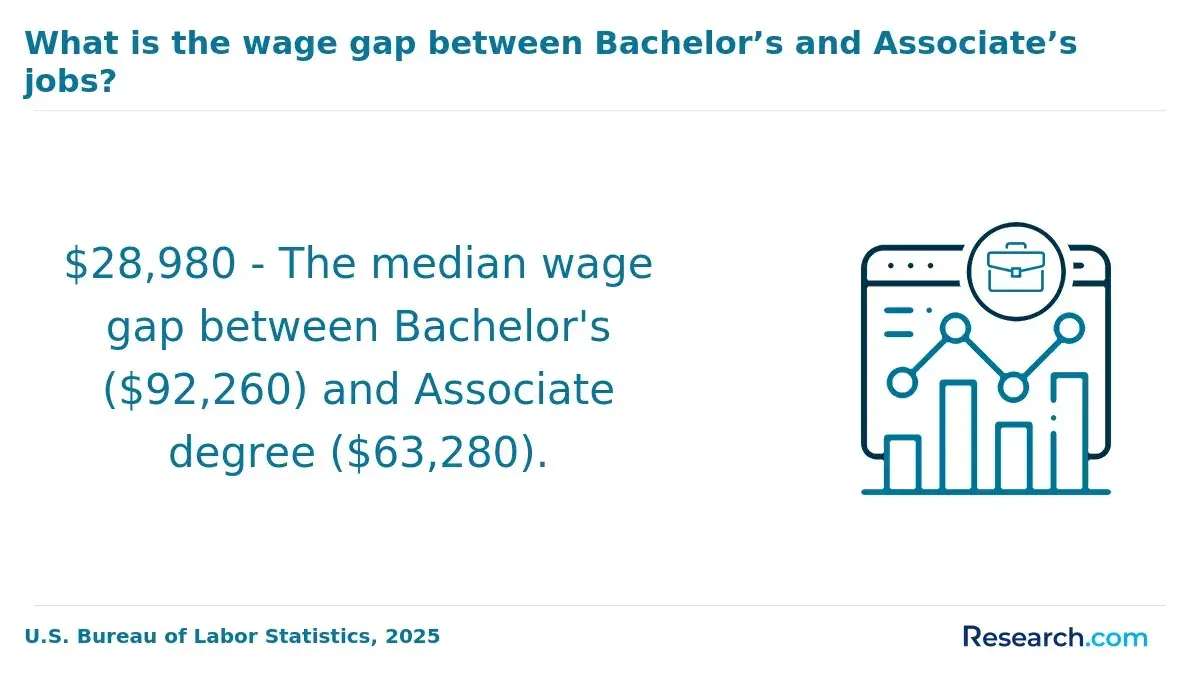
Graduates with a marine science degree who shift careers encounter varied compensation levels depending on the industry and role. Data from authoritative sources highlights clear disparities—many pivot options offer substantially higher median pay compared to traditional marine science roles, which are often constrained by nonprofit and government funding.
- Financial Services: Positions such as quantitative analysts and risk managers attract marine science graduates skilled in data and scientific analysis.
- Management Consulting: Firms seek analytical and environmental expertise to support clients in energy, sustainability, and resource management.
- Enterprise Technology: Roles in data science, software engineering, and product management leverage computational talents.
- High-Growth Startups: Environmental technology startups offer opportunities combining base pay with equity incentives.
These pay differences stem largely from sector economics: nonprofit and government roles prioritize mission over margin, limiting salary growth, whereas financial and technology sectors benefit from higher profit margins enabling more generous compensation.
Evaluating total rewards-including bonuses, equity, retirement plans, health benefits, and development budgets-is crucial for accurate comparisons, as base salary alone rarely reflects a role's full financial value.
Marine science professionals aspiring to pivot into highly compensated fields should consider the additional investments required. Obtaining further credentials, certifications, and building professional networks often precede entry into these sectors, increasing the time and financial costs of transition.
Balancing these costs with probable financial returns and personal interests ensures a more informed and sustainable career shift.
Professionals with a Marine Science degree bring a distinctive skill set-ranging from ecological modeling and environmental policy to data analysis and field research-that aligns with several high-growth industry sectors identified through BLS projections, LinkedIn Emerging Jobs, and World Economic Forum data.
These sectors offer tangible entry points by leveraging competencies unique to Marine Science graduates, expanding opportunities beyond traditional marine-focused roles.
- Environmental Consulting: The surge in regulatory requirements and corporate sustainability initiatives drives demand for experts capable of conducting ecological assessments and environmental impact studies, where Marine Science graduates excel.
- Renewable Energy: Rapid growth in offshore wind and tidal energy necessitates professionals with expertise in marine ecosystems and spatial data analysis. Graduates' skills in habitat assessment and environmental monitoring directly support the deployment and upkeep of renewable infrastructure in aquatic environments.
- Biotechnology and Pharmaceuticals: Marine biodiversity fuels innovation through bioactive compounds used in drug discovery. Marine Science training in marine biology and chemical ecology creates roles in research labs and product development targeting health solutions derived from ocean organisms.
- Data Science and Geospatial Analytics: Big data and AI applications in environmental monitoring require advanced quantitative skills. Marine Science graduates' familiarity with spatial analysis and predictive modeling enables entry into cutting-edge roles in environmental data interpretation.
- Government and Policy Development: Growing climate adaptation and marine resource management efforts call for expertise in ecosystem dynamics and environmental law. Marine Science holders contribute significantly to policymaking bodies and advocacy organizations shaping sustainable practices.
- Climate Resilience and Urban Planning: Coastal cities facing sea-level rise and extreme events depend on professionals versed in resilience strategies, habitat restoration, and sustainable urban development-areas where Marine Science graduates' insights are invaluable.
Targeting these sectors requires Marine Science professionals to emphasize analytic rigor, interdisciplinary experience, and adaptability-qualities prized by rapidly expanding organizations that value demonstrated skills and learning agility over traditional credential specificity.
Tailored applications highlighting relevant project experience and certifications enhance competitiveness in these growth sectors, which often offer greater opportunity volume and compensation potential but may also entail increased job volatility.
Prospective career pivoters should evaluate their risk tolerance carefully and incorporate sector growth dynamics into their broader job search strategy to optimize long-term career satisfaction.
Graduate certificates offer targeted credential enhancements that can significantly boost career pivot strategies with graduate certification in marine science.
These certificates differ substantially from traditional degree programs in time and cost, typically requiring 12 to 18 credit hours completed within 6 to 12 months-much shorter than the two or more years for a master's degree.
They also cost a fraction of full degrees, providing an affordable and expedient route to skill acquisition. Data from the National Center for Education Statistics (NCES) supports this efficiency, making graduate certificates attractive for those seeking rapid transition or skill updating.
According to the American Council on Education, certificates do not carry the full weight of degrees but have growing employer recognition in fields demanding applied, specialized skills.
However, credential inflation means prospective students must critically evaluate program accreditation, alumni outcomes, and industry respect before committing. Not all certificates yield equal labor market returns.
Marine science graduates often pivot by pursuing certificates in data analytics-leveraging quantitative expertise; project management-to enhance leadership skills; user experience (UX) research-applying scientific methods to development; public health-linking environmental knowledge to health sectors; nonprofit management; and financial analysis, especially in sustainability investing.
Hiring manager surveys note stronger demand and salary premiums for data analytics and project management credentials.
- Strategic Timing: Choosing when to pursue a certificate depends on career goals:
- Pre-application: To meet credential requirements for target roles.
- Concurrent: While applying, showing commitment and ongoing skill growth.
- Post-hire: As continuing education to solidify new career investments.
A recent trend reveals a 25% nationwide increase in graduate certificate enrollments over five years, reflecting growing demand for flexible, targeted upskilling aligned with evolving labor markets.
For those considering longer-term advancement beyond certificates, pathways including a doctorate in healthcare administration may be relevant options to explore.
Academic credentials like a marine science degree establish foundational knowledge but often do not fully capture the practical skills needed in adjacent industries.
Professional certifications serve as precise labor market signals-validating specific competencies that hiring managers can trust in fields less dependent on academic background alone.
For marine science graduates pursuing a pivot, certifications offer a meaningful competitive advantage when they align closely with the target role's technical demands or regulatory standards but may have limited impact if chosen without regard to industry relevance.
Key professional certifications for valid marine science pivot credentials and certifications include:
- Project Management Professional (PMP): Requires 35 hours of project management education and 3-5 years of experience; preparation typically lasts 3-6 months; exam fee about $405; valued in roles managing environmental projects, operations, or collaborations.
- Certified Analytics Professional (CAP): Needs a bachelor's degree plus 5 years in analytics-related work; preparation varies by background; costs range $495-$695; ideal for data-driven roles in research, consulting, or resource management.
- SHRM-CP (Society for Human Resource Management-Certified Professional): Combines education with experience; study spans several months; fees $300-$400; attractive for HR positions managing compliance or teams.
- Salesforce Administrator: Open to beginners; preparation via self-study over 2-4 months; exam cost $200; beneficial for CRM or nonprofit roles linked to environmental programs.
- GIS Professional (GISP): Requires education plus 4 years professional GIS work; multistep application; fees $400-$600; important in geospatial and environmental data analysis.
Before investing in certification, marine science graduates should research requirements in their target fields through job postings, LinkedIn profiles, and informational interviews. This ensures selecting certifications recognized by employers and relevant to actual hiring criteria, avoiding costly or irrelevant credential pursuits.
For those interested in combining credentials or augmenting their pivot with advanced education, exploring online MBA programs healthcare management can complement certifications in management-focused career tracks.
Timing certification efforts strategically within a career pivot signals dedication-listing in-progress certifications such as "PMP Certification In Progress" on résumés and mentioning active preparation during interviews can demonstrate ongoing growth and readiness, softening any experience gaps while credentials are finalized.
Freelance and contract roles serve as strategic accelerators for marine science degree holders seeking career pivots-especially within the expanding gig economy, where around 36% of U.S. workers participate in freelance or contract work.
These flexible positions provide practical experience, enable networking, and build relevant portfolios that support transitions into new fields:
- Content Development: Crafting articles and educational resources leverages marine science expertise while showcasing communication strengths.
- Research Assistance: Tasks like literature reviews and data analysis hone technical skills and produce deliverables valuable for diverse industries.
- Data Entry and Analysis: Managing datasets aligns well with environmental consulting and data science roles.
- Virtual Assistance and Project Coordination: Supporting administrative and logistical tasks builds organizational competencies and professional references.
- Communications Consulting: Advising on messaging bridges science with marketing and public engagement sectors.
Launching a freelance career requires thoughtful platform selection-focusing on marketplaces that highlight scientific or technical offerings improves client matches.
Early freelancers should clarify niche services and set competitive rates that rise with demonstrated expertise. Positioning a marine science degree as a credential reinforces trust and domain authority.
Documenting freelance projects creates portfolio assets and resume entries that resonate with hiring managers, strengthening full-time pivot applications. This evidence, paired with positive client feedback, demonstrates cross-sector adaptability and impact.
Candidates must evaluate financial stability and risk tolerance; some highly regulated or government sectors offer limited freelance opportunities, necessitating alternative approaches. For those with available resources, freelancing can significantly shorten the timeline to gaining credibility and successfully transitioning careers.
Strategic networking is vital for marine science graduates shifting careers-especially since many lack established connections in their new fields.
Insights from Harvard Business Review, MIT Sloan Management Review, and labor market sociology emphasize that weak ties and referral hires unlock hidden opportunities, making networking a deliberate, proactive process rather than a last-minute effort:
- Alumni Network Activation: Seek out marine science alumni who have successfully transitioned into your desired sector. Reach out with personalized messages recognizing your shared background and asking for advice on their career shifts.
- Professional Association Entry: Join relevant industry associations to access events, webinars, and conferences where you can meet active practitioners and stay current on sector developments and job openings.
- Informational Interview Campaigns: Schedule brief, targeted interviews with professionals to understand roles and pathways. Use clear language like: "I admire your work at [Company] and would appreciate 15 minutes to learn about your transition experience."
- LinkedIn Strategic Connection-Building: Customize your profile to highlight transferable skills and send tailored connection requests referencing shared groups or interests to foster genuine engagement.
- Community of Practice Engagement: Actively contribute to online forums, workshops, or volunteer initiatives tied to your target field. This consistent presence signals commitment and boosts professional visibility.
Networking anxieties-such as imposter syndrome, fear of rejection, and discomfort with self-promotion-can be eased by approaching conversations with curiosity instead of pressure. Start with introductions like: "I'm exploring roles in [Field] and would value your perspective."
Establish a networking routine by dedicating weekly time for outreach, setting clear goals, and tracking progress. Since 85% of jobs are secured through networking or referrals, this structured approach significantly enhances outcomes during career pivots.
What Graduates Say About the Best Career Pivot Options for People With a Marine Science Degree
- Dahlia: "Graduating with a marine science degree opened doors I hadn't initially considered-particularly in environmental consulting and data analysis, where my research skills proved invaluable. One key insight I've learned is the importance of credential strategies; obtaining relevant certifications after my degree helped me stand out in a crowded job market. For anyone pivoting careers, I'd emphasize honing transferable competencies like statistical analysis and risk assessment-they're highly sought after beyond traditional marine roles."
- Wayne: "Reflecting on my journey, I've found that networking is absolutely critical for marine science graduates trying to break into high-growth sectors like renewable energy and conservation technology. I started attending industry conferences and joining specialized groups online, which led directly to several internship opportunities-proving that relationships often matter more than just technical skills. Also, entry-level pivot roles such as lab technician or environmental technician provided a solid foothold while I reframed my resume to highlight problem-solving and project management."
- Summer: "From a professional standpoint, long-term career outcomes for marine science graduates are most promising when you diversify your skill set and adapt your resume for interdisciplinary roles. My advice is to emphasize experience with GIS and remote sensing technologies-they're increasingly pivotal in climate research and marine policy jobs. By focusing on these areas, I was able to pivot successfully into a policy analyst role, which blends my passion for the ocean with strategic impact."
Other Things You Should Know About Marine Science Degrees
The most useful credentials are OSHA HAZWOPER 40-hour training, ISO 14001 internal auditor certification, and EPA stormwater or spill-prevention training. Employers in 2027 often ask for one compliance credential plus field experience with sampling, permitting, or environmental reporting, especially for entry-level environmental specialist roles.
Graduate programs offer structured pathways to gain specialized expertise relevant to new career goals, such as environmental law, data science, or marine policy. They provide access to professional networks, internships, and research opportunities that validate a pivot. Enrolling in targeted graduate studies also signals commitment to employers, increasing competitiveness for advanced roles outside core marine science.
Graduates leverage their quantitative skills and experience working with complex datasets to enter roles like data analysis, geographic information systems, and software support within environmental technology firms. Supplementing marine science knowledge with coding workshops or certifications in programming languages enhances prospects. Building portfolios showcasing technical projects and collaborating on interdisciplinary teams solidifies credibility in tech-adjacent careers.
- Related Fields https://www.marinecareers.net/career-fields/related-fields
- How to be a marine conservationist & ocean entrepreneur https://www.conservation-careers.com/conservation-jobs-careers-advice/how-to-be-a-marine-conservationist-ocean-entrepreneur/
- Finding the right career in marine science https://www.marine.ie/site-area/news-events/news/finding-right-career-marine-science
- Making Waves: How to Gain Valuable Experience Whilst Studying Marine Science https://wiseoceans.com/how-to-gain-valuable-experience-whilst-studying-marine-science/
- Career opportunities after Marine Science https://www.ulster.ac.uk/faculties/life-and-health-sciences/geography-and-environmental-sciences/careers/marine-science
- Top 15 Highest Paying Marine Biology Jobs in 2025 (UK & US Salaries Guide) https://apexlearning.org.uk/highest-paying-marine-biology-jobs-2026/
- Job Prospects for someone with a Marine Biology or Zoology degree? - College Majors - College Confidential Forums https://talk.collegeconfidential.com/t/job-prospects-for-someone-with-a-marine-biology-or-zoology-degree/3700163
- Top 10 Highest Paying Marine Biology Jobs 2025 (Inc Salaries) | Nexford University https://www.nexford.edu/insights/highest-paying-marine-biology-jobs
- Career growth, simplified https://www.metaintro.com/blog/high-paying-marine-science-careers-2025
- Crossing disciplinary boundaries: motivations, challenges, and enablers for early career marine researchers moving from natural to social sciences - Marine Social Sciences Network https://www.marsocsci.net/crossing-disciplinary-boundaries-motivations-challenges-and-enablers-for-early-career-marine-researchers-moving-from-natural-to-social-sciences/