# 1 position

Audited and Verified:
Our Editorial and Data Verification Process
Research.com uses government datasets, official education statistics and primary institutional information to support its career and degree guides. Our review process checks factual accuracy, occupational definitions, source dates and the requirements associated with the credentials discussed.
How This Article Was Fact-Checked
Our editorial team verifies salary estimates, employment projections, education requirements and program information against original data providers and official organizations. Salary figures are checked against the relevant occupational definitions and reporting periods. Information about licensure, accreditation and required in-person training is reviewed separately.
Fact-checked and verified on:

Co-Founder and Chief Data Scientist

Reviewed by Karolina Broda
Fact-Checker and Data Verification
Choosing an affordable dental assistant program near White Bear Lake means looking beyond tuition: the least expensive option may not provide the clinical practice or Minnesota licensing pathway you need. The Research.com team of data scientists created the Most Affordable Dental Assistant Trade Schools in White Bear Lake for 2027 ranking to help students identify programs worth considering. Dental assistants earned a national median of $48,070 in May 2025, according to the U.S. Bureau of Labor Statistics (BLS). This guide helps you compare credentials, total costs, hands-on training, and routes into local employment.
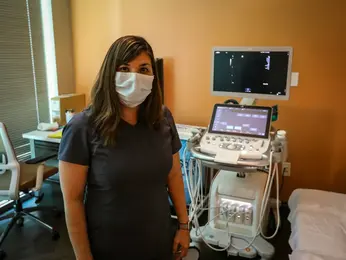
Expect classroom instruction paired with supervised practice in infection control, patient care, dental materials, and clinical procedures. A White Bear Lake resident can investigate Century College and compare its current dental assisting offering with employer training and other commutable options. Confirm the actual program, campus, clinical-site locations, and credential before assuming that a nearby college offers every pathway you want.
The key distinction is whether training supports basic chairside employment or your intended Minnesota licensed duties. These pathways can have very different entry costs and regulatory implications:
| Pathway | Typical credential or result | Best fit and principal limitation |
| Career-school or college certificate/diploma | School-awarded occupational credential | Focused training; verify CODA status, clinical experience, and licensing eligibility rather than relying on the credential name. |
| Community-college associate program | Associate degree | Students seeking the program's broader course sequence; compare added time and cost with the occupational benefit. |
| Employer-sponsored chairside training | Workplace experience; possibly no school credential | Students seeking a lower-upfront-cost entry route; duties and advancement depend on Minnesota rules and employer training. |
Dental assisting also suits readers comparing what certificates make the most money, but earnings alone should not determine the choice: required clinical access and permitted duties matter just as much.
Dental offices are the main employment setting for dental assistants, according to BLS. A local job search need not stop at the White Bear Lake city line: nearby Twin Cities general, pediatric, orthodontic, and oral-surgery practices can widen the pool of employers, although commuting adds cost and may affect clinical-placement choices. Practices differ in which tasks they assign, so match job postings to the duties your training and Minnesota credentials permit.
Clinic-based work requires patient communication, sterilization discipline, and coordination with dentists and hygienists. Someone seeking remote-only work or independent clinical practice should not choose dental assisting on the assumption that either is a standard entry-level outcome.
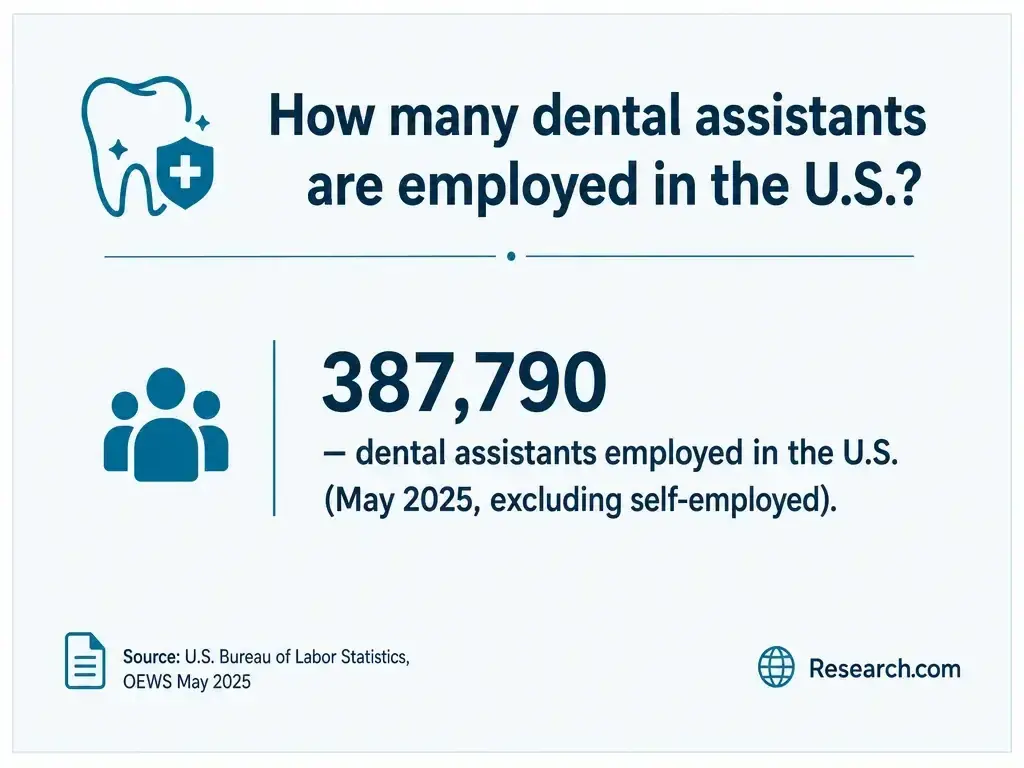
BLS reports a $48,070 national median annual wage for dental assistants in May 2025. This describes employed workers across experience levels, not a promised first-year salary in White Bear Lake. Before estimating payback, check the latest BLS Minneapolis-St. Paul-Bloomington metropolitan wage release and local job advertisements for roles matching your intended duties; a metro figure is more relevant than a national figure, but it still will not predict an individual offer.
Compare expected take-home pay with your current earnings and the time you would spend in training. A higher-paying posting may require Minnesota licensure or experience that an entry-level applicant does not yet have.
Length depends on the credential, course schedule, and clinical placements. Focused certificate or diploma training can be shorter than an associate program, while part-time attendance may extend either route. Ask for the current calendar, required lab and clinical hours, and whether placements run during normal work hours; there is no single training-hour figure that describes every dental assisting program or Minnesota duty.
An accelerated schedule is valuable only if it preserves the practical training and eligibility your goal requires. Readers comparing a fastest online associates degree should not assume that its pace or remote delivery translates to dental assisting, where patient-facing competencies require in-person assessment.
Online study may accommodate lectures, terminology, and some administrative coursework. Instrument handling, infection-control procedures, chairside skills, and supervised patient experience require access to appropriate in-person facilities. A hybrid program can therefore reduce trips for lectures without eliminating travel to labs or clinical sites.
For a working adult, the useful comparison is the full attendance schedule, not the advertised online share. Resources on cheap online schools for working adults can help frame scheduling and cost questions, but do not establish that a dental assisting program meets Minnesota licensing requirements. Request written confirmation of where practical training occurs and whether the specific program meets your intended credential pathway.
There is no reliable single White Bear Lake average that covers college programs, career schools, and employer training on a comparable basis. Published tuition can exclude costs essential to becoming job-ready. Request an itemized estimate for your residency status and intended credential before treating any program as the cheapest option.
These cost categories make competing quotes comparable; the amounts and whether they are included vary by provider:
| Cost category | What to verify |
| School charges | Tuition, mandatory fees, and charges for any prerequisite courses. |
| Training supplies | Textbooks, uniforms, protective equipment, instruments, and consumable materials. |
| Career-entry expenses | Applicable certification exams, Minnesota applications or exams, and required checks or health documentation. |
| Attendance costs | Travel to campus and clinical sites, plus earnings forgone while training. |
| Offsets | Grants, scholarships, eligible federal or Minnesota aid, workforce funding, and wages from employer training. |
Federal aid depends on both student and program eligibility; an inexpensive course is not automatically aid-eligible. Comparisons of low tuition schools online that accept financial aid can clarify aid questions, but verify eligibility for the specific dental assisting program with its financial aid office. The Minnesota Office of Higher Education and Federal Student Aid are the appropriate sources for current state and federal aid rules.
A school may award a certificate, diploma, or associate degree. These are educational credentials, not automatically a Minnesota occupational license. DANB certification is a separate professional credential, and Minnesota licensure is a separate state authorization; earning one should not be described as earning the others. Check the exact award listed for the program you are considering and ask which examinations its graduates are prepared to take (Minnesota Board of Dentistry; DANB).
If your goal is licensed practice, prioritize verified eligibility and clinical preparation over the prestige of a longer-sounding credential. If your goal is entry-level chairside work, ask employers what duties and training they accept before paying for coursework you may not need.
Requirements are program-specific. Expect to verify the school's education prerequisite, application deadlines, any placement or prerequisite courses, and requirements for entering clinical settings. Health documentation, immunizations, background checks, or other placement conditions may add time and expense; ask the program which apply before enrolling.
Admission is not the same as clinical-placement approval or eventual licensure. A student balancing work and study should also confirm the schedule of required labs and externships, not just whether evening or online classes appear in the catalog.
Dental assisting training commonly addresses dental anatomy and terminology, infection prevention, instrument preparation, chairside support, dental materials, patient communication, and records. Depending on the program and intended duties, it may also cover radiography and other procedures that Minnesota regulates (BLS; Minnesota Board of Dentistry). Lab demonstrations alone are not equivalent to supervised practice with real patients.
Ask what each clinical rotation allows students to perform, who supervises it, and how competency is assessed. These details matter more than a broad course title when two programs claim to teach the same skill.
It depends on the duties. Minnesota distinguishes work an unlicensed dental assistant may perform under appropriate supervision from duties requiring a licensed dental assistant. The Minnesota Board of Dentistry sets the applicable scope and licensure requirements; DANB administers professional certification examinations. A school certificate, institutional accreditation, and employer training do not independently grant permission to perform licensed duties (Minnesota Board of Dentistry; DANB).
If licensed dental assistant is your goal, confirm the Board's current education pathway, CODA-related requirements, examinations, and application conditions for your circumstances before enrollment. CODA program accreditation is distinct from institutional accreditation and state school authorization. Do not assume that a program accredited by another health-education organization, or delivered online, satisfies the Board's dental assisting pathway.
Start with the job and duties you want, then work backward to the required training. A low affordability rank is useful for shortlisting, but it cannot establish clinical quality or Minnesota licensing eligibility. The same caution applies to comparisons of the easiest associates degree to get: ease of completion is not a substitute for the competencies needed to care for patients.
Before committing, get written answers to these questions so you can compare offers on the same basis:
Compare your likely debt, lost earnings during training, probability of completion, and realistic post-training earnings over several years. That produces a more useful return-on-investment judgment than tuition or a ranking position alone.
A practical starting point is chairside support in a general dental practice, followed by experience in specialty settings or expanded duties where Minnesota rules and additional credentials permit them. Experienced assistants may also take on scheduling, patient coordination, or clinical-team responsibilities. Those steps depend on employer needs and individual qualifications; they are not automatic outcomes of a training program (BLS; Minnesota Board of Dentistry).
Choose a program with supervised clinical exposure if patient-facing work is the goal. Employer training may make more sense for someone testing whether the occupation fits, provided they understand its limits for licensed duties and ask about any future route into a qualifying program.
BLS projects 7.4% national employment growth for dental assistants from 2025 to 2035. That is a useful indication of occupational demand, but it is not a White Bear Lake forecast. The city sits within a larger Twin Cities commuting market, so applicants should assess openings across a realistic travel area rather than judge prospects from city-only postings (BLS).
Read current postings for required Minnesota credentials, schedules, and specialty experience. If the roles you want consistently require licensed duties, that pattern should influence your training choice more than the speed of the cheapest entry-level course.
Investing in training is an important decision. Research.com designed this ranking to compare dental assisting programs with other programs in the same occupation and location, rather than with unrelated trades. The team checks multiple education and occupation sources to support the quality, credibility, and accuracy of its comparisons.
Most affordable rankings score tuition, cost of attendance, median student debt, and federal loan default rate. An entropy-based method assigns more weight to cost and debt indicators that differ more across programs. Accreditation and other quality indicators are not part of this affordability score; readers should verify them separately. Only programs reporting completions to IPEDS are eligible, so an omitted training provider is not necessarily unavailable or unsuitable. The ranking's sources include:
Use the ranking to narrow a cost-conscious shortlist, then compare clinical training and Minnesota Board of Dentistry requirements directly. Research.com explains its broader approach on its methodology page.
# 1 position
# 2 position
Not necessarily. Compare total costs, clinical training, completion evidence, and eligibility for your intended Minnesota duties. An inexpensive program that does not support your goal can cost more in the long run.
Online coursework may cover some theory, but hands-on dental assisting skills require in-person practice. Verify where labs and clinical experience take place and whether the specific program supports your intended credential.
Some chairside work may be learned through employer training, subject to Minnesota supervision and scope rules. Licensed duties have different requirements; check the Minnesota Board of Dentistry before choosing the employer-training route.
No. A school credential and Minnesota licensure are separate. Confirm the Board's current education, examination, and application requirements for your circumstances.
Ask where it takes place, its required hours and schedule, who arranges and supervises it, what tasks you may perform, and whether travel or missed work creates additional costs.