Best Dental Assistant Training Programs & Trade Schools - Top Dental Assistant Schools for 2026

Co-Founder and Chief Data Scientist
Choosing the right dental assistant trade school can shape your future career and open doors to rewarding opportunities. This article presents a carefully crafted dental assistant trade school programs ranking developed by the Research.com team of data scientists to guide you in making an informed decision.
By exploring these top programs, you’ll discover options that offer quality education, hands-on experience, and valuable certifications. Whether you’re starting fresh or seeking a career change, earning a diploma or certification in dental assisting is a smart step toward a stable and fulfilling profession.
Let’s help you find the best path forward with confidence and excitement.
Key benefits of finishing dental assistant trade school in the USA
- Graduates of dental assistant trade schools in the USA can expect a median annual salary of around $47,300, with hourly wages averaging $22.91, offering a rewarding start to a stable career.
- Career paths often include working in general dentistry, orthodontics, or oral surgery clinics, as seen with many successful graduates from popular schools like the American Trade School.
- Online dental assistant programs provide flexible learning options, allowing graduates to balance work and study effectively, as experienced by many from the Penn Foster online program.
- Best Dental Assistant Training Programs & Trade Schools - Top Dental Assistant Schools for 2026
- What can I expect from dental assistant trade schools in the USA?
- Where can I work after finishing dental assistant trade schools in the USA?
What can I expect from dental assistant trade schools in the USA?
Enrolling in a dental assistant trade school program in the USA means diving into a hands-on, career-focused experience designed to build real-world skills quickly. Graduates often recall how their days blended classroom lessons on dental terminology and infection control with practical exercises, like simulating patient scheduling or practicing chairside assisting techniques. Popular trade schools provide interactive scenarios that mirror busy dental offices, helping students feel confident before stepping into clinical environments.
Students can expect to engage deeply with essential safety protocols, such as OSHA standards and HIPAA privacy rules, which become second nature by the program's end. Many appreciate how the curriculum includes preparing for actual certification exams, making the transition to employment smoother.
Programs usually run between 12 weeks and 7 months, offering flexibility for full- or part-time study. Graduates often describe a sense of accomplishment mastering radiography basics and patient communication, essential for thriving in dental practices across the USA.
Where can I work after finishing dental assistant trade schools in the USA?
After finishing a dental assistant trade school program in the USA, graduates find themselves welcomed into diverse and rewarding workplaces. Many step confidently into general dental offices, where they assist dentists, prepare patients, and manage sterilization-tasks they mastered during hands-on training at well-known trade schools. These real-world settings quickly transform classroom knowledge into practical skills, boosting graduates' confidence and job satisfaction.
Others discover exciting opportunities in specialized fields like pediatric dentistry or orthodontics, where their training equips them to support unique procedures. Graduates often share how working in child-friendly clinics or alongside orthodontists provides a fulfilling, dynamic environment that keeps every day interesting.
Beyond private practices, public health clinics, hospital dental departments, and even military or correctional facility clinics open doors to meaningful careers. Some graduates feel proud serving underserved communities or contributing to public service roles, supported by stable government salaries and benefits.
Trade school alumni also thrive in dental schools, labs, and dental supply companies, where their technical knowledge enables them to explore sales, customer service, and administrative roles. The broad spectrum of employment possibilities reflects the practical, adaptable education gained through dental assistant trade schools across the USA.
Graduates from dental assistant trade schools in the USA often find themselves stepping into a rewarding career with a median annual wage around $47,300. Imagine finishing your program at a well-known trade school and quickly landing a job where you earn roughly $22.91 per hour, enough to confidently cover living expenses and start building savings. Many grads share how their starting salary felt like a tangible reward for their hard work, with some entry-level roles beginning near $16.97 per hour.
For those who keep advancing, gaining certifications or experience, hourly wages can rise significantly-sometimes reaching over $30 per hour. Picture working in a vibrant city like Minneapolis or Boston, where dental assistants can earn between $55,000 and $62,000 annually, making the extra effort truly worthwhile.
Many graduates recall the boost in confidence and financial freedom from overtime, bonuses, and specialized skills, all common perks in this field. The journey through trade school often feels like a direct path to stability and growth in the dental health industry across the USA.
- Admission usually requires a high school diploma or GED, and students must be at least 18 years old in most cases.
- Program length ranges from one year for certificate programs to two years for associate degrees, typically offered at vocational schools or community colleges.
- Programs should be accredited by the Commission on Dental Accreditation (CODA) or another recognized body to meet state licensure and national certification requirements.
- Costs for certificate programs range from $3,000 to $13,000, with associate degrees generally costing more; financial aid and scholarships may be available.
- The median annual wage for dental assistants was $46,540 in 2023, with job growth expected to be above average due to rising demand in dental care.
Completing a dental assistant trade school program in the USA typically takes between 9 months and 1 year, depending on the school and program format. Many graduates from popular trade schools share how quickly their training progressed, allowing them to enter the workforce with confidence in less than a year. For example, those attending accelerated programs found themselves balancing hands-on clinical practice and classroom learning in compact, focused schedules.
Imagine starting your day learning essential dental procedures in a state-of-the-art simulation lab, then moving to real-world clinical settings by afternoon. This immersive approach is common in well-known trade schools and helps students feel motivated and prepared. Graduates often describe a sense of accomplishment and excitement as they see their skills improve week by week, making the short program feel rewarding and efficient.
Some programs offer part-time or evening classes to accommodate working students, extending completion time but providing flexibility. Overall, the duration fits well with those eager to quickly launch a fulfilling career in dental assisting while gaining practical experience along the way.
The key difference between online and on-campus dental assistant trade school programs in the USA lies in how students experience their training. Graduates from online programs often appreciate the flexibility to study at their own pace, fitting coursework around jobs or family life. For example, those attending popular schools like American Career College find the blended model-mostly online with just two days a week on campus-allows them to balance learning with real-world demands. This approach is not only affordable, with many programs costing under $2,000, but also efficient, enabling some students to finish in as little as six to nine months.
On the other hand, graduates from traditional on-campus programs highlight the immersive, hands-on environment where they gain confidence through daily practice and direct feedback. Schools with strong local partnerships provide externships, helping students feel fully prepared by working alongside dental professionals with actual patients. This face-to-face interaction often fosters a strong sense of community and skill mastery that many find deeply rewarding.
The average cost dental assistant programs United States offer can vary widely depending on the type of program chosen. Certificate and diploma programs, often lasting less than a year, typically cost between $3,000 and $15,000. Graduates from popular trade schools like the Practical Dental Assisting School in Virginia share positive stories about affordable tuition paired with hands-on training that jumpstarts career readiness quickly. A 7-month diploma program priced at $9,650 is common, providing a balanced investment in both time and money.
Tuition fees dental assistant schools USA also include associate degree programs, which tend to be more expensive due to their comprehensive curriculum lasting 18 to 24 months. Trade schools such as Carrington College, with tuition ranging from $20,000 to $23,000, reflect this higher investment but offer deeper knowledge and credentials. Community colleges, like Monroe Community College in New York, present a more budget-friendly option around $5,000, appealing to students seeking cost-efficient education with reliable outcomes.
Beyond tuition, students often encounter additional costs like registration fees (~$60), lab fees (~$560), and supplies estimated at $1,600. Certification exam fees of approximately $125 are also standard. Despite these expenses, many graduates recall feeling empowered and optimistic about their career prospects, appreciating the balance between cost and quality provided by established trade schools.
For those eager to explore flexible timing and accelerated learning, some students benefit greatly from the best accelerated dental assisting certificate online options, which combine affordability and convenience to meet diverse needs.

Dental assistant trade school students in the USA often find relief through a variety of financial aid options that make their education more accessible. Graduates from well-known programs, such as those at community colleges in California or technical schools in Texas, frequently share how federal aid like Pell Grants and Stafford Loans helped them cover tuition without overwhelming debt. Completing the FAFSA is a crucial first step, unlocking eligibility for these funds based on income and need.
Many students also benefit from federal student loans, including Direct Subsidized and Unsubsidized Loans, which provide flexible repayment terms. Those attending schools not eligible for federal aid sometimes turn to private loans, though these require careful consideration due to credit checks and variable terms.
Grants and scholarships, like the Dr. Carolyn Ghazal Dental Assistant Scholarship, often bring unexpected joy by reducing costs without repayment. Trade schools commonly offer their own scholarships and payment plans, while some students working part-time take advantage of the Federal Work-Study Program to earn while they learn. These combined aids create a hopeful path for aspiring dental assistants across the country.
To enroll in a dental assistant trade school program in the USA, most institutions set clear prerequisites that ensure students are prepared and motivated. Common requirements include:
- Possession of a high school diploma or GED, which serves as a foundation for the technical skills taught.
- Proof of basic immunizations and a clean background check, reflecting the healthcare nature of the profession.
- Sometimes, a placement test or an interview to assess communication skills and readiness for hands-on training.
Graduates from well-known trade schools often share how meeting these prerequisites gave them confidence from day one. One recalls how having a solid high school background made anatomy classes much easier to grasp. Another emphasizes that the interview process helped them articulate their passion for patient care, boosting their motivation throughout the program.
Imagine stepping into a classroom at a popular trade school in your state, surrounded by peers who all met these entry points and are equally eager to advance in the dental field. These prerequisites are not barriers but stepping stones toward a rewarding career as a dental assistant.

Dental assistant trade school programs in the USA typically include a mix of essential courses designed to prepare students for real-world dental careers. Graduates often recall how dental anatomy gave them a clear understanding of teeth and oral tissues, which made assisting during procedures feel intuitive and rewarding.
Key courses usually cover:
- Dental anatomy: Learning the structure and function of teeth helps students confidently support dentists.
- Oral hygiene and preventative practices: Equips students to educate patients on maintaining healthy smiles.
- Radiography: Hands-on training in taking dental X-rays, sometimes leading to state-required certification.
- Infection control: Teaching sterilization techniques ensures safety in busy dental clinics.
- Chairside assisting: Practical skills to assist dentists smoothly during procedures, a favorite part among students at popular trade schools in the USA.
Many students appreciate the blend of classroom learning with clinical experience in fully equipped dental offices, allowing them to feel confident on day one of their careers. Additional classes in dental office management and nutrition further prepare assistants to excel beyond clinical roles, making these programs truly comprehensive and future-focused.
Dental assistant trade school programs in the USA commonly offer specializations that prepare students for dynamic roles within dental offices. Graduates from popular trade schools often highlight specializations such as dental radiography, infection control, and expanded functions, which provide hands-on experiences that boost their confidence and skills. For example, many programs integrate rigorous training in dental radiology, allowing students to master the art of producing high-quality dental images vital for patient diagnosis.
Key specializations typically include:
- Orthodontic Dental Assistant - focused training preparing students to assist with braces and orthodontic procedures
- Pediatric Dental Assistant - equipping students to care for children's unique dental needs
- Infection Control - emphasizing sterilization and patient safety
- Expanded Functions - enabling tasks like coronal polishing and fluoride application
Graduates find these specializations open doors to fulfilling career paths and enhanced responsibilities. Some also pursue low cost dental assistant associate degree online programs that offer flexible access to these valuable skills. Students appreciate how focused training corresponds to real-world scenarios, from assisting with special needs dentistry to mastering state licensing requirements embedded in curricula.
Choosing among the best dental assistant programs in the USA means prioritizing accreditation, hands-on training, and alignment with your state's licensing requirements. Graduates from accredited dental assistant trade schools USA often share how the clinical rotations and externships at community colleges or specialized healthcare institutes gave them confidence in real dental offices, easing the transition into employment. Imagine learning infection control and dental radiology not just from textbooks but through active participation in labs and patient care scenarios-this practical exposure is invaluable.
Flexibility also plays a key role; many students appreciate programs offering part-time or online options that fit busy lifestyles without compromising quality. Cost considerations are real too, but some programs include exam fees or prep resources in tuition, reducing surprises. Since state requirements differ, verifying your program's compatibility with your state's licensing process is crucial. For a clearer timeline of education paths, some students compare their journey to a dental hygienist degree length.
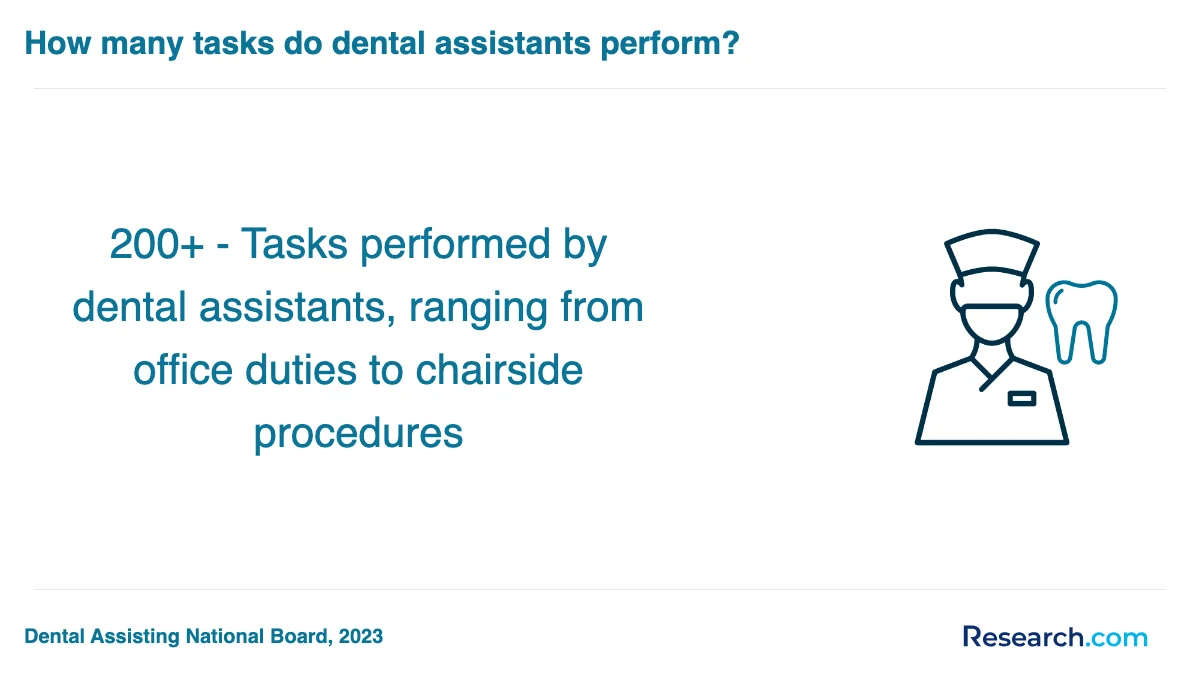
Graduates from dental assistant trade school programs in the USA often find themselves entering a dynamic job market with broad dental assistant career opportunities in the USA. Many start as chairside dental assistants in general dentistry offices, gaining hands-on experience supporting dentists and educating patients. Those from well-known trade schools frequently share how this role quickly builds confidence and practical skills.
Others explore advanced dental assisting roles in the United States by pursuing certifications like the Certified Dental Assistant (CDA) or Expanded Function Dental Assistant (EFDA), unlocking responsibilities such as placing restorations or working in specialty settings like orthodontics and pediatric dentistry. These paths elevate both skill sets and earning potential.
Examples of career progress include:
- Transitioning into administrative positions such as dental office managers
- Developing technical artistry as dental laboratory technicians
- Further education toward becoming dental hygienists or dentists
Success stories from trade school grads highlight how embracing these diverse options leads to fulfilling careers. For more ideas on healthcare roles, check out what jobs can a certified medical assistant apply for.
Graduates from dental assistant trade schools in the USA find themselves entering a market with promising prospects thanks to a strong dental assistant job outlook in the USA. Many recent graduates from well-known institutions describe feeling encouraged by consistent job offers shortly after completing their programs, particularly in areas where preventive oral health is emphasized and new clinics are opening. These graduates highlight how mastering emerging technologies like digital dentistry and teledentistry boosts employability and job satisfaction.
Employment growth in the dental assistant field is fueled by multiple trends, including the aging population and expanded dental insurance coverage, which create an ongoing demand for skilled assistants. Graduates often share experiences such as being quickly hired by suburban dental practices or rural clinics expanding their workforce to meet new patient needs.
Typical advantages reported by those completing trade school programs include:
- Regular, predictable weekday schedules
- Competitive wages with median salaries around $47,300 and opportunities to earn more with certification
- Clear career advancement pathways to roles like dental hygienist or office manager
- Skills development in digital imaging and patient care coordination
For those considering this career path, understanding the wage landscape is crucial; for context, learn more about what is a dentist starting salary. This insight provides a meaningful comparison point to dental assisting roles, helping students set realistic expectations and goals.
Best Dental Assistant Training Programs & Trade Schools - Top Dental Assistant Schools for 2026
# 1 position
Lewis and Clark Community College - Dental Assisting/Assistant.
certificate or diplomaLewis and Clark Community College offers a Hybrid Dental Assisting/Assistant program that trains students in patient care, dental radiographs, and office administrative tasks under professional supervision. The curriculum covers medical record-keeping, reception, scheduling, equipment maintenance, sterilization, basic radiography, and chairside assisting. The program is accredited by the Higher Learning Commission, with an annual in-state tuition of $3,552 and median earnings of $53,786 one year after completion.
# 2 position
Flint Hills Technical College - Dental Assisting/Assistant.
associateFlint Hills Technical College offers a hybrid Dental Assisting/Assistant program designed to prepare students for patient care, dental radiographs, and office administrative tasks under professional supervision. The curriculum covers medical record-keeping, equipment maintenance, sterilization, chairside assisting, and supervised practice. Annual in-state tuition is $6,196. Graduates earn a median salary of $55,147 one year after completion. The program is accredited by the Higher Learning Commission.
# 3 position
Flint Hills Technical College - Dental Assisting/Assistant.
certificate or diplomaFlint Hills Technical College offers a hybrid Dental Assisting/Assistant program designed to prepare students for patient care, dental radiographs, and office administrative duties under dentist supervision. The curriculum covers medical record-keeping, scheduling, equipment sterilization, chairside assisting, and supervised practice. Annual in-state tuition is $6,196. The program is accredited by the Higher Learning Commission. Median earnings one year after completion are $55,147.
# 4 position
Eastern Florida State College - Dental Assisting/Assistant.
associateThe Dental Assisting/Assistant program at Eastern Florida State College offers a hybrid format with some distance-education options. Annual in-state tuition is $2,496. The program prepares students to provide patient care, take dental radiographs, assist with dental procedures, and manage office administrative tasks under supervision. Instruction covers medical record-keeping, equipment maintenance, radiography, and chairside assisting. It is accredited by the Southern Association of Colleges and Schools Commission on Colleges. Median earnings one year after completion are $57,021.
# 5 position
Eastern Florida State College - Dental Assisting/Assistant.
certificate or diplomaThe Dental Assisting/Assistant program at Eastern Florida State College offers a hybrid learning format combining in-person and distance education. It trains students in patient care, dental radiography, office administration, and chairside assisting under professional supervision. The curriculum includes medical record-keeping, equipment maintenance, and patient instruction. Annual in-state tuition is $2,496. Graduates earn a median salary of $57,021 one year after completing the program. The program is accredited by the Southern Association of Colleges and Schools Commission on Colleges.
# 6 position
Central Community College - Dental Assisting/Assistant.
associateCentral Community College offers a fully online Dental Assisting/Assistant program designed to prepare students for patient care, dental radiography, and office administrative tasks under professional supervision. The curriculum covers medical record-keeping, scheduling, equipment maintenance, sterilization, radiography, chairside assisting, and patient care. The program’s annual in-state tuition is $3,360, and graduates earn a median salary of $53,860 one year after completion. It is accredited by the Higher Learning Commission.
# 7 position
Central Community College - Dental Assisting/Assistant.
certificate or diplomaCentral Community College offers a fully online Dental Assisting/Assistant program that prepares students to provide patient care, take dental radiographs, and perform office administrative tasks under supervision. The curriculum includes instruction in medical record-keeping, equipment maintenance, chairside assisting, and supervised practice. The program is accredited by the Higher Learning Commission, with an annual in-state tuition of $3,360 and median earnings of $53,860 one year after completion.
# 8 position
Cerritos College - Dental Assisting/Assistant.
associateThe Dental Assisting/Assistant program at Cerritos College is fully online, preparing students to provide patient care, take dental radiographs, and assist dentists and hygienists. The curriculum includes medical record-keeping, office duties, scheduling, equipment maintenance, basic radiography, and chairside assisting. The program is accredited by the Western Association of Schools and Colleges Accrediting Commission for Community and Junior Colleges. Annual in-state tuition is $1,364, with median earnings of $53,047 one year after completion.
# 9 position
Cerritos College - Dental Assisting/Assistant.
certificate or diplomaThe Dental Assisting/Assistant program at Cerritos College is fully online, preparing students to provide patient care, take dental radiographs, and assist dentists and hygienists. The curriculum covers medical record-keeping, office duties, scheduling, equipment maintenance, sterilization, and chairside assisting. Graduates have median earnings of $53,047 one year after completion. The program is accredited by the Western Association of Schools and Colleges Accrediting Commission for Community and Junior Colleges. Annual in-state tuition is $1,364.
# 10 position
State Technical College of Missouri - Dental Assisting/Assistant.
certificate or diplomaThe Dental Assisting/Assistant program at State Technical College of Missouri offers a hybrid format with some distance education options. It prepares students to provide patient care, take dental radiographs, assist chairside, and handle office administrative duties under supervision. The curriculum includes medical record-keeping, scheduling, equipment maintenance, and supervised practice. Annual in-state tuition is $7,830, and median earnings one year after completion are $32,797. The program is accredited by the Higher Learning Commission.
Frequently Asked Questions about dental assistant
After completing a dental assistant trade school program in the USA, preparing for the job market involves several key steps. First, obtaining certification such as the Certified Dental Assistant (CDA) credential from the Dental Assisting National Board (DANB) can significantly improve employment prospects. According to the U.S. Bureau of Labor Statistics, dental assistants with certification often earn higher wages and find jobs faster.
Next, building practical experience through externships or internships during the training period is crucial. Many schools offer these opportunities to help students gain hands-on skills and professional contacts.
Additionally, crafting a clear resume highlighting technical skills, certification, and clinical experience is important. Networking with local dental offices and joining professional organizations like the American Dental Assistants Association can also open doors to job opportunities.
Employers in the USA seek dental assistant graduates who combine technical skills with strong interpersonal abilities. According to the U.S. Bureau of Labor Statistics, proficiency in dental radiography, infection control, and chairside assistance is essential. These skills ensure patient safety and efficient workflow in dental offices.
Communication skills are also highly valued. Graduates must effectively explain procedures and provide patient comfort. The American Dental Assistants Association highlights that teamwork and adaptability contribute significantly to job performance in dental practices.
Attention to detail and organizational skills are critical, as dental assistants handle scheduling, record-keeping, and sterilization processes. Mastery of these areas increases employability and career advancement opportunities nationwide.
Finding internships relevant to dental assistant trade school programs in the USA often begins with leveraging the resources provided by the schools themselves. Many accredited trade schools have partnerships with local dental offices and clinics to facilitate student internships as part of their curriculum. According to the American Dental Assistants Association (ADAA), practical experience through internships significantly improves job placement rates after graduation.
Students should also explore state dental boards and workforce development agencies, which sometimes list internship opportunities or apprenticeships. Networking through professional organizations and attending dental health career fairs can open doors to internships not formally advertised. Additionally, online platforms like the National Dental Association's job board may offer listings specifically for dental assistant internships.
It is important to start the search early and maintain communication with career services at your school. Internships generally last from a few weeks to six months and offer hands-on experience essential for certification exams. The Commission on Dental Accreditation (CODA) requires programs to include practical training, making internships a vital part of education in this field.
Obtaining a dental assistant trade school diploma in the USA significantly enhances career mobility and advancement opportunities. According to the U.S. Bureau of Labor Statistics, dental assistants with formal training and certification tend to earn higher wages and have better job prospects than those without. Many states require completion of an accredited program to qualify for expanded functions, such as radiography or coronal polishing, which can lead to higher pay and more responsibilities.
Trade school diplomas also provide foundational skills that facilitate lateral moves into related fields, including dental hygiene or office management. Employers often prefer candidates with accredited diplomas, viewing them as better prepared for the demands of modern dental practices.
Data from the American Dental Assistants Association indicates that certified dental assistants experience a 10-15% wage premium compared to non-certified peers, demonstrating the diploma's positive effect on economic mobility within the profession.
Part-time job opportunities that complement dental assistant trade school education in the USA often include roles such as dental receptionist, dental sterilization technician, and dental office assistant. These positions provide valuable experience in patient interaction, office management, and infection control, which are essential skills for dental assistants.
Working as a dental receptionist helps students develop communication and organizational skills, while dental sterilization technicians gain hands-on experience with instrument preparation and sanitation protocols. According to the U.S. Bureau of Labor Statistics, dental assistants typically earn a median hourly wage of $19.35 as of 2023, making part-time roles a practical way to support education financially.
Additionally, some students find opportunities in dental laboratories, assisting with the fabrication of dental prosthetics, which deepens their understanding of dental anatomy and materials. These jobs reinforce practical knowledge and improve employability upon program completion.
- Become a Dental Assistant | DANB https://www.danb.org/career-center/become-a-dental-assistant
- How to Prepare for Dental Assistant School | Unitek College https://www.unitekcollege.edu/blog/how-to-prepare-for-dental-assistant-school/
- Dental Assistant Trade Schools & Training Programs https://www.best-trade-schools.net/programs/healthcare/dental-assistant/
- Program expectations | Dental Assisting at PCC https://www.pcc.edu/programs/dental-assisting/program-expectations/
- How to Prepare for Dental Assistant School? | UEI College https://www.uei.edu/guides/dental-assistant/how-to-prepare-dental-assistant-school/
- What Does it Take to Become a Dental Assistant? - South Texas Vocational Technical Institute https://www.stvt.edu/what-does-it-take-to-become-a-dental-assistant/
- How To Succeed in Dental Assistant Training https://www.berks.edu/how-to-succeed-in-dental-assistant-training/
- Dental Assistant Schools - Hands-On Training & Certification Info https://www.trade-schools.net/health-care/dental-assistant
- Choosing the Right Dental Assistant Training Program - Dental Assisting School of Arizona - Tempe, AZ 85283 https://dentalassistingschoolofphoenix.com/blog/choosing-the-right-dental-assistant-training-program/
- How to Become a Dental Assistant (Guide & Salary FAQs) | Penn Foster https://www.pennfoster.edu/blog/how-to-become-a-dental-assistant-guide-and-salary-faqs