
Most Affordable Dental Assistant Schools & Training - Budget-Friendly Dental-Assistant Trade Programs in Tennessee for 2026

Co-Founder and Chief Data Scientist
Choosing the right dental assistant trade school in Tennessee can feel overwhelming, especially with so many options available. This article offers a clear guide featuring a dental assistant trade school programs ranking, carefully developed by the Research.com team of data scientists. It’s designed to help you make an informed choice based on solid data.
Whether you’re starting a new career or seeking certification, earning a diploma in dental assisting opens doors to rewarding job opportunities. Reading this article will give you confidence and clarity on the best programs to consider for 2026.
Key benefits of finishing dental assistant trade school in Tennessee
- Graduates from dental assistant trade schools in Tennessee can expect an average annual salary between $39,036 and $44,152, with potential hourly wages up to $21.78, offering a solid income right after completing the program.
- Many graduates find diverse career paths, such as working in busy dental offices or specializing in orthodontics, like a recent graduate from a popular Tennessee trade school who quickly secured a rewarding role with room for growth.
- Completing a dental assistant trade school online provides flexibility and convenience, allowing students to balance work and study effectively, as experienced by graduates from well-known online programs in Tennessee who appreciate learning at their own pace.
- Most Affordable Dental Assistant Schools & Training - Budget-Friendly Dental-Assistant Trade Programs in Tennessee for 2026
- What can I expect from dental assistant trade schools in Tennessee?
- Where can I work after finishing dental assistant trade schools in Tennessee?
What can I expect from dental assistant trade schools in Tennessee?
Enrolling in a dental assistant trade school program in Tennessee means immersing yourself in a hands-on learning environment that balances classroom lectures with real-world clinical practice. Graduates from popular schools like TCAT Pulaski often describe their experience as both challenging and rewarding, especially when transitioning from lab simulations to supervised clinical rotations in actual dental offices. Expect to spend around eight months full-time or opt for part-time evening classes, with clock hours ranging from 175 to over 860 depending on your schedule.
Students quickly get comfortable with key subjects such as dental anatomy, radiology, and chair-side assisting, gaining confidence through repeated hands-on practice. Administrative skills like patient scheduling and insurance coding are also integral, preparing you to handle the full scope of a dental assistant's role. Infection control training reinforces safety habits essential for patient care.
Many graduates recall the excitement of applying their skills during clinical placements, working alongside licensed dentists, which makes the learning tangible and fulfilling. The comprehensive training ensures you're ready to start a dental career immediately after earning your certificate or diploma.
Where can I work after finishing dental assistant trade schools in Tennessee?
After finishing a dental assistant trade school program in Tennessee, graduates often find rewarding opportunities in private dental offices across cities like Nashville, Memphis, and Knoxville. Many recall feeling excited when their first job involved assisting dentists directly with patient care and learning new skills like taking dental x-rays. This hands-on experience, common among trade school alumni, quickly builds confidence and professional pride.
Some graduates discover roles within well-known dental chains such as Heartland Dental or Aspen Dental, where sign-on bonuses and benefits create a welcoming environment for newcomers. Trade school training prepares students well for these positions, making the transition into the workforce smoother and more encouraging.
Others pursue specialized careers in orthodontics or pediatric dentistry, often motivated by the chance to deepen their expertise after gaining initial experience. Public health roles in community clinics also attract graduates eager to make a meaningful impact, reflecting the diverse paths available after completing a Tennessee trade school program.
After finishing a dental assistant trade school program in Tennessee, graduates typically start with an annual salary around $37,000 to $40,000, which feels encouraging for those eager to enter the workforce quickly. Many recent graduates from well-known Tennessee trade schools share how their starting pay often falls near the lower end of the spectrum but rises steadily with hands-on experience and additional certifications.
For instance, a graduate working in Nashville might see an average salary close to $45,880 per year, reflecting the city's higher demand and pay scale. Others in smaller towns like Cleveland or Morristown often begin around $39,700 annually, which still provides a solid foundation for growth. Entry-level hourly wages usually range from about $15.72 to $20.53, which helps new dental assistants feel confident as they build their skills.
Many graduates appreciate how their dedication to training in Tennessee's trade schools translates into real income soon after finishing-leading to excitement about advancing into higher-paying roles over time.
- Applicants must be at least 18 years old with a high school diploma or GED and provide official transcripts and proof of immunizations.
- A current CPR certification and passing the HESI Entrance Exam with scores typically above 70 in math and reading are required, with an exam fee of about $40.
- Full-time programs last around 8 months with approximately 864 clock hours; part-time options with fewer hours are available.
- Tuition ranges from $972 for part-time certificates to $2,994 plus $1,352 for textbooks and supplies for full-time certificates.
- Graduates can become Registered Dental Assistants, with average salaries around $41,000 annually and job growth expected in the field.
Completing a dental assistant trade school program in Tennessee typically takes about 9 to 12 months, depending on the school and whether you attend full-time or part-time. Many graduates from popular Tennessee trade schools share how this timeframe allowed them to quickly transition from classroom learning to hands-on clinical experience, building confidence with real dental office scenarios.
For example, some students recall starting their studies in a bustling Nashville trade school, where the accelerated pace kept them engaged and motivated. Others at Chattanooga schools appreciated part-time options that fit around family commitments, completing their training within a year while balancing personal responsibilities.
This relatively short duration means you can enter the workforce swiftly, often feeling a strong sense of accomplishment and excitement about beginning your career. Many graduates describe the journey as intense but rewarding, highlighting how the program's structure in Tennessee trade schools prepares them well for certification exams and job readiness.
Online dental assistant programs in Tennessee offer unmatched flexibility, allowing students to balance study with work or family life. Graduates from programs like the U.S. Career Institute often describe the convenience of pacing their learning around busy schedules, using virtual simulations and software like DENTRIX to master both clinical and administrative skills. However, they also share the challenge of securing local clinical externships independently to gain essential hands-on experience required for state certification.
On the other hand, graduates from on-campus programs such as South College emphasize the value of direct, in-person training. They recall engaging in supervised clinical rotations with real patients and using physical dental equipment daily, which builds confidence and teamwork skills. These students appreciate the social environment, where peer interaction and immediate faculty support create a motivating and supportive atmosphere.
Choosing between these formats often reflects personal learning styles and life commitments, as both paths prepare students effectively for entry-level dental assistant roles in Tennessee.
The average tuition fees for dental assistant programs in Tennessee vary significantly depending on the type of institution and program length. Many students find community colleges offering programs that range from $3,000 to $10,000 per year for in-state learners, providing an affordable path to entering the dental assisting field. Graduates often express satisfaction, noting that the balance between cost and comprehensive training helped them feel confident starting their careers.
For those opting for private trade schools, the cost of dental assistant trade schools in Tennessee can exceed $12,000 annually. Some students pursuing longer associate degrees, such as the five-semester program at Chattanooga State Community College, report a total expense of around $14,181.45, inclusive of books and materials. This financial commitment, although larger, often proves worthwhile as graduates highlight access to advanced certifications and hands-on experience as key benefits.
Short diploma or certificate programs, preferred by students seeking quicker entry into the workforce, usually cost between $5,000 and $8,000. These programs focus on essential skills and can often be complemented by exploring the quickest dental assistant online certificate programs for additional credentials or flexibility. Graduates from these routes often appreciate the ability to start earning sooner while managing educational expenses effectively.
Beyond tuition, prospective students should anticipate additional costs adding roughly $1,000 to $2,000 for textbooks, supplies, and uniforms. Many find financial aid options like federal grants or the Tennessee Student Assistance Award reassuring, enabling them to overcome budget challenges while pursuing their goals.
Many dental assistant students in Tennessee find that financial aid options make their education more accessible and affordable. Graduates from Tennessee Colleges of Applied Technology (TCAT) campuses like Pulaski and Murfreesboro often share how state grants such as the Wilder-Naifeh Technical Skills Grant and TN Promise helped cover tuition and fees, sometimes fully paying the $972 cost at TCAT Pulaski. These programs require students to complete the FAFSA and be Tennessee residents, easing the burden for recent high school grads and adults returning to education through TN Promise and TN Reconnect.
Others have benefited from workforce development grants under the Workforce Innovation and Opportunity Act (WIOA), which can cover the entire cost of dental assistant programs. This is especially uplifting for those unemployed or underemployed who actively engage with Jobs4TN job searches.
Supplemental aid like SkillUp Tennessee supports SNAP participants, providing extra financial relief. Many students also appreciate flexible payment plans and low-interest financing offered by trade schools, making the path to certification feel achievable and hopeful.
Enrolling in a dental assistant trade school program in Tennessee often requires meeting a few straightforward prerequisites that set students up for success. Graduates from popular trade schools in cities like Nashville and Memphis recall that having a high school diploma or GED is typically the first step. This basic academic foundation ensures you're ready to handle the coursework and practical training ahead.
Many programs also expect students to demonstrate:
- Basic proficiency in English and math, essential for understanding medical terminology and dosage calculations
- Strong communication skills, as dental assistants frequently interact with patients and dental professionals
- A genuine interest in healthcare and helping others, which keeps motivation high during hands-on clinical experiences
Some schools recommend or require a background check and immunization records to guarantee a safe learning environment. Graduates often mention how these prerequisites, while simple, helped them feel prepared and confident walking into their first day. For example, a graduate from a well-known Tennessee trade school described feeling proud knowing they met all requirements, which made transitioning into real-world dental assisting smoother and more rewarding.

Dental assistant trade school programs in Tennessee typically include a well-rounded mix of courses that prepare students for real-world dental practice. Graduates often recall the excitement of mastering dental anatomy and physiology, which form the foundation for understanding patient care and procedures. These courses dive deep into head and neck structures, helping students visualize what they'll encounter daily.
Hands-on technical training is a highlight, where students get comfortable with dental instruments and chairside assisting. Many describe the first time assisting during a procedure as both nerve-wracking and rewarding. Core subjects usually cover:
- Microbiology and sterilization, emphasizing infection control crucial in every dental setting
- Dental radiology, teaching safe X-ray techniques
- Dental materials management and practical lab sessions on mannequins
- Oral pathology, pharmacology, and preventive dentistry
- Psychology, ethics, and office administration tasks like scheduling and billing
Popular Tennessee trade schools balance classroom theory with supervised clinical work, allowing students to build confidence by working directly with patients. This approach helps students feel ready and enthusiastic about their future dental careers.
Dental assistant trade school programs in Tennessee typically offer a range of specializations designed to boost both skills and career prospects. Many graduates from popular schools like Volunteer State Community College find that focusing on dental assistant program specializations in Tennessee, such as Dental Radiology, Coronal Polishing, and Sealant Application, adds significant practical value and confidence during their clinical rotations.
These specializations usually require completing Board-approved courses or CODA-accredited programs that provide hands-on training. For example, a graduate might describe the excitement of mastering dental x-rays through Dental Radiology training, a foundational skill highly sought after by employers. The more advanced Expanded Function Dental Assistant (EFDA) certification allows students to perform restorative tasks like placing crowns, further opening doors to expanding their roles.
Instructors at Tennessee trade schools emphasize real-world readiness, and many students appreciate how these Tennessee dental assistant training specializations prepare them for diverse clinical environments. Additionally, understanding the differences in roles and pay between dental assistants and other medical professions can be eye-opening-students often research dental assistant vs medical assistant salary comparison to make informed career decisions.
Choosing the best dental assistant program in Tennessee means focusing on programs that combine solid accreditation with hands-on experience. Graduates from Chattanooga State Community College praise the CODA accreditation, which not only reassures students of quality but also boosts confidence when sitting for certification exams. Many students appreciate programs like the one at Tennessee College of Applied Technology in Knoxville because its balanced curriculum of classroom learning and supervised clinical hours makes the training feel practical and relevant to real dental offices.
Affordability is also a crucial factor. Students who found success often highlight how affordable dental assistant schools in Tennessee helped them avoid overwhelming debt, especially when programs clearly outline costs upfront, including tuition and supplies. The flexibility of schedules is another priority; for example, full-time courses that run weekdays fit well with those balancing work or family life.
Considering all these aspects carefully will help you select a program that aligns with your life and career goals. For added guidance, exploring resources on best medical assistant trade school programs can provide broader insights into what makes a program stand out.
Graduates of dental assistant trade school programs in Tennessee find themselves well-positioned for a variety of rewarding roles across the state. Popular programs in cities like Nashville and Knoxville equip students with hands-on skills that translate into real-world job opportunities. Many graduates quickly secure dental assistant jobs in Tennessee, working in private dental practices, specialty clinics, and community health settings. These roles often blend clinical chairside work with patient care management, creating a dynamic workday.
Career opportunities for dental assistants in Tennessee extend beyond traditional clinical settings. Graduates report advancing to positions such as dental office managers or receptionists, where their training aids in seamless patient coordination and office workflow. Others explore niche pathways like dental sales, serving manufacturers, or managing dental insurance claims, leveraging their technical knowledge.
Certification levels matter: entry-level Practical Dental Assistants handle basic duties while Registered Dental Assistants (RDAs) pursue certifications in radiology and sealant applications. Some even pursue dental hygienist programs or management roles. Many students recommend exploring the top online dental assistant certification programs to expand career potential.
The dental assistant job outlook in Tennessee is promising, especially for graduates of well-regarded trade schools across the state. Many who recently completed programs in Nashville or Knoxville share that job offers arrived within weeks of graduation, reflecting a strong connection between these schools and local dental offices. Salaries typically start around $35,144 for entry-level roles but can rise above $50,000 with experience and certifications.
Graduates often report competitive advantages by obtaining additional credentials like radiology or nitrous oxide certification, which significantly improves their placement odds. The steady demand, particularly in cities like Memphis, creates opportunities for specialized positions in pediatric or orthodontic practices.
Job seekers can expect:
- Access to hundreds of dental assistant openings statewide
- Potential for full-time roles with benefits such as health insurance and paid time off
- Clear paths for employment growth Tennessee is known for
For those considering further education, exploring online colleges for dental hygienist programs might also complement their skills and open additional career doors in the dental field.
Most Affordable Dental Assistant Schools & Training - Budget-Friendly Dental-Assistant Trade Programs in Tennessee for 2026
# 1 position
Chattanooga State Community College - Dental Assisting/Assistant.
associateChattanooga State Community College offers a Hybrid Dental Assisting/Assistant program that prepares students for patient care, dental radiographs, and office administrative duties under dentist supervision. The curriculum includes medical record-keeping, scheduling, equipment maintenance, sterilization, and chairside assisting. Annual in-state tuition is $4,550. Graduates earn a median salary of $40,227 one year after completion. The program is accredited by the Southern Association of Colleges and Schools Commission on Colleges.
# 2 position
Chattanooga State Community College - Dental Assisting/Assistant.
certificate or diplomaThe Dental Assisting/Assistant program at Chattanooga State Community College is a hybrid course designed to prepare students for patient care, dental radiographs, and office administrative duties under dental professionals' supervision. It covers medical record-keeping, equipment maintenance, radiography, chairside assisting, and patient care. The program's annual in-state tuition is $4,550, and graduates earn a median salary of $40,227 one year after completion. It is accredited by the Southern Association of Colleges and Schools Commission on Colleges.
# 3 position
Chattanooga College Medical Dental and & Technical Careers - Dental Assisting/Assistant.
associateThe Dental Assisting/Assistant program at Chattanooga College Medical Dental and Technical Careers offers a hybrid format with some distance education. It prepares students to assist dentists and hygienists through patient care, dental radiographs, office duties, and equipment maintenance. The program covers medical record-keeping, scheduling, sterilization, chairside assisting, and supervised practice. Annual in-state tuition is $10,690. Median earnings one year after completion are $29,984. The program is accredited by the Accrediting Commission of Career Schools and Colleges.
# 4 position
Northeast State Community College - Dental Assisting/Assistant.
associateNortheast State Community College offers a Dental Assisting/Assistant program with a hybrid format, allowing some distance education. The curriculum trains students in patient care, dental radiographs, equipment preparation, and office administrative tasks under supervision. Instruction covers medical record-keeping, scheduling, equipment maintenance, sterilization, radiography, chairside assisting, and supervised practical experience. Annual in-state tuition is $4,542. The program is accredited by the Southern Association of Colleges and Schools Commission on Colleges.
# 5 position
Northeast State Community College - Dental Assisting/Assistant.
certificate or diplomaThe Dental Assisting/Assistant program at Northeast State Community College offers a hybrid format with some distance-education options. It prepares students to provide patient care, take dental radiographs, assist with dental procedures, and manage office administrative tasks under professional supervision. The curriculum includes medical record-keeping, equipment maintenance, sterilization, chairside assisting, and supervised practice. Annual in-state tuition is $4,542. The program is accredited by the Southern Association of Colleges and Schools Commission on Colleges.
# 6 position
Volunteer State Community College - Dental Assisting/Assistant.
certificate or diplomaThe Dental Assisting/Assistant program at Volunteer State Community College offers hybrid learning options. It prepares students to assist dentists and hygienists by performing patient care, dental radiographs, chairside assisting, and office administrative tasks. The curriculum includes medical record-keeping, patient intake, scheduling, equipment maintenance, sterilization, and supervised practice. Annual in-state tuition is $4,524. The program is accredited by the Southern Association of Colleges and Schools Commission on Colleges.
# 7 position
Genesis Career College-Cookeville - Dental Assisting/Assistant.
certificate or diplomaThe Dental Assisting/Assistant program at Genesis Career College-Cookeville is a hybrid course preparing students for patient care, dental radiographs, and office administrative tasks under supervision. Instruction covers medical records, scheduling, equipment sterilization, chairside assisting, and taking impressions. The program includes supervised practice and is accredited by the Council on Occupational Education. Graduates earn a median salary of $21,573 one year after completion.
# 8 position
Ross Medical Education Center-Knoxville - Dental Assisting/Assistant.
certificate or diplomaThe Dental Assisting/Assistant program at Ross Medical Education Center-Knoxville offers a hybrid format with some distance education. It trains students to provide patient care, take dental radiographs, assist chairside, and handle office administrative tasks under supervision. Instruction includes medical record-keeping, equipment maintenance, sterilization, and patient intake. Graduates earn a median salary of $25,352 one year after completion. The program is accredited by the Accrediting Bureau of Health Education Schools.
# 9 position
Genesis Career College-Lebanon - Dental Assisting/Assistant.
certificate or diplomaGenesis Career College-Lebanon offers a Hybrid Dental Assisting/Assistant program designed to prepare students for patient care, dental radiography, and office administrative duties under dentist supervision. Instruction covers medical record-keeping, equipment maintenance, sterilization, chairside assisting, and patient care. The program is accredited by the Council on Occupational Education, ensuring a recognized standard of training in dental assisting skills and office functions.
# 10 position
Concorde Career College-Memphis - Dental Assisting/Assistant.
associateConcorde Career College-Memphis offers a Hybrid Dental Assisting/Assistant program that trains students in patient care, dental radiography, chairside assisting, and office administrative tasks under supervision. The curriculum includes medical record-keeping, scheduling, equipment maintenance, sterilization, and supervised practical experience. Graduates have a median earning of $47,898 one year after completion. The program is accredited by the Council on Occupational Education.
Frequently Asked Questions about dental assistant
After completing dental assistant trade school in Tennessee, job market preparation is essential for success. Graduates should obtain the Certified Dental Assistant (CDA) credential from the Dental Assisting National Board (DANB), as many Tennessee employers prefer or require certification.
Building a strong resume that highlights clinical skills, externship experiences, and any specialized training can improve job prospects. Networking through local dental associations, such as the Tennessee Dental Association, helps connect graduates with job openings.
The Tennessee Department of Labor reports steady growth in dental assistant positions, with an expected 7% increase through 2030, reflecting good employment opportunities.
Continuing education and staying current with state regulations also enhance employability in this competitive field.
Employers in Tennessee highly value dental assistant graduates who demonstrate strong clinical skills and patient care abilities. Proficiency in chairside assisting, sterilization techniques, and familiarity with dental software like Dentrix are often required. According to the Tennessee Department of Labor, communication skills rank among the top traits sought, as dental assistants interact closely with patients and dental teams.
Attention to detail is crucial for tasks such as taking accurate dental impressions and managing patient records. Additionally, knowledge of OSHA safety regulations and infection control standards is essential for workplace compliance.
Technical competence combined with professionalism helps graduates secure employment in Tennessee's competitive dental field.
Finding internships in Tennessee relevant to dental assistant trade school programs involves a few strategic steps. Start by contacting your trade school's career services or internship coordinator, as many schools maintain partnerships with local dental offices and clinics. These partnerships often provide structured internship opportunities designed to meet program requirements.
Additionally, explore resources such as the Tennessee Board of Dentistry and local dental societies, which sometimes list internship openings or provide networking events. The Tennessee Dental Association is a useful organization for connecting with professionals who might offer internships.
Job platforms like Indeed or LinkedIn may also list dental assistant internships in Tennessee. According to the U.S. Bureau of Labor Statistics, dental assistant roles in Tennessee are projected to grow by 11% from 2022 to 2032, increasing internship demand.
Students should prepare a professional resume highlighting relevant coursework and certifications to improve their chances during applications.
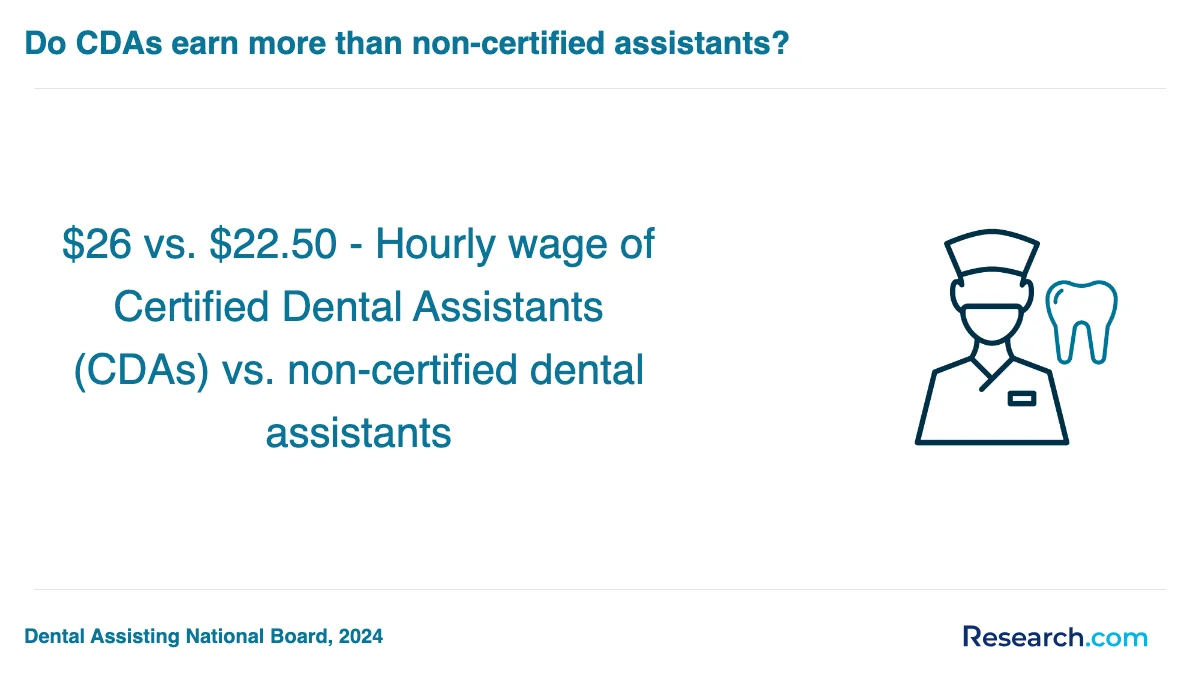
Obtaining a dental assistant trade school diploma in Tennessee significantly enhances career mobility and advancement opportunities. According to the Tennessee Department of Labor and Workforce Development, certified dental assistants earn on average 15% more than uncertified peers, reflecting the value of formal education. A diploma provides essential clinical skills and knowledge, making graduates eligible for expanded roles and better-paying positions within dental offices.
Additionally, accredited programs prepare students for the Certified Dental Assistant (CDA) exam, a credential increasingly preferred by employers in Tennessee. This certification can lead to supervisory roles or specialized fields such as radiography.
Trade school diplomas also facilitate quicker entry into the workforce, reducing unemployment periods compared to traditional academic routes.
Part-time job opportunities in Tennessee that complement dental assistant trade school education include working as a dental receptionist, sterilization technician, or dental office assistant. These roles provide valuable hands-on experience with patient interaction, office management, and infection control procedures, which are essential skills for dental assistants.
According to the U.S. Bureau of Labor Statistics, the demand for dental assistants in Tennessee is projected to grow by 11% from 2022 to 2032, indicating a healthy job market. Gaining part-time experience while studying can improve employability and practical knowledge.
Additionally, some students find opportunities in community health clinics or dental outreach programs, which offer exposure to diverse patient populations and dental care settings. These positions often provide flexible hours suited to a student's schedule.
To find the most affordable Dental Assistant degree program near me or near Tennessee, first consider using online resources like Research.com, where you can filter results based on location and price. Many universities and technical schools offer Dental Assistant programs, often including public community colleges which tend to be the most cost-effective option. Visiting local community colleges, contacting admissions offices, and requesting information about tuition costs and available financial aid can help identify the most affordable opportunities in your area.
- Most Affordable Dental Assistant Schools & Training - Budget-Friendly Dental-Assistant Trade Programs in Kentucky for 2026
- Most Affordable Dental Assistant Schools & Training - Budget-Friendly Dental-Assistant Trade Programs in Georgia for 2026
- Most Affordable Dental Assistant Schools & Training - Budget-Friendly Dental-Assistant Trade Programs in North Carolina for 2026
- Most Affordable Dental Assistant Schools & Training - Budget-Friendly Dental-Assistant Trade Programs in Arkansas for 2026
- Most Affordable Dental Assistant Schools & Training - Budget-Friendly Dental-Assistant Trade Programs in Indiana for 2026
- Most Affordable Dental Assistant Schools & Training - Budget-Friendly Dental-Assistant Trade Programs in West Virginia for 2026
- Most Affordable Dental Assistant Schools & Training - Budget-Friendly Dental-Assistant Trade Programs in Florida for 2026
- Most Affordable Dental Assistant Schools & Training - Budget-Friendly Dental-Assistant Trade Programs in Louisiana for 2026
- Most Affordable Dental Assistant Schools & Training - Budget-Friendly Dental-Assistant Trade Programs in Michigan for 2026
- Most Affordable Dental Assistant Schools & Training - Budget-Friendly Dental-Assistant Trade Programs in New Jersey for 2026
- Online Dental Assistant Certificate Program | Self-Paced Course https://www.uscareerinstitute.edu/online-dental-assistant-school
- Dental Assistant School, Certification Training Programs https://rosseducation.edu/programs/dental-assistant.php
- Dental Assistant Training Program | School of Dental Medicine https://www.dental.pitt.edu/dental-assistant-training-program
- Dental Assistant Schools - Hands-On Training & Certification Info https://www.trade-schools.net/health-care/dental-assistant
- Dental Assistant Certification & Training School | Fortis https://www.fortis.edu/programs/dental/dental-assisting.html
- Dental Assisting Program https://gwinnetttech.edu/dentalassisting/
- Dental Assistant Certificate Program | Carrington College https://carrington.edu/program/dental-assisting/
- Dental Assistant | Minneapolis Community & Technical College https://minneapolis.edu/academics/school-nursing-health-sciences-and-wellness/dental-assistant
- Dental Assisting | TCAT Knoxville https://tcatknoxville.edu/programs/dental-assisting
- Dental Assisting | TCAT Nashville https://tcatnashville.edu/programs/dental-assisting


