
Most Affordable Dental Assistant Schools & Training - Budget-Friendly Dental-Assistant Trade Programs in New Jersey for 2026

Co-Founder and Chief Data Scientist
Thinking about starting a career as a dental assistant in New Jersey? Choosing the right trade school can make all the difference in reaching your goals quickly and confidently.
This article introduces a carefully crafted ranking of dental assistant trade school programs created by the Research.com team of data scientists. It’s designed to help you discover which programs truly stand out and are worth your consideration.
By reading this guide, you’ll gain valuable insights to make an informed decision and take a positive step toward earning your diploma or certification, opening doors to a rewarding career.
Key benefits of finishing dental assistant trade school in New Jersey
- Graduates of dental assistant trade schools in New Jersey can expect to earn an average annual salary around $52,000, with starting pay near $41,500 and opportunities to grow beyond $60,000 with experience and certifications.
- A graduate from a popular New Jersey trade school can pursue various career paths, such as becoming a certified dental assistant, working in specialty dental offices, or advancing into administrative roles within dental practices.
- Completing a dental assistant program online offers flexibility and convenience, allowing students to balance work and study while gaining the same valuable skills as traditional programs, as shown by successful online graduates from well-known New Jersey schools.
What can I expect from dental assistant trade schools in New Jersey?
Enrolling in a dental assistant trade school program in New Jersey means engaging in a hands-on, immersive learning experience designed to prepare you for real-world dental settings. Graduates often describe a balanced mix of classroom lessons on dental sciences and infection control paired with practical lab sessions using cutting-edge equipment. For instance, students from well-known New Jersey trade schools commonly share how clinical externships allowed them to confidently assist patients under supervision, bridging theory with practice.
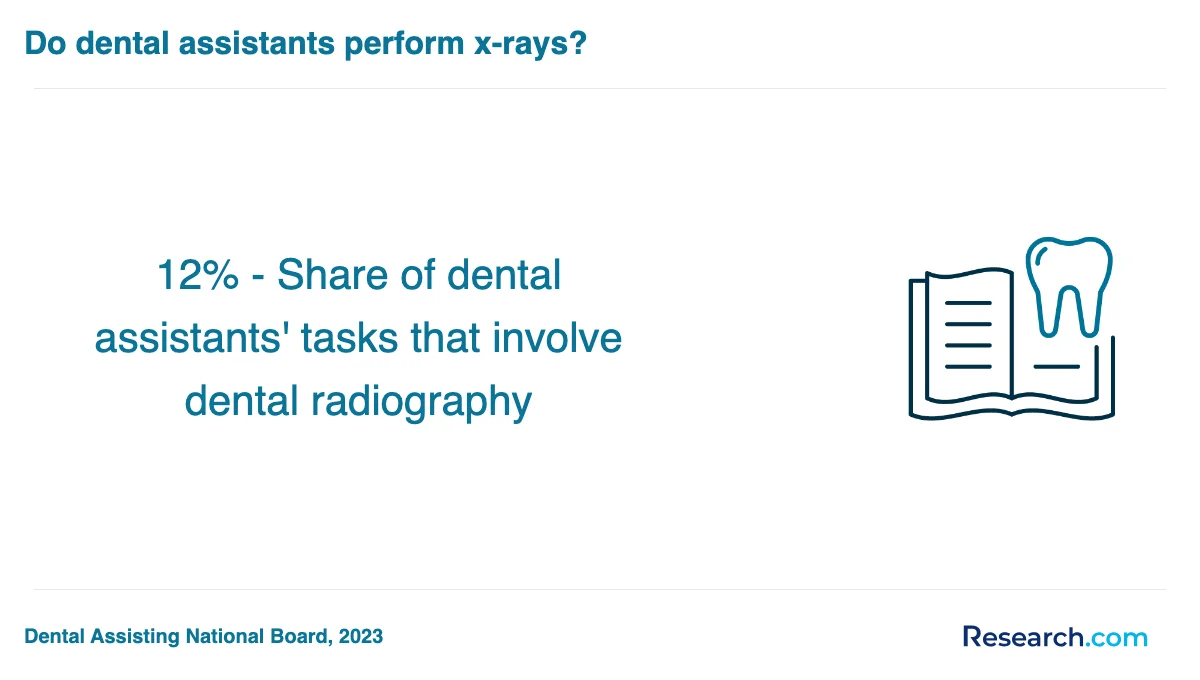
Expect strict attendance policies, often requiring 100% presence, reflecting the importance of mastering hands-on skills. The curriculum covers essential topics like chairside assisting and radiology, with many programs incorporating preparation for state licensing exams such as the Radiology Health and Safety exam. Tuition averages around $1,999, plus additional costs like textbooks and licensing fees, which graduates recall budgeting carefully for.
Career support services are a significant benefit; students find resume workshops and job placement assistance invaluable when transitioning into New Jersey's growing dental workforce. Overall, the experience is both challenging and rewarding, leaving students equipped and optimistic about their future as dental assistants.
Where can I work after finishing dental assistant trade schools in New Jersey?
After completing a dental assistant trade school program in New Jersey, graduates find diverse employment opportunities that match their skills and certification. Many start in private dental practices, where they quickly become essential team members by preparing patients and assisting dentists during procedures. Graduates from well-known trade schools often share how rewarding it is to work in specialized offices like orthodontics or pediatric dentistry, gaining hands-on experience that builds confidence.
Others find roles in hospitals or large healthcare organizations, such as Cooper University Health Care, where Registered Dental Assistants support complex dental procedures. These positions often require additional certifications like the New Jersey Dental Radiology license, which trade schools help students prepare for, ensuring graduates feel prepared and motivated.
Community health clinics and mobile dental units also employ graduates, allowing them to impact underserved populations directly. Some graduates appreciate the variety, moving into dental sales or insurance firms where their technical knowledge shines in less clinical but equally important roles.
Overall, the demand across New Jersey offers graduates flexibility and optimism about their career paths after trade school.
How much can I make after finishing dental assistant trade schools in New Jersey?
After finishing a dental assistant trade school program in New Jersey, many graduates find themselves starting with salaries around $36,000 to $37,000 per year. This entry-level pay reflects the typical outlook for those stepping into their first dental assistant roles, often with limited hands-on experience but solid training from well-known trade schools in the state. For example, graduates from programs in cities like Newark or Jersey City often share stories of landing jobs quickly, feeling excited about earning a stable income right away.
With more experience and certifications like radiography or expanded functions, earnings can rise significantly. Many graduates report moving into the $37,000 to $54,000 range after a few years, sometimes reaching over $60,000 annually if they specialize further. Location matters too-those working in Ocean City or Trenton tend to see slightly higher averages around $46,000.
Hourly rates typically fall between $20.57 and $24, which feels rewarding for recent graduates balancing new careers and continuing education. This financial progression motivates many students to keep advancing their skills after completing their trade school programs.
Most Affordable Dental Assistant Schools & Training - Budget-Friendly Dental-Assistant Trade Programs in New Jersey for 2026
# 1 position
Camden County College - Dental Assisting/Assistant.
associateThe Dental Assisting/Assistant program at Camden County College offers a hybrid format with some distance-education options. It prepares students to assist dentists and hygienists by providing patient care, taking dental radiographs, and managing office administrative tasks. The curriculum covers medical record-keeping, equipment maintenance, radiography, chairside assisting, and supervised practice. Annual in-state tuition is $3,960, and median earnings one year after completion are $47,009. The program is accredited by the Middle States Commission on Higher Education.
# 2 position
Camden County College - Dental Assisting/Assistant.
certificate or diplomaThe Dental Assisting/Assistant program at Camden County College is a hybrid course preparing students for patient care, dental radiographs, and office administrative tasks under dentist supervision. Instruction covers medical record-keeping, scheduling, equipment sterilization, radiography, and chairside assisting. The annual in-state tuition is $3,960. Graduates have median earnings of $47,009 one year after completion. The program is accredited by the Middle States Commission on Higher Education.
# 3 position
Ocean County Vocational-Technical School - Dental Assisting/Assistant.
certificate or diplomaThe Dental Assisting/Assistant program at Ocean County Vocational-Technical School is a hybrid course designed to prepare students for patient care and dental office support. Training includes taking dental radiographs, chairside assisting, and office administrative duties under professional supervision. Instruction covers medical records, equipment maintenance, patient intake, scheduling, sterilization, and supervised practical experience. The program is accredited by the Middle States Commission on Secondary Education.
# 4 position
Lincoln Technical Institute-Iselin - Dental Assisting/Assistant.
certificate or diplomaLincoln Technical Institute-Iselin offers an on-campus Dental Assisting/Assistant program that trains students to provide patient care, take dental radiographs, and assist dentists and hygienists. The curriculum includes medical record-keeping, office duties, patient intake, scheduling, equipment maintenance, sterilization, chairside assisting, and supervised practice. Graduates earn a median salary of $30,560 one year after completing the program. The program is accredited by the Accrediting Commission of Career Schools and Colleges.
# 5 position
Advantage Career Institute - Dental Assisting/Assistant.
certificate or diplomaThe Dental Assisting/Assistant program at Advantage Career Institute offers a hybrid format with some distance-education options. It prepares students to provide patient care, perform dental radiographs, assist chairside, and manage office administrative tasks under supervision. Instruction includes record-keeping, scheduling, equipment maintenance, sterilization, and supervised practice. The program is accredited by the Middle States Commission on Secondary Education.
# 6 position
County College of Morris - Dental Assisting/Assistant.
certificate or diplomaThe Dental Assisting/Assistant program at County College of Morris is a hybrid option that prepares students to assist dentists and hygienists with patient care, dental radiographs, and office tasks. Instruction covers medical record-keeping, equipment maintenance, radiography, chairside assisting, and patient care. The program is accredited by the Middle States Commission on Higher Education. Annual in-state tuition is $6,210.
# 7 position
Raritan Valley Community College - Dental Assisting/Assistant.
certificate or diplomaThe Dental Assisting/Assistant program at Raritan Valley Community College is a hybrid course that prepares students to provide patient care, take dental radiographs, and assist dentists and hygienists. The curriculum covers medical record-keeping, office duties, scheduling, equipment maintenance, sterilization, chairside assisting, and supervised practice. The program is accredited by the Middle States Commission on Higher Education. Annual in-state tuition is $5,520.
# 8 position
Fortis Institute-Wayne - Dental Assisting/Assistant.
certificate or diplomaThe Dental Assisting/Assistant program at Fortis Institute-Wayne offers a hybrid format with some distance-education options. It prepares students to provide patient care, take dental radiographs, and assist dentists and hygienists with procedures. Instruction includes medical record-keeping, office duties, scheduling, equipment maintenance, sterilization, radiography, and chairside assisting. Graduates earn a median income of $25,232 one year after completion. The program is accredited by the Accrediting Bureau of Health Education Schools.
# 9 position
Fortis Institute-Lawrenceville - Dental Assisting/Assistant.
certificate or diplomaThe Dental Assisting/Assistant program at Fortis Institute-Lawrenceville offers hybrid learning with some distance-education options. It prepares students to provide patient care, take dental radiographs, assist during procedures, and manage office administrative tasks under professional supervision. Instruction covers medical record-keeping, scheduling, equipment maintenance, sterilization, radiography, and chairside assisting. Graduates have median earnings of $25,232 one year after completion. The program is accredited by the Accrediting Bureau of Health Education Schools.
# 10 position
American Institute-Clifton - Dental Assisting/Assistant.
certificate or diplomaThe Dental Assisting/Assistant program at American Institute-Clifton prepares students to provide patient care, take dental radiographs, and assist dentists and hygienists. The hybrid program includes training in medical record-keeping, office duties, scheduling, equipment maintenance, sterilization, chairside assisting, and supervised practice. Graduates earn a median salary of $25,355 one year after completion. The program is accredited by the Accrediting Bureau of Health Education Schools.
Key Findings
- Applicants must have a high school diploma or GED and be at least 18 years old with a written attestation of good moral character.
- Programs must be approved by the New Jersey State Board of Dentistry and typically follow CODA standards to prepare students for the CDA exam.
- Tuition for dental assistant programs averages around $1,999, with additional costs for textbooks and state licensing fees near $255.
- After passing the CDA exam, graduates can apply for Registered Dental Assistant licensure to perform expanded duties under dentist supervision.
- Starting salaries for dental assistants in New Jersey range from $40,000 to $46,000 annually, with higher wages for experienced RDAs.
How long does it take to complete dental assistant trade schools in New Jersey?
Completing a dental assistant trade school program in New Jersey typically takes between 9 to 12 months, depending on the school and whether you attend full-time or part-time. Graduates from popular New Jersey trade schools often mention how this timeline felt just right-fast enough to keep motivation high but thorough enough to build confidence in hands-on skills.
For example, students at well-known New Jersey programs share stories of balancing studies with family or work, appreciating the flexible pacing. Many highlight the relief and excitement they felt when completing clinical practice within a year, ready to enter the workforce without unnecessary delay.
This timeframe allows students to immerse themselves fully in both classroom learning and practical experience, such as chairside assisting and dental office management, which are emphasized in local New Jersey curricula. The sense of accomplishment from finishing in under a year often fuels their enthusiasm for starting their careers promptly.
What's the difference between online and on-campus dental assistant trade school programs?
The main difference between online and on-campus dental assistant trade school programs in New Jersey lies in how students engage with coursework and hands-on training. Graduates from online programs like those at New Jersey City University often praise the flexibility of accessing lectures and assignments from home, which helps them balance jobs or family commitments. However, they emphasize that completing the required in-person clinical externship at a local dental office is critical for gaining real-world skills and confidence.
On the other hand, students attending on-campus programs such as ACI Medical & Dental School or GS Dental Academy describe a more immersive experience. They benefit from using actual dental equipment daily and receiving immediate feedback from instructors, which many find motivating and reassuring. The face-to-face interaction fosters a strong sense of community and support, often making the learning process feel more dynamic and engaging.
Both paths ensure graduates meet New Jersey's licensing standards, including passing the DANB exam and obtaining a radiology license, but the choice depends on personal learning preferences and lifestyle.
What is the average cost of dental assistant trade schools in New Jersey?
The average tuition for dental assistant programs in New Jersey generally ranges from about $2,670 for shorter certificate programs up to nearly $47,720 for associate degree programs, reflecting wide variation depending on program length and institution. Certificate or diploma programs often last between 6 and 15 months, with costs mostly falling between $2,670 and $31,170. These programs are appealing for those seeking quicker entry into the workforce, as graduates recall feeling a strong sense of accomplishment completing the course efficiently.
On the other hand, many graduates of associate degree programs, which typically take around two years, report that the investment feels worthwhile due to the depth of training received. Tuition for these tends to range from $7,800 to $47,720. Considering the cost of dental assistant diploma programs in New Jersey, it's important for prospective students to evaluate not only tuition but also additional expenses like books, supplies, and certification fees. For example, a popular trade school in Wayne offers tuition around $16,264, which many graduates remember as a manageable expense compared to the value of their education.
In New Jersey, the average tuition and fees for dental assisting programs hover near $18,207, slightly above the national average but with programs usually completed in around 9.22 months spanning 239 contact hours. Graduates often highlight how financial aid, scholarships, and payment plans made the cost more attainable, emphasizing the importance of contacting school financial aid offices early. Some students also explore online dental hygienist programs for flexible learning options that can impact overall expenses positively.
What financial aid is available for dental assistant trade schools in New Jersey?
Dental assistant students in New Jersey often rely on federal financial aid as a primary support, especially through Title IV programs. Graduates from schools like ACI Medical & Dental School in Eatontown frequently mention how completing the FAFSA was a crucial step that unlocked access to grants and loans, directly easing their tuition burden.
Many students also find payment plans invaluable. These plans, offered by numerous trade schools, allow tuition to be paid in manageable installments. This flexibility was a relief for those who did not qualify for federal aid or needed to balance work and study without overwhelming debt.
State and local grants, such as those accessed via the One-Stop Career Center in partnership with Cape May County Technical School, provide targeted support for unemployed or underemployed students aiming to reskill. Veterans and their families benefit from educational benefits like the Post-9/11 GI Bill®, which covers tuition and fees at approved institutions.
Private education loans remain an option, though graduates advise careful consideration of terms to avoid excessive debt. Overall, these layered financial aid options reflect the practical realities faced by New Jersey students pursuing dental assistant careers.
What are the prerequisites for enrolling in dental assistant trade schools in New Jersey?
Enrolling in a dental assistant trade school program in New Jersey typically requires meeting several key prerequisites designed to ensure students are prepared for the hands-on and theoretical demands of the field. Most programs expect applicants to have a high school diploma or GED, reflecting a baseline educational foundation. Graduates from popular New Jersey trade schools often share that having completed these prerequisites helped them confidently engage with both coursework and clinical practice.
Beyond academic qualifications, schools frequently require:
- Proof of immunizations and a recent health screening to protect both students and patients during practical training
- Background checks, as students will be working in clinical environments where patient safety is paramount
- Basic proficiency in English to comprehend instructional materials and communicate effectively with instructors and patients
Many students describe the application process as straightforward but emphasize the importance of organization-gathering transcripts, medical records, and completing prerequisite documentation early can reduce stress. For example, graduates from well-known New Jersey trade schools mention that meeting these prerequisites allowed them to focus fully on skill development without administrative distractions, making their learning experience more positive and engaging.
What are the typical courses in dental assistant trade schools in New Jersey?
Dental assistant trade school programs in New Jersey consistently offer a balanced curriculum combining clinical skills and administrative knowledge, designed to prepare students for immediate work in dental offices. Graduates from well-known trade schools often share how hands-on experience with advanced equipment in real dental settings boosted their confidence quickly.
Core clinical courses include:
- Dental anatomy and physiology: Understanding teeth structure and oral tissues, essential for chair-side assisting.
- Chair-side assisting techniques: Practical skills for working directly alongside dentists during treatments.
- Dental radiology: Training to obtain the state-required Radiology License, involving x-ray techniques approved by New Jersey's Radiologic Technology Board.
- Infection control and occupational safety: Maintaining sterile environments and legal compliance, a critical daily responsibility.
- Oral health education and prevention: Teaching patients healthy habits, a rewarding part of the role.
Additional courses cover dental materials and equipment use, including hand pieces and impression materials, plus restorative procedures like crowns and dentures. On the administrative side, students learn patient information management, appointment scheduling, and coding radiology services. Graduates often express how learning communication skills and legal aspects helped them feel prepared to interact professionally in busy dental offices.
What are the available specializations in dental assistant trade schools in New Jersey?
Dental assistant trade school programs in New Jersey typically offer specializations that prepare students for diverse roles within the dental field. Many graduates highlight the value of pursuing Dental Radiography Certification in New Jersey, as seen in programs like those at ACI Medical & Dental School, where hands-on radiology training and licensing can be completed in just five months. This specialization empowers students to confidently operate radiology equipment in real dental settings.
Others have benefited from administrative-focused programs, such as the Certified Dental Office Assistant course at Rowan College South Jersey, which teaches essential skills like patient scheduling and insurance claims processing-crucial for someone aiming to manage a busy dental office.
Beyond these, some students find a blend of clinical and technical expertise appealing. GS Dental Academy's integrated dental assisting and radiology technology course offers practical learning in a dentist-supervised environment, creating a realistic professional setting.
Graduates appreciate programs like Brookdale Community College's, which limit class sizes and emphasize chairside assisting and sterilization techniques, offering a nurturing environment to gain hands-on experience. Specializations like Orthodontic Assistant Training in New Jersey also attract those interested in niche dental practices.
If you're considering which path suits you best, exploring the best dental assistant certificate programs online can provide additional guidance and options tailored to your goals.
How do you choose the best dental assistant trade school program in New Jersey?
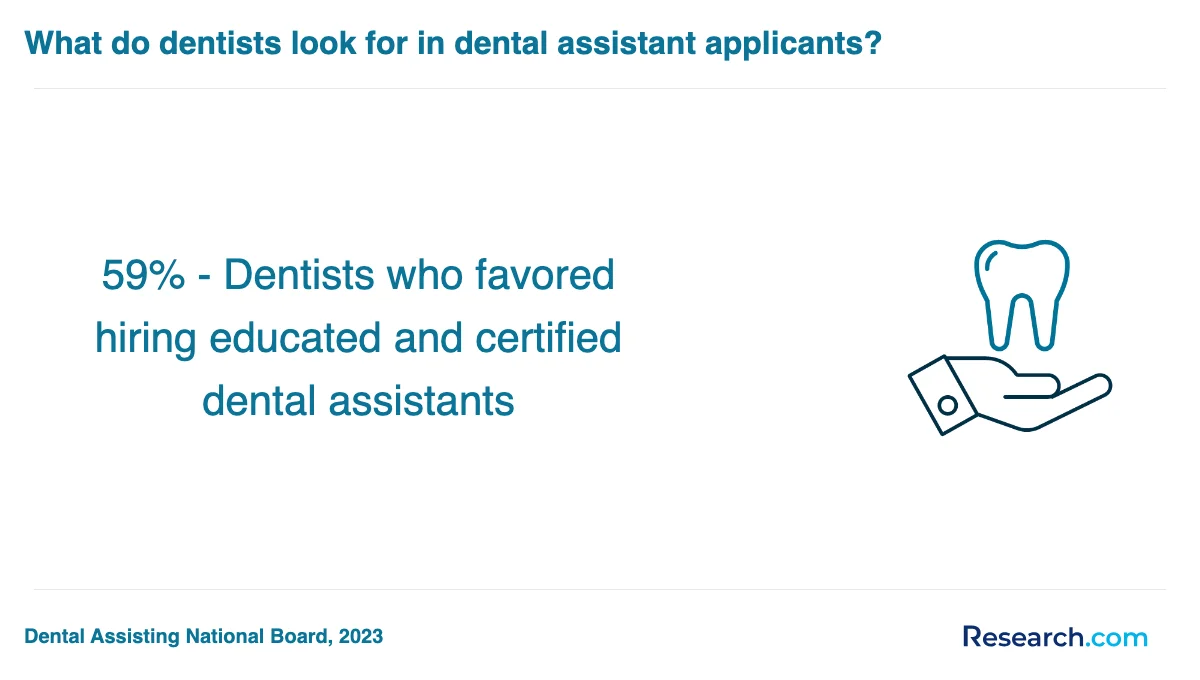
Choosing the best dental assistant programs in New Jersey hinges on accreditation, as graduates emphasize how a CODA-accredited curriculum directly enabled them to sit for the national Certified Dental Assistant exam and pursue licensure through the New Jersey State Board of Dentistry. Students from well-known colleges appreciate programs that balance comprehensive coursework-covering dental radiology, materials, and office management-with hands-on internships, which build confidence and real-world skills. One graduate recalled how the structured externship helped ease the transition into a busy dental office, making the learning experience both practical and rewarding.
When comparing schools, consider how to compare dental assistant schools in New Jersey by examining admissions criteria, program length, and class schedules aligned with your lifestyle. Many full-time programs run about ten months with weekday classes, which suits those ready for an immersive commitment. Others may offer flexibility for working students. Tuition and support services also affect student satisfaction, as shared by alumni who felt encouraged by accessible faculty and tutoring.
Understanding career outcomes is crucial; only approved programs offer pathways to licensure, so reviewing this can save time and stress. For those exploring career options, it's helpful to research what jobs can a certified medical assistant do to see potential growth beyond dental assisting roles.
What career paths are available for dental assistant trade school graduates in New Jersey?
Graduates of dental assistant trade school programs in New Jersey quickly discover diverse dental assistant career opportunities in New Jersey beyond the entry-level roles. Many start as Dental Assistants (Unregistered), performing essential clinical tasks under supervision. However, popular New Jersey trade schools emphasize preparation for advanced credentials, pushing graduates toward becoming Registered Dental Assistants (RDAs). RDAs enjoy expanded duties like radiography and often observe noticeable salary increases, making this path highly appealing.
Some graduates pursue advanced dental assisting roles New Jersey recognizes, such as the Limited Registered Dental Assistant in Orthodontics (LRDA), allowing specialization in orthodontic care with additional training.
Based on experiences shared by graduates from well-known programs, career growth often comes from combining clinical skills with administrative roles like patient scheduling and office management, revealing broader workplace opportunities.
Settings include:
- Private dental offices
- Specialty clinics like orthodontics or pediatrics
- Dental schools
- Hospitals
Understanding the difference between these roles can be clearer by exploring resources like dental assistant vs. dental hygienist, which highlights unique career paths.
What is the job market for dental assistant trade school graduates in New Jersey?
The dental assistant job outlook in New Jersey is notably positive for trade school graduates, with many employers actively seeking certified candidates. Graduates from popular trade schools across the state often find opportunities in cities like Newark, Cherry Hill, and Morristown, demonstrating a geographically diverse market. Entry-level wages typically start between $16 and $25 per hour, with higher pay seen in urban areas or advanced roles.
Many graduates report that employers are willing to train newcomers who have completed accredited programs, even without prior experience, which significantly expands job prospects. The availability of over 50 Registered Dental Assistant positions statewide highlights a clear path from certification to employment. Benefits such as paid holidays and healthcare coverage increase the appeal of full-time roles.
- Competitive hourly wages ranging from $16 to $27 depending on experience and location
- Strong employment growth New Jersey dental assistants enjoy supports steady hiring
- Opportunities to work near home or relocate within the state's various municipalities
For those considering programs, it's useful to explore the cheapest dental assistant associate degree online options, which can offer affordable paths into this thriving career. Real-life graduates often describe their career start as both encouraging and motivating, reflecting the steady demand and advancement opportunities available in New Jersey's dental workplaces.
Frequently Asked Questions about dental assistant
After completing a dental assistant trade school in New Jersey, preparing for the job market involves several important steps. First, obtaining certification through the Dental Assisting National Board (DANB) can significantly improve employment prospects. In New Jersey, many employers prefer or require the Certified Dental Assistant (CDA) credential. According to the U.S. Bureau of Labor Statistics, dental assistant jobs in New Jersey are projected to grow by 10% from 2022 to 2032, faster than average for all occupations.
Networking with local dental offices and attending career fairs hosted by trade schools can help graduates connect with employers. Additionally, developing strong communication and organizational skills is crucial, as these are highly valued in dental practices. Staying informed about state-specific licensing requirements and continuing education opportunities also supports long-term career growth in this field.
Employers in New Jersey seek dental assistant graduates who possess both technical and interpersonal skills. Proficiency in chairside assisting, sterilization procedures, and dental radiography is essential, as these tasks make up the core daily responsibilities. According to the New Jersey Department of Labor, candidates with certification in radiography have higher job placement rates.
Strong communication abilities are equally important. Dental assistants must effectively explain treatments to patients and collaborate with dentists and office staff. Attention to detail and adherence to safety protocols are critical to ensure patient health and regulatory compliance.
Additionally, familiarity with dental software and electronic health records can give graduates a competitive edge, reflecting the increasing digitization in dental offices statewide.
Finding internships relevant to a dental assistant trade school program in New Jersey involves several practical steps. Start by contacting the career services office of your trade school, as many maintain partnerships with local dental offices and clinics. The New Jersey Dental Association (NJDA) also offers resources and networking opportunities that can connect students with internship openings.
Additionally, consider reaching out directly to dental practices in your area, since many small offices offer internships or externships to students. According to the NJDA, dental assistant internships often provide hands-on experience essential for certification and employment.
Online platforms such as the New Jersey Department of Labor's job portal can list internship opportunities specifically for healthcare roles, including dental assisting. Early application and professional communication increase your chances of securing a position.
Obtaining a dental assistant trade school diploma in New Jersey significantly enhances career mobility and advancement opportunities. Graduates are eligible to take the Dental Assisting National Board (DANB) certification exam, which many employers prefer or require. According to the New Jersey Department of Labor, certified dental assistants earn approximately 15% more on average than non-certified peers.
Diploma holders gain practical skills and knowledge required for entry-level positions, increasing employability in a competitive job market. New Jersey's strong demand for dental assistants, projected to grow by 10% from 2022 to 2032, supports upward career movement.
Additionally, some trade schools provide networking and continuing education options that facilitate specialization and leadership roles within dental offices.
Students enrolled in dental assistant trade schools in New Jersey can benefit from several part-time job opportunities that complement their education. Working as a dental receptionist or front office assistant helps develop patient communication and administrative skills. Additionally, positions as dental sterilization technicians provide hands-on experience with infection control, a key aspect of dental assisting.
According to the New Jersey Department of Labor, dental assistant roles are expected to grow by 13% through 2030, indicating strong demand. Part-time jobs in dental offices also allow students to observe clinical procedures and build professional networks. These opportunities enhance practical knowledge while supporting students financially during their studies.
To choose the most affordable Dental Assistant degree program near me, start by researching local community colleges or technical schools that offer such programs, focusing on their tuition rates, financial aid opportunities, and potential cost savings for residents. Near New Jersey, you can explore institutions that provide Dental Assistant programs, comparing their curricula, accreditations, and student reviews to ensure they meet your educational needs. Additionally, utilizing resources like Research.com can help identify programs with strong academic reputations while considering affordability and proximity.
Related Dental Assistant Rankings for Nearby States
- Most Affordable Dental Assistant Schools & Training - Budget-Friendly Dental-Assistant Trade Programs in Connecticut for 2026
- Most Affordable Dental Assistant Schools & Training - Budget-Friendly Dental-Assistant Trade Programs in Rhode Island for 2026
- Most Affordable Dental Assistant Schools & Training - Budget-Friendly Dental-Assistant Trade Programs in West Virginia for 2026
- Most Affordable Dental Assistant Schools & Training - Budget-Friendly Dental-Assistant Trade Programs in Kentucky for 2026
- Most Affordable Dental Assistant Schools & Training - Budget-Friendly Dental-Assistant Trade Programs in North Carolina for 2026
- Most Affordable Dental Assistant Schools & Training - Budget-Friendly Dental-Assistant Trade Programs in Tennessee for 2026
- Most Affordable Dental Assistant Schools & Training - Budget-Friendly Dental-Assistant Trade Programs in Maine for 2026
- Most Affordable Dental Assistant Schools & Training - Budget-Friendly Dental-Assistant Trade Programs in Indiana for 2026
- Most Affordable Dental Assistant Schools & Training - Budget-Friendly Dental-Assistant Trade Programs in Georgia for 2026
- Most Affordable Dental Assistant Schools & Training - Budget-Friendly Dental-Assistant Trade Programs in Michigan for 2026
Top Trending Rankings
References
- Dental Assistant Training Program Information and Application | Oakland County, MI | Oakland Community College https://www.oaklandcc.edu/training-programs/dental
- Dental Assisting Program Application Information | Lamar State College Orange https://www.lsco.edu/programs/degrees-certificates/dental-assisting/application-information.php
- Apply to the Dental Assisting Program https://mcckc.edu/programs/dental-assisting/apply.aspx
- Dental Assisting | Central Piedmont https://www.cpcc.edu/programs/dental-assisting
- Dental Assistant Training Program | School of Dentistry | University of Utah Health https://dentistry.utah.edu/dental-assistant-training-program
- Dental Assisting Certificate | Mike Petryk School of Dentistry https://www.ualberta.ca/en/school-of-dentistry/programs-and-admissions/dental-assisting-certificate/index.html
- Dental Assistant Program Admission - Rochester Community and Technical College https://www.rctc.edu/program/da/admission/
- 8 Dental Assisting Career Pathways https://cariscollege.edu/dental-assisting/dental-assistant-careers/8-dental-assisting-career-pathways/
- Exciting Career Paths for Dental Assistants - Academy for Dental Assistants https://academy4da.com/career-paths-dental-assistants/
- Types of Dental Assistants & Career Specialties: Build Your Path https://www.chcp.edu/blog/types-dental-assistant-career/


