
Most Affordable Dental Assistant Schools & Training - Budget-Friendly Dental-Assistant Trade Programs in Alabama for 2026

Co-Founder and Chief Data Scientist
Choosing the right dental assistant trade school in Alabama can feel overwhelming, but this article is here to help. Our dental assistant trade school programs ranking, created by the Research.com team of data scientists, offers clear insights to guide your decision.
By exploring this guide, you’ll discover affordable options that fit your goals and budget. Earning a diploma or certification as a dental assistant opens doors to a rewarding career with growth potential and job stability.
Take the first step toward a brighter future with confidence and clarity.
Key benefits of finishing dental assistant trade school in Alabama
- Graduates of dental assistant trade schools in Alabama can expect an average annual salary around $37,440, with hourly wages near $18.00, making it a rewarding career choice early on.
- Many dental assistant graduates find diverse career paths, including working in busy urban clinics like Birmingham or Huntsville, gaining valuable experience that can lead to specialized roles or management positions.
- Completing a dental assistant program online offers great flexibility, allowing students to balance studies with personal life, as seen in successful graduates from popular Alabama online trade schools who quickly enter the workforce.
What can I expect from dental assistant trade schools in Alabama?
Expect a hands-on, immersive experience when enrolling in a dental assistant trade school program in Alabama. Graduates from schools like Wallace Community College or Coastal Alabama Community College often describe a balance of classroom learning and practical training that builds confidence fast. You'll dive into courses on tooth anatomy, dental materials, and radiography, paired with real-world lab sessions where you practice taking dental impressions or assisting with fillings and crowns.
Many students find clinical rotations especially eye-opening, as seen in programs such as the University of Alabama at Birmingham's School of Dentistry, where working with actual patients brings textbook concepts to life. Flexible scheduling-including evening or weekend classes-helps those juggling work or family commitments.
Beyond technical skills, expect to develop communication abilities essential for patient care and office teamwork. Preparation for national certification exams is woven into the curriculum, giving you a clear path to credentialing and job readiness.
Financial aid options and career support are common, making the journey feel achievable and supported every step of the way.
Where can I work after finishing dental assistant trade schools in Alabama?
Graduates from dental assistant trade schools in Alabama often find themselves stepping into vibrant careers across the state's diverse dental industry. Many start their journey in general dental practices, where they support dentists by preparing exam rooms, sterilizing instruments, and managing patient records. Imagine a recent graduate from a well-known trade school in Birmingham confidently assisting in a busy private office, gaining hands-on experience alongside seasoned professionals.
Others discover exciting roles in specialized settings like orthodontic clinics, helping with braces and aligners, or oral surgery centers, where their contributions directly impact patient recovery. Some graduates even venture into dental laboratories, applying extra skills to craft dental prosthetics. Flexible scheduling is a significant draw for many, with opportunities for full-time or part-time positions across cities such as Huntsville, Mobile, and Dothan, allowing them to balance work and personal life effectively.
New graduates frequently share a sense of accomplishment and optimism, knowing their trade school training opened doors to meaningful employment with reputable employers like Aspen Dental and Dental Care of Huntsville. The variety of workplaces ensures that every graduate can find a path that suits their interests and lifestyle.
How much can I make after finishing dental assistant trade schools in Alabama?
Graduates of dental assistant trade schools in Alabama often find themselves stepping into the workforce with an average starting salary around $37,440 per year, or about $18.00 per hour. Imagine completing your program at a well-known local trade school and soon after landing a job where your paycheck reflects both your hard-earned skills and the growing demand in cities like Birmingham or Huntsville. Some graduates share how their first roles in Birmingham brought in roughly $38,120 annually, while others in Huntsville enjoyed even higher starting wages near $40,550.
Many alumni recall feeling encouraged by seeing their hourly wage start as low as $15.67 but rise steadily to over $20.00 with experience and certifications. Those who trained at popular Alabama trade schools often mention the excitement of progressing beyond entry-level pay, sometimes reaching up to $55,000 annually after gaining specialized skills and relocating within the state. This real-world growth fuels motivation and makes the investment in a dental assistant program feel truly rewarding.
Most Affordable Dental Assistant Schools & Training - Budget-Friendly Dental-Assistant Trade Programs in Alabama for 2026
# 1 position
George C Wallace State Community College-Hanceville - Dental Assisting/Assistant.
associateGeorge C Wallace State Community College-Hanceville offers a hybrid Dental Assisting/Assistant program designed to train students in patient care, dental radiography, and office administrative duties under professional supervision. The curriculum covers medical record-keeping, equipment sterilization, chairside assisting, and supervised practical experience. Annual in-state tuition is $4,980. Graduates have median earnings of $34,837 one year after completion. The program is accredited by the Southern Association of Colleges and Schools Commission on Colleges.
# 2 position
George C Wallace State Community College-Hanceville - Dental Assisting/Assistant.
certificate or diplomaGeorge C Wallace State Community College-Hanceville offers a Dental Assisting/Assistant program with a hybrid format, allowing some distance education. The program prepares students for patient care, dental radiographs, and office administrative duties under supervision. Instruction covers medical record-keeping, equipment maintenance, chairside assisting, and supervised practice. Annual in-state tuition is $4,980. Graduates have median earnings of $34,837 one year after completion. The program is accredited by the Southern Association of Colleges and Schools Commission on Colleges.
# 3 position
John C Calhoun State Community College - Dental Assisting/Assistant.
associateJohn C Calhoun State Community College offers a hybrid Dental Assisting/Assistant program that prepares students to provide patient care, take dental radiographs, and assist in dental procedures. The curriculum includes medical record-keeping, office duties, scheduling, and equipment maintenance. The program is accredited by the Southern Association of Colleges and Schools Commission on Colleges. Annual in-state tuition is $5,060, and some distance-education options are available.
# 4 position
John C Calhoun State Community College - Dental Assisting/Assistant.
certificate or diplomaJohn C Calhoun State Community College offers a hybrid Dental Assisting/Assistant program that trains students in patient care, dental radiographs, and office administrative tasks under dental professional supervision. The curriculum covers medical record-keeping, reception, scheduling, equipment maintenance, basic radiography, chairside assisting, and supervised practice. The program’s annual in-state tuition is $5,060 and it is accredited by the Southern Association of Colleges and Schools Commission on Colleges.
# 5 position
H Councill Trenholm State Community College - Dental Assisting/Assistant.
associateH Councill Trenholm State Community College offers a Hybrid Dental Assisting/Assistant program preparing students to provide patient care, take dental radiographs, and perform office administrative functions under supervision. The curriculum includes medical record-keeping, scheduling, equipment maintenance, radiography, chairside assisting, and supervised practice. The program’s annual in-state tuition is $4,890. It is accredited by the Southern Association of Colleges and Schools Commission on Colleges.
# 6 position
H Councill Trenholm State Community College - Dental Assisting/Assistant.
certificate or diplomaThe Dental Assisting/Assistant program at H Councill Trenholm State Community College offers a hybrid format with some distance education. It trains students in patient care, dental radiography, office administration, and chairside assisting. The curriculum includes medical record-keeping, patient intake, scheduling, equipment maintenance, sterilization, and supervised practice. Annual in-state tuition is $4,890. The program is accredited by the Southern Association of Colleges and Schools Commission on Colleges.
# 7 position
Coastal Alabama Community College - Dental Assisting/Assistant.
associateCoastal Alabama Community College offers a hybrid Dental Assisting/Assistant program designed to prepare students for patient care, dental radiography, and office administrative tasks under supervision. The curriculum includes medical record-keeping, equipment maintenance, sterilization, chairside assisting, and patient care instruction. Annual in-state tuition is $4,980. The program is accredited by the Southern Association of Colleges and Schools Commission on Colleges.
# 8 position
Coastal Alabama Community College - Dental Assisting/Assistant.
certificate or diplomaCoastal Alabama Community College offers a Dental Assisting/Assistant program in a hybrid format, combining in-person and distance education. The program trains students to provide patient care, take dental radiographs, and assist dentists and hygienists. Coursework includes medical record-keeping, office duties, equipment maintenance, radiography, and chairside assisting. The annual in-state tuition is $4,980. The program is accredited by the Southern Association of Colleges and Schools Commission on Colleges.
# 9 position
Lawson State Community College - Dental Assisting/Assistant.
associateLawson State Community College offers a hybrid Dental Assisting/Assistant program that trains students to provide patient care, take dental radiographs, and assist in dental procedures under supervision. The curriculum covers medical record-keeping, office duties, equipment maintenance, sterilization, and chairside assisting. Annual in-state tuition is $4,980. The program is accredited by the Southern Association of Colleges and Schools Commission on Colleges.
# 10 position
Lawson State Community College - Dental Assisting/Assistant.
certificate or diplomaLawson State Community College offers a Dental Assisting/Assistant program with a hybrid format, combining in-person and distance education. The curriculum prepares students for patient care, dental radiography, administrative duties, and chairside assisting under professional supervision. Instruction includes medical record-keeping, equipment maintenance, and patient intake. The program is accredited by the Southern Association of Colleges and Schools Commission on Colleges. Annual in-state tuition is $4,980.
Key Findings
- Most dental assistant programs in Alabama require a high school diploma or GED and sometimes a minimum GPA of 2.0 to 2.3, along with test scores like the ACT or ACCUPLACER.
- Program lengths range from about 20 weeks for fast-track certificates to 9-12 months for more comprehensive diplomas or associate degrees.
- Costs vary, with short-term programs like Wallace Community College costing around $2,050, including tuition and books; financial aid and scholarships are often available.
- Graduates can take national certification exams such as Infection Control, Radiation Health and Safety, and General Chairside Assisting, although state licensure is not required in Alabama.
- Starting salaries for dental assistants in Alabama typically range from $30,000 to $35,000 per year, with experienced workers earning over $40,000 annually.
How long does it take to complete dental assistant trade schools in Alabama?
Completing a dental assistant trade school program in Alabama typically takes about 9 to 12 months, depending on the school and course format. Many graduates from well-known Alabama trade schools share how this timeline felt just right-not too long to delay their career start, yet thorough enough to build confidence and real skills.
For example, students at popular institutions often balance hands-on clinical practice with classroom learning within a year. This balance helps solidify their understanding, making the transition into actual dental offices smoother and less intimidating. One graduate described the experience as "a fast-paced journey that kept me motivated every day," highlighting how the program's length allowed them to stay engaged without burnout.
Because Alabama trade schools design these programs with working adults in mind, some offer evening or weekend classes to fit different lifestyles, which can slightly extend completion time but add valuable flexibility. Overall, the 9-to-12-month window is ideal for those eager to start their dental assisting careers while gaining comprehensive training.
What's the difference between online and on-campus dental assistant trade school programs?
Choosing between online and on-campus dental assistant programs in Alabama often comes down to how you want to experience learning. Graduates from on-campus programs, like those at Jefferson State Community College, often recall the energizing atmosphere of hands-on labs and face-to-face mentoring. They describe the confidence gained from practicing with real dental tools and the immediate feedback from instructors as invaluable. The in-person clinical rotations at nearby dental offices make the skills feel tangible and real, creating a strong sense of readiness for their first job.
On the other hand, graduates of online programs, such as Auburn University's, emphasize the freedom to learn on their schedule. They appreciate 24/7 access to interactive modules and virtual simulations, which allow balancing family or work alongside studies. Yet, these students also highlight the challenge and reward of arranging clinical experience locally, turning it into a personal achievement. Many feel proud mastering time management and technology while still gaining essential hands-on training required to succeed in Alabama's dental assisting field.
What is the average cost of dental assistant trade schools in Alabama?
The average tuition fees for dental assistant programs in Alabama can vary widely, but most students find themselves investing between $3,000 and $10,000 to complete their training. Graduates from Wallace Community College often share how its 20-week program, which costs around $2,050 including books, feels like a manageable commitment that quickly leads to job opportunities in the dental field. Meanwhile, those attending Birmingham or Huntsville Dental Assistant Schools describe balancing the choice between a one-time tuition payment of about $3,350 or a slightly higher total through a payment plan as a flexible option that fits different financial situations.
When considering the cost of dental assistant certification in Alabama, it's essential to factor in additional expenses such as uniforms, supplies, and textbooks, which can add $1,000 to $3,000 to the total investment. Students often find that budget planning is crucial, especially at institutions like the University of Alabama at Birmingham, where in-state tuition runs around $2,133 per term but out-of-state fees nearly double that.
Many dental assistant students appreciate the availability of financial aid options, including federal aid and scholarships, which make programs more accessible. Exploring these resources through the financial aid offices at these trade schools can transform an intimidating price tag into an achievable goal, enabling students to concentrate on hands-on learning. For those comparing options, reviewing data on medical assisting trade schools provides valuable insights for making informed decisions.
What financial aid is available for dental assistant trade schools in Alabama?
Financial aid is a crucial lifeline for many dental assistant students in Alabama, making programs at schools like Wallace Community College and the University of Alabama at Birmingham more accessible. Graduates often recall how federal aid, including Pell Grants and student loans, helped them cover tuition costs after completing the FAFSA, which was a straightforward but essential step.
State-specific support, such as the Short-Term Credential Scholarship Program Grant, has been a game-changer for students enrolling in short-term dental assistant training. Those attending Wallace Community College appreciated how this grant eased the financial burden, allowing them to focus on gaining hands-on skills without overwhelming debt.
Additionally, Workforce Innovation and Opportunity Act (WIOA) funding offers tuition assistance for eligible students pursuing high-demand careers, including dental assisting. Graduates from Bevill State Community College share how this support gave them confidence to pursue their goals quickly and affordably.
Many students also tap into private loans and institutional scholarships based on merit or need, creating multiple pathways to fund their education and transform their futures.
What are the prerequisites for enrolling in dental assistant trade schools in Alabama?
To enroll in a dental assistant trade school program in Alabama, candidates typically need to meet several key prerequisites that ensure readiness for this hands-on healthcare career. Most schools require a high school diploma or GED as a basic foundation, reflecting the importance of fundamental skills in reading, writing, and math.
Graduates from popular Alabama trade schools often share that having a genuine passion for patient care and a steady hand were just as crucial as meeting formal entry requirements. For example, many mention that demonstrating reliability and a positive attitude during the application process helped them stand out.
Common prerequisites include:
- Proof of high school completion or equivalent
- Passing a background check, ensuring patient safety
- Up-to-date immunizations, reflecting healthcare standards
- Basic computer literacy, as digital records are widely used
Some programs also recommend or require a brief interview or an entrance exam to assess communication skills and dedication. Imagine preparing for your first day at a well-known Alabama trade school, feeling confident because you met these prerequisites and connected with staff who valued your eagerness to learn and commitment to quality care.
What are the typical courses in dental assistant trade schools in Alabama?
In Alabama's dental assistant trade schools, students quickly dive into courses that blend hands-on practice with essential theory, preparing them for real dental office environments. Graduates often recall the impact of chairside assisting, where they learned to anticipate dentists' needs by mastering four-handed dentistry techniques and maintaining a sterile field-skills that boosted their confidence during clinical rotations.
Core courses typically include:
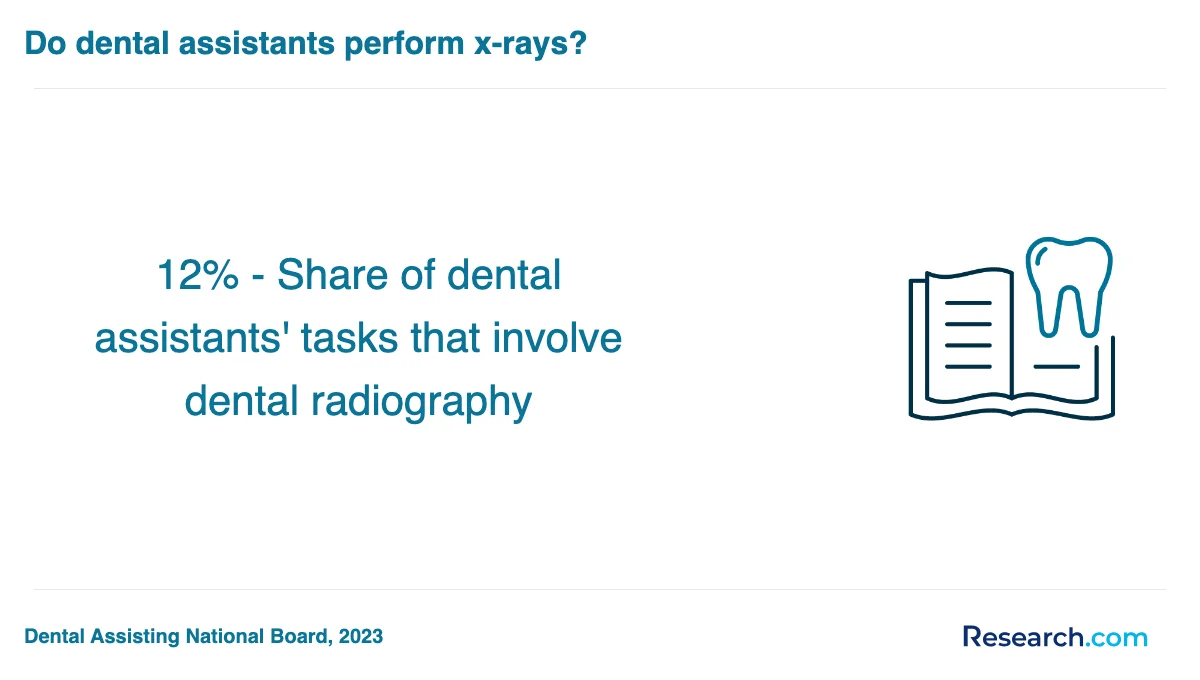
- Dental radiography: Training on taking and interpreting x-rays, including preparing for the state-required Radiation Health and Safety Exam, which many students find both challenging and rewarding.
- Dental materials and lab procedures: Practical lessons on making impressions and fabricating temporary crowns, helping students feel accomplished as they create tangible dental models.
- Office administration: Managing patient records, scheduling, and front-office operations, which graduates say made them feel ready to handle the fast-paced nature of dental offices.
Hands-on experience is a highlight, with many students spending hours in labs or dental offices, turning classroom knowledge into real-world skills under expert supervision-a factor that graduates often describe as a turning point in their training journey.
What are the available specializations in dental assistant trade schools in Alabama?
Dental assistant specializations in Alabama commonly begin with core skills but quickly expand into targeted expertise. Many graduates from popular trade schools describe their experience gaining certification in Expanded Duty Dental Assisting (EDDA), which enables them to perform advanced tasks like placing sealants or taking impressions-skills that significantly boost their confidence and employability.
Alabama dental assisting program options also emphasize preparation for the Dental Assisting National Board (DANB) certification, covering General Chairside Assisting, Radiation Health and Safety, and Infection Control. Graduates often highlight how mastering radiography gave them practical job-ready skills, such as taking x-rays, which many employers highly seek.
Students enjoy elective modules on subjects like digital imaging and office administration, allowing them to tailor their training to real-world dental offices. Clinical rotations in pediatric or orthodontic practices provide invaluable hands-on experience, helping students envision their future careers.
- EDDA certification for expanded clinical duties
- DANB certification preparation with radiography focus
- Elective modules in infection control and office administration
- Externships in specialty dental practices
Choosing dental assistant specializations in Alabama trade schools not only enhances skills but also opens doors to some of the best healthcare jobs, offering an exciting pathway toward a fulfilling career in dental care.
How do you choose the best dental assistant trade school program in Alabama?
Selecting the best dental assistant trade school program in Alabama hinges first on understanding accreditation status. Graduates from Fortis College in Montgomery often share how the recognized quality of their program opened doors to certification and confident practice. A program's duration and flexibility also directly affect one's ability to balance work or family, with some students praising Northwest Shoals Community College for offering evening classes that fit their busy lives. Evaluating tuition and financial aid opportunities is essential; many find scholarships at H. Councill Trenholm State Community College eased financial stress and allowed them to focus on hands-on learning.
Hands-on clinical training opportunities cannot be overstated-Ross Medical Education Center's externships gave students real-world confidence and skill readiness. Employment outcomes and job placement rates matter greatly; programs with strong local dental office relationships provide a smoother transition into careers. Location and accessibility influence daily routines, which alumni of Birmingham's Fortis Institute frequently highlight as a vital benefit.
Choosing the right curriculum and specializations offered helps tailor education to your ambitions, while student support services can be the difference in navigating challenges. Reputation and reviews from current students shed light on program effectiveness and environment. Consider also exploring the most affordable dental assistant to dental hygienist bridge programs online to widen your future options.
What career paths are available for dental assistant trade school graduates in Alabama?
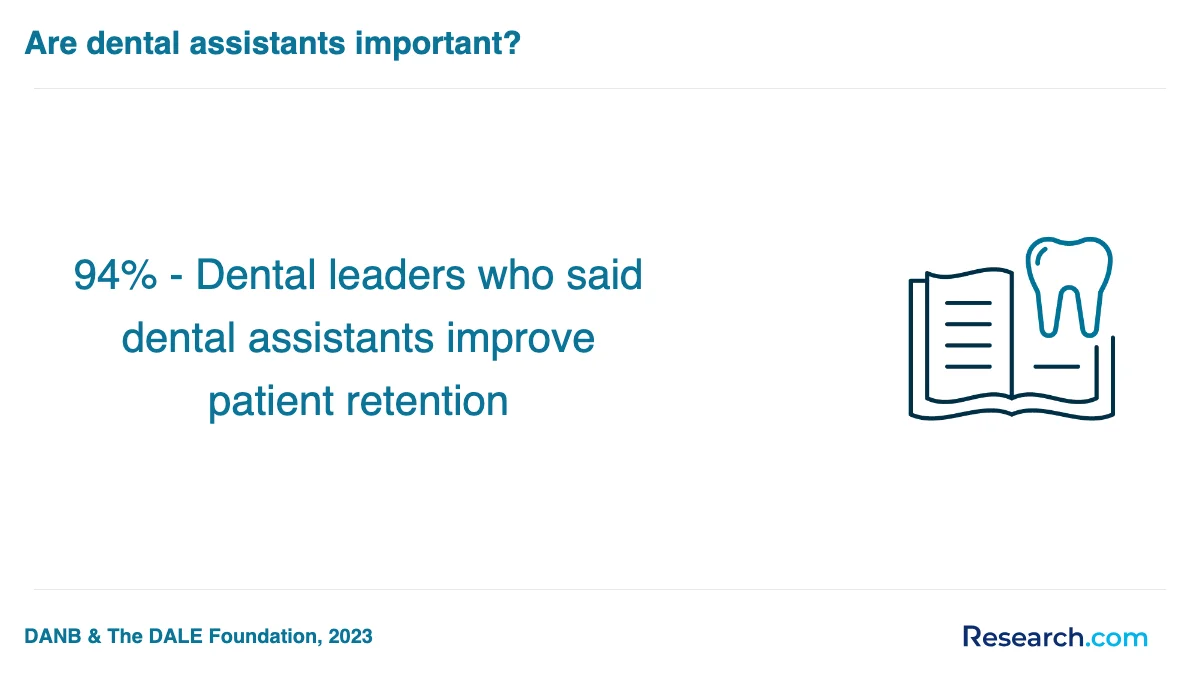
Graduates from dental assistant trade schools in Alabama often discover a wide array of dental assistant career opportunities in Alabama beyond traditional dental offices. Most begin in general practice, where they assist with procedures, take dental X-rays, and manage patient records. Many graduates from popular Alabama trade schools find this foundation rewarding, especially with a median salary around $35,740 per year, and the chance to work in vibrant cities like Birmingham or Huntsville.
For those seeking growth, advanced dental assisting roles Alabama offer exciting pathways. Some pursue extra certifications to become Expanded Duty Dental Assistants (EDDA) or Expanded Functions Dental Assistants (EFDA), enabling them to perform more clinical tasks, increasing both their earning potential and job flexibility. Other graduates leverage their skills in specialty practices such as orthodontics or pediatric dentistry, or work in community-focused public health clinics, enriching their daily work with meaningful impact.
Alternative routes include moving into dental office management or dental supply sales, or advancing education in dental hygiene. Many alumni highlight how their trade school education unlocked opportunities and motivated them to explore how much farther they could go in dental careers, sometimes even reflecting on how many years to be a dentist as a long-term goal.
What is the job market for dental assistant trade school graduates in Alabama?
The dental assistant job outlook in Alabama is not only promising but also increasingly dynamic for trade school graduates. Those completing programs at well-known institutions often share stories of quick employment, energized by the steady demand across cities like Birmingham and Tuscaloosa. With the state expecting about 10% job growth and roughly 470 new positions opening from 2010 to 2028, graduates encounter a welcoming job market bolstered by competitive entry-level wages around $33,020 annually.
Several factors make this profession appealing:
- Entry-level salaries range from $28,710 to $55,250 depending on experience and certification.
- Both part-time and full-time positions are widely available across general and specialty dental practices.
- Major metro areas tend to offer more competitive pay, enhancing career prospects.
Graduates emphasize the importance of understanding what is the difference between dental assistant and hygienist, which helps clarify career paths. This, combined with hands-on training from Alabama's respected trade schools, builds confidence and skillsets aligning with employer preferences. The dental assistant salary and demand in Alabama signal strong job security and growth potential, making it an enticing field for local students seeking stable and rewarding vocational futures.
Frequently Asked Questions about dental assistant
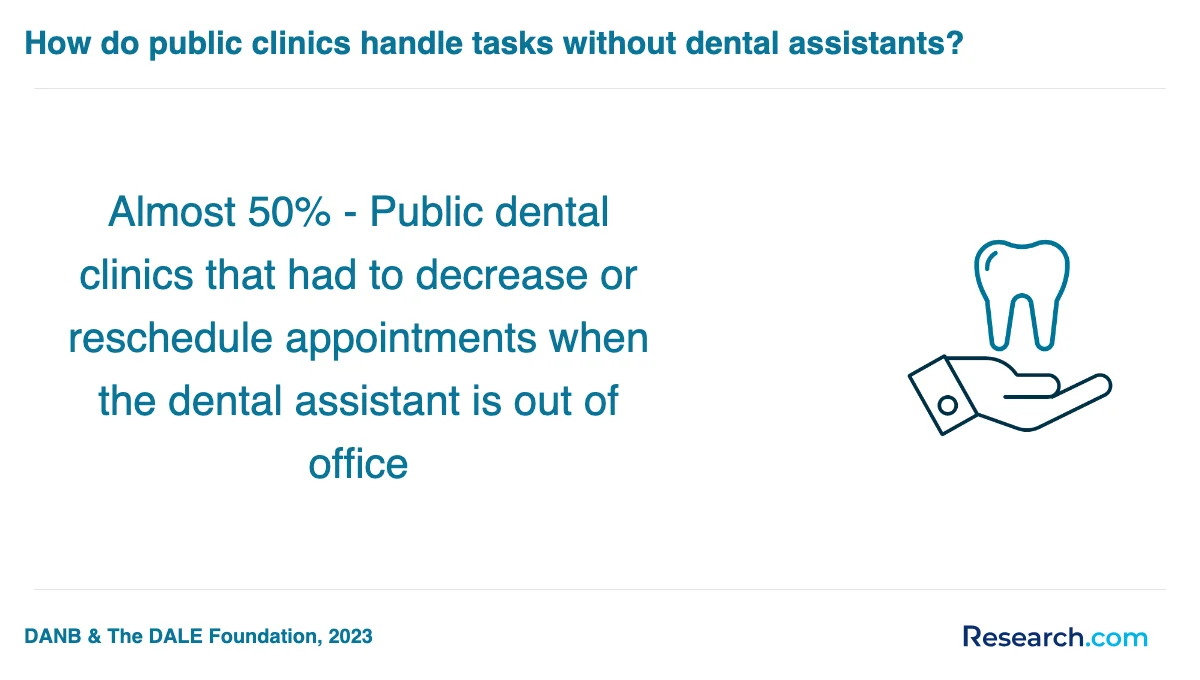
After completing a dental assistant trade school in Alabama, preparing for the job market involves several key steps. First, obtaining certification through the Dental Assisting National Board (DANB) can improve employment prospects, as many Alabama employers prefer certified assistants. According to the U.S. Bureau of Labor Statistics, Alabama's dental assistant jobs are projected to grow by about 8% from 2022 to 2032, indicating steady demand.
Networking with local dental offices and attending job fairs can help graduates secure positions. Additionally, maintaining up-to-date CPR and OSHA certifications is often required. Finally, creating a professional resume highlighting clinical experience gained during training will make candidates more competitive.
Employers in Alabama seek dental assistant graduates with a strong foundation in clinical and administrative skills. Key abilities include proficiency in taking and developing dental X-rays, chairside assisting, and infection control procedures. According to the Alabama Board of Dental Examiners, familiarity with state-specific safety protocols is essential.
Communication skills rank highly, as dental assistants must effectively interact with patients and dental teams. Attention to detail and organizational skills are crucial for managing patient records and appointment scheduling.
Technical competence with dental software programs is increasingly important, reflecting trends in Alabama's dental offices. Additionally, knowledge of basic pharmacology and dental anatomy supports successful job performance.
Finding internships relevant to dental assistant trade school programs in Alabama begins with connecting to local dental offices and clinics. Many programs require students to complete hands-on clinical experience, so schools often partner with nearby dental practices to place interns.
The Alabama Board of Dental Examiners provides guidance on approved clinical training sites, ensuring internships meet state standards. Additionally, students can explore listings on the Alabama Community College System's website, which sometimes features internship opportunities tied to dental programs.
Networking through school career centers and dental professional associations, such as the Alabama Dental Association, also increases chances of securing internships. According to recent data from the U.S. Bureau of Labor Statistics, hands-on experience improves job prospects for dental assistants in Alabama by up to 20%.
Obtaining a dental assistant trade school diploma in Alabama significantly enhances career mobility and advancement opportunities. The Alabama Board of Dental Examiners requires formal training and certification for many dental assistant roles, making a diploma essential for eligibility. Graduates often qualify for the Certified Dental Assistant (CDA) credential, which can increase job prospects and potential earnings.
According to the U.S. Bureau of Labor Statistics, dental assistants in Alabama earn a median annual wage of around $39,000, with those holding formal credentials typically experiencing faster career growth. Trade school diplomas also prepare students with practical skills sought by employers, improving chances for promotions or specialization.
Additionally, the Alabama Department of Labor identifies dental assisting as a high-demand occupation, projecting steady employment growth through 2030. This demand, combined with diploma-based qualifications, supports upward mobility within dental offices or related healthcare settings.
Students enrolled in dental assistant trade schools in Alabama can benefit from part-time jobs that provide relevant experience and flexible hours. Common opportunities include working as dental receptionists, where students manage appointments and patient records, enhancing organizational skills important in dental offices.
Additionally, dental offices often hire trainees or aides part-time to assist with sterilizing instruments and preparing treatment rooms, offering hands-on exposure. According to the Alabama Department of Labor, dental assistants in the state earn a median hourly wage of about $16.50, indicating promising future earnings for those gaining early experience.
Other options include roles in healthcare customer service or pharmacy technician positions, which help build patient communication skills essential for dental assistants.
To choose the most affordable Dental Assistant degree program near me in Alabama, consider exploring the many accredited programs offered by community colleges and vocational schools, as these often provide competitive tuition rates. Evaluating the total cost, including fees and supplies, is essential, and Research.com can be a helpful resource to compare program offerings and financial aid options. To ensure a comprehensive decision process, also investigate programs near Alabama for regional variants in cost and curriculum specifics.
Related Dental Assistant Rankings for Nearby States
- Most Affordable Dental Assistant Schools & Training - Budget-Friendly Dental-Assistant Trade Programs in Tennessee for 2026
- Most Affordable Dental Assistant Schools & Training - Budget-Friendly Dental-Assistant Trade Programs in Georgia for 2026
- Most Affordable Dental Assistant Schools & Training - Budget-Friendly Dental-Assistant Trade Programs in Florida for 2026
- Most Affordable Dental Assistant Schools & Training - Budget-Friendly Dental-Assistant Trade Programs in Louisiana for 2026
- Most Affordable Dental Assistant Schools & Training - Budget-Friendly Dental-Assistant Trade Programs in Arkansas for 2026
- Most Affordable Dental Assistant Schools & Training - Budget-Friendly Dental-Assistant Trade Programs in Kentucky for 2026
- Most Affordable Dental Assistant Schools & Training - Budget-Friendly Dental-Assistant Trade Programs in North Carolina for 2026
- Most Affordable Dental Assistant Schools & Training - Budget-Friendly Dental-Assistant Trade Programs in Indiana for 2026
- Most Affordable Dental Assistant Schools & Training - Budget-Friendly Dental-Assistant Trade Programs in West Virginia for 2026
- Most Affordable Dental Assistant Schools & Training - Budget-Friendly Dental-Assistant Trade Programs in Iowa for 2026
Top Trending Rankings
References
- Dental Assisting - School of Dentistry https://www.uab.edu/dentistry/home/academics/dental-assisting
- How To Become A Dental Assistant In Alabama: A Complete Guide - Embrasure Space https://embrasurespace.com/dental-licenses/how-to-become-a-dental-assistant-in-alabama-a-complete-guide/
- How to become a dental assistant in Huntsville, Alabama | Huntsville Dental Assistant School https://huntsvilledentalassistant.com/how-to-become/
- Dental Assistant - Wallace Community College https://www.wallace.edu/programs-training/fast-track-workforce-development-training-programs/dental-assistant/
- Montgomery Dental Assistant School | Dental Assistant Training in Montgomery https://montgomerydentalassistant.com/
- Dental Assistant | Bevill State Community College https://www.bscc.edu/programs/health-sciences/dental-assistant
- Dental Assistant - Jefferson State Community College https://www.jeffersonstate.edu/dental-assistant/
- How to Become a Dental Assistant in Alabama | Dreambound https://dreambound.com/blog/how-to-become-a-dental-assistant-in-alabama
- Dental Assisting | Calhoun Community College https://calhoun.edu/programs-training/explore-academic-programs/health-sciences/dental-assisting/
- Online Clinical Dental Assistant (Vouchers Included) from University of South Alabama Center for Continuing Education https://careertraining.southalabama.edu/training-programs/clinical-dental-assistant-vouchers-included/


