
Most Affordable Dental Assistant Schools & Training - Budget-Friendly Dental-Assistant Trade Programs for 2026

Co-Founder and Chief Data Scientist
Choosing the right dental assistant trade school can feel overwhelming, but it doesn’t have to be. This article introduces a carefully crafted ranking of dental assistant trade school programs, developed by the Research.com team of data scientists to help you make an informed decision.
Whether you want a diploma or certification, pursuing this career path opens doors to rewarding job opportunities and skill growth. Reading this guide will give you confidence in selecting an affordable program that fits your goals and budget, setting you up for success in 2026 and beyond.
Key benefits of finishing dental assistant trade school in the USA
- Graduates from dental assistant trade schools in the USA can expect a median annual salary of around $47,300, with higher wages in states like Minnesota reaching over $62,000, making this career financially rewarding.
- Career paths for trade school graduates include working in private practices, specialty clinics, or even advancing to office management, as seen with many successful alumni from the popular Fortis College program.
- Completing a dental assistant trade school online offers flexibility and convenience, enabling students like those from Penn Foster to balance work and study while earning certifications faster than traditional degrees.
What can I expect from dental assistant trade schools in the USA?
In a dental assistant trade school program in the USA, expect a mix of classroom learning and hands-on training that prepares you for real dental office tasks. Graduates from popular programs often share how quickly they moved from studying dental terminology and infection control to practicing chairside assisting during their clinical externship, which usually lasts about 180 hours. This practical experience is key, as it builds confidence in handling dental equipment and working alongside dentists.
Most programs take less than a year, with some accelerated tracks finishing in just 3 to 7 months, allowing busy students to enter the workforce quickly. Alongside clinical skills, you'll gain administrative knowledge such as patient scheduling and dental office software, which many graduates find invaluable on the job.
Positive feedback frequently highlights how programs emphasize communication and ethics, helping students feel ready to interact professionally with patients and staff. Many students also appreciate that some curricula prepare them for certification exams like the CDA, boosting their job prospects across dental offices and clinics nationwide.
Where can I work after finishing dental assistant trade schools in the USA?
After finishing a dental assistant trade school program in the USA, graduates find opportunities in a variety of professional settings that match their skills and interests. Many start in private dental offices, where they support dentists with hands-on patient care, prepare exam rooms, and manage sterilization and administrative tasks. Graduates from popular trade schools often share how rewarding it feels to contribute directly to patient comfort and clinic efficiency in these environments.
Others pursue roles in specialty clinics such as orthodontics or pediatric dentistry, where their training helps them adapt to specific procedures and patient needs. Public health clinics and community health centers also hire dental assistants, offering a chance to work with diverse populations and participate in preventive care programs-an experience many find deeply fulfilling.
Hospitals and government agencies provide additional career paths, with some federal positions starting at $37,713 per year. Working in dental schools or academic settings appeals to graduates interested in education and training future professionals. These varied options make the investment in a trade school program practical and promising.
How much can I make after finishing dental assistant trade schools in the USA?
After finishing a dental assistant trade school program in the USA, graduates typically start with a median annual salary around $47,300, according to the U.S. Bureau of Labor Statistics in May 2024. This means many new dental assistants earn close to this figure, though actual earnings depend on location and experience. For example, a graduate from a well-known trade school in California might find hourly wages near $22.91, the national average as of August 2025.
Some graduates share that working in states like Minnesota or Massachusetts can boost annual earnings to $56,810 or even $62,760, reflecting higher demand and specialized opportunities. Others starting in lower-cost areas might earn closer to $16.97 per hour but appreciate the steady entry-level income as they build skills.
Graduates often express satisfaction knowing that completing a reputable program opens doors quickly, with many finding jobs in dental offices soon after certification. Wages tend to rise with experience and additional certifications, making the career financially promising for motivated individuals.
Most Affordable Dental Assistant Schools & Training - Budget-Friendly Dental-Assistant Trade Programs for 2026
# 1 position
Georgia Northwestern Technical College - Dental Assisting/Assistant.
certificate or diplomaThe Dental Assisting/Assistant program at Georgia Northwestern Technical College offers a hybrid format with some distance education. The curriculum prepares students to assist dentists and hygienists through patient care, dental radiography, and office duties. Instruction includes medical record-keeping, equipment sterilization, chairside assisting, and supervised practice. Annual in-state tuition is $3,132. Graduates have median earnings of $20,078.70 one year after completion. The program is accredited by the Southern Association of Colleges and Schools Commission on Colleges.
# 2 position
Del Mar College - Dental Assisting/Assistant.
associateThe Dental Assisting/Assistant program at Del Mar College offers a hybrid format with some distance-education options. It prepares students to assist dentists and hygienists with patient care, dental radiographs, office administration, and equipment maintenance. Instruction covers medical record-keeping, scheduling, chairside assisting, and supervised practice. The annual in-state tuition is $3,440. Graduates earn a median salary of $36,915.50 one year after completion. The program is accredited by the Southern Association of Colleges and Schools Commission on Colleges.
# 3 position
Del Mar College - Dental Assisting/Assistant.
certificate or diplomaThe Dental Assisting/Assistant program at Del Mar College offers a hybrid format with some distance-education options. It trains students in patient care, dental radiography, equipment preparation, and administrative office duties under dentist supervision. The curriculum includes medical record-keeping, scheduling, equipment maintenance, sterilization, and chairside assisting. Annual in-state tuition is $3,440. Graduates earn a median salary of $36,915.50 one year after completion. The program is accredited by the Southern Association of Colleges and Schools Commission on Colleges.
# 4 position
Savannah Technical College - Dental Assisting/Assistant.
certificate or diplomaThe Dental Assisting/Assistant program at Savannah Technical College offers hybrid learning with some distance-education options. It prepares students to assist dentists and hygienists by providing patient care, taking dental radiographs, and performing office administrative tasks. The curriculum includes medical record-keeping, equipment maintenance, sterilization, chairside assisting, and supervised practice. In-state tuition is $3,072 annually. Median earnings one year after completion are $26,911. The program is accredited by the Southern Association of Colleges and Schools Commission on Colleges.
# 5 position
Pima Community College - Dental Assisting/Assistant.
certificate or diplomaThe Dental Assisting/Assistant program at Pima Community College offers a hybrid format with some distance education options. It trains students in patient care, dental radiography, equipment preparation, and office administrative tasks under professional supervision. The curriculum includes medical record-keeping, scheduling, sterilization, chairside assisting, and supervised practice. In-state tuition is $2,370 annually. Graduates earn a median income of $26,087 one year after completing the program. The program is accredited by the Higher Learning Commission.
# 6 position
NorthWest Arkansas Community College - Dental Assisting/Assistant.
certificate or diplomaNorthWest Arkansas Community College offers a Dental Assisting/Assistant program with a hybrid format, allowing some distance learning. The program trains students in patient care, dental radiography, office administration, and chairside assisting under professional supervision. Coursework includes medical records, scheduling, equipment sterilization, and supervised practice. Annual in-state tuition is $2,982. Graduates earn a median income of $28,819 one year after completion. The program is accredited by the Higher Learning Commission.
# 7 position
Central Community College - Dental Assisting/Assistant.
associateCentral Community College offers a fully online Dental Assisting/Assistant program designed to prepare students for patient care, dental radiography, and office administrative tasks under professional supervision. The curriculum covers medical record-keeping, scheduling, equipment maintenance, sterilization, radiography, chairside assisting, and patient care. The program’s annual in-state tuition is $3,360, and graduates earn a median salary of $53,860 one year after completion. It is accredited by the Higher Learning Commission.
# 8 position
Central Community College - Dental Assisting/Assistant.
certificate or diplomaCentral Community College offers a fully online Dental Assisting/Assistant program that prepares students to provide patient care, take dental radiographs, and perform office administrative tasks under supervision. The curriculum includes instruction in medical record-keeping, equipment maintenance, chairside assisting, and supervised practice. The program is accredited by the Higher Learning Commission, with an annual in-state tuition of $3,360 and median earnings of $53,860 one year after completion.
# 9 position
Central New Mexico Community College - Dental Assisting/Assistant.
certificate or diplomaCentral New Mexico Community College offers a Dental Assisting/Assistant program with a hybrid format including some distance education. The program prepares students for patient care, dental radiography, chairside assisting, and office administrative duties under dentist supervision. Instruction covers medical record-keeping, scheduling, equipment maintenance, sterilization, and supervised practice. Annual in-state tuition is $1,934, and median earnings one year after completion reach $27,816. The program is accredited by the Higher Learning Commission.
# 10 position
West Georgia Technical College - Dental Assisting/Assistant.
certificate or diplomaWest Georgia Technical College offers a Dental Assisting/Assistant program in a hybrid format with some distance-education options. The program trains students to assist dentists and hygienists by providing patient care, taking dental radiographs, managing office administrative tasks, and maintaining equipment. Instruction includes medical record-keeping, patient intake, scheduling, sterilization, chairside assisting, and supervised practice. Annual in-state tuition is $3,122, and median earnings one year after completion are $25,487. The program is accredited by the Southern Association of Colleges and Schools Commission on Colleges.
Key Findings
- Admission usually requires a high school diploma or equivalent, applicants must be at least 18 years old, and some programs require immunizations, background checks, and interviews.
- Most certificate programs last 8 to 12 months and include classroom and clinical training; associate degrees take about two years.
- Graduates often take the DANB Certified Dental Assistant exam or a state Registered Dental Assistant exam, with CPR or BLS certification required for eligibility.
- Program costs range from $3,000 to $16,000, and certification exams like the CDA cost about $380.
- Starting salaries range from $31,000 to $46,000 annually, with experienced dental assistants sometimes earning over $50,000.
- Dental assistants work in various settings including dental offices, hospitals, and public health clinics.
How long does it take to complete dental assistant trade schools in the USA?
Completing a dental assistant trade school program in the USA typically takes about 9 to 12 months. Many graduates from well-known trade schools share how this timeframe allowed them to quickly transition into the workforce without sacrificing the quality of their education. For instance, at popular schools, the curriculum is designed to balance hands-on clinical training with essential classroom instruction, making the learning experience both practical and efficient.
Students often describe their schedules as intense but manageable, with real-world skills like patient care and dental office procedures taught early on. This approach helps build confidence fast, which graduates say was especially motivating when they began working alongside dentists shortly after finishing their programs.
Because many trade schools offer flexible options, some students complete their programs in less than a year by attending full-time, while others who juggle work or family responsibilities may take a bit longer. Either way, the consistent feedback is that the length of the program feels just right to gain meaningful skills without unnecessary delay.
What's the difference between online and on-campus dental assistant trade school programs?
Online dental assistant trade school programs in the USA offer flexibility by letting students complete theory courses remotely, which appeals to those juggling work or family. Graduates from popular programs often share how managing study hours around their daily routines made completing coursework possible without sacrificing income. On the other hand, on-campus programs require regular attendance, providing direct, face-to-face instruction and hands-on practice in labs, which many students find invaluable for immediate feedback and skill confidence.
Both formats mandate hands-on clinical training. For example, online students must arrange externships at nearby dental offices to gain real-world experience, while on-campus students benefit from integrated labs and patient interactions on site. Cost-wise, online programs typically run under $2,000 and last about six to nine months, making them budget-friendly. In contrast, on-campus options can exceed $10,000, factoring in tuition and additional expenses. Many graduates appreciate the affordability of online schools but highlight the immersive environment of on-campus training for mastering clinical skills.
What is the average cost of dental assistant trade schools in the USA?
The average cost dental assistant programs United States offers can vary widely depending on the type of trade school and its location. Certificate and diploma programs, popular options at many community colleges and vocational schools, typically run between $1,000 and $7,000 for completion within 9 to 12 months. Graduates from such schools often report feeling satisfied with the balance of affordability and hands-on skills they gained, which helped them quickly enter the workforce.
For those seeking a more extensive education, associate degree programs tend to be more expensive, averaging around $7,600 but sometimes reaching as high as $40,000 at well-known trade colleges in states like California. While pricier, graduates from these programs appreciate the comprehensive training that often includes general education, increasing their job flexibility and career prospects.
When budgeting for tuition fees dental assistant schools USA, don't forget to factor in additional costs such as books, certification exams, and uniforms, which typically add several hundred dollars to the overall expense. Many students find that federal and state grants, scholarships, and institutional payment plans make managing these costs easier.
Online programs offer a flexible and often more affordable path, with tuition ranging from $1,500 to $5,000, though clinical hours must still be completed in person. This option appeals to learners balancing work or family commitments.
Ultimately, choosing the right program involves assessing costs alongside what you hope to achieve in your new career within the medical profession.
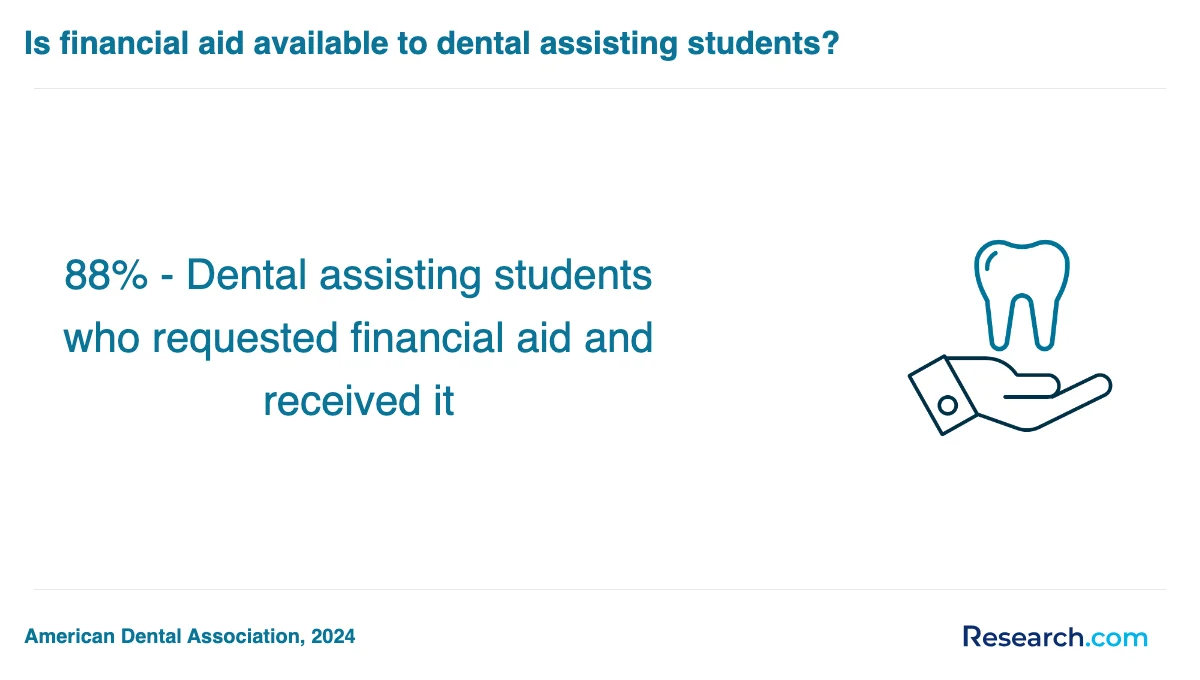
What financial aid is available for dental assistant trade schools in the USA?
Dental assistant trade school students in the USA can access a variety of financial aid options that make pursuing their education more manageable. Graduates from respected programs like those in California or New York often highlight how completing the FAFSA opened doors to federal aid, including Pell Grants that don't require repayment and subsidized Stafford Loans with lower interest rates.
Many students find part-time work through the Federal Work-Study Program, which helps cover daily expenses without overwhelming their schedules. Those attending schools that don't participate in Title IV federal aid often turn to private loans from lenders like Ascent or Sallie Mae, though it's important to review rates carefully based on credit and school policies.
State-specific grants and programs, such as New York's Tuition Assistance Program (TAP), provide additional relief for residents. Institutional scholarships and employer tuition reimbursement are common at many trade schools, offering practical support for those balancing work and study.
Veterans and their families also benefit from federal and state educational benefits, further easing financial burdens. These combined resources make dental assistant programs accessible and rewarding for many students nationwide.
What are the prerequisites for enrolling in dental assistant trade schools in the USA?
To enroll in a dental assistant trade school program in the USA, most schools require a high school diploma or GED as a basic starting point. This ensures students have the foundational knowledge needed for the coursework ahead.
Beyond that, some programs ask for:
- Proof of immunizations, such as MMR and Hepatitis B, to meet health and safety standards.
- A background check or drug screening, especially if clinical externships are involved.
- Basic proficiency in English, since clear communication is critical in dental offices.
- Sometimes, a placement test in math or reading to gauge readiness for the curriculum.
Graduates from well-known trade schools often share how these prerequisites prepared them for the fast-paced learning environment. For example, students at schools in states like California or Texas appreciated having their immunizations up to date, as it smoothed the way for hands-on practice with patients.
Others mention that meeting these requirements gave them confidence, knowing they were entering a profession with clear health and professional standards. It's a practical step that makes the transition from classroom to clinic much more manageable.
What are the typical courses in dental assistant trade schools in the USA?
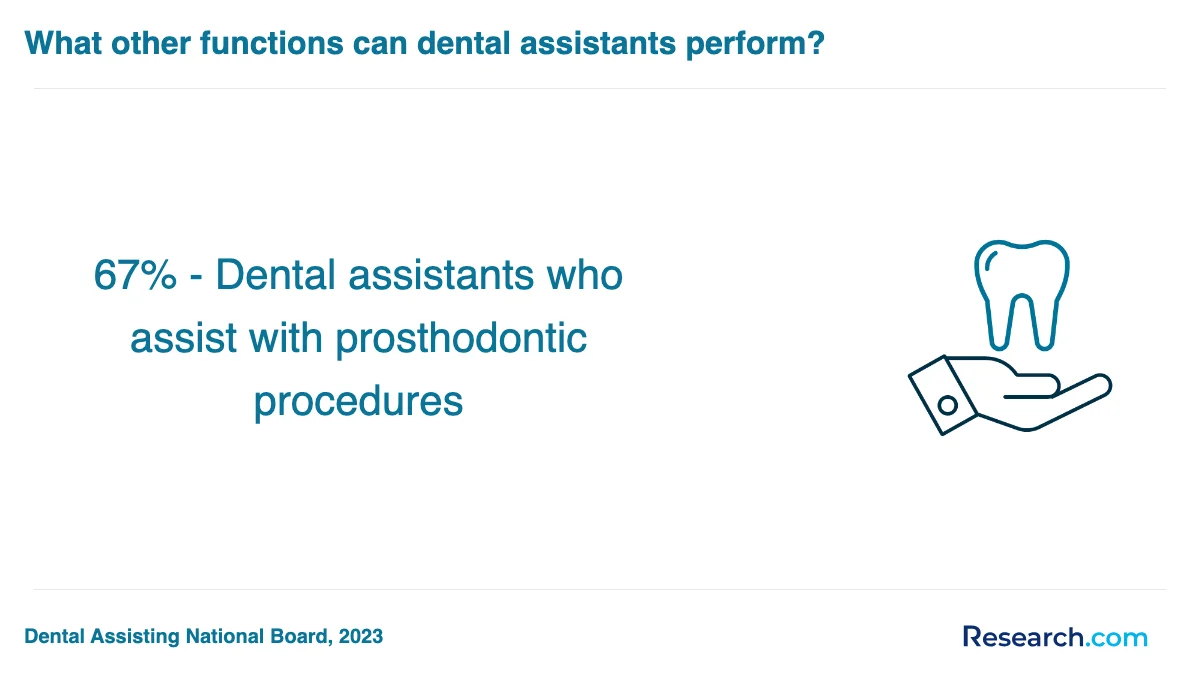
Dental assistant trade school programs in the USA typically include a set of core courses designed to equip students with practical skills and confident knowledge. Graduates from popular schools often share how these classes prepared them for real-world dental offices.
Key courses usually cover:
- Dental Anatomy and Physiology: Understanding teeth and oral structures is crucial. Students often recall how this foundational knowledge helped them explain procedures clearly to patients.
- Infection Control and Safety: Learning sterilization and handling hazardous materials means graduates feel ready to maintain safe, hygienic environments every day.
- Radiology: Training on dental X-rays, both digital and traditional, builds confidence in capturing precise images essential for diagnosis.
- Chairside Assisting: Hands-on practice assisting dentists during fillings or cleanings is frequently described as a turning point for building practical skills.
- Dental Materials and Laboratory Procedures: Mixing materials and crafting models gives students a tangible connection to dental restorations.
- Office Administration: Scheduling and billing training reflects the real multitasking needed in dental offices.
- Emergency Management and Pharmacology: Knowing how to respond to emergencies and understanding medications instills a sense of preparedness.
- Specialties in Dentistry: Exposure to pediatric and orthodontic basics broadens career perspectives.
Graduates from schools across the USA highlight how these courses, combined with clinical experience, made them feel ready and confident stepping into the workforce.
What are the available specializations in dental assistant trade schools in the USA?
Dental assistant trade school programs in the USA provide focused pathways through various dental assistant specialization programs in the USA, designed to boost practical skills and employability. Graduates from popular schools often highlight specializations such as orthodontics, pediatric dentistry, and oral surgery. For example, in orthodontics, students learn how to assist with braces and aligners, taking X-rays, and patient education-skills that set them apart in busy orthodontic offices.
Specialized dental assistant training in the USA also offers focused preparation for pediatric dentistry, where assistants gain expertise in caring for children's unique dental needs, including preventive treatments and teaching proper oral habits. Oral surgery specialization prepares students to support complex procedures, handling surgical instruments and anesthesia support confidently.
Programs often include certification tracks like the Registered Dental Assistant with Expanded Functions (RDAEF), enabling assistants to perform advanced clinical tasks under supervision. Graduates report feeling more competent and valued when applying for roles.
Those interested in exploring dental assistant careers further may find benefit in checking out what jobs can you get with a medical assistant diploma for additional career insights.
How do you choose the best dental assistant trade school program in the USA?
Start by verifying the accreditation status of the program, as graduates from accredited dental assistant trade schools in the USA often report higher employer recognition and confidence. For example, students at popular colleges value programs accredited by the Commission on Dental Accreditation for ensuring quality education. Next, consider affordable dental assistant programs USA that offer hands-on training through clinical externships; graduates highlight this experience as key for building practical skills and confidence before entering the workforce.
Also pay attention to curriculum breadth, ensuring it covers vital areas like radiography and infection control, which alumni frequently mention as enhancing job readiness. Flexible scheduling is important too-several graduates from well-known trade schools appreciated evening classes that fit their work-life balance. Location matters as well; selecting a school near your home or potential job markets can save commuting stress.
Finally, it's worth exploring programs with strong job placement support. Positive reviews from former students about career services make a difference in securing employment. If you're still wondering whether should you go to school for medical or dental assisting, firsthand accounts from dental assistant graduates in leading schools can help clarify your path.

What career paths are available for dental assistant trade school graduates in the USA?
Graduates of dental assistant trade school programs in the USA often begin their careers in general dentistry practices, where they perform key tasks such as chairside support, taking X-rays, and sterilizing equipment. Many find this entry-level role rewarding and a solid foundation for further growth. Popular trade schools report that graduates enjoy working closely with patients while gaining valuable hands-on experience.
For those exploring dental assistant career paths in the USA, specialization is a common next step. Graduates frequently move into:
- Orthodontic offices, assisting with braces and corrective treatments
- Pediatric dental clinics, focusing on children's oral healthcare
- Other specialties like oral surgery and periodontics
Advancement opportunities for dental assistants in America often involve earning certifications such as the Certified Dental Assistant (CDA), which increases job prospects and salary potential. Further training can lead to Expanded Function Dental Assistant roles, allowing more complex responsibilities. Some graduates transition to dental laboratory technician roles or office management positions, leveraging both technical and leadership skills.
Many use dental assisting as a stepping stone toward becoming a dental hygienist or dentist, though these paths require additional schooling. For practical insight into educational timelines, students consult resources like how long does it take to become a dental hygienist, which helps in planning long-term goals.
What is the job market for dental assistant trade school graduates in the USA?
The dental assistant job outlook in the USA remains strong and promising for graduates of trade school programs. Annual job openings are estimated at nearly 55,000, driven by an aging population and increased preventive dental care across the country. Many graduates from popular trade schools report quick employment, often within months of certification, thanks to this steady demand.
Key factors contributing to the dental assistant employment growth United States-wide include:
- Expanded dental insurance coverage improving access to oral care
- Increased use of technology such as digital imaging in practices
- Opportunities for advancement into specialized or managerial roles
Real-life experiences from trade school graduates highlight how their training equips them to adapt to evolving clinics. Some even move on toward careers in dental hygiene or dentistry after gaining hands-on skills. For those weighing career paths, understanding the differences between a dental hygienist vs assistant role can clarify next steps.
Frequently Asked Questions about dental assistant
After completing a dental assistant trade school program in the USA, preparing for the job market involves several key steps. First, obtaining certification can significantly improve employment prospects. The Dental Assisting National Board (DANB) offers the Certified Dental Assistant (CDA) credential, which many employers prefer. According to the U.S. Bureau of Labor Statistics, dental assistants with certification tend to earn higher wages and have better job stability.
Next, gaining hands-on experience through externships or internships during training is crucial. Networking with local dental offices and attending job fairs can open opportunities. Additionally, creating a professional resume that highlights skills such as patient care, radiography, and infection control is important. Staying informed about state-specific licensing requirements also helps ensure compliance and eligibility for positions.
Employers in the USA seek dental assistant graduates who possess a combination of technical skills and interpersonal abilities. Key technical skills include proficiency in dental radiography, knowledge of infection control protocols, and competence in chairside assisting. According to the Bureau of Labor Statistics, familiarity with electronic health records is increasingly important in modern dental offices.
Strong communication skills are critical, as dental assistants often explain procedures and provide patient comfort. Attention to detail and the ability to multitask efficiently are also highly valued. The American Dental Association highlights that teamwork and professionalism contribute significantly to job success.
Overall, graduates who demonstrate clinical competence alongside good interpersonal skills have better employment prospects.
Finding internships relevant to dental assistant trade school programs in the USA involves several strategic steps. Many accredited trade schools have partnerships with local dental offices, clinics, or community health centers that offer internship placements as part of their curriculum. According to the American Dental Assistants Association (ADAA), about 70% of dental assistant programs include a clinical externship or internship component, which provides practical experience under supervision.
Students should also contact state dental boards or local dental societies for internship listings and guidance. Additionally, online platforms like the National Network of Career Nursing Assistants occasionally list dental-related internships, though these are less common. Networking with instructors and attending dental career fairs can further enhance internship opportunities.
It is important to ensure internships comply with the state's Dental Practice Act, which regulates duties a dental assistant may perform during training. This legal framework helps protect students and ensures quality learning experiences. Overall, combining school resources, professional bodies, and active networking maximizes chances of securing a relevant internship.
Obtaining a diploma from a dental assistant trade school in the USA significantly enhances career mobility and advancement opportunities. According to the U.S. Bureau of Labor Statistics, dental assistants with formal training and certification tend to have higher employment rates and earn wages approximately 10-20% above the national entry-level average.
A diploma demonstrates verified skills in dental procedures, patient care, and office administration, which employers increasingly require. It can open doors to roles such as expanded-function dental assistant or specialized positions in orthodontics or periodontics. Trade school graduates often qualify for the Certified Dental Assistant (CDA) exam, improving their job prospects further.
Additionally, many states mandate formal education or certification for licensing, making a diploma essential for legal and professional recognition. This credential supports social mobility by providing a clear pathway to stable employment in a growing healthcare sector projected to expand by 11% through 2032 (BLS).
Students enrolled in dental assistant trade schools in the USA can benefit from several part-time job opportunities that complement their education. Common roles include dental receptionist, sterilization technician, and dental lab assistant, which provide valuable hands-on experience with dental office operations and patient care. According to the U.S. Bureau of Labor Statistics, dental assistant positions are expected to grow 11% from 2022 to 2032, reflecting strong demand in the field.
Working part-time in dental offices or clinics enables students to apply skills learned in class, such as infection control and dental software use. These roles also enhance communication and organizational abilities, crucial for career advancement.
Additionally, roles in medical billing or front desk administration in healthcare settings can offer relevant experience and flexible schedules for students balancing coursework. This practical exposure often improves job prospects post-graduation.
Top Trending Rankings
References
- How to Balance Part-Time Dental Assistant Jobs with School https://risiodental.com/balance-dental-assistant-job-with-school/
- Exploring Dental Assistant Careers: Opportunities for Diploma Graduates https://www.cestarcollege.com/blog/career-opportunities-with-dental-assisting-diploma/
- Dental Assistant Schools - Hands-On Training & Certification Info https://www.trade-schools.net/health-care/dental-assistant
- Beyond the Dentist’s Chair: Career Opportunities for Dental Assistants https://www.fortis.edu/blog/healthcare/beyond-the-dentist-s-chair--career-opportunities-for-dental-assi.html
- Part time job while studying dentistry | Med Students Online https://medstudentsonline.com.au/forum/threads/part-time-job-while-studying-dentistry.29456/
- Seeking a dental assistant? Consider transferable skills while recruiting and hiring - CDA https://www.cda.org/newsroom/2020/seeking-a-dental-assistant-consider-transferable-skills-while-recruiting-and-hiring/
- Career Paths - Dental Assistant Pro https://dentalassistantpro.com/career-paths/
- 8 Dental Assisting Career Pathways https://cariscollege.edu/dental-assisting/dental-assistant-careers/8-dental-assisting-career-pathways/
- Become a Dental Assistant | DANB https://www.danb.org/career-center/become-a-dental-assistant
- Dental Assistant Career | Accelerated Academy https://www.acceleratedacademy.us/careers/dental-assistant


