Most Affordable Dental Assistant Schools & Training - Budget-Friendly Dental-Assistant Trade Programs in Ontario for 2026

Co-Founder and Chief Data Scientist
Choosing the right dental assistant trade school in Ontario can feel overwhelming, but it’s a crucial step toward a rewarding career. This article introduces a carefully crafted dental assistant trade school programs ranking developed by the Research.com team of data scientists to guide you in making an informed decision.
Discover affordable options that balance quality education and value, helping you achieve certification without unnecessary stress. Earning a diploma or certification opens doors to stable employment and personal growth, making your future brighter and more secure.
Explore your possibilities with confidence and take the first step toward a fulfilling career in dental assistance.
Key benefits of finishing dental assistant trade school in Ontario
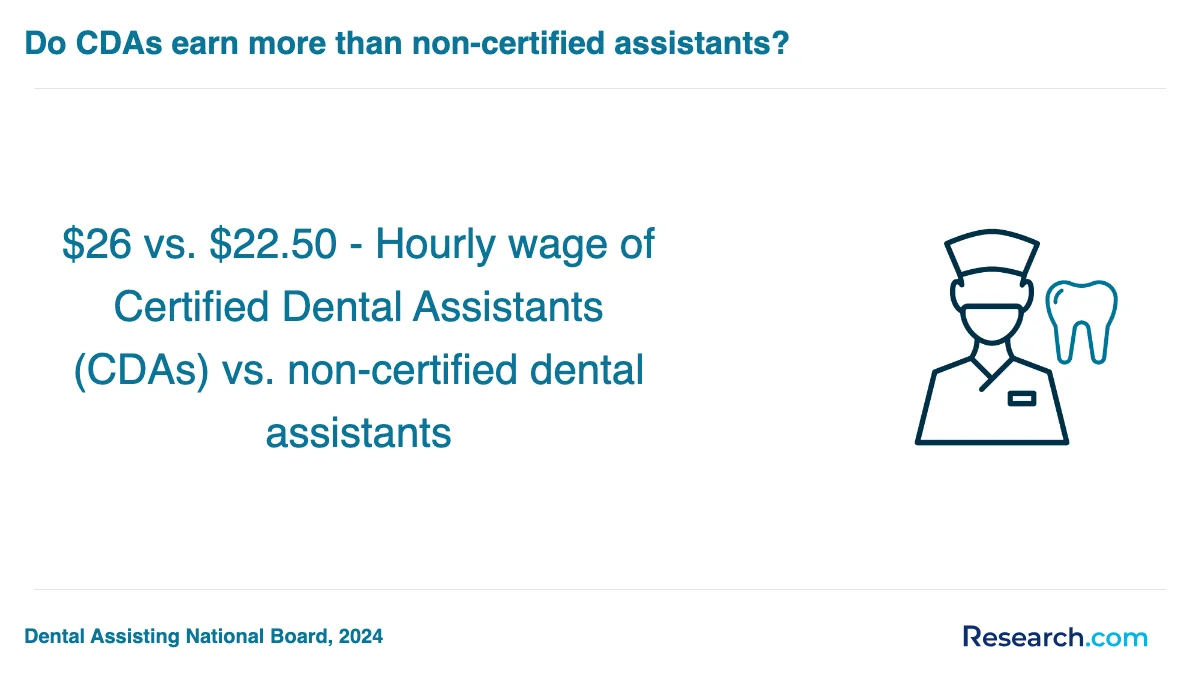
- Graduates of dental assistant trade schools in Ontario can expect an average hourly wage around $18.55, with certified assistants earning even more, up to $19.42 per hour, making it a rewarding career choice quickly after finishing school.
- Many trade school graduates find diverse career paths, including working in busy dental clinics, specialized dental offices, or pursuing further certifications to advance their roles and increase earnings.
- Completing a dental assistant trade school online offers flexibility and convenience, allowing students to balance learning with personal commitments while still gaining practical skills needed for a successful career in dentistry.
What can I expect from dental assistant trade schools in Ontario?
In a dental assistant trade school program in Ontario, expect a solid mix of hands-on training and classroom learning designed to prepare you for real dental office environments. Graduates from popular Ontario trade schools often share how the curriculum covers essential topics like anatomy, dental radiography, and emergency care, paired with practical skills such as chairside assisting and sterilization. This combo builds confidence early on.
Many programs run intensive eight-week evening and weekend modules or full-time day courses lasting about a year, fitting different schedules. You'll also complete clinical placements in actual dental clinics, which graduates describe as invaluable for gaining real-world experience and professional connections.
Before placements, be ready to submit police record checks and immunization records. Most students appreciate the balance between technical skills and learning business and communication, which prepares them for varied roles within dental teams. The accreditation ensures eligibility to write the National Dental Assisting Examining Board exam, a crucial step toward certification and employment in Ontario.
Where can I work after finishing dental assistant trade schools in Ontario?
After finishing a dental assistant trade school program in Ontario, graduates often find themselves working in private dental clinics, the most common setting where they support dentists during procedures and manage instruments. Many graduates from well-known trade schools in Ontario share how stepping into these clinics felt rewarding, as they quickly became essential team members helping patients feel comfortable.
Employers in Ontario highly value those with Level II certification, which many trade school graduates earn, allowing them to take dental x-rays and perform advanced duties. This credential opens doors to group dental practices and specialty offices like orthodontics, where graduates enjoy a more dynamic role. Some even land full-time positions in established group practices, appreciating the steady work and professional growth.
Other career paths include public health clinics, where graduates support community dental programs, or educational roles assisting dental hygiene students. A few find niche jobs in dental supply companies or labs, using their technical skills in sales or product demos. Graduates consistently report a sense of pride and confidence as they navigate these diverse opportunities across Ontario's urban and smaller centers.
How much can I make after finishing dental assistant trade schools in Ontario?
After finishing a dental assistant trade school program in Ontario, graduates typically start earning between $16 and $20 per hour. Many recent grads from well-known local trade schools find their first jobs offering around $18 to $19 per hour, which adds up to nearly $38,000 annually if working full time. This wage reflects entry-level positions where skills are just starting to build.
For example, graduates often share how landing a role paying around $17.50 an hour felt like a solid step into a rewarding career. With consistent effort and gaining experience, many see their hourly rate increase toward the higher end of the typical range, around $20 to $23 per hour, especially in clinics that value additional certifications or specialties.
Those pursuing advanced qualifications, like becoming an Expanded Function Dental Assistant (EFDA), report salaries closer to $28 per hour in Toronto, highlighting the clear benefit of further training. Starting out at one of Ontario's popular trade schools can open these doors quickly, making the initial salary a practical foundation for growth.
Most Affordable Dental Assistant Schools & Training - Budget-Friendly Dental-Assistant Trade Programs in Ontario for 2026
# 1 position
American Career College-Ontario - Dental Assisting/Assistant.
certificate or diplomaThe Dental Assisting/Assistant program at American Career College-Ontario is a hybrid program designed to prepare students for patient care and dental office duties under professional supervision. It includes training in dental radiography, equipment preparation, medical record-keeping, and chairside assisting. Students also learn reception, scheduling, sterilization, and basic radiography skills. The program is accredited by the Accrediting Bureau of Health Education Schools. Median earnings one year after completion are $22,218.
# 2 position
UEI College-Ontario - Dental Assisting/Assistant.
certificate or diplomaThe Dental Assisting/Assistant program at UEI College-Ontario offers hybrid learning with some distance-education options. It prepares students to provide patient care, take dental radiographs, assist chairside, and perform office administrative duties under supervision. The curriculum includes medical record-keeping, scheduling, equipment maintenance, sterilization, and supervised practice. Graduates have median earnings of $19,904 one year after completion. The program is accredited by the Accrediting Council for Continuing Education & Training.
Key Findings
- Applicants need an Ontario Secondary School Diploma (OSSD) or equivalent, with required courses including Grade 12 English and often Grade 11 or 12 Biology and Chemistry; some programs also require Grade 12 Math with at least 60%.
- Programs last about 10-12 months and include an 80-hour mandatory field placement in a dental setting for graduation.
- Tuition ranges from $4,000 to $8,000 CAD at public colleges, while private colleges may charge over $10,000 CAD.
- Graduates must pass the National Dental Assisting Examining Board (NDAEB) exam to become certified and typically register with the Ontario Dental Assistants Association.
- Entry-level dental assistants earn between $40,000 and $50,000 CAD annually, with experienced workers making up to $60,000 or more depending on location and specialization.
How long does it take to complete dental assistant trade schools in Ontario?
Completing a dental assistant trade school program in Ontario typically takes between 9 to 12 months, depending on the school and whether you choose full-time or part-time study. Graduates from popular schools like CDI College or Herzing College often share how the intensive hands-on training, combined with classroom learning, keeps the pace steady but manageable.
Many students appreciate that this timeframe allows them to quickly transition from learning theory to applying skills in a real dental office environment. For example, a graduate from a well-known Ontario trade school explained how the fast-track nature of the program helped them stay motivated and focused, knowing they could start working within a year.
Choosing a program with a clinical practicum component means gaining valuable experience while still in school, which adds to the confidence and readiness felt upon completion. The structured schedule fits well for those balancing work or family commitments, making the journey feel achievable and rewarding.
What's the difference between online and on-campus dental assistant trade school programs?
The main difference between online and on-campus dental assistant trade school programs in Ontario is how students access coursework and complete hands-on training. Online students, like those at Risio Institute, enjoy the flexibility to study theoretical modules remotely, fitting learning into their own schedules. However, they still must attend clinical placements or labs in dental offices to gain essential practical skills, which many graduates find rewarding and confidence-building.
On-campus programs, such as George Brown College's Dental Assisting Levels I and II, immerse students in in-person labs and clinics. Graduates often share how practicing with mannequins and real patients under direct instructor supervision provided immediate feedback and a strong sense of readiness for real-world work. The structured schedule helps some students stay disciplined and engaged.
Blended options also exist, combining online theory with scheduled on-campus labs, offering a balance between convenience and hands-on experience. No matter the format, every reputable Ontario program requires in-person clinical training to meet licensing standards and prepare students for their careers.
What is the average cost of dental assistant trade schools in Ontario?
The average cost dental assistant programs Ontario 2026 range from about $6,750 to $23,000 depending on the school and student status. Graduates from well-known trade schools recall that the Toronto College of Dental Hygiene and Auxiliaries charges roughly $22,835 for a hands-on Intra Oral Dental Assisting Level I and II program lasting 10 months. This fee includes essential items like textbooks, uniforms, and equipment rental, meaning students can budget more realistically without unexpected expenses. For many, this comprehensive package boosts confidence and helps them fully focus on learning.
Meanwhile, those attending Fanshawe College told us Canadian students pay about $6,753, while international students face fees of up to $22,925. This wide fee gap demonstrates why researching affordable dental assistant schools Ontario 2026 is crucial. A typical fan favorite program combines thorough training with reasonable costs, making it a popular choice for practical learners.
A graduate from the Risio Institute described their journey through a blend of online lessons and hands-on clinical training costing around $15,780 including textbooks and exam fees. The flexibility helped them balance study with other commitments, offering a smoother path for those considering diverse learning styles.
Understanding these numbers helps future students avoid surprises. Financial aid like the Ontario Student Assistance Program (OSAP) can offset costs for eligible applicants. For those vetting options, reviewing the top online dental assistant certification programs can also provide valuable insights on affordable paths in this field.
What financial aid is available for dental assistant trade schools in Ontario?
Ontario dental assistant trade school students have several practical financial aid options to ease the burden of tuition and related costs. Many rely on the Ontario Student Assistance Program (OSAP), which offers a combination of grants and loans based on financial need and family income. For example, students attending schools like the Toronto College of Dental Hygiene and Auxiliaries often use OSAP to cover both full-time and part-time dental assisting programs, helping them manage the typical $18,000 to $23,000 tuition and fees.
Graduates frequently mention the relief provided by monthly payment plans offered by trade schools, allowing tuition to be paid in manageable chunks rather than a large upfront sum. Additionally, laid-off workers retraining in dental assisting benefit from the Better Jobs Ontario program, which supports tuition, books, and living costs.
Other common aids include student lines of credit from banks, the Lifelong Learning Plan (LLP) for RRSP withdrawals, and scholarships or bursaries available through colleges like George Brown College. These options offer flexibility and peace of mind, making the journey through dental assistant programs in Ontario more accessible and less stressful.
What are the prerequisites for enrolling in dental assistant trade schools in Ontario?
To enroll in a dental assistant trade school program in Ontario, you typically need a high school diploma or equivalent, which sets the foundation for the technical and practical skills you'll develop. Graduates from popular trade schools often highlight how meeting this basic requirement gave them confidence to fully engage in hands-on learning.
Some schools may require proof of immunizations or a recent criminal background check, especially since you'll work closely with patients and sensitive equipment. These prerequisites ensure a safe and professional learning environment, something graduates have appreciated when transitioning into real clinical settings.
For example, students at well-known Ontario trade schools often mention the benefit of completing a brief interview or orientation session. This step helps you understand the program's demands and shows your genuine interest, which can boost your motivation throughout the course.
Typical prerequisites include:
- High school diploma or equivalent
- Proof of immunizations
- Criminal background check
- Interview or orientation session
These clear, upfront requirements make it easier to plan your enrollment and feel ready to dive into the rewarding experience of becoming a dental assistant in Ontario's trade schools.
What are the typical courses in dental assistant trade schools in Ontario?
Dental assistant trade school programs in Ontario focus on practical and theoretical courses that equip students for real-world dental settings. Graduates often recall how core subjects like anatomy and physiology gave them a clear picture of oral structures, making it easier to understand procedures during clinical practice. Popular trade schools emphasize hands-on training in dental radiography, where students learn to safely operate X-ray equipment-a skill many found invaluable in their placements.
Typical courses include:
- Oral microbiology: Understanding microbes in the mouth and their impact on dental health.
- Preventative and emergency care: Training on maintaining oral health and managing dental emergencies.
- Pharmacology: Introduction to medications used in dentistry, including pain and infection control.
- Infection prevention and safety protocols: Essential for maintaining a safe environment for patients and staff.
- Hands-on skills: Intra-oral procedures, dental impressions, and fluoride treatments practiced in labs and during clinical placements.
- Business administration: Managing patient records and scheduling, which helped graduates smoothly handle office operations.
One graduate from a well-known Ontario trade school shared how the 80-hour community college clinical placement was transformative, turning classroom knowledge into confident patient care. These programs prepare students not just for the NDAEB exam but for the realities of daily dental assisting work, making the learning experience both practical and rewarding.
What are the available specializations in dental assistant trade schools in Ontario?
Dental assistant trade school programs in Ontario typically feature two main levels of specialization that prepare students for specific roles in dental care. Graduates from Level I programs focus on essential chairside duties such as assisting during procedures, sterilizing instruments, and managing patient records. This foundational knowledge allows them to confidently support general dental practices.
Advancing to Level II specialization opens up expanded responsibilities, including exposing dental radiographs, applying fluoride treatments, and assisting with restorative procedures. These specializations align well with aspiring dental assistants aiming to work in orthodontics, pediatric dentistry, or periodontics. Many graduates share that programs integrating both Levels I and II, like those at Algonquin College, gave them a seamless path to a broader skill set, enhancing their employability.
Additionally, popular Ontario programs offer dental assistant program specializations Ontario students appreciate, such as infection control, dental radiography, and dental materials management. Such focused training often makes graduates feel more confident stepping into complex clinical environments. For those pursuing career options beyond Ontario, exploring the top medical assisting career certificate programs can also provide valuable perspectives.
How do you choose the best dental assistant trade school program in Ontario?
Choosing the best dental assistant programs in Ontario starts with checking program accreditation. Graduates from accredited dental assistant schools Ontario often share how this ensured their education met industry standards, making certification exams manageable and boosting their confidence. One graduate recalled how the Commission on Dental Accreditation of Canada's approval signaled a quality curriculum, which was crucial during hands-on clinical practice.
Admission requirements vary, but most schools expect an Ontario Secondary School Diploma with courses in English and sciences. Mature students often appreciate flexible entry options, especially when balancing work and study. Many find that strong English skills ease communication during the extensive patient care components of the program.
Hands-on training is where theory meets reality. Students from popular colleges describe the value of simulation labs and dental office placements, which helped them feel prepared and connected to future employers. Exam preparation support, especially for the NDAEB certification, is another key factor; schools with proven success rates can make a stressful process feel achievable.
Program length and scheduling should fit your lifestyle; most complete in about a year. Comparing tuition and financial aid options is wise, especially when considering low cost dental assistant to dental hygienist bridge programs online that can reduce expenses without sacrificing quality.
What career paths are available for dental assistant trade school graduates in Ontario?
Graduates of dental assistant trade school programs in Ontario often find a wide range of dental assistant job opportunities in Ontario. Most begin their careers working as chairside assistants in private dental offices, a position that offers hands-on experience and steady demand. Many graduates from popular Ontario trade schools share how this entry-level role helped build their confidence while developing practical skills in real clinical settings.
Certification, such as Certified Dental Assistant Level I and II, expands these opportunities. Career advancement for dental assistants in Ontario frequently involves moving into specialized fields like orthodontics or oral surgery clinics, or obtaining HARP certification to work with dental radiography. Graduates pursuing these paths report feeling proud of their expanded responsibilities and career growth.
Other pathways include roles in public health units, dental labs, or administrative positions such as office managers and treatment coordinators. Some graduates take satisfaction in education and outreach roles, teaching oral hygiene in community programs. With steady demand fueled by Ontario's aging population and increased dental care investments, these career paths offer fulfilling and diverse options.average starting dentist salary
What is the job market for dental assistant trade school graduates in Ontario?
The job market for dental assistant trade school graduates in Ontario is currently strong and offers promising opportunities for new entrants. Graduates from popular trade schools frequently find employment in private dental offices, specialty practices, or public health clinics, reflecting the diverse range of settings hiring dental assistants. Recent graduates often share that steady demand combined with recent investments in public dental care have made the outlook particularly encouraging.
Key factors shaping the dental assistant employment opportunities Ontario include:
- Population growth and increased dental insurance coverage contributing to a higher need for dental care.
- Wages ranging from $20.00 to $32.00 per hour, with urban centers like Ottawa typically offering salaries toward the upper end.
- Certification, such as Certified Dental Assistant Level II or HARP, improving job prospects, especially for advanced roles.
Graduates from trade programs report competitive wages-with many landing positions offering $27.00 to $30.00 per hour-and a job market that strongly favors qualified, certified candidates. Many students appreciate how their programs prepare them for these local standards and certifications, making job searches more straightforward and encouraging. For those weighing options, exploring the best accelerated online dental assistant certificate options can also provide flexible paths to enter a growing and robust market.
Frequently Asked Questions about dental assistant
After completing dental assistant trade school in Ontario, preparing for the job market involves several key steps. First, graduates should ensure they obtain certification from the Ontario Dental Assistants Association (ODAA), which enhances employability. According to the Government of Ontario, certified dental assistants earn a median wage of around CAD 22 per hour, reflecting steady demand.
Networking is essential; attending local dental events and joining professional groups helps build connections. Additionally, gaining practical experience through internships or volunteer work can improve job prospects. Keeping skills updated with continuing education also supports career growth in this evolving field.
Employers in Ontario highly value dental assistant graduates who demonstrate strong technical and interpersonal skills. Key competencies include proficiency in chairside assisting, infection control, and dental radiography. According to the Ontario Dental Assistants Association, familiarity with digital imaging and proper sterilization techniques is essential.
Communication skills are also critical, as dental assistants must effectively interact with patients and dental teams. Employers look for candidates who show professionalism, attention to detail, and the ability to multitask in fast-paced environments.
Additionally, knowledge of dental terminology and office administration software improves job prospects. Practical experience gained through clinical placements significantly enhances employability in this competitive field.
Finding internships relevant to dental assistant trade school programs in Ontario involves several practical steps. Students should first consult their trade school's career services, which often maintain partnerships with local dental offices. According to the Ontario Dental Assistants Association, approximately 70% of dental assistant students secure internships through these school connections.
Additionally, students can explore the Ontario Job Bank and local health care networks, which occasionally list internship opportunities specifically for dental assistants. Networking at dental clinics and professional events can also be effective for discovering openings not widely advertised.
It is important to verify that internships comply with Ontario's Ministry of Health regulations, ensuring hands-on experience meets provincial standards. Gathering information from official sources like the Ontario Dental Assistants Association website helps students understand eligibility and application procedures.
Obtaining a dental assistant trade school diploma in Ontario significantly enhances career mobility and advancement opportunities. Graduates gain practical skills and certification recognized by the Ontario Dental Assistants Association (ODAA), which is essential for employment in dental offices across the province. According to the Ontario Ministry of Labour, dental assistants with formal diplomas have a higher employment rate and earn an average of 15% more than those without certification.
Furthermore, diploma holders can pursue specialized roles, such as expanded functions dental assistants, which offer higher wages and increased responsibilities. The structured training also prepares candidates for national exams, facilitating interprovincial job mobility within Canada.
Industry reports highlight that continued education and certification correlate strongly with faster career progression and job security in Ontario's dental sector.
Part-time job opportunities in Ontario that complement dental assistant trade school education often include roles within dental offices, such as dental receptionists or sterilization technicians. These positions provide practical exposure to dental environments and help students develop relevant skills alongside their studies.
According to the Ontario Ministry of Labour, dental assistant roles in the province are expected to grow by approximately 6% over the next decade, highlighting the value of gaining workplace experience early. Part-time work in dental clinics can enhance familiarity with patient care, infection control, and administrative tasks.
Additionally, roles in healthcare support or customer service within medical facilities can strengthen communication skills essential for dental assistants. Working part-time while studying also allows students to build professional networks, which can be beneficial for future employment opportunities.
To find the most affordable Dental Assistant degree program near me in Ontario, CA, you can begin by researching local community colleges and vocational schools, as these institutions often offer cost-effective programs. Additionally, using resources like Research.com can be helpful in identifying and comparing program costs and evaluating the best options available. Many programs and universities near Ontario, CA, provide the necessary training and education, ensuring you can pursue a career as a dental assistant without incurring significant expenses.
Related Dental Assistant Rankings for Nearby Cities
- Most Affordable Dental Assistant Schools & Training - Budget-Friendly Dental-Assistant Trade Programs in Bemidji for 2026
- Most Affordable Dental Assistant Schools & Training - Budget-Friendly Dental-Assistant Trade Programs in Milwaukee for 2026
- Most Affordable Dental Assistant Schools & Training - Budget-Friendly Dental-Assistant Trade Programs in Lincoln for 2026
- Most Affordable Dental Assistant Schools & Training - Budget-Friendly Dental-Assistant Trade Programs in Evansville for 2026
Top Trending Rankings
References
- Is Dental Assistant School and Training Difficult? - Dental Assisting School of Arizona - Tempe, AZ 85283 https://dentalassistingschoolofphoenix.com/blog/is-dental-assistant-school-and-training-difficult/
- Dental Assistant Challenges & How To Overcome Them | Dental Assisting https://www.pcihealth.edu/dental-assistant/daily-dental-assisting/dental-assistant-challenges-how-to-overcome-them/
- 2 Challenges Most Dental Assisting Schools Face - Peak Enrollment https://peakenrollment.com/2-challenges-most-dental-assisting-schools-face/
- Is Dental Assisting School Hard? - American Institute of Dental Assisting https://dentalassistantco.com/blog/dental-assisting-school-hard/
- What They Don't Tell You About Dental Assistant Program | Blog https://gdap.net/navigating-challenges-what-they-dont-tell-you-about-dental-assistant-programs/
- How To Succeed in Dental Assistant Training https://www.berks.edu/how-to-succeed-in-dental-assistant-training/
- Find Out The Biggest Challenge of Dental School https://www.dentalcareerschoolkyle.com/what-is-the-most-challenging-aspect-of-dental-school/
- Common Challenges as a Dental Assistant | Institute of Medical and Business Careers https://imbc.edu/2024/02/26/common-challenges-as-a-dental-assistant/
- 25 Best dental assistant jobs in ontario (Hiring Now!) | Workopolis https://www.workopolis.com/search
- How to Become a Dental Assistant in Ontario: A Comprehensive Guide – Cestar College of Business, Health and Technology https://www.cestarcollege.com/blog/become-a-dental-assistant-in-ontario/