
Most Affordable Dental Assistant Schools & Training - Budget-Friendly Dental-Assistant Trade Programs in Iowa for 2026

Co-Founder and Chief Data Scientist
Choosing the right dental assistant trade school in Iowa can feel overwhelming, but it doesn’t have to be. This article introduces a carefully crafted dental assistant trade school programs ranking created by the Research.com team of data scientists to help you make an informed decision.
Whether you’re starting fresh or changing careers, earning a diploma or certification in dental assisting opens doors to rewarding job opportunities and personal growth. Reading this guide will give you clear insights into affordable, quality programs worth considering for 2026.
Take this step confidently toward a brighter future in healthcare.
Key benefits of finishing dental assistant trade school in Iowa
- Graduates from dental assistant trade schools in Iowa can expect starting salaries around $32,000 annually, with experienced professionals earning upwards of $50,000, offering a promising financial future.
- Many graduates pursue diverse career paths, such as working in busy dental offices, specialty clinics, or even advancing to dental hygienist roles, reflecting real success stories from popular Iowa trade schools.
- Completing a dental assistant program online provides flexibility and convenience, allowing students to balance work and study, as demonstrated by successful online graduates from well-known Iowa schools.
What can I expect from dental assistant trade schools in Iowa?
In Iowa, dental assistant trade school programs typically last less than a year and blend classroom learning with hands-on clinical experience. Graduates often recall the balance of mastering essential chairside skills-like assisting dentists during procedures and sterilizing instruments-while also gaining confidence in radiographic techniques and lab work such as mixing dental materials. Popular programs include rotations in real dental offices and at the University of Iowa's College of Dentistry, which many students find invaluable for applying skills with diverse patient populations.
Students quickly realize that success depends not only on technical ability but also on communication, patient education, and office administration. Managing these alongside clinical duties can feel challenging but rewarding. Many graduates describe a strong sense of preparedness for emergencies and multitasking in busy dental environments.
Coursework covers dental science, radiography, infection control, and business procedures, reflecting the real demands of the profession. Accredited programs also allow graduates to pursue Registered Dental Assistant and Certified Dental Assistant credentials, often leading to high job placement rates. Financial aid options like the Kibbie Grant make these programs more accessible, encouraging many to pursue this fulfilling career path in Iowa.
Where can I work after finishing dental assistant trade schools in Iowa?
After completing a dental assistant trade school program in Iowa, graduates find a variety of rewarding career paths that match their skills and interests. Many secure positions in private dental offices across cities like Cedar Rapids and Waterloo, where they support general dentists or specialists such as orthodontists and oral surgeons. These roles often offer stable hours and benefits, making them appealing to those seeking work-life balance.
Others choose to work in hospital-affiliated dental clinics, like the University of Iowa Hospitals & Clinics, where specialized roles in prosthodontics provide competitive wages between $17.50 and $23 per hour. Graduates appreciate how these positions allow them to deepen their expertise while enjoying the structure of a large health system.
For those who prefer a dynamic and full-time schedule, orthodontic practices in West Des Moines and beyond offer opportunities with hourly rates from $20 to $25, including benefits such as health insurance and paid time off. Some graduates also explore dental laboratories, applying additional training to craft dental prosthetics behind the scenes.
Students from popular Iowa trade schools often share how the practical experience and networking gained during their programs helped them confidently enter these diverse workplaces, fueling their enthusiasm for a fulfilling career in dental care.
How much can I make after finishing dental assistant trade schools in Iowa?
Graduates from dental assistant trade schools in Iowa commonly start with salaries around $35,000 to $38,000 annually, which reflects entry-level positions in the field. For example, those who complete programs at well-known Iowa trade schools often share how their first jobs in clinics in Des Moines or Cedar Rapids offered hourly wages near $17 to $18. These initial roles can feel rewarding as they mark the first step into a stable healthcare career.
With experience and additional certifications, such as expanded function credentials, many graduates see their earnings rise closer to $50,000 per year. One graduate described moving from a general practice in a smaller town to a specialty orthodontic office in Iowa City, where the pay and job satisfaction improved significantly. This progression highlights the value of continuous learning and on-the-job training supported by employers.
Urban locations generally provide higher wages than rural areas, reflecting local demand and cost of living differences. Many graduates express confidence in their choice, noting that full-time positions often come with benefits like health insurance and paid time off, which enhance overall compensation beyond just the paycheck.
Most Affordable Dental Assistant Schools & Training - Budget-Friendly Dental-Assistant Trade Programs in Iowa for 2026
# 1 position
Marshalltown Community College - Dental Assisting/Assistant.
certificate or diplomaThe Dental Assisting/Assistant program at Marshalltown Community College is a hybrid program preparing students for patient care, dental radiography, and office administrative tasks under supervision. It covers medical record-keeping, reception, scheduling, equipment maintenance, sterilization, and chairside assisting. The program's annual in-state tuition is $5,304, and graduates earn a median income of $24,349.95 one year after completion. It is accredited by the Higher Learning Commission.
# 2 position
Western Iowa Tech Community College - Dental Assisting/Assistant.
certificate or diplomaWestern Iowa Tech Community College offers a Dental Assisting/Assistant program in a hybrid format with some distance-education options. The program trains students in patient care, dental radiographs, office administrative tasks, and equipment maintenance under professional supervision. Tuition for in-state students is $5,042 annually. Graduates have median earnings of $30,735 one year after completion. The program is accredited by the Higher Learning Commission.
# 3 position
Eastern Iowa Community College District - Dental Assisting/Assistant.
certificate or diplomaEastern Iowa Community College District offers a Dental Assisting/Assistant program with a hybrid format that includes some distance education. The program trains students to assist dentists and hygienists by providing patient care, taking dental radiographs, and performing office administrative tasks. Instruction covers medical record-keeping, equipment sterilization, chairside assisting, and supervised practice. Annual in-state tuition is $4,680, and median earnings one year after completion are $18,629.45. The program is accredited by the Higher Learning Commission.
# 4 position
Kirkwood Community College - Dental Assisting/Assistant.
associateThe Dental Assisting/Assistant program at Kirkwood Community College is a hybrid option that prepares students to assist dentists and hygienists in patient care, dental radiography, and office tasks. The curriculum covers medical record-keeping, equipment maintenance, chairside assisting, and supervised practice. The program’s annual in-state tuition is $5,980, and graduates earn a median salary of $36,885 one year after completion. It is accredited by the Higher Learning Commission.
# 5 position
Kirkwood Community College - Dental Assisting/Assistant.
certificate or diplomaThe Dental Assisting/Assistant program at Kirkwood Community College offers a hybrid format with some distance-education options. It prepares students for patient care, dental radiography, office administrative tasks, and chairside assisting under supervision. Instruction covers medical record-keeping, patient intake, scheduling, equipment maintenance, sterilization, and supervised practice. The annual in-state tuition is $5,980, and median earnings one year after completion are $36,885. The program is accredited by the Higher Learning Commission.
# 6 position
Des Moines Area Community College - Dental Assisting/Assistant.
certificate or diplomaDes Moines Area Community College offers a hybrid Dental Assisting/Assistant program designed to prepare students for patient care, dental radiography, and office administrative tasks under professional supervision. The curriculum covers medical record-keeping, scheduling, equipment maintenance, sterilization, chairside assisting, and supervised practice. Annual in-state tuition is $5,550. Graduates have median earnings of $37,317 one year after completion. The program is accredited by the Higher Learning Commission.
# 7 position
Hawkeye Community College - Dental Assisting/Assistant.
certificate or diplomaHawkeye Community College offers a Hybrid Dental Assisting/Assistant program preparing students to provide patient care, take dental radiographs, and assist dentists and hygienists. The curriculum covers medical records, office duties, equipment maintenance, radiography, and chairside assisting. Annual in-state tuition is $6,308. Graduates earn a median salary of $32,834 one year after completion. The program is accredited by the Higher Learning Commission.
# 8 position
Indian Hills Community College - Dental Assisting/Assistant.
certificate or diplomaIndian Hills Community College offers a Dental Assisting/Assistant program with a hybrid format that includes some distance education. The program prepares students to provide patient care, take dental radiographs, assist during dental procedures, and perform office administrative tasks under supervision. Instruction covers medical record-keeping, equipment maintenance, radiography, and chairside assisting. The annual in-state tuition is $4,872. The program is accredited by the Higher Learning Commission.
# 9 position
Northeast Iowa Community College - Dental Assisting/Assistant.
certificate or diplomaNortheast Iowa Community College offers a Hybrid Dental Assisting/Assistant program preparing students to provide patient care, perform dental radiographs, and assist in dental procedures. The curriculum covers medical record-keeping, office duties, equipment maintenance, and supervised practice. The program is accredited by the Higher Learning Commission. Annual in-state tuition is $6,600, and median earnings one year after completion are $28,585.
# 10 position
Iowa Western Community College - Dental Assisting/Assistant.
certificate or diplomaIowa Western Community College offers a Dental Assisting/Assistant program with a hybrid format, combining in-person and distance education. This program prepares students to assist dentists and hygienists by providing patient care, taking dental radiographs, managing office administrative tasks, and maintaining equipment. Instruction includes medical record-keeping, scheduling, sterilization, chairside assisting, and supervised practical experience. The program is accredited by the Higher Learning Commission, with an annual in-state tuition of $6,780.
Key Findings
- Applicants must be high school graduates or have a GED, and often need CPR certification and OSHA training before enrolling.
- Most programs are accredited by the Commission on Dental Accreditation (CODA), allowing graduates to take state and national certification exams.
- Programs combine classroom, lab, and clinical experience, requiring students to maintain at least a "C" grade to graduate.
- Dental assistant programs in Iowa generally cost less than other healthcare training and can often be completed in under a year.
- Some programs report a 100% job placement rate after graduation, with competitive starting salaries and strong demand statewide.
How long does it take to complete dental assistant trade schools in Iowa?
Completing a dental assistant trade school program in Iowa typically takes between 9 to 12 months. Many students at well-known Iowa trade schools find this timeframe manageable, allowing them to balance studies with personal commitments. For example, graduates often share how the focused curriculum and hands-on training helped them quickly build confidence in clinical skills, such as taking X-rays or preparing instruments.
One graduate described the experience as intense but rewarding, emphasizing how the program's structure allowed for a smooth transition from classroom learning to real-world dental office environments. This practical approach, common in Iowa trade schools, helps students feel ready to start working soon after graduation.
Considering the compressed schedule, some students appreciate that they can enter the workforce faster than traditional degree programs, making the investment of time and money feel worthwhile. The sense of accomplishment and excitement about starting a career in dental assisting often motivates students throughout the program.
What's the difference between online and on-campus dental assistant trade school programs?
Online dental assistant programs in Iowa offer flexibility unmatched by traditional on-campus formats, appealing especially to working adults or parents balancing multiple responsibilities. Graduates from programs affiliated with Iowa community colleges or providers like Penn Foster often praise the ability to study lectures and complete assignments at their own pace, fitting education into busy schedules. However, these students must still secure hands-on clinical placements locally, such as those arranged through Iowa Valley Continuing Education, which can be uncertain depending on site availability.
On-campus programs at Iowa vocational schools or community colleges provide a more structured, immersive experience. Students attend regular classes, engage in group activities, and benefit from early, consistent access to campus labs and simulation clinics. Graduates frequently highlight the immediate feedback from instructors and camaraderie with peers as key motivators, helping them build confidence in practical skills.
Both paths require in-person clinical training to meet Iowa Dental Board licensing standards, ensuring graduates have real-world experience before entering the workforce.
What is the average cost of dental assistant trade schools in Iowa?
When considering the average cost dental assistant programs Iowa offers, one finds a broad range depending on the institution and program type. Certificate and diploma programs typically range from about $5,000 to $15,000, while associate degree programs can cost between $10,000 and $30,000. Graduates from Kirkwood Community College, for example, often mention the value received from the comprehensive associate degree program priced at around $18,803 for in-state students, which includes tuition, fees, and essential clinical expenses.
Many students at Des Moines Area Community College appreciate the affordability of its dental assistant program, with in-state tuition fees of approximately $5,550, making it one of the more accessible options. However, out-of-state students pay double, which highlights the importance of residency when calculating dental assistant program tuition fees Iowa residents face. Northeast Iowa Community College offers a diploma program costing around $10,845 plus additional supplies, enabling students to start practicing quickly with a manageable financial commitment.
For those weighing program costs against scheduling flexibility, exploring a low cost online dental assistant associate's degree might be appealing, offering a way to balance expenses and study commitments effectively. As graduates reflect on their experiences, they frequently note that while costs vary, the investment in quality education at these Iowa trade schools often leads to rewarding and attainable careers in dental assisting.
What financial aid is available for dental assistant trade schools in Iowa?
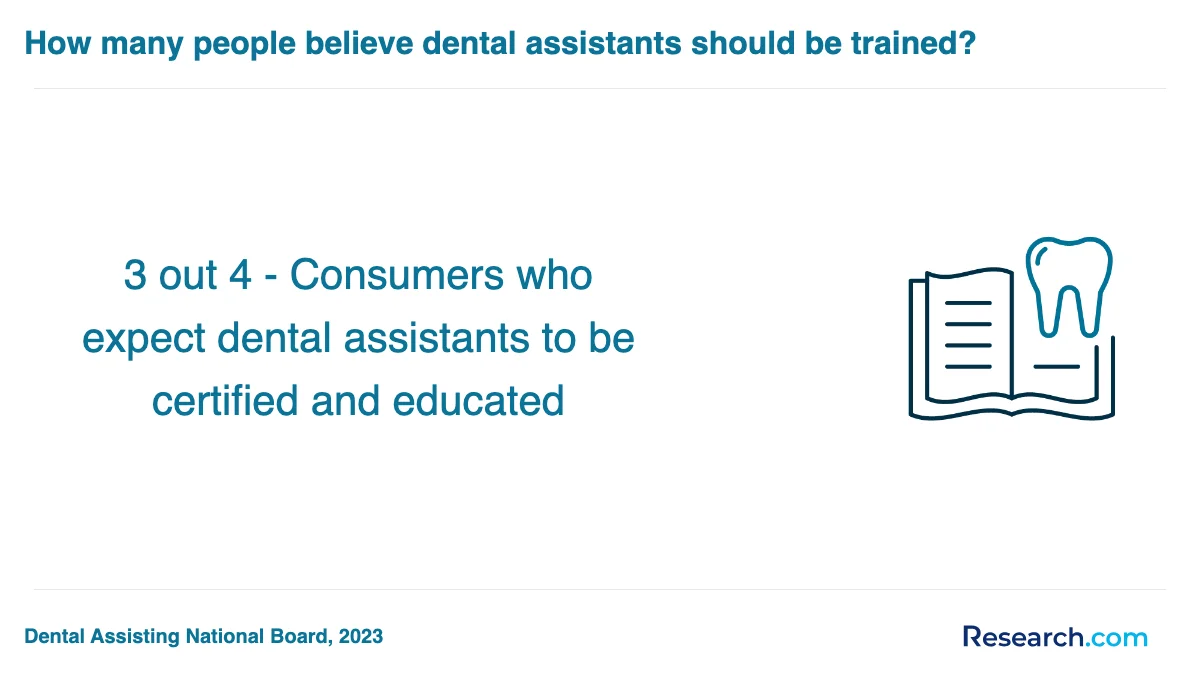
Dental assistant students in Iowa commonly rely on federal aid by submitting the Free Application for Federal Student Aid (FAFSA), which opens doors to Pell Grants and federal student loans. Graduates from Kirkwood Community College often recall how this initial step simplified accessing financial support, allowing them to focus more on their studies than on tuition stress.
The Iowa Last-Dollar Scholarship is a standout resource for Iowa residents pursuing dental assisting at schools like Iowa Western Community College. This scholarship fills remaining tuition gaps after other grants are applied, sometimes covering tuition entirely. Many students feel relief and motivation knowing that with a Student Aid Index (SAI) below $20,000 and FAFSA completion, they qualify for this aid, which can make education nearly free.
Institutional scholarships and grants offered by schools such as Eastern Iowa Community Colleges add another layer of financial support. These awards, based on merit or need, have empowered numerous dental assistant students to reduce their debt burden while gaining valuable hands-on experience. Additionally, federal work-study options provide practical employment, linking students closer to their future careers.
What are the prerequisites for enrolling in dental assistant trade schools in Iowa?
Enrolling in a dental assistant trade school program in Iowa typically requires meeting a few straightforward prerequisites, designed to ensure students are prepared for the hands-on, fast-paced learning environment. Most programs expect applicants to have a high school diploma or a GED, which serves as a basic educational foundation.
Graduates from popular Iowa trade schools often mention how this requirement helped them stay focused and confident during their studies. Additionally, some schools request proof of immunizations and a background check, emphasizing the importance of safety and professionalism in dental settings.
Applicants might also need to pass a basic entrance assessment or provide documentation of CPR certification, depending on the school. These prerequisites reflect real-life demands in dental offices, where quick thinking and readiness are essential.
Key prerequisites typically include:
- High school diploma or GED
- Proof of immunizations
- Background check clearance
- CPR certification or readiness to obtain it
Many students recall feeling reassured by these clear expectations before starting, which helped them focus on gaining the practical skills needed to thrive in Iowa's dental assistant workforce.
What are the typical courses in dental assistant trade schools in Iowa?
Dental assistant trade school programs in Iowa, such as those at Iowa Western Community College and Eastern Iowa Community Colleges, include a carefully designed set of courses that balance theory with hands-on practice. Graduates often share how these courses prepared them to confidently assist dentists in busy clinics.
Key courses typically cover:
- Chairside Assisting Procedures: Students learn to assist dentists during fillings, crowns, and extractions, gaining skills in patient positioning and instrument handling.
- Dental Radiography: Training includes taking and processing x-rays, a crucial skill since Iowa law requires dental assistants to be proficient in radiography.
- Dental Materials and Laboratory Techniques: This course helps students understand and manipulate materials like impression compounds and cements, often practiced in labs at Western Iowa Tech.
- Infection Control and Sterilization: Emphasizing safety, students master sterilization methods vital to protecting patients and staff.
- Dental Office Administration: Managing patient records and billing prepares students for the administrative side of dental practices.
- Patient Education and Communication: Graduates recall how effective communication training helped them ease patient anxieties and explain care instructions clearly.
- Medical and Dental Emergencies: Realistic emergency response drills build confidence in handling unexpected situations.
These courses, combined with clinical rotations in local dental offices, give students practical experience that many describe as essential to feeling ready for certification exams and day-one employment in Iowa's dental field.
What are the available specializations in dental assistant trade schools in Iowa?
Dental assistant program specializations in Iowa offer practical pathways to boost career opportunities and skill sets. Graduates from well-known trade schools often highlight the Expanded Functions Dental Assistant (EFDA) certification, which empowers them to perform advanced intraoral tasks under dentist supervision. For instance, students from Western Iowa Tech Community College praise the hands-on experience gained in their EFDA certificate program that focuses on specialty dentistry.
Another standout specialization includes apprenticeship models that combine paid, on-the-job training with online coursework. Graduates from the Iowa Primary Care Association's Dental Assisting Apprenticeship Program often express satisfaction with gaining real-world clinical skills while earning a wage. This structure also supports national certification exams, which eases career advancement.
Moreover, dental assisting certification programs in Iowa frequently incorporate training in specialties like orthodontics, periodontics, and pediatric dentistry. Kirkwood Community College's program offers such specialized courses, which former students report as enriching and versatile skill builders, preparing them well for diverse roles.
Many aspiring dental assistants consult a medical administrative assistant job description and salary as part of understanding broader career options in healthcare support.
How do you choose the best dental assistant trade school program in Iowa?
Choosing among the best dental assistant programs in Iowa means prioritizing accreditation, curriculum, and real-world clinical experience. Graduates from Hawkeye Community College emphasize how CODA accreditation ensures recognized credentials that open doors nationwide. Iowa Western Community College students often share how hands-on training from day one built their confidence in dental materials and radiography, making the classroom learning tangible and motivating.
Affordability is also crucial when searching for affordable dental assistant schools in Iowa. Northeast Iowa Community College stands out with its scholarships and impressive 100% job placement rate, which graduates describe as a reassuring assurance when entering the workforce. Meanwhile, students appreciate Iowa Central Community College's clinical externship programs, which provide true-to-life patient interactions, solidifying skills that employers value.
When flexibility is important, Iowa Western offers part-time and evening schedules to suit busy lifestyles. For those balancing education with work, exploring options like a dental hygiene program online can be a complement or alternative path. Listening to alumni insights about program length, commute convenience, and support services can help you decide which school aligns best with your goals and circumstances.
What career paths are available for dental assistant trade school graduates in Iowa?
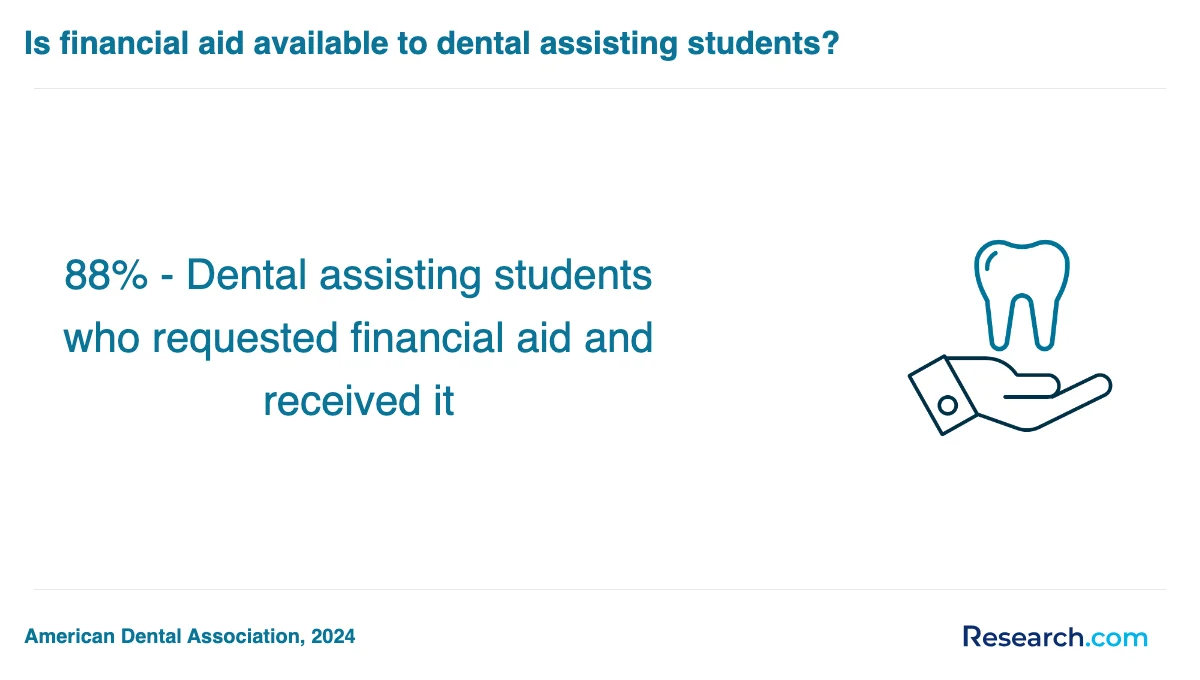
Graduates of dental assistant trade school programs in Iowa have diverse career paths shaped by the state's evolving dental industry needs. Many find rewarding jobs for dental assistant graduates in Iowa within private dental practices, where they support dentists by performing chairside tasks, instrument sterilization, and office administration. These real-world roles often begin as Registered Dental Assistants after passing the Iowa Dental Board exams, which trade school alumni commonly describe as empowering steps to stable employment.
Some graduates choose to specialize in radiography or work in specialty practices such as orthodontics, pediatric dentistry, or oral surgery, which expand their clinical skills and job satisfaction. Others embrace public health roles in community clinics or hospitals, offering vital services to underserved populations.
Positive examples from popular Iowa trade schools reveal graduates thriving after becoming Expanded Function Dental Assistants, gaining responsibilities and higher pay. Career growth can also include dental education, lab work, or insurance claims, presenting flexible opportunities.
For those balancing work and studies, exploring options like quickest dental assistant online certificate programs complements hands-on experience and boosts dental assistant career opportunities in Iowa.
What is the job market for dental assistant trade school graduates in Iowa?
The dental assistant job outlook in Iowa is encouraging for trade school graduates, reflecting sustained demand across the state. Graduates from popular Iowa trade schools often report quickly finding roles in well-established dental offices, ranging from bustling urban clinics in Des Moines to smaller rural practices. The demand for dental assistants in Iowa is driven by steady hiring, with many employers offering competitive wages-entry-level pay averages around $32,000 annually, increasing to $42,000 or more with experience. Some openings advertise hourly rates up to $25.50, highlighting growth opportunities.
Success stories from graduates emphasize a few key factors:
- Possessing a Registered Dental Assistant license is crucial for immediate employment.
- Flexible schedules and benefits, including health insurance and retirement plans, make these roles appealing.
- Large dental chains and local clinics alike actively seek new hires, broadening options.
For those considering further credentialing, exploring best dental assistant online certification programs can enhance job prospects and earning potential.
Frequently Asked Questions about dental assistant
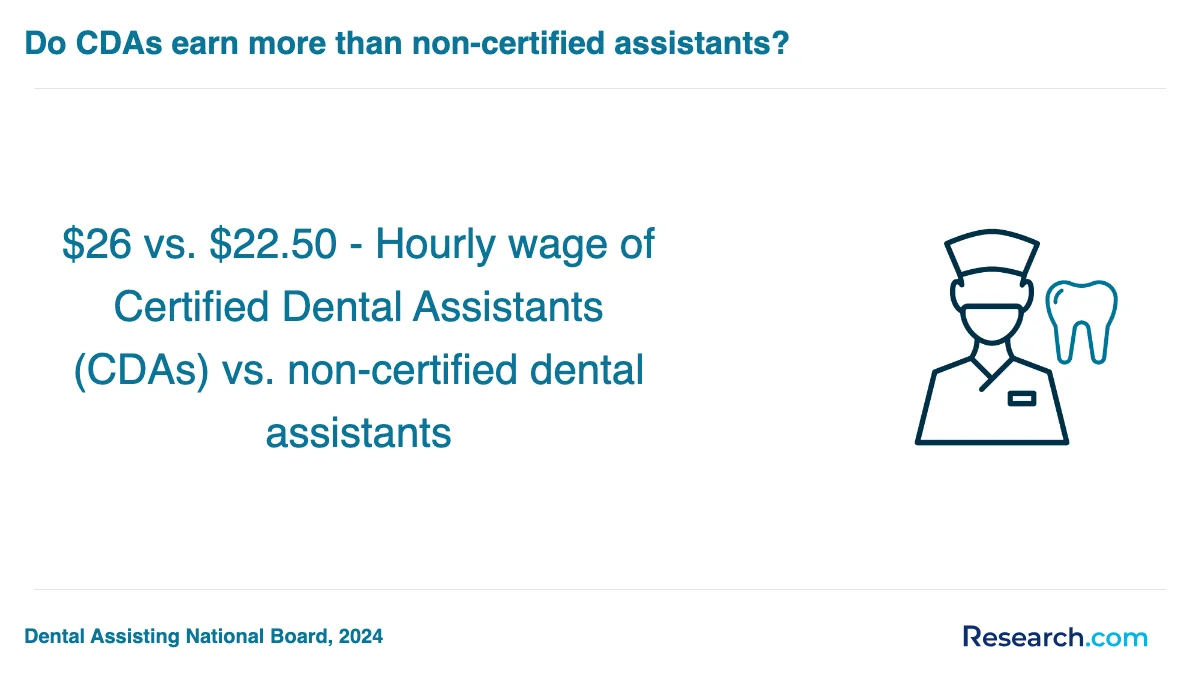
After completing a dental assistant trade school in Iowa, preparing for the job market involves several key steps. First, obtaining certification such as the Certified Dental Assistant (CDA) credential from the Dental Assisting National Board (DANB) can significantly improve employment prospects. Iowa employers often prefer candidates with this certification.
Next, gaining practical experience through internships or externships offered by trade schools helps build valuable skills and professional connections. According to the Iowa Workforce Development, dental assisting jobs in Iowa are expected to grow by about 7% through 2030, reflecting steady demand.
Networking by joining local dental associations or attending industry events in Iowa also supports job placement. Additionally, tailoring resumes to highlight both technical skills and patient care experience is crucial when applying to dental offices across the state.
Employers in Iowa value dental assistant graduates who demonstrate strong clinical skills, including proficiency in chairside assistance, sterilization procedures, and dental radiography. According to the Iowa Department of Labor, these technical abilities are essential for ensuring patient safety and efficient workflow. Additionally, communication skills are highly sought after, as dental assistants must effectively interact with patients and dental teams.
Knowledge of dental software and administrative tasks also ranks high among employer preferences. The Iowa Workforce Development highlights that graduates familiar with electronic health records and appointment scheduling have better job prospects. Attention to detail and adherence to infection control protocols remain critical skills across the state.
Finding internships relevant to dental assistant trade school programs in Iowa involves several strategic steps. First, students should consult their school's career services or internship coordinator, as many Iowa trade schools maintain partnerships with local dental offices. These partnerships often provide exclusive internship opportunities aligned with program requirements.
Additionally, the Iowa Dental Board and the American Dental Assistants Association (ADAA) Iowa chapter can be valuable resources for locating accredited internship programs. According to the ADAA, approximately 60% of dental assistant students in Iowa secure internships through these professional networks.
Networking with local dental clinics and attending career fairs hosted by trade schools or community colleges also increases internship prospects. Online job boards specific to the healthcare sector in Iowa, such as Iowa Workforce Development's portal, often list dental assistant internships.
Obtaining a dental assistant trade school diploma in Iowa significantly enhances career mobility and advancement opportunities. The Iowa Workforce Development reports that dental assistants with formal credentials experience higher employment rates and greater job stability compared to those without diplomas. Completing an accredited program equips graduates with essential clinical skills, making them eligible for certification exams like the Certified Dental Assistant (CDA) credential, which employers increasingly prefer.
Additionally, diploma holders in Iowa often earn salaries 10-15% higher than uncertified assistants, according to the U.S. Bureau of Labor Statistics. Career growth can include roles such as expanded functions dental assistant or office management, accessible through additional training. Overall, a diploma serves as a foundation for professional development within Iowa's dental industry.
Students enrolled in dental assistant trade schools in Iowa can benefit from part-time jobs that build relevant skills and experience. Common positions include dental receptionist roles, where students manage appointments and patient records, enhancing their administrative abilities. Additionally, working as a dental sterilization technician helps familiarize students with infection control protocols, a key aspect of dental assisting.
The Iowa Workforce Development reports that dental assistant positions are expected to grow by 12% through 2030, reflecting strong demand. Part-time jobs in local dental offices or community health clinics provide practical exposure, improving job prospects after graduation.
Such roles often offer flexible hours compatible with school schedules, allowing students to earn income while gaining hands-on experience in the dental field.
Affordable dental assistant programs can be found at various community colleges and technical schools, with several options available near Iowa. Programs typically offer certificates or associate degrees that provide the necessary training for dental assisting, and searching "dental assistant programs near me" can yield results for those in different areas of Iowa. Additionally, resources like Research.com can help locate and compare both tuition costs and program offerings to ensure affordability and proximity.
Related Dental Assistant Rankings for Nearby States
- Most Affordable Dental Assistant Schools & Training - Budget-Friendly Dental-Assistant Trade Programs in Minnesota for 2026
- Most Affordable Dental Assistant Schools & Training - Budget-Friendly Dental-Assistant Trade Programs in Wisconsin for 2026
- Most Affordable Dental Assistant Schools & Training - Budget-Friendly Dental-Assistant Trade Programs in Nebraska for 2026
- Most Affordable Dental Assistant Schools & Training - Budget-Friendly Dental-Assistant Trade Programs in South Dakota for 2026
- Most Affordable Dental Assistant Schools & Training - Budget-Friendly Dental-Assistant Trade Programs in Indiana for 2026
- Most Affordable Dental Assistant Schools & Training - Budget-Friendly Dental-Assistant Trade Programs in Michigan for 2026
- Most Affordable Dental Assistant Schools & Training - Budget-Friendly Dental-Assistant Trade Programs in Kentucky for 2026
- Most Affordable Dental Assistant Schools & Training - Budget-Friendly Dental-Assistant Trade Programs in Arkansas for 2026
- Most Affordable Dental Assistant Schools & Training - Budget-Friendly Dental-Assistant Trade Programs in Tennessee for 2026
- Most Affordable Dental Assistant Schools & Training - Budget-Friendly Dental-Assistant Trade Programs in Colorado for 2026
Top Trending Rankings
References
- How to Prepare for Dental Assistant School | Unitek College https://www.unitekcollege.edu/blog/how-to-prepare-for-dental-assistant-school/
- Become a Dental Assistant | DANB https://www.danb.org/career-center/become-a-dental-assistant
- How To Succeed in Dental Assistant Training https://www.berks.edu/how-to-succeed-in-dental-assistant-training/
- Program expectations | Dental Assisting at PCC https://www.pcc.edu/programs/dental-assisting/program-expectations/
- What Does it Take to Become a Dental Assistant? - South Texas Vocational Technical Institute https://www.stvt.edu/what-does-it-take-to-become-a-dental-assistant/
- How to Prepare for Dental Assistant School? | UEI College https://www.uei.edu/guides/dental-assistant/how-to-prepare-dental-assistant-school/
- Guide to Becoming a Dental Assistant | Carrington College https://carrington.edu/guides/guide-to-becoming-dental-assistant/
- Dental Assistant Trade Schools & Training Programs https://www.best-trade-schools.net/programs/healthcare/dental-assistant/
- Choosing the Right Dental Assistant Training Program - Dental Assisting School of Arizona - Tempe, AZ 85283 https://dentalassistingschoolofphoenix.com/blog/choosing-the-right-dental-assistant-training-program/
- How to Become a Dental Assistant (Guide & Salary FAQs) | Penn Foster https://www.pennfoster.edu/blog/how-to-become-a-dental-assistant-guide-and-salary-faqs


