
Most Affordable Dental Assistant Schools & Training - Budget-Friendly Dental-Assistant Trade Programs in North Dakota for 2026

Co-Founder and Chief Data Scientist
Choosing the right dental assistant trade school in North Dakota can feel overwhelming, but this article is here to help. We present a carefully crafted ranking of dental assistant programs created by the Research.com team of data scientists, designed to guide you in making an informed decision.
Whether you're starting a new career or advancing your skills, earning a diploma or certification opens doors to rewarding opportunities. Reading this article will give you confidence and clarity about which schools offer the best value and support your goals.
Key benefits of finishing dental assistant trade school in North Dakota
- Graduates can expect a competitive salary, with averages around $46,886 to $54,010 per year in North Dakota, offering a rewarding start to their dental assistant career.
- Dental assistant trade school graduates often find diverse career paths, including working in busy dental clinics or specialized offices, just like many successful alumni from Bismarck Technical College.
- Completing a dental assistant program online provides flexibility and convenience, allowing students to balance work and study, as seen with graduates from Rasmussen College's online courses.
What can I expect from dental assistant trade schools in North Dakota?
Enrolling in a dental assistant trade school program in North Dakota means diving into a dynamic mix of classroom lessons, hands-on labs, and real-world clinical experiences. Graduates from Dakota College at Bottineau often recall the intensity of balancing prerequisite courses with learning dental sciences and chairside techniques, all within a structured timeline-some completing certificates in just ten months. You'll quickly find yourself mastering infection control protocols and radiology, essential skills that build confidence for your future role.
Expect to spend over 300 hours in supervised clinical settings, where you'll apply what you've learned alongside experienced dental professionals, making your transition to employment smoother. Those attending hybrid programs at Bismarck State College or the University of North Dakota appreciate the flexibility of online coursework combined with vital in-person externships, fitting education around their busy lives.
Beyond technical skills, students embrace the challenge of understanding legal standards and professional ethics, which are crucial in North Dakota's dental offices. Graduates often describe a rewarding sense of accomplishment as they prepare to sit for the Dental Assisting National Board exam, stepping confidently into a career with strong job prospects and meaningful impact.
Where can I work after finishing dental assistant trade schools in North Dakota?
Graduates of dental assistant trade schools in North Dakota often find themselves stepping confidently into private dental offices, the hub of most job opportunities. Imagine working chairside with a dentist in Fargo, where the fast-paced environment sharpens your skills daily. Many graduates from popular local trade schools describe this as an energizing start to their careers, blending hands-on patient care with administrative duties.
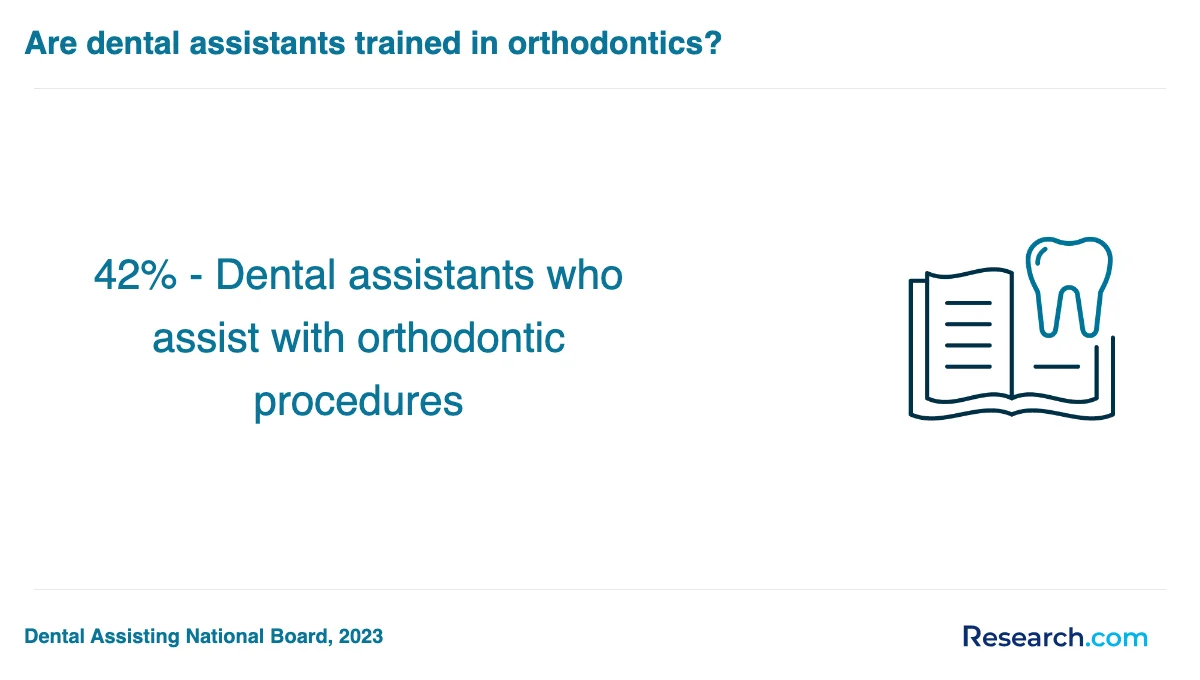
Others discover rewarding paths in specialty dental clinics, such as pediatric or orthodontic practices in Bismarck. Here, assisting with unique procedures offers a deeper connection to patients and a sense of meaningful contribution. Community health clinics and public health programs in rural areas also welcome graduates eager to improve dental access for underserved populations, turning their education into real community impact.
Some alumni find niche roles in dental laboratories or educational institutions, supporting research or training future assistants. With certifications like RDA or CDA earned through North Dakota trade schools, graduates unlock higher earning potential and diverse career avenues statewide.
How much can I make after finishing dental assistant trade schools in North Dakota?
After finishing a dental assistant trade school program in North Dakota, many graduates find themselves stepping into a career with promising earnings. Entry-level wages often start around $20 per hour, which translates to roughly $41,000 annually. Graduates from popular trade schools in cities like Fargo or Bismarck frequently share how their starting salary allowed them to comfortably manage living expenses while gaining hands-on experience.
For example, dental assistants in Bismarck report average hourly wages near $27, pushing annual earnings to about $56,500. This kind of income enables graduates to feel confident about their financial independence shortly after completing their program. Those in Fargo enjoy similar benefits, earning around $53,150 yearly. These numbers reflect recent Bureau of Labor Statistics data and highlight real opportunities within North Dakota's dental health field.
With a few years of experience and additional certifications, salaries can climb to over $60,000. Many graduates appreciate how their trade school education opened doors to steady, rewarding careers in communities where the cost of living is lower than the national average, making each paycheck go even further.
Most Affordable Dental Assistant Schools & Training - Budget-Friendly Dental-Assistant Trade Programs in North Dakota for 2026
# 1 position
North Dakota State College of Science - Dental Assisting/Assistant.
associateThe Dental Assisting/Assistant program at North Dakota State College of Science offers a hybrid learning format with some distance-education options. It prepares students to provide patient care, take dental radiographs, assist during procedures, and manage office administrative tasks under supervision. The program includes training in medical record-keeping, equipment maintenance, radiography, and chairside assisting. Annual in-state tuition is $5,928, and median earnings one year after completion are $48,565. The program is accredited by the Higher Learning Commission.
# 2 position
North Dakota State College of Science - Dental Assisting/Assistant.
certificate or diplomaThe Dental Assisting/Assistant program at North Dakota State College of Science offers a hybrid format with some distance education options. It prepares students to provide patient care, take dental radiographs, assist chairside, and perform office administrative duties under supervision. Instruction includes medical record-keeping, equipment maintenance, sterilization, and patient intake. The annual in-state tuition is $5,928, and median earnings one year after completion reach $48,565. The program is accredited by the Higher Learning Commission.
Key Findings
- Most dental assistant programs in North Dakota require a high school diploma or GED, CPR certification, and training in infection control and OSHA safety procedures.
- Program length ranges from 9-12 months for certificates or diplomas to about two years for an associate degree, including over 300 hours of supervised clinical experience.
- Graduates must pass the Certified Dental Assistant (CDA) exam and may need to complete a state jurisprudence exam and obtain permits for expanded functions.
- Costs for programs typically range from $5,000 to $15,000, depending on school and program length, with financial aid options available.
- The average starting salary for dental assistants in North Dakota is around $44,000 annually, with experienced assistants earning up to $50,000 or more.
How long does it take to complete dental assistant trade schools in North Dakota?
Completing a dental assistant trade school program in North Dakota typically takes about 9 to 12 months, depending on the school and the intensity of the curriculum. Graduates from popular trade schools in the state often share how this timeframe allowed them to quickly transition from classroom learning to hands-on clinical experience, which made the journey feel both efficient and rewarding.
Many students appreciate how the condensed schedule fits well with their busy lives, enabling them to start working in dental offices sooner than expected. For example, graduates from well-known programs in Fargo and Bismarck often mention how the focused training helped them build confidence fast, preparing them to assist dentists effectively in real-world scenarios.
This relatively short duration also means less time away from earning a full income, which adds to the overall satisfaction. Imagine gaining the skills to support patient care, manage dental tools, and handle office tasks all within a year - it's an achievable goal that resonates deeply with those eager to jumpstart their careers in North Dakota's growing dental field.
What's the difference between online and on-campus dental assistant trade school programs?
The core difference between online and on-campus dental assistant trade school programs in North Dakota is where and how students experience their training. Graduates from Bismarck State College's online Qualified Dental Assistant program often praise the flexibility, explaining how fitting coursework around their busy workdays made pursuing certification manageable without leaving their jobs. Imagine logging in after a shift, completing assignments at your own pace, yet still stepping into a dental office for the required 300 clinical hours to gain hands-on skills.
On the other hand, students attending Dakota College at Bottineau or North Dakota State College of Science describe the energy of face-to-face labs and real-time feedback from instructors as motivating and confidence-building. They highlight the value of supervised clinical rotations that immerse them fully in dental office environments under expert guidance, fostering both skill and professional networking.
Both paths meet North Dakota's licensure requirements, but the choice often hinges on balancing personal schedules, learning preferences, and the desire for immediate peer interaction versus independent study.
What is the average cost of dental assistant trade schools in North Dakota?
The average dental assistant program cost in North Dakota varies depending on the school and program type, but students often find the investment manageable when considering the career opportunities ahead. For example, graduates from Dakota College at Bottineau report tuition fees combined with books, supplies, and additional program fees totaling around $13,450 for a full 45-credit dental assisting program. This comprehensive pricing includes semester fees, dental assisting-specific charges, and essential items like laptops and background studies, illustrating a realistic financial commitment.
Meanwhile, students at North Dakota State College of Science experience program costs near $6,585 in addition to general tuition and fees. This amount tends to reflect the typical tuition fees for dental assistant schools in North Dakota, especially for associate degree options. Certificate programs generally run between $4,000 and $6,000, offering a quicker, less costly route to enter the dental field. Graduates often mention how planning for expenses like registration fees, lab fees, and supplies, which average around $2,220 combined, helped them avoid surprises during training.
Many students recall feeling empowered after understanding these costs because it gave them control over their budgeting and future plans. Plus, with financial aid options like federal loans, grants, and scholarships available, the process becomes more accessible. For those who want to connect their education to broader opportunities, exploring occupations in the medical field can be inspiring and shows how dental assisting fits into diverse healthcare careers.
What financial aid is available for dental assistant trade schools in North Dakota?
Dental assistant students in North Dakota often find relief through a mix of federal, state, and school-specific financial aid. Many graduates recall the ease of applying for Pell Grants and Federal Direct Loans by completing the FAFSA, a crucial step required by most trade schools across the state. For those attending programs like the Qualified Dental Assistant course at Bismarck State College, scholarships funded by grants-such as a recent $44,000 award-can cover tuition and related costs, lifting the financial burden significantly.
State programs also play a vital role. The North Dakota State Grant and Career and Technical Education Scholarship frequently come up in conversations among former students who benefited from need-based and career-focused funding. High-achievers often tap into the North Dakota Scholars Program, turning merit into meaningful financial support. Native American students share stories of how the Indian Scholarship helped them access quality dental assistant training without the weight of debt.
Yet, some graduates warn that not every course qualifies for federal aid, especially non-credit or online options, making it essential to check with the school's financial aid office to avoid surprises. Navigating these options can transform a daunting cost into an achievable investment in a promising career.
What are the prerequisites for enrolling in dental assistant trade schools in North Dakota?
Enrolling in a dental assistant trade school program in North Dakota typically requires a few clear prerequisites that set the stage for your success. Most schools expect candidates to have a high school diploma or GED, ensuring you're prepared for the coursework ahead. Graduates often recall feeling reassured knowing this baseline was met, allowing them to focus fully on hands-on training.
Beyond academics, many programs emphasize essential soft skills. For example, strong communication and a compassionate attitude are crucial when interacting with patients. Graduates from popular North Dakota trade schools reflect on how these qualities helped them thrive in clinical settings.
Common prerequisites include:
- Proof of immunizations and a recent TB test
- Background checks to ensure patient safety
- Basic CPR certification
These requirements might seem daunting, but graduates describe the process as empowering, knowing they're stepping into a trusted profession. Trade schools in North Dakota often offer orientation sessions to guide new students through these steps, making the transition smoother and more inviting.

What are the typical courses in dental assistant trade schools in North Dakota?
Dental assistant trade school programs in North Dakota, such as those at Dakota College at Bottineau and North Dakota State College of Science, immerse students in a comprehensive mix of courses designed to build real-world skills and confidence. Graduates often share how mastering core subjects like anatomy, morphology, and physiology helped them truly understand patient care beyond textbooks.
Hands-on courses include:
- Radiology: Students gain practical experience taking dental x-rays, fulfilling the state's requirement for Qualified Dental Assistant - Limited Radiology Registrant licensure.
- Chairside dental assisting: Training in four-handed dentistry techniques prepares students to smoothly assist dentists during procedures.
- Infection control and occupational safety: These crucial lessons protect both patient and practitioner, instilling a strong sense of responsibility.
- Dental office administration: Managing records, scheduling, billing, and HIPAA compliance offers insight into the business side of dentistry.
Many graduates describe how over 300 hours of supervised clinical practice allowed them to build confidence and develop professional communication skills, making the transition into dental offices seamless and rewarding.
What are the available specializations in dental assistant trade schools in North Dakota?
Dental assistant trade school programs in North Dakota offer specialized tracks that allow students to sharpen their skills for real-world dental careers. Many graduates at Bismarck State College speak highly of the Qualified Dental Assistant (QDA) program, which blends self-paced online learning with a hands-on chairside experience, preparing them directly for state licensure.
Other students who enroll in Clinical Dental Assisting Programs in North Dakota, such as the one at the University of North Dakota, appreciate the focus on clinical skills tied to certification exams, with comprehensive training in radiology, infection control, and dental materials. These programs simulate day-to-day dental office situations, helping students build confidence alongside competence.
Expanded Functions Dental Assisting in North Dakota is another compelling specialization. For example, students at North Dakota State College of Science often describe how courses in dental radiology and office management gave them an edge for advanced roles, including nitrous oxide administration and broader clinical responsibilities.
Prospective students curious about the time commitment might also explore related paths like dental hygienist programs to compare. Details about dental hygienist degree length can be insightful when planning a dental career trajectory. Many who completed these North Dakota programs found that practicing skills in a local dental office made theory come alive, turning initial nervousness into excitement for a rewarding career.
How do you choose the best dental assistant trade school program in North Dakota?
Choosing the best dental assistant trade school program in North Dakota means starting with accreditation-graduates often recall how programs like Dakota College at Bottineau, accredited by CODA, gave them confidence in their education and eligibility for certification. The structure of the program matters too; some find the flexibility of University of North Dakota's online courses perfect for balancing work and study, while others appreciate hands-on labs and clinical hours offered by Dakota College's associate degree track. Clinical experience is non-negotiable, as real-world practice, like the 300+ hours at Dakota College or externships at Bismarck State College, was crucial for graduates feeling truly prepared.
When comparing North Dakota dental assistant schools, consider state-specific licensing requirements like passing the DANB exams and completing approved coursework, which some schools integrate smoothly into their curriculum. Admissions can be competitive-knowing that Dakota College accepts only 12 students yearly helps you plan ahead. Also, factor in costs and financial aid options carefully, since tuition varies widely. Those weighing career options often wonder does a dental hygienist or dental assistant make more, making this choice even more impactful.
What career paths are available for dental assistant trade school graduates in North Dakota?
Graduates of dental assistant trade school programs in North Dakota step into a variety of rewarding career paths, each offering unique opportunities to grow professionally. Many begin as Qualified Dental Assistants (QDA), supporting dentists closely with clinical tasks and patient care. Those early days often bring a satisfying sense of achievement as graduates from popular North Dakota trade schools quickly adapt to hands-on roles, gaining confidence in real dental offices.
Advancement follows naturally by earning Registered Dental Assistant (RDA) status, which unlocks advanced functions like taking X-rays or applying sealants. Many graduates share how this leap dramatically expands their responsibilities and pride in their work, reflecting common dental assisting advancement paths in North Dakota.
Additional permits in radiography or coronal polishing allow further specialization, often leading to supervisory or training roles that boost both earnings and professional fulfillment. Some dental assistants transition into administrative positions, managing office operations and compliance, or even choose to advance academically toward roles like dental hygiene.
For those still exploring educational options, the most affordable dental assistant online associate degree programs can provide flexible pathways to deepen expertise and career prospects without leaving North Dakota.
What is the job market for dental assistant trade school graduates in North Dakota?
The dental assistant job outlook North Dakota presents steady opportunities for trade school graduates eager to enter the workforce. With a projected employment growth of 15.7% through 2026, graduates find themselves stepping into a market that, while slightly slower than the national average, offers around 90 yearly openings statewide. Many graduates from popular trade schools in North Dakota recount their excitement upon securing positions in expanding dental practices right after completing their programs.
Practical experiences during training often include hands-on clinical work, which prepares students for everyday dental office realities. The demand spans urban centers like Bismarck, Fargo, and Grand Forks, where wages range from $53,150 to $56,500 annually, to rural communities where salaries remain competitive. Graduates appreciate how this regional variation still guarantees solid earning potential and career stability.
Dental assistant employment growth North Dakota encourages a positive outlook for newcomers, especially for those balancing life and education at local trade schools. Alongside starting salaries, students focus on developing skills that enhance job readiness, appreciating the profession's accessibility and consistency of demand.
For those exploring program options, it's helpful to compare what different schools offer and consider what jobs can you get with a medical assistant certificate for a broader view on allied health careers in the region. This perspective reinforces the value of investing in specialized trade training within North Dakota's healthcare landscape.
Frequently Asked Questions about dental assistant
After completing dental assistant trade school in North Dakota, preparing for the job market involves several key steps. First, obtaining certification through the Dental Assisting National Board (DANB) can significantly improve employment prospects. North Dakota employers often prefer certified dental assistants, as this credential demonstrates competence and professionalism.
Networking is also important. Joining local groups such as the North Dakota Dental Assistants Association can provide valuable connections and job leads. Additionally, gaining hands-on experience through internships or externships offered by trade schools helps build practical skills.
According to the U.S. Bureau of Labor Statistics, dental assistant employment in North Dakota is projected to grow 7% from 2022 to 2032, reflecting steady demand.
Employers in North Dakota seek dental assistant graduates with strong clinical skills, including proficiency in radiography, infection control, and chairside assistance. According to the North Dakota Department of Labor, practical experience with dental software and patient management enhances job prospects. Communication skills are equally important, as dental assistants must effectively interact with patients and dental teams. Attention to detail and the ability to follow strict health and safety protocols are also highly valued. Additionally, many employers prefer candidates who have completed accredited programs that prepare them for the Certified Dental Assistant (CDA) exam, which improves employability in the state.
Finding internships in North Dakota relevant to dental assistant trade school programs involves several strategic steps. Start by contacting the career services or internship coordinators at the trade schools you are considering, as many maintain partnerships with local dental offices. The North Dakota Dental Association is also a valuable resource, providing listings and networking opportunities for students seeking clinical experience.
Additionally, the U.S. Bureau of Labor Statistics notes that hands-on internships are essential for dental assistant certification. Many dental offices in cities like Fargo and Bismarck offer paid or unpaid internships, which can be found through direct inquiries or online local job boards such as the North Dakota Job Service.
It is recommended to begin your search at least three months before your program's clinical phase to secure a placement that meets state certification requirements. Internships typically require a background check and immunization records, so prepare these documents early.
Obtaining a dental assistant trade school diploma in North Dakota significantly enhances career mobility within the state's dental healthcare sector. Graduates become eligible to sit for the Dental Assistant National Board (DANB) certification, which many employers prefer or require. According to the U.S. Bureau of Labor Statistics, certified dental assistants in North Dakota earn a median wage about 10% higher than non-certified peers, improving advancement opportunities.
The diploma also meets state requirements for Expanded Function Dental Assistants (EFDAs), allowing holders to perform advanced clinical tasks under supervision, which expands job roles and responsibilities.
North Dakota's growing healthcare industry, with a projected 7% employment increase for dental assistants through 2031, creates a favorable environment for diploma holders seeking upward mobility in clinics and private practices.
Students enrolled in dental assistant trade schools in North Dakota can benefit from part-time work that builds relevant skills and experience. Many find opportunities as dental receptionists, helping manage appointments and patient records, which enhances administrative knowledge important for dental offices. Others work as dental sterilization technicians, preparing and sterilizing instruments, a key clinical support role. According to the U.S. Bureau of Labor Statistics, North Dakota's dental assistant employment is projected to grow steadily, supporting access to part-time roles in clinics and private practices. These jobs often offer flexible hours, allowing students to balance work and education effectively.
Yes, there are affordable dental assistant programs near North Dakota. Community colleges and technical schools near North Dakota often provide budget-friendly options for dental assistant degrees or certifications, offering in-state residents lower tuition costs. Prospective students looking for programs "near me" can use resources like Research.com to identify schools that offer these programs within their region.
Related Dental Assistant Rankings for Nearby States
- Most Affordable Dental Assistant Schools & Training - Budget-Friendly Dental-Assistant Trade Programs in South Dakota for 2026
- Most Affordable Dental Assistant Schools & Training - Budget-Friendly Dental-Assistant Trade Programs in Minnesota for 2026
- Most Affordable Dental Assistant Schools & Training - Budget-Friendly Dental-Assistant Trade Programs in Montana for 2026
- Most Affordable Dental Assistant Schools & Training - Budget-Friendly Dental-Assistant Trade Programs in Nebraska for 2026
- Most Affordable Dental Assistant Schools & Training - Budget-Friendly Dental-Assistant Trade Programs in Iowa for 2026
- Most Affordable Dental Assistant Schools & Training - Budget-Friendly Dental-Assistant Trade Programs in Wisconsin for 2026
- Most Affordable Dental Assistant Schools & Training - Budget-Friendly Dental-Assistant Trade Programs in Colorado for 2026
- Most Affordable Dental Assistant Schools & Training - Budget-Friendly Dental-Assistant Trade Programs in Indiana for 2026
- Most Affordable Dental Assistant Schools & Training - Budget-Friendly Dental-Assistant Trade Programs in Michigan for 2026
- Most Affordable Dental Assistant Schools & Training - Budget-Friendly Dental-Assistant Trade Programs in Arkansas for 2026
Top Trending Rankings
References
- Online Dental Assistant Certificate Program | Self-Paced Course https://www.uscareerinstitute.edu/online-dental-assistant-school
- Dental Assistant School, Certification Training Programs https://rosseducation.edu/programs/dental-assistant.php
- Dental Assistant Training Program | School of Dental Medicine https://www.dental.pitt.edu/dental-assistant-training-program
- Dental Assistant Schools - Hands-On Training & Certification Info https://www.trade-schools.net/health-care/dental-assistant
- Dental Assistant Certification & Training School | Fortis https://www.fortis.edu/programs/dental/dental-assisting.html
- Dental Assisting Program https://gwinnetttech.edu/dentalassisting/
- Dental Assistant Certificate Program | Carrington College https://carrington.edu/program/dental-assisting/
- Dental Assistant | Minneapolis Community & Technical College https://minneapolis.edu/academics/school-nursing-health-sciences-and-wellness/dental-assistant
- Become a Dental Assistant | DANB https://www.danb.org/career-center/become-a-dental-assistant
- How to Prepare for Dental Assistant School | Unitek College https://www.unitekcollege.edu/blog/how-to-prepare-for-dental-assistant-school/


