Most Affordable Dental Assistant Schools & Training - Budget-Friendly Dental-Assistant Trade Programs in Nebraska for 2026

Co-Founder and Chief Data Scientist
Choosing the right dental assistant trade school in Nebraska can feel overwhelming, but this article aims to make that decision easier. We present a carefully crafted ranking of dental assistant programs, created by the Research.com team of data scientists, to help you identify quality options worth your consideration.
Whether you want to start a rewarding career quickly or enhance your skills, earning a diploma or certification offers solid opportunities. Reading this guide will give you confidence and clarity on the best affordable paths to becoming a dental assistant in 2026.
Key benefits of finishing dental assistant trade school in Nebraska
- Expected salary: Graduates from dental assistant trade schools in Nebraska can expect to earn between $37,000 and $45,000 annually, with opportunities to reach over $50,000 as experience grows.
- Career paths: Many graduates from popular Nebraska trade schools quickly find jobs in busy clinics or specialized dental offices, opening doors to roles such as orthodontic or pediatric dental assistants.
- Online program benefits: Completing a dental assistant program online offers flexibility and convenience, allowing students to balance work and study while still gaining hands-on skills through local clinical placements.
What can I expect from dental assistant trade schools in Nebraska?
Students enrolling in dental assistant trade school programs in Nebraska can expect a dynamic, hands-on education designed for quick entry into the dental field. Graduates often describe a balanced mix of classroom learning and real-world practice, with programs lasting from as short as 8 weeks to a full year. For instance, many find themselves initially mastering dental health theory, chair-side assisting, radiography, and infection control before moving on to extensive clinical rotations.
Popular Nebraska trade schools emphasize over 200 hours of externship experience, allowing students to build confidence by working alongside licensed professionals in local dental offices or clinics. This immersive approach helps students develop both technical skills and essential soft skills like communication and teamwork.
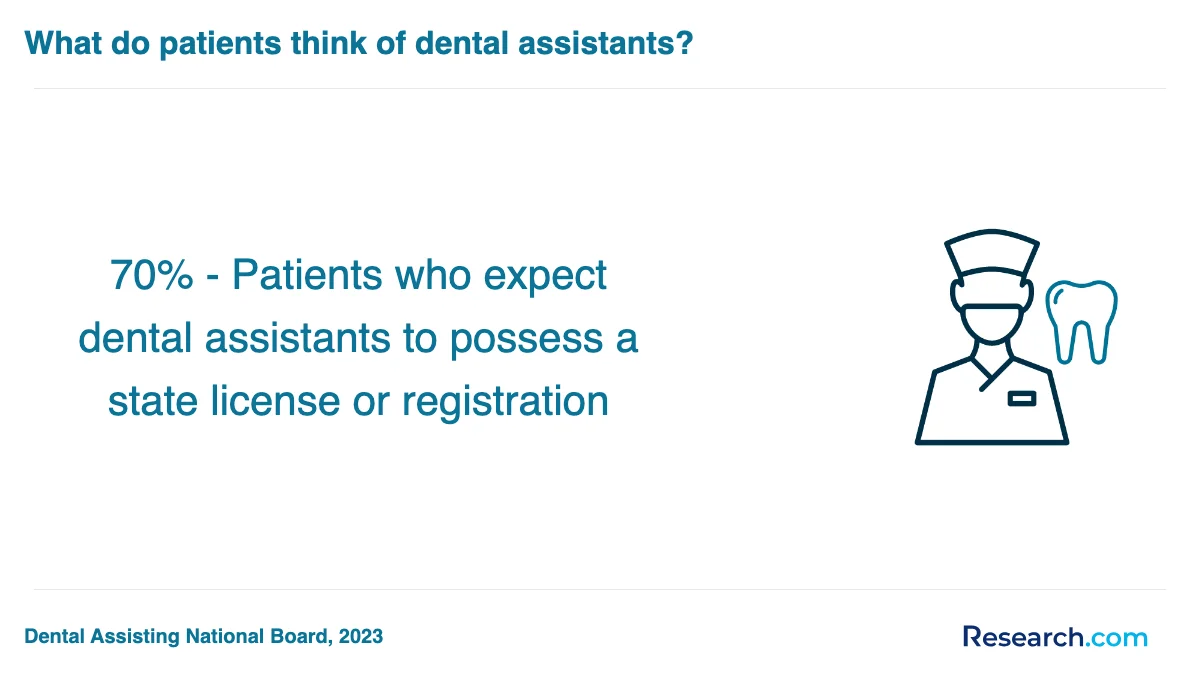
Graduates frequently share how they appreciated the programs' focus on state-mandated procedures, such as coronal polishing and dental x-rays, which are vital for licensure. The supportive environment and clear pathway to certification, including eligibility for the Dental Assisting National Board exam, leave students feeling prepared and optimistic about their careers.
Where can I work after finishing dental assistant trade schools in Nebraska?
After completing a dental assistant trade school program in Nebraska, graduates find a variety of career paths available. Many secure positions in private dental offices across cities like Omaha and smaller towns, gaining hands-on experience assisting dentists during procedures and managing dental equipment. Graduates often describe the rewarding environment of private practices where they build close patient relationships while developing skills in dental x-rays and patient care.
Others pursue roles in specialty clinics such as pediatric or orthodontic offices, where they assist with child dental care or support complex orthodontic treatments. Trade school alumni appreciate how these settings deepen their expertise and provide more focused patient interactions.
Public health clinics and community centers also hire dental assistants, enabling graduates to serve diverse populations and contribute to expanding access to dental care in underserved areas. Some graduates even find fulfilling work in correctional facilities or part-time research roles linked to local healthcare institutions.
Overall, Nebraska's dental assistant programs prepare students for a robust job market with employers valuing certification and practical skills gained through trusted trade schools.
How much can I make after finishing dental assistant trade schools in Nebraska?
Graduates of dental assistant trade school programs in Nebraska can expect to start their careers with competitive pay that reflects their new skills and dedication. On average, dental assistants in Nebraska earn about $43,930 per year, or roughly $21.12 per hour. This starting salary provides a solid foundation for those entering the workforce straight from programs offered at well-known Nebraska trade schools.
Many graduates from programs in cities like Omaha and Lincoln find that their salaries are slightly higher, often ranging from $45,680 to $45,700 annually. These urban centers offer more opportunities and higher wages, which can make the transition from school to work especially rewarding. For example, a recent graduate from an Omaha trade school shared how securing a position at a local dental practice led to an hourly wage just under $22, reflecting the city's strong demand for qualified assistants.
In smaller metro areas such as Grand Island, starting salaries tend to be a bit lower, closer to $42,940 annually, but graduates still celebrate the chance to build their careers in a welcoming community setting. As experience grows, so does earning potential-with many dental assistants moving beyond initial salaries toward the median Nebraska wage of around $44,915 per year, or even higher with certifications and specialized skills.
Most Affordable Dental Assistant Schools & Training - Budget-Friendly Dental-Assistant Trade Programs in Nebraska for 2026
# 1 position
Southeast Community College Area - Dental Assisting/Assistant.
associateThe Dental Assisting/Assistant program at Southeast Community College Area offers a hybrid format with some distance education. It prepares students to assist dentists and hygienists by providing patient care, taking dental radiographs, and managing office tasks. The curriculum covers medical records, equipment sterilization, chairside assisting, and supervised practice. Annual in-state tuition is $3,540, and median earnings one year after completion are $36,408. The program is accredited by the Higher Learning Commission.
# 2 position
Southeast Community College Area - Dental Assisting/Assistant.
certificate or diplomaThe Dental Assisting/Assistant program at Southeast Community College Area offers a hybrid format with some distance-education options. It trains students in patient care, dental radiographs, office administrative duties, and chairside assisting under dentist supervision. The program includes instruction in medical record-keeping, equipment sterilization, and patient intake. Annual in-state tuition is $3,540. Graduates typically earn a median income of $36,408 one year after completion. The program is accredited by the Higher Learning Commission.
# 3 position
Metropolitan Community College Area - Dental Assisting/Assistant.
certificate or diplomaThe Dental Assisting/Assistant program at Metropolitan Community College Area is a hybrid program offering some distance education. It prepares students to assist dentists and dental hygienists by providing patient care, taking dental radiographs, and performing office administrative tasks. Instruction includes medical record-keeping, equipment maintenance, basic radiography, chairside assisting, and supervised practice. The program’s annual in-state tuition is $3,285 and it is accredited by the Higher Learning Commission.
# 4 position
Central Community College - Dental Assisting/Assistant.
associateCentral Community College offers a fully online Dental Assisting/Assistant program designed to prepare students for patient care, dental radiography, and office administrative tasks under professional supervision. The curriculum covers medical record-keeping, scheduling, equipment maintenance, sterilization, radiography, chairside assisting, and patient care. The program’s annual in-state tuition is $3,360, and graduates earn a median salary of $53,860 one year after completion. It is accredited by the Higher Learning Commission.
# 5 position
Central Community College - Dental Assisting/Assistant.
certificate or diplomaCentral Community College offers a fully online Dental Assisting/Assistant program that prepares students to provide patient care, take dental radiographs, and perform office administrative tasks under supervision. The curriculum includes instruction in medical record-keeping, equipment maintenance, chairside assisting, and supervised practice. The program is accredited by the Higher Learning Commission, with an annual in-state tuition of $3,360 and median earnings of $53,860 one year after completion.
# 6 position
Mid-Plains Community College - Dental Assisting/Assistant.
associateMid-Plains Community College offers a Dental Assisting/Assistant program designed to prepare students for patient care, dental radiography, and office administrative tasks under dentist supervision. The hybrid program includes instruction in medical record-keeping, reception, scheduling, equipment maintenance, sterilization, chairside assisting, and supervised practice. The annual in-state tuition is $3,600. The program is accredited by the Higher Learning Commission.
# 7 position
Mid-Plains Community College - Dental Assisting/Assistant.
certificate or diplomaMid-Plains Community College offers a hybrid Dental Assisting/Assistant program designed to prepare students for patient care, dental radiography, and office administrative duties under supervision. The curriculum includes medical record-keeping, scheduling, equipment maintenance, sterilization, chairside assisting, and supervised practice. The program’s annual in-state tuition is $3,600 and it is accredited by the Higher Learning Commission.
Key Findings
- Applicants need a high school diploma or equivalent and must be at least 18 years old to work as a dental assistant in Nebraska.
- Programs typically last 9 to 12 months and include over 300 hours of clinical training alongside classroom instruction.
- Tuition costs range from $4,000 to $6,000, excluding books and supplies, with financial aid options available.
- Graduates must pass the Nebraska jurisprudence exam and a background check for state licensure and can pursue national certification through the DANB CDA exam.
- Starting salaries for new graduates average between $36,000 and $40,000, increasing to $45,000 or more with experience and certification.
How long does it take to complete dental assistant trade schools in Nebraska?
Completing a dental assistant trade school program in Nebraska typically takes between 9 months and 1 year. Many graduates from well-known Nebraska trade schools report that this timeframe allows them to balance hands-on clinical experience with classroom instruction effectively. For example, students often describe how quickly the program moves, yet how comprehensive it feels-covering everything from dental anatomy to patient care protocols.
At popular institutions in Nebraska, the curriculum is designed to provide real-world skills within a compact schedule, which helps students enter the workforce promptly. Graduates frequently share that the focused nature of the program kept them motivated and confident, often finishing sooner than expected while feeling fully prepared for certification exams and employment.
Studying dental assisting in Nebraska trade schools also offers flexibility through evening or part-time schedules, which is beneficial for those balancing work or family. This approach enhances accessibility without compromising the depth of training, making it easier to achieve career goals within a year.
What's the difference between online and on-campus dental assistant trade school programs?
The main difference between online and on-campus dental assistant trade school programs in Nebraska lies in how students engage with their training. On-campus programs, such as those at Southeast Community College and Mid-Plains Community College, immerse students in hands-on learning daily. Graduates often describe the immediate feedback from instructors and use of advanced dental labs as invaluable, making skill-building more intuitive and confidence-boosting.
In contrast, online or hybrid programs offer flexibility for those balancing work or family commitments. Students complete theoretical coursework remotely, then attend local dental offices for required supervised clinical hours. Many graduates appreciate this blend, as it allows them to study at their own pace while still fulfilling Nebraska's strict in-person clinical requirements, including dental radiography and coronal polishing proficiency.
Both paths lead to the same certification, but the choice depends on your personal schedule and learning style. Whether experiencing the energy of on-campus labs or the adaptability of hybrid formats, Nebraska students gain the real-world skills essential for a successful dental assisting career.
What is the average cost of dental assistant trade schools in Nebraska?
The average cost dental assistant programs Nebraska students typically encounter ranges from about $4,000 to $8,000, depending on the trade school and program length. For example, graduates from Southeast Community College often report that the Associate of Applied Science degree program costs around $8,180, while the Diploma option is approximately $5,730. These tuition fees dental assistant schools Nebraska provide vary, but they generally cover core coursework and hands-on clinical training essential for success.
Many students appreciate programs like Heartland Dental Assisting, which offers a compact 10-week course priced near $4,000, integrating valuable real-world experience in dental office settings. Similarly, Mid-Plains Community College's 11-month program estimates a total cost of $6,291 for in-state attendees, making it an appealing investment for those seeking intensive training with manageable expenses.
Beyond tuition, trade schools such as Central Community College highlight additional costs including uniforms, shoes, safety eyewear, and CPR certification, summing to roughly $412 in the first year. Other necessary expenses like lab fees averaging $560 and books and supplies around $1,600 further impact the total financial commitment students anticipate.
Many aspiring dental assistants balance these costs with available financial aid, using federal grants, scholarships, and loans. Prospective learners benefit from researching all components to find the best fit for their budget and goals. Understanding the dental hygienist length of education and career steps can also help plan effectively for both time and money requirements.

What financial aid is available for dental assistant trade schools in Nebraska?
Dental assistant students in Nebraska benefit from a variety of financial aid options that make pursuing their education more accessible and affordable. Many graduates from popular trade schools, such as those in Omaha and Lincoln, emphasize how federal student aid played a crucial role in their journey. By applying through FAFSA, they accessed Pell Grants-need-based awards that do not require repayment-helping to significantly reduce their tuition burden.
State-level grants like the Nebraska Opportunity Grant (NOG) also provide vital support for residents attending technical programs. Students often share how receiving the NOG lifted financial stress, allowing them to focus fully on their studies without worrying about immediate expenses.
Workforce development programs offer additional avenues, with some students receiving scholarships or stipends in exchange for commitments to work in underserved Nebraska communities after graduation. Employer-sponsored tuition reimbursement is another common benefit, especially among those employed by local dental practices. Payment plans from community colleges allow flexible tuition management, making the path to certification smoother and more encouraging for many aspiring dental assistants.
What are the prerequisites for enrolling in dental assistant trade schools in Nebraska?
To enroll in a dental assistant trade school program in Nebraska, candidates typically need to meet specific prerequisites that ensure readiness for the coursework and hands-on training. Most programs require applicants to have a high school diploma or GED, reflecting the foundational skills needed for success.
Graduates from well-known Nebraska trade schools often recall the importance of having strong communication skills and a basic understanding of biology or health sciences, which helped them connect with instructors and patients alike.
Common prerequisites include:
- Proof of a high school diploma or GED certificate
- Completion of a background check, due to the clinical nature of the training
- Up-to-date immunizations and sometimes a physical exam for health and safety compliance
- Basic computer literacy to manage patient records and scheduling software
For example, students at popular Nebraska trade schools often share how fulfilling it was to meet these requirements, as it gave them confidence stepping into clinical settings. These prerequisites not only prepare students academically but also emotionally, fostering a positive mindset that supports success in their dental assistant careers.
What are the typical courses in dental assistant trade schools in Nebraska?
Dental assistant trade school programs in Nebraska, such as those at Mid-Plains Community College and Southeast Community College, offer a comprehensive curriculum designed to prepare students for real-world dental careers. Graduates often recall mastering essential courses like dental anatomy, dental terminology, and oral biology, which provide a solid understanding of tooth structure and oral health-key knowledge used daily in clinics.
Students also gain hands-on expertise in:
- Infection control procedures and sterilization techniques, ensuring patient and staff safety in fast-paced environments.
- Chairside assisting skills, including four-handed dentistry, allowing smooth collaboration with dentists during procedures like fillings and root canals.
- Dental radiography, learning to take and process X-rays safely as required by Nebraska law.
- Coronal polishing, dental materials, and laboratory procedures, such as crafting impressions and temporary crowns.
- Business office procedures, including scheduling and billing, which are vital for managing patient records and smooth clinic operations.
Many graduates highlight how these courses build confidence and practical skills, making the transition from classroom to clinic both exciting and rewarding.
What are the available specializations in dental assistant trade schools in Nebraska?
Dental assistant trade school programs in Nebraska typically offer a variety of specialized training paths tailored to meet the demands of modern dental practices. Graduates frequently highlight their training in chair-side assisting, where they gain hands-on experience supporting dentists through patient exams and managing infection control-skills praised for building confidence in clinical settings.
The curriculum also includes radiography, with students becoming certified to handle dental X-rays, combining classroom theory with practical application. Another popular focus is coronal polishing, which prepares students for certification to perform cosmetic cleaning procedures under dentist supervision.
Students eager to expand their roles often pursue advanced training in expanded function dental assistant programs Nebraska provide, enabling them to perform more complex tasks like sealant placement and dental impressions. This specialization is especially valued in rural clinics, offering graduates rewarding opportunities to make a significant impact.
Other options include dental health education and business office procedures, equipping assistants for both clinical support and administrative responsibilities. Those interested in related healthcare fields might explore medical assistant trade schools for broader career possibilities.
How do you choose the best dental assistant trade school program in Nebraska?
When choosing the best dental assistant trade school program in Nebraska, focus first on accreditation and hands-on clinical experience. Graduates from Southeast Community College often highlight the confidence gained from over 300 hours of real-world training, which prepares them well for demanding dental environments. This practical approach helps students master essential skills promptly, making it a top choice among affordable dental assistant programs in Nebraska. Cost is another crucial factor; for example, Southeast Community College's tuition is competitively priced at around $3,276 per year for in-state students, which many find approachable compared to other schools.
Consider also the program structure and scheduling flexibility. Some students in Omaha have praised Goldent Dental Assistant School for offering evening and weekend classes, accommodating those balancing work or family. Furthermore, researching post-graduation employment and certification exam support-like preparation for the DANB exam-can help maximize your career prospects.
For those aiming to advance further, exploring options such as bachelors of dental hygiene online can supplement your dental assistant education with broader credentials. Graduates consistently recommend selecting a program that aligns with your career goals while providing robust clinical practice and strong community reputation.
What career paths are available for dental assistant trade school graduates in Nebraska?
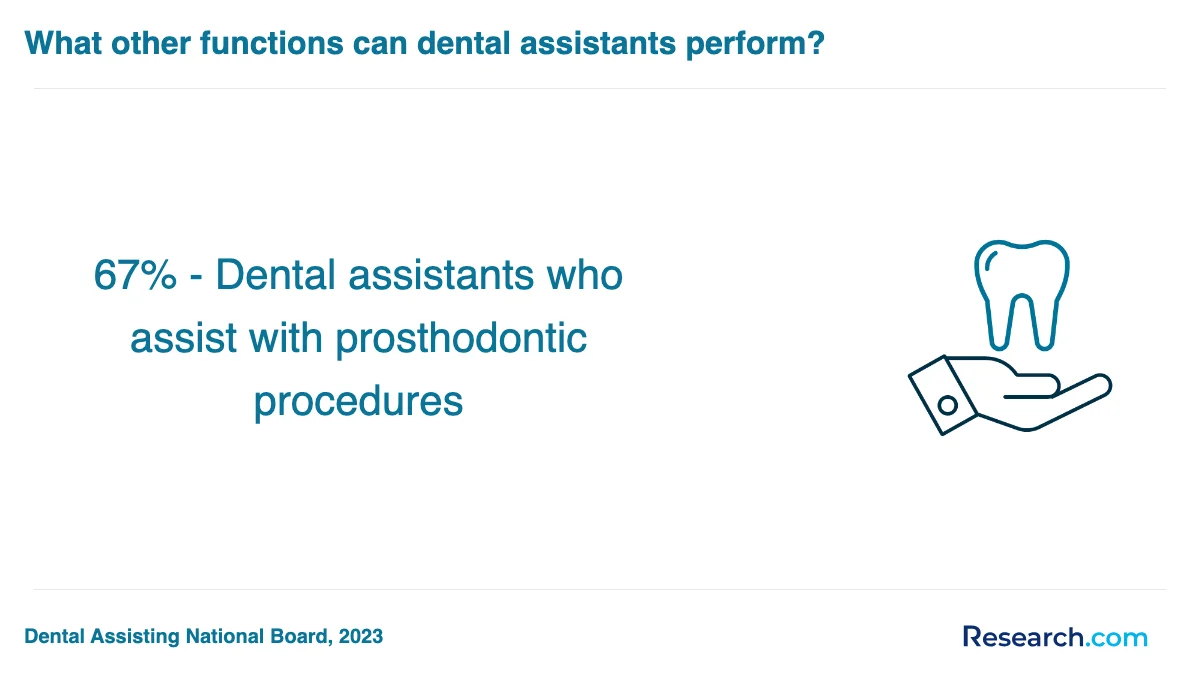
Dental assistant trade school graduates in Nebraska encounter a variety of rewarding career paths, offering both clinical and non-clinical options. Many graduates from popular local schools quickly find employment in private dental practices, where they assist dentists with chairside procedures, patient care, and lab work. These foundational roles provide valuable hands-on experience and a sense of fulfillment as they contribute directly to patient health.
Beyond this, numerous opportunities arise in community health centers, group dental practices, specialty offices like orthodontics, and public health clinics, expanding the scope of dental assistant career opportunities in Nebraska. Graduates often describe excitement about pursuing expanded function dental assistant jobs Nebraska, which allow performing advanced techniques such as coronal polishing and sealant placement after additional certifications. This career advancement not only increases earning potential but also job satisfaction.
Many graduates leverage their training to enter administrative roles managing scheduling and billing or transition into dental product sales and insurance industries. Those with an Associate of Applied Science degree can move into supervisory or educational positions. For students looking to understand career choices more deeply, exploring medical assisting vs dental assisting highlights distinct paths available.
What is the job market for dental assistant trade school graduates in Nebraska?
The dental assistant job outlook in Nebraska remains strong, fueled by ongoing demand across urban and rural areas. Graduates from well-regarded trade schools report multiple job opportunities soon after completing their programs, especially in cities like Omaha where over 50 positions are often available. Employers seek candidates with formal training and certifications, which Nebraska trade schools specifically emphasize to boost employability.
Recent graduates highlight that roles span a broad spectrum: from general chairside assistant tasks to specialized positions in pediatric or oral surgery clinics. This variety enables flexibility in career paths and encourages advancement within the profession. Many entry-level openings cater specifically to new graduates, making the transition from school to employment smoother. Popular Nebraska trade schools often share success stories of students securing these positions quickly.
Key factors strengthening dental assistant employment opportunities Nebraska include population growth, rising oral health awareness, and a steady dentist presence. Jobs arise in settings such as private offices, specialty practices, and healthcare research institutions. For those curious about role distinctions, the difference between dental assistant and hygienist further clarifies career scope.
Frequently Asked Questions about dental assistant
After completing a dental assistant trade school in Nebraska, preparing for the job market involves several key steps. First, obtaining certification through the Dental Assisting National Board (DANB) can significantly improve employment prospects. Nebraska employers often prefer certified dental assistants, which can lead to higher wages and job security.
Networking with local dental offices during training can help secure job opportunities. Nebraska's Department of Labor projects a steady growth rate of about 6% for dental assistants through 2030, reflecting stable demand.
Additionally, developing strong communication and organizational skills is essential, as dental assistants must work closely with patients and dentists.
Volunteering or internships in Nebraska clinics can provide practical experience, enhancing resumes and interview readiness.
Employers in Nebraska highly value dental assistant graduates who demonstrate strong clinical skills, including proficiency in chairside assisting, taking dental x-rays, and sterilization procedures. According to the Nebraska Workforce Development, employers also seek candidates with excellent communication abilities to effectively interact with patients and dental teams.
Attention to detail and organizational skills are critical, as dental assistants often manage patient records and prepare treatment rooms. Familiarity with dental software is increasingly important, reflecting the growing use of digital tools in dental offices.
Additionally, Nebraska employers prefer graduates who hold certification from the Dental Assisting National Board (DANB), which enhances job prospects and compliance with state regulations.
Finding dental assistant internships in Nebraska involves connecting with local dental offices and educational institutions. Many trade schools offer internship placement assistance as part of their programs, helping students gain hands-on experience.
Students can also contact Nebraska dental clinics directly, as many participate in externship programs. The Nebraska Dental Association provides resources and a directory of dental professionals, which can be useful for internship searches.
According to the U.S. Bureau of Labor Statistics, practical experience is key for dental assistants, and Nebraska's healthcare training programs often require internships for certification eligibility.
Networking through school career services and attending local dental health events can increase opportunities.
Obtaining a dental assistant diploma from a trade school in Nebraska significantly enhances career mobility within the state's dental industry. Nebraska requires dental assistants who perform expanded functions to hold appropriate certification, which is often granted after completing an accredited diploma program. This credential improves eligibility for higher-paying roles and specialized tasks.
According to the Nebraska Department of Labor, dental assistants with formal education and certification typically experience faster job placement and wage growth compared to uncertified peers. The Bureau of Labor Statistics notes that Nebraska's dental assistant employment is expected to grow by 6% through 2032, reflecting steady demand for qualified professionals.
Graduates of trade schools may also find better opportunities for advancement into supervisory or administrative positions, as employers value formal training and demonstrated competence. This makes a dental assistant diploma a practical step toward long-term career development in Nebraska's healthcare sector.
In Nebraska, part-time job opportunities that complement dental assistant trade school education often include roles in dental offices as front desk receptionists or dental aides. These positions provide practical exposure to dental office operations and patient interactions, enhancing skills learned in school. According to the U.S. Bureau of Labor Statistics, Nebraska's demand for dental assistants is projected to grow by 11% from 2022 to 2032, indicating strong employment prospects.
Working part-time in dental supply companies or community health clinics can also offer valuable experience. These jobs help students understand dental products and public health initiatives, which are important in dental assisting careers. Additionally, some students find roles as sterilization technicians, supporting infection control protocols in clinics.
When choosing the most affordable Dental Assistant degree program near me in Nebraska, it's important to compare tuition rates and available financial aid options at community colleges and vocational schools. Researching through resources like Research.com can help in assessing the quality of programs by checking graduation rates and student reviews. Consider attending information sessions or visiting campuses near Nebraska to get a sense of the facilities and faculty engagement before making a decision.
Related Dental Assistant Rankings for Nearby States
- Most Affordable Dental Assistant Schools & Training - Budget-Friendly Dental-Assistant Trade Programs in South Dakota for 2026
- Most Affordable Dental Assistant Schools & Training - Budget-Friendly Dental-Assistant Trade Programs in Iowa for 2026
- Most Affordable Dental Assistant Schools & Training - Budget-Friendly Dental-Assistant Trade Programs in Colorado for 2026
- Most Affordable Dental Assistant Schools & Training - Budget-Friendly Dental-Assistant Trade Programs in Minnesota for 2026
- Most Affordable Dental Assistant Schools & Training - Budget-Friendly Dental-Assistant Trade Programs in Arkansas for 2026
- Most Affordable Dental Assistant Schools & Training - Budget-Friendly Dental-Assistant Trade Programs in Wisconsin for 2026
- Most Affordable Dental Assistant Schools & Training - Budget-Friendly Dental-Assistant Trade Programs in Indiana for 2026
- Most Affordable Dental Assistant Schools & Training - Budget-Friendly Dental-Assistant Trade Programs in Louisiana for 2026
- Most Affordable Dental Assistant Schools & Training - Budget-Friendly Dental-Assistant Trade Programs in Tennessee for 2026
- Most Affordable Dental Assistant Schools & Training - Budget-Friendly Dental-Assistant Trade Programs in Kentucky for 2026
Top Trending Rankings
References
- Dental Assistant https://dhhs.ne.gov/licensure/pages/dental-assistant.aspx
- Dental Assisting https://www.southeast.edu/academics/programs/dental-assisting/index.php
- Dental Assisting | Central Community College https://www.cccneb.edu/dent
- Lincoln Dental Assisting Academy | Hands-on Classes https://lincolndentalassistingacademy.com/our-program/
- How To Become A Dental Assistant In Nebraska: A Comprehensive Guide - Embrasure Space https://embrasurespace.com/dental-licenses/how-to-become-a-dental-assistant-in-nebraska-a-comprehensive-guide/
- Dental Assistant Career Training – Union Adventist University https://workforce.uau.edu/dental-assistant-program/
- Dental Assisting https://www.mpcc.edu/academics/programs/dental-assisting.php
- How to Become a Dental Assistant in Nebraska | Dreambound https://dreambound.com/blog/how-to-become-a-dental-assistant-in-nebraska
- Dental Assistant Schools in Nebraska Training and Certification Programs in NE | Jobs and Job Description https://www.dentalcareersedu.org/nebraska/
- NDCS Careers: Dentists & Dental Assistants | Nebraska Department of Correctional Services (NDCS) https://corrections.nebraska.gov/ndcs-careers-dentists-dental-assistants