
Most Affordable Dental Assistant Schools & Training - Budget-Friendly Dental-Assistant Trade Programs in Wisconsin for 2026

Co-Founder and Chief Data Scientist
Choosing the right dental assistant trade school in Wisconsin can shape your future career and open doors to rewarding opportunities. This article introduces a carefully crafted ranking of dental assistant programs developed by the Research.com team of data scientists to help you make an informed decision.
Discover affordable options that offer valuable training and certification, setting you up for success in the dental field. Whether you’re starting fresh or seeking a new path, this guide provides insights to support your journey toward a fulfilling and stable profession.
Key benefits of finishing dental assistant trade school in Wisconsin
- Graduates in Wisconsin can expect an average annual salary around $45,700, with some earning up to nearly $49,000 depending on experience and location, offering a rewarding start to a dental career.
- Many dental assistant graduates find diverse opportunities in private practices, orthodontics, or oral surgery offices, expanding their skills and advancing professionally.
- Completing a dental assistant program online provides flexibility and convenience, allowing graduates to balance study with work or family, making it a smart choice for many busy students.
What can I expect from dental assistant trade schools in Wisconsin?
Students enrolling in a dental assistant trade school program in Wisconsin can expect an intensive, hands-on learning experience designed for quick workforce entry. Programs like those at Madison College and Northwood Technical College offer technical diplomas completed in as little as one semester to nine months, blending classroom instruction with practical lab work.
Graduates often share how they gained confidence using dental instruments, assisting with procedures, and processing X-rays through real-world scenarios. Many schools, such as Southwest Wisconsin Technical College, include a supervised externship-lasting several weeks-where students work directly alongside dental professionals, deepening their practical skills and understanding of office dynamics.
Expect to master infection control, sterilization, and basic office administration tasks like scheduling and inventory management. Classes usually run Monday through Friday, sometimes mixing online and in-person sessions, accommodating busy schedules.
Admission requires a high school diploma or equivalent and sometimes proof of vaccinations. While licensure isn't mandatory in Wisconsin, completing these programs can enhance job prospects and prepare students for optional certification exams, making graduates feel ready and valued in dental offices statewide.
Where can I work after finishing dental assistant trade schools in Wisconsin?
After completing a dental assistant trade school program in Wisconsin, graduates find a variety of rewarding employment opportunities across the state. Many begin their careers in private dental offices, where they assist dentists during exams and procedures, manage sterilization, and maintain patient records. Graduates from popular Wisconsin trade schools often share how fulfilling it is to contribute directly to patient care in these settings.
Opportunities also exist in specialty dental clinics, including orthodontics and periodontics, where some graduates enjoy working with advanced dental treatments and technologies. Flexible part-time or full-time positions allow them to balance work with personal commitments.
Larger organizations like Dental Health Associates and Heartland Dental frequently hire graduates in cities such as Madison and Oak Creek, offering benefits like health insurance and retirement plans. Some graduates choose less traditional paths, working in dental schools, public health clinics, or administrative roles, highlighting the diverse career paths open to those with a Wisconsin dental assistant trade school education.
How much can I make after finishing dental assistant trade schools in Wisconsin?
After completing a dental assistant trade school program in Wisconsin, graduates typically earn an average annual salary of $45,700, or about $21.97 per hour. Those who trained at popular trade schools across the state often share how this starting salary helped them confidently manage living expenses while gaining valuable experience.
Entry-level pay usually ranges from $17.45 to $22.79 per hour, depending on location and demand. For example, graduates working in Sheboygan report hourly wages around $23.54, while those in Madison earn roughly $22.70 per hour. These figures reflect a rewarding step into the workforce, supporting new professionals as they build their skills.
With time and additional certifications, many dental assistants in Wisconsin see their salaries rise above $50,000 annually. Graduates describe the satisfaction of advancing from entry-level roles to more specialized positions, making the investment in a trade school degree a practical and encouraging choice for steady career growth.
Most Affordable Dental Assistant Schools & Training - Budget-Friendly Dental-Assistant Trade Programs in Wisconsin for 2026
# 1 position
Blackhawk Technical College - Dental Assisting/Assistant.
certificate or diplomaThe Dental Assisting/Assistant program at Blackhawk Technical College offers a hybrid format with some distance-education options. Students learn patient care, dental radiography, equipment preparation, and office administrative tasks under supervision. Instruction also covers medical record-keeping, reception, scheduling, equipment sterilization, chairside assisting, and supervised practice. The program is accredited by the Higher Learning Commission. Annual in-state tuition is $4,170, and median earnings one year after completion are $27,831.
# 2 position
Lakeshore Technical College - Dental Assisting/Assistant.
certificate or diplomaLakeshore Technical College offers a fully online Dental Assisting/Assistant program that prepares students to provide patient care, take dental radiographs, and assist dentists and hygienists. The curriculum includes medical record-keeping, office duties, scheduling, equipment maintenance, radiography, and chairside assisting. The program is accredited by the Higher Learning Commission, with an annual in-state tuition of $4,649 and median earnings of $28,022 one year after completion.
# 3 position
Southwest Wisconsin Technical College - Dental Assisting/Assistant.
certificate or diplomaSouthwest Wisconsin Technical College offers a Dental Assisting/Assistant program with a hybrid format that includes some distance education options. The program prepares students to provide patient care, take dental radiographs, and assist dentists and hygienists with office and clinical duties. Instruction covers medical record-keeping, scheduling, equipment maintenance, radiography, and chairside assisting. Annual in-state tuition is $4,796, and median earnings one year after completion are $25,791. The program is accredited by the Higher Learning Commission.
# 4 position
Western Technical College - Dental Assisting/Assistant.
certificate or diplomaWestern Technical College offers a Hybrid Dental Assisting/Assistant program designed to prepare students for patient care, dental radiographs, and office administrative duties under dental professionals' supervision. The curriculum includes medical record-keeping, equipment maintenance, sterilization, chairside assisting, and supervised practice. In-state tuition is $4,716 annually. Graduates earn a median salary of $33,322 one year after completion. The program is accredited by the Higher Learning Commission.
# 5 position
Fox Valley Technical College - Dental Assisting/Assistant.
certificate or diplomaFox Valley Technical College offers a hybrid Dental Assisting/Assistant program designed to prepare students for patient care, dental radiographs, and office administrative duties under dentist supervision. The curriculum covers medical record-keeping, scheduling, equipment maintenance, sterilization, chairside assisting, and supervised practice. Annual in-state tuition is $4,916. Graduates have median earnings of $31,038 one year after completion. The program is accredited by the Higher Learning Commission.
# 6 position
Northcentral Technical College - Dental Assisting/Assistant.
certificate or diplomaNorthcentral Technical College offers a Dental Assisting/Assistant program with a hybrid format, including some distance education. The program prepares students to provide patient care, take dental radiographs, assist chairside, and perform office administrative duties under dental supervision. Instruction covers medical records, scheduling, equipment maintenance, sterilization, and supervised practice. Annual in-state tuition is $3,861. The program is accredited by the Higher Learning Commission.
# 7 position
Chippewa Valley Technical College - Dental Assisting/Assistant.
certificate or diplomaThe Dental Assisting/Assistant program at Chippewa Valley Technical College is a hybrid course preparing students to provide patient care, take dental radiographs, assist chairside, and perform administrative tasks under dentist supervision. It includes training in medical record-keeping, equipment maintenance, scheduling, and patient care. The program is accredited by the Higher Learning Commission. Annual in-state tuition is $4,724, and median earnings one year after completion are $26,480.05.
# 8 position
Northwood Technical College - Dental Assisting/Assistant.
certificate or diplomaNorthwood Technical College offers a fully online Dental Assisting/Assistant program designed to prepare students for patient care, dental radiographs, and office administrative tasks under supervision. The curriculum includes medical record-keeping, reception, scheduling, equipment maintenance, sterilization, radiography, chairside assisting, and supervised practice. The program is accredited by the Higher Learning Commission, with an annual in-state tuition of $4,524.
# 9 position
Waukesha County Technical College - Dental Assisting/Assistant.
certificate or diplomaThe Dental Assisting/Assistant program at Waukesha County Technical College offers a hybrid format with some distance-education options. It prepares students to provide patient care, take dental radiographs, assist chairside, and manage office administrative tasks under supervision. Instruction includes medical record-keeping, equipment maintenance, radiography, and patient care. The annual in-state tuition is $4,720. Graduates earn a median salary of $30,725 one year after completing the program. The program is accredited by the Higher Learning Commission.
# 10 position
Milwaukee Career College - Dental Assisting/Assistant.
certificate or diplomaMilwaukee Career College offers a Hybrid Dental Assisting/Assistant program that prepares students to provide patient care, take dental radiographs, and assist dentists and hygienists. The curriculum covers medical record-keeping, office duties, scheduling, equipment maintenance, sterilization, chairside assisting, and supervised practice. Graduates typically earn a median income of $26,601 one year after completion. The program is accredited by the Accrediting Bureau of Health Education Schools.
Key Findings
- Admission requires a high school diploma or GED, official transcripts, and mandatory background checks including Wisconsin Caregiver and National Criminal checks.
- Technical diploma programs usually take about one year and include around 30 credits; apprenticeship programs last 15 months with both paid classroom and on-the-job training.
- Tuition varies by school, with additional costs for textbooks, supplies, and background checks; financial aid may be available through initiatives like the Worker's Advancement Initiative.
- Graduates perform over 200 clinical, administrative, and technical duties in dental practices and related fields.
- The median salary for dental assistants in Wisconsin is about $48,000 per year, with job growth projected at 8% from 2023 to 2033.
How long does it take to complete dental assistant trade schools in Wisconsin?
Completing a dental assistant trade school program in Wisconsin typically takes between 9 to 12 months. Many students find this timeline ideal as it allows them to quickly enter the workforce while gaining essential hands-on skills. Graduates from well-known Wisconsin trade schools often share how the compact program length helped them stay motivated and focused, balancing studies with personal responsibilities.
For example, students attending popular programs in cities like Milwaukee or Madison report that the curriculum is designed to immerse them in practical dental procedures early on. This approach not only builds confidence but also makes the experience feel rewarding from the start. Imagine finishing your coursework and clinical practice within a year, ready to apply your knowledge in a dental office, just like many successful graduates have.
The efficient completion time reflects the state's emphasis on preparing competent dental assistants without unnecessary delays, which appeals to those eager to begin their careers swiftly. This timeframe also allows for part-time options in some schools, accommodating working adults or those with family commitments.
What's the difference between online and on-campus dental assistant trade school programs?
The key difference between online and on-campus dental assistant trade school programs in Wisconsin lies in how students engage with the coursework and hands-on training. Graduates from online programs, like those offered by the University of Wisconsin-Whitewater, often appreciate the flexibility to study anatomy, patient care, and dental office management at their own pace through interactive digital modules. This approach suits individuals balancing work or family commitments but requires arranging local externships to gain essential clinical experience.
In contrast, graduates from on-campus programs at Milwaukee Career College or Northwood Technical College describe a structured environment with daily in-person classes and supervised lab sessions. They value immediate access to practicing chairside assisting and radiology skills, benefiting from real-time instructor feedback and peer interaction. These programs typically last seven months to a year and integrate clinical externships directly, providing immersive, hands-on experience in dental offices.
Some students find hybrid options appealing, combining online theory with on-campus clinical practice, blending convenience with essential face-to-face training.
What is the average cost of dental assistant trade schools in Wisconsin?
The average cost dental assistant programs Wisconsin students face varies depending on the trade school and program structure. For example, graduates from Southwest Wisconsin Technical College recall a one-semester technical diploma costing approximately $11,872, which includes tuition, fees, and living expenses. This relatively short, immersive program attracts many who want to quickly enter the workforce with strong practical skills.
At Northcentral Technical College, the tuition fees dental assistant schools Wisconsin students typically encounter are higher, around $17,027 for a 17-credit technical diploma. Those who completed this program often highlight the comprehensive curriculum and support, which justified the investment. Meanwhile, students opting for more flexible schedules might choose the Weekend Dental Assistant School, where tuition is $4,200 plus extra for textbooks and supplies, fitting well around busy lifestyles.
The Wisconsin Technical College System reports an average annual tuition of $4,585.50 for dental assistant programs for in-state, full-time students, providing a useful benchmark. Many graduates emphasize budgeting beyond tuition for supplies and personal expenses. Exploring federal and state grants or scholarships helps ease the financial burden, making the dream of becoming a dental assistant feasible.
Those aiming to advance their careers after dental assisting often pursue further education such as a dental hygiene bachelor degree online, balancing study and work effectively while managing costs.

What financial aid is available for dental assistant trade schools in Wisconsin?
Dental assistant students in Wisconsin benefit from a variety of financial aid options that make education more affordable and attainable. Many graduates from schools like Northwood Technical College and Waukesha County Technical College recall how federal Pell Grants and student loans, accessed through the FAFSA, provided essential support during their studies. Pell Grants, which do not require repayment, can offer up to $7,395 depending on need and enrollment status, easing the burden of tuition and fees.
State grants, such as the Wisconsin Grant for Technical Colleges, specifically assist residents attending WTCS schools like Fox Valley Technical College. These grants often cover a significant portion of tuition, allowing students to focus on learning rather than financial stress. Work-study programs also give students the chance to earn while gaining practical experience, a benefit praised by recent graduates balancing school and personal expenses.
Scholarships and special workforce grants, including the Worker's Advancement Initiative, provide additional targeted funding, helping students cover books and living costs. Veterans and military families can utilize GI Bill benefits, further expanding support options. These combined resources create a hopeful pathway for many pursuing dental assisting careers in Wisconsin.
What are the prerequisites for enrolling in dental assistant trade schools in Wisconsin?
Enrolling in a dental assistant trade school program in Wisconsin requires meeting several key prerequisites designed to ensure student success and readiness for the healthcare environment. Most programs expect candidates to have a high school diploma or GED, which lays the foundation for understanding medical terminology and anatomy essential to dental assisting.
Applicants typically must pass a background check and provide proof of immunizations, reflecting the importance of patient safety and compliance with state health regulations. Many trade schools also require students to complete a basic healthcare provider CPR certification before clinical practice begins.
Graduates from popular Wisconsin trade schools often share how these prerequisites prepared them well for hands-on learning. For example, students appreciate how having a solid academic base and health clearances made transitioning into clinical settings smoother and less stressful.
Common prerequisites include:
- High school diploma or GED
- Background check clearance
- Proof of required immunizations
- CPR certification
These requirements ensure that students enter the program ready for the practical and professional demands of dental assisting, making their educational journey both rewarding and confidence-building.
What are the typical courses in dental assistant trade schools in Wisconsin?
Dental assistant trade school programs in Wisconsin typically include a comprehensive set of courses that prepare students for real-world dental office environments. Graduates from popular programs, such as those at Madison College, often highlight the balance between hands-on practice and essential theory.
Key courses usually cover:
- Use and care of dental equipment and instruments, ensuring students handle tools safely and efficiently during patient care.
- Exposure and processing of dental radiographs (x-rays), training students to assist with diagnostic imaging under dentist supervision.
- Chairside assisting, where students learn patient positioning, instrument passing, and infection control, reflecting daily clinical routines.
- Dental materials, teaching proper mixing and handling of fillings and impressions, vital for restorative procedures.
- Recording medical and dental information accurately, emphasizing legal and ethical documentation standards.
- Assisting with dental emergencies, including basic first aid tailored to dental settings.
- Basic office procedures such as appointment scheduling, billing, and inventory management, preparing students for administrative responsibilities.
Many Wisconsin programs span 16 to 30 credits and combine classroom learning with clinical experience, allowing students to confidently apply skills in real dental offices. Graduates often express satisfaction with this practical approach, feeling ready to contribute immediately in diverse dental care environments.
What are the available specializations in dental assistant trade schools in Wisconsin?
In dental assistant trade school programs in Wisconsin, students can specialize in various areas to enhance their expertise and career prospects. Two notable specializations include:
- Expanded Function Dental Auxiliary (EFDA)
- Orthodontic Assistant
The EFDA certification, offered by institutions like Madison College and Chippewa Valley Technical College, empowers graduates to perform advanced tasks such as placing restorations and applying sealants, which deeply expands their role in dental offices. Many graduates describe their EFDA training as a turning point, increasing their confidence and making their daily work more engaging and rewarding.
Another rewarding path is the Dental Therapy program at Northcentral Technical College, which prepares students to provide essential care in underserved communities. This specialization creates a powerful sense of purpose, as graduates often find fulfillment in making a direct impact on patient well-being.
Programs like the Dental Assistant Clinical - Advanced course at Northeast Wisconsin Technical College offer hands-on experience, sharpening clinical skills in real patient care settings. Graduates often highlight how these immersive experiences solidify their practical knowledge and readiness for employment.
For those exploring options, reviewing the best medical assistant certification programs online can also offer insight into related fields and further specialization opportunities within healthcare.
How do you choose the best dental assistant trade school program in Wisconsin?
Choosing the best dental assistant programs in Wisconsin involves prioritizing CODA accreditation, which ensures the program meets national standards and qualifies graduates for the Certified Dental Assistant credential. Graduates from popular technical colleges in Wisconsin often praise the balance of classroom learning and hands-on clinical experience, which typically lasts 9 to 12 months. This practical training provides confidence and readiness to work immediately after graduation. Many students appreciate programs that incorporate essential safety training like CPR and OSHA compliance, which are crucial for clinical placements.
Affordability is another key factor when selecting among affordable dental assistant trade schools Wisconsin offers. Prospective students often consider tuition costs alongside flexible scheduling options, such as part-time or accelerated tracks, to fit their personal commitments. Graduates frequently highlight the value of career support services that help with job placement and expanded function training opportunities, enhancing employability in Wisconsin's competitive market.
For those wondering how do you become a dentist or advance in dental careers, choosing the right program can be the first decisive step toward success.
What career paths are available for dental assistant trade school graduates in Wisconsin?
Graduates from dental assistant trade school programs in Wisconsin find diverse dental assistant career opportunities in Wisconsin due to the state's robust dental industry and comprehensive training options. Most start as entry-level dental assistants in private practices or specialty offices like orthodontics, where they support dentists by preparing instruments and managing patient care. Many graduates from popular Wisconsin trade schools share how these roles quickly build confidence and hands-on expertise.
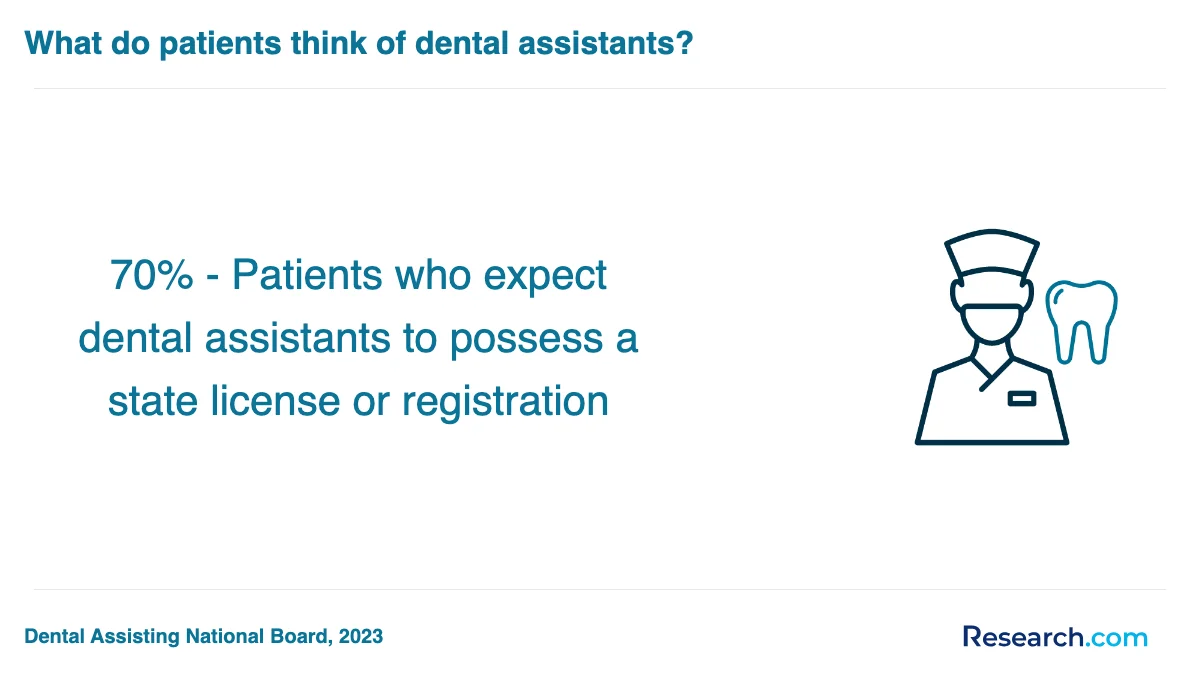
With additional certification through the Dental Assisting National Board, graduates advance to Certified Dental Assistants (CDAs), gaining responsibilities such as taking dental x-rays and assisting in complex procedures. This certification often leads to better job prospects and higher salaries. Jobs for dental assistant graduates in Wisconsin also include becoming Expanded Function Dental Auxiliaries, who perform advanced clinical tasks like sealant placement under dentist supervision.
Other pathways reported by trade school alumni include specialty roles such as orthodontic or surgical assistants, dental office administration, and dental laboratory technology. Many graduates leverage these versatile skills to adapt as the dental field evolves. Those interested in further education can pursue dental hygiene or allied dental professions, supported by Wisconsin's technical colleges.
For students weighing career options, understanding the difference between a medical vs dental assistant can also clarify which path best fits their goals and skills.
What is the job market for dental assistant trade school graduates in Wisconsin?
The dental assistant job outlook in Wisconsin is notably strong, with an 8 percent growth rate projected from 2023 to 2033. Graduates from trade schools in Wisconsin report feeling optimistic as they transition into careers, supported by a diverse job market including clinical, administrative, and technical roles within dental offices. Popular programs not only equip students with hands-on skills but also connect them to the state's Registered Apprenticeship program, which had over 17,000 enrolled apprentices in 2025. This blend of classroom learning and paid work experience makes graduates more competitive in securing positions.
Wisconsin dental assistant employment opportunities often include:
- Positions in metro areas like Madison and Milwaukee, where wages and demand are high
- Flexible hours and competitive benefits demonstrated in positive graduate feedback
- Career advancement through certifications and experience gained on the job
Many graduates from well-known Wisconsin trade schools stress the value of real-world training and employer connections. For those interested in fast-tracking their career path, exploring the fastest dental assistant certificate programs online is an additional viable option to enter this growing field quickly.
Frequently Asked Questions about dental assistant
After completing a dental assistant trade school in Wisconsin, preparing for the job market involves several key steps. First, obtaining certification from the Dental Assisting National Board (DANB) can significantly improve employment prospects. Wisconsin employers often prefer candidates with the Certified Dental Assistant (CDA) credential.
Networking is also important. Joining state dental associations like the Wisconsin Dental Association or attending local job fairs can connect graduates with potential employers.
Additionally, gaining hands-on experience through externships or part-time work during school boosts practical skills and resumes. According to the U.S. Bureau of Labor Statistics, dental assisting jobs in Wisconsin are expected to grow by about 10% over the next decade, reflecting a positive job market for trained assistants.
Finally, crafting a professional resume tailored to dental offices and preparing for interviews will enhance a graduate's chances of securing a position quickly.
Employers in Wisconsin prioritize several key skills when hiring dental assistant trade school graduates. First, strong clinical skills such as proficiency in taking X-rays, sterilizing instruments, and chairside assisting are essential. According to the Wisconsin Department of Workforce Development, hands-on experience significantly improves job prospects.
Communication skills are also critical. Dental assistants must clearly explain procedures and care instructions to patients, often working with diverse populations. Additionally, knowledge of dental software and administrative tasks is increasingly valued due to the digitalization of dental offices.
Finally, employers look for reliability, attention to detail, and adherence to safety protocols. These competencies ensure efficient and safe patient care in busy dental practices across Wisconsin.
Finding internships in Wisconsin relevant to dental assistant trade school programs begins with utilizing school resources. Many accredited programs have partnerships with local dental offices and clinics to facilitate practical training. Students should contact their program's career services or internship coordinator early to access these opportunities.
The Wisconsin Dental Association (WDA) is also a valuable resource, offering listings of dental practices that participate in internship programs. According to the WDA, internships often provide hands-on experience essential for certification and employment.
Additionally, online job boards such as Wisconsin's Job Center may list dental assistant internships. Networking through local health care events or dental conferences can help students connect directly with potential employers.
Obtaining a dental assistant trade school diploma in Wisconsin significantly enhances career mobility and advancement opportunities. According to the Wisconsin Department of Workforce Development, certified dental assistants earn a median annual wage of around $42,000, higher than uncertified counterparts. A diploma demonstrates formal training in clinical and administrative skills, which is often required for state certification and employment in reputable dental offices.
Graduates with a diploma are eligible to take the Certified Dental Assistant (CDA) exam, which can lead to increased job prospects and higher salaries. Employers in Wisconsin prefer credentialed assistants for roles involving expanded functions, such as taking X-rays or applying sealants.
Trade school programs also provide networking opportunities and practical experience, improving chances for promotions or transitions into specialized dental fields. This credential thus acts as a key stepping stone for upward social and professional mobility within Wisconsin's dental health sector.
Students enrolled in dental assistant trade schools in Wisconsin can benefit from part-time jobs that offer relevant hands-on experience and flexible hours. Common opportunities include working as dental receptionists, sterilization technicians, or dental office assistants. These roles help build essential skills such as patient communication, appointment scheduling, and maintaining hygienic environments.
According to the U.S. Bureau of Labor Statistics, the employment of dental assistants in Wisconsin is projected to grow by 9% from 2022 to 2032, reflecting steady demand. Part-time work in dental offices or clinics also helps students network and understand workplace dynamics before graduation.
Additionally, some students find roles in pharmacies or healthcare facilities, where knowledge of dental care and patient management is useful. These jobs support both financial needs and practical learning, complementing formal education effectively.
To choose the most affordable Dental Assistant degree program near Wisconsin, start by researching community colleges and technical schools near me that offer accredited programs, as these institutions often provide quality education at more affordable rates. Consider both tuition costs and additional expenses such as textbooks and equipment fees when comparing programs. You can use resources like Research.com to compare programs and consider factors like proximity, reputation, and available financial aid opportunities to make an informed decision.
Related Dental Assistant Rankings for Nearby States
- Most Affordable Dental Assistant Schools & Training - Budget-Friendly Dental-Assistant Trade Programs in Minnesota for 2026
- Most Affordable Dental Assistant Schools & Training - Budget-Friendly Dental-Assistant Trade Programs in Iowa for 2026
- Most Affordable Dental Assistant Schools & Training - Budget-Friendly Dental-Assistant Trade Programs in Michigan for 2026
- Most Affordable Dental Assistant Schools & Training - Budget-Friendly Dental-Assistant Trade Programs in Indiana for 2026
- Most Affordable Dental Assistant Schools & Training - Budget-Friendly Dental-Assistant Trade Programs in South Dakota for 2026
- Most Affordable Dental Assistant Schools & Training - Budget-Friendly Dental-Assistant Trade Programs in Nebraska for 2026
- Most Affordable Dental Assistant Schools & Training - Budget-Friendly Dental-Assistant Trade Programs in Kentucky for 2026
- Most Affordable Dental Assistant Schools & Training - Budget-Friendly Dental-Assistant Trade Programs in Tennessee for 2026
- Most Affordable Dental Assistant Schools & Training - Budget-Friendly Dental-Assistant Trade Programs in West Virginia for 2026
- Most Affordable Dental Assistant Schools & Training - Budget-Friendly Dental-Assistant Trade Programs in Arkansas for 2026
Top Trending Rankings
References
- Dental assistant salary in Wisconsin ‐ CareerExplorer https://www.careerexplorer.com/careers/dental-assistant/salary/wisconsin/
- facebook https://www.dentalpost.net/salary-survey/average-dental-assistant-salary-for-wisconsin/
- Princess Dental Staffing Articles | Princess Dental Staffing https://www.princessdentalstaffing.com/dental-assistant-salaries-wi
- Dental Assistant Salary in Wisconsin (August 01, 2025) | Salary.com https://www.salary.com/research/salary/benchmark/dental-assistant-salary/wi
- Wisconsin Dental Assistant Salary - GoTu https://gotu.com/about-dental-assistants/nevada-dental-assistants/wisconsin-dental-assistant-salary/
- Dental Assistant Salary in Wisconsin. How Much Can I Earn? https://dentalassistantedu.org/salaries/wi/
- Dental Assistant Internship & Externship | How to Choose In 2024? https://www.onlinedegree.com/article/dental-assistant-internship-externship/
- Is a Dental Assistant Internship Right for Me? ACI M&D School https://aci.edu/blog/dental-assistant-internship/
- Your Dental Assisting Internship: What To Expect https://www.schoolofdentalassisting-vancouver.com/internship-expectations/
- Hands-On Dental Assistant School | First Job | Dental Assistant Pro https://dentalassistantpro.com/blog/2019/11/4-tips-to-finding-your-first-job-as-a-dental-assistant-after-graduating/


