Most Affordable Dental Assistant Schools & Training - Budget-Friendly Dental-Assistant Trade Programs in Michigan for 2026

Co-Founder and Chief Data Scientist
Choosing the right dental assistant trade school in Michigan can feel overwhelming. To help, this article features a dental assistant trade school programs ranking created by the Research.com team of data scientists. It offers clear insights to guide your decision on which programs are truly worth considering.
Getting a diploma or certification in dental assisting opens doors to a rewarding career with strong job prospects. This article will highlight affordable options that fit your goals and budget, making your path easier and more confident.
Key benefits of finishing dental assistant trade school in Michigan
- Graduates of dental assistant trade schools in Michigan can expect an average salary around $19 to $21 per hour, with certified assistants earning even more, making it a financially rewarding career choice.
- Many dental assistant graduates find diverse career paths in dental offices, orthodontics, or specialized clinics, gaining valuable hands-on experience that boosts job security and growth opportunities.
- Completing a dental assistant program online offers flexibility and convenience, allowing students to balance work or family while earning credentials quickly, as many online graduates report smooth transitions into local Michigan dental jobs.
- Most Affordable Dental Assistant Schools & Training - Budget-Friendly Dental-Assistant Trade Programs in Michigan for 2026
- What can I expect from dental assistant trade schools in Michigan?
- Where can I work after finishing dental assistant trade schools in Michigan?
What can I expect from dental assistant trade schools in Michigan?
If you enroll in a dental assistant trade school program in Michigan, expect a mix of hands-on learning and classroom work that really gets you ready for the job. Graduates often talk about how their time in popular Michigan schools included real clinical externships at local dental offices, where they learned to assist dentists chairside, handle lab tasks, and even take diagnostic x-rays. It's not just theory; you're practicing skills you'll use daily.
Programs vary in length-some students finish quick certificate courses in about 100 hours, perfect if you want to jump into the field fast. Others take a more in-depth path over a couple of years, earning an Associate degree. Either way, the training sharpens your attention to detail and teaches you to stay calm under pressure, which past students found super helpful in busy dental offices.
Many also appreciate the chance to prepare for the Dental Assisting National Board exam and Michigan's Registered Dental Assistant license, which opens doors to more advanced duties. Scholarships and aid options are available, making it easier to focus on learning rather than finances.
Where can I work after finishing dental assistant trade schools in Michigan?
After finishing a dental assistant trade school program in Michigan, many graduates find themselves working in private dental offices across the state. Whether it's a bustling practice in Detroit or a cozy clinic in a smaller town, these jobs offer hands-on experience in general dentistry, orthodontics, or even cosmetic dental work. Graduates often share how rewarding it is to help patients feel more confident with their smiles every day.
Some graduates land roles with large dental service organizations like Aspen Dental or Heartland Dental, where they enjoy stable hours and benefits like health insurance and paid time off. Others feel drawn to community health centers or nonprofit clinics, where they can make a real difference serving underserved populations in places like Flint or Grand Rapids.
Trade schools in Michigan prepare students well for these varied paths. Many students appreciate that entry-level positions are available with on-the-job training, while certification opportunities open doors to higher wages or specialty practices like oral surgery. It's common to hear how satisfying it is to have such flexibility and steady demand in this career.
After finishing a dental assistant trade school program in Michigan, you can expect to start earning around $17.66 per hour, which is a solid starting point for many recent grads from popular schools like those in Detroit and Grand Rapids. Many graduates share how exciting it is to finally put their skills to work and earn close to $36,700 a year right out of the gate.
Some grads begin with wages as low as $10.48 per hour, but with a bit more experience or by working in bustling areas like Detroit, hourly pay can climb to over $20. One graduate mentioned how moving to a metro area made a noticeable difference, boosting their hourly wage to around $20.17 and opening doors to higher pay, sometimes even reaching $24.30.
Most dental assistants in Michigan find themselves earning between $15 and $20 per hour initially, which feels rewarding after completing a hands-on program at a local trade school. The boost in confidence and paycheck definitely makes all the training worthwhile!
- Most programs require a high school diploma or GED and may also require students to be 18 years old, provide vaccination proof, a negative TB test, and pass a background check.
- Programs typically last about one year or less, with some accelerated options offering completion in as little as 100 classroom hours plus a clinical externship.
- Tuition ranges from around $2,300 for short-term certificate programs that include materials and radiography certification.
- State-based financial aid options like the Michigan Achievement Skills Scholarship and MI Works! may be available to help with costs.
- Licensure as a Registered Dental Assistant (RDA) requires completing a CODA-accredited program, passing written and clinical exams, and meeting additional training and background check requirements.
- Starting salaries for dental assistants in Michigan range from $34,000 to $42,000 per year, with higher wages for experienced and credentialed professionals.
Completing a dental assistant trade school program in Michigan usually takes about 9 to 12 months. Many graduates from popular schools around Detroit and Grand Rapids share how this timeframe felt just right-it was long enough to really learn the skills but short enough to jump quickly into the workforce. Imagine starting your mornings hands-on, practicing chairside assistance and sterilization techniques, then wrapping up by early afternoon, all within a year.
Some students mention that the flexible schedules offered by Michigan trade schools helped them balance work or family while studying. They appreciated that they didn't have to wait years to earn their certification and begin a rewarding career. The fast pace can feel intense, but hearing stories from alumni who landed jobs right after graduation really pumps up motivation.
Overall, this 9 to 12 month window is a sweet spot that makes entering the dental field accessible without dragging on, perfect for those ready to start helping patients smile sooner rather than later.
The main difference between online and on-campus dental assistant trade school programs in Michigan comes down to how you learn and get hands-on experience. Online programs, like those from U.S. Career Institute, offer great flexibility for busy folks juggling work or family. Graduates often say they loved being able to study at their own pace, fitting lessons and quizzes into their schedule whenever it worked best. Still, they had to arrange some in-person clinical hours or CPR certification locally, which gave them a chance to apply what they learned virtually.
On the flip side, students at popular Michigan schools like Mid Michigan College or Washtenaw Community College get a more traditional experience. They attend regular classes and spend time in dental labs or local dental offices doing hands-on work. Graduates often highlight how valuable it was to get immediate feedback from instructors and real patient interactions. Many also appreciated the structured timeline, whether it was a short 100-hour course or a three-semester program, that kept them motivated and on track.
The average tuition fees for dental assistant programs in Michigan can vary quite a bit depending on the school and program length, but you'll often find costs ranging from around $2,300 to over $14,000. For example, graduates from the Dental Assisting Institute of Michigan appreciated the all-inclusive $2,950 program fee that covered not just tuition but also books, supplies, and even personal protective equipment like scrubs and PPE. It really made them feel ready to step into the clinic from day one.
On the other end, some students at Grand Rapids Community College experienced a more in-depth program that came with a $14,481 price tag. While higher, this cost covered multiple semesters with comprehensive training, including instrument kits and all necessary gear. Many found the hands-on experience worth the investment since it prepared them confidently for the workplace.
For those looking into the cost of dental assistant diploma programs in Michigan, options like Mid Michigan College offer shorter, affordable courses for about $2,300, although federal financial aid isn't accepted there. Instead, some classmates shared how they took advantage of alternative funding through agencies such as MI Works! or MI Rehab Services to cover expenses.
Many graduates talk positively about balancing costs with quality training, often exploring options like cheap online dental assistant to dental hygienist bridge programs to supplement their skills and budget. This kind of thoughtful planning helps ease financial worries while getting a solid dental assisting education in Michigan.
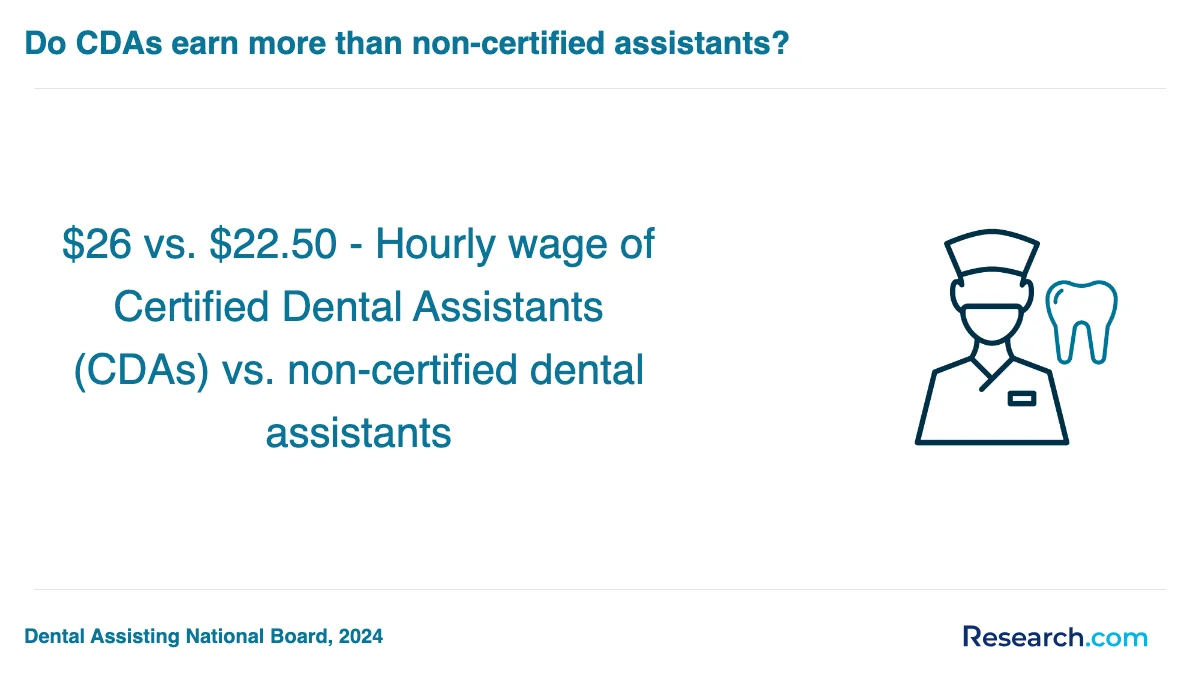
If you're diving into a dental assistant program in Michigan, financial aid can really lighten the load. Many students at community colleges like Northwestern Michigan College find that submitting a FAFSA opens doors to federal aid-think Pell Grants, student loans, and even work-study options. This is a huge relief for grads who worried about juggling bills while studying.
Now, if you're eyeing shorter certificate programs, like those at Mid Michigan College, federal aid usually isn't on the table. But don't stress-state programs like Michigan Works! and Michigan Rehabilitation Services often step in with grants or funding, especially if you're unemployed or switching careers. One graduate shared how this support made training affordable and kept their momentum going.
There are also scholarships like the Michigan Achievement Skills Scholarship, which can provide up to $4,000 to recent grads heading into dental assisting. Plus, the Michigan Dental Assistants Association offers scholarships for those with good grades, helping students feel recognized and motivated.
Finally, don't forget to check with your school's financial aid office. Many offer their own scholarships or payment plans, making the path to your dental assistant career more manageable and hopeful.
Getting into a dental assistant trade school in Michigan usually means meeting a few straightforward prerequisites that keep things simple and accessible. Most schools want to see that you have a high school diploma or a GED. This basic requirement ensures you're ready to handle the coursework and hands-on training.
Graduates from popular Michigan trade schools often mention how helpful it was to have a clear background in science or health classes from high school, though it's not always mandatory. Some programs also require you to pass a basic entrance exam or complete a placement test to gauge your readiness.
Here's a quick rundown of typical prerequisites you'll encounter:
- High school diploma or GED
- Basic math and reading skills
- Passing a placement or entrance test (depending on the school)
- Proof of immunizations or health screenings
- Background check for clinical placements
Many students find that once they clear these steps, the rest of the program feels like a natural, exciting progression. One graduate shared how the clear prerequisites helped reduce anxiety, letting them focus on learning the hands-on dental skills they loved at their Michigan trade school.

Dental assistant trade school programs in Michigan cover a variety of courses designed to get you ready for real dental office work. Graduates from popular Michigan schools often mention how helpful the hands-on approach is, blending classroom lessons with lab work and clinical hours.
Here's what you can expect to dive into:
- Dental Anatomy: You'll learn all about teeth and oral tissues, which is key for understanding your daily tasks.
- Infection Control: This course teaches how to keep patients and yourself safe by preventing infections-something every dental assistant takes seriously.
- Dental Radiography: You'll get trained on dental X-rays, and after finishing, you can take the state certification exam, opening doors to more job opportunities.
- Chairside Assisting Procedures: This is where you learn to be the dentist's right hand during treatments, mastering instrument handling and patient care.
- Dental Materials and Oral Pathology: Understanding the materials you use and recognizing oral diseases helps you support dentists effectively.
- Dental Office Management: Many students say this course was a game-changer, covering scheduling, billing, and the business side of dentistry.
Many Michigan programs, like the one at Northwestern Michigan College, include internships where you get real-world experience. Graduates often describe this as the moment everything "clicked" because they applied what they'd learned in a real dental office setting, boosting their confidence and skills.
Dental assistant trade school programs in Michigan offer some exciting specializations that really help graduates stand out. For example, many students at popular schools like Delta College dive into Registered Dental Assistant (RDA) training. This specialization opens doors to Michigan dental assistant expanded functions such as placing amalgam restorations and handling orthodontic appliances, which really boosts hands-on skills and job prospects.
Others aim for the Certified Dental Assistant (CDA) credential through programs aligned with the Dental Assisting National Board exam. Graduates often share how fun and rewarding it is to get certified in dental radiography, letting them confidently take x-rays-a key skill in busy dental offices.
Some trade schools like Mid Michigan College focus on short-term training programs that build a solid foundation for entry-level work, perfect for those eager to start their career quickly. Graduates often highlight gaining skills in infection control, patient education, and even business office management.
Overall, these dental assistant program specializations in Michigan provide a smart mix of practical training and certifications, helping students feel ready and excited for their future careers. Many appreciate how this hands-on approach matters-plus, it can improve your earning potential compared to the average dentist starting salary.
When choosing the best dental assistant programs in Michigan, it's important to look for accreditation first. Graduates from schools like Mott Community College often praise how the CODA-accredited curriculum prepares them well for the Michigan State Board Examination. This kind of validation ensures you're getting quality education that meets professional standards.
Many affordable dental assistant schools in Michigan, such as Delta College, offer flexible schedules that fit around busy lives. Part-time options and hands-on clinical experiences, including externships, help students build real confidence before stepping into a dental office. Graduates frequently share how these practical moments make learning exciting and relevant.
Don't overlook the cost and financial aid opportunities either. Plenty of programs provide scholarships or payment plans, making education more accessible. For those exploring options beyond Michigan, consider checking out best online universities for dental assisting as a way to balance study and work effectively.
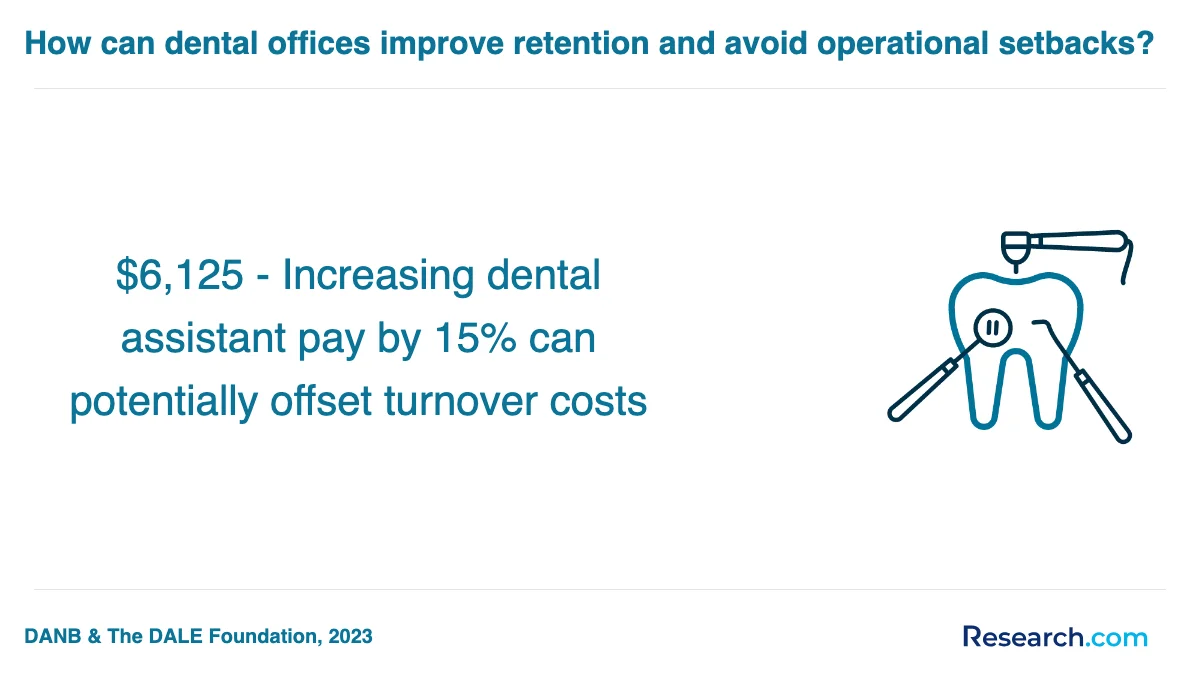
Dental assistant trade school graduates in Michigan often find themselves starting as unlicensed dental assistants, where they gain hands-on experience assisting in busy private practices or community dental clinics around Detroit or Grand Rapids. Many graduates share how this entry-level role feels rewarding as they support dentists and help patients feel comfortable during visits.
As they explore dental assistant career opportunities in Michigan, many choose to advance by passing the state licensure exam to become Registered Dental Assistants (RDAs). This opens up exciting possibilities like placing restorations, taking X-rays, and applying sealants-skills that bring more responsibility and often better pay.
Some find joy in office management or dental sales, leveraging their clinical background in different ways. Others pursue national certification to become Certified Dental Assistants (CDA), expanding their horizons beyond Michigan and enhancing career flexibility. Graduates from popular Michigan trade schools often mention using resources like the Michigan Dental Assistants Association to network and advance.
For those eager to keep growing, continuing education is key. Many explore dental assistant online certification to boost skills without interrupting their work life-showing clear advancement options for Michigan dental assistants are both achievable and rewarding.
The dental assistant job outlook in Michigan is promising for graduates from local trade schools. Many find steady work quickly, with hundreds of openings reported statewide, especially in Detroit, Ann Arbor, and Grand Rapids. These urban centers offer higher wages, sometimes up to $24-$27 per hour, which is great news for graduates eager to start their careers. Popular trade schools in Michigan prepare students well, emphasizing hands-on skills that employers value, like radiography certification and oral surgery assistance.
Graduates often share how their formal training helped them confidently enter the job market with competitive starting wages around $17.66 per hour and opportunities to grow to $49,000 annually by gaining extra certifications. Benefits such as health insurance and paid time off also make these roles attractive for long-term careers. For those balancing studies with work or seeking flexible options, exploring medical assistant certification programs online can complement their skills and open even more doors.
Here's what matters most in Michigan dental assistant employment opportunities:
- Strong demand with an expected 8% job growth over the next decade
- Competitive pay that grows with experience and certifications
- Diverse job options in specialized practices across the state
The journey from trade school to a stable job is full of hopeful stories thanks to these factors, making Michigan a solid choice for those pursuing dental assisting careers.
Most Affordable Dental Assistant Schools & Training - Budget-Friendly Dental-Assistant Trade Programs in Michigan for 2026
# 1 position
Grand Rapids Community College - Dental Assisting/Assistant.
associateThe Dental Assisting/Assistant program at Grand Rapids Community College offers a hybrid format with some distance-education options. It prepares students to provide patient care, take dental radiographs, assist chairside, and manage office administrative tasks under supervision. Instruction includes medical record-keeping, scheduling, equipment sterilization, and supervised practice. The program's annual in-state tuition is $4,059, and median earnings one year after completion are $45,543. It is accredited by the Higher Learning Commission.
# 2 position
Grand Rapids Community College - Dental Assisting/Assistant.
certificate or diplomaGrand Rapids Community College offers a hybrid Dental Assisting/Assistant program that trains students in patient care, dental radiography, and office administrative tasks under professional supervision. The curriculum covers medical record-keeping, equipment maintenance, sterilization, chairside assisting, and supervised practice. Annual in-state tuition is $4,059. Graduates report median earnings of $45,543 one year after completion. The program is accredited by the Higher Learning Commission.
# 3 position
Delta College - Dental Assisting/Assistant.
associateThe Dental Assisting/Assistant program at Delta College offers a hybrid format with some distance education. It prepares students to provide patient care, take dental radiographs, assist in dental procedures, and handle office administrative tasks under supervision. The curriculum includes medical record-keeping, equipment maintenance, chairside assisting, and supervised practice. Annual in-state tuition is $4,640. Graduates earn a median income of $36,828 one year after completion. The program is accredited by the Higher Learning Commission.
# 4 position
Delta College - Dental Assisting/Assistant.
certificate or diplomaDelta College offers a Dental Assisting/Assistant program with a hybrid format, combining in-person and distance education. The program trains students in patient care, dental radiography, office administration, and chairside assisting under professional supervision. It includes instruction on medical records, equipment maintenance, and patient preparation. Annual in-state tuition is $4,640. Graduates have median earnings of $36,828 one year after completion. The program is accredited by the Higher Learning Commission.
# 5 position
Mott Community College - Dental Assisting/Assistant.
associateThe Dental Assisting/Assistant program at Mott Community College offers a hybrid format with some distance-education options. It trains students in patient care, dental radiographs, equipment preparation, and administrative duties under supervision. Instruction covers medical record-keeping, office tasks, scheduling, equipment sterilization, radiography, chairside assisting, and supervised practice. The annual in-state tuition is $4,426. Graduates have median earnings of $40,544 one year after completion. The program is accredited by the Higher Learning Commission.
# 6 position
Mott Community College - Dental Assisting/Assistant.
certificate or diplomaMott Community College offers a Hybrid Dental Assisting/Assistant program that trains individuals in patient care, dental radiography, and office administrative tasks under dentist supervision. The curriculum covers medical records, scheduling, equipment sterilization, chairside assisting, and taking dental impressions. The annual in-state tuition is $4,426. Graduates earn a median salary of $40,544 one year after completing the program. The program is accredited by the Higher Learning Commission.
# 7 position
Washtenaw Community College - Dental Assisting/Assistant.
certificate or diplomaWashtenaw Community College offers a Hybrid Dental Assisting/Assistant program designed to prepare students for patient care, dental radiography, and office administrative tasks under dentist supervision. The curriculum covers medical record-keeping, scheduling, equipment maintenance, sterilization, and chairside assisting. Annual in-state tuition is $2,736. Graduates earn a median income of $37,428 one year after completion. The program is accredited by the Higher Learning Commission.
# 8 position
Northwestern Michigan College - Dental Assisting/Assistant.
associateNorthwestern Michigan College offers a hybrid Dental Assisting/Assistant program designed to prepare students for patient care, dental radiography, and administrative office tasks under professional supervision. The curriculum covers medical record-keeping, scheduling, equipment maintenance, basic radiography, chairside assisting, and impression taking. Annual in-state tuition is $5,350. Graduates have a median earning of $34,029 one year after completion. The program is accredited by the Higher Learning Commission.
# 9 position
Northwestern Michigan College - Dental Assisting/Assistant.
certificate or diplomaNorthwestern Michigan College offers a Dental Assisting/Assistant program delivered in a hybrid format. This program trains students to provide patient care, take dental radiographs, prepare patients and equipment, and perform office administrative tasks under supervision. Instruction covers medical record-keeping, reception, scheduling, equipment maintenance, radiography, chairside assisting, and supervised practice. The annual in-state tuition is $5,350, and median earnings one year after completion reach $34,029. The program is accredited by the Higher Learning Commission.
# 10 position
Ross Medical Education Center-Lansing - Dental Assisting/Assistant.
certificate or diplomaThe Dental Assisting/Assistant program at Ross Medical Education Center-Lansing prepares students to provide patient care, take dental radiographs, and assist dental professionals during procedures. The hybrid program includes training in medical record-keeping, office duties, patient intake, scheduling, equipment sterilization, and chairside assisting. Graduates earn a median salary of $25,352 one year after completion. The program is accredited by the Accrediting Bureau of Health Education Schools.
Frequently Asked Questions about dental assistant
After completing a dental assistant trade school program in Michigan, preparing for the job market involves several key steps. First, graduates should obtain state certification or registration, as Michigan requires dental assistants to be registered with the Michigan Board of Dentistry to perform certain duties. This process typically includes passing the Certified Dental Assistant (CDA) exam, which enhances employability.
Networking is also crucial. Joining professional organizations such as the Michigan Dental Assistants Association can provide job leads and continuing education opportunities.
Additionally, gaining experience through internships or externships during school can improve practical skills and increase job prospects. According to the U.S. Bureau of Labor Statistics, dental assistant employment in Michigan is projected to grow 9% from 2022 to 2032, indicating a positive job outlook.
Finally, tailoring a resume to highlight both clinical skills and soft skills like communication will help graduates stand out to employers in dental offices across Michigan.
Employers in Michigan seek dental assistant graduates who demonstrate both technical abilities and strong interpersonal skills. Key technical skills include proficiency in chairside assisting, knowledge of dental radiography, and familiarity with infection control protocols. According to the Michigan Department of Labor and Economic Opportunity, candidates with certification from the Dental Assisting National Board (DANB) tend to have better job prospects.
Additionally, communication skills are crucial, as dental assistants must interact effectively with patients and dental teams. Attention to detail and organizational skills are also highly valued to manage patient records and assist during procedures efficiently.
Understanding state-specific regulations and maintaining a professional demeanor are important for workplace success. Employers prefer graduates who are adaptable, reliable, and capable of multitasking in fast-paced clinical environments.
Finding internships in Michigan relevant to dental assistant trade school programs involves several practical steps. Students should start by contacting their school's career services or internship coordinator, as many programs maintain local partnerships with dental offices and clinics. The Michigan Dental Association (MDA) also offers resources and networking opportunities to connect students with potential internships.
Additionally, students can explore job boards such as Michigan's Pure Michigan Talent Connect, which occasionally lists dental assistant internship openings. According to the U.S. Bureau of Labor Statistics, dental assisting jobs in Michigan are expected to grow by 8% through 2030, increasing internship opportunities.
Reaching out directly to dental offices, community health centers, and dental schools in Michigan can also yield internship possibilities. Early applications and professional communication improve chances of placement in competitive programs.
In Michigan, earning a dental assistant trade school diploma significantly enhances career mobility and advancement opportunities. The Michigan Department of Licensing and Regulatory Affairs requires dental assistants to hold specific certifications, often obtained through accredited trade schools, to perform expanded functions. This credentialing improves employability and access to higher-paying roles within dental offices.
According to the U.S. Bureau of Labor Statistics, dental assistants in Michigan earn a median annual wage of approximately $43,000, with those holding formal diplomas and certifications typically earning more. Trade school graduates are also better positioned to pursue specialized certifications, such as radiography or infection control, which are valued by employers and can lead to supervisory roles.
Additionally, the structured training provided by trade schools equips students with practical skills and knowledge that align with Michigan's dental regulations, increasing job readiness. This formal education supports upward mobility by enabling graduates to meet licensing requirements and compete effectively in the local job market.
Students enrolled in dental assistant trade schools in Michigan can benefit from various part-time job opportunities that complement their education. Positions such as dental receptionist, sterilization technician, or dental office assistant provide practical experience in clinical and administrative tasks. These roles help develop skills in patient communication, infection control, and office management.
According to the U.S. Bureau of Labor Statistics (BLS), Michigan's dental assistant employment is projected to grow by 10% from 2022 to 2032, indicating steady demand for related roles. Part-time work in dental offices or clinics also allows students to network with professionals and gain insights into daily operations, enhancing their readiness for certification exams and full-time employment after graduation.
Yes, there are affordable Dental Assistant degree programs near Michigan, as several community colleges and technical institutions offer cost-effective options. Prospective students can find budget-friendly programs by researching local colleges and universities near me that provide Dental Assistant training. Research.com can be a helpful resource to explore various schools and programs available in and around Michigan.
- Most Affordable Dental Assistant Schools & Training - Budget-Friendly Dental-Assistant Trade Programs in Indiana for 2026
- Most Affordable Dental Assistant Schools & Training - Budget-Friendly Dental-Assistant Trade Programs in Wisconsin for 2026
- Most Affordable Dental Assistant Schools & Training - Budget-Friendly Dental-Assistant Trade Programs in Minnesota for 2026
- Most Affordable Dental Assistant Schools & Training - Budget-Friendly Dental-Assistant Trade Programs in Kentucky for 2026
- Most Affordable Dental Assistant Schools & Training - Budget-Friendly Dental-Assistant Trade Programs in West Virginia for 2026
- Most Affordable Dental Assistant Schools & Training - Budget-Friendly Dental-Assistant Trade Programs in Iowa for 2026
- Most Affordable Dental Assistant Schools & Training - Budget-Friendly Dental-Assistant Trade Programs in Tennessee for 2026
- Most Affordable Dental Assistant Schools & Training - Budget-Friendly Dental-Assistant Trade Programs in North Carolina for 2026
- Most Affordable Dental Assistant Schools & Training - Budget-Friendly Dental-Assistant Trade Programs in New Jersey for 2026
- Most Affordable Dental Assistant Schools & Training - Budget-Friendly Dental-Assistant Trade Programs in Connecticut for 2026
- 8 Dental Assisting Career Pathways https://cariscollege.edu/dental-assisting/dental-assistant-careers/8-dental-assisting-career-pathways/
- Exciting Career Paths for Dental Assistants - Academy for Dental Assistants https://academy4da.com/career-paths-dental-assistants/
- Types of Dental Assistants & Career Specialties: Build Your Path https://www.chcp.edu/blog/types-dental-assistant-career/
- Become a Dental Assistant | DANB https://www.danb.org/career-center/become-a-dental-assistant
- Where can a Dental Assistant Work? | Common Work Settings In 2024 https://www.onlinedegree.com/article/where-can-a-dental-assistant-work/
- Beyond the Dentist’s Chair: Career Opportunities for Dental Assistants https://www.fortis.edu/blog/healthcare/beyond-the-dentist-s-chair--career-opportunities-for-dental-assi.html
- Your DA Career | Australian Dental Association https://ada.org.au/yourdacareer
- Dental Assistant Career | Explore Healthcare Careers as a Dental Assistant https://explorehealthcareers.org/careers/dentistry/dental-assistant/
- How to Balance Part-Time Dental Assistant Jobs with School https://risiodental.com/balance-dental-assistant-job-with-school/
- Exploring Dental Assistant Careers: Opportunities for Diploma Graduates https://www.cestarcollege.com/blog/career-opportunities-with-dental-assisting-diploma/