
Most Affordable Dental Assistant Schools & Training - Budget-Friendly Dental-Assistant Trade Programs in Birmingham for 2026

Co-Founder and Chief Data Scientist
Choosing the right dental assistant trade school in Birmingham can feel overwhelming, but it doesn’t have to be. This article introduces a carefully crafted dental assistant trade school programs ranking developed by the Research.com team of data scientists to guide you toward the best options available.
Whether you’re starting a new career or seeking certification, earning a dental assistant diploma opens doors to rewarding opportunities in healthcare. Reading this article will help you make an informed decision, so you can confidently take the next step toward a fulfilling future in dental care.
Key benefits of finishing dental assistant trade school in Birmingham
- Graduates from dental assistant trade schools in Birmingham can expect an average annual salary around $44,533, with many earning between $39,778 and $48,918, offering a strong financial start in a growing field.
- Career paths include working in general or specialty dental practices, with opportunities to advance into roles like certified dental assistant or office coordinator, as seen in successful alumni from local trade schools.
- Completing a dental assistant program online provides flexibility and convenience, allowing students to balance work and study while gaining the same valuable skills as traditional programs, as experienced by graduates from popular Birmingham online schools.
What can I expect from dental assistant trade schools in Birmingham?
Enrolling in a dental assistant trade school program in Birmingham means engaging in a highly practical and interactive learning experience designed for quick entry into the dental field. Graduates from programs like Birmingham Dental Assistant School often describe a balanced hybrid format, combining online coursework with weekly in-person training in actual dental offices, totaling around 4.5 hours of hands-on practice each week.
Students can expect to develop essential skills such as infection control, dental radiography, and patient communication by working directly in real clinics. This real-world exposure helps build confidence and technical proficiency from day one. Popular programs also include externships-like the 40-hour placement offered by Birmingham Dental Assistant School-that provide supervised, on-the-job experience to reinforce what is learned in class.
Many graduates appreciate the flexible scheduling options, which accommodate working adults by offering weekend or evening classes. Affordable tuition and payment plans make it easier to focus on learning without the stress of heavy debt. Overall, students in Birmingham's dental assistant programs gain practical skills, mentorship from experienced professionals, and certifications that prepare them for immediate employment.
Where can I work after finishing dental assistant trade schools in Birmingham?
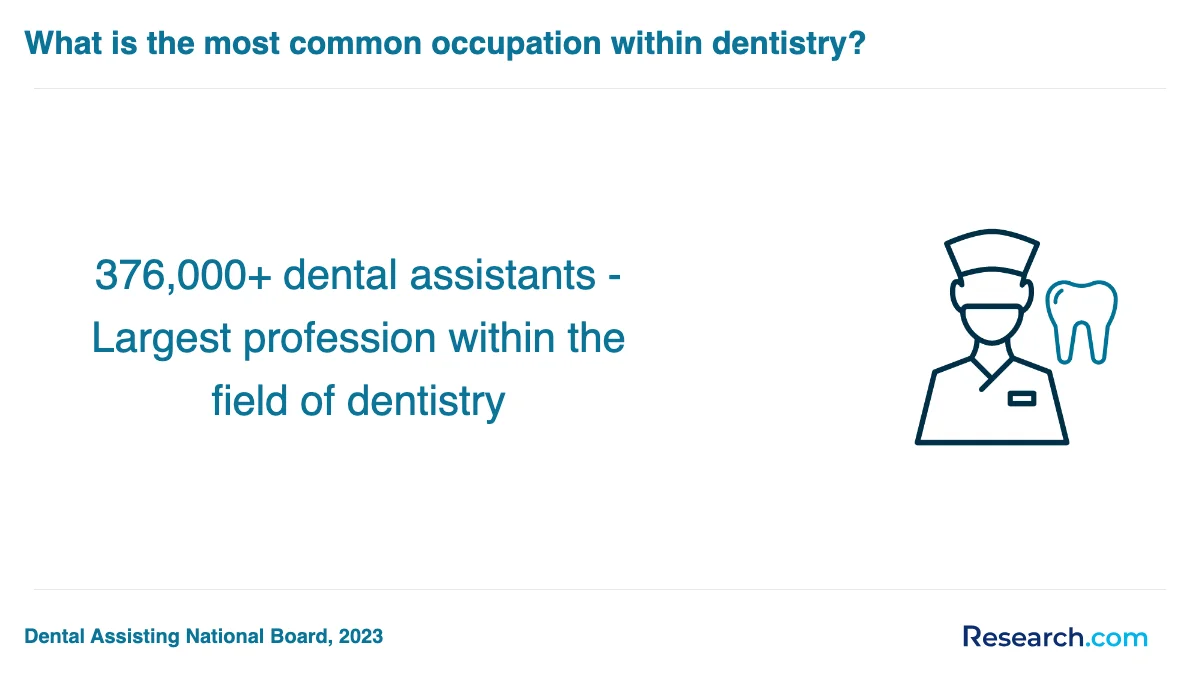
Graduates of dental assistant trade schools in Birmingham often find rewarding employment in private dental practices, where they play a vital role assisting dentists, preparing instruments, and engaging with patients. Many graduates from popular local programs share how hands-on training prepared them to confidently support procedures in general, orthodontic, and cosmetic dental offices. This real-world experience makes transitioning into these roles smooth and fulfilling.
Beyond general dentistry, specialty clinics-such as pediatric dental offices and oral surgery centers-offer career paths that allow graduates to focus on specific patient needs, from helping children feel at ease to assisting with complex oral surgeries. Alumni from Birmingham's trade schools often mention the satisfaction of working in these dynamic environments that align with their personal interests.
Community health centers and hospital-affiliated dental clinics also employ dental assistants, providing opportunities to serve diverse populations. Some graduates appreciate the flexible, part-time roles available in these settings, which accommodate varying schedules and lifestyles.
Administrative positions within dental offices, including reception and office management, utilize skills learned during trade school, offering alternative career avenues. Pay rates in Birmingham typically range from $16 to $25 per hour, reflecting experience and employer type, making this a promising field for new graduates eager to start their careers.
How much can I make after finishing dental assistant trade schools in Birmingham?
Graduates from dental assistant trade schools in Birmingham typically start their careers with an average annual salary around $44,533, according to Salary.com as of January 2025. Many newly certified assistants report earning between $39,778 and $48,918, which aligns with real experiences shared by recent graduates from popular Birmingham trade schools. These earnings translate to about $18 to $21 per hour, offering a solid income right after completing the program.
Hourly wages reported by ZipRecruiter in mid-2025 confirm this range, with most dental assistants making between $16.20 and $21.15 per hour. Many graduates find this range encouraging, as it reflects a competitive entry-level salary that grows with additional certifications and hands-on experience in local dental practices.
Some graduates have noted that factors like prior healthcare experience or specialized training can boost earnings above averages. While a few outliers report salaries over $50,000, most new Birmingham dental assistants feel confident that their trade school education opens the door to a rewarding and steadily advancing career.
Most Affordable Dental Assistant Schools & Training - Budget-Friendly Dental-Assistant Trade Programs in Birmingham for 2026
# 1 position
Fortis Institute-Birmingham - Dental Assisting/Assistant.
certificate or diplomaThe Dental Assisting/Assistant program at Fortis Institute-Birmingham offers a hybrid format with some distance education. It prepares students to provide patient care, take dental radiographs, assist chairside, and perform office administrative tasks under supervision. The curriculum includes medical record-keeping, scheduling, equipment maintenance, sterilization, and supervised practice. Annual in-state tuition is $14,561, and median earnings one year after completion are $31,554. The program is accredited by the Accrediting Bureau of Health Education Schools.
# 2 position
Lawson State Community College - Dental Assisting/Assistant.
associateLawson State Community College offers a hybrid Dental Assisting/Assistant program that trains students to provide patient care, take dental radiographs, and assist in dental procedures under supervision. The curriculum covers medical record-keeping, office duties, equipment maintenance, sterilization, and chairside assisting. Annual in-state tuition is $4,980. The program is accredited by the Southern Association of Colleges and Schools Commission on Colleges.
# 3 position
Lawson State Community College - Dental Assisting/Assistant.
certificate or diplomaLawson State Community College offers a Dental Assisting/Assistant program with a hybrid format, combining in-person and distance education. The curriculum prepares students for patient care, dental radiography, administrative duties, and chairside assisting under professional supervision. Instruction includes medical record-keeping, equipment maintenance, and patient intake. The program is accredited by the Southern Association of Colleges and Schools Commission on Colleges. Annual in-state tuition is $4,980.
# 4 position
University of Alabama at Birmingham - Dental Assisting/Assistant.
certificate or diplomaThe University of Alabama at Birmingham offers a Hybrid Dental Assisting/Assistant program designed to train students in patient care, dental radiography, and office administrative duties under professional supervision. The curriculum covers medical record-keeping, equipment maintenance, chairside assisting, and patient intake. The program’s annual in-state tuition is $8,832 and it is accredited by the Southern Association of Colleges and Schools Commission on Colleges.
Key Findings
- Programs in Birmingham can be completed in as little as 12 weeks, combining online coursework, in-person classes, and hands-on experience.
- Admission usually requires a high school diploma or GED, with no prior dental experience needed, and flexible schedules are available for working adults.
- Tuition typically costs under $5,000, with payment plans and low deposits to help avoid student loan debt.
- Graduates earn a Certificate of Completion and often a Basic Life Support (BLS) certification, qualifying them for various dental assistant roles.
- Starting salaries range from $32,000 to $38,000 annually, with strong job placement support and diverse employment options in the local healthcare sector.
How long does it take to complete dental assistant trade schools in Birmingham?
Completing a dental assistant trade school program in Birmingham typically takes between 9 to 12 months. This timeframe allows students to gain both theoretical knowledge and hands-on clinical experience crucial for entering the workforce confidently. Graduates from well-known Birmingham trade schools often share how the compact yet intensive schedules fit well with their busy lives, making the path to certification feel achievable and motivating.
Many students appreciate the blend of classroom instruction and real-world practice offered by these programs. For example, students at Birmingham's popular trade schools often recall how quickly they progressed from learning foundational skills to assisting in actual dental offices. This practical exposure not only builds competence but also inspires enthusiasm for their new careers.
The structured timeline ensures that students can enter the job market swiftly without compromising the quality of education. For those balancing work or family commitments, the focused duration of 9 to 12 months proves ideal to stay engaged and complete the program successfully.
What's the difference between online and on-campus dental assistant trade school programs?
The primary difference between online and on-campus dental assistant trade school programs in Birmingham lies in how students engage with the coursework and hands-on training. On-campus programs, such as those at the Fortis Institute or the University of Alabama at Birmingham (UAB) School of Dentistry, immerse students in face-to-face classes and clinical rotations. Graduates often recall the confidence gained from working directly alongside dentists during real patient procedures in both school clinics and private offices, appreciating the immediate feedback and networking opportunities these settings provide.
Conversely, online programs in Birmingham offer flexibility by allowing students to complete lectures and assignments remotely, ideal for those balancing work or family. For example, the Birmingham Dental Assistant School's hybrid program blends online study with essential in-person labs and clinical externships held on weekends. Graduates value this balance, highlighting how it lets them manage their schedules while still gaining vital practical experience in real dental offices.
Both formats ensure mandatory hands-on training, but on-campus students often experience more integrated clinical practice, while online learners benefit from adaptable pacing combined with focused in-person skill sessions.
What is the average cost of dental assistant trade schools in Birmingham?
The average tuition fees for dental assistant programs in Birmingham vary depending on the institution and residency status. For example, the University of Alabama at Birmingham (UAB) charges $2,133 per term for Alabama residents and $4,769 for non-residents. Over three semesters, this totals about $6,399 for residents and $14,307 for non-residents. Graduates from UAB often highlight the benefit of a recognized certificate program that balances cost with comprehensive training, making it a worthwhile investment despite the higher fees for non-residents.
In contrast, the Birmingham Dental Assistant School offers a shorter 12-week program with a flat tuition fee of $2,950 if paid upfront. For those who prefer manageable payments, this school provides options such as a $1,450 deposit followed by weekly payments that bring the total to $3,350, or a $450 deposit with higher weekly payments totaling $3,550. Alumni from this program often share positive experiences about the flexibility in budgeting these costs, which is critical for those balancing work and study. However, this school does not provide financial aid, so having a clear payment plan helps reduce the financial stress commonly associated with dental assistant training.
Considering the cost of dental assistant training in Birmingham, Alabama, prospective students appreciate understanding these tuition structures early. Many find that comparing these fees against the program length and support services helps in making informed decisions. For those aiming to continue advancing their career in the dental field, researching efficient pathways such as a dental hygiene bachelor degree online can also be beneficial for long-term growth and financial planning.
What financial aid is available for dental assistant trade schools in Birmingham?
Students pursuing dental assistant programs in Birmingham can access a variety of financial aid options that make education achievable and less stressful. For example, those attending the University of Alabama at Birmingham (UAB) benefit from federal financial aid, including Pell Grants and subsidized loans, by submitting the FAFSA. Graduates often recall how this support eased their tuition burden, allowing them to focus fully on mastering their skills without overwhelming debt.
At Fortis College, many students appreciate the combination of institutional scholarships and flexible tuition payment plans. These options provide a safety net for those who may not qualify for federal aid but still want to manage costs responsibly. Graduates have expressed relief in being able to spread payments monthly, reducing financial pressure.
Private trade schools like Birmingham Dental Assistant School and Zollege offer affordable tuition paired with monthly installment plans. Graduates highlight how this structure made education accessible despite limited upfront funds, enabling them to start their careers confidently without significant financial strain.
What are the prerequisites for enrolling in dental assistant trade schools in Birmingham?
To enroll in a dental assistant trade school program in Birmingham, applicants generally need to meet several key prerequisites designed to ensure readiness and success in this hands-on field. Most programs require a high school diploma or GED as a foundational qualification.
Graduates from well-known Birmingham trade schools often share that having a solid background in basic sciences, such as biology and chemistry, really helped them grasp course material more quickly.
Additional prerequisites often include:
- Proof of immunizations and a recent health screening to maintain safety standards in clinical environments
- Background checks and sometimes drug screenings, given the patient care aspect of the training
- Basic computer literacy, since modern dental offices use electronic health records
- Strong communication skills demonstrated through an interview or personal statement
Students recall that meeting these requirements was a positive step forward, giving them confidence and clarity before starting their practical training at Birmingham's trade schools. The prerequisites also help ensure that each student is ready to thrive in both classroom learning and clinical practice.
What are the typical courses in dental assistant trade schools in Birmingham?
Dental assistant trade school programs in Birmingham include a comprehensive range of courses designed to equip students with practical skills and professional knowledge. Graduates from popular local trade schools often highlight how courses like dental anatomy and charting helped them confidently understand tooth structures and dental terminology, essential for effective communication in dental offices.
Typical courses cover:
- Infection control procedures and dental office layout, ensuring students maintain safe, efficient work environments.
- Hands-on training in taking alginate impressions, pouring and trimming models, and working with materials for fillings.
- Digital X-ray techniques such as bitewing and panoramic imaging, enabling graduates to operate radiographic equipment confidently.
- Chair-side assisting with four-handed dentistry and instrument passing, allowing smooth collaboration with dentists during procedures.
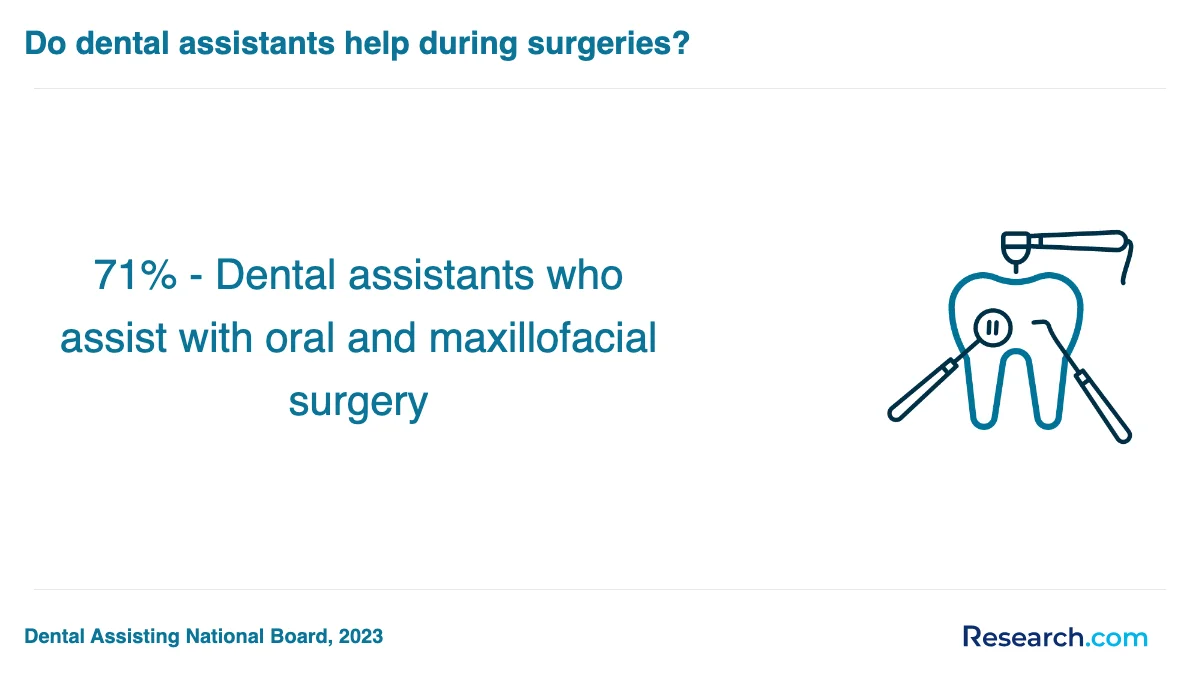
- Basics of oral surgery, endodontics, and temporary crown fabrication, providing exposure to common dental treatments.
- Lab procedures and patient education, including home care advice and emergency assistance training.
Many programs in Birmingham include externships, like the 40-hour placement at local dental offices, offering real-world experience under licensed professionals. Graduates often describe this hands-on learning as invaluable, boosting their confidence and readiness for employment.
What are the available specializations in dental assistant trade schools in Birmingham?
Dental assistant trade school programs in Birmingham offer a variety of specializations that cater to students aiming to match their skills with local dental care demands. Graduates often highlight the value of orthodontic assisting, where they gain expertise in supporting treatments like braces and aligners, providing hands-on experience in Birmingham Dental Assistant School clinics. Those interested in surgical roles find oral surgery assisting training particularly rewarding, learning to maintain sterile environments and assist during complex procedures.
Pediatric dentistry specialization prepares students to work comfortably with children, creating welcoming settings and managing their unique needs. Career-minded individuals often pursue dental office management, mastering administrative tasks such as billing and insurance processing essential for clinic success. A sought-after path in Birmingham dental assistant training options is becoming an Expanded Duty Dental Assistant (EDDA), enabling advanced procedures like applying sealants or taking impressions, which enhances job flexibility and salary potential.
Popular programs emphasize real-world practice, helping students feel confident stepping into local dental jobs. For anyone considering how long do you have to go to school to be a dental hygienist, exploring these specializations within Birmingham's trusted trade schools offers a targeted career trajectory.
How do you choose the best dental assistant trade school program in Birmingham?
When selecting the best dental assistant trade school program in Birmingham, accreditation is a top priority; graduates from schools like the University of Alabama at Birmingham often share how this ensures a recognized credential that employers value. Look for programs offering comprehensive curricula with hands-on training, which helps build confidence and practical skills in real dental settings. Flexible scheduling at affordable dental assistant schools Birmingham, such as Lawson State Community College, can accommodate those balancing work or family commitments, making the experience less stressful and more rewarding.
Consider the program length and tuition costs carefully-graduates from Jefferson State Community College highlight how reasonable tuition paired with available scholarships made pursuing their career goals feasible. Schools with strong job placement assistance provide peace of mind, guiding students through resume development and interviews, smoothing the transition to employment. Many who have completed these programs attest to the satisfaction of knowing these supports contributed directly to their success.
Understanding the difference between roles can also clarify your path; students often find it helpful to explore resources like dental assistant vs. dental hygienist to confirm their career choice. By focusing on these practical aspects, you can confidently identify the best dental assistant programs in Birmingham that align with your personal and professional goals.
What career paths are available for dental assistant trade school graduates in Birmingham?
Dental assistant career opportunities in Birmingham are broad and growing, reflecting the region's expanding healthcare sector. Graduates from prominent trade schools in Birmingham often take on roles in general dentistry practices, where demand remains high and provides stable employment. Many find this path rewarding as they quickly apply practical skills gained during externships at local clinics. In addition, specialty roles in orthodontics, pediatric dentistry, and oral surgery are accessible with further certification, allowing for greater responsibility and increased earning potential.
Trade school graduates frequently pursue credentials like the Expanded Duty Dental Assistant (EDDA) or Certified Dental Assistant (CDA), which boost their prospects within dental specialty jobs for trade school graduates in Birmingham. These positions often exist in larger offices or healthcare organizations, including corporate dental chains and public health clinics, providing diverse work environments and the chance to engage with community health initiatives.
Some graduates leverage their training to advance into administrative roles or dental laboratory technician positions. Others choose to continue their education through a low cost dental assistant to dental hygienist bridge program online, expanding career opportunities.
- General dental assisting in busy Birmingham practices
- Specialty roles in orthodontics, pediatric, and oral surgery clinics
- Positions within corporate dental chains and public health clinics
- Advancement to office administration or dental lab technician roles
- Educational pathways to hygienist or dentist careers
What is the job market for dental assistant trade school graduates in Birmingham?
The job market for dental assistant trade school graduates in Birmingham remains strong and promising in 2025. Graduates from popular local trade schools report quick access to a variety of dental assistant job openings in Birmingham, with many finding positions in diverse settings such as general dentistry, orthodontics, and specialty clinics. This variety ensures that new dental assistants can select roles that match their skills and interests.
Key factors supporting this positive outlook include:
- Consistent listings of over 50 openings on major employment platforms in Birmingham.
- Employers' preference for certified candidates who bring practical skills from hands-on trade school training.
- The city's robust healthcare infrastructure, which fuels ongoing demand for dental staff.
Regarding dental assistant salary and job outlook Birmingham offers competitive compensation, with median wages around $57,000 annually and hourly rates ranging from $16 to $26. Graduates appreciate how their specialized education not only opens job doors but also helps negotiate higher pay. Many share that this career path feels secure and rewarding early on, especially when complemented by certifications.
For students weighing education options, understanding what is an administrative medical assistant can provide broader insight into roles within healthcare support, enhancing job flexibility post-graduation.
Frequently Asked Questions about dental assistant
After completing a dental assistant trade school in Birmingham, preparation for the job market is essential. Start by obtaining certification, such as the Certified Dental Assistant (CDA) credential, which improves employment opportunities. The Alabama Board of Dental Examiners requires certain licenses for specific duties, so verify local requirements. Networking with local dental offices and attending Birmingham dental career fairs can help build professional connections.
Gaining hands-on experience through internships or externships, often included in trade programs, strengthens practical skills. According to the U.S. Bureau of Labor Statistics, dental assistant jobs in Alabama are projected to grow by 9% through 2031, reflecting steady demand. Building a strong resume that highlights both training and experience is important for standing out to employers.
Employers in Birmingham seek dental assistant graduates with a blend of technical and interpersonal skills. Proficiency in chairside assisting, sterilization techniques, and basic radiography is essential, as outlined by the Alabama Board of Dental Examiners. Strong communication skills are equally important, enabling assistants to interact effectively with patients and dental teams.
According to the U.S. Bureau of Labor Statistics, dental assistants in Alabama should also demonstrate attention to detail and the ability to manage administrative tasks such as scheduling and record keeping. Familiarity with dental software is increasingly valued in local practices.
Additionally, employers prefer graduates who show adaptability and a commitment to continuing education to stay current with evolving dental technologies and regulations.
Finding internships relevant to dental assistant trade school programs in Birmingham requires proactive research and networking. Start by contacting local dental offices and clinics, as many offer internships or externships for students. According to the Alabama Board of Dental Examiners, registered dental practices often collaborate with accredited trade schools to provide practical experience.
Trade schools themselves typically have career services or internship coordinators who maintain relationships with local dental providers. Leveraging these resources can increase your chances of securing a position. Additionally, check with the Alabama Dental Association for listings or recommendations on internship opportunities specific to Birmingham.
Online platforms such as healthcare internship databases may also list openings, but local connections remain key. Documented internship experiences improve employability and meet certification requirements for dental assistants in Alabama.
Obtaining a dental assistant trade school diploma in Birmingham significantly enhances career mobility and advancement opportunities. According to the U.S. Bureau of Labor Statistics, dental assisting jobs in Alabama are projected to grow by 7% from 2022 to 2032, reflecting steady demand. A diploma provides essential clinical skills and certification eligibility, making graduates more competitive in the local job market.
Diploma holders in Birmingham often qualify for higher starting wages compared to on-the-job trainees, with average salaries ranging from $35,000 to $42,000 annually, per Alabama Department of Labor data. Completion of accredited programs also opens pathways to specialized roles and supervisory positions.
Furthermore, trade schools frequently offer career services and industry connections, which support graduates in job placement and professional growth within the Birmingham dental community.
Students enrolled in dental assistant trade schools in Birmingham can find several part-time job opportunities that complement their education. Many dental offices seek part-time front desk staff or dental receptionists, roles that help students gain familiarity with patient scheduling and office workflow.
Additionally, dental labs in Birmingham sometimes hire part-time technicians or assistants, providing hands-on experience with dental materials and equipment. According to the U.S. Bureau of Labor Statistics, dental assistants in Alabama earn a median hourly wage of around $17.50, which reflects viable earnings for part-time work.
Pharmacies and medical supply stores also offer part-time positions that allow dental assistant students to build customer service skills relevant to healthcare settings. These jobs can enhance practical knowledge while balancing school commitments.
To find the most affordable Dental Assistant degree program near me, start by exploring community colleges and technical schools near Birmingham, AL, as they often offer programs with lower tuition costs. Research.com can be a helpful resource for comparing program details and costs to identify which schools offer the best value. Additionally, consider visiting the campuses and speaking with admissions counselors to gather detailed information about financial aid options and program expenses.
Related Dental Assistant Rankings for Nearby Cities
- Most Affordable Dental Assistant Schools & Training - Budget-Friendly Dental-Assistant Trade Programs in Chattanooga for 2026
- Most Affordable Dental Assistant Schools & Training - Budget-Friendly Dental-Assistant Trade Programs in Evansville for 2026
- Most Affordable Dental Assistant Schools & Training - Budget-Friendly Dental-Assistant Trade Programs in Lafayette for 2026
- Most Affordable Dental Assistant Schools & Training - Budget-Friendly Dental-Assistant Trade Programs in Tampa for 2026
- Most Affordable Dental Assistant Schools & Training - Budget-Friendly Dental-Assistant Trade Programs in Wilmington for 2026
- Most Affordable Dental Assistant Schools & Training - Budget-Friendly Dental-Assistant Trade Programs in Kansas City for 2026
Top Trending Rankings
References
- facebook https://www.dentalpost.net/salary-survey/average-dental-assistant-salary-for-birmingham-al/
- How Much Can I Earn as a Dental Assistant in Birmingham AL? https://birminghamdentalassistant.com/blog/dental-assisting/how-much-can-i-earn-as-a-dental-assistant-in-birmingham-al-birminghamdentalassistant/
- Dental Assistant Salary in Birmingham, uk https://www.salary.com/research/uk/dental-assistant-salary/birmingham
- Average Dental Assistant Salary in Birmingham, United Kingdom for 2025 https://worldsalaries.com/average-dental-assistant-salary-in-birmingham/united-kingdom/
- Birmingham Dental Assistant Program | Zollege https://zollege.com/locations/birmingham/dental-assistant-program/
- Dental - Vocational Courses - Birmingham Metropolitan College https://www.bmet.ac.uk/our-courses/courses-for-16-19-years/vocational-courses/dental/
- Dental Assisting School Birmingham, MI | Dr. Newingham https://drnewingham.com/about-us/dental-assisting-school/
- Dental Assisting - School of Dentistry https://www.uab.edu/dentistry/home/academics/dental-assisting
- What Skills Does a Dental Assistant Need in Birmingham? https://montgomerydentalassistant.com/blog/dental-assisting/what-skills-does-a-dental-assistant-need-in-birmingham_/
- Dental Assisting School in Birmingham, AL | Fortis https://www.fortis.edu/campuses/alabama/birmingham/dental-assisting.html





