Most Affordable Dental Assistant Schools & Training - Budget-Friendly Dental-Assistant Trade Programs in Oregon for 2026

Co-Founder and Chief Data Scientist
Choosing the right dental assistant trade school in Oregon can feel overwhelming. To help, this article presents a detailed ranking of dental assistant trade school programs created by the Research.com team of data scientists. This ranking highlights the most affordable and credible options available for 2026.
By exploring these programs, you’ll find valuable insights to make an informed decision about your education. Earning a dental assistant diploma or certification opens doors to a rewarding and stable career in healthcare. Take the first step toward your future with confidence.
Key benefits of finishing dental assistant trade school in Oregon
- Graduates of dental assistant trade schools in Oregon can expect competitive salaries, with averages around $56,000 per year or $28 per hour, which is higher than the national average.
- Career paths often include working in diverse dental settings like private practices, specialty clinics, or community health centers, offering a variety of opportunities to grow and specialize.
- Completing a dental assistant program online provides flexibility and convenience, allowing students to balance work or family while gaining valuable skills, as experienced by many successful online graduates in Oregon.
- Most Affordable Dental Assistant Schools & Training - Budget-Friendly Dental-Assistant Trade Programs in Oregon for 2026
- What can I expect from dental assistant trade schools in Oregon?
- Where can I work after finishing dental assistant trade schools in Oregon?
What can I expect from dental assistant trade schools in Oregon?
Students enrolling in dental assistant trade school programs in Oregon typically experience a well-structured curriculum lasting nine months to one year, culminating in a certificate and eligibility for state certification as an Expanded Functions Dental Assistant (EFDA). Graduates from popular programs report balancing classroom learning with hands-on labs and clinical rotations in local dental offices, which build confidence in real-world patient care and dental procedures.
Coursework covers practical skills like dental materials, radiology, and infection control, alongside chairside assisting tasks such as preparing treatment rooms and managing instruments. Many students find the administrative training-office management, scheduling, and patient communication-particularly valuable, as it prepares them to smoothly handle dental practice operations.
Graduates often highlight the emotional satisfaction of mastering emergency protocols and legal aspects, which boosts their readiness for workplace challenges. Completing the program also means taking nationally recognized exams like the DANB's Radiation Health and Safety and Infection Control, frequently included in tuition. Passing these exams enables expanded duties under Oregon law, increasing employability and job stability in a competitive market.
Where can I work after finishing dental assistant trade schools in Oregon?
After completing a dental assistant trade school program in Oregon, graduates typically find employment in private dental practices, which remain the largest employers statewide. These range from small offices with a single dentist to larger group practices. Graduates often share how rewarding it feels to assist dentists directly with patient care while gaining hands-on experience in clinical and administrative tasks.
Specialty dental clinics, such as orthodontics or pediatric dentistry, are also common career paths. Many graduates who earn additional certifications like Expanded Function Dental Assistant (EFDA) or radiology report higher demand and job satisfaction in these specialized roles. For instance, working in an orthodontic office often involves supporting advanced procedures, which graduates find both challenging and fulfilling.
Oregon Health & Science University (OHSU) offers unique opportunities to work in academic and clinical settings. Graduates who join OHSU appreciate the dynamic environment where they assist with complex dental cases and collaborate with dental students and faculty. Pay rates here range from $24.28 to $31.37 per hour, often paired with comprehensive benefits.
Other employment venues include community health clinics, mobile dental units, dental labs, and correctional facility dental units. Graduates value the diverse experiences these environments provide across Oregon's urban and rural communities.
After completing a dental assistant trade school program in Oregon, graduates typically earn between $49,000 and $61,000 annually. Many find this salary range encouraging compared to the national average, reflecting Oregon's strong demand for dental healthcare professionals. For instance, graduates from well-known trade schools in Portland often report starting salaries near $43,000, quickly rising with experience and certifications.
In urban areas like Portland, it's common for dental assistants to earn around $57,670 per year, or about $27.73 per hour. This is slightly above the statewide average of $55,960. Graduates from Salem or Redmond training programs usually see salaries close to $54,780 and $54,420, respectively, which still offer a solid income for entry-level roles.
Many graduates share positive experiences about quickly advancing in their careers, especially those who take extra certifications or work with staffing agencies paying as much as $28 per hour. This steady growth in earnings makes completing a dental assistant program in Oregon a promising investment.
- Applicants must be at least 18 years old and have a high school diploma, GED, or equivalent, along with BLS/CPR certification and OSHA bloodborne pathogens training.
- Program length is typically one year full-time, ending with a Certificate in Dental Assisting and eligibility for Oregon Expanded Functions Certification.
- The average cost for a complete program is about $7,850, including textbooks, scrubs, CPR training, and radiology certification application fees.
- Oregon uses a tiered certification system: entry-level assistants need no formal certification, Expanded Function Dental Assistants require approved courses and exams, and orthodontic specialization requires extra training.
- The median salary for dental assistants in Oregon is $45,780 per year, with job growth expected at 8% through 2032 and high demand in cities and rural areas.
Completing a dental assistant trade school program in Oregon typically takes between 9 months and 1 year. Graduates from popular institutions like Portland Community College and Clackamas Community College often share how this timeline allowed them to quickly enter the workforce without sacrificing the depth of hands-on training.
Many students appreciate the program's structure, which balances classroom learning with clinical practice, enabling them to develop practical skills in real dental offices. One graduate described feeling confident after just 10 months, noting how the focused curriculum helped them master both administrative duties and chairside assisting efficiently.
For those balancing work or family commitments, the relatively short completion time made pursuing a new career in dental assisting feel achievable and motivating. The programs' design to be immersive yet flexible appeals to a wide range of students in Oregon looking for a career change or advancement in healthcare.
Overall, the completion time in Oregon's trade schools supports rapid skill acquisition and a smooth transition into dental assisting roles, making it an attractive option for motivated learners.
The primary difference between online and on-campus dental assistant trade school programs in Oregon lies in how coursework and hands-on training are delivered. Graduates from Portland Community College or Clackamas Community College often describe the on-campus experience as highly engaging due to direct interaction with instructors and peers. These students benefit from immediate feedback while practicing dental techniques in real clinical settings, which helps build confidence and a strong sense of community within small cohorts.
Online students, by contrast, appreciate the flexibility of accessing lectures and virtual labs at their own pace, fitting studies around work or family life. However, they still complete required in-person clinical hours locally to meet Oregon's certification standards. This blended approach allows students to manage their schedules while gaining essential hands-on experience.
Cost differences also influence choices; online programs can be more affordable, sometimes around $1,239 if paid upfront, while on-campus options may offer more frequent hands-on practice and access to on-site resources.
The average dental assistant program cost in Oregon generally ranges between $3,000 and $8,000, depending on the trade school and program length. Graduates from Clackamas Community College often highlight how their tuition fees for dental assistant schools in Oregon provided excellent value, balancing comprehensive hands-on training with affordable pricing. Similarly, students from Portland Community College report satisfaction with the cost relative to the quality of instruction and clinical exposure, which enhances the practical skills needed to succeed in the profession.
At Southern Oregon Dental Assistant Education (SODAE), graduates recall the program's focused curriculum and manageable tuition fees, which contributed positively to their career readiness without overwhelming financial burden. Practical Dental Assisting of Oregon and OceanPointe Dental Assisting Academy of Portland also offer competitive costs, appealing to students who prioritize fast-track options with direct clinical training. These real-life student experiences suggest that tuition fees are an important consideration but are often balanced by the hands-on expertise gained.
Understanding the tuition fees for dental assistant schools in Oregon helps prospective students gauge their investment in skills and certification. Many graduates appreciate the opportunity to jumpstart their careers in dental offices or clinics soon after completion. For those curious about broader administrative roles in healthcare that complement dental assisting, exploring information about medical administrative assistants can offer valuable career insights that align with dental healthcare pathways.
Dental assistant trade school students in Oregon frequently rely on the Federal Pell Grant, which provides crucial funding based on financial need determined through the FAFSA. Graduates from Portland Community College often share how this grant helped them cover significant portions of their tuition, easing their financial worries during the program.
The Oregon Opportunity Grant is another key resource, especially valued by students attending regional schools like Central Oregon Community College. Many recall how this state grant offered partial or even full tuition support, making their education more accessible.
Specialized scholarships add an extra layer of support. For instance, students from diverse backgrounds have benefited from scholarships provided by the COIC and the Oregon Dental Assistants Association, which specifically target minority and rural students, allowing them to focus on their studies instead of financial stress.
High school students pursuing dental assisting through dual credit programs such as College Now enjoy the advantage of reduced or fully covered tuition, setting a positive financial foundation early on.
When grants and scholarships fall short, low-interest student loans remain a viable option, as many graduates report these loans helped bridge funding gaps without overwhelming debt.
Enrollment in dental assistant trade school programs in Oregon typically requires a high school diploma or GED as a fundamental prerequisite. Graduates from well-known Oregon trade schools often highlight how meeting this baseline qualification allowed them to confidently begin hands-on training without additional academic hurdles.
Applicants must also demonstrate basic proficiency in English and math, essential for understanding dental terminology and performing accurate measurements during clinical practice. For example, students at a popular Portland-based trade school describe how early coursework in medical math reinforced their confidence when assisting dentists with precise tasks.
Health and safety clearances are commonly required, including a background check and current immunizations, ensuring a safe learning environment for all students and patients alike. Graduates often recall that completing these steps early streamlined their entry into clinical rotations.
- High school diploma or GED
- Basic English and math skills
- Background check and immunization records
Some programs may ask for letters of recommendation or a brief personal statement, helping admission officers gauge applicants' commitment and passion for dental assisting. Students frequently share that preparing these documents encouraged them to reflect positively on their career goals, boosting motivation.
Dental assistant trade school programs in Oregon commonly include a combination of technical, clinical, and administrative courses designed to prepare students for the real demands of dental offices. Graduates from schools like Rogue Community College and Portland Community College often highlight how foundational classes in dental sciences grounded their understanding of oral anatomy, infection control, and dental terminology, making their first clinical experiences less intimidating.
Specialty courses cover practical skills in areas like oral surgery, orthodontics, and prosthodontics. For example, students learn to assist with placing dental materials or taking impressions, which many find rewarding as they see immediate patient care results during clinical rotations.
Radiology and imaging courses are essential, teaching students to take and process dental X-rays-key for passing Oregon's Radiology Proficiency certification. Hands-on lab work and chairside assisting classes help students master instrument handling, suction management, and rubber dam placement, boosting their confidence in live dental procedures.
Administrative skills such as appointment scheduling and patient communication are also emphasized, enabling students to contribute effectively to office operations and patient education from day one.
- Fundamental dental sciences: anatomy, infection control, terminology
- Specialty assisting: oral surgery, orthodontics, prosthodontics
- Radiology: X-ray techniques and safety certification prep
- Chairside skills: instrument handling, suction, rubber dam use
- Administrative tasks: scheduling, records, patient communication
Dental assistant trade school programs in Oregon commonly include several specialized tracks designed to enhance practical skills and meet state regulatory requirements. Graduates from programs at Rogue Community College or Portland Community College often highlight the value of these focused specializations in securing competitive positions.
Key specializations within dental assistant specializations in Oregon trade schools include:
- Expanded Functions Dental Assistant (EFDA): Trains students in advanced clinical duties such as placing matrix bands and fabricating temporary crowns, with certification requiring both coursework and passing the Oregon Board of Dentistry exam.
- Expanded Function Dental Assistant with Restorative or Local Anesthesia Certificates: Enables assistants to support restorative dental procedures and assist with anesthesia under supervision.
- Expanded Function Orthodontic Dental Assistant (EFODA): Focuses on orthodontic appliance management in clinical settings.
- Expanded Function Preventive Dental Assistant (EFPDA): Specializes in preventive care tasks like coronal polishing and fluoride application.
- Radiography Certification: Essential for taking dental X-rays, requiring passing of the Radiation Health and Safety exam, a mandatory credential in Oregon.
Graduates from Chemeketa Community College frequently describe how mastering these specializations helped them confidently enter the workforce. The varied offerings in expanded function dental assistant programs Oregon foster strong practical expertise that aligns with employer demands. For those curious about career timelines in dental fields, exploring resources on dental hygienist length of education can provide valuable insights into educational commitments and career planning.
To choose the best dental assistant programs in Oregon, start by verifying CODA accreditation, which ensures rigorous standards and strong certification preparation. Graduates from colleges like Portland Community College have praised the balance of classroom theory and hands-on practice, a crucial factor for job readiness. Consider program length and flexibility; for example, students benefit from Umpqua Community College's adaptable scheduling that fits working professionals' needs.
Evaluating curriculum quality is key-schools that cover dental radiography and infection control thoroughly, such as Chemeketa Community College, provide graduates with confidence in real clinical settings. Location matters too, as proximity to dental offices in cities like Eugene or Portland often leads to internships and higher employment rates. Research graduates from Central Oregon Community College who highlight how connected facilities boosted their practical skills.
Cost can vary significantly; public schools usually offer more affordable tuition, but exploring scholarships is essential. Many students find value in the cheapest dental assistant to dental hygienist bridge program online for further advancement. Understanding how to select dental assistant schools in Oregon ultimately depends on balancing accreditation, curriculum, flexibility, location, and financial aid to fit your lifestyle and career goals.
Dental assistant trade school graduates in Oregon have access to diverse dental assistant career opportunities in Oregon that align with their training and interests. Graduates often start as Entry-Level Dental Assistants, working in private dental practices or public health clinics, gaining essential skills under supervision. Many graduates from prominent Oregon trade schools share how these initial roles helped them build confidence quickly while supporting dentists in general and specialty offices.
Advancement is common through becoming an Expanded Function Dental Assistant (EFDA), where graduates perform advanced procedures such as dental X-rays and restorative assistance. This pathway notably enhances earning potential and job responsibilities, with many graduates expressing satisfaction with their expanded clinical roles. Opportunities also exist for those pursuing the Expanded Function Orthodontic Dental Assistant (EFODA) certification, focusing on orthodontic care and band placement.
Dental assistants in Oregon typically find employment in settings including:
- Private dental practices
- Public health clinics
- Hospitals
- Specialty dental offices like pediatric or periodontics
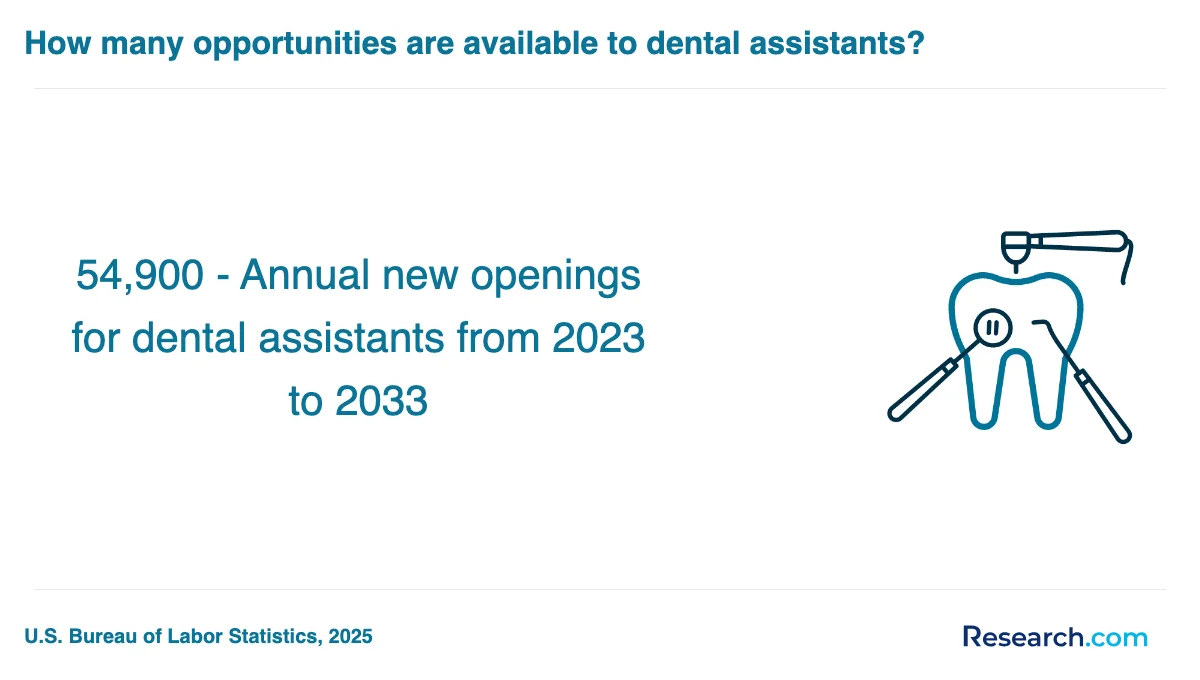
With the strong job outlook and a median salary around $45,780 (2023), graduates are encouraged by local growth trends. Some further their careers via continuing education or transition into dental hygienist roles. For those curious about dental salary progression, understanding what is the starting salary of a graduate dentist can provide valuable context.
Expanded function dental assistant jobs Oregon represent a compelling step for those seeking specialized clinical skills and career growth within the state's dynamic dental sector.
The dental assistant job outlook in Oregon shows a dynamic and promising environment for trade school graduates. With over 270 dental assistant positions actively advertised statewide as of mid-2025, opportunities are abundant, especially in urban centers like Portland, Eugene, and Salem. Graduates from popular trade schools often find themselves well-prepared to enter diverse roles, ranging from general dental assisting to specialized fields such as orthodontics and radiology assistant positions.
Recent graduates report competitive wages reflecting dental assistant salary and employment trends Oregon, with hourly rates between $23 and $31.56 depending on the employer. Large health systems and academic medical centers not only offer higher wages but also comprehensive benefits, including medical coverage and paid time off exceeding 25 days annually.
Employers frequently support professional growth through tuition reimbursement and career development programs, which aligns well with students who consider an accelerated online dental assistant certificate to further enhance their skills while working. This combination of steady demand, robust pay, and advancement opportunities makes the Oregon dental assistant job market highly favorable for new trade school graduates.
Most Affordable Dental Assistant Schools & Training - Budget-Friendly Dental-Assistant Trade Programs in Oregon for 2026
# 1 position
Umpqua Community College - Dental Assisting/Assistant.
certificate or diplomaThe Dental Assisting/Assistant program at Umpqua Community College offers a hybrid format with some distance education. It prepares students to assist dentists and hygienists through patient care, dental radiographs, office duties, and equipment maintenance. Instruction includes medical record-keeping, scheduling, sterilization, basic radiography, chairside assisting, and supervised practice. The program is accredited by the Northwest Commission on Colleges and Universities. Annual in-state tuition is $5,909, with median earnings of $24,687 one year after completion.
# 2 position
Portland Community College - Dental Assisting/Assistant.
certificate or diplomaPortland Community College offers a Hybrid Dental Assisting/Assistant program preparing students to provide patient care, take dental radiographs, and assist dental professionals. The curriculum covers medical record-keeping, office duties, patient intake, scheduling, equipment maintenance, sterilization, and chairside assisting. Graduates earn a median salary of $36,211 one year after completion. The annual in-state tuition is $5,040. The program is accredited by the Northwest Commission on Colleges and Universities.
# 3 position
Rogue Community College - Dental Assisting/Assistant.
certificate or diplomaRogue Community College offers a Dental Assisting/Assistant program with a hybrid format that includes some distance education. The program prepares students to provide patient care, take dental radiographs, and assist dentists and hygienists in clinical and administrative tasks. Tuition for in-state students is $5,184 annually. Graduates earn a median income of $19,895 one year after completion. The program is accredited by the Northwest Commission on Colleges and Universities.
# 4 position
Central Oregon Community College - Dental Assisting/Assistant.
certificate or diplomaCentral Oregon Community College offers a Hybrid Dental Assisting/Assistant program that prepares students for patient care, dental radiographs, and administrative duties under supervision. The curriculum includes medical record-keeping, office tasks, equipment maintenance, radiography, patient care, chairside assisting, and supervised practice. The program’s annual in-state tuition is $4,941, and graduates earn a median of $29,826 within one year. It is accredited by the Northwest Commission on Colleges and Universities.
# 5 position
Linn-Benton Community College - Dental Assisting/Assistant.
certificate or diplomaThe Dental Assisting/Assistant program at Linn-Benton Community College offers a hybrid format with some distance education. It prepares students to assist dentists and hygienists by providing patient care, taking dental radiographs, and managing office tasks. Instruction includes radiography, patient care, equipment maintenance, and administrative duties. The program is accredited by the Northwest Commission on Colleges and Universities. Annual in-state tuition is $6,288, with median earnings of $37,488 one year after completion.
# 6 position
Chemeketa Community College - Dental Assisting/Assistant.
certificate or diplomaThe Dental Assisting/Assistant program at Chemeketa Community College offers hybrid learning options and prepares students to assist dentists and hygienists with patient care, dental radiographs, and office administrative tasks. The curriculum covers medical record-keeping, equipment sterilization, chairside assisting, and supervised practice. Annual in-state tuition is $6,210. Median earnings for graduates one year after completion are $33,802. The program is accredited by the Northwest Commission on Colleges and Universities.
# 7 position
Southwestern Oregon Community College - Dental Assisting/Assistant.
certificate or diplomaSouthwestern Oregon Community College offers a Hybrid Dental Assisting/Assistant program that trains students to provide patient care and support dental professionals. The curriculum covers dental radiography, office administration, patient preparation, equipment maintenance, and chairside assisting. Students gain skills in medical record-keeping, scheduling, and supervised practice. The program is accredited by the Northwest Commission on Colleges and Universities and has an annual in-state tuition of $6,840.
# 8 position
Clackamas Community College - Dental Assisting/Assistant.
certificate or diplomaThe Dental Assisting/Assistant program at Clackamas Community College offers a hybrid format with some distance-education options. It prepares students to provide patient care, take dental radiographs, assist chairside, and manage office administrative tasks under dental professionals' supervision. The curriculum includes instruction in medical records, patient intake, scheduling, equipment sterilization, and supervised practice. Annual in-state tuition is $6,210. The program is accredited by the Northwest Commission on Colleges and Universities.
# 9 position
Carrington College-Portland - Dental Assisting/Assistant.
certificate or diplomaCarrington College-Portland offers a Dental Assisting/Assistant program with a hybrid format, including some distance education. The program trains students in patient care, dental radiography, office administrative tasks, and chairside assisting under dentist supervision. Coursework covers medical record-keeping, equipment maintenance, sterilization, and patient instruction. Graduates earn a median income of $30,326 one year after completion. The program is accredited by the Western Association of Schools and Colleges Accrediting Commission for Community and Junior Colleges.
# 10 position
Concorde Career College-Portland - Dental Assisting/Assistant.
certificate or diplomaThe Dental Assisting/Assistant program at Concorde Career College-Portland is a hybrid course designed to prepare students for patient care and dental office duties under supervision. It covers tasks such as taking dental radiographs, chairside assisting, equipment sterilization, and office administration. Instruction includes medical record-keeping, patient intake, scheduling, and supervised practice. Graduates have median earnings of $28,846 one year after completion. The program is accredited by the Accrediting Commission of Career Schools and Colleges.
Frequently Asked Questions about dental assistant
After completing dental assistant trade school in Oregon, preparing for the job market involves several key steps. First, obtaining certification through the Dental Assisting National Board (DANB) can significantly improve employment prospects. Oregon employers often prefer candidates who hold the Certified Dental Assistant (CDA) credential, which demonstrates professional competence.
Next, graduates should build a strong resume highlighting their clinical skills and externship experiences gained during training. Networking through local dental associations, such as the Oregon Dental Association, can connect job seekers with potential employers.
Finally, staying informed about Oregon's dental assistant job market is essential. According to the U.S. Bureau of Labor Statistics, dental assistant employment in Oregon is projected to grow by 8% from 2022 to 2032, indicating steady demand.
Employers in Oregon seek dental assistant graduates with strong clinical skills, including proficiency in chairside assisting, radiography, and infection control. According to the Oregon Employment Department, hands-on experience with dental software and familiarity with state-specific safety regulations are highly valued. Communication skills are crucial, as dental assistants often interact directly with patients and dental teams.
Attention to detail and the ability to multitask efficiently are also important. The Oregon Board of Dentistry emphasizes that certified dental assistants must be adept at following protocols to ensure patient safety and comfort. Additionally, knowledge of dental anatomy and terminology enhances job readiness.
Oregon employers prefer graduates who have completed accredited programs that prepare them for the Certified Dental Assistant (CDA) exam, which can improve employment prospects and earning potential.
Finding internships relevant to dental assistant trade school programs in Oregon involves several strategic steps. Many accredited programs partner with local dental offices and clinics to provide hands-on internship opportunities. Students should start by consulting their school's career services or internship coordinator, as these offices often have established relationships with employers.
Additionally, the Oregon Board of Dentistry requires dental assistants to complete specific clinical hours, which encourages schools to facilitate internships that meet licensing requirements. Websites like the Oregon Employment Department and local dental societies can also list internship openings.
Networking at professional events or contacting dental offices directly can increase chances of securing an internship. According to the Bureau of Labor Statistics, Oregon's dental assistant employment is expected to grow 14% from 2022 to 2032, reflecting steady demand for trained professionals.
Obtaining a dental assistant trade school diploma in Oregon significantly enhances career mobility and advancement opportunities. According to the Oregon Employment Department, the demand for dental assistants is expected to grow by 12% from 2022 to 2032, faster than the average for all occupations. A diploma from an accredited program equips graduates with essential skills, making them eligible for state certification and expanding job prospects.
Certified dental assistants in Oregon typically earn higher wages, with a median annual salary of about $44,000, compared to uncertified peers. This credential also opens doors to specialized roles like expanded function dental assistant, allowing for greater responsibilities and pay.
Moreover, trade school graduates benefit from industry connections and practical experience, which facilitate quicker employment and potential advancement into supervisory or administrative positions within dental practices.
Students enrolled in dental assistant trade schools in Oregon can benefit from various part-time job opportunities that complement their education. Working as a dental receptionist or front office assistant allows students to gain valuable experience in patient management and office operations. Additionally, roles such as dental sterilization technician help students become familiar with infection control protocols, a vital skill in dental practices.
According to the Oregon Employment Department, dental assistant positions are expected to grow by 14% between 2020 and 2030, indicating steady demand for related part-time roles. These opportunities enable students to apply classroom knowledge in real-world settings while developing professional skills.
Many dental clinics in Oregon offer flexible schedules, making it feasible for students to balance work and study. Moreover, gaining hands-on experience through part-time jobs can improve employability after graduation and support networking within the local dental community.
Finding the most affordable Dental Assistant degree program near me can begin with exploring local community colleges and specialized technical schools that offer dental programs. To find such opportunities near Oregon, consider visiting state educational resources or consult Research.com for comprehensive rankings and reviews of programs available in the region. Additionally, it's beneficial to inquire directly with institutions to understand their financial aid options and tuition costs to ensure you're selecting a program that aligns with your budget.
- Most Affordable Dental Assistant Schools & Training - Budget-Friendly Dental-Assistant Trade Programs in Washington for 2026
- Most Affordable Dental Assistant Schools & Training - Budget-Friendly Dental-Assistant Trade Programs in California for 2026
- Most Affordable Dental Assistant Schools & Training - Budget-Friendly Dental-Assistant Trade Programs in Montana for 2026
- Most Affordable Dental Assistant Schools & Training - Budget-Friendly Dental-Assistant Trade Programs in Utah for 2026
- Most Affordable Dental Assistant Schools & Training - Budget-Friendly Dental-Assistant Trade Programs in Arizona for 2026
- Most Affordable Dental Assistant Schools & Training - Budget-Friendly Dental-Assistant Trade Programs in Colorado for 2026
- Most Affordable Dental Assistant Schools & Training - Budget-Friendly Dental-Assistant Trade Programs in South Dakota for 2026
- Most Affordable Dental Assistant Schools & Training - Budget-Friendly Dental-Assistant Trade Programs in Nebraska for 2026
- Most Affordable Dental Assistant Schools & Training - Budget-Friendly Dental-Assistant Trade Programs in Minnesota for 2026
- Most Affordable Dental Assistant Schools & Training - Budget-Friendly Dental-Assistant Trade Programs in Iowa for 2026
- Looking for a Dental Assistant School? Train at CHCP https://www.chcp.edu/degrees-certificates/on-campus/dental-assistant-program/
- Online Dental Assistant Certificate Program | Self-Paced Course https://www.uscareerinstitute.edu/online-dental-assistant-school
- Dental Assistant School, Certification Training Programs https://rosseducation.edu/programs/dental-assistant.php
- Online Clinical Dental Assistant Training | University of North Dakota https://und.edu/academics/development/courses/dental-assistant.html
- Dental Assistant Training Program | School of Dental Medicine https://www.dental.pitt.edu/dental-assistant-training-program
- Online Clinical Dental Assistant Training – BMCC https://www.bmcc.cuny.edu/ce/online-courses/online-clinical-dental-assistant-training/
- Dental Assisting - Ivy Tech Community College https://www.ivytech.edu/programs/all-academic-programs/school-of-health-sciences/dental-assisting/
- Oregon Dental Assistants Association - How to Become a Dental Assistant in Oregon https://www.oregondentalassistants.com/how-to-become-a-dental-assistant-in-oregon
- How to pick a dental assistant school | DANB https://www.danb.org/news-blog/detail/blog/how-to-pick-a-dental-assistant-school
- Dental Assisting at PCC https://www.pcc.edu/programs/dental-assisting/