Most Affordable Dental Assistant Schools & Training - Budget-Friendly Dental-Assistant Trade Programs in Massachusetts for 2026

Co-Founder and Chief Data Scientist
Considering a career as a dental assistant in Massachusetts? Choosing the right trade school program is a crucial step toward your future success. This article introduces the most affordable dental assistant trade schools in the state for 2026, helping you find quality education without breaking the bank.
The ranking featured here was created by the Research.com team of data scientists to help you make an informed choice about which programs are worth considering.
Getting a diploma or certification can open doors to rewarding job opportunities and a stable career. Explore your options and take that confident first step today.
Key benefits of finishing dental assistant trade school in Massachusetts
- Graduates from dental assistant trade schools in Massachusetts can expect competitive salaries, typically ranging from $41,292 to $61,634 annually, with experienced professionals earning even more.
- Career paths include roles in general dentistry offices, orthodontics, and specialized dental clinics, offering diverse opportunities for growth and skill development.
- Completing a dental assistant program online provides flexibility for busy students and allows faster entry into the workforce, as experienced by many online graduates from top Massachusetts schools.
What can I expect from dental assistant trade schools in Massachusetts?
Expect a fast-paced, hands-on learning experience designed to get you job-ready within about 10 to 12 months. Dental assistant programs in Massachusetts blend classroom lessons with lab work and real clinical settings, so you won't just study theory-you'll actively assist in dental offices. For example, graduates from Quinsigamond Community College often mention the advantage of small clinical classes, with a 1:4 student-to-instructor ratio that makes personalized guidance a daily reality.
Courses cover everything from dental anatomy and radiology to infection control and office management, preparing you for the diverse tasks dental assistants handle. At Porter and Chester Institute, students appreciate the 335-hour externship, where they gain real-world skills under supervision, while Northern Essex Community College students highlight their practicum experience as crucial to building confidence in patient care.
Many programs combine online lectures with on-campus labs, offering flexibility without sacrificing hands-on practice. Graduates also feel prepared to tackle certification exams like the DANB and CDA, setting a clear path toward employment in Massachusetts's growing dental field.
Where can I work after finishing dental assistant trade schools in Massachusetts?
Graduates of dental assistant trade school programs in Massachusetts often find themselves working in private dental offices, where they quickly become an essential part of the dental team. These settings range from general dentistry to specialized practices like orthodontics or pediatric dentistry, allowing graduates to match their interests with real-world experience. For example, many trade school alumni from programs in Boston or Worcester share how they felt welcomed and confident stepping into busy offices after hands-on training.
Community health centers and public health clinics in cities such as Springfield and Boston are also common employers. These workplaces attract graduates eager to serve diverse populations, often with entry-level positions that don't require prior experience beyond the trade school credential.
Some graduates land roles in dental schools or university clinics, like those affiliated with local community colleges, where they assist both patients and dental students, gaining valuable clinical insight. Large dental service providers, including national chains with multiple Massachusetts locations, provide structured training and career growth opportunities, which many find motivating and rewarding.
Specialized clinics, such as oral surgery and orthodontic offices, offer competitive pay and career advancement, making them attractive options for graduates ready to build on their trade school education.
How much can I make after finishing dental assistant trade schools in Massachusetts?
After finishing a dental assistant trade school program in Massachusetts, graduates typically earn an average hourly wage of about $26.03. This means a full-time annual salary between $54,000 and $56,810, which is a solid return on investment compared to many other entry-level healthcare roles in the state.
Many graduates from popular trade schools around Boston and Worcester share that starting salaries often begin near $40,000 to $45,000, especially during the first year on the job. With just a few years of experience, they see raises pushing annual pay closer to $50,000 to $60,000. For example, those working in Boston report salaries around $57,680, while Worcester-area dental assistants earn slightly less but still competitive wages near $54,450.
Graduates who earn certifications like the Certified Dental Assistant (CDA) credential notice even better opportunities, sometimes exceeding $65,000 annually. The hourly wage for certified assistants typically ranges from $19.95 to $28.08, depending on location and experience. Along with wages, benefits such as health insurance and paid time off make the career path fulfilling both financially and personally.
Most Affordable Dental Assistant Schools & Training - Budget-Friendly Dental-Assistant Trade Programs in Massachusetts for 2026
# 1 position
Middlesex Community College - Dental Assisting/Assistant.
associateMiddlesex Community College offers a hybrid Dental Assisting/Assistant program that prepares students for patient care, dental radiographs, and office administrative duties under dentist supervision. The curriculum includes medical record-keeping, scheduling, equipment maintenance, sterilization, basic radiography, chairside assisting, and supervised practice. The program is accredited by the New England Commission on Higher Education, with an annual in-state tuition of $6,048 and median earnings of $55,428 one year after completion.
# 2 position
Middlesex Community College - Dental Assisting/Assistant.
certificate or diplomaThe Dental Assisting/Assistant program at Middlesex Community College is a hybrid course designed to prepare students for patient care, dental radiography, and office administrative tasks under dentist supervision. The curriculum covers medical record-keeping, equipment maintenance, sterilization, chairside assisting, and patient care. The annual in-state tuition is $6,048. Graduates earn a median salary of $55,428 one year after completing the program. The program is accredited by the New England Commission on Higher Education.
# 3 position
Northern Essex Community College - Dental Assisting/Assistant.
certificate or diplomaNorthern Essex Community College offers a Dental Assisting/Assistant program with a hybrid format that includes some distance-education options. The program trains students in patient care, dental radiographs, office administrative tasks, and chairside assisting under professional supervision. Topics covered include medical record-keeping, equipment maintenance, sterilization, scheduling, and patient instruction. Annual in-state tuition is $5,688. Graduates earn a median income of $25,675 one year after completion. The program is accredited by the New England Commission on Higher Education.
# 4 position
Massasoit Community College - Dental Assisting/Assistant.
certificate or diplomaThe Dental Assisting/Assistant program at Massasoit Community College offers a hybrid format with some distance education options. It trains students in patient care, dental radiographs, equipment preparation, and office administrative tasks under professional supervision. The curriculum includes medical record-keeping, reception, scheduling, equipment maintenance, radiography, chairside assisting, and supervised practice. Annual in-state tuition is $5,376. The program is accredited by the New England Commission on Higher Education.
# 5 position
Springfield Technical Community College - Dental Assisting/Assistant.
certificate or diplomaSpringfield Technical Community College offers a hybrid Dental Assisting/Assistant program that prepares students to provide patient care, take dental radiographs, and assist in dental procedures under supervision. The curriculum covers medical record-keeping, office duties, equipment maintenance, sterilization, chairside assisting, and patient care. The program’s annual in-state tuition is $5,520 and it is accredited by the New England Commission on Higher Education.
# 6 position
Southeastern Technical Institute - Dental Assisting/Assistant.
certificate or diplomaThe Dental Assisting/Assistant program at Southeastern Technical Institute is offered in a hybrid format, combining distance education with on-site learning. It prepares students for patient care, dental radiography, office duties, and chairside assisting under professional supervision. The curriculum includes medical record-keeping, equipment maintenance, and patient instruction. This program is accredited by the Council on Occupational Education.
# 7 position
Mount Wachusett Community College - Dental Assisting/Assistant.
certificate or diplomaThe Dental Assisting/Assistant program at Mount Wachusett Community College offers a hybrid format with some distance-education options. It prepares students to provide patient care, take dental radiographs, assist chairside, and perform office administrative duties under supervision. Instruction includes medical record-keeping, equipment maintenance, sterilization, and supervised practice. The program is accredited by the New England Commission on Higher Education. Annual in-state tuition is $6,000.
# 8 position
Quinsigamond Community College - Dental Assisting/Assistant.
certificate or diplomaQuinsigamond Community College offers a Dental Assisting/Assistant program with a hybrid format, including some distance-education options. The program trains students in patient care, dental radiography, office administrative tasks, and equipment maintenance under supervision. Instruction covers medical record-keeping, reception, scheduling, sterilization, chairside assisting, and supervised practice. Annual in-state tuition is $5,974. The program is accredited by the New England Commission on Higher Education.
Key Findings
- Applicants must be at least 18 years old, have a high school diploma or equivalent, and demonstrate good moral character to enter dental assistant programs in Massachusetts.
- Programs must be accredited by CODA, the Massachusetts Department of Higher Education, or NEASC to meet state standards for formal training.
- Admission often requires submitting an application, attending an information session, completing placement tests, and sometimes interviews or background checks.
- Licensing includes passing an ethics exam, holding CPR/AED or BLS certification, and completing a criminal background check with notarized documents.
- Program costs range from $4,000 to $15,000, with financial aid and scholarships potentially available.
- The average starting salary for dental assistants in Massachusetts is about $46,000 per year, with experienced workers earning up to $60,000 annually.
How long does it take to complete dental assistant trade schools in Massachusetts?
Completing a dental assistant trade school program in Massachusetts typically takes about 9 to 12 months. Graduates from well-known local trade schools often share how this timeframe allowed them to balance studies with part-time jobs or family commitments without feeling overwhelmed. For instance, many found that the intensive hands-on training combined with classroom instruction in these programs made the months fly by quickly, keeping motivation high.
One graduate described their experience: starting with foundational courses in dental anatomy and office procedures during the first few months, then moving into clinical practice where they gained real-world skills that boosted their confidence. This structured, relatively short duration means you can begin working in a dental office sooner rather than later, which is encouraging for anyone eager to start their career.
In Massachusetts, trade schools emphasize practical skills, so students often feel prepared and satisfied with their pace of learning. This approach helps maintain a positive outlook throughout the program, making the time commitment manageable and rewarding.
What's the difference between online and on-campus dental assistant trade school programs?
The key difference between online and on-campus dental assistant trade school programs in Massachusetts lies in how coursework and hands-on training are delivered. Online programs, like those from U.S. Career Institute, provide great flexibility, letting students complete lectures and virtual labs at their own pace from home. This suits those juggling work or family, and tuition can be notably lower, sometimes around $1,239 if paid upfront. However, graduates highlight that despite the convenience, in-person clinical training remains essential. For example, Quinsigamond Community College requires all students-even online learners-to complete clinical placements at local dental offices in Worcester County, ensuring real-world experience.
On-campus programs deliver theory and practical skills face-to-face, with schools like Quinsigamond maintaining low student-to-instructor ratios in labs. Graduates appreciate the immediate feedback and steady hands-on practice, which builds confidence quickly. Some schools, such as Porter and Chester Institute, blend online lectures with in-person labs and externships, offering a balanced approach that many find motivating and effective.
What is the average cost of dental assistant trade schools in Massachusetts?
The typical cost for dental assistant trade school programs in Massachusetts ranges broadly, but you can expect tuition fees between approximately $3,450 and $7,900. Graduates from programs like The Dental Assisting Place in Southborough report that for $6,136, they received not just tuition but also books, supplies, and certifications such as CPR and radiology, which added significant value to their training experience. These tuition fees dental assistant schools Massachusetts often include comprehensive preparation for licensure and hands-on opportunities that boost confidence entering the job market.
Several students who opted for East Coast Dental Tech's 26-week hybrid program paid around $5,399 and appreciated the flexibility of online and in-person components, which made balancing study with life responsibilities more manageable. This program offers multiple payment plans, easing the financial burden for many. On the other hand, more intensive options like New England Dental Academy in Worcester cost closer to $7,900 but provide nearly 150 hours of lecture and hands-on training, directly addressing the average cost dental assistant programs Massachusetts require and the value delivered.
Many find that programs like Lexington Dental Assistant School are a practical choice with a $3,450 tuition, making it more accessible without sacrificing essential skills. However, students should also research accreditation status, as non-accredited schools might not accept traditional financial aid. Those seeking to further their career might explore an online bachelors degree in dental hygiene, expanding future earnings and opportunities.
What financial aid is available for dental assistant trade schools in Massachusetts?
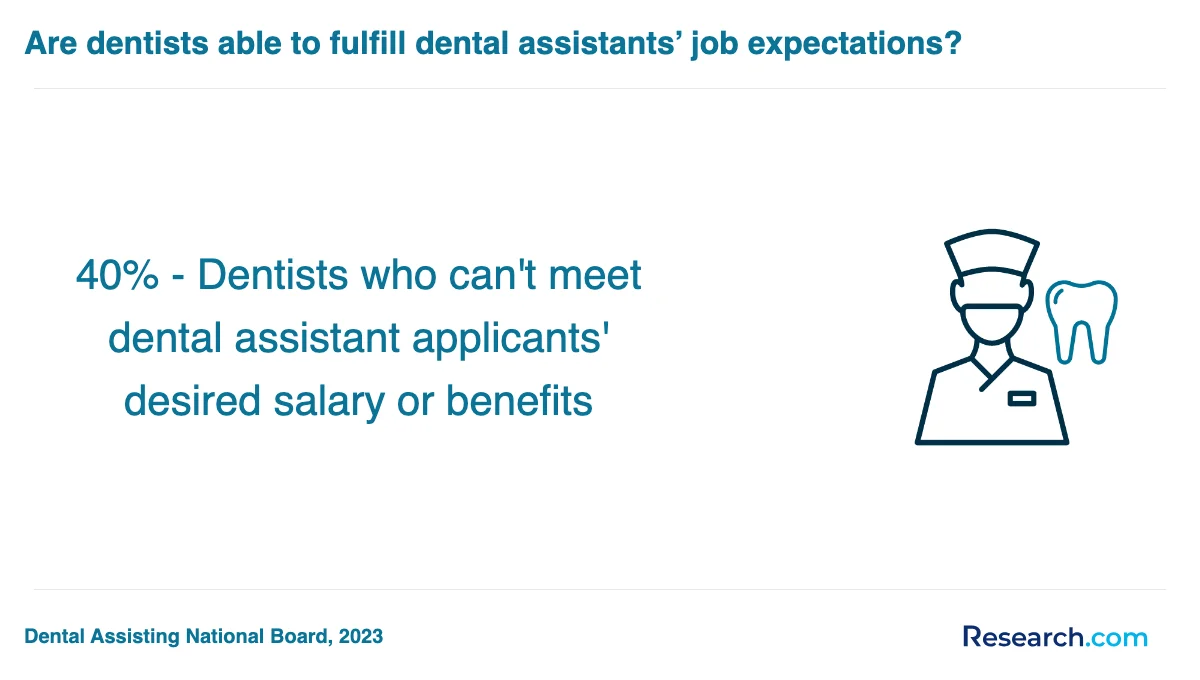
Dental assistant students in Massachusetts commonly rely on federal student aid, including Pell Grants and federal student loans, to help cover tuition costs. Completing the Free Application for Federal Student Aid (FAFSA) is essential to access these funds. Graduates from schools like Massasoit Community College have shared how Pell Grants, which do not require repayment, significantly eased their financial burden during training.
Massachusetts also offers state-specific support such as the need-based MASSGrant, which many dental assistant programs at community colleges and trade schools qualify for. Northern Essex Community College students often mention this grant as a helpful resource that made their education more affordable.
Additionally, several schools, including the Porter and Chester Institute, provide scholarships and flexible payment plans. Some students appreciate that certification exam fees are included in tuition, reducing unexpected expenses. For those already employed in dental offices, employer tuition assistance can be a practical option, with some employers sponsoring education in exchange for a work commitment after graduation.
Reaching out to each school's financial aid office is a crucial step to navigate deadlines and maximize available aid, ensuring a smoother path through dental assistant training in Massachusetts.
What are the prerequisites for enrolling in dental assistant trade schools in Massachusetts?
To enroll in a dental assistant trade school program in Massachusetts, you generally need a high school diploma or GED. This basic educational requirement ensures you have the foundational skills to handle coursework and hands-on training.
Many trade schools also expect applicants to demonstrate strong communication skills and a genuine interest in dental health. Graduates often recall how being comfortable around people and having a positive attitude helped them thrive in clinical settings right from day one.
Some programs may require applicants to pass a background check or provide proof of immunizations, reflecting the healthcare environment's safety standards. For example, graduates from popular Massachusetts schools mention that meeting these health and safety prerequisites made them feel prepared and confident entering patient care roles.
Additional prerequisites can include:
- Basic math and reading proficiency
- Ability to commit to full-time or part-time schedules
- Passing an entrance interview or assessment
By fulfilling these requirements, students position themselves for a smooth start in dental assistant training, making the experience both rewarding and manageable.

What are the typical courses in dental assistant trade schools in Massachusetts?
Dental assistant trade school programs in Massachusetts focus on practical and essential courses that prepare students to step confidently into dental offices. Graduates often highlight how anatomy and physiology of the oral cavity gave them a clear understanding of teeth and gums, which made chairside assisting feel natural from day one. Infection control is another key course, teaching strict hygiene protocols that graduates say helped them feel ready to maintain safe work environments immediately.
Typical courses include:
- Chairside assisting techniques, where students practice supporting dentists during real procedures in labs
- Dental materials and lab procedures, such as using intraoral cameras and scanners
- Radiology, enabling students to take dental X-rays and qualify for certification exams like the DANB CDA
- Legal and ethical aspects focused on Massachusetts regulations
- Office administration and patient record management, which many find useful for daily dental practice operations
Many students appreciate the clinical practicum or internship component, often requiring 400+ hours in local dental offices, where they gain hands-on experience that classroom learning alone can't provide. This real-world practice builds confidence and problem-solving skills crucial for a fast-paced dental environment in Massachusetts.
What are the available specializations in dental assistant trade schools in Massachusetts?
In Massachusetts, dental assistant trade school programs typically offer a variety of specializations tailored to prepare students for diverse roles within dental practices. The most foundational track is general chairside assisting, where graduates learn to support dentists during procedures, manage patient records, and maintain infection control across general dental offices. Popular trade schools like Northern Essex Community College provide hands-on experiences that build confidence in these essential skills.
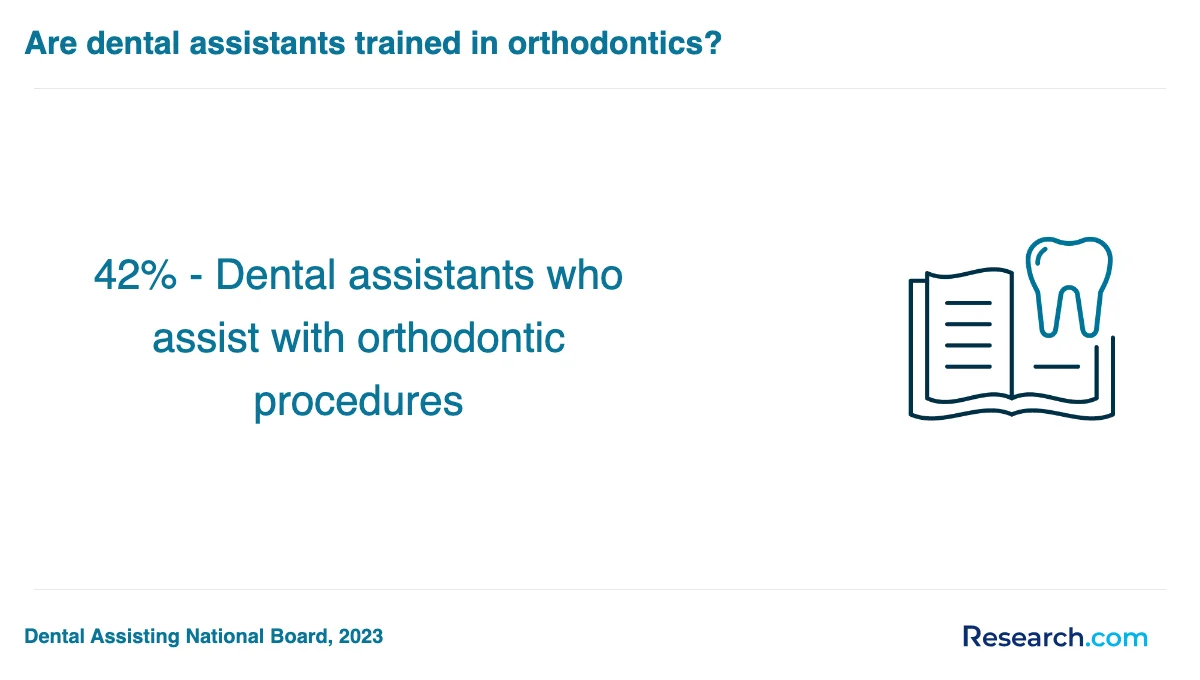
Many programs extend beyond basic training to cover specialty areas. Graduates benefit from courses in orthodontics, endodontics, periodontics, and pediatric dentistry, equipping them to assist with braces, root canals, gum treatments, and child dental care. This broad training matches well with the increasing demand for orthodontic dental assistant programs Massachusetts students seek when aiming for more specialized careers.
Additional certifications recognized by the Dental Assisting National Board include:
- Certified Orthodontic Assistant (COA): Assistance with orthodontic appliances and procedures
- Certified Preventive Functions Dental Assistant (CPFDA): Performing preventive care like fluoride application
- Certified Restorative Functions Dental Assistant (CRFDA): Supporting restorative dentistry procedures
Radiology training is also a must-have in all accredited Massachusetts programs, preparing students to take and develop dental X-rays, essential for both licensing and clinical practice.
Some students find it rewarding to combine clinical skills with knowledge in business office administration or dental laboratory procedures, enabling roles in dental billing or lab assistance. For anyone wondering what is the difference between a medical assistant and a dental assistant, these programs clarify the distinct clinical and administrative duties involved.
How do you choose the best dental assistant trade school program in Massachusetts?
When choosing the best dental assistant schools Massachusetts offers, start by verifying accreditation. Graduates from institutions like Massasoit Community College or Middlesex Community College often praise the clear structure and recognized credentials their CODA-accredited programs provide, which are crucial for licensing and future employment.
Consider how program length fits your lifestyle-some prefer a fast-paced 9-month program like Northeast Dental Academy's, while others benefit from more comprehensive two-year associate degrees available at places such as Mount Wachusett Community College. Students appreciate hands-on training combined with theoretical coursework, as seen in Bunker Hill Community College's model, which builds confidence through real lab experience.
Affordability is vital. Many seek affordable dental assistant programs Massachusetts schools offer, such as North Shore Community College with its reasonable tuition and payment plans. Before enrolling, check job placement support. Alumni from Boston Career Institute often highlight helpful internships and career counseling that smooth their transition to work.
Balancing tuition costs, program accreditation, and practical experience ensures you choose a path aligned with your goals and financial situation. For a realistic view of career prospects, explore how much do medical administrative assistant make as an example of related healthcare roles and opportunities.
What career paths are available for dental assistant trade school graduates in Massachusetts?
Dental assistant trade school graduates in Massachusetts quickly find that the field offers diverse and rewarding career options. Most begin working in private dental practices, specialty clinics, or community health centers, handling clinical tasks such as taking X-rays, sterilizing instruments, and managing patient records. Graduates from popular Massachusetts trade schools report feeling confident stepping into these roles due to hands-on training and real-world experience gained during their programs.
Advancement is straightforward in this state. Many pursue becoming a Registered Dental Assistant (RDA), which allows for higher pay and expanded responsibilities. Some go further to secure Expanded Function Dental Assistant jobs Massachusetts offers, performing complex clinical duties like applying sealants or placing fillings after additional certification. Graduates appreciate how these paths open doors to higher earning potential and job satisfaction.
Others leverage their dental assisting credentials to transition into teaching or continuing education in dental hygiene, expanding their career scope. For those balancing work and study, options like a fast dental assistant certificate online program keep progression within reach.
What is the job market for dental assistant trade school graduates in Massachusetts?
The dental assistant job outlook in Massachusetts remains strong, especially for graduates from well-regarded trade schools popular across the state. Many graduates describe landing roles quickly in busy urban centers like Boston, where average salaries can reach nearly $58,000 annually. Entry-level positions typically start between $40,000 and $45,000, with hourly rates around $25 to $28, reflecting the state's higher-than-average compensation.
Employment trends Massachusetts-wide show steady demand, particularly in cities such as Lowell and Newton, where starting wages often hit the mid-$20 range per hour. Graduates appreciate that beyond salary, many roles offer benefits like health insurance and paid time off, creating appealing compensation packages. The consistent local need for skilled dental assistants means new graduates from trade schools benefit not only financially but also from strong job security.
For prospective students weighing options, exploring the best online dental assistant certification programs offers flexible pathways to enter this growing workforce with confidence.
Frequently Asked Questions about dental assistant
After completing a dental assistant trade school in Massachusetts, preparing for the job market involves several important steps. First, obtaining certification from the Dental Assisting National Board (DANB) can improve employment prospects, as many Massachusetts employers prefer certified assistants. According to the Massachusetts Department of Labor, dental assisting jobs are expected to grow by 9% through 2030, indicating steady demand.
Networking is also crucial. Attend local dental association meetings and career fairs to connect with potential employers. Additionally, gaining hands-on experience through internships or externships offered during your program can provide valuable practical skills. Finally, prepare a professional resume highlighting your education, certifications, and clinical experience to stand out in the competitive job market.
Employers in Massachusetts seek dental assistant graduates who demonstrate a strong foundation in clinical skills and effective patient care. Proficiency in radiography, infection control, and chairside assisting is essential, as these are core competencies taught in accredited trade schools. According to the Massachusetts Department of Labor, communication skills are equally important, with 78% of employers emphasizing the ability to interact compassionately and clearly with patients.
Technical knowledge of dental software and administrative tasks is increasingly valued, reflecting the evolving role of dental assistants. Additionally, attention to detail and adherence to safety protocols are critical for compliance with state regulations and OSHA standards.
Finding internships in Massachusetts relevant to dental assistant trade school programs involves several practical steps. First, consult your school's career services or internship coordinator, as many trade schools maintain partnerships with local dental offices. According to the Massachusetts Dental Society, internships are often available through member practices seeking trained assistants.
Additionally, use online job portals like the Massachusetts Executive Office of Labor and Workforce Development's site, which lists healthcare internships, including dental assisting roles. Networking at local dental clinics and attending industry events can also increase your chances of securing an internship.
Keep in mind that some programs require a certain number of clinical hours, so early planning is essential to meet these standards while gaining practical experience.
Obtaining a dental assistant trade school diploma in Massachusetts significantly enhances career mobility and advancement opportunities. Graduates become eligible for the Dental Assistant Radiologic Health Program (DARHP) certification, allowing them to perform expanded duties such as dental radiography, which many employers prefer. According to the Massachusetts Division of Professional Licensure, certified dental assistants often earn higher wages and have better job stability than uncertified workers.
Completion of accredited programs also aligns with requirements for the Certified Dental Assistant (CDA) credential, which can open doors to supervisory roles or specialized clinical positions. The U.S. Bureau of Labor Statistics reports that dental assistant jobs in Massachusetts are projected to grow by 9% from 2022 to 2032, faster than the average for all occupations.
Furthermore, trade school diplomas facilitate continued education pathways, enabling graduates to pursue advanced dental careers or management roles within dental practices. This credential thus acts as a foundational step toward long-term professional growth in the state's dental health sector.
Students enrolled in dental assistant trade schools in Massachusetts can enhance their education by pursuing part-time jobs in dental offices or clinics. These roles often include dental receptionist positions, sterilization technicians, or dental aide assistants, which provide hands-on experience with patient care and office procedures.
According to the Massachusetts Executive Office of Labor and Workforce Development, dental assistants in the state earn an average hourly wage of around $20, making part-time roles financially beneficial as well. Additionally, gaining real-world experience helps students develop essential skills, such as patient communication and infection control, that complement their formal training.
Working part-time in a dental setting also improves networking opportunities, which can be crucial for securing full-time employment after graduation. These practical experiences align well with the requirements of Massachusetts' dental assistant certification exams, helping students prepare effectively for their careers.
To find the most affordable Dental Assistant degree program near me in Massachusetts, consider searching through local community colleges and vocational schools that typically offer cost-effective training options. Research.com can be a helpful resource to compare tuition rates and program specifics at various institutions near Massachusetts. Additionally, visiting campuses or attending informational sessions can provide insights into tuition, financial aid options, and overall program quality, allowing for an informed decision.
Related Dental Assistant Rankings for Nearby States
- Most Affordable Dental Assistant Schools & Training - Budget-Friendly Dental-Assistant Trade Programs in Rhode Island for 2026
- Most Affordable Dental Assistant Schools & Training - Budget-Friendly Dental-Assistant Trade Programs in Connecticut for 2026
- Most Affordable Dental Assistant Schools & Training - Budget-Friendly Dental-Assistant Trade Programs in New Jersey for 2026
- Most Affordable Dental Assistant Schools & Training - Budget-Friendly Dental-Assistant Trade Programs in Maine for 2026
- Most Affordable Dental Assistant Schools & Training - Budget-Friendly Dental-Assistant Trade Programs in West Virginia for 2026
- Most Affordable Dental Assistant Schools & Training - Budget-Friendly Dental-Assistant Trade Programs in Kentucky for 2026
- Most Affordable Dental Assistant Schools & Training - Budget-Friendly Dental-Assistant Trade Programs in North Carolina for 2026
- Most Affordable Dental Assistant Schools & Training - Budget-Friendly Dental-Assistant Trade Programs in Tennessee for 2026
- Most Affordable Dental Assistant Schools & Training - Budget-Friendly Dental-Assistant Trade Programs in Indiana for 2026
- Most Affordable Dental Assistant Schools & Training - Budget-Friendly Dental-Assistant Trade Programs in Michigan for 2026
Top Trending Rankings
References
- Career Pathways https://massdentalassisting.org/career-pathways
- How To Become A Dental Assistant In Massachusetts: A Complete Career Guide - Embrasure Space https://embrasurespace.com/dental-licenses/how-to-become-a-dental-assistant-in-massachusetts-a-complete-career-guide/
- Dental Assisting Technician Program - Bunker Hill Community College https://www.bhcc.edu/dental-tech/
- Dental Assisting Certificate - Day Program - NECC https://www.necc.mass.edu/academics/credit-programs/health/dental-assisting-certificate/
- Dental Assisting Career Paths Worcester, MA | NE Dental Academy https://www.nedentalacademy.com/career-paths.html
- On-the-job trained dental assistant: a resource guide for dental practices | Mass.gov https://www.mass.gov/news/on-the-job-trained-dental-assistant-a-resource-guide-for-dental-practices
- Dental Assisting - Blackstone Valley Regional Vocational Technical High School https://www.valleytech.k12.ma.us/programs/vocational/servicepathways/dentalassisting
- Dental Assistant - Boston Career Institute https://bostoncareer.org/dental-assistant/
- How to Prepare for Dental Assistant School | Unitek College https://www.unitekcollege.edu/blog/how-to-prepare-for-dental-assistant-school/
- Become a Dental Assistant | DANB https://www.danb.org/career-center/become-a-dental-assistant