2027 Most Popular Nursing Degree Programs Ranking in Statesboro

Co-Founder and Chief Data Scientist
Choosing the right nursing degree program is an important step toward a rewarding career in healthcare. If you're in Statesboro and exploring your options, this article is here to guide you.
The article features the 2027 Most Popular Nursing Degree Programs Ranking in Statesboro, created by the Research.com team of data scientists. This ranking helps you make an informed choice by highlighting programs that stand out in quality and reputation.
Reading this guide can give you confidence in your path and inspire you to take the next step toward a meaningful future in nursing.
Key benefits of getting nursing degree in Statesboro
- Nursing degree graduates in Statesboro can expect competitive salaries, with roles such as Registered Nurse, Clinical Nurse Educator, Public Health Nurse, and Emergency Room Nurse offering mean annual wages around $94,480.
- Graduates from Georgia Southern University, a popular choice in Statesboro, enjoy diverse career paths including hospital care, community health, and specialized nursing fields, giving flexibility and growth opportunities.
- Online nursing degrees from Georgia Southern offer convenience and flexibility, allowing students to balance study with life while accessing quality education that supports career advancement effectively.
- 2027 Most Popular Nursing Degree Programs Ranking in Statesboro
- What can I expect from nursing degree in Statesboro?
- Where can I work with nursing degree in Statesboro?
What can I expect from nursing degree in Statesboro?
The average cost of nursing degrees in Statesboro varies considerably depending on the institution and residency status. Graduates from Georgia Southern University, the most prominent local provider, often highlight more affordable tuition compared to private schools, which aligns with the public university's mission to support state residents. For example, many students pursuing a Bachelor of Science in Nursing (BSN) at Georgia Southern find the combination of tuition, fees, and supplies manageable due to available scholarships and financial aid targeted specifically at nursing students.
While tuition for public programs can be reasonable, some students express concern over indirect costs such as transportation to clinical sites and study materials, which add up throughout the program. Yet many credit the university's financial support services for easing these burdens, making the pursuit of nursing less financially daunting in Statesboro.
Anecdotes from nursing graduates often emphasize the value of clinical training covered by their tuition, coupled with preparation for the NCLEX-RN exam, as justifying the costs. Still, prospective students should weigh these factors carefully given rising education expenses and personal finances.
Where can I work with nursing degree in Statesboro?
Graduates from nursing programs at popular Statesboro institutions often find diverse employment opportunities due to the city's role as a regional medical hub. Many start their careers at the East Georgia Regional Medical Center, where they engage in fast-paced hospital environments offering acute care and emergency services. This setting allows graduates to apply their clinical skills directly, gaining confidence through hands-on experience with registered nursing or advanced practice roles.
Alternatively, some graduates choose outpatient clinics or private practices, focusing on primary care, chronic disease management, and patient education. These roles provide a more personal connection with patients, which many find rewarding, especially when working to improve community health among Bulloch County's aging population.
Others pursue careers in long-term care facilities, where they support elderly or disabled residents daily, responding to a rising local need for skilled nursing. Mental health clinics and public health agencies also attract graduates seeking specialized roles, reflecting expanding statewide efforts to address public health challenges highlighted during the COVID-19 pandemic.
While job growth in healthcare is promising, it's important for students to consider which environment suits their personal strengths and career goals as they navigate opportunities in Statesboro's varied healthcare landscape.
Graduates of nursing programs in Statesboro, such as those from Georgia Southern University, often enter the workforce with realistic salary expectations grounded in local data. Registered nurses in this area typically earn around $70,000 annually, though recent BLS figures nationally show a mean wage closer to $94,480. This discrepancy highlights the regional differences, but it also suggests room for growth as the healthcare sector expands locally.
For example, one graduate with a Bachelor of Science in Nursing began at about $58,000 annually, reflecting the starting range commonly seen here. More specialized roles, like operating room nurses, command significantly higher pay, with the national average nearing $128,490. This shows that advancing certifications or targeting high-demand specialties can substantially boost earnings.
Graduates appreciate the supportive environment of Statesboro's healthcare community, where facilities like East Georgia Regional Medical Center offer not only competitive pay but also benefits that include tuition reimbursement and shift differentials. This fosters both financial and professional growth for new nurses stepping into their careers.
- Nursing programs in Statesboro are mainly offered through Georgia Southern University, with in-state tuition for a BSN ranging from $8,000 to $10,000 per year.
- Out-of-state students typically pay over $18,000 annually for nursing degrees.
- Entry-level registered nurses in Statesboro earn around $58,000 per year, with salaries reaching approximately $75,000 after five to ten years.
- Licensure requires passing the NCLEX-RN exam, and local programs have high pass rates.
- BSN programs usually take four years, but accelerated or associate degrees can be completed faster and include clinical practice in Statesboro healthcare facilities.
In Statesboro, completing a nursing degree varies notably depending on the type of program chosen and previous education. For example, graduates from Georgia Southern University's ADN program often share how they achieved their RN licensure after just about two years, allowing them to quickly enter the workforce and begin applying hands-on skills. This accelerated entry feels rewarding for many who want to start their nursing careers promptly.
Conversely, students pursuing a BSN through local colleges describe a richer, more immersive experience that usually spans four years. They appreciate the blend of classroom theory and clinical practice, which fosters confidence and a deeper understanding of patient care. Some working nurses, already holding ADNs, find RN-to-BSN programs appealing because they can complete the degree in about 1 to 2 years, balancing work and study effectively.
For those looking ahead, the MSN track adds roughly two more years beyond the BSN, often motivating students with aspirations toward leadership or teaching. Importantly, flexible options in Statesboro, such as part-time or accelerated BSN programs, offer alternatives that fit varied lifestyles and schedules, proving that completion time is neither fixed nor uniform but adaptable to individual circumstances.
Many aspiring nurses begin their careers as Licensed Practical Nurses (LPNs) or Licensed Vocational Nurses (LVNs) before advancing to Registered Nurse (RN) roles. Bridge programs offer a streamlined path, allowing students to leverage hands-on LVN experience while completing prerequisites and clinical rotations required for an RN degree. In Statesboro, GA, institutions like Ogeechee Technical College and Georgia Southern University collaborate with local healthcare facilities to provide tailored LPN-to-RN curricula that emphasize critical thinking, advanced pharmacology, and leadership skills. Key benefits of these bridge programs include:
- Accelerated Credit Transfer: Coursework from accredited LPN diplomas often counts toward RN prerequisites, reducing overall time in school.
- Continued Employment: Many students maintain part-time LVN positions during evening or hybrid classes, ensuring steady income and real-world practice.
- Enhanced Clinical Experience: Priority placements in partnering hospitals for high- acuity rotations, such as med-surg and emergency care. If you’re exploring LVN foundations before committing to an RN track, you might compare program outcomes and entry requirements by reviewing our guide to the best texas lvn programs, which highlights accreditation standards, NCLEX-PN pass rates, and specialty tracks. This holistic approach helps you chart a clear, cost-effective journey from LVN to RN and beyond.
Deciding between online and on-campus nursing degrees in Statesboro hinges on how students balance hands-on practice with flexibility. On-campus programs, like those at Georgia Southern University, immerse students in daily in-person classes and direct clinical training within local hospitals. Graduates often describe a strong sense of community and immediate support from instructors and peers, which helps build confidence in crucial nursing skills.
Conversely, online programs offer convenience for those juggling work or family commitments, letting students access coursework remotely. Yet, these students still face the challenge of securing local clinical placements on their own, which requires initiative and resourcefulness. Some graduates appreciate the freedom online options provide but acknowledge the occasional sense of isolation compared to on-campus peers.
Both pathways meet recognized accreditation standards, yet the experience differs notably. On-campus nursing students benefit from structured schedules and face-to-face feedback, while online learners value flexible pacing, often completing studies through accelerated tracks that may reduce costs despite similar tuition ranges in Georgia.
Understanding a program’s NCLEX-RN pass rates and job placement helps you gauge its quality and support.
- Georgia Southern University: 98% NCLEX-RN pass rate, 94% employment within three months
- East Georgia State College: 95% pass rate, 90% job placement in local healthcare settings
- Ogeechee Technical College: 92% pass rate, 88% placement in hospitals and clinics
Graduates consistently highlight strong faculty support and hands-on training as key drivers of these outcomes. For those aiming to advance into clinical practice roles, explore nurse practitioner programs in florida for insights into NP education models.
The average nursing degree cost in Statesboro largely depends on residency status and the institution chosen, with in-state students benefiting from considerably lower tuition. For instance, graduates from Georgia Southern University often report an approximate total in-state cost near $6,000, which aligns with the median in-state total cost of around $6,022. This affordability is a strong motivation for many local students, who express relief at being able to pursue their education without overwhelming debt. Out-of-state students, however, face a steeper price tag that can exceed $32,000, reflecting the median out-of-state total cost and necessitating careful financial planning before enrollment.
In addition to tuition, many students note that expenses for textbooks, clinical materials, and necessary certifications add a significant amount, often around $1,500 annually, which should be considered when budgeting. Nursing programs in Statesboro frequently incorporate clinical courses that require hands-on materials, making these extra costs unavoidable but manageable. Scholarships and state aid, such as the HOPE Scholarship, have been crucial for numerous nursing students, offsetting costs and enabling them to focus on their studies without excessive financial stress.
Prospective students weighing the total cost of nursing programs Statesboro might also benefit from reading nursing universities dallas student reviews, as these provide a broader perspective on nursing education and expenses across different locations.
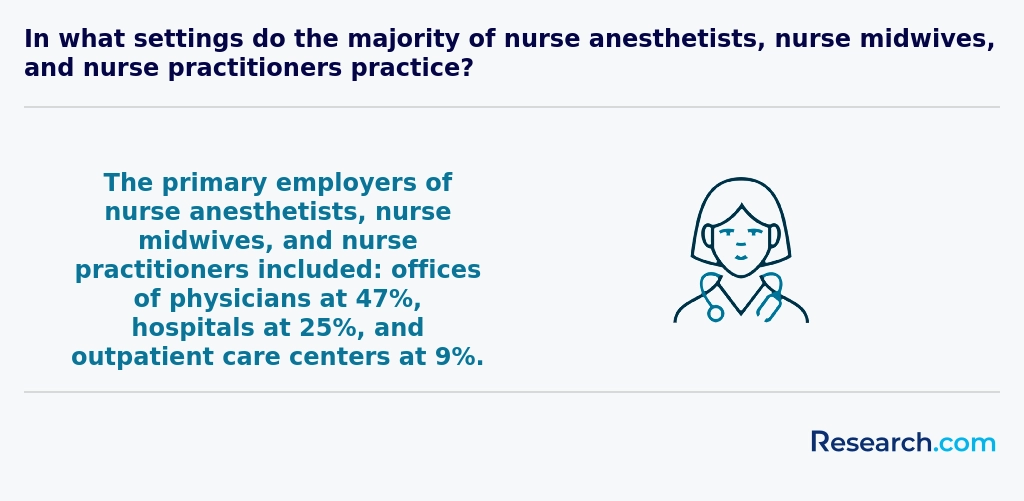
When selecting a nursing program in Statesboro, GA, it's essential to consider several factors to ensure you find the best fit for your educational and career goals. One crucial step is to research the popularity and reputation of nursing schools in your area, which can be found by visiting in demand nursing schools. This will provide you with valuable insights into the programs that are highly regarded by students and employers alike. Additionally, looking into the curriculum, clinical opportunities, and faculty expertise can give you a better understanding of what each program offers. By taking the time to thoroughly research and compare different nursing programs, you can make an informed decision that sets you up for success in your future nursing career.
Students pursuing nursing degrees in Statesboro often rely on federal financial aid such as Pell Grants and Direct Subsidized Loans. For example, a recent graduate from Georgia Southern University remembered the relief of receiving a Pell Grant that covered a significant portion of tuition, easing the burden of expensive nursing supplies. While Pell Grants-offering up to $7,395 annually-are vital for low-income students, they may not fully cover additional clinical costs, requiring smart budgeting or supplemental aid.
State programs like the HOPE Scholarship also play an important role. A nursing student at Savannah Technical College shared how maintaining a good GPA unlocked HOPE funds covering full tuition, alleviating worries about loan debt. Still, depending on academic performance, some students face gaps between aid and total expenses, highlighting the importance of exploring institutional scholarships or payment plans.
Loan forgiveness programs, such as the Nurse Corps Loan Repayment Program, specifically motivate graduates to work in underserved areas near Statesboro, balancing financial relief with service commitment. Many students find combining work-study opportunities offered locally helps with daily costs while gaining healthcare experience, making financial aid a mosaic of support rather than a single solution.
Statesboro’s nursing programs go beyond classroom instruction by offering robust support services designed to bolster student success from orientation through licensure. Academic tutoring centers provide one-on-one help in challenging subjects like pharmacology and anatomy, while dedicated NCLEX prep workshops-featuring practice exams and study groups-ensure graduates feel confident on exam day. Simulation labs equipped with high-fidelity mannequins allow students to rehearse critical procedures in a risk-free environment, translating theory into hands-on competence before clinical rotations. Beyond academics, campus resources play a pivotal role in well-being and professional development. Career services teams host resume reviews, mock interviews, and job fairs, connecting students with local hospitals, skilled nursing facilities, and telehealth opportunities. Student nursing associations offer mentorship, peer networking events, and volunteer clinics, fostering a sense of community and easing the transition into high-stress clinical settings. Mental health counseling is also available free of charge, helping students manage stress, build resilience, and maintain focus throughout rigorous semesters. For incoming students who may not meet traditional GPA cutoffs, it’s still possible to find programs that align with both your academic background and personal goals. Consider exploring nursing schools that don’t have a high gpa requirement to ensure you find the right fit while leveraging Statesboro’s comprehensive support network. By combining these resources with your determination, you’ll be well-prepared to excel in coursework, clinical placements, and ultimately, your nursing career.
Enrolling in a nursing degree program in Statesboro typically requires meeting clearly defined academic and practical prerequisites. Graduates from Georgia Southern University often recall the challenge and satisfaction of maintaining a minimum GPA around 2.5 to 3.0 while excelling in high school science and math courses, which are crucial foundations for their nursing studies. Many students found that completing prerequisite college courses such as anatomy, physiology, microbiology, and medical terminology before beginning nursing-specific training significantly boosted their confidence and preparedness.
Statesboro nursing programs frequently require applicants to pass entrance exams like the TEAS, which tests reading, math, and science skills. While some may view these exams as stressful hurdles, many graduates describe them as valuable tools that sharpen essential academic abilities. Practical requirements such as immunization records and background checks underscore the profession's commitment to safety and ethics, making students feel more responsible and ready for clinical environments early on.
Overall, these prerequisites reflect a balance between academic rigor and real-world readiness, helping prospective nursing students in Statesboro feel both challenged and supported as they pursue their goals.
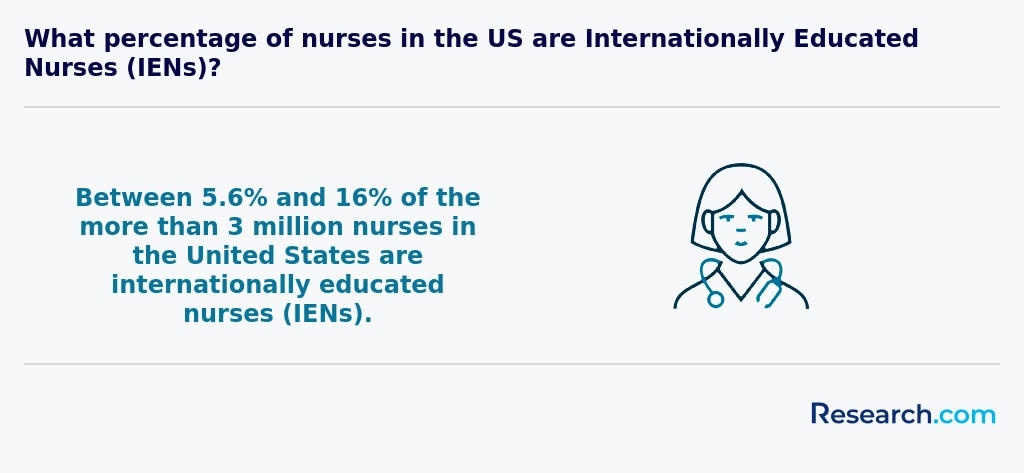
Statesboro nursing degree students benefit from a wide array of support services designed to foster academic success and professional growth. Academic advising centers provide personalized course planning and NCLEX® prep workshops, ensuring you stay on track from orientation through graduation. State-of-the-art simulation labs at Georgia Southern University and Ogeechee Technical College offer realistic clinical scenarios, allowing you to practice patient assessments, IV insertions, and emergency interventions in a controlled, feedback-rich environment. Tutoring and study groups are readily available through campus learning centers, where experienced peers and faculty lead sessions in anatomy, pharmacology, and pathophysiology. Many programs also feature dedicated career services teams that coordinate résumé reviews, mock interviews, and on-campus recruitment events with local healthcare employers. These resources often include alumni mentors who guide current students through licensure requirements and early-career challenges, strengthening your professional network before you even graduate. To support overall well-being, counseling services and student nursing associations host stress-management workshops, peer-support meetings, and community-building events. Whether you need guidance on clinical placements or help navigating financial aid options, Statesboro’s nursing programs ensure you have the tools and connections to thrive. For students exploring cost-effective alternatives beyond Statesboro, check out our Cheapest Nursing Degree Programs Ranking in Birmingham, AL to compare tuition rates and student support offerings.
Nursing degree programs in Statesboro commonly include foundational courses such as anatomy and physiology, microbiology, and pathophysiology. These provide students with a thorough understanding of the human body and disease processes-an essential base for practical nursing. Graduates from institutions like Georgia Southern University often recall how these classes helped them confidently interpret complex patient conditions during clinical rotations.
Pharmacology courses teach safe medication administration, while nutrition classes emphasize diet's impact on recovery, which many find empowering when advising patients. Basic nursing fundamentals introduce essential care techniques and ethical decision-making, skills students encounter early in their training.
Advanced courses like Medical-Surgical Nursing and Mental Health Nursing allow students to explore specific patient populations. For example, community health nursing offers insight into public health strategies, a highlight for those passionate about preventative care in Statesboro's diverse communities.
These programs balance theory and hands-on practice, often praised by recent graduates for preparing them to face real-world challenges with empathy and competence within local healthcare settings.
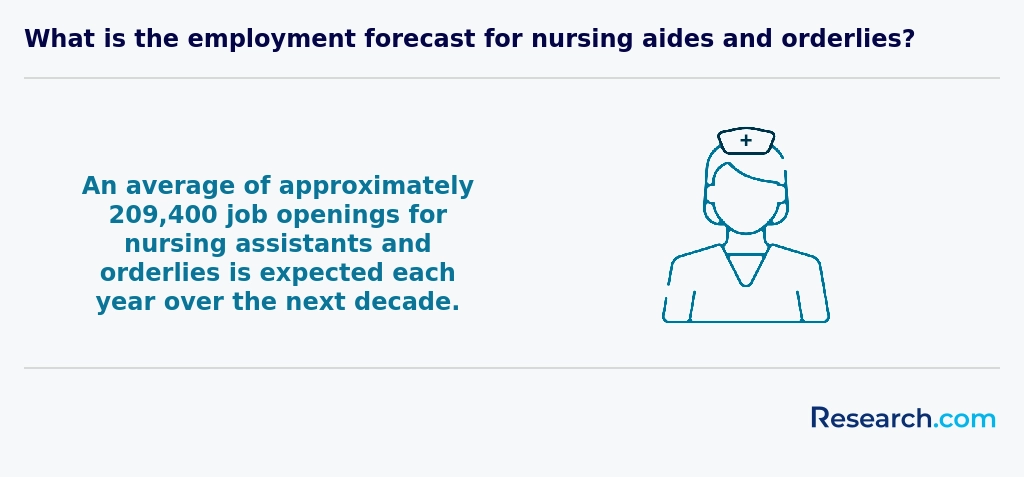
Nursing degree specializations in Statesboro commonly include core clinical tracks such as Family Nurse Practitioner (FNP), Pediatric Nursing, Geriatric Nursing, Psychiatric and Mental Health Nursing, and Critical Care Nursing. Graduates from Georgia Southern University often share how specializing in these areas gave them confidence to handle complex patient cases, from managing chronic illnesses in elderly patients to providing urgent care in intensive care units. These specializations reflect both the healthcare needs of the local population and broader national trends.
While many students find clinical paths fulfilling, others appreciate the growing options in nursing education, administration, and informatics, which address leadership and technology integration in healthcare systems. Navigating these choices in Statesboro may feel overwhelming, but students often report that tailored support at their institutions helps them align personal interest with career goals. It's important to consider that some graduates emphasize the value of diversifying skills, such as learning about diagnostic ultrasound services, which complements traditional nursing roles and expands job prospects.
Choosing the best nursing degree in Statesboro requires more than just comparing tuition fees. Graduates from local universities often highlight the importance of program accreditation and hands-on clinical experiences. For example, those who attended popular institutions in Statesboro valued partnerships with nearby healthcare centers like East Georgia Regional Medical Center, which enriched their learning beyond textbooks. Considering affordable nursing schools Statesboro GA offers can guide you to programs balancing cost with quality, but it's equally critical to verify NCLEX pass rates to ensure effective preparation for licensure.
Students pursuing a Bachelor of Science in Nursing (BSN) often mention the advantage of broader clinical training and improved job prospects in the region. Meanwhile, others found accelerated BSN programs helpful when transitioning from another degree, emphasizing personal career goals when selecting a nursing path. Financial aid options are also vital; they can make seemingly expensive options more accessible.
When reflecting on these choices, aspiring nurses might also explore the benefits of medical assisting career for alternative healthcare paths that complement nursing ambitions.

Graduates with a nursing degree in Statesboro find diverse career paths across healthcare settings, reflecting the city's unique blend of urban and rural medical environments. Many find fulfilling roles as Registered Nurses (RNs) or Licensed Practical Nurses (LPNs), providing vital patient care in local hospitals and clinics. Nursing students from Georgia Southern University often share how practical experiences in pediatric or geriatric wards deepen their commitment to sensitive and personalized care. These roles highlight the tangible impact nurses can make daily, fostering rewarding professional satisfaction.
Beyond traditional nursing roles, further education opens doors to specialized careers like Certified Nurse Practitioner or Nurse Educator positions, with graduates often stepping into leadership within community health or academic settings. Some choose to focus on clinical specialties such as oncology or cardiology, reflecting personal passion and local healthcare needs. Statesboro's nursing career opportunities emphasize both hands-on patient care and advanced practice, offering flexible pathways tailored to individual interests and goals.
With in-state tuition averaging $7,000 to $12,000 per year and strong community support, students benefit from accessible education paired with solid job prospects. For those seeking guidance, connecting with resources like nursing mentorship and guidance can provide valuable insight into navigating these rewarding healthcare jobs with nursing degree Statesboro.

The nursing degree job opportunities in Statesboro reflect a stable and growing healthcare environment, largely supported by institutions such as Georgia Southern University and East Georgia State College. Graduates often find positions quickly in hospitals and outpatient clinics, with many citing positive experiences in practical training that directly connects academic learning to job roles. However, while demand is steady, competition exists especially in desirable specialties, requiring students to distinguish themselves through experience and certifications.
Statesboro nursing career outlook 2027 anticipates steady growth in roles, particularly for registered nurses, driven by an aging population and expanding chronic care needs. Graduates have shared enthusiasm about diverse settings-from hospital floors to community health roles-where they can make meaningful differences. Many also pursue further education or specialize, supported by local healthcare employers who invest in continuing education. For those seeking more accessible and flexible pathways, options include pursuing an online PTA associate degree, which some combine with nursing credentials for broader career flexibility.
2027 Most Popular Nursing Degree Programs Ranking in Statesboro
Investing in your education is a significant decision that can shape your future, and the Research.com team understands the importance of making informed choices. To assist prospective students in Statesboro, we have meticulously crafted the "2027 Most Popular Nursing Degree Programs Ranking in Statesboro." Our commitment to quality, credibility, and accuracy is reflected in the extensive research and analysis conducted to compile this ranking.
We utilized the following reputable data sources to ensure a comprehensive evaluation of nursing programs:
Readers will gain valuable insights into the most popular and credible nursing degree programs in Statesboro, empowering them to make well-informed decisions about their educational paths. For more details on our methodology, please visit our Research.com methodology page.

Frequently Asked Questions About nursing
Nursing degree students in Statesboro can maximize their learning by actively engaging in clinical rotations offered through local healthcare facilities such as East Georgia Regional Medical Center. Practical experience complements classroom theory and develops essential patient care skills.
Utilizing campus resources at institutions like Georgia Southern University also enhances learning. These include simulation labs, tutoring centers, and nursing student organizations that foster peer collaboration and professional development.
Staying updated on the latest nursing research and evidence-based practices is crucial. Students should take advantage of databases and journals available through university libraries.
Networking with local healthcare professionals through internships or volunteer work helps build connections and better understand community health needs specific to Statesboro.
The nursing field is evolving rapidly, with new specialties gaining importance as healthcare needs change. In Statesboro, emerging nursing niches include telehealth nursing, which has expanded due to increased demand for remote care. The Bureau of Labor Statistics highlights that roles in telehealth are expected to grow significantly nationwide through 2030.
Another growing area is gerontological nursing, reflecting the aging population in Georgia. Nurses specializing in elderly care are essential in Statesboro's healthcare facilities. Additionally, nurse informaticists, who blend nursing and technology skills, are becoming critical for managing health data effectively.
These niches offer promising career paths within the nursing profession in Statesboro. They combine traditional care with new technology and specialized patient needs.
After completing a nursing degree in Statesboro, preparing for the job market involves several key steps. First, obtaining licensure by passing the NCLEX-RN exam is mandatory to practice as a registered nurse in Georgia. This ensures you meet state and national standards.
Statesboro's healthcare sector is growing, with local hospitals like East Georgia Regional Medical Center frequently hiring new graduates. Networking through clinical rotations and local nursing associations can improve job prospects significantly. According to the Georgia Department of Labor, registered nurse employment in the region is expected to grow by about 12% through 2030, reflecting steady demand.
Additionally, gaining certifications in specialized areas-such as gerontology or pediatrics-can differentiate candidates. Continuing education and attending job fairs at institutions like Georgia Southern University's Waters College of Health Professions also bolster readiness for competitive positions.
Employers in Statesboro prioritize strong clinical skills when hiring nursing degree graduates. Proficiency in patient care, medication administration, and emergency response are essential. According to the Georgia Board of Nursing, candidates must demonstrate effective communication, critical thinking, and teamwork abilities. These skills ensure safe and efficient collaboration in healthcare settings.
Nursing graduates in Statesboro also need adaptability due to evolving medical technologies and protocols. Familiarity with electronic health records (EHR) systems is increasingly valued. Additionally, local healthcare employers emphasize cultural competence, reflecting Statesboro's diverse patient population, to provide respectful and personalized care.
Finding nursing internships in Statesboro involves several strategic steps tailored to local healthcare opportunities. Students should start by contacting the clinical placement offices of nursing programs at institutions such as Georgia Southern University, which collaborates with regional hospitals. These hospitals include East Georgia Regional Medical Center and Candler Hospital, both known for offering clinical internship slots.
Additionally, students can explore internships via local health departments or community clinics. Networking with faculty and attending local healthcare job fairs can also connect students to internship opportunities.
According to the Bureau of Labor Statistics, internships improve employment chances by 20% for nursing graduates nationwide.
A nursing degree significantly enhances career mobility and advancement opportunities in Statesboro. Education from local accredited institutions, such as Georgia Southern University, equips students with essential clinical skills and licensure eligibility to work across various healthcare settings. According to the U.S. Bureau of Labor Statistics, registered nurses in Georgia enjoy a projected 12% job growth through 2031, reflecting strong local demand. Holding a degree often leads to higher-paying roles like nurse practitioner or clinical nurse specialist, which require advanced education. In Statesboro, many healthcare employers prefer candidates with formal nursing degrees for leadership and specialized positions, supporting upward career movement.
Studying for a nursing degree in Statesboro equips students with skills that foster collaboration within interdisciplinary healthcare teams. Programs emphasize communication and teamwork, enabling nurses to work effectively alongside doctors, therapists, social workers, and pharmacists. According to the Georgia Board of Nursing, curricula in Statesboro incorporate case studies and clinical rotations in diverse healthcare settings, preparing students to handle complex patient needs collaboratively.
The inclusion of evidence-based practice and informatics coursework enhances nurses' ability to contribute to shared decision-making processes. Local clinical partnerships, including facilities like East Georgia Regional Medical Center, offer hands-on experience in interdisciplinary care environments. This practical exposure develops critical thinking and adaptability, key attributes for managing varied patient care scenarios.
Choosing between a thesis and a non-thesis nursing degree program in Statesboro depends largely on your career goals and learning preferences. Thesis programs typically appeal to students interested in research or pursuing advanced academic roles. Completing a thesis involves considerable time conducting original research, which helps develop critical thinking and analytical skills.
Non-thesis programs often focus more on practical skills and clinical experience, ideal for those aiming to enter nursing practice or management quickly. According to the National League for Nursing, many employers in Georgia value hands-on experience highly, especially in clinical settings like those available in Statesboro's healthcare facilities.
Your choice should also consider your time availability, since thesis options usually require an extended timeline for research and writing. Speak with academic advisors in Statesboro schools for detailed program structures and expectations.
Students based in Statesboro seeking to study nursing abroad have several pathways to consider. While Statesboro itself offers strong nursing programs, such as those at Georgia Southern University, students interested in gaining international experience typically engage in exchange programs or study abroad opportunities offered through their home institutions. These programs often partner with universities in countries like the United Kingdom, Australia, and Ireland, noted for their advanced nursing education systems.
It is important for students to verify that courses taken abroad will transfer and apply toward their nursing degree credits in the US. Additionally, students should consider the requirements for sitting for the NCLEX-RN exam upon returning, as foreign coursework must meet state licensing standards.
According to recent data from the National Council of State Boards of Nursing (NCSBN), about 10% of US nursing students participate in international studies during their program, demonstrating growing interest in global nursing education. Students should consult their academic advisors early to explore approved study abroad programs compatible with their degree plans in Statesboro.
Students pursuing nursing degrees in Statesboro have access to various part-time job opportunities that can complement their education. Positions such as certified nursing assistants (CNAs), home health aides, and medical assistants are popular choices. These roles provide practical experience with patient care and clinical settings, enhancing both skills and resumes.
According to the Georgia Department of Labor, healthcare support occupations in Bulloch County, where Statesboro is located, are projected to grow by over 15% from 2022 to 2032. Local hospitals and long-term care facilities often hire nursing students part-time, allowing flexible schedules to accommodate classes.
Additionally, jobs in community health centers and outpatient clinics offer exposure to diverse patient populations and health education roles. These positions not only build clinical competencies but also improve communication and time management abilities essential for nursing careers.
Nursing students in Statesboro have access to various networking opportunities that can enhance their careers. Georgia Southern University, the region's primary institution for nursing education, hosts the Student Nurses Association, which connects students with local healthcare professionals.
Additionally, students benefit from clinical placements in nearby hospitals like East Georgia Regional Medical Center. These real-world experiences often lead to professional contacts and mentorships.
Regular workshops, health fairs, and community outreach programs provide further occasions to meet practicing nurses and nursing leaders. According to Georgia Southern's School of Nursing, over 85% of students secure internships through these connections.
Alumni networks offer significant benefits to nursing degree students in Statesboro by providing valuable professional connections. These networks often include practicing nurses, faculty, and healthcare administrators who share insights about job openings and clinical placements.
According to the Georgia Board of Nursing, strong networking can improve employment rates for graduates by up to 20%. Alumni connections also facilitate mentorship opportunities, helping students navigate the complexities of nursing licensure and certification processes.
Moreover, alumni often organize workshops and continuing education sessions, enhancing skills outside the classroom. For Statesboro nursing students, tapping into these networks can smooth transitions into careers within local hospitals and clinics.
Customizing a nursing degree program in Statesboro allows students to focus on areas that best match their career goals. Many institutions offer specialization options such as pediatric, geriatric, or psychiatric nursing, which help tailor education to specific fields.
Students can also choose between traditional, online, or hybrid course formats, providing flexibility around work or family commitments. Clinical placements in Statesboro-area hospitals and community health centers offer hands-on experience and networking opportunities.
Additionally, some programs enable students to pursue certifications or advanced nursing roles, like nurse practitioner tracks, aligning education with long-term objectives. According to the Georgia Board of Nursing, the demand for specialized nurses in Statesboro has grown by 8% over the past five years.
Nursing students in Statesboro face several common challenges throughout their education. One major issue is balancing demanding coursework with clinical rotations, which require significant time and energy. Many students report stress related to maintaining high academic performance while gaining practical experience in local healthcare settings. According to the Georgia Board of Nursing, clinical site availability in Statesboro can be limited, increasing competition among students for placements.
Financial concerns also affect many nursing students, as tuition fees and program costs in Georgia have risen steadily over recent years. Additionally, navigating licensure requirements and passing the NCLEX exam pose significant hurdles, with the Georgia state pass rate averaging around 85% in recent years.
With a nursing degree in Statesboro, graduates can pursue several professional certifications that enhance their career opportunities. Common certifications include the Registered Nurse (RN) license, which is required to practice nursing in Georgia. Beyond the RN license, nurses can specialize by earning certifications such as Certified Nurse Practitioner (CNP), Certified Nurse Midwife (CNM), or Certified Registered Nurse Anesthetist (CRNA).
Additionally, certifications like Basic Life Support (BLS) and Advanced Cardiovascular Life Support (ACLS) are essential for many nursing roles. According to the Georgia Board of Nursing, maintaining active licensure requires continual education, often linked to these certifications. These qualifications not only demonstrate expertise but also often lead to higher salaries and greater job security within Statesboro's growing healthcare sector.
Writing a winning application for a nursing program in Statesboro requires clear focus on both academic and personal qualifications. Admissions committees typically expect a strong GPA, especially in science courses like biology and chemistry. According to the Georgia Board of Nursing, competitive applicants often have a GPA above 3.0. Including relevant healthcare experience, such as volunteer work or employment in medical settings, can significantly strengthen your candidacy.
Crafting a compelling personal statement is essential. Highlight motivations for pursuing nursing, understanding of the profession, and commitment to patient care. Proofread carefully to avoid errors and seek feedback from mentors. Letters of recommendation from healthcare professionals or instructors familiar with your dedication are also highly valued.
Meeting application deadlines and ensuring all documents, including transcripts and test scores, are submitted on time is crucial. Nursing programs in Statesboro, like those at Georgia Southern University, prioritize punctual and organized applicants.
The nursing profession holds a vital role worldwide, offering diverse career opportunities and global mobility. In the United States, including Statesboro, nursing education follows rigorous standards regulated by bodies like the American Nurses Credentialing Center (ANCC). Globally, nurses are in high demand, with the World Health Organization (WHO) projecting a worldwide shortage of 5.9 million nurses by 2030.
Statesboro benefits from this global trend as local programs prepare students for international credentials and work environments. A nursing degree from accredited institutions here allows graduates to pursue careers in hospitals, research, or public health anywhere.
Understanding global nursing standards strengthens the employability of students from Statesboro, making nursing a stable and respected profession both locally and abroad.
Gaining practical experience while studying for a nursing degree in Statesboro typically involves clinical rotations, which are a core part of accredited nursing programs. These rotations allow students to work in local hospitals, clinics, and long-term care facilities under professional supervision. For example, Memorial Health University Medical Center in nearby Savannah often partners with nursing programs to provide clinical placements.
Additionally, students may engage in simulation labs offered by schools, which use realistic scenarios to build hands-on skills safely. Volunteer opportunities in healthcare settings around Bulloch County can also enhance practical learning and professional networking.
According to the Georgia Board of Nursing, clinical experience requirements ensure students gain sufficient patient care exposure to prepare for licensure exams and real-world nursing tasks.
Choosing the right concentration within a nursing degree program in Statesboro involves understanding your career goals and the local healthcare landscape. Statesboro, home to East Georgia Regional Medical Center, offers diverse opportunities in fields like gerontology, pediatric nursing, and acute care due to its demographic and healthcare needs.
Consider which patient populations interest you most. For example, Georgia's aging population increases demand for geriatric nurses, while pediatric nursing remains crucial in community health clinics.
Research the specific curriculum and clinical experiences offered by local programs such as Georgia Southern University. Their partnerships with nearby hospitals provide hands-on training vital for specialization.
Additionally, review state licensing requirements and employment data from the Georgia Board of Nursing and the Bureau of Labor Statistics, which highlight in-demand nursing roles in the Statesboro area.
- 2027 Most Popular Nursing Degree Programs Ranking in Macon
- 2027 Most Popular Nursing Degree Programs Ranking in Columbia
- 2027 Most Popular Nursing Degree Programs Ranking in Jacksonville
- 2027 Most Popular Nursing Degree Programs Ranking in Atlanta
- 2027 Most Popular Nursing Degree Programs Ranking in Charlotte
- 2027 Most Popular Nursing Degree Programs Ranking in Orlando
- 2027 Most Popular Nursing Degree Programs Ranking in Birmingham
- 2027 Most Popular Nursing Degree Programs Ranking in Tampa
- 2027 Most Popular Nursing Degree Programs Ranking in Mobile
- 2027 Most Popular Nursing Degree Programs Ranking in Hattiesburg
See What Experts Have To Say About Studying Nursing
Read our interview with Nursing experts

Lisa Grubb
Nursing Expert
Assistant Professor
Johns Hopkins School of Nursing

- Nursing Jobs In Georgia https://gane.nursingnetwork.com/nursing-jobs
- Nursing Study Abroad Programs | Go Overseas https://www.gooverseas.com/study-abroad/nursing
- Job Details - College Nursing Jobs https://www.collegenursingjobs.com/job-details
- Nursing Schools In Statesboro, GA https://www.nursingschools.com/schools/georgia/statesboro/
- Nursing - Ogeechee Technical College https://www.ogeecheetech.edu/academics/nursing
- Nurse Salary https://nursinglicensemap.com/resources/nurse-salary/
- Nursing Degree You Need to Become an RN https://www.allnursingschools.com/registered-nursing/degrees/
- Exploring Diverse Nursing Career Horizons - N2S Healthcare Blog https://n2shealthcare.com/blog/exploring-diverse-nursing-career-horizons-n2s-healthcare-blog
- Nursing Loan Repayment, Scholarship, and Grant Programs https://bhw.hrsa.gov/nursing-programs
- Bulloch Schools' Allied Health & Medicine career pathway ... https://www.bulloch.k12.ga.us/news-feed-data/bullochs