
2027 Best MBA Degree Programs Ranking in Alabama

Co-Founder and Chief Data Scientist
Choosing the right MBA degree program can shape your career and open new opportunities. Our article presents the 2027 Best MBA Degree Programs Ranking in Alabama, crafted by the Research.com team of data scientists to guide you in making an informed decision.
Whether you seek career advancement or new skills, this ranking highlights programs that deliver real value. Reading this article will help you understand your options and feel confident about investing in your future.
Discover how an MBA can transform your professional path today.
Key benefits of getting MBA degree in Alabama
- Although specific salary data for MBA graduates in Alabama is unavailable, MBA holders in the US typically earn higher wages, with median salaries often exceeding $90,000 annually, reflecting rewarding financial opportunities.
- Graduates from popular Alabama universities like the University of Alabama often pursue diverse careers in management, finance, or entrepreneurship, unlocking exciting possibilities tailored to their skills and ambitions.
- Completing an MBA online from institutions such as Auburn University offers flexibility and convenience, allowing students to balance work and life while gaining valuable knowledge and advancing their careers.
- 2027 Best MBA Degree Programs Ranking in Alabama
- What can I expect from MBA degree in Alabama?
- Where can I work with MBA degree in Alabama?
What can I expect from MBA degree in Alabama?
The average cost of an MBA degree in Alabama ranges from $15,000 to $30,000 for the entire program, making it an appealing choice for those seeking quality education without overwhelming debt. Graduates from Auburn University's Harbert College of Business often share how this affordability allowed them to focus on learning and networking rather than financial stress. Meanwhile, students at The University of Alabama's Culverhouse College of Business appreciate how manageable tuition, paired with flexible schedules, fits perfectly alongside work and family life.
Many students enjoy the benefit of scholarships and assistantships that ease costs even further, transforming their educational journey into an exciting and accessible adventure. Imagine balancing evening classes online while working full-time, knowing that your tuition is considerably less than programs in other states. This balance not only fuels determination but builds confidence that pursuing an MBA in Alabama is a wise investment both professionally and personally.
Where can I work with MBA degree in Alabama?
With an MBA from Alabama's top programs like the University of Alabama or Auburn University, graduates dive into vibrant career landscapes brimming with opportunity. Picture yourself working in Birmingham's bustling financial district, managing projects for leading banks or insurance firms, where sharp financial analysis and leadership skills open doors to exciting roles.
In Huntsville, MBA holders find themselves at the crossroads of innovation, collaborating with tech startups or aerospace giants linked to NASA. Imagine the thrill of driving strategic initiatives that shape cutting-edge technologies or streamline defense contracts, a common success story from local MBA alumni.
Healthcare administration is another rewarding path. Graduates often step into dynamic hospital systems across Alabama, applying both business strategy and compassion to transform patient care and organizational growth. Their business acumen helps run complex operations seamlessly.
Over in Mobile, MBA grads lead in manufacturing hubs like Mercedes-Benz plants, orchestrating supply chains and production lines that keep Alabama's economy humming. Whether in government or nonprofits, many find fulfilling roles where they make real community impact, proving an MBA here is a passport to diverse, exciting careers.
Pursuing an MBA in Alabama can open doors to rewarding careers with salaries that reflect your dedication and skills. Graduates from institutions like the University of Alabama or Auburn University often start with salaries around $65,000 to $80,000 in fields such as finance, marketing, and management. Imagine stepping into a role in Birmingham's thriving business sector, where your MBA helps you quickly advance and boost your earnings.
As experience grows, many alumni find themselves earning between $90,000 and $110,000, enjoying the sense of accomplishment that comes with career progress. For those reaching executive roles in cities like Huntsville, six-figure salaries over $130,000 are not uncommon, especially in aerospace or manufacturing firms such as Boeing or Mercedes-Benz. Graduates often share stories of feeling empowered by their increasing financial independence and the comfortable lifestyle their salary affords in Alabama's affordable cost environment.
Studying and working in Alabama gives MBA holders a unique chance to thrive, combining competitive pay with a welcoming community and growing industries eager for fresh talent.
- The total cost of an MBA program in Alabama ranges from about $25,000 to $40,000 at public universities and can exceed $50,000 at private schools.
- Average starting salaries for MBA graduates in Alabama are around $70,000 per year, increasing to about $110,000 mid-career depending on the industry.
- Key sectors hiring MBA graduates include finance, healthcare administration, manufacturing, and technology, with cities like Birmingham, Huntsville, and Montgomery offering strong job markets.
- Many Alabama MBA programs provide flexible options such as part-time, evening, or online classes to accommodate working professionals.
- MBA degrees from accredited Alabama schools are recognized nationwide, with program quality influenced by accreditation, faculty expertise, and alumni networks.
On the flip side, many working professionals at the University of Alabama find part-time or online MBAs perfect for balancing a job, family, and study. These paths stretch closer to three years, offering a flexible rhythm that fits life's unpredictability while steadily building business mastery. Graduates often describe a satisfying blend of challenge and convenience here, feeling empowered as they juggle roles and responsibilities.
Credit load, course choices, and prior experience can trim or extend your timeline. Whether you're jumping in full-time or crafting a personalized part-time schedule, Alabama's MBA programs offer a variety of pathways to match your ambition and pace.
Choosing between an online and an on-campus MBA in Alabama opens a world of possibilities. Imagine attending lively discussions and networking events at Auburn University's campus, where face-to-face connections spark friendships and career opportunities. Graduates often describe the electric buzz of real-time collaboration with professors and peers as invigorating and inspiring.
On the flip side, picture managing your coursework from home or a cozy café while balancing a full-time job-many online MBA students at the University of Alabama cherish this flexibility. The ability to study asynchronously means you set your own pace, perfect for those juggling family commitments or unpredictable work hours.
Tuition differs slightly, with on-campus programs typically ranging from $25,000 to $45,000, while online options hover between $20,000 and $40,000. Many students appreciate the savings on commuting and housing, turning costs into opportunities to invest elsewhere.
Whether charging through face-to-face classrooms or carving your path digitally, Alabama's MBA programs deliver solid business knowledge wrapped in unique experiences that fit your lifestyle and ambitions.
Understanding the ROI of pursuing an MBA in Alabama is critical for making an informed decision. On average, tuition and fees for a two-year full-time MBA at public institutions in Alabama range from $50,000 to $70,000 for in-state residents, plus living expenses of approximately $20,000 per year. Graduates report starting salaries between $70,000 and $90,000-which often translates to a salary premium of $20,000 to $30,000 above those with only a bachelor’s degree. By dividing the total program cost by the average annual salary increase, the typical payback period for an Alabama MBA is roughly 2.5 to 3.5 years. Key factors that influence ROI include:
- Program Format: Online or hybrid MBAs can reduce living expenses and opportunity cost.
- Specialization: Tracks like Healthcare Management or Business Analytics often command higher starting salaries, shortening the breakeven period.
- Financial Aid and Scholarships: Leveraging graduate assistantships or merit-based scholarships can lower net cost by up to 30%, directly improving ROI. For prospective students seeking even more budget-friendly options outside Alabama, our Most Affordable MBA Degree Programs Ranking in Pennsylvania offers a comparative look at programs where tuition and living costs may be lower, yet ROI remains strong. By thoroughly evaluating costs, expected salary uplift, and available financial aid, you can project your personal payback timeline and choose an MBA program in Alabama that delivers the highest return on your educational investment.
The average cost of a MBA degree in Alabama offers an inviting mix of affordability and quality, especially for residents aiming to maximize their educational investment. For many students, paying around $12,156 as an in-state resident opens the doors to programs at institutions like the University of Alabama or Auburn University, where passionate graduates have shared how these costs felt manageable amid their academic ambitions. These public universities provide a pathway to earning an MBA without the overwhelming financial burden often associated with graduate education, making the journey enjoyable and motivating.
Out-of-state students face a higher price tag, with median costs around $34,875, reflecting a common experience among those exploring Alabama's appealing programs from beyond its borders. This cost reflects a balanced value when considering the rich curriculum and career opportunities. Private colleges can demand even more, with tuition surpassing $30,000, yet many find these schools' unique settings and specialized offerings well worth the investment, creating memorable and transformative educational stories.
MBA tuition and fees Alabama 2027 estimates help potential students plan realistically for their futures. Beyond tuition, additional expenses like textbooks and fees play a role, but the overall outlook remains optimistic, with scholarships and employer support frequently offsetting costs.
Those curious about the cheapest mba schools in alabama can take advantage of resources such as the Alabama Commission on Higher Education or research individual programs carefully to discover the best fit for their budget and career goals.

Evaluating the return on investment (ROI) for an MBA program in Alabama means weighing total program costs against expected salary gains and career growth. On average, Alabama MBAs cost between $70,000 and $100,000 (tuition, fees, and living expenses), while graduates report starting salaries ranging from $70,000 to $90,000-often representing a $20,000–$30,000 annual increase over pre‐MBA earnings. Key ROI metrics: • Payback Period: Most graduates recoup their investment within 3–4 years, factoring in salary increases and potential bonuses. • Salary Multiple: With an average salary boost of 30–40%, ROI ratios often exceed 1.3x in the first year post‐MBA. • Debt-to-Earnings Ratio: Graduates who leverage assistantships or scholarships see lower debt burdens, accelerating their break-even point. Strategic tips to maximize ROI: 1. Prioritize programs with strong corporate partnerships and robust career services to secure higher‐paying roles faster. 2. Seek merit‐based fellowships or graduate assistantships to reduce out‐of‐pocket tuition. 3. Compare full‐time, part‐time, and online formats to balance work income with education costs. Students comparing ROI often seek budget-friendly alternatives; for additional insights into cost-efficient MBA options, explore our Most Affordable MBA Degree Programs Ranking in Pennsylvania to benchmark affordability and outcomes across markets.
Unlocking an MBA in Alabama often begins with tapping into a treasure trove of financial aid options that turn ambitious dreams into achievable realities. At the University of Alabama, many graduates share how merit-based scholarships eased their journey, rewarding strong academics and leadership flair with partial to full tuition support. Imagine securing an award that lightens your financial load just as you dive into intense case studies and networking events.
Federal loans like the Direct Unsubsidized Loan and Grad PLUS Loan have been game-changers for students at Auburn University, providing flexible funds for tuition and living costs. Filing the FAFSA early is a common piece of advice from successful candidates who navigated this process smoothly.
Many MBA seekers working full-time celebrate employer sponsorships, where companies invest directly in their executive or part-time programs. A graduate from an Alabama business school recalls how tuition reimbursement made balancing work and study an exciting, rather than overwhelming, adventure.
Beyond this, some schools offer assistantships combining tuition waivers with part-time work. And don't forget state grants and regional scholarships-like those from the Alabama MBA Network-that can add extra fuel to your educational journey.
When considering an MBA program in Alabama, affordability is a crucial factor. Prospective students often find themselves weighing the costs and benefits of different programs. To make informed decisions, it's essential to explore options such as the cheapest mba schools in alabama, which can offer quality education at a lower cost. Understanding the financial implications of pursuing an MBA, including tuition fees, living expenses, and potential financial aid, is vital for planning a successful academic and professional journey. By examining the various financial aspects and available resources, students can choose an MBA program in Alabama that fits their budget and supports their career goals.
Diving into an MBA program in Alabama means stepping up with a bachelor's degree from an accredited institution-a foundational key that opens doors at places like the University of Alabama and Auburn University. Imagine a graduate recalling how submitting a GMAT score was a thrilling checkpoint, though some peers breeze through with a GRE or even a test waiver thanks to their strong academic or professional track records.
Work experience, usually two to five years, adds real-world spice to your journey. Alumni often share how their time in the business world transformed abstract theories into lively class debates and hands-on projects that resonated deeply. Crafting a resume and gathering letters of recommendation become adventures in storytelling, highlighting leadership moments that paint a vivid picture of your potential.
Writing a personal essay feels like charting your own path, where you express your ambitions and passions-this is where your unique voice shines. For international explorers, showcasing English proficiency through TOEFL or IELTS ensures smooth communication, making the Alabama MBA experience inclusive and dynamic.
- Bachelor's degree from an accredited institution
- GMAT or GRE scores, unless waived
- Two to five years of professional experience
- Resume and letters of recommendation
- Statement of purpose or personal essay
- English proficiency test for international students
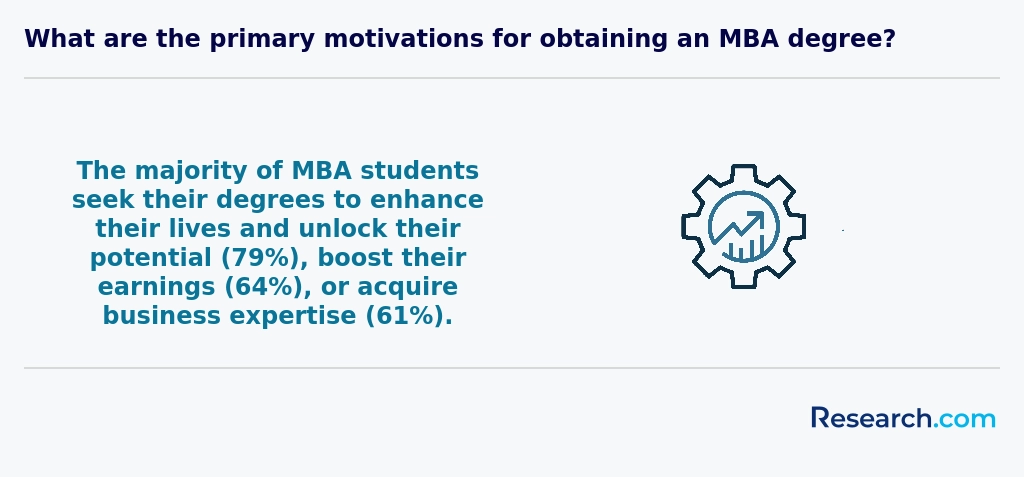
Diving into an MBA program in Alabama means embarking on a journey through courses that shape you into a confident business leader. Imagine walking the halls of the University of Alabama, where graduates often recall mastering Accounting for Managers, unlocking the language of financial statements to navigate real-world business decisions with ease. In classes like Marketing Management, students enthusiastically analyze consumer behavior, crafting strategies that feel like solving fascinating puzzles tailored to dynamic markets.
At Auburn University, many find the Organizational Behavior course eye-opening-discovering how leadership styles influence team dynamics and learning to inspire others effectively. Meanwhile, hands-on lessons in Financial Management invite you to become fluent in budgeting and investment tactics, skills that graduates say boost their confidence in managing company resources.
The curriculum's adventurous spirit continues with Operations Management and Strategic Management, courses that transform abstract theories into exciting challenges like optimizing supply chains or crafting winning business strategies. Plus, engaging in Business Ethics prompts thoughtful reflection on making impactful, responsible choices in the bustling business world of Alabama.
When exploring MBA specializations offered in Alabama, you uncover a thrilling variety that truly matches the state's dynamic industries. Graduates from top schools like the University of Alabama at Birmingham often share how specializing in Finance sharpened their skills in corporate finance and investment-making their transition into banking roles smoother and more exciting. Meanwhile, Marketing concentrations tap into Alabama's vibrant retail scene, teaching students to craft digital marketing strategies that resonate locally and beyond.
Many MBA students across Auburn University discover a strong pull toward healthcare management, a specialization perfectly aligned with Alabama's robust healthcare sector. They gain hands-on knowledge managing hospitals or health services, fueling a rewarding career journey. Others dive into Supply Chain Management, reflecting the state's manufacturing pulse, mastering logistics and procurement firsthand.
For those craving a blend of innovation and adaptability, the Entrepreneurship and Information Technology Management pathways offer adventurous routes. Students often customize their learning, embracing both core business skills and niche areas that speak directly to Alabama's economic landscape. If you're seeking flexibility in this quest, consider checking out the self paced mba programs that allow exploration at your own rhythm.
Choosing an MBA in Alabama is like setting off on an exciting journey-where will your path lead? Graduates from popular universities in the state often recommend starting with accreditation; knowing your program is AACSB-accredited can unlock doors and boost confidence. Imagine the relief of paying reasonable tuition-in Alabama, public universities offer more affordable rates for residents, making your investment feel rewarding. Many alumni share how the flexibility of part-time or online options allowed them to balance work and study, transforming stress into accomplishment.
Consider also how programs with specializations-whether in healthcare management or finance-spark passions and sharpen skills. These tailored experiences, combined with internships or real-world projects, make learning vibrant and applicable. The top MBA degrees with highest ROI in Alabama often come with strong career support and vibrant alumni networks, turning classmates into lifelong connections. For a wider perspective, explore the Most Affordable MBA Degree Programs Ranking in Pennsylvania to compare your options beyond state lines.
When scouting for the best affordable MBA programs in Alabama, remember to weigh tuition, program format, and professional outcomes as your map to success.
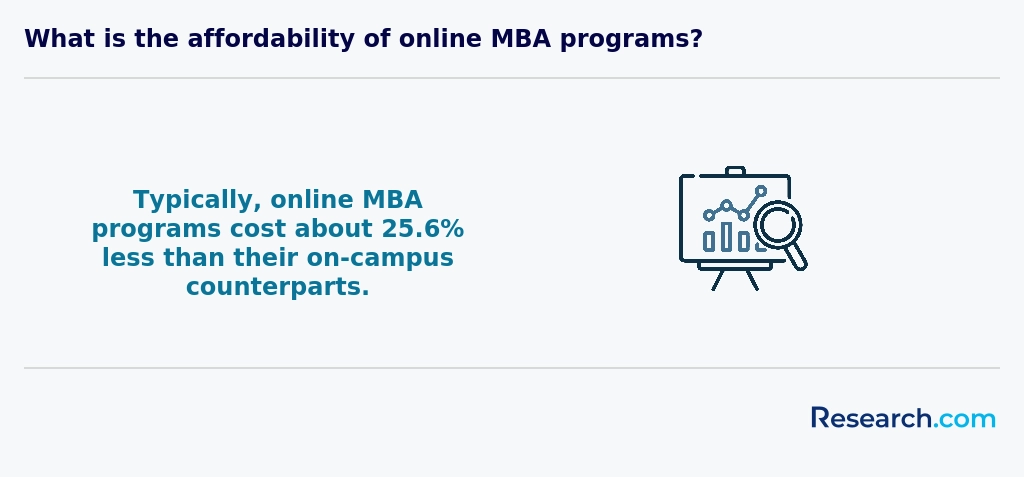
Exploring MBA career opportunities in Alabama reveals a dynamic landscape where graduates from institutions like the University of Alabama or Auburn University find themselves stepping into roles charged with innovation and leadership. Imagine managing a bustling manufacturing plant in Birmingham or strategizing marketing campaigns for emerging tech firms in Huntsville-these are just a few exciting paths awaiting MBA holders. Graduates often share stories about transitioning smoothly into positions like business managers overseeing daily operations or healthcare administrators who improve hospital systems in the state's expanding medical sector.
Alabama's diverse economy means graduates can also thrive as financial analysts or project managers, navigating complex challenges while making impactful decisions. For those seeking inspiration, many discover how the knowledge gained in Alabama's MBA programs opens doors to work environments that are both challenging and rewarding, sparking personal growth and professional adventure. If you're curious about other fields to jump into, exploring the most useful college majors can provide fresh ideas and guidance on your journey toward success.
Alabama's job market for MBA graduates is a landscape rich with opportunity, especially for those eager to dive into industries like automotive manufacturing, aerospace, and healthcare. Graduates from renowned programs at the University of Alabama and Auburn University often find themselves stepping into roles that demand strategic thinking and leadership, particularly in Birmingham's financial hubs or Huntsville's defense sectors. The state's lower cost of living means that typical MBA salaries, which range between $85,000 and $110,000, stretch further, making career moves feel promising and rewarding. Many MBA graduates share how networking through university connections opens unexpected doors, turning classroom lessons into real-world success stories.
For students exploring the business landscape, knowing about Alabama's business degree employment opportunities sparks excitement about what lies ahead. Whether managing manufacturing processes or steering healthcare organizations, these roles align with growing industries statewide. And for those seeking a quicker career boost or wondering about alternative paths, considering the easiest bachelors degree could complement your MBA journey by broadening your skillset and job prospects.
2027 Best MBA Degree Programs Ranking in Alabama
Investing in your education is a significant decision that can shape your future, and the Research.com team understands the importance of making informed choices. To assist prospective students in Alabama, we have meticulously crafted the "2027 Best MBA Degree Programs Ranking in Alabama." Our commitment to quality, credibility, and accuracy is reflected in the extensive research and analysis conducted to compile this ranking.
We utilized the following reputable data sources to ensure a comprehensive evaluation of MBA programs:
By exploring this ranking, readers will gain valuable insights into the best MBA programs available in Alabama, helping them make well-informed decisions about their educational futures. For more details on our methodology, please visit our Research.com methodology page.


# 12 position
Columbia Southern University
Master of Business Administration

# 13 position
Strayer University-Alabama
Master of Business Administration


# 19 position
Talladega College
Master of Business Administration

# 20 position
Amridge University
Master of Business Administration

Frequently Asked Questions About MBA
Students pursuing an MBA degree in Alabama can maximize their learning by engaging deeply with both academic and practical experiences. Alabama is home to several AACSB-accredited business schools, such as the University of Alabama and Auburn University, ensuring quality education aligned with national standards.
Networking is essential; students should participate in local business events and internships, as Birmingham and Huntsville offer vibrant business communities. According to the Alabama Department of Commerce, these cities have growing industries in finance, technology, and manufacturing.
Utilizing campus resources like career centers, mentorship programs, and study groups enhances understanding and professional growth. Additionally, students benefit from focusing on specialized MBA tracks relevant to Alabama's economic sectors, such as logistics or healthcare, which increases job market competitiveness.
The MBA field in Alabama is evolving with several emerging niches that reflect broader trends in business and technology. Among these, healthcare management is gaining momentum due to Alabama's significant healthcare industry, including major hospitals and research institutions. According to the Alabama Commission on Higher Education, MBA programs increasingly offer specializations in healthcare administration to meet local workforce needs.
Another growing area is supply chain management, driven by Alabama's expanding manufacturing and logistics sectors. This niche focuses on optimizing production and distribution networks, which is critical for companies like automakers operating in the state.
Additionally, sustainability and energy management are emerging fields, as Alabama seeks to balance economic growth with environmental concerns. Some MBA programs now incorporate coursework on renewable energy business strategies.
Digital innovation, including data analytics and fintech, also represents an important niche, preparing students for technology-driven decision making. These trends reflect the dynamic economic landscape in Alabama and aim to equip MBA graduates with relevant skills for local and national markets.
Preparing for the job market after earning an MBA degree in Alabama involves several strategic steps. Graduates should leverage career services offered by universities, such as the University of Alabama and Auburn University, which provide job placement assistance and networking opportunities. According to the Alabama Commission on Higher Education, MBA graduates in the state have a growing demand in sectors like finance, healthcare, and technology.
Building a strong professional network through alumni events and local business organizations can enhance job prospects. Additionally, gaining relevant internships or part-time roles during the MBA program significantly improves employability. Keeping updated with industry trends and certifications also benefits recent graduates entering Alabama's competitive job market.
Employers in Alabama highly value MBA graduates who possess strong leadership and strategic thinking skills. According to the Alabama Department of Labor, effective communication and problem-solving abilities are among the most sought-after traits in business professionals statewide.
Analytical skills, particularly data-driven decision-making, are increasingly important as companies in Alabama's growing sectors-such as finance, healthcare, and manufacturing-rely on MBA graduates to interpret complex information and drive results.
Additionally, teamwork and adaptability are key. Employers expect MBA holders to lead diverse teams and manage change efficiently, reflecting the demands of Alabama's dynamic economic environment.
Financial acumen and technological proficiency also rank highly, supporting roles in accounting and operations management. These findings align with recent surveys by the Graduate Management Admission Council (GMAC) on employer priorities in U.S. business education.
Finding internships in Alabama relevant to an MBA degree involves leveraging both university resources and local business networks. Many Alabama universities offering MBA programs, such as the University of Alabama and Auburn University, maintain dedicated career centers that connect students with internship opportunities at companies statewide.
Alabama's economy hosts various industries including finance, manufacturing, and healthcare, which are key sectors for MBA internships. According to Alabama Department of Labor data, Birmingham and Huntsville provide numerous internships in business management and analytics roles.
Students should actively use platforms like Handshake and LinkedIn to identify openings and attend career fairs hosted by Alabama institutions. Networking with local chambers of commerce can also uncover unadvertised positions.
Early outreach and targeted applications improve chances significantly for MBA students seeking valuable internship experience in Alabama's competitive markets.
In Alabama, earning an MBA degree significantly enhances career mobility and advancement opportunities. According to the Bureau of Labor Statistics, business and financial occupations in Alabama are projected to grow by 7% through 2030, faster than the average for all occupations. An MBA equips graduates with critical management skills and strategic thinking, making them competitive candidates for leadership roles in diverse industries such as finance, healthcare, and manufacturing.
Employers in Alabama often seek MBA holders for roles with higher responsibility and salary potential. The Alabama Department of Labor reports that professionals with an MBA earn approximately 20% more compared to those holding only a bachelor's degree.
Furthermore, local business networks and alumni associations linked to Alabama universities provide valuable resources for career advancement, mentoring, and job placement.
Studying for an MBA degree in Alabama equips students with skills essential for interdisciplinary roles by combining core business knowledge with practical applications across multiple fields. Alabama's MBA programs often emphasize cross-functional leadership, strategic thinking, and data analysis, preparing graduates to collaborate effectively with teams from diverse professional backgrounds.
Many Alabama institutions, including the University of Alabama and Auburn University, integrate case studies and projects involving marketing, finance, operations, and technology, reflecting real-world complexities. According to the Alabama Commission on Higher Education, over 60% of MBA graduates find employment in roles requiring coordination between departments, highlighting this interdisciplinary focus.
This approach ensures that students not only gain expertise in business management but also develop adaptable problem-solving abilities critical for modern organizations operating in varied industries.
When choosing between a thesis and a non-thesis MBA program in Alabama, consider your career goals and learning preferences. A thesis MBA involves conducting original research and writing a comprehensive paper, which suits students aiming for academic or research roles. Non-thesis programs focus more on coursework and practical projects, often preferred by professionals seeking to enhance business skills quickly.
In Alabama, universities like the University of Alabama offer both options, with about 35% of MBA graduates choosing thesis tracks for deeper specialization, according to recent institutional data. Thesis programs usually take longer, approximately 2.5 to 3 years, compared to 2 years for non-thesis options.
Cost and time commitment also differ; thesis tracks may require additional faculty mentorship and research resources. Assess how each aligns with your professional aspirations and time availability.
Students based in Alabama who wish to pursue an MBA abroad have several pathways to consider. Many Alabama universities, such as the University of Alabama and Auburn University, offer exchange programs or dual-degree options with international business schools. These partnerships allow students to study abroad while earning credits toward their MBA. According to the Graduate Management Admission Council (GMAC), nearly 35% of U.S. MBA candidates in 2023 expressed interest in international study opportunities.
Additionally, Alabama residents can apply directly to accredited MBA programs overseas, benefiting from global business exposures. Popular destinations include the UK, Canada, and Australia, where programs often last one year, offering accelerated paths compared to traditional U.S. options. Prospective students should consider visa requirements and potential financial aid options when selecting programs.
Part-time job opportunities in Alabama that complement MBA education often focus on roles in finance, marketing, and management. Positions such as financial analyst assistants, marketing coordinators, and business consultants provide practical experience aligned with MBA coursework. According to the Alabama Department of Labor, the demand for business and financial occupations in Alabama is projected to grow by 8% through 2030, indicating strong job prospects for MBA students.
Additionally, internship or part-time roles within local firms in Birmingham or Huntsville offer hands-on learning in supply chain management and strategic planning. These experiences enhance skills in leadership and analytics, crucial for MBA success.
Engaging in part-time work in Alabama's growing sectors can significantly boost an MBA student's career readiness.
Networking opportunities for MBA students in Alabama are robust, supported by the state's dynamic business environment. Major universities offering MBA programs, such as the University of Alabama and Auburn University, organize regular networking events, career fairs, and industry panels that connect students with local and regional employers.
Alabama's growing sectors like automotive, aerospace, and finance provide diverse internship and mentorship options. According to U.S. News & World Report, business schools in Alabama emphasize building professional networks through alumni associations, which often host events attracting over 1,000 participants annually.
Students can also leverage local professional organizations, such as the Birmingham Business Alliance and the Alabama MBA Association, to meet business leaders and peers. These groups facilitate workshops and seminars, fostering valuable relationships for career advancement in Alabama's competitive market.
An active alumni network is a critical resource for MBA students in Alabama, offering valuable connections that extend beyond graduation. Universities such as the University of Alabama and Auburn provide alumni platforms that facilitate mentorship, job referrals, and industry insights. According to the Graduate Management Admission Council, 85% of MBA graduates report that alumni connections helped them secure employment within six months after graduation.
In Alabama, these networks often include leaders in industries like finance, healthcare, and manufacturing, enhancing students' access to local job markets. Alumni events and online communities also promote continuous learning and professional growth.
For MBA candidates, leveraging alumni networks increases opportunities for internships, career advancement, and collaborative projects. This support system is particularly beneficial in Alabama's business environment, where personal relationships often influence hiring and partnerships.
Customizing an MBA program in Alabama allows students to align their studies with specific career goals by choosing concentrations or electives tailored to industries like healthcare, finance, or technology. Many Alabama universities offer flexible options, including part-time, online, and evening classes, accommodating working professionals' schedules.
Students can often select capstone projects or internships within local businesses, facilitating practical experience and networking opportunities. According to the Alabama Commission on Higher Education, over 10 institutions provide MBA programs with various specializations, enhancing career relevance. Additionally, Alabama's strong presence in manufacturing and energy sectors allows MBA candidates to specialize in areas vital to the state's economy, boosting their professional prospects.
Students pursuing an MBA in Alabama frequently encounter challenges balancing rigorous coursework with professional and personal commitments. Many MBA programs in the state, including those at the University of Alabama and Auburn University, demand strong time-management skills due to intensive class schedules and group projects.
Financial concerns are also common. According to the National Center for Education Statistics, the average tuition for in-state MBA students in Alabama can range from $15,000 to $30,000 annually, presenting a significant investment. Additionally, competition for internships and local business networking opportunities can limit real-world experience, important for career advancement.
Lastly, adapting to technology-driven coursework can be difficult for some students, especially in programs incorporating advanced data analytics or online learning modalities, which are increasingly prevalent in Alabama's business schools.
With an MBA degree in Alabama, graduates have access to a variety of professional certifications that can enhance their careers. Common certifications include the Project Management Professional (PMP), which is valued across industries and aligns well with business leadership skills gained in MBA programs.
Many MBA holders also pursue the Certified Public Accountant (CPA) license, especially if they focus on accounting or finance during their studies. Another popular option is the Certified Management Accountant (CMA), which emphasizes financial management and strategic planning.
Additionally, the Certified Financial Planner (CFP) credential appeals to alumni interested in personal finance and wealth management.
These certifications are widely recognized and can increase job prospects and earning potential in Alabama's competitive market.
Writing a winning application for an MBA program in Alabama requires clarity, focus, and alignment with each school's values. Most Alabama MBA programs, including those at the University of Alabama and Auburn University, expect applicants to submit a strong GMAT or GRE score, with average GMAT scores ranging between 580 and 650. Demonstrating professional experience is also vital; many programs prefer candidates with at least two to five years of work history.
Personal statements should clearly explain your career goals and how the MBA in Alabama will help you achieve them. Tailoring essays to highlight local business knowledge or Alabama's economic sectors-like manufacturing or healthcare-can make applications stand out. Letters of recommendation should reflect leadership skills and teamwork. Finally, punctuality and attention to detail in submitting all documents are crucial to success.
The global perspective on MBA careers highlights significant value in leadership, strategy, and business management skills. Graduates with an MBA from Alabama benefit from a competitive edge, as U.S. degrees are highly respected worldwide for their rigorous curriculum and practical focus. According to data from AACSB, many Alabama MBA programs maintain international accreditation, which helps graduates access global job markets.
In the U.S., MBA holders often see increased earning potential and opportunities in multinational companies. For instance, Forbes reports that the average salary for MBA graduates exceeds $115,000 annually, which applies broadly to Alabama's MBA graduates as well. The global demand for MBA skills, such as financial analysis and organizational leadership, continues to grow, making these degrees valuable beyond local markets.
Gaining practical experience while studying for an MBA in Alabama is essential to enhance career readiness. Many Alabama universities offer internship programs that connect students with local businesses in industries such as finance, healthcare, and manufacturing. For example, the University of Alabama's Culverhouse School of Business reports that over 70% of its MBA students complete internships before graduation.
Additionally, MBA programs often incorporate consulting projects, where students work with real companies to solve business problems. This hands-on approach is common in Auburn University's MBA curriculum. Networking events and career services at Alabama schools also help students secure part-time roles, fostering practical skills alongside academic learning.
Choosing the right concentration within an MBA program in Alabama depends on your career goals and local industry demand. Alabama's economy features strong sectors like manufacturing, healthcare, finance, and logistics, which influence MBA specializations offered at institutions such as the University of Alabama and Auburn University.
Consider concentrations like Supply Chain Management, Finance, or Healthcare Administration, which align with regional economic strengths. According to the Alabama Department of Labor, healthcare and manufacturing remain top employment areas, suggesting practical value in those fields.
Additionally, evaluate program flexibility and faculty expertise to ensure alignment with your learning preferences and professional objectives.
- 2027 Best MBA Degree Programs Ranking in Mississippi
- 2027 Best MBA Degree Programs Ranking in Georgia
- 2027 Best MBA Degree Programs Ranking in Florida
- 2027 Best MBA Degree Programs Ranking in Louisiana
- 2027 Best MBA Degree Programs Ranking in Kentucky
- 2027 Best MBA Degree Programs Ranking in North Carolina
- 2027 Best MBA Degree Programs Ranking in Missouri
- 2027 Best MBA Degree Programs Ranking in Indiana
- 2027 Best MBA Degree Programs Ranking in Illinois
- 2027 Best MBA Degree Programs Ranking in Kansas
- What Can You Do with an MBA in Today’s Market? | Elmhurst University Elmhurst University Blog https://www.elmhurst.edu/blog/what-can-you-do-with-an-mba-in-todays-market/
- Top Challenges for MBA Students in 2025: Placements and Career Growth in India | BeJobbed.com https://bejobbed.com/challenges-mba-students-placements-career-growth-india/
- Skills Employers Look for in Business Graduates – EU Business School https://www.euruni.edu/blog/skills-employers-look-for-in-business-graduates/
- How to Choose Between MBA Degree vs. Certificate | University of Phoenix https://www.phoenix.edu/articles/business/how-to-choose-between-mba-degree-vs-certificate-programs.html
- How to Use Your MBA for Career Growth While You’re Still Studying - International Career Institute USA https://icieducation.com/blog/how-to-use-your-mba-for-career-growth-while-youre-still-studying/
- Follow These 10 Steps To Write Your MBA Application Essays - ApplicantLab https://www.applicantlab.com/blog/10-steps-to-write-your-mba-application-essay/
- Top MBA programs with the best alumni networks in the world - MBA Crystal Ball https://www.mbacrystalball.com/blog/2025/07/07/top-mba-programs-with-the-best-alumni-network-in-the-world/
- How an MBA contributes to career advancement https://online.wlv.ac.uk/blog/how-an-mba-contributes-to-career-advancement/
- How to Choose the Best MBA Program for Your Career Goals https://www.clearadmit.com/2025/05/how-to-choose-the-best-mba-program-for-your-career-goals/
- What Work Experience Do You Need For an MBA? | Articles | Unimy https://www.unimy.com/article/blog-mba-preparation-admissions-mba-work-experience


