
2027 Best MBA Degree Programs Ranking in Georgia

Co-Founder and Chief Data Scientist
Are you considering pursuing an MBA degree in Georgia? Choosing the right program can shape your career and open doors to new opportunities. This article presents the 2027 Best MBA Degree Programs Ranking in Georgia, developed by the Research.com team of data scientists to help you make an informed decision.
Reading this guide will give you clear insights into the top programs worth exploring, helping you find the perfect fit for your goals. An MBA can boost your skills, confidence, and future prospects-making it a valuable step forward.
Key benefits of getting MBA degree in Georgia
- Salary for MBA graduates: While specific salary data for Georgia is unavailable, MBA holders in business and financial roles across the US typically earn between $70,000 and $120,000 annually, reflecting strong earning potential.
- Career paths: Graduates from Georgia's top universities often pursue careers in management, marketing, or finance, opening doors to leadership roles in diverse industries with growth opportunities.
- Online MBA benefits: Online MBA programs from popular Georgia institutions offer flexibility and convenience, allowing students to balance work and study while earning a respected degree that enhances their professional growth.
- 2027 Best MBA Degree Programs Ranking in Georgia
- What can I expect from MBA degree in Georgia?
- Where can I work with MBA degree in Georgia?
What can I expect from MBA degree in Georgia?
Imagine stepping onto the Terry College of Business campus, energized by the possibilities but wondering about the cost that comes with an MBA in Georgia. Graduates often recall balancing ambition with financial reality, knowing tuition can range widely-typically between $20,000 and $40,000 for in-state students. This spread reflects diverse program formats: full-time immersion or flexible part-time paths designed for working professionals.
At Georgia State University's J. Mack Robinson College of Business, students juggle internships and case studies, all while feeling the weight and excitement of investing in their futures. This investment isn't just a number-it's a gateway to joining Atlanta's vibrant business ecosystem, where median salaries for MBA holders can soar above $90,000, making every dollar spent feel like a seed planted in fertile ground.
The cost may feel like a mountain at first, but many find it a climb worth taking when their education opens doors to leadership roles across industries. The real value emerges from the connections, experiences, and specialized skills sharpened during these transformative years.
Where can I work with MBA degree in Georgia?
Graduates from Georgia's top MBA programs like Emory's Goizueta Business School or Georgia Tech's Scheller College find themselves stepping into vibrant worlds shaped by Atlanta's dynamic economy. Imagine joining a Fortune 500 giant stationed right in your backyard, like Delta Air Lines, and using your MBA-honed skills to craft strategies that keep millions flying smoothly.
Others pivot to healthcare, navigating complex hospital systems or medical tech startups, where their business savvy drives innovations that improve patient care and operational efficiency. Picture managing a project that actually lowers healthcare costs while enhancing service - a real win for the community and your career.
Then there's the tech scene, buzzing with energy from Atlanta's startups where MBAs dive into product launches or fine-tune data analytics, turning chaotic growth into streamlined success. Or consider logistics, leveraging Georgia's status as a global transport hub, steering supply chains with precision and leadership coveted by companies anchored near Hartsfield-Jackson Airport.
Entrepreneurial graduates thrive too, fueled by local incubators and programs, transforming bold ideas into thriving businesses with genuine impact. Studying an MBA here isn't just about a degree; it's a passport to shaping Georgia's business future, energized by stories of those who've walked these ambitious paths.
If you're chasing an MBA in Georgia, you're stepping into a world where your paycheck can really reflect your hard work and ambition. Imagine graduating from a prestigious program at Georgia Tech or Emory University, then landing a role in bustling Atlanta's finance sector. You're likely looking at salaries starting around $90,000 and scaling up toward $130,000 or more as you gain experience. That's not just a number-it's the gateway to a vibrant lifestyle, with the city's energy fueling your career growth.
Graduates often share stories of stepping into corporate boardrooms with the confidence that their MBA degree unlocks doors to leadership. Those fresh out of school might start near $75,000, navigating their first projects and strategies, while seasoned pros with five years plus can enjoy $130,000+ in annual earnings, especially in consulting or management roles.
While nonprofits pay less, they offer the priceless reward of job security and meaningful impact-plus, Georgia's universities ensure you're ready for whichever path you choose.
- The total cost for an MBA in Georgia ranges from $30,000 to $70,000, varying by public or private institutions and enrollment status.
- Starting salaries for MBA graduates average around $70,000 per year, rising to over $115,000 within five to ten years.
- Key industries hiring MBAs include finance, technology, healthcare management, and logistics, especially in Atlanta.
- Many programs offer flexible schedules like evening, weekend, and online classes for working students.
- Accreditation by AACSB is common and can improve employment prospects.
- Networking, internships, and corporate partnerships are widely available to enhance job placement.
The journey to an MBA in Georgia can feel like crafting your own unique adventure map. Graduates from the University of Georgia often reminisce about their intense two-year full-time programs, where days blur into a whirlwind of leadership workshops and strategy sessions. It's an immersive experience that molds you into a business trailblazer ready for the world.
For those juggling careers and family, Georgia State University's part-time MBA stretches along a three to four-year timeline, blending evening lectures with real-life hustle. Many students find this pace refreshingly manageable, allowing dreams and deadlines to co-exist.
Picture the accelerated path-some in Georgia conquer the MBA mountain in just 12 to 18 months. The tradeoff? A rapid, almost adrenaline-fueled course load that tests stamina but rewards with swift transformation.
Meanwhile, Executive MBA programs tempt seasoned pros with 18 to 24 months of weekend immersions and brief residencies, making advancement possible without quitting the day job. This rhythm resonates deeply with many Savannah State graduates, who cherish the balance of work, study, and life.
When considering an MBA program in Georgia, one of the crucial factors that can significantly influence the decision-making process is the cost. The financial investment in an MBA degree can be substantial, but it's essential to weigh this against the potential returns, such as enhanced career opportunities and higher salaries. For instance, exploring the cheapest mba programs in georgia can provide valuable insights into affordable options that still offer a high-quality education. By understanding the cost structure, including tuition fees, additional expenses, and available financial aid, prospective students can make informed decisions about their educational path, ultimately empowering them to pursue their passions and dream big.
Imagine balancing your MBA studies with a busy Atlanta career while savoring your morning coffee at home-that's the reality for many online MBA candidates in Georgia. These students embrace flexibility, logging into asynchronous courses from places as varied as a cozy Midtown apartment or a quiet corner of a local coffee shop, often enrolled in programs linked to Georgia State University. They relish the freedom to learn without the pressure of daily commutes or fixed classroom hours.
Contrast that with the vibrant energy felt by those attending on-campus MBAs at the University of Georgia in Athens, gathering in bustling seminar rooms where spontaneous debates spark and lifelong friendships form over group projects. The immersive atmosphere offers more than just education-it cultivates a living network and candid insights exchanged face-to-face, creating unforgettable connections.
Both paths echo with success stories, but they differ in rhythm and engagement. Online students treasure adaptability while on-campus graduates thrive on dynamic presence and shared campus experiences. Choosing between them is less about right or wrong and more about crafting your bespoke MBA journey within Georgia's rich academic landscape.
Accreditation is a non-negotiable criterion when evaluating MBA programs in Georgia. The most respected business schools in the state hold AACSB accreditation-a hallmark of excellence recognized worldwide for rigorous faculty standards, cutting-edge curriculum, and measurable learning outcomes. In parallel, regional accreditation by the Southern Association of Colleges and Schools Commission on Colleges (SACSCOC) confirms institutional quality, ensuring eligibility for federal financial aid and seamless credit transfers. Prospective students should verify accreditation status through the Council for Higher Education Accreditation (CHEA) database and look for programmatic recognition from bodies like ACBSP or IACBE to further validate specialized offerings. Accredited programs often boast strong corporate partnerships, offering real-world consulting projects, global immersion experiences, and executive coaching that directly enhance career readiness and return on investment. For a broader perspective on cost-effective options, compare tuition trends against our Most Affordable Online Master's in MBA Degree Programs Ranking in Texas. By selecting an AACSB-accredited MBA, you safeguard the long-term value of your degree, maximize employer recognition, and position yourself for leadership roles in Georgia’s dynamic business landscape.
The average cost of an MBA degree in Georgia offers a varied tapestry of financial investment, shaped heavily by where and how you choose to study. For in-state students, the path is often more affordable, with median in-state costs near $12,058, painting a lighter financial picture compared to out-of-state peers, where median costs soar closer to $34,955. Imagine a graduate from Georgia State University's Robinson College of Business, feeling the relief of manageable tuition around $18,000 to $20,000, balancing their academic dreams with practical budgeting.
Contrast this with the ambition and prestige of those walking through the halls of Emory University's Goizueta Business School, where the price tag of a full-time MBA can approach $70,000. Graduates here often cherish the deep networking opportunities and career springboards their investment provides, embracing the trade-off between cost and potential. These personal journeys embody the diverse landscape of MBA tuition and fees Georgia 2027 students must navigate, negotiating between cost and value.
To find the sweet spot that fits your financial horizon, it's wise to explore options carefully. Part-time, evening, or online MBA programs can spread out costs or offer savings on living expenses, molding education around life. For those curious about the cheapest mba programs in georgia, numerous choices exist that balance ambition and economic sense, helping transform MBA aspirations into achievable goals.
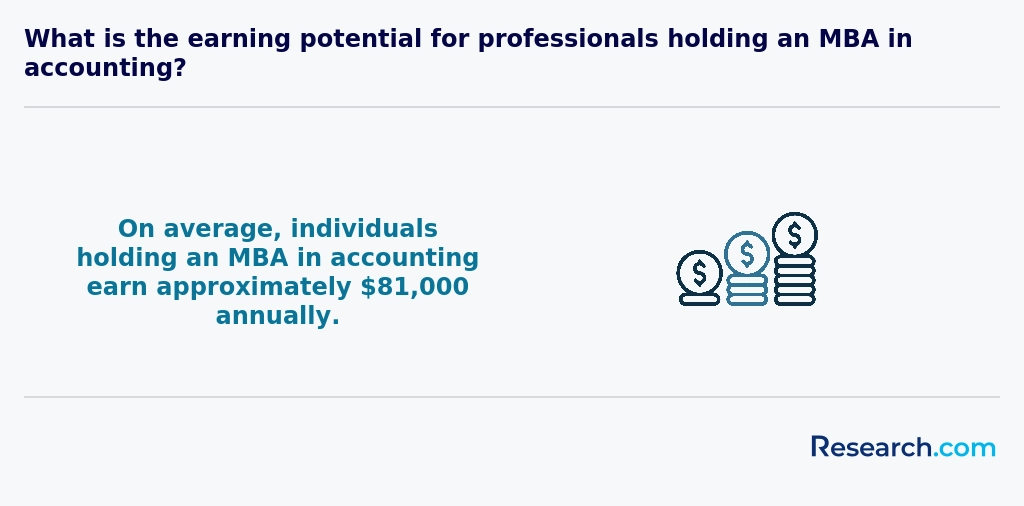
Navigating the MBA application process can be as transformative as the program itself. Prospective students are encouraged to start early by researching each institution’s unique admissions timeline and gathering essential documents such as transcripts, recommendation letters, and a strong personal statement. It’s important to note that many top programs also require standardized test scores like the GMAT or GRE, so scheduling your test well in advance can reduce last-minute rushes. Additionally, be proactive in reaching out to admissions offices with any questions about prerequisites, interview formats, and application tips. Detailed planning of your application journey-from preparing your resume to identifying key deadlines-can significantly improve your chances of acceptance. For candidates seeking a cost-effective and flexible alternative, exploring the best cheap online mba options might provide the perfect balance between quality and affordability. Balancing competitive deadlines with early preparation and informed decision-making sets the stage for a smooth admissions process, ultimately paving the way for a rewarding MBA experience.
Imagine landing a merit-based scholarship at the University of Georgia's Terry College of Business, where your dedication and leadership shine brighter than tuition costs. Many graduates recall that moment as a turning point-a tangible reward for their hard work that lifted a significant financial burden. Over at Georgia State University's J. Mack Robinson College of Business, others found that federal loans like the Grad PLUS Loan, accessible after filing FAFSA, acted as reliable lifelines, offering flexible repayment plans that made the hefty $30,000 to $80,000 program price tag feel conquerable.
Employer tuition reimbursement programs are a hidden gem in Georgia's MBA financial landscape. Graduates working for companies headquartered in Atlanta often describe the thrill of earning while learning, as their employers invest directly in their career growth. It's like having a partner invested in your success, not just a student footing the bill alone.
Some MBA candidates at select schools tap into assistantships or fellowships, trading their teaching or research talents for stipends or tuition remission. It's a balancing act, but many recall the pride of contributing academically while easing financial stress.
- Merit-based scholarships from Georgia's business schools
- Federal student loans available after FAFSA submission
- Employer tuition reimbursement programs
- Assistantships and fellowships at select institutions
Imagine stepping into a vibrant room at Emory's Goizueta Business School, where the air buzzes with ambition and sharp minds. Here, the prerequisites for an MBA in Georgia act as your stepping stones: a bachelor's degree from anywhere accredited, your past academic life's passport. It's like bringing your unique puzzle piece to a board filled with diverse yet fitting shapes.
Standardized tests like the GMAT or GRE hover over applications like important checkpoints-think of them as thrilling mental marathons where your sharpness counts. Graduates often recall how pushing beyond a 650 GMAT score opened doors in Georgia's top programs, adding a fresh spark of confidence.
Beyond papers and scores, they share stories of showcasing leadership through work experience, sometimes two or three years, but others blazing trails with less, via early-career tracks. Letters of recommendation become your trusted chorus, echoing your potential. Essays are your stage for passion and vision, personal stories that turn dreams into tangible goals within vibrant Georgia classrooms.

When evaluating the true value of an MBA, cost-effectiveness and return on investment (ROI) are critical factors. In Georgia, public universities offer in-state tuition averaging $230 per credit hour-translating to roughly $30,000–$50,000 for a full program-while private institutions can charge up to $2,000 per credit hour. Graduates from Georgia MBAs report median starting salaries around $95,000, yielding a payback period of approximately 2–3 years for in-state candidates. By contrast, neighboring states may offer different pricing models and delivery formats. To benchmark Georgia’s affordability, explore the Most Affordable Online Master's in MBA Degree Programs Ranking in Texas, which highlights programs charging as low as $15,000 total tuition for digital learners. Comparing these figures helps prospective students weigh lower sticker prices against the potential earnings gap driven by regional job markets. Beyond tuition, ROI calculations should include living expenses, opportunity costs, and networking value. Atlanta’s robust finance and tech sectors often yield higher starting salaries-offsetting housing and transportation costs-whereas Texas programs may benefit online students seeking flexibility and reduced relocation expenses. Ultimately, a thorough ROI analysis will consider Georgia’s strong alumni networks, direct industry connections, and on-campus recruiting events against Texas’s cost savings and virtual convenience. Prospective MBA candidates can use this comparative framework to make informed decisions that balance program quality, financial investment, and long-term career rewards.
Diving into an MBA in Georgia feels like stepping into a dynamic arena where courses become your toolkit for real-world triumphs. Imagine tackling Financial Management at the University of Georgia's Terry College, where graduates recall unraveling investment puzzles that mirror Atlanta's bustling markets. Marketing Management classes spark creativity through projects mimicking local startup campaigns, lighting up the thrill of influencing customer behavior firsthand.
Operations and Supply Chain Management transform into strategic games-streamlining a supply chain as if you're optimizing deliveries for Georgia's top logistics firms. Organizational Behavior unleashes insights into human dynamics, helping students harness leadership skills that alumni praise for making them stand out in southern boardrooms. Managerial Accounting sheds light on budgeting mysteries, preparing future managers to navigate fiscal challenges with confidence.
Business Strategy classes at Georgia Tech, another hotspot for MBA seekers, challenge students to craft plans echoing real competitive battles in tech hubs. Plus, Economics for Managers opens windows into market trends shaping Georgia's thriving industries. The curriculum is not just courses; it's a launchpad for passion and purpose, setting the stage for bold leadership across the Peach State.
Gauntlets of MBA specializations offered in Georgia weave through corridors of institutions like Georgia State University and Emory's Goizueta College, where graduates often recount transforming dreams into daring realities. Imagine diving into Finance, mastering investment puzzles amid Atlanta's bustling financial sectors, or harnessing Marketing savvy to decode consumer hearts through vibrant campaigns. Supply Chain and Operations Management grads recall mapping seamless logistics like choreographers orchestrating flow from Savannah's ports to nationwide markets.
Healthcare Management learners cherish steering hospitals and clinics in Georgia's expanding medical hubs, sensing purpose in every strategic decision. Meanwhile, Information Technology Management students merge business flair with tech insight, becoming the wizards behind successful digital transformations across emerging startups and well-established enterprises alike. This rich palette of top MBA concentration options Georgia offers reflects local industry rhythms perfectly.
Those pursuing innovation and impact often explore Entrepreneurship or Sustainability, inspired by Georgia's diverse economy. For flexible learners seeking smart investments, many turn to the best cheap online mba paths to unlock dreams without compromise.
Picking the best MBA programs in Georgia is like crafting your own adventure-think of accreditation as your trusted map, guiding you to respected havens like the University of Georgia's Terry College of Business or Georgia Tech's Scheller College of Business. Graduates from these places often share stories of the pride felt knowing their diploma carries weight across the country, opening doors in Atlanta's bustling market.
Imagine balancing life with a part-time or online MBA from Kennesaw State or Georgia State University, where classmates juggle careers and family alongside learning-they embody the spirit of affordable MBA degrees Georgia offers. These programs flex to your rhythm, empowering you without derailing your daily hustle.
Cost whispers its own tale. Some graduates recall the relief of affordable tuition in public schools, while others treasure the wider network from pricier institutions. To glimpse your financial horizon, check resources like the Most Affordable Online Master's in MBA Degree Programs Ranking in Texas.
Finally, picture immersing yourself in a curriculum tuned to your ambitions, whether finance, entrepreneurship, or supply chain. The right fit can make your MBA not just a degree, but a launchpad for your future.
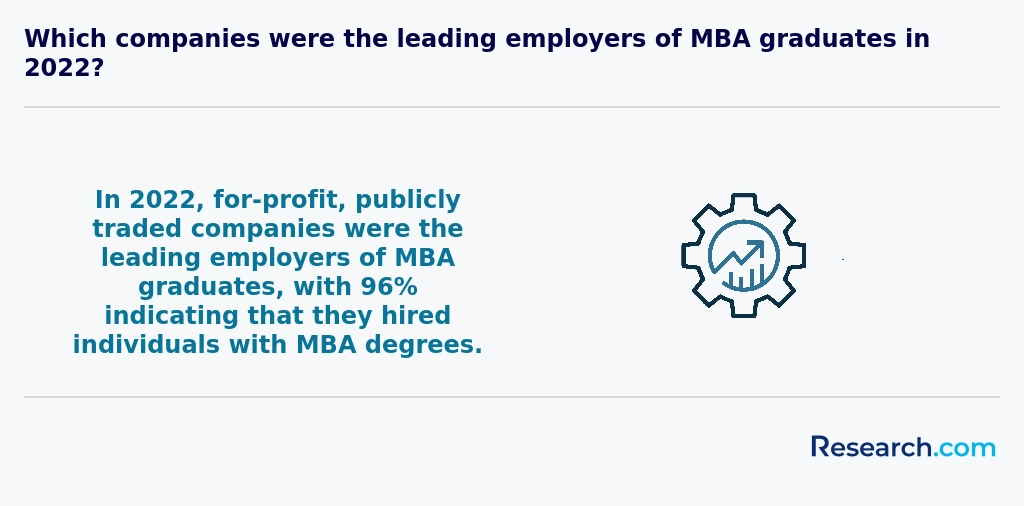
MBA career opportunities in Georgia unfold like an intricate tapestry weaving through diverse industries, each thread offering unique leadership roles. Graduates from top programs like Georgia State University and Emory University often find themselves steering operations in major corporations, navigating challenges as operations managers or marketing directors. One recent graduate relished the adrenaline of launching innovative projects in the bustling Atlanta tech scene, combining strategic business skills with cutting-edge technology knowledge.
Finance and insurance sectors pulse with steady demand, where Georgia MBA degree job prospects shine brightest. Graduates step confidently into roles like financial managers or portfolio analysts, supported by experiences at firms rooted in Atlanta's thriving economy. Healthcare administration here isn't just a job-it's a chance to impact lives by managing complex hospital systems, a path many MBA holders embrace with passionate resolve.
Entrepreneurship also sparkles in Georgia's vibrant business landscape. Inspired by real-world challenges faced during studies, many launch startups or scale consulting ventures. These journeys often echo those of peers who balanced rigorous academics with practical experience, sometimes even exploring alternative education tracks like the top 6 month associate degree online to complement their business savvy.
The vibrant pulse of MBA graduate job opportunities in Georgia beats strongest in Atlanta, where Fortune 500 giants like The Coca-Cola Company and Home Depot eagerly scout for fresh talent. Graduates from Georgia's top schools often find themselves stepping into leadership roles that shape strategy and operations, thriving in a city that blends corporate power with innovative startup energy.
Imagine a graduate from a popular Georgia MBA program navigating corridors where tech startups bloom alongside logistics hubs. The state's growing sectors-finance, healthcare management, and technology-offer a playground ripe with possibilities, turning theoretical knowledge into real-world impact. The demand for savvy business managers here is palpable, fueling an exciting career trajectory.
Cost-conscious students weigh their choices carefully, knowing that tuition varies widely. Yet, the investment resonates well with the job market's promise of solid returns. For insights on choosing degrees that balance effort and reward, many also explore which bachelor degree is the easiest.
2027 Best MBA Degree Programs Ranking in Georgia
Investing in your education is a significant decision that can shape your future, and the Research.com team understands the importance of making informed choices. To assist prospective MBA students in Georgia, we have meticulously crafted the "2027 Best MBA Degree Programs Ranking in Georgia." Our commitment to quality, credibility, and accuracy is reflected in the extensive research and analysis conducted to compile this ranking.
We utilized the following reputable data sources to ensure a comprehensive evaluation of MBA programs:
By exploring this ranking, readers will gain valuable insights into the best MBA degree programs in Georgia, enabling them to make well-informed decisions about their educational and professional futures. For more details on our methodology, please visit our Research.com methodology page.


Frequently Asked Questions About MBA
To maximize their learning experience, MBA students in Georgia should engage actively with both academic and practical resources. Many Georgia universities, such as the University of Georgia's Terry College of Business, emphasize experiential learning through internships and consulting projects. Participating in these opportunities helps students apply classroom theory to real-world business challenges.
Networking is also critical. Georgia hosts numerous business events and professional organizations, including the Atlanta chapter of the Graduate Management Admission Council (GMAC). Connecting with alumni and industry leaders can provide valuable insights and career opportunities.
Additionally, students should leverage technology and online platforms offered by their schools. According to the Georgia Board of Regents, over 40% of MBA students in the state enroll in hybrid or fully online programs, highlighting the importance of digital literacy in today's learning environment.
Emerging niches within the MBA field in Georgia reflect broader trends in the U.S. business education landscape. Specialized MBA programs focusing on technology management and data analytics are growing rapidly, responding to increasing demand in industries like fintech and cybersecurity. According to the Georgia Board of Regents, enrollment in MBA programs with these concentrations rose by nearly 15% between 2020 and 2023.
Another growing niche is sustainability and social entrepreneurship. Georgia universities offer MBA options that prepare students to lead green business initiatives and corporate social responsibility projects, aligning with global environmental priorities.
Healthcare management MBAs are also expanding as Georgia's healthcare industry grows. These programs combine business skills with healthcare knowledge, providing graduates a competitive edge in a $56 billion state healthcare market (Georgia Chamber of Commerce, 2023).
Graduates with an MBA degree from Georgia should focus on building a strong professional network to prepare for the job market. Georgia hosts various business events and career fairs, particularly in Atlanta, a major corporate hub. According to the Georgia Department of Economic Development, sectors like finance, logistics, and technology are rapidly growing, creating ample opportunities for MBA holders.
Internships and practical experience during the MBA program significantly enhance employability. Students should leverage career services offered by their institutions, which often include resume workshops and interview preparation.
Additionally, understanding local industry demands and certifications, such as PMP or Six Sigma, can provide a competitive advantage when seeking management roles.
Employers in Georgia increasingly seek MBA graduates who demonstrate strong leadership and strategic thinking skills. According to the Graduate Management Admission Council (GMAC), over 80% of employers prioritize candidates with problem-solving abilities and effective communication.
Analytical skills are also highly valued, as MBA holders are often expected to interpret complex data and support informed decision-making. Additionally, adaptability and proficiency in digital tools, including data analytics and financial software, are becoming essential in Georgia's competitive job market.
Interpersonal skills, such as teamwork and negotiation, remain crucial, with many Atlanta-based employers emphasizing these traits. Familiarity with Georgia's regional industries like logistics and technology further enhances a graduate's attractiveness to local employers.
Finding internships in Georgia relevant to an MBA degree involves leveraging various resources tailored to business students. Universities like Georgia State University and Emory provide robust career services that connect MBA candidates with companies in Atlanta's bustling business market. These services often offer internship fairs, resume workshops, and networking events. According to the Georgia Department of Labor, sectors such as finance, healthcare management, and technology offer significant internship opportunities for MBA students. Interns in Georgia typically gain experience in roles related to project management, marketing, and operations. Online platforms like Handshake and LinkedIn are also essential tools to locate internship listings specifically within Georgia.
In Georgia, obtaining an MBA degree significantly enhances career mobility and advancement opportunities. According to the Georgia Department of Labor, MBA graduates experience an average salary increase of 20-30% compared to those with only a bachelor's degree. The state's growing industries, such as technology, logistics, and finance, particularly value the strategic and leadership skills fostered through MBA programs.
Moreover, MBA holders in Georgia benefit from expansive professional networks created during their studies, often leading to faster promotions and access to senior management roles. Research from the Graduate Management Admission Council highlights that over 75% of Georgia-based employers prefer candidates with an MBA for leadership positions.
Studying for an MBA degree in Georgia equips students with diverse skills needed for interdisciplinary roles by blending core business knowledge with practical experience. Many MBA programs in Georgia, like those at Georgia Tech and Emory University, emphasize cross-functional learning, integrating finance, marketing, technology, and management.
According to the Association to Advance Collegiate Schools of Business (AACSB), over 75% of Georgia's MBA programs incorporate experiential projects that engage multiple business disciplines. This approach enables graduates to navigate complex environments requiring collaboration across departments.
Additionally, local industries in Atlanta and surrounding areas encourage MBA candidates to work on real-world challenges, enhancing adaptability and strategic thinking essential for interdisciplinary leadership.
Choosing between a thesis and a non-thesis MBA program in Georgia depends on your career goals and learning preferences. Thesis MBA programs typically require original research and a formal dissertation, making them suitable if you plan to pursue a PhD or a research-oriented career. Non-thesis options usually emphasize coursework and practical internships, appealing to professionals aiming to enter or advance in business sectors quickly.
In Georgia, most MBA programs, including those at the University of Georgia and Georgia State University, offer non-thesis tracks designed for working adults seeking flexibility. According to NCES data, about 70% of MBA students in Georgia choose non-thesis paths.
Consider your time availability, interest in research, and long-term goals when deciding between these options.
Students in Georgia seeking to study for an MBA abroad have several viable options. Many Georgian students choose programs in the United States, Canada, and Europe, drawn by the diverse specializations and international networking opportunities these regions offer. According to the Graduate Management Admission Council (GMAC) 2023 report, nearly 20% of US MBA programs saw an increase in international applications, highlighting growing interest in global business education.
Georgia-based students often access dual-degree or exchange programs through local universities partnered with international institutions. These setups allow earning credits overseas without full relocation, easing financial and visa challenges. Popular destinations include the UK, known for one-year MBAs, and the US, with its variety of full-time and part-time formats recognized by AACSB accreditation. Resources such as Education USA centers in Georgia provide free advising to help navigate admissions, scholarships, and visa processes.
Part-time jobs in Georgia that complement MBA studies typically focus on roles in finance, marketing, and management. Many MBA students find opportunities as financial analysts, marketing assistants, or business consultants, which provide practical experience alongside classroom learning. According to the Georgia Department of Labor, sectors like professional and business services, which employ a large number of MBA graduates, have grown steadily, offering diverse part-time roles.
Internships or part-time positions in Atlanta's robust corporate sectors, including banking and technology, can enhance skills in data analysis, project management, and strategic planning. These jobs often offer flexible hours suitable for students balancing coursework and work commitments.
Networking through university career centers and local business hubs can reveal additional part-time roles aligned with MBA curricula, contributing to real-world application and career growth.
Networking opportunities for MBA students in Georgia are abundant and diverse. Top universities such as Georgia Tech and Emory University host regular career fairs and networking events specifically designed for MBA candidates. These events attract recruiters from Fortune 500 companies headquartered in Atlanta, including Coca-Cola and Delta Air Lines.
Additionally, students often benefit from active alumni networks, which facilitate mentoring and professional connections. According to the Graduate Management Admission Council, over 70% of MBA graduates in Georgia report that networking played a key role in securing employment. Local chapters of professional organizations like the Atlanta chapter of the Association of MBAs provide another platform for students to expand their professional circles.
Alumni networks are valuable resources for MBA students in Georgia, offering access to established professionals who graduated from local business schools like the University of Georgia and Georgia Tech. These networks provide mentorship, industry connections, and job opportunities.
Research from the Graduate Management Admission Council (GMAC) shows that 85% of MBA graduates in the US, including Georgia, find networking and alumni referrals critical in career advancement. In Georgia, strong alumni ties often translate into internships and employment in Atlanta's thriving corporate sector.
Furthermore, schools in Georgia often organize events and forums that enable current students to interact directly with alumni, enhancing professional growth and expanding their business contacts.
In Georgia, MBA programs offer various options to customize your degree according to career goals. Many universities provide concentrations such as finance, marketing, entrepreneurship, and supply chain management. This allows students to deepen knowledge in areas directly aligned with their professional interests.
Additionally, Georgia's MBA programs often include flexible formats like part-time, evening, or online courses, accommodating working professionals. Elective courses and internships are commonly available to help build industry-specific skills and networks.
Some programs collaborate with local industries in Atlanta, a major business hub, offering real-world project work and practical experience. According to the Georgia Chamber of Commerce, this integration enhances employability and career growth.
Customizing your MBA by choosing the right specialization and format can significantly impact your career trajectory in Georgia's competitive market.
MBA students in Georgia often face challenges related to balancing rigorous coursework with professional and personal commitments. Many students pursue their MBA part-time while working full-time, leading to time management difficulties. According to a 2023 report by the Graduate Management Admission Council (GMAC), about 65% of MBA students nationwide, including those in Georgia, juggle work and study simultaneously.
Another common issue is the rising cost of MBA programs. Tuition fees in Georgia's top programs can exceed $50,000, which can be a barrier for many. Financial aid and scholarships are available but competitive.
Networking and career placement can also be challenging, especially for non-traditional or international students who may have less local industry experience.
With an MBA degree from Georgia, professionals can pursue a variety of certifications to advance their careers and specialize in key business areas. Popular options include the Certified Public Accountant (CPA) for those focused on accounting, and the Project Management Professional (PMP) certification, which is highly valued in operations and management roles.
Additionally, many MBA graduates seek the Certified Financial Planner (CFP) or the Chartered Financial Analyst (CFA) designations to boost careers in finance. The Certified Management Accountant (CMA) is another path that aligns well with the skills developed in an MBA program.
According to the Graduate Management Admission Council, a significant percentage of MBA holders in the U.S., including Georgia, pursue these certifications to expand their expertise and increase earning potential.
Writing a winning application for an MBA program in Georgia requires careful preparation and clear communication of your goals. Admissions committees often look for candidates with strong academic records, relevant work experience, and leadership potential. According to the Georgia Institute of Technology's Scheller College of Business, highlighting specific career achievements and clear post-MBA plans improves your chances.
A compelling personal statement is essential. Focus on why you want an MBA, how it fits your career, and why the specific Georgian program suits you. Many programs in Georgia, such as Emory University's Goizueta Business School, also value demonstrated community involvement and teamwork skills.
Ensure your resume is concise and tailored, showcasing measurable results. Strong letters of recommendation from supervisors or professors who know your abilities well are also critical. Preparing thoroughly for the GMAT or GRE test is important; the average GMAT score for top Georgia MBA programs ranges between 650 and 700.
The global perspective on an MBA career highlights its value as a versatile and internationally recognized degree. Graduates from MBA programs in Georgia, which is home to accredited institutions like Emory University and Georgia State University, often find opportunities both domestically and abroad.
According to the GMAC 2023 Corporate Recruiters Survey, 89% of employers in the U.S. and globally plan to hire MBA graduates, reflecting strong demand for this skill set worldwide. Georgia's growing business hubs, including Atlanta, offer access to multinational companies, enhancing career prospects for MBA holders.
Furthermore, MBA alumni in Georgia report median salaries around $105,000 annually, suggesting competitive earning potential tied to international business leadership roles. Expert analyses show that MBA careers increasingly require cross-cultural management and digital strategy skills to succeed on a global stage.
Gaining practical experience while studying for an MBA degree in Georgia is essential for career development. Many universities in Georgia offer internship programs, allowing students to work with local businesses and multinational companies headquartered in cities like Atlanta.
Additionally, MBA students can participate in consulting projects, case competitions, and live business simulations that reflect real-world challenges. For example, Georgia Tech's Scheller College of Business emphasizes experiential learning through its Applied Business Analytics program.
Networking events, mentorship programs, and part-time roles in industries such as finance, technology, and healthcare also provide hands-on exposure. According to the Graduate Management Admission Council (GMAC), about 70% of MBA students in Georgia secure internships during their studies, enhancing their practical skills and job prospects.
Choosing the right concentration within an MBA program in Georgia begins with assessing your career goals and industry demands. Popular concentrations like Finance, Marketing, and Healthcare Management align with key growth sectors in Georgia's economy, such as fintech, logistics, and medical industries.
Consider local employment trends: according to the Georgia Department of Labor, fields like technology and healthcare are expanding rapidly, making related MBA concentrations potentially more valuable.
Evaluate program offerings at Georgia universities, as some specialize in concentrations that cater to regional business needs. For example, Georgia State University and Emory University offer concentrations in Analytics and Healthcare that are highly recognized.
Finally, review alumni outcomes and employer connections to ensure the concentration matches your professional ambitions.
- 2027 Best MBA Degree Programs Ranking in Florida
- 2027 Best MBA Degree Programs Ranking in North Carolina
- 2027 Best MBA Degree Programs Ranking in Mississippi
- 2027 Best MBA Degree Programs Ranking in Kentucky
- 2027 Best MBA Degree Programs Ranking in Louisiana
- 2027 Best MBA Degree Programs Ranking in Missouri
- 2027 Best MBA Degree Programs Ranking in Indiana
- 2027 Best MBA Degree Programs Ranking in Maryland
- 2027 Best MBA Degree Programs Ranking in Illinois
- 2027 Best MBA Degree Programs Ranking in New Jersey
- MBA Career Outlook from a Global Perspective Margaret Buj https://interview-coach.co.uk/mba-career-outlook-from-a-global-perspective/
- Why Alumni Networks Matter in Business School: 7 Reasons https://europe.ceibs.edu/article/why-alumni-networks-matter-business-school
- Know more about thesis vs non- thesis: what is the difference? https://studyfans.com/en/blogs/816
- 5 Tips on How to Choose the Best MBA Concentration https://www.pointloma.edu/resources/business-leadership/5-tips-how-choose-best-mba-concentration
- Top Challenges for MBA Students in 2025: Placements and Career Growth in India | BeJobbed.com https://bejobbed.com/challenges-mba-students-placements-career-growth-india/
- Future-Proof Your Career with an MBA in India : MIT-WPU Blog https://mitwpu.edu.in/blog/emerging-specialisations-in-mba---how-to-future-proof-your-business-career-in-india
- What Can You Do with an MBA in Today’s Market? | Elmhurst University Elmhurst University Blog https://www.elmhurst.edu/blog/what-can-you-do-with-an-mba-in-todays-market/
- MBA in Georgia: Cost, Fees, Admission, Universities 2026-27 https://www.eklavyaoverseas.com/mba-in-georgia/
- MBA Networking Tips-Building Connections Pre-MBA https://menlocoaching.com/mba-applications-and-admissions-guide/networking/
- Best Online MBA Programs in Georgia for 2025 https://www.onlinemastersdegrees.org/best-programs/mba-programs/georgia/


