
2027 Most Affordable MBA Degree Programs Ranking in Wilmington

Co-Founder and Chief Data Scientist
Choosing the right MBA program in Wilmington can be overwhelming, especially with so many options available. This article presents the 2027 Most Affordable MBA Degree Programs Ranking in Wilmington, developed by the Research.com team of data scientists to guide you toward the best value choices.
By exploring this ranking, you'll gain clear insights on affordable programs that align with your goals and budget. Pursuing an MBA can open new career doors and boost your confidence, making this guide a helpful step on your journey.
Key benefits of getting MBA degree in Wilmington
- MBA graduates in Wilmington often pursue roles like business managers or marketing managers, earning average salaries around $120,000 per year nationally, reflecting strong earning potential.
- Career paths can include leadership positions in local firms, finance, or consulting, with many graduates from Wilmington University successfully advancing in diverse industries.
- Online MBA programs offer flexibility for working students, allowing them to balance career and study effectively, as seen with alumni from Wilmington University who appreciate the convenience without sacrificing quality.
- 2027 Most Affordable MBA Degree Programs Ranking in Wilmington
- What can I expect from MBA degree in Wilmington?
- Where can I work with MBA degree in Wilmington?
What can I expect from MBA degree in Wilmington?
The average cost of pursuing an MBA degree in Wilmington typically ranges between $15,000 and $30,000 for in-state students, making it an accessible investment in your future. Graduates from well-regarded local universities often describe their educational journey as both affordable and rewarding, appreciating how the programs' tuition aligns with the city's cost of living and professional opportunities.
Many MBA candidates find that the flexible part-time, full-time, and online options available at Wilmington's top institutions allow them to work while studying, easing financial pressures and boosting career growth simultaneously. For example, a graduate balancing a full-time job at a Wilmington-based financial firm shared how the manageable tuition fees made continuing education feel like a reachable goal rather than a burden.
The affordable tuition combined with hands-on learning experiences helps students thrive without the need for relocating or incurring excessive student debt. This strong value proposition encourages many to pursue their ambitions confidently, knowing Wilmington's MBA programs support both their educational and financial goals.
Where can I work with MBA degree in Wilmington?
Graduates from Wilmington's leading MBA programs often find themselves stepping confidently into thriving careers across diverse industries. From the dynamic finance sector led by major players like Bank of America to the expansive healthcare field anchored by institutions such as New Hanover Regional Medical Center, MBA holders are in high demand for leadership and strategic roles.
Imagine taking charge of commercial lending projects or leading operational improvements at a manufacturing company like Hyster-Yale Materials Handling, where your MBA skills transform production processes. Many graduates from local universities share stories of advancing quickly by applying their knowledge to real-world challenges in supply chain management and project oversight.
For those drawn to entrepreneurship, Wilmington's vibrant startup scene offers a supportive landscape to launch innovative ventures. MBA students from the city's colleges frequently embrace consulting and business strategy roles, fueling small business growth and tapping into opportunities in coastal trade, hospitality, and real estate-all sectors eager for sharp, motivated MBA professionals.
With over 70% of MBA graduates nationwide securing employment within six months, Wilmington presents a particularly exciting environment where your degree can open doors to meaningful, rewarding careers that shape the region's economic future.
Graduates from Wilmington's top MBA programs often find themselves stepping into roles that offer strong financial rewards. With the city's vibrant finance and corporate sectors, it's common for MBA holders to earn between $75,000 and $120,000 in mid-level management positions. For example, an MBA graduate from a university like the University of North Carolina Wilmington shared how their internship with a local bank helped land a financial analyst role starting near $65,000, just after graduation.
With a few years of experience and connections built through Wilmington's close-knit business community, many alumni quickly move into senior manager roles earning well over $125,000 annually. In particular, those entering the financial or IT sectors enjoy median salaries around $110,000 or more, reflecting Wilmington's reputation as a regional hub for these industries.
This exciting earning potential, combined with the practical experiences and networking opportunities available through Wilmington's MBA programs, makes the investment feel incredibly rewarding and motivating for students aiming to accelerate their careers.
- The average cost to complete an MBA in Wilmington ranges from $25,000 to $40,000, which is lower than the national average of over $60,000.
- Wilmington's economy offers job opportunities in finance, banking, and corporate services, especially in credit card operations and financial firms.
- The average starting salary for MBA graduates in Wilmington is about $70,000, with potential growth to $110,000 or more over time.
- Most MBA programs in Wilmington provide flexible options including full-time, part-time, and online formats to accommodate different student needs.
- Wilmington MBA programs are accredited and attract a diverse mix of local and nearby regional students.
Completing an MBA degree in Wilmington is an exciting journey tailored to your lifestyle and ambitions. Many graduates from Wilmington University and other local institutions celebrate finishing their full-time MBA programs in about two years, embracing a rhythm that balances rigorous study with hands-on experiences and networking opportunities that open doors.
For those juggling careers and personal commitments, part-time MBA programs in Wilmington span three to four years, offering the flexibility to grow professionally while earning the degree without missing a beat. Graduates often reflect on how this pacing allowed them to apply new knowledge immediately, fueling their confidence and career advancement.
Accelerated and online MBA options can propel you through in as little as one year, ideal for motivated learners eager to make swift progress. Alumni appreciate how these fast-track paths empower them to seize opportunities earlier, blending the richness of Wilmington's business community with their own determination and hustle.
When considering an MBA program in Wilmington, DE, one of the most critical factors is affordability. Prospective students should research not only the tuition fees but also the additional costs associated with pursuing an MBA, such as living expenses, textbooks, and technology. Many institutions in Wilmington offer financial aid options, including scholarships, grants, and loans, to help make their programs more accessible. For those looking to minimize their financial burden, exploring the cheapest mba schools in delaware can be a prudent step. Understanding the financial implications of an MBA program is essential for making an informed decision that aligns with one's budget and career goals. By carefully evaluating these factors, students can find an affordable and rewarding MBA program in Wilmington, DE, that sets them up for success in their future careers.
Choosing between online and on-campus MBA programs in Wilmington opens exciting opportunities tailored to your lifestyle and ambitions. On-campus students at institutions like the University of North Carolina Wilmington often enjoy vibrant, face-to-face interactions that spark meaningful connections with professors and classmates. Picture joining dynamic campus workshops or networking events that fuel your confidence and deepen your business insight-experiences many graduates treasure for advancing their careers.
Conversely, online MBAs offer flexible schedules perfect for busy professionals balancing work and family. Wilmington students can engage in rigorous online curricula with live virtual sessions and asynchronous lessons, enabling them to learn anytime, anywhere. Graduates often appreciate how this format eliminates commuting hassles and housing costs, making education more accessible.
Both paths promise quality education accredited by respected organizations like AACSB. Whether building a community on campus or navigating your MBA journey remotely, Wilmington students find these experiences uplifting, shaping their future with knowledge and strong professional ties.
The average cost of obtaining an MBA degree in Wilmington reflects a balance between affordability and quality, making it an accessible goal for many local students. The median total cost stands near $28,882, with in-state tuition significantly lower at around $14,430. These figures demonstrate how Wilmington's public universities provide affordable MBA programs Wilmington tuition fees that can fit within many budgets, offering students the chance to invest wisely in their futures.
Many graduates from Wilmington's well-regarded institutions describe a rewarding educational journey that combines strong academic rigor with practical experiences. Their success stories often include managing costs effectively while gaining valuable skills to advance their careers. For example, students attending MBA programs at the University of North Carolina Wilmington benefit from reasonable in-state tuition, allowing them to keep debt manageable while receiving quality instruction. The journey reveals how thoughtful financial planning paired with dedication can make earning an MBA a joyful and attainable milestone.
For students exploring the average MBA degree cost in Wilmington, it's encouraging to know that additional options like private programs and online studies provide flexibility in pricing and format. These alternatives cater to a variety of lifestyles and career goals, making further education possible for those balancing work and family. For a comprehensive perspective on various program costs and flexible learning paths, you can also explore here.

One of the most important factors to consider when choosing an MBA program is the long-term return on investment. Beyond immediate salary boosts, an affordable MBA in Wilmington, DE, can pave the way for sustained career growth, enhanced leadership skills, and networking opportunities that pay dividends over time. Prospective students should assess not only the upfront tuition and fees but also the potential for lifetime earnings, promotions, and the flexibility to pivot into emerging industries. This long-term value is reflected in the career trajectories of many graduates who report rapid advancement and increased job security soon after obtaining their degrees. Reliable data and alumni testimonies suggest that graduates often recoup their investment within just a few years, thanks to enhanced managerial capabilities coupled with the industry connections fostered during their studies. Evaluating key ROI metrics-such as salary progression, employment stability, and job satisfaction-can help prospective students make informed decisions about which MBA program is the right fit for their career ambitions. Furthermore, interest in specialized fields continues to grow, especially in sectors like healthcare management. For those curious about whether online options offer similar long-term benefits, it's worth exploring if are master of business administration in healthcare management programs online affordable and provide strong career outcomes. By weighing program costs against future earnings potential and overall career satisfaction, students can identify programs that promise not only quality education but also a strong financial and professional return on their investment. In summary, while affordability is a key consideration, the enduring benefits of an MBA-from robust professional networks to versatile leadership skills-are essential factors for anyone looking to secure long-term career success in today's competitive landscape.
Studying for an MBA in Wilmington comes with an encouraging variety of financial aid options designed to support your educational journey. Graduates from top Wilmington schools often share how federal student loans, like Direct Unsubsidized and Grad PLUS Loans, provided them with manageable repayment plans and peace of mind while focusing on their studies.
Many MBA candidates in Wilmington benefit from merit-based scholarships that recognize achievements and leadership potential, helping to reduce tuition costs significantly. For example, returning professionals at local universities frequently receive awards that reflect both academic and community involvement, making education more accessible.
Employers in Wilmington often champion their employees' ambitions by offering tuition reimbursement programs, enabling working students in part-time or executive MBA programs to pursue growth without financial stress. Some graduate assistantships also offer stipends or tuition waivers, giving students the chance to gain valuable experience while easing financial burdens.
Additionally, state and local grants from North Carolina's education and commerce departments provide extra support, making your MBA dream in Wilmington truly attainable and inspiring.
To enroll in an MBA degree program in Wilmington, you'll need a bachelor's degree from an accredited institution, but don't worry if your background isn't strictly business. Many MBA candidates at popular Wilmington schools have diverse academic experiences, united by strong academic records and a GPA around 3.0 or higher. Graduates often reflect on how this foundation empowered them to thrive in dynamic classroom environments.
Standardized tests like the GMAT or GRE remain common prerequisites, though some Wilmington programs now recognize professional experience in lieu of scores-a testament to valuing your real-world achievements. Imagine bringing your work challenges from a local company into lively discussions, just as many recent MBA grads did, turning experience into learning gold.
Speaking of work, having two to three years of relevant professional experience unlocks greater opportunities and adds rich perspective to your studies. Alumni from Wilmington's executive MBA tracks often share how balancing work and classes elevated their leadership skills and confidence.
Letters of recommendation, personal essays, and interviews help schools see your unique story and ambitions clearly. These elements, combined with strong dedication, can light your way to success in Wilmington's vibrant MBA community.

While Wilmington, DE, offers some of the most cost-effective MBA programs in the Mid-Atlantic, it’s valuable to benchmark local tuition against other high-value markets. On average, MBA candidates in Wilmington invest around $35,000–$45,000 per year in total program costs-including fees and living expenses. By contrast, select public universities in Arizona report annual MBA costs closer to $25,000–$30,000, thanks to lower in-state tuition and reduced living expenses. Prospective students balancing budget constraints and program quality should consider cost differentials alongside regional economic factors and job market demand. For a detailed breakdown of Arizona’s top low-cost MBA options, review our Most Affordable MBA Degree Programs Ranking in Arizona. Comparing these figures reveals that, although Wilmington’s strong corporate connections and Delaware’s favorable tax climate boost ROI, some candidates may find superior upfront savings in Southwestern states. Ultimately, aligning your financial priorities with program strengths-whether in Delaware’s financial services hub or Arizona’s emerging tech corridors-will ensure an MBA that balances affordability with career impact.
An MBA degree in Wilmington offers a dynamic blend of courses designed to equip you with essential business skills and leadership confidence. Graduates from renowned Wilmington universities often share how courses like Financial Accounting and Managerial Accounting gave them clarity in managing complex budgets, while Corporate Finance and Investment Analysis sharpened their decision-making in real-world investments.
Students appreciate studying Marketing Management and Consumer Behavior, which empower them to craft strategies connecting deeply with customer needs. Operations and Supply Chain Management provide practical insights, helping learners streamline processes just like professionals in thriving local businesses.
Many find Strategic Management and Organizational Behavior courses exciting because they simulate leadership challenges, inspiring personal growth. Electives tailored to healthcare, entrepreneurship, and technology management allow every student to pursue their passion.
Through active projects and internships, Wilmington MBA programs transform theoretical knowledge into actionable skills. This hands-on learning creates graduates ready to lead boldly while feeling supported every step of the way, confident in their ability to make a positive impact.
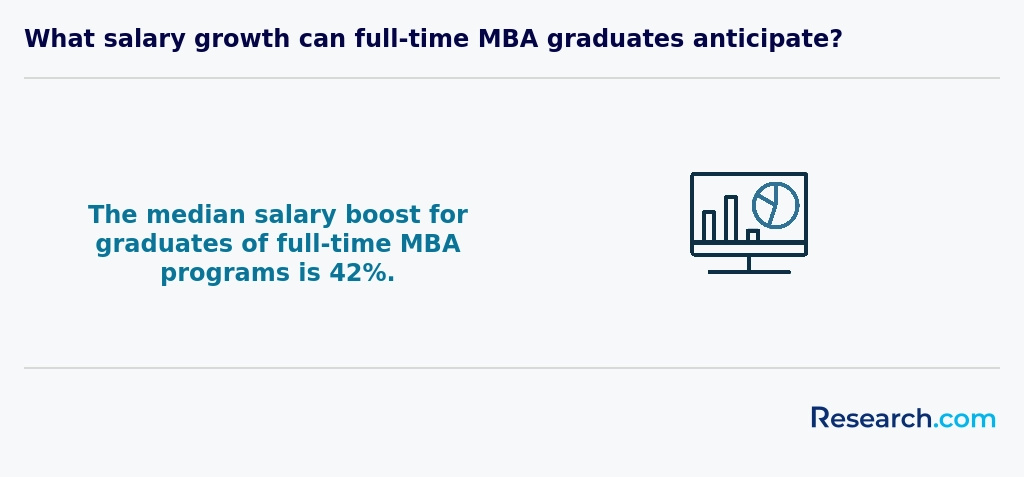
Wilmington's MBA programs offer a vibrant array of specializations designed to ignite your passion and sharpen your skills in key industries. Graduates from popular universities in the area often share how choosing concentrations like Finance or Healthcare Management opened doors to leadership roles in Wilmington's bustling banking sector and expanding health services.
With Wilmington's strategic location as a logistics hub, many students gravitate toward Supply Chain and Logistics, blending classroom knowledge with real-world experiences at local ports and companies. The Marketing specialization energizes creative minds, empowering graduates to master digital strategies that thrive in today's dynamic markets.
Entrepreneurship is another exciting path where students learn to launch startups and innovate, reflecting Wilmington's supportive small business climate. These MBA specializations in Wilmington encourage both professional growth and personal fulfillment, making the journey as rewarding as the destination. Plus, for those wondering about flexibility, you can explore why is business administration a flexible major fits well with busy lifestyles and diverse career goals.
Choosing the best MBA degree in Wilmington means focusing on programs that blend quality, affordability, and flexibility to suit your lifestyle. Graduates from popular Wilmington colleges often share how accreditation by top business education bodies guarantees a credible and respected degree. These programs not only maintain high standards but also open doors to rewarding career paths in thriving local industries like healthcare, technology, and finance. When comparing the best affordable MBA programs Wilmington has to offer, tuition costs usually range between $30,000 and $50,000, appealing to students seeking value without compromising quality.
Many students appreciate the part-time and online options offered by local universities, allowing them to continue working while advancing their education. Networking opportunities and strong career services in Wilmington greatly enhance students' professional journeys. Some graduates have found success by connecting with employers through internships and local partnerships, fueling their ambitions whether aiming for corporate roles or launching their own ventures in entrepreneurship careers.
Understanding the full cost, including fees and living expenses, alongside faculty expertise and class size, helps you choose a program that feels just right and energizes your path forward.

Graduates with an MBA degree in Wilmington unlock vibrant career paths across thriving sectors like finance, healthcare, technology, and manufacturing. Many find themselves advancing quickly in banks and financial firms, stepping into roles such as financial analysts or corporate finance officers, where their leadership skills truly shine. Students from Wilmington's esteemed colleges often share how their MBA sharpened their decision-making and strategic thinking, fueling confidence in competitive markets. This blend of education and opportunity makes the journey inspiring and rewarding for anyone exploring MBA career opportunities in Wilmington.
Healthcare also welcomes MBA graduates, with hospital administration and consulting providing meaningful ways to impact community well-being. Imagine working in Wilmington's leading health institutions, managing projects that improve patient outcomes while navigating complex healthcare operations seamlessly. These experiences enrich graduates personally and professionally, motivating many toward roles that make a real difference.
Wilmington's expanding tech and manufacturing industries further fuel exciting prospects. Operations managers and strategic planners play pivotal roles here, making every day dynamic and filled with problem-solving opportunities. For those driven by innovation, entrepreneurial ventures flourish in the local business ecosystem, offering space to turn ideas into thriving businesses. Some graduates even enhance their paths exploring online hospitality management programs to broaden their versatile skill sets.
With Wilmington's competitive and growing economy, the prospects for Wilmington MBA degree job prospects are bright, making this a bold and gratifying career choice.
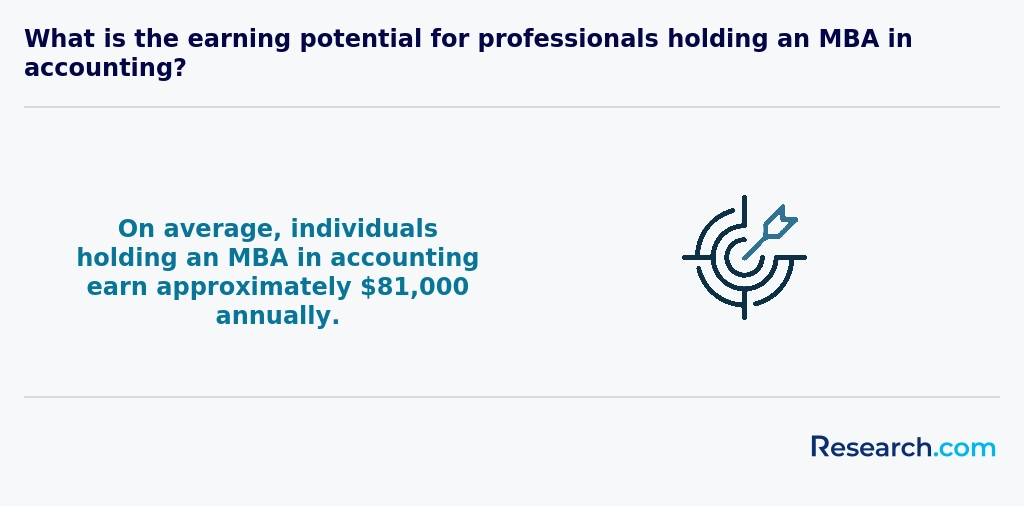
The job market for MBA degree holders in Wilmington is vibrant and full of promise, especially for those aiming to build a successful business management career opportunities Wilmington. Graduates from local universities often find themselves stepping into roles within the city's strong financial sector, which employs over 30,000 professionals in managerial and analytical positions. The presence of major institutions like Bank of America and Citigroup offers real-world chances to apply MBA skills in finance, operations, and strategic planning. Many alumni share stories of quickly advancing into leadership roles, benefiting from Wilmington's growing mix of industries, including healthcare management and technology.
Wilmington's strategic location near Philadelphia and New York also broadens job opportunities for MBA graduates willing to commute or relocate. Those exploring affordability often turn to the cheapest mba schools in delaware, balancing quality education with reasonable tuition. With competitive salaries and expanding sectors, pursuing an MBA here can open doors to a fulfilling, upward career path in a supportive, dynamic job market.
2027 Most Affordable MBA Degree Programs Ranking in Wilmington
Investing in your education is a significant decision that can shape your future, and the Research.com team understands the importance of making informed choices. To assist prospective students in Wilmington, we have meticulously crafted the "2027 Most Affordable MBA Degree Programs Ranking in Wilmington." Our commitment to quality, credibility, and accuracy is reflected in the extensive research and analysis conducted to compile this ranking.
We utilized the following reputable data sources to ensure a comprehensive evaluation of MBA programs:
By exploring this ranking, readers will gain valuable insights into the most affordable MBA degree programs available in Wilmington, helping them make well-informed decisions about their educational investments. For more details on our methodology, please visit our Research.com methodology page.
# 1 position
Strayer University-Delaware
Master of Business Administration


Frequently Asked Questions About MBA
MBA students in Wilmington can maximize their learning experience by engaging actively with both classroom content and local business networks. Wilmington offers several accredited MBA programs, such as those at the University of Delaware, which provide opportunities for applied learning through internships and consulting projects. According to US News & World Report, hands-on experiences are crucial for developing practical skills.
Participation in local business events, networking groups, and Wilmington's growing financial sector helps students connect theory with real-world challenges. Additionally, leveraging Wilmington's proximity to Philadelphia allows access to broader professional resources.
Maintaining strong relationships with faculty and peers also supports academic and career growth, enhancing negotiation, leadership, and strategic thinking skills essential for MBA success.
The MBA field is evolving rapidly, with new niches emerging to meet changing business demands. In Wilmington, specializations such as analytics and data-driven management are growing, reflecting a national trend where 35% of MBA graduates pursue these areas, according to the Graduate Management Admission Council (GMAC) 2023 report.
Another notable niche is sustainability and social impact, appealing to students interested in corporate responsibility. Wilmington's proximity to growing green industries supports this trend locally.
Additionally, healthcare management MBAs are gaining popularity, given the expanding healthcare sector in North Carolina.
Emerging focuses like technology innovation and entrepreneurship also attract candidates looking to start new ventures or lead digital transformation initiatives in the Wilmington business community.
Preparing for the job market after completing an MBA degree in Wilmington involves several strategic steps. First, students should leverage local networking opportunities, including Wilmington's robust business community and organizations such as the Wilmington Chamber of Commerce. Connections made here often lead to internships and job openings.
Second, career services at Wilmington-area universities provide targeted job search support, resume workshops, and interview coaching tailored to MBA graduates. According to the U.S. Bureau of Labor Statistics, having an MBA in the Wilmington area increases earning potential by about 20%-30% compared to bachelor's degree holders.
Additionally, staying informed on emerging industries in Wilmington, like financial services and logistics, can help tailor job searches. Enhancing skills in data analytics and digital marketing, which are in demand locally, also improves employability.
Employers in Wilmington increasingly seek MBA graduates with strong leadership and strategic thinking skills. According to recent surveys from the Graduate Management Admission Council (GMAC), 82% of employers value analytical problem-solving abilities most. Communication skills are also critical, with 75% of Wilmington's businesses emphasizing clear, persuasive communication in managerial roles.
Data literacy and financial acumen are vital, given Wilmington's growing finance and tech sectors. The Bureau of Labor Statistics highlights a 12% rise in demand for professionals skilled in data analysis since 2020. Additionally, adaptability and teamwork remain essential as companies navigate rapid market changes.
These capabilities ensure MBA graduates are well-prepared for leadership roles in Wilmington's competitive job market.
Finding internships relevant to an MBA degree in Wilmington involves leveraging local business networks and university career services. Wilmington hosts a variety of industries including finance, healthcare, and logistics, creating diverse internship opportunities for MBA students. According to the Wilmington Business Development Council, many companies seek interns with strong leadership and analytical skills, common in MBA candidates.
Students should start by connecting with the career centers at institutions like the University of North Carolina Wilmington, which often partner with local employers to offer internships. Additionally, platforms like Handshake and LinkedIn list many Wilmington-based MBA internships.
Networking through professional organizations such as the Wilmington Chamber of Commerce can also increase internship prospects. Preparing a strong resume highlighting MBA coursework and relevant skills is essential for success.
An MBA degree in Wilmington significantly enhances career mobility by equipping graduates with advanced management skills sought after by local employers. Wilmington's economy, driven by finance, logistics, and manufacturing sectors, offers increased opportunities for MBA holders to move into leadership roles.
According to recent data from the Bureau of Labor Statistics, professionals with MBA degrees in the Wilmington metropolitan area experience an average salary increase of 15-20% compared to those with only a bachelor's degree. This wage premium reflects employers' recognition of the strategic skills gained through MBA programs.
Furthermore, local networking events and alumni connections from Wilmington's business schools improve job prospects, enabling faster career advancement within established organizations or entrepreneurial ventures.
Studying for an MBA degree in Wilmington equips students to excel in interdisciplinary roles by combining core business knowledge with practical skills drawn from varied fields. Many Wilmington MBA programs emphasize collaboration across disciplines such as finance, marketing, operations, and technology, reflecting the integrated nature of modern business environments.
Local employers increasingly seek MBA graduates who understand both quantitative analysis and leadership, preparing students to bridge gaps between technical teams and management. According to the Wilmington Economic Alliance, MBA graduates in the region have a 12% higher likelihood of working in cross-functional roles than peers without such degrees.
Moreover, Wilmington's MBA curricula often include case studies and projects involving multiple departments, encouraging critical thinking across business domains. This approach enhances adaptability, a vital skill in the city's diverse economy.
When choosing between a thesis and a non-thesis MBA degree program in Wilmington, students should consider their career goals and learning preferences. Thesis programs typically require original research and a written thesis, which can benefit those interested in academic roles or further study. Non-thesis options often focus on practical coursework and may include internships or projects, appealing to professionals aiming to enter or advance in business fields quickly.
According to data from the National Center for Education Statistics, Wilmington-area MBA programs usually offer both tracks, with about 40% of students opting for non-thesis paths due to time and flexibility. It is essential to evaluate program length, faculty expertise, and your professional objectives.
Students based in Wilmington interested in studying for an MBA abroad have several viable options. Many choose to enroll in international programs that partner with U.S. universities, allowing for joint degrees or exchange opportunities. These programs often provide global business perspectives while maintaining accreditation recognized in the United States.
Wilmington residents can consider MBA programs in Europe or Canada, both popular destinations for U.S. students seeking international experience. Tuition and living costs vary widely; according to U.S. News & World Report, Canadian MBA programs typically cost less than many European options, which may have fees exceeding $50,000 annually.
Additionally, several Wilmington-based institutions offer study-abroad components or dual-degree options with universities overseas, providing a mix of local convenience and international exposure. Accreditation and visa regulations remain critical factors when selecting programs.
Wilmington offers various part-time job opportunities that align well with MBA students' educational goals. Roles in financial services, such as bank teller or assistant financial analyst, provide practical experience in investment management and corporate finance-key MBA subjects.
The city's growing logistics and shipping sectors also welcome part-time positions like supply chain coordinator or operations assistant, which help develop skills in process optimization and project management. According to the Wilmington Chamber of Commerce, these industries show steady annual growth rates around 3% to 5%, ensuring robust opportunities for MBA candidates.
Additionally, Wilmington hosts a number of startups and small businesses where part-time marketing coordinator or business development roles allow MBA students to apply strategic planning and analytics knowledge. These experiences complement academic learning and enhance resumes for future leadership jobs.
Wilmington offers MBA students several networking opportunities that can enhance their career prospects. Local universities such as the University of North Carolina at Wilmington provide access to business clubs, guest lectures, and alumni events that connect students with industry professionals. The Wilmington Chamber of Commerce frequently hosts networking mixers and business expos, which attract a diverse mix of entrepreneurs and corporate leaders.
Additionally, Wilmington's growing financial services and tech sectors present internship and mentorship possibilities for MBA candidates. According to the U.S. Bureau of Labor Statistics, these industries have seen steady job growth locally, making networking crucial for job placement. Professional organizations like the local chapter of the Association for Talent Development also support MBA students through workshops and networking sessions.
Alumni networks play a crucial role for MBA students in Wilmington by providing access to a broad community of professionals and resources. These networks facilitate mentorship opportunities, often connecting current students with graduates working in local industries such as banking, healthcare, and logistics. According to the Wilmington Chamber of Commerce, companies in the area value recommendations and referrals within these networks, enhancing graduates' job prospects.
Strong alumni connections in Wilmington also offer platforms for networking events, workshops, and career fairs, which are instrumental in developing practical skills and professional relationships. Schools with robust alumni engagement report higher employment rates within six months after graduation, as noted by the National Center for Education Statistics.
Customizing an MBA degree program in Wilmington enables students to align their education with specific career goals. Most local universities offer concentrations such as finance, marketing, or healthcare management, allowing students to focus on industries relevant to the Wilmington job market.
Additionally, many programs provide options for electives, internships, or capstone projects, offering practical experience that enhances resume value. Part-time and online formats also support working professionals seeking flexibility while advancing their skills.
According to the U.S. Department of Education, Wilmington's MBA programs emphasize experiential learning, preparing students for leadership roles in regional industries like banking and logistics. Exploring these customization options helps maximize the return on investment and career readiness.
MBA students in Wilmington often face several challenges that impact their academic and professional progress. One significant issue is balancing work, family, and studies, as many students are working professionals. According to the Wilmington Chamber of Commerce, nearly 60% of local MBA students juggle full-time jobs while attending classes.
Another challenge is the rising cost of education. Although Wilmington offers some affordable programs compared to national averages, tuition fees and associated expenses still create financial stress. Additionally, students may encounter limited networking opportunities due to smaller cohort sizes relative to larger metropolitan areas.
Finally, adapting to evolving business technologies and expectations requires continuous learning, which can be demanding alongside coursework. These factors collectively shape the Wilmington MBA experience.
With an MBA degree in Wilmington, graduates can pursue numerous professional certifications that enhance their career prospects. Common choices include the Project Management Professional (PMP) certification, valued for leadership and organizational skills. Another popular credential is the Certified Management Accountant (CMA), which focuses on financial management expertise.
Additionally, many MBA holders seek the Certified Financial Planner (CFP) designation, especially if they want to enter financial advising or wealth management. For marketing professionals, the Professional Certified Marketer (PCM) offers industry recognition.
According to the Wilmington Chamber of Commerce, combining an MBA with certifications like PMP or CMA significantly improves job opportunities in the region's growing business sectors.
Writing a winning application for an MBA program in Wilmington requires clear focus and preparation. Start by researching programs like the University of North Carolina Wilmington's Cameron School of Business, which emphasizes leadership and experiential learning. Admissions committees look for strong academic records, typically a minimum undergraduate GPA of 3.0.
Craft a compelling personal statement that highlights your career goals and how the MBA fits into your plan. Wilmington programs often value local industry connections, so mention relevant work experience. Prepare for the GMAT or GRE, as many schools in the area require these standardized tests, with average scores around 550-600 on the GMAT according to Graduate Management Admission Council data.
Strong letters of recommendation from supervisors or professors who can attest to your leadership potential are essential. Finally, meet all application deadlines and carefully follow each school's instructions to ensure your application reflects professionalism. This attention to detail can distinguish your submission in a competitive applicant pool.
The global perspective on an MBA career is increasingly shaped by the demand for versatile leadership skills that apply across borders. Graduates often pursue roles in multinational corporations, consulting, or entrepreneurship, where understanding diverse markets is crucial. According to the Graduate Management Admission Council, 70% of MBA alumni report working in global companies or frequently collaborating with international teams.
For students in Wilmington, earning an MBA offers access to a growing local economy linked to trade and finance, enhancing international career prospects. The region's proximity to key Atlantic ports positions MBA graduates to engage in global logistics and business development roles.
Furthermore, an MBA from accredited US programs is globally recognized, offering graduates flexibility to work in various countries. Wilmington's institutions maintain relationships with companies that value the integrated global viewpoint MBAs provide.
Gaining practical experience during an MBA program in Wilmington is possible through several avenues. Many local universities offer internships with Wilmington's diverse industries, including finance, port logistics, and healthcare. For example, UNCW's Cameron School of Business encourages students to pursue internships that provide hands-on management experience. Part-time work or consulting projects arranged through the school often connect students with regional businesses. Additionally, some MBA programs incorporate experiential learning projects, where students collaborate with companies to solve real-world challenges. Joining local professional organizations or business networking groups in Wilmington can also enhance practical skills and industry connections while studying.
Choosing the right concentration within an MBA program in Wilmington involves evaluating your career goals and local market demand. Popular concentrations include Finance, Healthcare Management, and Supply Chain Management, reflecting Wilmington's strong presence in banking and logistics. According to the U.S. Bureau of Labor Statistics, Wilmington's finance sector employs over 20,000 professionals, suggesting Finance-focused MBAs have broad opportunities.
Consider programs that offer concentrations aligned with industries growing in Wilmington. Research local employers' preferences and network with alumni to understand which specializations provide the best return on investment. Many Wilmington schools provide flexibility in course selection, allowing students to tailor their MBA to specific career paths. Use resources like the Wilmington Chamber of Commerce for insights on trending sectors.
- 2027 Most Affordable MBA Degree Programs Ranking in Baltimore
- 2027 Most Affordable MBA Degree Programs Ranking in Washington
- 2027 Most Affordable MBA Degree Programs Ranking in New Haven
- 2027 Most Affordable MBA Degree Programs Ranking in Springfield
- 2027 Most Affordable MBA Degree Programs Ranking in Pittsburgh
- 2027 Most Affordable MBA Degree Programs Ranking in Worcester
- 2027 Most Affordable MBA Degree Programs Ranking in Cambridge
- 2027 Most Affordable MBA Degree Programs Ranking in Boston
- 2027 Most Affordable MBA Degree Programs Ranking in Cleveland
- 2027 Most Affordable MBA Degree Programs Ranking in Winston-Salem
- MBA Career Outlook from a Global Perspective Margaret Buj https://interview-coach.co.uk/mba-career-outlook-from-a-global-perspective/
- What Can You Do with an MBA in Today’s Market? | Elmhurst University Elmhurst University Blog https://www.elmhurst.edu/blog/what-can-you-do-with-an-mba-in-todays-market/
- Follow These 10 Steps To Write Your MBA Application Essays - ApplicantLab https://www.applicantlab.com/blog/10-steps-to-write-your-mba-application-essay/
- UNCW - MBA - International Student Office https://www.international-student-office.org/en/study-in-the-usa/uncw/programs/uncw-mba/
- Loans for Business School | NC Assist Loans https://www.ncassist.org/student-loan-options/graduate-loans/loans-for-business-school/
- How to balance a part-time MBA while working full-time https://www.manchester.ac.ae/blog-post/how-to-balance-a-part-time-mba-while-working-full-time
- MBA Requirements: What do you really need for an MBA degree https://www.obseducation.org/en/blog/mba-requirements-what-do-you-really-need-for-an-mba-degree
- How to Choose an MBA Program That Fits Your Career Goals https://www.mobileviewer.io/blog/how-to-choose-an-mba-program-that-fits-your-career-goals
- Know more about thesis vs non- thesis: what is the difference? https://studyfans.com/en/blogs/816
- Verifying that you are not a robot... https://krea.edu.in/ifmrgsb/top-5-emerging-career-paths-for-mba-graduates/


