
2027 Most Affordable MBA Degree Programs Ranking in Boston

Co-Founder and Chief Data Scientist
Choosing the right MBA program in Boston can feel overwhelming, especially when budget matters. This article presents the 2027 Most Affordable MBA Degree Programs Ranking in Boston, created by the Research.com team of data scientists to guide you with accurate, data-driven insights.
Discover affordable options that don't compromise quality, helping you invest wisely in your future. An MBA can open new career doors and boost your confidence, and this ranking is designed to make that journey clearer and more accessible.
Explore your possibilities with trusted information at your fingertips.
Key benefits of getting MBA degree in Boston
- While specific salary data is not available, MBA graduates in the US typically enjoy competitive salaries, often earning well above average in management and business roles, reflecting strong financial growth potential.
- An MBA graduate from a Boston university can pursue diverse career paths such as finance, consulting, marketing, or entrepreneurship, opening doors to leadership positions in local and global companies.
- Online MBA programs from Boston schools offer flexibility and convenience, allowing students to balance work and study while gaining the same valuable skills and recognition as traditional programs.
- 2027 Most Affordable MBA Degree Programs Ranking in Boston
- What can I expect from MBA degree in Boston?
- Where can I work with MBA degree in Boston?
What can I expect from MBA degree in Boston?
When it comes to the average cost of an MBA degree in Boston, students quickly learn it's an investment as dynamic as the city itself. Tuition at powerhouse schools like Boston University or Northeastern can hover around $60,000 per year, while Harvard Business School, a titan in prestige and opportunity, leans higher. Graduates often recall navigating the weighty tuition bills with a mix of determination and optimism, supported by assistantships or financial aid that tip the scales toward manageable.
It's not just tuition-living in Boston adds another layer of expense. Rent, meals, and weekend coffees in bustling neighborhoods like Back Bay or the Seaport sparkle with possibility yet command a premium. Still, many MBA students reflect on how these costs pale next to the priceless access to Fortune 500 internships and networking events.
For those studying at Boston College, the robust professional ecosystem feels like a safety net-high tuition balanced by strong post-grad salaries ranging from $90K to $150K. This blend of challenge and reward fuels a palpable excitement that courses through Boston's MBA classrooms and beyond.
Where can I work with MBA degree in Boston?
With an MBA from Boston's top schools like Harvard or MIT Sloan, graduates step into a city pulsing with opportunity. Imagine a former classmate who, fresh out of Cambridge, dives into Fidelity Investments, navigating the thrilling circuits of investment banking where each deal feels like a strategic chess move. Another peer channels their energy into Boston's sprawling healthcare scene, blending business acumen with compassion at Massachusetts General Hospital, driving innovation in hospital administration.
Nearby, the tech corridors of Cambridge buzz with startups and giants like IBM and Google, where MBA grads don the mantle of product managers or entrepreneurial leaders, shaping tomorrow's technology. Consulting firms such as Bain & Company beckon those who love untangling complex puzzles, turning strategy sessions into game-changing breakthroughs.
Even within academia, alumni from Boston's MBA programs find themselves crafting the future of education, managing programs, and aligning university resources to foster growth. The diversity here means your MBA isn't just a degree-it's a key unlocking Boston's dynamic, interconnected worlds.
You land your MBA from Boston University's Questrom School of Business or Boston College's Carroll School of Management, and suddenly your salary talks a whole new language. Picture this: fresh graduates stepping into Boston's buzzing finance or tech corridors earn from $90,000 up to $130,000 annually, riding the city's vibrant corporate wave. Some ambitious grads drift towards consulting gigs or innovation hubs, comfortably touching figures north of $130,000 within mere years, fueled by Boston's demand for sharp leadership.
Consider those clutching a few years' experience, armed with local networks forged over endless coffee chats and case competitions-these professionals often see salaries zooming past $150,000. The Boston ecosystem, rich with multinational giants and startups alike, doesn't just hand out jobs; it delivers a playground where MBAs cash in on strong growth and opportunity.
Imagining yourself here? With Boston's premium on management savvy, your post-MBA paycheck will likely reflect not only your degree but the city's thrilling promise of upward mobility.
- MBA programs in Boston cost between $60,000 and $120,000 for a two-year program, excluding living expenses.
- Early career salaries for MBA graduates in Boston range from $90,000 to $110,000, rising to $150,000 or more within five to ten years.
- Boston's job market includes industries like finance, technology, healthcare, and consulting, with opportunities in management consulting, financial services, marketing, and operations.
- Many Boston business schools offer part-time, executive, and online MBA formats for working professionals.
- Admissions are competitive and require strong academic records, relevant work experience, and good GMAT or GRE scores.
In Boston, the journey to an MBA unfolds like choosing your own adventure-taking anywhere from one to three years, depending on your hustle and life rhythm. Imagine diving deep into Boston University's Questrom School of Business, where graduates reminisce about 22 months packed with insights and connections that felt just right-neither rushed nor dragging on forever. For those balancing work emails at dawn and evening classes, Northeastern's part-time MBA stretches the timeline to about three years, offering a sense of flexibility that graduates treasure as they juggle career and study without losing their sanity or spark.
Then there are the speed racers-students at Harvard Business School who embrace an intense, one-year MBA sprint. Their stories are filled with energized chaos and a thrilling rush, compressing years of learning into a tightly woven tapestry of ambition and determination. Boston's MBA timelines aren't just about months or years; they're about crafting personal growth stories rooted in a city alive with opportunity and challenge.
To streamline your search for affordable MBA programs in Boston, MA, consider leveraging online resources that provide comprehensive rankings and reviews. For instance, exploring websites that specialize in educational rankings can offer valuable insights into the most affordable options available. When searching online, using specific keywords such as affordable mba schools in massachusetts can help narrow down your search to the most relevant and cost-effective MBA programs in the area. This approach enables you to make informed decisions about your educational investments, ensuring that you can pursue your academic and professional goals without undue financial burden. By focusing on affordability and program quality, you can optimize your search process and identify the MBA program that best aligns with your aspirations and budget.
Picture a graduate from Boston University savoring the buzz of campus life-late-night study sessions at quaint coffee shops, spontaneous hallway debates, and networking events where handshakes turn into lasting connections. That's the on-campus MBA experience: immersive, face-to-face, rich with spontaneous moments that shape leadership skills through in-person collaboration.
Now imagine a Suffolk University MBA student logging in after a busy workday, sipping tea at home while juggling family life. The online MBA offers that kind of freedom-learning on your own clock, from anywhere in Boston or beyond. Its asynchronous format bends to your schedule, ideal for those mastering the art of balancing full-time jobs with aspirations.
The differences ripple through tuition too. On-campus degrees often carry a heftier price tag-think $50,000 to $70,000-while online programs slice costs by up to 30%, saving cash and commuting chaos.
Whether it's the electric energy of Northeastern's classrooms or the flexibility woven into University of Massachusetts Boston's online platform, each path crafts a distinctive MBA journey.
Assessing the ROI of an MBA program is crucial for making a financially sound decision. By comparing total program costs with post-graduation earnings and career advancement, you can estimate how quickly your investment will pay off. • Average Total Investment: Most two-year MBA programs in Boston range from $60,000 to $150,000 (tuition, fees, and living expenses). • Median Salary Increase: Graduates report an average salary boost of 25–35%, translating to a median post-MBA salary of $110,000–$130,000. • Payback Period: With an annual bump of $30,000–$40,000, most students recoup their MBA investment within 3–5 years. Factors such as scholarships, employer tuition reimbursement, and part-time work can shorten this timeline. • Long-Term Earnings: Over a 10-year horizon, MBA graduates can earn $200,000–$400,000 more than peers with only a bachelor’s degree, accounting for promotions and executive roles. To maximize ROI: 1. Leverage Financial Aid: Combine need-based scholarships and work-study to lower upfront costs. 2. Target High-Growth Sectors: Focus on industries like healthcare management or tech leadership, where salary premiums are highest. 3. Utilize Career Services: Early engagement with on-campus recruiting and alumni mentorship accelerates job placement. For a broader perspective on regional affordability and payback dynamics, explore our Cheapest MBA Degree Programs Ranking in the Northeast. This resource highlights programs with the shortest break-even periods, helping you align cost and career goals.
The average MBA cost in Boston centers around $65,438, a figure that captures the essence of pursuing a transformative business education in this vibrant city. Graduates from distinguished local institutions often share stories of balancing this investment with the rich opportunities Boston offers-from networking in historic Harvard Square cafes to late-night study sessions overlooking the Charles River. This number reflects a blend of academic excellence and the city's lively professional scene, where every dollar spent feels like a step closer to impactful leadership roles.
In-state students benefit from a more accessible price tag, often closer to $45,217, which makes Boston's renowned programs a bit more attainable. Imagine residents of Massachusetts discovering the perfect balance between cost and quality while attending prestigious public universities. They appreciate how this tuition aligns with the city's economy and their local ambitions, making the pursuit of an MBA a feasible ambition without sacrificing access to elite resources.
Those hunting for affordable MBA degree tuition Boston also have options to consider, like flexible part-time or online formats, which some graduates have praised for easing financial pressures without compromising education quality. Exploring affordable mba schools in massachusetts can reveal unexpected gems where students combine career growth with cost efficiency, turning education into both an exciting and manageable journey.
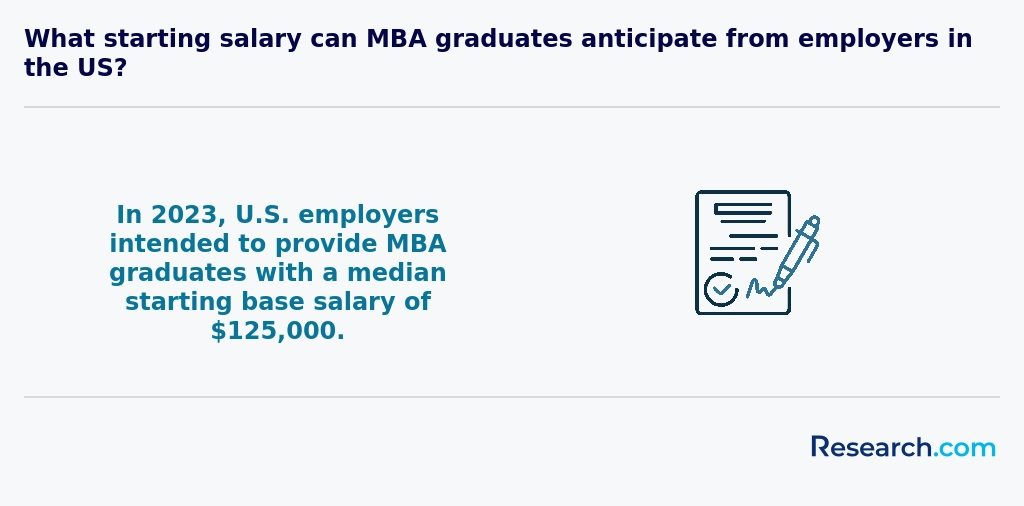
Investing in an MBA is about more than tuition-it’s about the long-term return on that investment. In Boston, MA, where the average two-year MBA program can cost between $60,000 and $150,000, understanding ROI helps you make an informed decision. On average, Boston MBA graduates report starting salaries around $115,000, translating to a payback period of roughly 2–3 years when comparing post-MBA earnings to pre-MBA income. Key factors influencing ROI include program cost, salary uplift, and career trajectory. To maximize ROI, consider program format and cost structure. Part-time and online MBAs often offer lower tuition and allow continued full-time employment, reducing opportunity costs. Employer sponsorship and tuition reimbursement programs can further shrink your personal investment. For a broader comparison of affordability and potential returns across the region, explore the Cheapest MBA Degree Programs Ranking in the Northeast. Calculating your personal ROI involves:
- Total program cost (tuition + fees + living expenses)
- Expected salary increase (pre-MBA vs. post-MBA median salaries)
- Time to recoup investment (payback period) For example, a graduate paying $80,000 total who sees a $30,000 salary increase annually will recoup costs in under three years. Additionally, specialized tracks like Finance or Business Analytics may command higher premiums, accelerating ROI. Ultimately, a strong alumni network and robust career services can boost long-term earnings beyond initial payback, making ROI an evolving metric that rewards strategic program choices and proactive career planning.
Imagine landing a merit scholarship at Boston University's Questrom School of Business that slashes your tuition bill nearly in half-many graduates speak of that relief as a game-changer, lifting the financial weight enough to focus fully on leadership and innovation. Meanwhile, others at Northeastern University have tapped into assistantships, trading a few hours teaching or researching for tuition remission and a modest stipend, turning their MBA journey into a dynamic learning ecosystem.
Picture juggling work and study, knowing your employer's tuition reimbursement program might cover a sizable chunk of costs, a support 40% of Boston MBA students rely on to stay afloat and motivated amidst the rigorous curriculum.
For those whose wallets whisper caution, need-based grants and federal loans such as Direct Unsubsidized and Grad PLUS Loans weave safety nets with manageable repayment plans-making Boston's competitive MBA scene accessible without sacrificing ambition or sleep.
These financial provisions-from scholarships to loans-are more than numbers; they are real lifelines woven into the dense, bustling fabric of Boston's top business schools, empowering countless MBA candidates to transform potential into success.
Imagine walking through the bustling halls of Boston University's Questrom School of Business, where every peer carries not just a bachelor's degree but a story of grit earned through two to five years of real-world hustle. This practical experience isn't just a checkbox; it's the lifeblood of lively class debates and team projects that transform theories into actionable strategies.
Graduates often reflect on how their GMAT or GRE scores opened doors, though recent waves of change at schools like Northeastern have relaxed testing demands, acknowledging the evolving landscape shaped by global challenges. The journey also typically involves proving mastery of English, packing a compelling statement of purpose, gathering heartfelt letters of recommendation, and polishing a resume that hums with professional passion.
These prerequisites, stitched together, don't merely prepare you for an MBA in Boston-they launch you into a thrilling intellectual adventure where preparation meets possibility in the city's vibrant academic pulse.
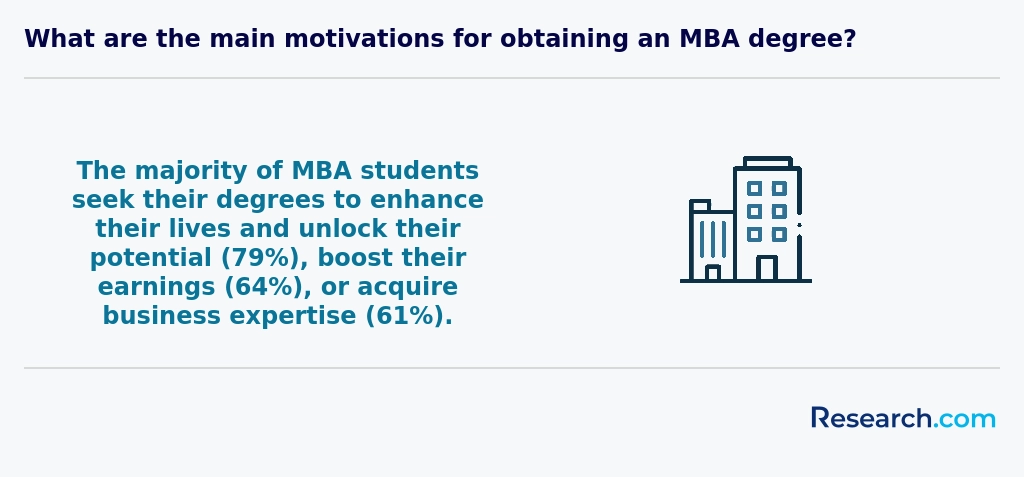
Embarking on an MBA journey is as much about developing a strategic mindset as it is about academic excellence. Cultivating habits early can turn your time in Boston into a launchpad for lifelong success. First, set clear personal and professional goals; map out how each course, workshop, or networking event aligns with your long-term vision. Leverage the diverse curriculum to experiment with different fields and identify where your strengths truly shine. Engage actively with classmates and professors-many of whom have real-world experience-and seek mentorship opportunities that provide insights beyond textbooks. Additionally, practical experience is crucial. Whether it’s through internships, consulting projects, or hands-on case studies, applying classroom theory to real-world challenges builds confidence and credibility in the professional sphere. For those balancing work and study, explore online options such as an affordable mba online program, which offer flexibility without compromising quality. Finally, invest in developing soft skills like leadership, critical thinking, and effective communication. Join student clubs or participate in public speaking workshops to sharpen these abilities. These strategies not only help you excel academically but also prepare you for the dynamic challenges of the business world, ensuring your MBA experience is both transformative and rewarding.
Imagine diving into Financial Accounting at Boston University, where graduates describe the thrill of decoding complex financial statements as if they were secret maps to corporate treasure. Here, you don't just learn numbers-you unlock stories behind every balance sheet. At Boston College, marketing management comes alive, with students crafting campaigns that could rival the buzz of Fenway Park on game day, feeling the rush of connecting brands to real Boston communities.
Operations management in these programs feels like orchestrating a symphony in the heart of the city's bustling industries, sharpening your knack for efficiency just like the city's famous coffee spots streamline their morning rush. Organizational behavior courses unravel the mystery of workplace dynamics, preparing you to lead teams with the same grace as a seasoned Sox captain guiding players through a tough inning.
Corporate finance and business strategy aren't just theories but daily tools graduates wield, making calculated decisions amidst Boston College's historic halls, confident they're shaping futures with every case study tackled. These courses pulse with life in Boston's unique blend of tradition and innovation.
Boston's MBA landscape feels like a vibrant mosaic of opportunity, where specializations mirror the city's dynamic pulse. Imagine diving into Finance at Northeastern's D'Amore-McKim School of Business, where students thrive on mastering investment strategies that echo through Boston's famed financial district. Or envision the excitement at Boston University's Questrom School of Business, where graduates feel the pulse of healthcare management, shaping policies that influence top biotech firms nearby. For tech-savvy learners, programs emphasizing Technology and Innovation unlock doors to Boston's burgeoning startup scenes, feeding entrepreneurial spirits ready to disrupt industries.
Graduates relish marketing tracks that explore digital narratives and consumer psychology, honing skills directly applicable to Boston's diverse marketplaces. General Management offers those craving broad leadership prowess a solid foundation, while entrepreneurship specializations empower students to launch ventures infused with the city's startup vitality. Seeking affordable MBA specializations in Boston? Explore options like the affordable mba online program to balance ambition and budget, a critical step many successful alumni cite.
Choosing your path through Boston's bustling MBA scene means tuning into the city's pulse-its blend of historic academia and cutting-edge industries. Imagine a current graduate from Boston University describing their late-night study grind balanced by networking events with fintech startups downtown. Accreditation is their compass; they swore by AACSB accreditation, found at institutions like Boston College and Northeastern University, for the assurance of top-tier education and connections that pay off.
Think of a part-time student juggling healthcare shifts while specializing in healthcare management, soaking up knowledge on campus and online. This flexibility lets you pursue exactly the kind of MBA that fits your rhythm, reflecting the diversity in Boston's business fabric. Many candidates aiming for the best affordable MBA programs in Boston have discovered how crucial it is to weigh tuition costs alongside scholarships and employer sponsorships, taking the guesswork out by consulting the Cheapest MBA Degree Programs Ranking in the Northeast.
Graduates often emphasize the power of Boston's alumni networks, where doors swing open through finance and technology sectors. Their stories highlight internship experiences bridging campus theory with real-world hustle. Open yourself to verified rankings and honest student feedback to capture the authentic spirit of each program-this is true mastery in choosing top MBA degree options Boston offers.

Graduates from Boston's top MBA programs don't just enter typical roles; they become architects of the city's dynamic industries. An MBA career opportunities in Boston stretch from the sleek boardrooms of financial giants to the labs of biotech innovators. Many alumni from institutions like Boston University and Harvard Business School share stories of pivoting into high-stakes finance jobs-where median salaries soar above $130,000-feeling the pulse of Wall Street Boston style.
Others dive into Boston's tech ecosystem, shaping startups with agile strategies learned in classrooms near Kendall Square. Imagine a graduate steering a product launch at a cutting-edge firm, weaving management savvy with innovation. Meanwhile, those drawn to healthcare management take pride leading hospital systems or biotech ventures fueled by local research powerhouses.
Boston MBA graduate job prospects also glow brightly in consulting, where firms like Bain and Deloitte offer a playground for analytical minds. Inspired classmates often mention hopping into entrepreneurial ventures, supported by the city's vibrant startup culture and resources-sometimes after exploring best paying 6 month certificate programs for a quick pivot.
The job market for MBA graduates in Boston pulses with opportunity, fueled by the city's blend of pioneering industries and prestigious institutions. Graduates from Boston's top business schools often share stories of landing roles in finance and technology firms that prize their leadership and strategic thinking skills. The city's finance and healthcare sectors, alongside its booming tech hub, provide fertile ground for MBA job opportunities in Boston, where recruiters seek candidates with a mix of savvy business insight and specialized expertise.
Many MBA graduates from Boston's renowned colleges find their education immediately pays off, entering the workforce with starting salaries between $95,000 and $110,000. This premium is a testament to the competitive and dynamic environment that Boston's employers maintain. The career services at these universities excel at linking students to local internships and job fairs, giving them a seamless path from classroom theory to real-world success.
For those balancing work and study, local programs often accommodate students with flexible schedules, bolstering the appeal of pursuing advanced degrees while gaining experience. If you want to explore options tailored for busy professionals, check out the easy bachelor's degree online pathways that complement MBA ambitions.
Boston MBA graduate salary trends underscore the city's valuation of talents who combine communication mastery with entrepreneurial drive. In consulting, tech, and healthcare, employers hunt for graduates who can pivot between analysis and leadership-qualities honed at Boston's competitive MBA programs.
2027 Most Affordable MBA Degree Programs Ranking in Boston
Investing in your education is a significant decision that can shape your future, and the Research.com team understands the importance of making informed choices. To assist prospective students in Boston, we have meticulously developed the "2027 Most Affordable MBA Degree Programs Ranking in Boston." Our commitment to quality, credibility, and accuracy is evident in the thorough research and analysis behind this ranking.
We utilized the following reputable data sources to ensure a comprehensive evaluation of MBA programs:
By exploring this ranking, readers will gain valuable insights into the most affordable MBA options in Boston, empowering them to make well-informed decisions regarding their educational investments. For more details on our methodology, please visit our Research.com methodology page.
# 1 position
Cambridge College
Master of Business Administration


Frequently Asked Questions About MBA
To maximize their learning experience, MBA students in Boston should actively engage with both academics and the city's dynamic business environment. Boston hosts prestigious institutions like Boston University and Northeastern University, known for offering practical case studies and experiential learning.
Students benefit from networking opportunities in Boston's robust startup and finance sectors, crucial for real-world insights. According to the Graduate Management Admission Council, 87% of MBA graduates attribute career advancement partly to networking. Engaging in internships and local business events can also deepen understanding.
Additionally, taking advantage of Boston's diverse cohort enhances learning through varied perspectives. Leveraging resources like career coaching and workshops offered by many Boston schools helps refine skills beyond traditional coursework.
The MBA field is evolving with several emerging niches, especially relevant to students in Boston, a major education and business hub. Among these, technology management and data analytics MBAs are gaining momentum as companies seek leaders who can marry business acumen with tech skills. Boston-area schools like Boston University and Northeastern University have expanded programs in these areas to meet growing demand.
Another notable niche is sustainability and impact investing. Given the increasing focus on corporate social responsibility, MBAs specializing in environmental, social, and governance (ESG) factors are becoming popular. This aligns with regional priorities toward clean energy and green finance.
Finally, healthcare management MBAs are thriving due to Boston's renowned medical institutions. Programs emphasize leadership skills tailored for the complex healthcare sector, preparing graduates for roles in hospitals and biotech firms.
Preparing for the job market after completing an MBA degree in Boston requires strategic steps tailored to the local economy. Boston, with its strong finance, healthcare, and tech sectors, demands candidates with both leadership skills and industry-specific knowledge. According to the Graduate Management Admission Council, over 90% of MBA graduates find employment within three months.
Networking plays a crucial role: leverage Boston's extensive alumni networks and professional groups, including events hosted by schools like Boston University and Northeastern. Internships and co-op programs, often available during the MBA, enhance practical experience and improve employability.
Additionally, skill development in data analytics and digital marketing is highly valued by Boston employers. Career services offices in Boston universities provide resources for resume building, interview preparation, and job placement assistance.
Employers in Boston highly value MBA graduates who demonstrate strong leadership and strategic thinking skills. According to a 2023 survey by the Boston Business Journal, 78% of local employers prioritize candidates capable of managing diverse teams and driving innovation. Analytical skills are also critical, as Boston's economy includes strong finance, healthcare, and technology sectors that demand data-driven decision-making.
Communication skills remain essential, with employers expecting MBA graduates to effectively present ideas and collaborate across departments. Additionally, adaptability and a global mindset are increasingly important, given Boston's role as an international business hub. These skills prepare graduates to tackle complex, evolving business challenges successfully.
Finding internships in Boston relevant to an MBA degree involves leveraging local resources and networks tailored to business students. Boston hosts top business schools, such as Boston University and Boston College, which maintain strong connections with regional employers and offer career services focused on MBA students.
Students should explore internship databases provided by these universities, attend career fairs, and participate in networking events. According to the Graduate Management Admission Council, 56% of MBA students in the U.S. secure internships through their school's career services. Additionally, Boston's robust economy-featuring industries like finance, consulting, and technology-offers diverse internship opportunities for MBA candidates.
Utilizing professional platforms, such as LinkedIn and local business associations like the Greater Boston Chamber of Commerce, can increase access to internships. Early application and proactive outreach to companies in Boston's business districts also improve chances of securing a role.
In Boston, earning an MBA significantly enhances career mobility and advancement opportunities. The city's strong economy, anchored by sectors like finance, technology, and healthcare, values advanced business skills. According to the Graduate Management Admission Council (GMAC), MBA graduates in Boston report a 15-20% higher salary increase within three years post-graduation compared to those without the degree.
Networking opportunities with Boston's extensive business community also play a crucial role. MBA programs in local schools like Boston University and Northeastern provide access to influential industry leaders, which can lead to promotions or job transitions.
Furthermore, employers often view MBA holders as better equipped for leadership roles and strategic decision-making, boosting prospects for career growth in competitive Boston job markets.
Studying for an MBA degree in Boston offers unique preparation for interdisciplinary roles due to the city's diverse business landscape and strong academic environment. Boston is home to top-ranked business schools, such as Boston University and Northeastern University, that emphasize integrating management skills with fields like technology, healthcare, and finance. According to U.S. News & World Report (2024), Boston's MBA programs frequently include cross-disciplinary coursework and industry projects, fostering collaboration across departments.
Students often engage with local startups and global companies, gaining practical experience that blends various disciplines. This hands-on approach helps graduates develop flexible problem-solving skills crucial for leadership roles spanning multiple sectors.
When choosing between a thesis and a non-thesis MBA program in Boston, consider your career goals and learning style. Thesis MBAs often appeal to those interested in research, academic careers, or specialized expertise. Completing a thesis involves extensive independent study and can take more time, typically adding 6 to 12 months to the degree.
Non-thesis MBAs focus on practical skills through coursework and projects, ideal for professionals seeking faster completion and immediate application in business roles. According to the Boston Business Journal, about 60% of local MBA programs lean towards non-thesis options, emphasizing experiential learning.
The non-thesis route often includes internships or capstone projects, beneficial in Boston's competitive job market. Cost and time commitment are other factors; thesis programs may require additional tuition. Checking with specific Boston institutions for detailed options helps tailor the choice to your needs.
Students based in Boston seeking to study for an MBA abroad have several pathways to consider. Many local universities, such as Boston University and Northeastern, offer exchange programs or dual-degree options with international institutions, enabling students to gain global experience without leaving the U.S. According to the Graduate Management Admission Council (GMAC), roughly 30% of MBA candidates pursue some form of international study or global immersion, highlighting the rising interest in overseas exposure.
Additionally, some Boston schools have partnerships with universities in Europe, Asia, and Latin America, facilitating semester-long studies or consulting projects abroad. The trend aligns with the increasing demand for global business skills in MBA curricula nationwide.
Boston offers a variety of part-time job opportunities well-suited for MBA students seeking practical experience. Popular roles include business analyst internships, financial services assistantships, and marketing coordinators in local startups or established firms.
These positions allow students to apply classroom knowledge in real-world settings while building professional networks. According to the Boston Economic Development office, sectors like finance, technology, and healthcare provide about 30% of available part-time roles aligned with MBA studies.
Working part-time in consulting firms or nonprofit organizations can also enhance strategic thinking and leadership skills essential for MBA success.
Boston is a prime location for MBA students seeking strong networking opportunities. The city hosts over 70 higher education institutions, including top-ranked business schools like Harvard Business School and Boston University Questrom School of Business. These institutions regularly organize networking events, career fairs, and industry panels.
Students benefit from connections with a large concentration of Fortune 500 companies and startups in finance, biotech, and technology sectors. According to the Graduate Management Admission Council, 85% of MBA graduates from Boston schools find networking events critical for job placement.
Additionally, professional organizations such as the Boston MBA Association and monthly alumni meetups foster continuous engagement beyond the classroom.
The alumni networks of Boston MBA programs provide significant benefits to current students. These networks often include thousands of graduates working across diverse industries in the city, from finance to technology. According to the Graduate Management Admission Council, strong alumni connections improve job placement rates by up to 25%, a key advantage for MBA candidates seeking competitive roles in Boston's robust job market.
Alumni frequently offer mentorship, career advice, and internship opportunities. Participation in networking events hosted by schools helps students build professional relationships that can lead to job offers and business partnerships.
Furthermore, Boston's business ecosystem benefits from these networks through collaborations, fostering innovation, and supporting entrepreneurship among new graduates.
In Boston, MBA programs offer a variety of ways to customize your degree to align with your career goals. Many schools provide options to select concentrations such as finance, entrepreneurship, healthcare management, or technology. For example, Boston University and Northeastern University both enable students to tailor coursework based on industry interests.
Students can also choose between part-time, full-time, and executive MBA formats to fit their professional schedules. Additionally, internships and experiential learning projects are commonly integrated, allowing practical experience in Boston's dynamic business environment. According to the Graduate Management Admission Council, nearly 90% of MBA graduates in Boston find employment within six months, highlighting local program effectiveness.
MBA students in Boston often face significant challenges related to high tuition costs and living expenses. According to the Graduate Management Admission Council, the average MBA program cost in Boston can exceed $70,000 annually, while rent and daily expenses in the city rank among the highest in the U.S. This financial strain affects many candidates, particularly those balancing work and study.
Additionally, Boston's competitive job market demands strong networking and internship efforts. MBA students must navigate numerous recruitment events and secure relevant experience to stand out. Time management is another critical hurdle, as balancing coursework, professional development, and personal commitments requires discipline and focus.
With an MBA degree, professionals in Boston can pursue a variety of recognized certifications that enhance career prospects. Common certifications include the Project Management Professional (PMP), valued for leadership roles across industries. Another popular option is the Certified Public Accountant (CPA) for those interested in finance and accounting.
The Chartered Financial Analyst (CFA) designation is ideal for graduates focusing on investment management. Additionally, the Certified Management Accountant (CMA) certification suits MBA holders pursuing advanced management accounting careers.
According to the Graduate Management Admission Council, nearly 40% of MBA graduates in the US seek such certifications within five years of graduation to boost salary potential and job security.
Writing a winning application for an MBA program in Boston requires clear focus and strong preparation. Start by thoroughly researching Boston's top business schools, such as Harvard Business School and Boston University's Questrom School of Business, to understand their unique values and priorities. Tailor your personal statement to highlight your leadership experience, career goals, and how the MBA fits your professional development.
The Graduate Management Admission Test (GMAT) or Graduate Record Examination (GRE) scores remain crucial. According to Poets&Quants, the average GMAT score for Boston programs ranges between 700-730, reflecting competitive admissions.
Secure strong recommendation letters that emphasize your teamwork and problem-solving skills in professional settings. Lastly, practice for interviews, as schools often assess applicants' communication and critical thinking abilities through them.
An MBA degree holds strong global recognition, especially from U.S. institutions known for rigorous business education. Boston, as a hub for universities like Boston University and Harvard Business School, offers programs that attract international students seeking leadership roles worldwide. According to GMAC's 2023 report, 73% of U.S. MBA graduates find employment internationally within a year of graduation.
Employers in Asia and Europe often regard a Boston MBA as a mark of advanced strategic and managerial skills. The city's multicultural environment also prepares graduates for global marketplaces by fostering diverse networking opportunities.
Overall, a Boston-based MBA equips students with competitive advantages in a global career, backed by strong institutional reputations and international business connections.
Gaining practical experience while studying for an MBA in Boston is essential for career readiness. Many Boston-area programs offer internships with local companies in finance, tech, and healthcare. For example, the Boston Chamber of Commerce reports that over 65% of MBA students at top schools secure internships during summer breaks.
Additionally, experiential learning through consulting projects or business competitions can provide hands-on skills. The Boston Consulting Group and similar firms often collaborate with universities to offer real-world challenges.
Students also benefit from networking events and mentorship programs available through Boston's robust business community, expanding professional connections during study.
Choosing the right concentration within an MBA program in Boston requires careful consideration of your career goals and the local job market. Boston's strong industries include finance, healthcare, technology, and education, so concentrations like Finance, Healthcare Management, or Technology Management often lead to promising opportunities. According to the Graduate Management Admission Council, specialized MBA graduates tend to have higher employment rates in their respective sectors.
Research the concentrations offered by Boston's top schools like Boston University and Northeastern University, noting curriculum and faculty expertise. Networking with alumni and industry professionals can provide insights into which concentration aligns best with your skills and regional demand.
- 2027 Most Affordable MBA Degree Programs Ranking in Cambridge
- 2027 Most Affordable MBA Degree Programs Ranking in Worcester
- 2027 Most Affordable MBA Degree Programs Ranking in Springfield
- 2027 Most Affordable MBA Degree Programs Ranking in New Haven
- 2027 Most Affordable MBA Degree Programs Ranking in Baltimore
- 2027 Most Affordable MBA Degree Programs Ranking in Washington
- 2027 Most Affordable MBA Degree Programs Ranking in Pittsburgh
- 2027 Most Affordable MBA Degree Programs Ranking in Cleveland
- 2027 Most Affordable MBA Degree Programs Ranking in Winston-Salem
- 2027 Most Affordable MBA Degree Programs Ranking in Fort Wayne
- What Can You Do with an MBA in Today’s Market? | Elmhurst University Elmhurst University Blog https://www.elmhurst.edu/blog/what-can-you-do-with-an-mba-in-todays-market/
- MBA Degree Business Administration - South Africa | Boston City Campus https://www.boston.ac.za/higher-education/master-of-business-administration-mba/
- MBA Programs in Boston https://colleges.cometoboston.com/mba-programs-in-boston
- Top Challenges for MBA Students in 2025: Placements and Career Growth in India | BeJobbed.com https://bejobbed.com/challenges-mba-students-placements-career-growth-india/
- Verifying that you are not a robot... https://krea.edu.in/ifmrgsb/top-5-emerging-career-paths-for-mba-graduates/
- Why Fit Matters: Matching Your Profile and Career Goals to Your Dream MBA Program https://merchantmba.com/blog/why-fit-matters-matching-your-profile-and-career-goals-to-your-dream-mba-program
- The Growing Demand for Niche Jobs and MBA Specializations https://www.clearadmit.com/2025/05/the-growing-demand-for-niche-jobs-and-mba-specializations/
- How an MBA contributes to career advancement https://online.wlv.ac.uk/blog/how-an-mba-contributes-to-career-advancement/
- Follow These 10 Steps To Write Your MBA Application Essays - ApplicantLab https://www.applicantlab.com/blog/10-steps-to-write-your-mba-application-essay/
- Financial Aid for MBAs | OnlineMBA.com https://www.onlinemba.com/resources/fafsa-guide/


