
2027 Best MBA Degree Programs Ranking in San Antonio

Co-Founder and Chief Data Scientist
Choosing the right MBA program is an exciting step toward advancing your career and personal growth. This article presents the 2027 Best MBA Degree Programs Ranking in San Antonio, created by the Research.com team of data scientists. It offers a clear, data-driven guide to help you find programs that match your goals and lifestyle.
With the job market evolving, earning an MBA can open doors to new opportunities and greater earning potential. We aim to support your journey with trustworthy information to make an informed decision easy and empowering.
Key benefits of getting MBA degree in San Antonio
- Although specific salary data for MBA graduates in San Antonio is not available, MBA holders in the US often enjoy competitive wages, with many earning above $80,000 annually in business and management roles.
- An MBA graduate from a popular San Antonio university can pursue diverse career paths such as finance, marketing, and operations management, opening doors to leadership and strategic roles.
- Obtaining an MBA online from a well-regarded San Antonio college offers flexibility, allowing students to balance work and study while gaining valuable skills without sacrificing their current job or personal commitments.
- 2027 Best MBA Degree Programs Ranking in San Antonio
- What can I expect from MBA degree in San Antonio?
- Where can I work with MBA degree in San Antonio?
What can I expect from MBA degree in San Antonio?
The average cost of pursuing an MBA in San Antonio depends largely on the type of institution you choose. Public universities typically offer tuition rates that are more budget-friendly, making it easier for many students to manage expenses without sacrificing quality. For example, graduates from well-known public colleges in San Antonio often share how scholarships and employer tuition assistance programs lifted significant financial weight during their studies.
In contrast, private institutions usually have higher tuition fees, but some students find this investment worthwhile because of smaller class sizes, flexible schedules, and personalized attention that accelerate learning and networking. Working professionals juggling jobs appreciate evening and weekend classes, which many San Antonio MBA programs provide, making it possible to earn a degree without pausing their careers.
Many graduates recall balancing internships with course work, gaining firsthand experience in San Antonio's booming sectors like healthcare and cybersecurity. This practical approach, combined with reasonable tuition and financial aid opportunities, makes the cost of an MBA in San Antonio feel like a smart, achievable investment in your future.
Where can I work with MBA degree in San Antonio?
Graduates from MBA programs at renowned institutions like the University of Texas at San Antonio often find themselves stepping confidently into diverse career paths that align perfectly with the city's vibrant economy. Imagine joining the booming healthcare industry, where major systems such as University Health System seek skilled managers to enhance hospital operations and lead healthcare consulting projects, creating meaningful impact every day.
Others dive into San Antonio's strong financial sector, landing roles at institutions like Frost Bank, managing investments or driving corporate finance strategies. The city's title as "Military City USA" also opens doors to contract management and logistics positions supporting defense operations at Joint Base San Antonio, giving MBAs the chance to lead critical national security projects.
Moreover, MBA graduates tap into the growing technology and energy markets, where innovation meets business leadership. Whether managing product development or steering strategic growth, these graduates thrive by applying their business acumen and the real-world skills honed through local programs that encourage hands-on learning and networking.
With so many options, San Antonio's MBA graduates feel empowered to build careers that match their passions while contributing to a dynamic and growing community.
Completing an MBA in San Antonio can open doors to rewarding salary opportunities that reflect your hard work and dedication. While specific salary data from the Bureau of Labor Statistics for MBA-related roles is unavailable, national figures provide a reliable benchmark. Typically, MBA graduates step into management-level positions earning around $108,000 annually, a figure echoed by many San Antonio alumni from institutions like the University of Texas at San Antonio and St. Mary's University.
New graduates often start with salaries between $65,000 and $75,000, especially if they align with San Antonio's growing sectors such as healthcare management, finance, or cybersecurity. Many graduates have found that specializing in fields like data analytics or supply chain management can boost their earning potential significantly.
Networking through local MBA programs often leads to internships and job opportunities that accelerate salary growth. Alumni report reaching six-figure incomes by mid-career, benefiting from the city's expanding corporate environment and their own focused expertise.
- MBA tuition in San Antonio ranges from $25,000 to $55,000 depending on the institution and program format.
- Graduates typically start with an average annual salary of about $75,000, increasing up to $110,000-$130,000 after several years.
- Local industries such as healthcare, finance, technology, and manufacturing commonly hire MBA graduates for leadership and strategic roles.
- Many programs offer part-time, evening, and online options to accommodate working professionals.
- Strong connections between business schools and local employers provide access to internships and recruitment events.
The journey to earning an MBA in San Antonio varies but is very achievable with the right mindset. Most full-time MBA students at popular institutions like the University of Texas at San Antonio complete their degrees in about two years, experiencing four semesters filled with growth and challenge. Graduates often reflect on how this timeline allowed them to fully dive into coursework and networking without feeling rushed.
For those balancing work and family, part-time MBA programs offer a flexible path, extending completion to three or even four years. Many students share how this schedule helped them apply lessons immediately at their jobs while progressing steadily toward their goals. It's a rewarding, realistic pace that respects life's demands.
Executive MBA programs, designed for seasoned professionals in San Antonio, typically wrap up in 18 to 24 months. These accelerated formats, with evening or weekend classes, give graduates a focused yet manageable rhythm, allowing them to advance their careers quickly without sacrificing personal time.
Some choose even faster tracks-intense 12 to 18-month accelerated MBAs-perfect for those ready to commit fully and reach new heights swiftly. Whatever your pace, San Antonio's MBA options are designed to empower your success while fitting your unique lifestyle.
Investing in an MBA in San Antonio, TX often yields a strong return on investment, balancing program costs against post‐graduation salary gains and career advancement opportunities. Prospective students should evaluate both direct expenses-tuition, fees, and living costs-and indirect benefits, such as network expansion and accelerated promotions. Key ROI metrics to consider:
- Total Program Cost vs. Salary Increase: With average in‐state tuition at $230 per credit hour and private rates up to $2,000, San Antonio MBA graduates report salary jumps from $70,000 to over $90,000 within three years. This suggests a payback period of roughly two to three years for most programs.
- Career Advancement Premium: Alumni who secure roles in consulting or finance often command salaries 20-30% higher than their pre‐MBA earnings, driven by leadership and analytical skills honed during their studies.
- Opportunity Cost and Flexibility: Part‐time and online formats allow students to continue earning while studying, effectively reducing opportunity costs. For those weighing program affordability, it may be useful to compare options like the Most Affordable Online Master's in MBA Degree Programs Ranking in Nebraska for benchmark tuition rates and delivery formats.
- Intangible Benefits: Enhanced professional network, access to executive mentors, and specialized career services contribute to long-term ROI through faster job placements and leadership opportunities. Best practices for maximizing ROI: 1. Leverage employer tuition assistance and graduate assistantships to lower net tuition. 2. Target specializations in high-demand sectors-such as healthcare management or cybersecurity-to boost salary premiums. 3. Utilize school career centers early to refine job search strategies and negotiate compensation packages. By systematically weighing costs against measurable salary uplifts and career milestones, San Antonio MBA candidates can make informed decisions that align with both financial goals and professional ambitions.
When weighing an MBA in San Antonio, the choice between online and on-campus comes down to how you prefer to learn and engage. On-campus programs at places like the University of Texas at San Antonio offer vibrant classroom settings where you collaborate face-to-face with peers and professors. Graduates often recall late-night study groups and spontaneous networking events that sparked career-defining connections. These direct interactions build a strong community and allow you to fully immerse yourself in campus life, tapping into resources like career centers and extensive libraries.
Meanwhile, online MBAs provide remarkable flexibility, ideal if you juggle work or family commitments. Many local professionals pursuing an online MBA from schools such as St. Mary's University praise the ability to study at their own pace without sacrificing quality. Virtual classrooms and discussion forums create a dynamic learning environment, giving you the freedom to balance life's demands while advancing your career.
Both paths reflect rigorous standards, yet your choice should align with your lifestyle and how you thrive academically in San Antonio's unique business landscape.
A key indicator of program quality is accreditation, and the leading MBA programs in San Antonio, TX, maintain regional accreditation from the Southern Association of Colleges and Schools Commission on Colleges (SACSCOC) as well as specialized business accreditation from AACSB International. AACSB accreditation, held by institutions such as the University of Texas at San Antonio and Texas A&M University-San Antonio, ensures that curricula meet rigorous standards in faculty qualifications, student learning outcomes, and continuous improvement. Prospective students can trust that these programs undergo regular peer reviews, guaranteeing both academic rigor and industry relevance. Beyond institutional credentials, the expertise of the faculty profoundly shapes the MBA experience. San Antonio’s top-ranked programs boast professors who combine doctoral-level research with real-world executive experience. For example, faculty in strategic management often publish in leading business journals while consulting for Fortune 500 firms, and finance instructors bring insights from their roles at local banks like USAA and Frost Bank. Small class sizes facilitate direct mentorship, enabling students to collaborate on live case studies, engage in research projects, and refine leadership skills under personalized guidance. As you weigh factors like tuition and return on investment, consider exploring the broader landscape of program affordability and outcomes in our Most Affordable Online Master's in MBA Degree Programs Ranking in Nebraska, which highlights best practices in cost management and value delivery across accredited institutions.
The average MBA degree cost in San Antonio typically centers around $43,194, with in-state students often paying closer to $32,106. Graduates from well-known local programs like Texas A&M University-San Antonio have praised the balance of quality education and affordability, highlighting how this investment opens doors to leadership roles without overwhelming debt. San Antonio's MBA programs are designed to cater to diverse student needs, whether you prefer full-time, part-time, or online studies.
Many working professionals choose part-time MBA options, which charge tuition per credit hour-usually between $700 and $1,200. Since most programs require 36 to 48 credit hours, this flexible model lets you manage costs and maintain your career simultaneously. The total cost of MBA programs San Antonio offers reflects this flexibility, allowing students to tailor their education pathway and budget accordingly.
It's important to consider financial aid, scholarships, or even employer sponsorships, which can significantly reduce expenses. For practical guidance on affordable options, check out the affordable mba school in texas listings. Graduates often share how the moderate cost of living in San Antonio further enhances the overall value of their MBA experience.

Prospective MBA candidates in San Antonio, TX, can greatly enhance their likelihood of admission by following a strategic approach to the application process. Successful applicants often begin by thoroughly researching each program's unique attributes and aligning their career goals with the institution's strengths. Crafting a compelling personal statement that highlights your leadership experiences, career achievements, and future ambitions is crucial. Additionally, securing strong letters of recommendation from professional mentors or academic advisors can set your application apart. Early preparation for standardized tests like the GMAT or GRE is also essential. Many candidates find that dedicating ample time to these exams not only improves their scores but also boosts confidence in addressing challenging quantitative and verbal questions. For those considering flexible learning options, exploring opportunities such as the shortest mba programs can offer a viable solution for balancing study with professional commitments. Furthermore, gaining relevant work experience or participating in leadership roles, whether in your current job or through volunteer work, can provide practical examples to include in your application. Networking with alumni and attending MBA information sessions or campus tours also offer invaluable insights and may even provide direct contact with admissions officers. These interactions can deepen your understanding of a program’s culture and highlight your proactive interest in joining a vibrant academic community. By methodically addressing these aspects of the application process, you can build a robust portfolio that resonates with admissions committees and significantly improves your chances of securing a place in one of San Antonio's premier MBA programs.
MBA students in San Antonio have access to a variety of financial aid options designed to make their education more affordable and manageable. Many graduates from top schools like the University of Texas at San Antonio recall relying on federal student loans, such as the Direct Unsubsidized Loan and Grad PLUS Loan, which provide steady interest rates and flexible repayment schedules that eased their financial pressure during and after their studies.
Merit-based scholarships and fellowships are another key resource. Ambitious MBA candidates often receive awards for academic excellence or leadership, helping them lessen tuition costs dramatically. Local employers in industries like healthcare and finance frequently offer tuition assistance, enabling students to pursue their degrees while staying connected to their careers.
Some graduates also tap into private loans and local grants from San Antonio organizations, adding crucial support. Though rare, work-study and graduate assistantships sometimes provide part-time income and valuable experience, notably at schools emphasizing professional growth. Exploring these options early empowers students to focus on their MBA journey with confidence and optimism.
When considering an MBA degree in San Antonio, TX, one of the crucial factors is the cost of the program. Prospective students often look for institutions that offer a balance between quality education and affordability. For those seeking an affordable mba school in texas, it's essential to research and compare the tuition fees, scholarships, and financial aid options available at different universities. By doing so, students can make informed decisions that align with their financial capabilities and career aspirations, ultimately leading to a rewarding MBA journey in San Antonio, TX.
To enroll in an MBA program in San Antonio, you'll need a bachelor's degree from an accredited institution, though it doesn't have to be in business. Many successful graduates from universities like the University of Texas at San Antonio recall how their background in diverse fields-from economics to engineering-still prepared them well for the MBA journey. Admission committees value a mix of academic prowess and practical experience, so be ready to showcase both.
Standardized tests like the GMAT or GRE are common prerequisites, but several programs in San Antonio understand that experienced professionals bring valuable perspectives and sometimes waive these requirements. Imagine a working financial analyst balancing a busy schedule yet gaining admission by leveraging years of leadership experience in local firms tied to the city's healthcare and military sectors.
Don't forget essentials like submitting transcripts, crafting a compelling statement of purpose, and securing strong recommendation letters from mentors or supervisors who know your potential. International students should also prepare for English proficiency exams such as TOEFL or IELTS. These steps are your gateway to joining a vibrant community of driven peers and unlocking new opportunities in San Antonio's dynamic economy.

MBA programs in San Antonio typically start with core courses designed to build a strong foundation in business essentials. Graduates often recall how mastering subjects like Financial and Managerial Accounting, Marketing Management, and Corporate Finance helped them confidently navigate complex business challenges, whether managing a nonprofit or leading a startup.
At universities like the University of Texas at San Antonio (UTSA) and St. Mary's University, students dive into Operations Management and Organizational Behavior, learning practical leadership skills. These courses prepare you to motivate teams and optimize workflows-skills directly applicable to San Antonio's diverse industries from healthcare to military operations.
Many alumni emphasize how Business Statistics and Data Analysis sharpened their ability to make data-driven decisions in dynamic environments.
Specializations such as Healthcare Management or Energy Management reflect San Antonio's regional strengths, giving students the chance to tailor their education to thriving local sectors. Experiential learning through case studies and internships at top San Antonio schools brings textbooks to life and builds a professional edge.
When exploring MBA specializations in San Antonio, you'll find a vibrant mix tailored to the city's unique business landscape. Graduates from leading universities often highlight Healthcare Management as a standout choice, leveraging the city's robust medical sector to develop skills in policy and organizational leadership. Many find this specialization rewarding, as it aligns with the growing demand for healthcare expertise locally.
Finance and Accounting remain highly sought-after concentrations, offering deep dives into investment strategies and corporate finance. San Antonio students pursuing these paths from top colleges frequently experience the excitement of stepping into lucrative roles, supported by strong job market projections and salaries exceeding $90,000.
San Antonio's MBA degree concentration options also include Marketing, driven by the region's expanding service industries. Graduates speak enthusiastically about applying digital marketing concepts in real-world projects with startups and established firms. For those drawn to logistics, Supply Chain and Operations Management is a natural fit due to the city's strategic border location.
Entrepreneurship and Technology Management capture the spirit of innovation among MBA students in the area, especially with the rise of tech startups. If you're eager to accelerate your career, consider programs with shortest mba programs that allow you to jumpstart your path timely and effectively.
Choosing the best MBA programs in San Antonio means focusing on what truly matters to your future. Graduates from schools like UTSA often share how AACSB accreditation was a key factor-they knew this standard guaranteed a rigorous curriculum respected by employers locally and beyond. Considering affordable MBA degrees San Antonio offers, UTSA's in-state tuition around $22,000 provides an amazing value compared to national averages, making quality education achievable without overwhelming debt.
Think about your lifestyle: many students appreciate the flexible formats-part-time, full-time, or online-that fit their work schedules. Specializations, whether in healthcare management or entrepreneurship, can align with San Antonio's vibrant economy and open doors to meaningful careers. Alumni from St. Mary's University often speak warmly of the strong local networks that helped them land internships and jobs.
Finally, if you want to explore more affordable online options, be sure to check the Most Affordable Online Master's in MBA Degree Programs Ranking in Nebraska, which offers insight into budget-friendly paths. This strategic approach brings you closer to success without sacrificing quality or connection.
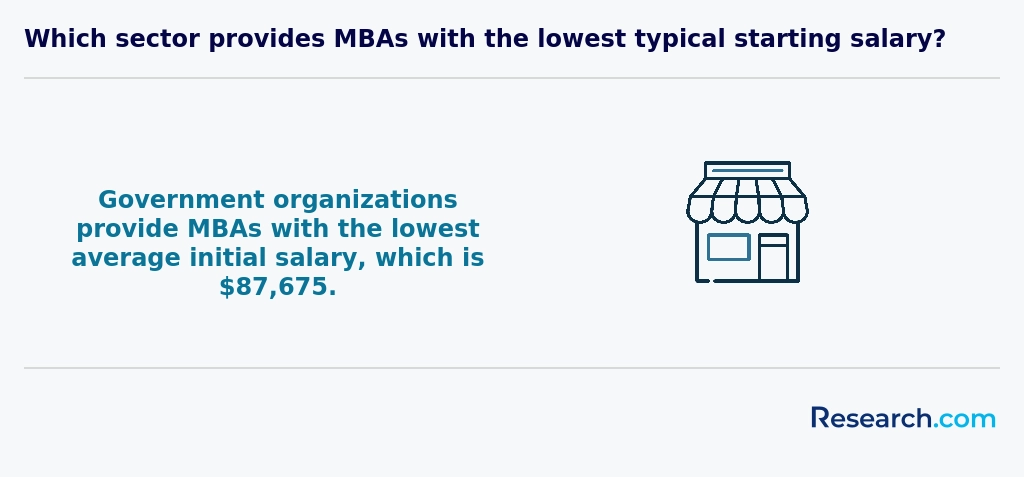
Graduates holding an MBA degree in San Antonio unlock a diverse range of career opportunities aligned with the city's dynamic economy. Many find fulfilling roles in management within major organizations, stepping into leadership positions in corporate finance, marketing management, and operations. From my conversations with recent graduates from prominent San Antonio colleges, success stories often involve thriving in financial analysis or brand management roles that leverage local industry strengths.
For those drawn to healthcare, the city's expanding biosciences sector offers promising paths in healthcare administration and management at institutions like University Health System. This practical experience is invaluable in growing your profile in healthcare management, a key sector identified when exploring San Antonio MBA degree job prospects.
Beyond established sectors, military and defense contractors create exciting project management and logistics roles where strategic business expertise is essential. Entrepreneurship also flourishes here, supported by community initiatives that encourage MBA grads to innovate or lead business development. Some students, balancing work with study, complement their MBA pursuit with an accelerated online bachelor's degree to fast-track their credentials and career growth.
The job market for MBA graduates in San Antonio is vibrant and full of promise, largely due to the city's diverse economy and steady expansion. Graduates from local programs, such as those at the University of Texas at San Antonio, often share stories of landing roles in leading companies like USAA and Valero Energy, where their advanced business knowledge drives strategic initiatives and leadership growth. The growing tech and startup ecosystem here also invites MBAs with skills in innovation and entrepreneurship to thrive.
For those exploring mba job opportunities in San Antonio, competitive salaries ranging from $85,000 to $95,000 annually in Texas reflect the value employers place on these graduates. Many find that practical experiences gained through internships open doors to consulting, project management, and healthcare administration positions. The city's affordable cost of living further enhances the appeal, making it easier for employers to recruit skilled professionals eager to contribute.
Students often find it beneficial to pursue an easy masters degree path when balancing work and study, maximizing their chances to grow their network through local universities. This approach improves the San Antonio MBA graduate employment outlook and ensures that career advancement is just within reach.
2027 Best MBA Degree Programs Ranking in San Antonio
Investing in your education is a significant decision that can shape your future, and the Research.com team understands the importance of making informed choices. To assist prospective students in San Antonio, we have meticulously crafted the "2027 Best MBA Degree Programs Ranking in San Antonio." Our commitment to quality, credibility, and accuracy is reflected in the extensive research and analysis conducted to compile this ranking.
We utilized the following reputable data sources to ensure a comprehensive evaluation of MBA programs:
By exploring this ranking, readers will gain valuable insights into the top MBA programs offered in San Antonio, helping them make informed decisions about their educational paths. For more details on our methodology, please visit our Research.com methodology page.




Frequently Asked Questions About MBA
To maximize their learning experience, MBA students in San Antonio should engage actively in both classroom and practical opportunities. Many local programs emphasize experiential learning, including internships and consulting projects with San Antonio's strong healthcare and military-related industries. Participating in these real-world applications helps deepen knowledge and build valuable networks.
Joining student organizations and attending networking events in the city also enhances learning by fostering connections with peers and business leaders. According to the Graduate Management Admission Council, students who engage in such activities are more likely to report higher satisfaction and better career outcomes.
Utilizing resources like career services and alumni networks available at San Antonio universities can further support professional growth during and after the MBA program.
Emerging niches within the MBA field reflect evolving business demands and technological advances. In San Antonio, areas like healthcare management, cybersecurity, and data analytics are gaining attention due to the city's growing tech and medical sectors.
According to a 2023 report from the San Antonio Economic Development Foundation, local healthcare firms are increasingly seeking MBA graduates with specialized knowledge in healthcare administration and policy. Additionally, cybersecurity-focused MBAs address the need for professionals who can manage risk in an expanding digital economy.
Data analytics is another key niche, as businesses rely on data-driven decisions. Programs incorporating these specializations in San Antonio often report higher enrollment rates and increased job placements in related industries.
After completing an MBA degree in San Antonio, preparing for the job market involves strategic planning and leveraging local resources. San Antonio's growing economy, particularly in healthcare, finance, and military sectors, offers diverse opportunities for MBA graduates. Networking through university career centers and local professional organizations is essential to connect with employers.
Internships and hands-on projects completed during the MBA program significantly improve employability. According to San Antonio's Economic Development Foundation, the city's unemployment rate remains below the national average, enhancing job prospects for skilled graduates.
Developing soft skills, such as communication and leadership, alongside technical expertise, can further distinguish candidates in competitive hiring processes.
Employers in San Antonio value MBA graduates who demonstrate strong leadership and strategic thinking skills. According to the Graduate Management Admission Council (GMAC), 87% of employers prioritize critical thinking and problem-solving abilities. Local businesses also seek candidates with effective communication skills, essential for teamwork and client relations in the city's diverse industries. Additionally, project management expertise is highly regarded, especially in San Antonio's growing tech and healthcare sectors.
Financial acumen and data analysis skills are becoming increasingly important due to the rise of data-driven decision-making. The U.S. Bureau of Labor Statistics highlights that MBA holders with analytical skills tend to have higher employment rates in Texas metropolitan areas, including San Antonio.
Finding internships relevant to an MBA degree in San Antonio involves leveraging local resources and the city's growing business environment. San Antonio hosts a robust job market with strengths in healthcare, finance, and military sectors, all valuable for MBA interns.
Start by utilizing university career centers, such as those at UTSA or St. Mary's University, which offer tailored internship listings for MBA students. Additionally, websites like Handshake and LinkedIn provide local internship opportunities.
Networking remains crucial; attend San Antonio Chamber of Commerce events and MBA-focused meetups. According to the San Antonio Economic Development Foundation, about 20% of internships convert to full-time roles, highlighting the importance of relationship-building.
Corporations like USAA, Valero Energy, and H-E-B frequently offer MBA internships emphasizing leadership and business skills, reflecting the region's industrial diversity.
An MBA degree in San Antonio significantly enhances career mobility by equipping professionals with leadership, management, and strategic skills sought after by many local industries such as healthcare, energy, and finance. According to the U.S. Bureau of Labor Statistics and local employment reports, MBA graduates in San Antonio often see a salary increase of 20% to 30% compared to their non-MBA peers.
In addition, the city's growing economy supports advancement opportunities for MBA holders. Networking through San Antonio's business community and alumni connections further helps graduates secure higher-level roles. Employers tend to prefer candidates with MBAs for positions in management, consulting, and business development.
Educational institutions like UTSA offer MBA programs aligned with the city's market needs, improving job placement rates. This local focus makes an MBA a practical investment for professionals aiming at career growth within San Antonio.
Studying for an MBA degree in San Antonio equips students with skills essential for interdisciplinary roles by integrating knowledge from business, technology, and healthcare sectors. Many San Antonio MBA programs emphasize cross-functional teamwork, leadership, and problem-solving within diverse industries. According to the Graduate Management Admission Council, 67% of MBA employers in Texas seek candidates with interdisciplinary experience.
San Antonio's economy, driven by sectors like military, cybersecurity, and healthcare, offers MBA students practical exposure through internships and partnerships. This environment fosters versatile business strategies applicable across fields. The city's focus on innovation ensures that graduates are prepared to lead in complex, collaborative settings.
When choosing between a thesis and a non-thesis MBA program in San Antonio, consider your career goals and learning preferences. A thesis MBA typically involves conducting original research and writing a substantial paper. This path suits students aiming for academic roles or research-intensive positions. Non-thesis MBAs focus more on coursework and practical skills, often appealing to professionals seeking immediate application in business settings.
San Antonio offers diverse MBA options through institutions like UTSA and St. Mary's University, both accredited by AACSB. According to the U.S. Department of Education, non-thesis programs are more common nationwide. Evaluating program requirements, career services, and alumni outcomes locally can guide your decision.
Students based in San Antonio seeking to study for an MBA abroad have a variety of options through partnerships between local institutions and international business schools. Many San Antonio universities, such as the University of Texas at San Antonio (UTSA), offer exchange programs or dual-degree options with global universities in Europe, Asia, and Latin America. These programs can last from a semester to a full year, allowing students to gain international experience while earning credits toward their MBA.
According to the Graduate Management Admission Council (GMAC), about 20% of American MBA students pursue some form of international study to enhance global business skills.
Additionally, students can enroll in fully international MBA programs taught in English in markets that actively recruit US candidates, such as the UK and Canada. Scholarships and financial aid opportunities are often available to support this path.
San Antonio offers various part-time job opportunities that effectively complement MBA education, enhancing both practical skills and professional networks. Common roles include internships or assistant positions in financial services, marketing agencies, and local consulting firms. These jobs allow MBA students to apply classroom theories in real-world business environments while managing their studies.
According to the San Antonio Economic Development Foundation, the city's expanding sectors like healthcare, finance, and technology offer growth opportunities ideal for MBA candidates seeking part-time roles. Positions in project management or business analysis are particularly valuable for developing leadership and strategic thinking.
Many MBA students also explore roles in startups within the San Antonio Innovation District, facilitating hands-on experience with entrepreneurial ventures. These part-time jobs often provide flexible schedules to accommodate academic commitments.
San Antonio offers MBA students numerous networking opportunities through local business events, professional organizations, and university programs. Many MBA programs partner with the San Antonio Chamber of Commerce and initiatives like the San Antonio Economic Development Foundation, providing students access to established business leaders.
Students often engage with citywide industry meetups and conferences, particularly in sectors like defense, healthcare, and technology, which dominate the local economy.
Additionally, institutions such as the University of Texas at San Antonio and St. Mary's University host networking mixers and mentorship programs. These activities enhance connections that can be critical in job placement and career advancement.
According to a 2023 survey by the Graduate Management Admission Council, MBA graduates in San Antonio report a 20% higher chance of gaining employment through professional networking, underscoring the city's active business community support for students.
Alumni networks offer valuable support for MBA students in San Antonio by providing connections to a wide range of industries in this growing business hub. Graduates can tap into established relationships that often lead to internships, job opportunities, and mentorships. According to the Graduate Management Admission Council, 85% of MBA alumni report that networking significantly helped their careers. In San Antonio, with its diverse economy spanning healthcare, military, and finance, these connections are particularly crucial.
Local alumni groups often host events and workshops, enhancing students' practical skills and expanding professional contacts. This network fosters not only career growth but also access to regional business insights and partnerships.
Many MBA programs in San Antonio offer flexible options to help students tailor their education to specific career goals. You can usually choose concentrations such as finance, marketing, healthcare management, or entrepreneurship, which allow for specialized knowledge in high-demand industries.
Several universities provide part-time, full-time, and online formats to accommodate working professionals. According to the U.S. News 2024 rankings, San Antonio's MBA programs often feature customizable curricula, including electives and experiential learning projects, enabling students to develop relevant skills for their current or desired roles.
Internships and networking opportunities within San Antonio's growing business community also play a key role in customizing your MBA journey to fit practical career ambitions.
MBA students in San Antonio often face challenges related to balancing work, family, and academic responsibilities. Many are working professionals who must manage demanding schedules while pursuing their degrees. According to data from the Graduate Management Admission Council, nearly 60% of MBA candidates in the U.S. juggle full-time jobs alongside studies, which is particularly relevant in a growing business hub like San Antonio.
Another common challenge is the cost of education. While San Antonio generally offers affordable programs compared to national averages, tuition and living expenses remain significant concerns. Students also report difficulty in accessing robust networking opportunities outside of traditional business centers like Houston or Dallas, which can impact career growth.
With an MBA degree in San Antonio, graduates can pursue a variety of professional certifications that enhance their qualifications and career prospects. Popular certifications include the Project Management Professional (PMP) and Certified Management Accountant (CMA), which align with skills gained in MBA programs.
Many MBA holders also pursue the Certified Financial Planner (CFP) or Chartered Financial Analyst (CFA) credentials, particularly useful in finance-related careers. San Antonio's growing business environment supports these certifications with numerous local chapters and networking opportunities.
Additionally, certifications like Six Sigma Green Belt or Certified Business Analysis Professional (CBAP) complement the strategic and analytical training received during an MBA. According to the Graduate Management Admission Council, these certifications can increase salary potential by up to 20%.
Writing a winning MBA application for a San Antonio program begins with thorough research. Focus on schools known for strong business ties in the region, such as the McCombs School of Business at UT Austin, which many San Antonio applicants consider. Clear articulation of your career goals is essential; admissions committees value candidates who connect their professional ambitions with the MBA curriculum.
Highlight your leadership experience and any unique local business exposure. San Antonio's growing industries, including cybersecurity and healthcare, provide relevant examples. According to U.S. News, competitive MBA programs often expect a GPA above 3.0 and a GMAT score near or above 600.
Strong letters of recommendation and a polished personal statement tailored to each school's values will enhance your chances. Demonstrating knowledge of the San Antonio business environment can set you apart.
The global perspective on an MBA career emphasizes leadership skills, strategic thinking, and adaptability in a competitive business landscape. For San Antonio students, earning an MBA opens opportunities both locally and internationally, as many programs focus on global business trends and cross-cultural management.
According to the Graduate Management Admission Council, 70% of MBA graduates in the U.S. report improved career prospects within two years of graduation. San Antonio's growing economy, particularly in sectors like healthcare and technology, further enhances the value of an MBA by providing relevant internship and employment prospects.
Understanding global markets is a key element in most MBA curricula, preparing graduates for roles in multinational corporations or entrepreneurial ventures worldwide. This global orientation aligns with U.S. higher education's goal to produce versatile business leaders ready for diverse challenges.
Gaining practical experience while pursuing an MBA in San Antonio is essential for career readiness. Many local universities incorporate internships as part of their MBA curricula, giving students direct exposure to real-business environments. For instance, the University of Texas at San Antonio (UTSA) emphasizes internship opportunities with local industries such as healthcare, finance, and manufacturing.
Additionally, participation in consulting projects and business competitions allows students to apply theoretical knowledge to real-world challenges. Networking events with San Antonio's robust business community also connect MBA students to mentorship and job shadowing options. According to the Graduate Management Admission Council (GMAC), 65% of MBA students nationwide report internships as critical in securing post-MBA employment.
Finally, many programs offer part-time formats enabling students to work while studying, blending academic learning with professional growth within the city's diverse economy.
Choosing the right concentration within an MBA program in San Antonio requires careful consideration of your career goals and the local job market. Popular concentrations here include healthcare management, finance, and entrepreneurship due to San Antonio's growing sectors in medical services and startups. According to the Greater San Antonio Chamber of Commerce, healthcare accounts for over 15% of local employment, making healthcare-related MBA concentrations particularly relevant.
Additionally, analyze the curriculum and faculty expertise of San Antonio schools. Consider programs that offer practical projects or internships with regional companies. Research job placement rates and alumni networks in your field of interest, as these factors greatly influence career outcomes after graduation.
- 2027 Best MBA Degree Programs Ranking in Austin
- 2027 Best MBA Degree Programs Ranking in Houston
- 2027 Best MBA Degree Programs Ranking in Abilene
- 2027 Best MBA Degree Programs Ranking in Fort Worth
- 2027 Best MBA Degree Programs Ranking in Dallas
- 2027 Best MBA Degree Programs Ranking in Irving
- 2027 Best MBA Degree Programs Ranking in Denton
- 2027 Best MBA Degree Programs Ranking in Shreveport
- 2027 Best MBA Degree Programs Ranking in Oklahoma City
- 2027 Best MBA Degree Programs Ranking in El Paso
- What is an MBA degree and why should you pursue it? https://brive.com/blog/masters/mba-degree/
- How to balance a part-time MBA while working full-time https://www.manchester.ac.ae/blog-post/how-to-balance-a-part-time-mba-while-working-full-time
- How to Choose an MBA Program That Fits Your Career Goals https://www.mobileviewer.io/blog/how-to-choose-an-mba-program-that-fits-your-career-goals
- How to Use Your MBA for Career Growth While You’re Still Studying - International Career Institute USA https://icieducation.com/blog/how-to-use-your-mba-for-career-growth-while-youre-still-studying/
- What Can You Do with an MBA in Today’s Market? | Elmhurst University Elmhurst University Blog https://www.elmhurst.edu/blog/what-can-you-do-with-an-mba-in-todays-market/
- How to Choose Between MBA Degree vs. Certificate | University of Phoenix https://www.phoenix.edu/articles/business/how-to-choose-between-mba-degree-vs-certificate-programs.html
- What Work Experience Do You Need For an MBA? | Articles | Unimy https://www.unimy.com/article/blog-mba-preparation-admissions-mba-work-experience
- Know more about thesis vs non- thesis: what is the difference? https://studyfans.com/en/blogs/816
- 10 Highest-Paying MBA Specializations in 2026 (With Salary Data) - Paris School of Management (PSM) https://www.psm-paris.fr/en/10-highest-paying-mba-specializations-in-2026/
- Top Challenges for MBA Students in 2025: Placements and Career Growth in India | BeJobbed.com https://bejobbed.com/challenges-mba-students-placements-career-growth-india/


