2027 Most Valuable MBA Degree Programs Ranking in Savannah

Co-Founder and Chief Data Scientist
Choosing the right MBA program can shape your future career and open doors to new opportunities. This article presents the 2027 Most Valuable MBA Degree Programs Ranking in Savannah, created by the Research.com team of data scientists. It offers reliable insights to help you identify programs that deliver real value for your investment.
Whether you're launching your career or seeking advancement, understanding which MBA degrees stand out will empower your decision. Dive in to discover programs that align with your goals and unlock your potential in Savannah's competitive market.
Key benefits of getting MBA degree in Savannah
- Salary benefits: While exact local data is not available, MBA graduates in the US typically earn an average annual salary around $90,000 to $120,000, reflecting strong earning potential and career growth opportunities.
- Career paths: MBA graduates from colleges in Savannah often pursue exciting roles in management, marketing, and finance, opening doors to leadership positions across industries.
- Online MBA advantages: Completing an MBA online from a Savannah university offers flexibility to balance work and study, while still providing access to quality education and networking opportunities comparable to traditional programs.
- 2027 Most Valuable MBA Degree Programs Ranking in Savannah
- What can I expect from MBA degree in Savannah?
- Where can I work with MBA degree in Savannah?
What can I expect from MBA degree in Savannah?
The cost of an MBA in Savannah dances between $15,000 and $30,000 per year, a range that fits snugly around the pockets of many aspiring leaders. Imagine a graduate from Savannah State University balancing late-night study sessions with part-time work, relieved knowing the tuition doesn't spiral out of control. Meanwhile, another learner at the University of South Carolina Beaufort feels energized investing in flexible evening classes, confident this competitive pricing invites opportunity rather than stress.
These numbers don't just represent fees; they symbolize access-to deep dives into supply chain secrets linked to the bustling Port of Savannah, to networking galas that transform coffee chats into career leaps. For many, the tuition feels like a strategic investment in a city pulsing with entrepreneurial vigor, where accessing expert faculty and real-world projects elevates the value beyond mere dollars.
With just the right balance of affordability and quality, Savannah's MBA programs craft a financial path that empowers students to dream big while keeping their economic feet firmly on local ground.
Where can I work with MBA degree in Savannah?
With an MBA from one of Savannah's top institutions, graduates dive straight into the city's vibrant heartbeat of business. Imagine stepping out of a classroom at a renowned Savannah college, then into the bustling Port of Savannah, the largest single-terminal container facility on the U.S. East Coast. Here, MBA grads find themselves orchestrating supply chains or decoding complex logistics puzzles, becoming the backbone of global trade.
Others channel their strategic savvy into the city's thriving financial services sector-regional banks and insurance firms relish the fresh perspective and analytical edge MBA holders bring to corporate finance and risk management roles. One graduate vividly recalls crafting risk models that smoothed business operations for a local bank, sparking both challenges and triumphs.
Tourism and hospitality beckon with dynamic leadership roles, where an MBA might mean steering marketing campaigns for luxury resorts or redesigning guest experiences to elevate Savannah's charm. The city's entrepreneurial buzz also sparks innovation, with startups and co-working hubs offering playgrounds where project managers and product developers with MBA skills thrive.
Landing an MBA in Savannah often means stepping into a world where your paycheck can transform impressively. Graduates from institutions like Georgia Southern University's Armstrong Campus tell stories of starting salaries around $75,000, a number that quickly climbs as experience accumulates and local industry ties strengthen. Imagine negotiating a compensation package while sipping coffee in historic downtown Savannah, knowing your degree commands respect in finance, consulting, or marketing sectors typically paying between $75,000 and $120,000.
Consider a recent graduate who parlayed their MBA into a management role within the city's booming logistics sector, soon earning upwards of $95,000. The Savannah business landscape-with its tidal waves of manufacturing, shipping, and tourism-provides unique doors to those equipped with the skills sharpened by local MBA programs.
The economic ripple effect is tangible; Georgia's labor reports show MBA holders here draw salaries roughly 25% higher than their bachelor-only peers. This premium means the investment in tuition at well-regarded Savannah schools often pays off within a few short years, while also unlocking richer networking and leadership opportunities.
- MBA programs in Savannah are offered by multiple accredited institutions with options for part-time and online study.
- The total cost for an MBA usually ranges from $25,000 to $45,000, with public universities generally being more affordable than private ones.
- Starting salaries for MBA graduates in Savannah average around $70,000 per year, varying by experience and industry.
- Experienced MBA holders can earn between $110,000 and $130,000 annually, especially in logistics, finance, and technology sectors.
- Key industries hiring MBAs in Savannah include maritime trade, tourism, manufacturing, and healthcare.
- Local business connections and university partnerships can improve job placement for MBA graduates.
In Savannah, completing an MBA feels like choosing your own adventure in a vibrant academic cityscape. Graduates from well-known local institutions often share tales of marathon journeys or lightning-fast sprints through their degrees. For some, the traditional full-time MBA stretches over about two years-a rhythm that matches the pulse of bustling campuses and tight-knit study groups in Savannah's business schools.
Others, juggling day jobs and family dinners, weave their MBA over three to four years through part-time programs, crafting a flexible dance between personal commitments and academic ambition. Imagine a nurse or entrepreneur slowly stacking credit hours in evening classes, savoring each success as a milestone toward transformation.
The daring few, inspired by accelerated programs, dive headfirst into intense one-year courses-immersing themselves in a whirlwind of knowledge, feeling the rush of rapid career elevation without missing a beat in Savannah's competitive market.
Online and hybrid formats add an extra layer of freedom, allowing students to tailor their pace from 18 months to several years, adapting to life's unpredictable currents while still engaging with Savannah's academic community.
Pursuing an MBA degree from a reputable institution, such as a valuable mba school in georgia, can significantly enhance one's career prospects and earning potential. With a wide range of specializations and formats available, including online and on-campus programs, students can tailor their education to fit their interests, schedule, and career goals. An MBA program in Savannah, GA, offers a unique blend of academic rigor, practical experience, and networking opportunities, preparing graduates for leadership roles in various industries, from finance and marketing to healthcare and entrepreneurship. By investing in an MBA degree from a valuable institution, individuals can develop the skills, knowledge, and professional network needed to succeed in today's competitive business landscape and make informed decisions about their education and career paths.
Imagine navigating your MBA journey through the vibrant hallways of Savannah College of Art and Design, exchanging ideas face-to-face, building friendships over coffee breaks, and diving into group projects under the watchful eyes of professors. This is the on-campus experience-a structured rhythm that fits those who thrive on routine and crave real-time collaboration. Graduates fondly recall the spontaneous networking at campus events, where connections blossomed organically in shared study sessions and career fairs just a walk away.
On the flip side, picture sinking into your favorite chair after work, logging into Georgia Southern University's online MBA platform, and tuning into lectures on your own clock. Online students feel the freedom of molding education around their busy lives-balancing family, jobs, and studies without sacrificing momentum. Many appreciate how Savannah's institutions mirror the on-campus curriculum digitally, ensuring that career growth doesn't pause for life's demands.
Both paths trumpet successes but cater to distinct rhythms-whether it's the tangible buzz of campus life or the adaptable pulse of virtual learning, Savannah's MBA programs offer a tailored dance to match your steps.
Investing in an MBA is as much about future earnings as it is about personal growth. In Savannah, GA, the average total cost for an MBA program-including tuition, fees, and living expenses-ranges between $50,000 and $80,000. Graduates with an MBA from local institutions report median starting salaries of $70,000 to $90,000, translating into a payback period of approximately 2–4 years, depending on specialization and prior experience. Beyond raw numbers, ROI also hinges on career acceleration. Savannah MBA alumni have achieved salary increases of 30%–50% upon earning their degree, especially in sectors like finance and healthcare management. By leveraging on-campus recruiting events, mentorship programs, and robust alumni networks, many offset tuition through employer sponsorships and graduate assistantships. When comparing affordability across regions, prospective students may also explore cost-effective options in other markets. For instance, our Inexpensive MBA Degree Programs Ranking in Baltimore, MD highlights programs with lower tuition and strong ROI, offering a benchmark for evaluating Savannah’s offerings. Ultimately, calculating your personal return on investment involves weighing program costs against potential salary uplift, networking advantages, and long-term career growth.
The average MBA tuition cost Savannah students face hovers around $18,145 for in-state attendees, with the median total cost landing at approximately $28,124. This sweet spot reflects the blend of quality education and accessible pricing that local universities like Armstrong State University (now part of Georgia Southern University) and Savannah State University have traditionally maintained. Graduates often recall balancing the modest tuition with manageable living expenses specific to Savannah-a city that keeps wallet stress at bay compared to larger metro hubs.
Imagine a student navigating full-time classes and weekend networking sessions in downtown Savannah, where the cost of tuition and life is pleasantly aligned. Many find that the program costs blend well with part-time work or internships, especially when factoring in scholarships and employer sponsorships offered by area schools. These financial aids reshape the narrative, transforming the total cost of MBA degree Savannah learners consider into a feasible investment rather than a barrier.
It's helping graduates pursue measured ambitions, whether aiming for leadership roles or niche fields like healthcare sales management MBA graduates often explore. These students regularly highlight how accessing targeted financial supports and manageable program fees made their business education journey here practical and empowering.

Investing in an MBA degree is a major financial decision, and understanding the return on investment (ROI) can help you make a more informed choice. On average, tuition and fees for Savannah MBA programs range from $30,000 at public institutions to upwards of $80,000 at private schools. Graduates report starting salaries between $60,000 and $100,000, with mid-career earnings often exceeding $120,000. Based on these figures, the typical payback period-when salary gains offset educational costs-falls between 3 and 5 years, depending on program cost, scholarship awards, and career trajectory. To maximize ROI:
- Leverage scholarships and assistantships to reduce out-of-pocket expenses.
- Target high-growth sectors in Savannah, such as healthcare administration and financial services, where MBA holders command premium salaries.
- Utilize campus career services and alumni networks to secure internships that may transition into full-time roles. For those comparing regional investment profiles, explore cost-effective options in other cities-see our Inexpensive MBA Degree Programs Ranking in Baltimore, MD to benchmark tuition costs and ROI metrics against Savannah’s offerings.
Imagine walking through the oak-lined paths of a Savannah business school, where the weight of tuition feels lighter thanks to a patchwork quilt of financial aid. Federal student aid acts as the foundation-think of it as a safety net woven from FAFSA applications, offering Grad PLUS loans and unsubsidized options that help bridge the gap between dreams and dollars.
Local scholarships, awarded by Savannah's universities, transform hope into reality for many MBA candidates. These merit-based awards reflect a graduate's grit and leadership-it's like being recognized not just for grades but potential. One graduate recalls how a scholarship discovered during orientation at a Savannah college cut tuition in half, opening doors previously thought closed.
Then there's employer tuition reimbursement, a hidden treasury for working professionals. Picture a mid-level manager in Savannah negotiating course costs with HR, turning ambition into company-supported growth. On another side of town, assistantships offer hands-on teaching or research roles, a double win: income and experience entwined.
Private scholarships from local foundations or national organizations sprinkle additional resources into this mosaic, often found through community networking or online searches, lighting the way through the labyrinth of MBA financing in Savannah.
Picture yourself stepping onto the vibrant campuses near Savannah, like those at the University of Georgia's satellite schools, ready to dive into an MBA adventure. Your first ticket in? A bachelor's degree from an accredited institution, which acts as your academic passport. Graduates often recall how having a GPA hovering around 3.0 smoothed their path, giving admissions committees confidence in their ability to handle the rigor ahead.
Then comes that infamous gatekeeper: the GMAT or GRE scores. Some students remember sweating over these tests, while others celebrate snagging waivers thanks to stellar professional experience-Savannah programs have grown flexible, embracing your unique journey. Two to three years in the workforce isn't just a number; it's what transforms classroom theories into real conversation, especially in a city buzzing with logistics and finance industries.
Letters of recommendation, those heartfelt endorsements from mentors or bosses, often arrive with stories of leadership potential, while personal essays become your canvas to paint passion and ambition. Meanwhile, ensuring you can comfortably cover tuition-a range from $30,000 to $60,000-and living costs becomes an empowering step toward making this dream real.
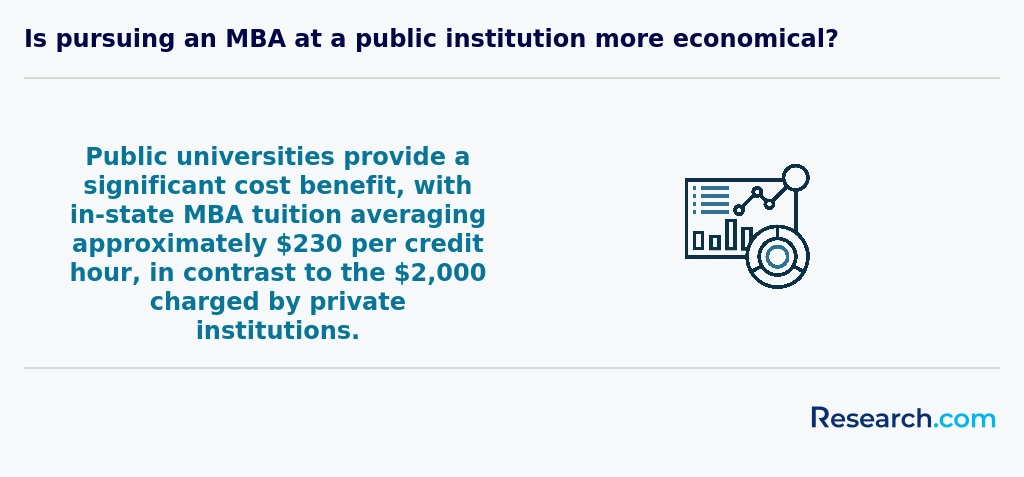
Pursuing an MBA in Savannah is not only an investment in your education but also a strategic move for long-term career growth. Prospective students often weigh the tuition costs, potential student debt, and the time commitment against the significant salary increases and leadership opportunities that an MBA can deliver. Detailed ROI analysis shows that graduates may experience a substantial salary boost-often seeing their earning potential increase by 30% to 50%-thereby offsetting the initial educational investment over time. Additionally, accessing resources like career services, alumni mentorship, and internship placements can further enhance your career trajectory. For those keeping an eye on budget-friendly options, exploring a low cost executive mba could be a game-changing decision, offering the flexibility and cost-savings you need while still delivering quality education. This comprehensive approach allows you to evaluate both the tangible and intangible benefits of an MBA, ensuring that your educational journey aligns with your professional ambitions and financial goals.
Diving into an MBA in Savannah feels like stepping into a dynamic marketplace of ideas and skills. At popular institutions like Savannah State University, graduates rave about mastering Accounting and Financial Reporting, which transformed their understanding of balance sheets into practical tools for steering real companies through financial storms. Imagine dissecting marketing campaigns with peers in Marketing Management classes, blending strategy with consumer psychology to craft persuasive brands right in the heart of Savannah's bustling tourism economy.
Courses such as Operations Management don't just stay in textbooks - students find themselves optimizing supply chains linked to local ports, gaining experience that feels immediate and relevant. Meanwhile, Organizational Behavior uncovers the subtle art of team leadership, preparing grads to energize diverse crews from Savannah's hospitality sector. And through Business Strategy, learners frame big-picture moves, imagining themselves as architects of future enterprises in this vibrant city.
Electives deepen this journey, allowing customization with electives like Entrepreneurship or Data Analytics - the perfect tools for entrepreneurs eager to innovate within Savannah's unique economic tapestry.
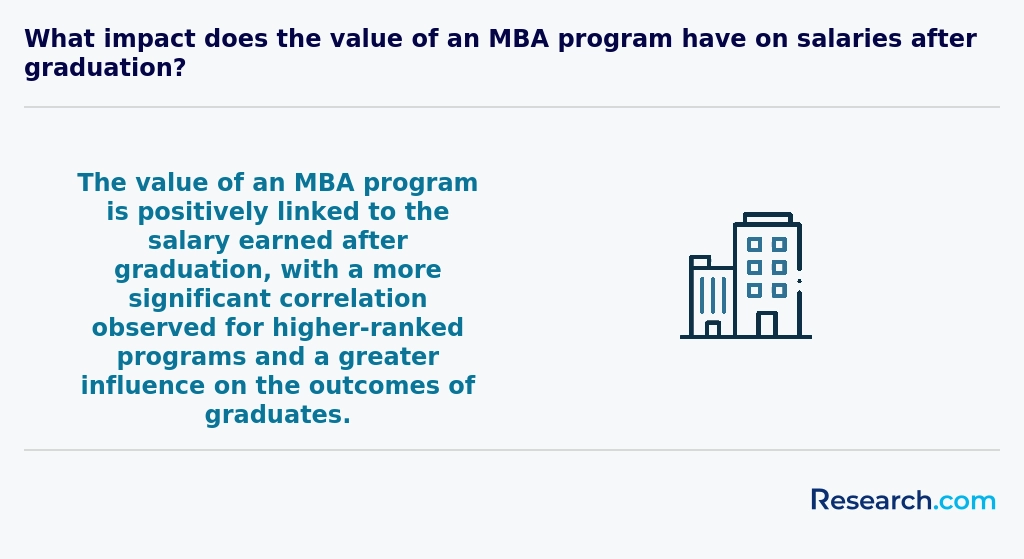
MBA specializations in Savannah unfold like a vivid tapestry, woven from the city's heartbeat itself. Imagine delving into Supply Chain Management and Logistics, where graduates from local universities proudly navigate the bustling port's challenges, crafting strategies that propel global trade. Their stories brim with excitement, having turned classroom theory into operational victories in Savannah's dynamic shipping industry.
Finance and Accounting majors find themselves immersed in the city's vibrant financial sector, refining their acumen amid the numbers and narratives that drive Savannah's banking hubs. Meanwhile, marketing enthusiasts tap into digital marketing trends to pioneer campaigns that echo through the coastal business scene, fueled by creative energy and data-driven insights.
Healthcare Management specialists, inspired by Savannah's growing medical landscape, share fulfilling accounts of transforming healthcare organizations with fresh leadership skills. For the bold and ambitious, entrepreneurship is more than theory-it's the spark behind savvy startups that pulse with innovation, mirroring the local spirit.
Students at these institutions often benefit from hands-on internships and real-world projects, experiences that many find invaluable. The Savannah MBA degree concentration options offer practical pathways packed with opportunities to grow, much like exploring the best online associate degree in accounting as a foundation to financial mastery.
When choosing the best MBA programs in Savannah, envision the busy streets where graduates juggle family, work, and study. Many find that flexibility reigns supreme-shedding light on programs that offer part-time or online formats, especially those that accommodate working professionals seeking balance without compromise. Imagine a graduate negotiating logistics contracts one day and tackling an online case study the next, thanks to Savannah's business schools tailored for real-life demands.
Affordability also influences choices; Savannah's MBA degrees often hover between $20,000 and $40,000, making them appealing for those keeping an eye on the budget. Graduates share how tapping into scholarships and employer tuition reimbursement becomes a financial lifeline. Plus, if you're blending business acumen with accounting, consider leveraging online accounting certificate transfer credits to fast-track your credentials.
The secret sauce lies in choosing programs with strong chambers of commerce links, fueling local internships and job placements. Graduates fondly recount the career networks blossoming from these connections, proving that in Savannah's MBA landscape, community ties open doors as much as textbooks do.

Graduates from Savannah's top MBA programs often find themselves steering dynamic careers that tap into the city's vibrant economic veins. Imagine a recent MBA graduate from one of Savannah's well-regarded colleges diving into financial management roles, supporting local banks or investment firms with savvy strategies that make waves in the community. Others harness the power of the nearby Port of Savannah, becoming masters of supply chain and logistics in one of the U.S.' busiest harbor hubs-turning complex shipping puzzles into streamlined success stories.
Creativity flows freely among marketing managers who craft campaigns that bring Savannah's bustling tourism and hospitality industries to life, while healthcare administrators equipped with an MBA navigate operational challenges at local hospitals with confident precision. Entrepreneurs propelled by Savannah's supportive small-business ecosystem launch ventures that energize the local market and spark innovation.
For those exploring specialization, understanding the nuances between a finance vs accounting degree which is better helps guide career decisions aligned with Savannah's economy. These pathways highlight the best MBA jobs in Savannah Georgia, blending passion with practical leadership.

The MBA job opportunities in Savannah pulse with the rhythm of its bustling port and thriving business hubs. Graduates from Georgia Southern University and Savannah State University often find themselves navigating vibrant roles like marketing directors or operations managers, energized by the city's demand for sharp financial analysts and innovative business development managers. Their stories brim with excitement as local companies-especially SMEs hungry for leaders who innovate-value the strategic thinking and leadership they bring.
Picture an MBA graduate stepping into Savannah's growing financial services scene, quickly leveraging skills honed in classrooms and internships to tackle real-world challenges. The career outlook for MBA graduates Savannah is shaped not just by steady salary ranges from $70,000 to $95,000 but by a gateway to growth within a community that supports professional networking and hands-on learning. Those immersed in these programs often tout the solid return on investment, especially with local tuition priced far more affordably than larger metros.
Discover why so many students consider Savannah a valuable mba school in georgia, where the blend of education, opportunity, and connection drives success in a landscape ripe for innovation.
2027 Most Valuable MBA Degree Programs Ranking in Savannah
Investing in your education is a significant decision that can shape your future, and the Research.com team understands the importance of making informed choices. To assist prospective students in Savannah, we have meticulously crafted the "2027 Most Valuable MBA Degree Programs Ranking in Savannah." Our commitment to quality, credibility, and accuracy is reflected in the extensive research and analysis conducted to compile this ranking.
We utilized the following reputable data sources to ensure a comprehensive evaluation of MBA programs:
By exploring this ranking, readers will gain valuable insights into the most valuable MBA degree programs offered in Savannah, empowering them to make well-informed decisions about their educational investment. For more information about how this ranking was created, please visit our Research.com methodology page.
# 1 position
South University-Savannah Online
Master of Business Administration

# 2 position
South University-Savannah
Master of Business Administration

Frequently Asked Questions About MBA
Students pursuing an MBA degree in Savannah can enhance their learning by engaging actively in local networking events and business communities. Savannah's growing economy offers numerous opportunities to connect with professionals in sectors like logistics, tourism, and finance. Participating in internships and real-world consulting projects provided through universities, such as those available at Savannah State University or Georgia Southern University's Armstrong Campus, can build practical skills and experience.
Utilizing campus resources like career services and leadership workshops helps develop soft skills critical for management roles. According to U.S. News, MBA programs emphasizing experiential learning see higher employment rates within six months of graduation, suggesting applied experiences are vital for success.
The MBA field is evolving with several emerging niches gaining prominence, particularly for students in Savannah seeking specialized skills. One fast-growing area is Healthcare Management, driven by Savannah's expanding medical sector. According to the Georgia Board of Regents, healthcare-related MBA programs in the state saw a 15% enrollment increase from 2021 to 2023.
Another niche is Supply Chain and Logistics, reflecting Savannah's role as a major port city. Local MBA programs increasingly focus on this area to prepare students for careers in global trade and transportation.
Additionally, Technology Management and Sustainability are rising fields. Programs emphasize digital transformation and environmental responsibility, responding to evolving corporate demands. These specializations provide Savannah students with targeted expertise aligned with regional economic trends.
After completing an MBA degree in Savannah, preparing for the job market involves strategic planning and leveraging local resources. Savannah's growing business environment, including sectors like logistics and tourism, offers diverse opportunities for MBA graduates. Connecting with the university career centers and participating in networking events can enhance job prospects. According to the Georgia Department of Labor, finance and management roles in Savannah are projected to grow by 5% through 2028.
Internships and certifications related to your specialization can increase employability. Additionally, tailoring resumes and practicing interview skills with local professionals helps align your experience with Savannah's market demands. Staying informed about regional economic trends also supports better career decisions.
Employers in Savannah increasingly value MBA graduates who demonstrate strong leadership and strategic thinking skills. According to recent local employment surveys, over 70% of hiring managers prioritize candidates with proven abilities to manage complex projects and lead diverse teams. Analytical skills are also crucial, as firms seek professionals capable of interpreting financial data and market trends to make informed decisions.
Communication skills remain essential, with an emphasis on clear, persuasive presentations and effective negotiation. Additionally, familiarity with digital tools and data analytics platforms is growing in importance, reflecting Savannah's evolving business environment. These combined skills help MBA holders meet the demands of the region's competitive job market.
Finding internships in Savannah relevant to an MBA degree involves leveraging local business networks and university career centers. Savannah hosts industries such as logistics, finance, and hospitality, which seek MBA interns to support management and strategic roles. Many MBA programs in Savannah have partnerships with companies like Georgia Ports Authority and local banks, facilitating internship placements.
According to the Savannah Economic Development Authority, nearly 15% of Savannah's firms have internship programs targeting graduate students. Utilizing resources like the Savannah Chamber of Commerce and Professional MBA Associations can increase your internship opportunities.
Additionally, applying early and tailoring resumes to Savannah's key industries improves success rates.
An MBA degree significantly enhances career mobility and advancement opportunities in Savannah's competitive job market. According to the Savannah Economic Development Authority, MBA graduates report a 20% higher rate of promotion within three years compared to those with only undergraduate degrees.
Local businesses, particularly in finance, logistics, and hospitality sectors, actively seek MBA holders for leadership roles. An MBA provides critical skills in management, strategic thinking, and analytical problem-solving, all of which are highly valued by Savannah employers.
Furthermore, networking opportunities through Savannah-based MBA programs connect students with influential professionals, accelerating career growth. The degree also often leads to salary increases averaging 15-25% post-graduation, improving economic mobility in the region (source: Georgia Board of Regents).
Studying for an MBA degree in Savannah equips students with skills crucial for interdisciplinary roles by combining core business knowledge with practical application in diverse fields. Programs in Savannah often integrate courses in management, finance, marketing, and information technology, fostering versatility.
Savannah's business schools emphasize real-world problem solving through case studies and collaborative projects, which mimic cross-functional team environments in industries like logistics, tourism, and manufacturing. According to the Savannah Economic Development Authority, local companies value MBA graduates who can navigate complex challenges across departments.
Furthermore, many programs encourage networking and internships in Savannah's growing sectors, building connections essential for interdisciplinary leadership. This approach aligns with U.S. MBA trends where nearly 78% of graduates work in roles requiring cross-industry collaboration, as reported by the Graduate Management Admission Council.
Choosing between a thesis and a non-thesis MBA program in Savannah depends on your career goals and learning style. Thesis programs typically involve research and writing a detailed project, suitable for students aiming for academic roles or specialized fields. Non-thesis programs focus more on coursework, case studies, and practical skills, ideal for those pursuing leadership or management positions.
Savannah's universities like Georgia Southern offer both formats. According to the National Center for Education Statistics (NCES), about 60% of MBA students in Georgia opt for non-thesis routes for quicker completion and professional applicability.
Consider workload, graduation time, and desire for research experience when deciding.
Students in Savannah interested in pursuing an MBA abroad have several pathways available within the U.S. higher education system. Many universities offer exchange programs, allowing MBA candidates to study part of their degree at partner institutions worldwide. According to the Graduate Management Admission Council (GMAC), nearly 30% of U.S. MBA programs include international study components. Savannah students can also enroll in MBA programs that offer dual degrees in collaboration with foreign universities, providing exposure to global business practices without leaving the U.S.
Additionally, several online MBA programs with international faculty provide flexible study abroad options or short-term residencies overseas. These alternatives cater well to professionals in Savannah aiming to gain global experience while balancing local commitments.
In Savannah, part-time job opportunities that complement MBA education typically align with roles in finance, marketing, and consulting. These positions allow students to apply theoretical knowledge practically while building local business networks. Popular part-time roles include financial analyst assistant, marketing coordinator, and project management intern, often available within Savannah's growing tech, logistics, and tourism sectors.
According to the Savannah Economic Development Authority, local employers value candidates with strong analytical and leadership skills - key competencies developed in MBA programs. Moreover, internships or part-time consulting gigs with small businesses or startups offer hands-on experience crucial for MBA students.
Networking events and career services at Savannah's universities, such as Georgia Southern University's Armstrong Campus, provide valuable connections to these opportunities. Students can thus gain work experience directly related to their MBA studies without compromising academic commitments.
Savannah offers MBA students a variety of networking opportunities essential for career growth. Local universities, such as Georgia Southern University's Armstrong Campus, organize events connecting students with regional business leaders. These opportunities help foster relationships that can lead to internships and job placements.
In addition, Savannah's Chamber of Commerce regularly hosts business mixers and professional workshops, granting MBA students access to a vibrant community of entrepreneurs and executives. Networking groups like Savannah Young Professionals also provide platforms for students to develop contacts across different industries.
According to the Georgia Chamber of Commerce, participation in local networking events increases job placement success for MBA graduates by approximately 20% in the Savannah area.
Alumni networks play a significant role in enhancing the experience of MBA students in Savannah. These networks provide valuable connections that can open doors to local job markets, internships, and mentorship opportunities. According to the Graduate Management Admission Council (GMAC), 85% of MBA graduates find employment within three months of graduation, often leveraging alumni ties.
In Savannah, where business communities are tightly knit, alumni networks facilitate introductions to established professionals in finance, logistics, and tourism sectors. This access can be crucial for career advancement and entrepreneurship initiatives.
Additionally, alumni often participate in guest lectures and workshops, enriching the curriculum with practical insights. Their involvement helps students develop leadership skills and stay updated on industry trends.
Customizing an MBA degree program in Savannah allows students to align their education with specific career goals. Many local universities offer elective courses in areas like finance, marketing, entrepreneurship, and supply chain management. For example, candidates can select concentrations tailored to industries prevalent in Savannah, such as logistics or hospitality. Additionally, part-time and online options provide flexibility for working professionals, enabling them to balance study with career commitments.
Internship opportunities with Savannah's business community also help apply real-world experience to academic learning. According to the U.S. Department of Education, Savannah MBA programs emphasize practical skills alongside theory, helping graduates meet regional job market demands.
MBA students in Savannah often face several common challenges throughout their studies. One significant issue is balancing coursework with professional and personal commitments, as many students attend programs part-time while working full-time jobs. This juggling act can lead to stress and time management difficulties.
Additionally, access to diverse networking opportunities may be more limited compared to larger metropolitan areas. Savannah's smaller business community affects the availability of internships and corporate partnerships, which are essential for practical experience.
Financial constraints also present hurdles; average MBA tuition in Savannah-area schools ranges between $25,000 and $50,000, according to U.S. News & World Report. Many students must secure loans or employer sponsorships to afford this investment.
Lastly, adapting to evolving technologies and business trends requires continuous learning beyond traditional classroom settings, which can be demanding for students balancing multiple responsibilities.
With an MBA degree in Savannah, graduates gain access to numerous valued professional certifications that enhance career prospects. Popular certifications include the Project Management Professional (PMP), which is highly regarded in business and operations management. The Certified Public Accountant (CPA) certification suits MBA holders focusing on accounting or finance. Additionally, the Certified Management Accountant (CMA) credential is ideal for those pursuing corporate financial management roles.
Many local employers in Savannah prefer candidates with certifications like Six Sigma Green Belt for process improvement expertise. According to the Savannah Economic Development Authority, certified professionals often experience salary increases up to 15% compared to non-certified peers.
Obtaining these certifications typically requires relevant experience and passing rigorous exams, underscoring the MBA's role in providing foundational knowledge.
Writing a successful MBA application for programs in Savannah requires careful preparation and clarity. Start by researching each program's specific criteria, such as GPA expectations and work experience, since Savannah's schools often value diverse professional backgrounds. Strong leadership examples and clear career goals are essential components, as admissions committees in the US emphasize practical potential.
Standardized test scores, like the GMAT or GRE, remain important for many Savannah MBA programs, though some schools offer waivers based on experience. Essays should be concise and tailored to demonstrate why Savannah's local business environment aligns with your ambitions. According to U.S. News, Savannah MBA programs typically admit students with an average GPA near 3.3 and at least three years of work experience.
Finally, securing compelling recommendation letters, ideally from supervisors who can attest to your managerial abilities, strengthens your application. Attention to detail in completing application forms and meeting deadlines is critical in the competitive Savannah MBA admissions landscape.
An MBA degree offers significant global career advantages, particularly for students studying in Savannah. According to the Graduate Management Admission Council (GMAC) 2023 report, 80% of MBA graduates from U.S. programs find employment internationally within six months of graduation. The Savannah job market reflects this trend, with growing opportunities in finance, logistics, and hospitality sectors seeking MBA holders with global business skills.
International companies value MBA graduates for their strategic thinking and leadership, which are essential in cross-cultural management. Savannah's increasing ties to global trade, especially through its port, create favorable conditions for MBA careers with an international focus. U.S. MBA educators emphasize global case studies and internships to prepare students for these roles.
Salary data shows MBA holders in Savannah earn an average starting salary of $85,000, which aligns with national trends for professionals working in multinational businesses. This demonstrates the practical value of an MBA from the region on the global stage.
Gaining practical experience while studying for an MBA degree in Savannah is possible through multiple opportunities available locally. Many Savannah universities and colleges encourage internships with regional businesses, particularly in industries such as logistics, hospitality, and finance, which are strong in this coastal city. For instance, Savannah College of Art and Design and local branches of larger universities often connect students with internships that complement their coursework.
Additionally, Savannah's thriving port and growing tech startups provide hands-on project work and consulting roles. Some MBA programs also offer experiential learning options, such as live case studies and business simulations, designed to enhance real-world skills.
Networking events and entrepreneurship centers in Savannah further enable MBA students to collaborate with local professionals, boosting practical exposure beyond academics.
Choosing the right concentration within an MBA program in Savannah depends on your career goals and local industry demands. Savannah's economy is notably strong in logistics, manufacturing, and tourism, making concentrations like supply chain management, operations, and hospitality management highly relevant. According to the Georgia Department of Economic Development, these sectors show steady job growth, which can influence your decision.
Consider also your background and skills. If you have experience in finance or marketing, concentrations in these fields could enhance your expertise. Research each Savannah MBA program's curriculum and resources to find the best fit. Many Savannah-based schools offer specialized tracks aligned with regional business needs, providing targeted networking opportunities and internships.
- 2027 Most Valuable MBA Degree Programs Ranking in Charleston
- 2027 Most Valuable MBA Degree Programs Ranking in Jacksonville
- 2027 Most Valuable MBA Degree Programs Ranking in Columbia
- 2027 Most Valuable MBA Degree Programs Ranking in Macon
- 2027 Most Valuable MBA Degree Programs Ranking in Daytona Beach
- 2027 Most Valuable MBA Degree Programs Ranking in Charlotte
- 2027 Most Valuable MBA Degree Programs Ranking in Atlanta
- 2027 Most Valuable MBA Degree Programs Ranking in Winter Park
- 2027 Most Valuable MBA Degree Programs Ranking in Fayetteville
- 2027 Most Valuable MBA Degree Programs Ranking in Orlando
- Why Alumni Networks Matter in Business School: 7 Reasons https://europe.ceibs.edu/article/why-alumni-networks-matter-business-school
- Top MBA programs with the best alumni networks in the world - MBA Crystal Ball https://www.mbacrystalball.com/blog/2025/07/07/top-mba-programs-with-the-best-alumni-network-in-the-world/
- MBA studies https://moderna.edu.pl/majors/management/master-of-management/mba-management-masters-degree/
- Top Challenges for MBA Students in 2025: Placements and Career Growth in India | BeJobbed.com https://bejobbed.com/challenges-mba-students-placements-career-growth-india/
- Verifying that you are not a robot... https://krea.edu.in/ifmrgsb/top-5-emerging-career-paths-for-mba-graduates/
- Follow These 10 Steps To Write Your MBA Application Essays - ApplicantLab https://www.applicantlab.com/blog/10-steps-to-write-your-mba-application-essay/
- Skills Employers Look for in Business Graduates – EU Business School https://www.euruni.edu/blog/skills-employers-look-for-in-business-graduates/
- What Work Experience Do You Need For an MBA? | Articles | Unimy https://www.unimy.com/article/blog-mba-preparation-admissions-mba-work-experience
- Pursue Your MBA Degree in Savannah at South University https://www.southuniversity.edu/savannah/healthcare-administration-mba
- How an MBA contributes to career advancement https://online.wlv.ac.uk/blog/how-an-mba-contributes-to-career-advancement/