
2027 Most Valuable MBA Degree Programs Ranking in Charlotte

Co-Founder and Chief Data Scientist
Choosing the right MBA program can be overwhelming, especially with so many options available in Charlotte. This article introduces the 2027 Most Valuable MBA Degree Programs Ranking in Charlotte, created by the Research.com team of data scientists. It's designed to help you navigate your choices with confidence.
By exploring this ranking, you'll discover programs that offer the best value for your investment. Pursuing an MBA can open doors to exciting career opportunities and personal growth. Let this guide inspire and support your journey toward a brighter future.
Key benefits of getting MBA degree in Charlotte
- MBA graduates in Charlotte can expect competitive salaries in management roles, often earning between $90,000 and $150,000 annually, depending on experience and industry.
- Potential career paths for MBA degree holders include leadership positions in finance, marketing, and operations, with many graduates from local universities successfully advancing in Charlotte's growing business market.
- Completing an MBA degree online offers flexibility for working professionals, enabling a balanced lifestyle and career growth, as demonstrated by graduates from Charlotte's top online business programs.
- 2027 Most Valuable MBA Degree Programs Ranking in Charlotte
- What can I expect from MBA degree in Charlotte?
- Where can I work with MBA degree in Charlotte?
What can I expect from MBA degree in Charlotte?
If you're looking at the cost of getting an MBA in Charlotte, you can generally expect to spend between $20,000 and $35,000 for the whole program. This is pretty reasonable compared to other big cities, especially when you consider schools like UNC Charlotte's Belk College of Business and Queens University of Charlotte. Graduates often mention how the price felt worth it because the programs offer flexible schedules that fit around busy work lives, plus hands-on learning opportunities that helped them grow.
Many students appreciated how scholarship options and employer tuition reimbursements eased the financial load, making the investment less stressful. For example, a few graduates shared how being able to do part-time or online classes at UNC Charlotte let them keep their full-time jobs, so finances didn't get tight.
Overall, paying for an MBA in Charlotte feels like a smart move-especially since the schools connect you with local companies like Bank of America and Wells Fargo, making it easier to secure internships or jobs after graduating.
Where can I work with MBA degree in Charlotte?
If you get an MBA in Charlotte, you're stepping into a city packed with exciting job options. Many grads from schools like UNC Charlotte find themselves landing roles at big financial firms, since Charlotte hosts Bank of America's headquarters and Wells Fargo's east coast operations. It's perfect if you're into banking, finance, or strategy.
But it's not just finance. Healthcare giants like Atrium Health hire MBA grads for management and operations roles, which some local students mention as game-changers for their career growth. Plus, Charlotte's tech scene is buzzing with startups and companies where MBAs often become project managers or strategic planners, especially if they're savvy with data.
Manufacturing and energy sectors also love hiring MBAs, especially for supply chain and operations roles. Grads say the hands-on learning at Charlotte colleges really preps them to handle these challenges. So whether you're all about banking, healthcare, tech, or industry, Charlotte offers plenty of chances to thrive with an MBA.
If you're thinking about chasing an MBA in Charlotte, you're probably wondering what kind of paycheck you can expect. Well, graduates commonly land entry-level jobs paying somewhere between $70,000 and $80,000 a year. That's a solid start! Folks coming out of programs at schools like UNC Charlotte often find themselves stepping into roles in finance or consulting, where salaries tend to lean toward the higher end of that range.
As you gain experience, especially in hot spots like Charlotte's banking sector-with big names like Bank of America nearby-annual salaries typically climb to anywhere from $90,000 to over $120,000. Imagine moving from managing day-to-day projects to steering strategies as a Director or Vice President; at that level, folks often see $150,000 to $200,000 or more, depending on those 5 to 10 years of hard work post-MBA.
One graduate shared how studying locally made it easier to network with top firms and land a competitive gig quickly, which added a nice boost to their bank account without the hassle of relocating. Plus, Charlotte's lower cost of living means that paycheck goes farther, making the city a sweet spot for savvy MBA grads looking to thrive.
- The average total cost of an MBA in Charlotte ranges from $30,000 to $60,000 at public universities and can exceed $70,000 at private institutions.
- Full-time MBA programs usually last two years, while part-time and online options offer flexible durations and payment plans.
- Early career MBA graduates in Charlotte earn about $75,000 to $85,000 annually, with experienced professionals making over $120,000.
- Charlotte's strong finance, consulting, and healthcare sectors contribute to high demand for MBA graduates with skills in leadership, analytics, and strategic management.
- More than 85% of MBA graduates in Charlotte find employment within six months, aided by internship and networking opportunities.
If you're wondering how long an MBA takes to finish in Charlotte, most grads from local schools like UNC Charlotte and Queens University find that the typical full-time track wraps up in about two years. That's pretty standard and fits right in with the national pace for full-time MBAs.
Now, if you've got a busy work life, part-time programs-which many in Charlotte offer-give you the flexibility to stretch that out to three or four years. One grad mentioned how juggling evenings at Johnson & Wales University with work wasn't easy but totally doable thanks to the schedule.
For those itching to jump in and finish fast, accelerated programs let you knock it out in just 12 to 18 months, but heads-up: it's a serious time commitment. Meanwhile, Executive MBA students often balance their classes on weekends or evenings over 18 to 24 months, perfect for climbing the career ladder without pausing work.
So, depending on your style-full throttle, steady grind, or weekend warrior-you'll find an MBA pace in Charlotte that fits your life.
If you're thinking about an MBA in Charlotte, the big difference between online and on-campus programs really boils down to flexibility and interaction. On-campus programs, like those at the University of North Carolina at Charlotte, mean you're physically on campus, attending classes, chatting face-to-face with professors and classmates, and soaking up that campus buzz. Graduates often say those in-person connections made networking easier and gave them a real boost professionally.
On the flip side, online MBAs are perfect if your schedule's packed. Many working professionals living in Charlotte choose this option because they can study anytime and anywhere-no commute, no fixed class times. Plus, online programs often let you work at your own pace, which is a lifesaver for juggling family and job demands.
Cost-wise, on-campus tuition can run anywhere from $35,000 to $60,000 for Charlotte-area schools, while online programs can sometimes be a bit cheaper since you're not using campus facilities. Either way, both paths lead to the same respected degree, so it really comes down to how you want to balance your life and learning.
Navigating the MBA application process in Charlotte, NC, can be a transformative first step toward your future success. Prospective students are encouraged to start by researching each program’s unique requirements and deadlines to craft a personalized application strategy. Begin by highlighting your professional achievements in a compelling resume and drafting a targeted personal statement that reflects your ambitions and aligns with the program’s values. Securing strong letters of recommendation from industry professionals or academic mentors can further elevate your profile. It is also essential to prepare thoroughly for admissions interviews by practicing common questions and articulating your career goals clearly. For applicants considering flexible learning formats, exploring options like the easiest mba program to complete can offer an effective balance between professional commitments and academic advancement. By following these practical tips and staying organized throughout your application journey, you can maximize your chances of admission and set the stage for a rewarding MBA experience in Charlotte.
If you're wondering about the average MBA degree cost in Charlotte, you'll find it's quite reasonable compared to national numbers. The typical total tuition and fees for MBA Charlotte programs hover around $26,500 for in-state students, while out-of-state students usually pay about $52,600. This means if you live in North Carolina and attend a school like UNC Charlotte, your wallet will thank you. Many graduates have shared how they were pleasantly surprised by the affordability relative to other major metro areas.
Students attending private institutions or out-of-state learners often face higher costs but usually find the investment worth it for the quality and connections they gain. For example, graduates from Queens University of Charlotte mention that despite the higher tuition, the personalized experience and professional opportunities made it a smart move.
One thing to keep in mind is the additional expenses beyond tuition like tech fees, books, and daily living costs, which can add up. However, many students tap into scholarships, employer tuition reimbursement, or financial aid to soften the blow. Exploring options in the local market is key, and for those curious about further education, you might want to check out the online accounting degree rankings for related affordable paths.

Pursuing an MBA in Charlotte, NC requires a significant financial and time commitment, but understanding the return on investment (ROI) helps prospective students make informed decisions. On average, graduates from local MBA programs report a 35–40% salary increase within two years of graduation, translating to an annual median income of approximately $105,000 compared to $75,000 pre-MBA. When factoring in total program costs-including tuition, fees, and living expenses, which range from $40,000 to $120,000 depending on institution type-the typical payback period falls between 2.5 and 3 years of post-graduation earnings. Beyond salary gains, intangible benefits such as accelerated career progression and access to executive leadership roles further amplify ROI. According to alumni surveys, 60% of MBA graduates secure promotions within their first year, often moving into management or director-level positions. Additionally, networking opportunities facilitated by Charlotte’s robust business ecosystem contribute to long-term career resilience; nearly 70% of surveyed alumni attribute at least one significant job offer to connections made during their MBA studies. When comparing program costs and outcomes, affordability can be a deciding factor. For prospective students examining tuition trends and payback timelines in other regions, consider exploring Affordable MBA Degree Programs Ranking in North Dakota, which provides insights into lower-cost alternatives and their respective ROI metrics. Ultimately, the ROI of an MBA in Charlotte hinges on personal goals, industry sector, and program format. By analyzing salary uplifts, promotion rates, and network value alongside program expenses, candidates can project their break-even point and lifetime earnings potential, ensuring their MBA investment aligns with both career ambitions and financial expectations.
If you're thinking about tackling an MBA in Charlotte, you'll be glad to know there's plenty of financial aid to help ease the burden. Lots of students at well-known spots like UNC Charlotte get merit-based scholarships that reward their hard work and leadership-some even cut tuition by half! It's a huge relief when you're balancing studies and life.
Need-based aid is also a big help. Filling out the FAFSA opens doors to federal loans like Direct Unsubsidized and GradPLUS Loans, which many Charlotte students rely on to manage tuition without stressing about immediate repayments. Unlike undergrad, grants are rare, but loans like these really take the edge off.
Then there's the sweet spot for working pros: many local employers, especially in Charlotte's bustling finance scene, chip in through tuition reimbursement. Graduates from schools like Queens University often share stories of how their companies supported their MBA journey, making it all feel way more doable.
Private scholarships and assistantships also pop up thanks to local business groups and university programs. These can include teaching gigs that offer stipends and tuition help, perfect for those looking to dive deeper into academia while earning.
To further enhance the educational experience and career opportunities for MBA students in Charlotte, NC, it's essential to explore the broader landscape of valuable MBA programs available in the region. For instance, considering valuable mba programs in north carolina can provide a more comprehensive understanding of the options and specializations offered, helping students make informed decisions about their educational investments. This approach not only fosters a deeper appreciation for the diversity of MBA programs but also underscores the importance of aligning one's educational goals with the vibrant economic and business environment that Charlotte, NC, has to offer. By doing so, students can navigate the complexities of the job market with greater confidence, leveraging their MBA degree as a powerful tool for achieving their career aspirations and contributing to the region's economic growth.
If you're thinking about jumping into an MBA program in Charlotte, here's the lowdown on what you'll need. First off, having a bachelor's degree from an accredited college is a must-this lays the academic foundation you'll build on during your MBA. Many graduates from popular spots like UNC Charlotte say their undergrad helped them get ready for the fast-paced MBA environment.
Work experience is also a big piece of the puzzle. Usually, schools want you to have around two to five years of real-world job experience. One grad mentioned how their time working full-time gave them tons of stories and insights to share in class, making discussions way more engaging and practical.
While some Charlotte programs still want GMAT or GRE scores, a bunch have gone test-optional recently, especially post-pandemic. But scoring well can definitely boost your chances. Also, if English isn't your first language, you'll probably need to show your skills with tests like TOEFL or IELTS.
Finally, things like letters of recommendation, a personal statement, and a solid resume round out your application. These help programs get to know the real you-the kind of leader and thinker you aim to be.
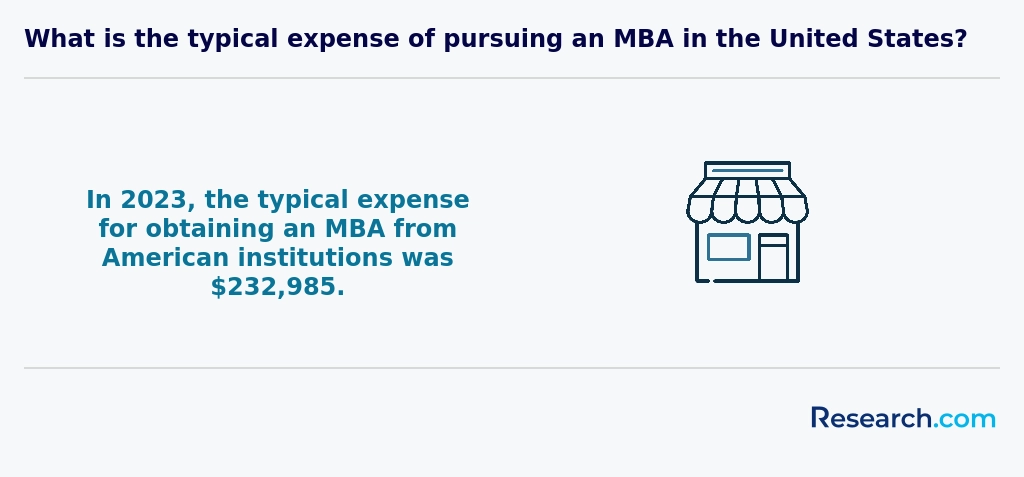
Investing in an MBA in Charlotte, NC, demands a clear understanding of return on investment (ROI), balancing tuition costs against post-graduation earnings. On average, MBA graduates in Charlotte report salary increases of 25–40%, translating to median starting salaries between $70,000 and $100,000. When compared to an average total program cost of $40,000–$80,000 (including fees and living expenses), most students recoup their investment within 3–5 years through higher earnings and accelerated career trajectories. To calculate your personalized break-even point, divide your program’s total cost by your anticipated annual salary lift. For example, a graduate paying $60,000 in tuition who secures a $20,000 salary increase per year would achieve ROI in approximately three years. Factoring in employer tuition reimbursement and scholarships can further shorten this timeline. While Charlotte’s MBA programs offer robust ROI, prospective students comparing tuition efficiency across regions may explore cost-effective alternatives. For instance, programs featured in our Affordable MBA Degree Programs Ranking in North Dakota often boast lower credit-hour rates, providing useful benchmarks when planning your investment strategy. By aligning program costs with career goals and expected salary gains, you can make an informed decision that maximizes both value and long-term earning potential.
If you're diving into an MBA in Charlotte, expect to get a solid grip on core courses like finance, marketing, operations, accounting, and organizational behavior. Graduates from popular schools here often mention how the finance classes really hit home, given Charlotte's reputation as a major banking city-right after New York, no less. They share stories about mastering corporate finance and investment analysis, which felt super relevant when thinking about careers in local banks or financial firms.
Along with those essentials, you'll find courses in strategic management and business ethics that help you think through tricky leadership decisions. Many also talk about how quantitative methods and data analysis seem tougher at first but end up being incredibly practical for the kinds of data-driven decisions you'll make in real business settings.
What's cool is that Charlotte programs tend to let you personalize your path, offering electives like healthcare management or real estate-industries that are booming locally. That hands-on focus really fires graduates up and makes the degree feel like an investment worth the effort.
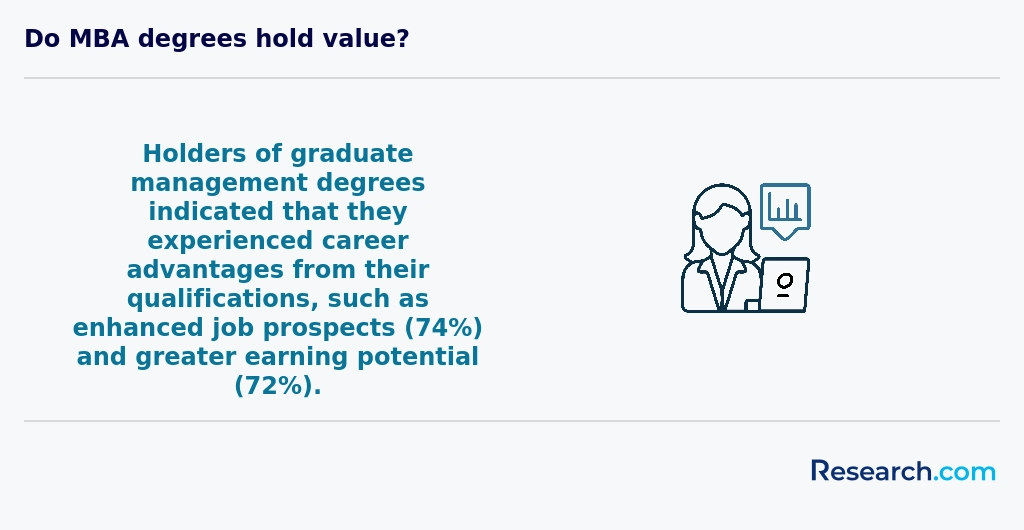
If you're looking into an MBA degree in Charlotte, you'll find plenty of options to tailor your learning to what excites you most. The city's strong financial scene means many graduates lean toward Finance, which makes sense since Charlotte is a huge banking hub. Graduates from popular colleges here often say focusing on Finance opened doors in investment banking and corporate roles nearby.
Healthcare Management is another top pick, especially with Charlotte's major health organizations. Students often share how this specialization prepped them for leadership roles in hospital and healthcare operations, making a real impact locally. Tech lovers don't miss out either-Information Technology and Data Analytics specializations are gaining traction as Charlotte's tech world grows. You can picture grads working on cool data projects or managing cybersecurity efforts right after finishing their degrees.
Among other Charlotte MBA degree concentrations, Marketing, Supply Chain Management, and Entrepreneurship also stand out, letting students dive into everything from branding to building startups. For those in a hurry, many turn to accelerated mba colleges here, which helps fast-track career goals without missing out on quality or hands-on experiences.
Picking the best MBA degree in Charlotte means balancing what fits your life and your wallet. Many grads from popular local schools mention how choosing AACSB-accredited programs made all the difference since employers recognize those credentials instantly. If you're working full-time like a lot of people here, part-time or online options are total game-changers-something you'll see at universities offering evening classes to keep your schedule flexible but still connected to Charlotte's business scene.
Cost matters too, and for those hunting affordable MBA degrees Charlotte NC often comes down to weighing tuition against what you'll get out of it. Graduates tell stories of how networking with finance pros right here in Charlotte helped land internships and jobs, so look for programs tightly connected to the city's industries. Also, if you want to compare career outcomes and salary bumps, checking out graduation stats is super smart-it's all about investing in yourself wisely.
Before you jump in, you might want to explore MBA degree preparation info like from local resources to get a clearer picture of what's ahead. It really helps to see how others navigated the choices and found success around here.

If you're chasing an MBA in Charlotte, you've got some seriously cool career options waiting for you. Thanks to Charlotte's reputation as a finance hub, lots of grads from schools like UNC Charlotte jump straight into roles like financial analyst or portfolio manager at big banks. It's not just about crunching numbers though-many MBA career opportunities in Charlotte also lead to exciting fields like energy management, especially with companies like Duke Energy nearby. Those grads often find themselves managing projects or strategizing sustainable solutions.
Healthcare is booming too, with places like Novant Health offering paths in healthcare management for MBAs ready to shake up the industry. And if you're into consulting, marketing, or even launching your own startup, Charlotte's business scene has plenty of room to grow. MBA grads from local programs often talk about how the city's supportive startup environment helps bring ideas to life.
For anyone considering the business side of things but unsure about major investments, you might wanna check out the top accounting programs South Carolina, which can complement your MBA journey nicely. Overall, the top MBA job prospects Charlotte NC offers make it a place where you can really turn your degree into a rewarding career.

The MBA job opportunities in Charlotte are pretty exciting right now, especially since the city is a major financial hub with headquarters like Bank of America and Truist Financial. Graduates from popular schools in Charlotte often find themselves stepping right into roles in banking, corporate finance, or management consulting. Many share how their university connections helped land internships with top firms, making the jump from classroom to career smoother and way less stressful.
Charlotte's business scene isn't just about finance-energy, healthcare, and tech companies are actively looking for MBA grads to drive marketing, operations, and strategic planning. Graduates describe the job market as vibrant and growing, thanks to the city's expanding economy. Those who pursued an M7 MBA or other strong local programs highlight the salary boost, with starting salaries typically between $90,000 and $110,000, which definitely makes the investment in their degree feel worthwhile.
If you're diving into Charlotte MBA degree employment outlook, it's clear the city's professional groups and networking events give students and grads a leg up, offering chances to connect with recruiters and industry leaders. It's an encouraging environment that makes career growth feel achievable and real.
2027 Most Valuable MBA Degree Programs Ranking in Charlotte
Investing in your education is a significant decision that can shape your future, and the Research.com team understands the importance of making informed choices. To assist prospective students in Charlotte, we have meticulously crafted the "2027 Most Valuable MBA Degree Programs Ranking in Charlotte." Our commitment to quality, credibility, and accuracy is reflected in the extensive research and analysis conducted to compile this ranking.
We utilized the following reputable data sources to ensure a comprehensive evaluation of MBA programs:
By exploring this ranking, readers will gain valuable insights into the most valuable MBA programs in Charlotte, enabling them to make well-informed decisions about their educational investments. For more details on our methodology, please visit our Research.com methodology page.


Frequently Asked Questions About MBA
Students pursuing an MBA degree in Charlotte can maximize their learning by actively engaging with the city's robust business community. Charlotte is a leading financial hub, hosting headquarters of major banks like Bank of America and Wells Fargo, which offer ample networking and internship opportunities.
Participating in local business events, mentorship programs, and case competitions helps students apply classroom theories to real-world challenges. Additionally, choosing MBA programs with strong ties to Charlotte's industries enhances access to specialized courses, such as finance and banking.
According to Charlotte Chamber data, over 50% of MBA graduates in the area report that internships directly contributed to their career advancement. Utilizing these resources strategically can notably improve both academic and professional outcomes.
Emerging niches within the MBA field reflect evolving business demands and innovation. In Charlotte, MBAs with a focus on fintech are gaining prominence due to the city's role as a major U.S. banking hub. According to the Charlotte Regional Business Alliance, fintech-related roles grew by over 20% in 2023, prompting programs to offer specialized coursework in this area. Another growing niche is supply chain management, driven by increased regional logistics activities and e-commerce growth.
Additionally, sustainability and environmental, social, and governance (ESG) studies are integrated into MBA programs. Harvard Business Review highlights that 75% of companies now prioritize ESG, influencing curriculum changes nationwide, including Charlotte schools.
Healthcare management MBAs also see rising interest because of Charlotte's expanding healthcare industry, which accounts for nearly 15% of local employment, according to the U.S. Bureau of Labor Statistics. These niches prepare students for specialized leadership roles aligned with Charlotte's economic landscape.
After completing an MBA degree in Charlotte, preparing for the job market involves strategic steps tailored to local opportunities. Charlotte's economy, a major U.S. financial hub, hosts numerous banking and corporate headquarters, providing strong demand for MBA graduates in finance, marketing, and management roles. Networking is crucial; attending events like Charlotte Business Journal forums and leveraging alumni connections greatly increase job prospects.
Internships during your MBA significantly boost employability, with 70% of Charlotte MBA students securing internships that often lead to full-time positions, according to the Graduate Management Admission Council (GMAC). Additionally, career services at local universities offer resume workshops and interview preparation specific to Charlotte industries.
Finally, staying informed about Charlotte's industry trends and certifications, such as Project Management Professional (PMP), can differentiate candidates in this competitive market.
Employers in Charlotte increasingly seek MBA graduates who demonstrate strong leadership and strategic thinking skills. According to the Charlotte Chamber of Commerce, 68% of local businesses prioritize candidates with advanced problem-solving abilities and decision-making under uncertainty.
Financial acumen remains essential, as Charlotte is a major U.S. banking hub. Proficiency in data analysis and technology also ranks highly, with 72% of employers valuing graduates who can leverage digital tools for business growth, per a 2023 survey by the Charlotte Business Journal.
Effective communication and interpersonal skills are crucial for managing diverse teams in this dynamic market. Overall, MBA graduates must combine technical expertise with adaptability to thrive in Charlotte's competitive business environment.
Finding internships in Charlotte relevant to an MBA degree involves leveraging the city's strong business network and educational resources. Charlotte is a major financial hub, home to top companies like Bank of America and Wells Fargo, which often offer MBA internships. Using university career centers, such as those at UNC Charlotte or other local institutions, provides access to exclusive internship listings and employer connections.
Networking plays a key role. Attending Charlotte Chamber of Commerce events or MBA-specific networking meetups can connect students with professionals. Online platforms like Handshake and LinkedIn are widely used for internship searches in Charlotte's competitive market.
According to the Graduate Management Admission Council (GMAC), nearly 65% of MBA students nationally secure internships before graduation, highlighting the importance of early planning.
The demand for MBA graduates in Charlotte has steadily increased, driven by the city's role as a major financial and corporate hub. Earning an MBA can significantly enhance career mobility, allowing professionals to transition into leadership roles across sectors like banking, healthcare, and technology.
According to the Charlotte Chamber of Commerce, MBA holders in the area often experience salary increases averaging 20-30% compared to those without advanced business degrees. Employers in Charlotte value the strategic thinking and managerial skills that MBA programs emphasize, which supports career advancement within large corporations and growing startups alike.
Local universities offering MBA programs also connect students with extensive alumni networks and partnerships, improving job placement rates and promotions. In a competitive job market, an MBA often serves as a differentiator, opening doors to executive positions that require robust analytical and leadership capabilities.
Studying for an MBA degree in Charlotte equips students for interdisciplinary roles by blending core business principles with practical exposure to the region's diverse economic sectors. The city's strong presence in finance, healthcare, and technology offers MBA programs opportunities to incorporate real-world projects and internships that span multiple industries. According to data from Charlotte's local education reports, over 60% of MBA graduates find roles involving cross-functional teams within two years of graduation.
Programs emphasize skills like leadership, data analysis, and strategic thinking, supporting collaboration among disciplines. This prepares graduates to manage complex challenges in dynamic business environments.
When choosing between a thesis and a non-thesis MBA program in Charlotte, consider your career goals and learning preferences. Thesis MBA programs require completing a research project, ideal for students interested in academic work or specialized expertise. These programs often take longer, with deeper engagement in research methodologies.
Non-thesis MBAs focus on coursework and practical experience, appealing to professionals aiming for immediate career advancement. Many Charlotte business schools emphasize experiential learning, internships, and networking opportunities in these tracks. According to the Charlotte Chamber of Commerce, about 65% of MBA students in the city prefer non-thesis options for faster entry into leadership roles.
Also, tuition and program length vary; thesis tracks can be slightly less expensive but require more time. Research specific Charlotte universities like UNC Charlotte and Queens University for program details to align with your needs and schedule.
Students based in Charlotte interested in studying MBA programs abroad have several pathways facilitated by US universities and global partnerships. Many Charlotte-area institutions, such as the University of North Carolina at Charlotte, offer dual-degree options or international study components through partner schools in Europe and Asia. These opportunities typically range from short-term global immersions to full academic terms overseas, allowing students to gain cross-cultural business experience without relocating permanently.
According to the Graduate Management Admission Council (GMAC), about 25% of MBA candidates consider study-abroad options to enhance their credentials, reflecting growing interest.
Additionally, Charlotte's strong connections to international business hubs make it easier for students to access programs with global networks while maintaining ties to their local economy.
Pursuing a part-time job in Charlotte while earning an MBA can enhance both skills and career prospects. Many MBA students find roles in financial services, given Charlotte's position as the second-largest banking center in the U.S. This offers opportunities in banking operations, financial analysis, or risk management.
Additionally, marketing internships or part-time roles at local firms can provide practical experience in market research and business strategy. Charlotte's growing tech sector also offers positions in project management and data analytics that complement MBA coursework.
According to the U.S. Bureau of Labor Statistics, Charlotte's professional and business services sector is projected to grow by 6% over the next decade, highlighting increased job opportunities for MBA students.
Charlotte provides robust networking opportunities for MBA students through its position as a major financial and business hub. Students benefit from strong connections with prominent companies like Bank of America and Wells Fargo, both of which have headquarters in the city. These organizations often collaborate with local universities, offering MBA students access to internships, corporate events, and guest lectures.
Several Charlotte universities, such as the University of North Carolina at Charlotte, organize networking mixers and industry panels specifically for graduate business students. The Charlotte Chamber of Commerce also hosts events that allow MBA candidates to engage with business leaders and entrepreneurs in various sectors.
Moreover, Charlotte's rapidly growing startup community creates additional opportunities for MBA students to build relationships through meetups and pitch competitions focused on innovation and venture capital. According to the Charlotte Regional Business Alliance, over 30,000 professionals participate in local networking activities annually, supporting career advancement for MBA holders.
Alumni networks play a crucial role for MBA students in Charlotte by providing access to extensive professional connections. Graduates from local institutions like the University of North Carolina at Charlotte benefit from networks that include over 10,000 alumni, offering mentorship and job placement support.
These connections facilitate introductions to industry leaders in Charlotte's growing financial and energy sectors, broadening career opportunities. According to data from Charlotte's Chamber of Commerce, alumni networks increase internship placements by 25%, which can be pivotal in gaining market-relevant experience during the MBA program.
Additionally, alumni events and online platforms foster continuous learning and collaboration, enhancing students' professional growth beyond graduation.
Customizing your MBA degree program in Charlotte allows you to align your education with specific career goals. Many universities in the area, such as the University of North Carolina at Charlotte, offer concentrations like finance, marketing, and healthcare management. Choosing a specialization helps sharpen skills relevant to your desired industry.
Additionally, flexible formats such as part-time, online, or evening classes enable working professionals to balance education with career demands. Internship opportunities and strong local business connections in Charlotte's growing financial and tech sectors provide practical experience.
Some programs also offer elective courses, leadership development, and networking events tailored to career advancement. According to the Charlotte Business Journal, MBA graduates in the region report significant salary increases, highlighting the value of customized learning paths.
MBA students in Charlotte frequently encounter challenges balancing rigorous coursework with work and personal responsibilities. Many programs attract working professionals, making time management a critical issue. According to the Charlotte Chamber of Commerce, over 50% of MBA students in the area attend part-time, which adds complexity to scheduling.
Another challenge is the rising cost of tuition. The average MBA program in Charlotte can range from $30,000 to $70,000, depending on the institution, which poses financial strain on students, especially those with families or limited employer support.
Networking and gaining relevant local industry experience are also critical concerns. Students often seek internships in Charlotte's dominant banking, healthcare, and tech sectors but face intense competition. Schools are increasingly focusing on connecting students with Charlotte's growing business community to address these gaps.
With an MBA degree earned in Charlotte, graduates can pursue various professional certifications to enhance their careers. Common certifications include the Certified Manager (CM) and Project Management Professional (PMP), both valuable in leadership and operational roles. Additionally, many MBA graduates seek the Certified Public Accountant (CPA) or Chartered Financial Analyst (CFA) certifications, especially if their studies focused on finance or accounting.
Charlotte's strong banking and finance sectors make CFA certification particularly relevant. Local institutions often offer preparatory courses for these licenses, helping MBA holders in the region advance professionally. According to the Charlotte Regional Business Alliance, over 30% of Charlotte's MBA graduates pursue certifications within two years after graduation.
Writing a winning application for an MBA program in Charlotte requires clear focus and preparation. Start by researching schools such as the University of North Carolina at Charlotte's Belk College of Business, known for its competitive MBA offerings. Highlight your professional experience, leadership skills, and specific career goals, as these are critical components valued by admissions committees. According to U.S. News & World Report, a GPA of 3.0 or higher and a GMAT score near 600 improve chances significantly in Charlotte-area programs.
Strong recommendation letters that illustrate your abilities and achievements also play a key role. Tailor your essays to demonstrate how the program's curriculum matches your ambitions.
Lastly, prepare for interviews by practicing common questions and showcasing your understanding of Charlotte's business environment and how local connections can enhance your MBA experience.
Pursuing an MBA in Charlotte provides graduates with strong opportunities reflecting global business trends. According to the Graduate Management Admission Council (GMAC), over 50% of MBA graduates report securing roles involving international markets or cross-border operations. Charlotte's position as a major U.S. financial hub, home to Bank of America and Truist Financial, offers connections to global banking and management careers.
The U.S. remains a top destination for MBA students worldwide, with Charlotte's programs increasingly integrating global case studies and diverse student bodies. This exposure enhances graduates' understanding of international practices, a key asset in leadership roles.
Data from the U.S. Bureau of Labor Statistics highlights a 7% growth projection for management occupations by 2030, driven partly by globalization. For Charlotte MBA holders, combining local expertise with global perspectives opens avenues in consulting, finance, and tech industries.
Gaining practical experience while studying for an MBA in Charlotte is essential for career readiness. Local universities often partner with Charlotte-based companies, providing internship and co-op opportunities that allow students to apply classroom knowledge in real business settings. For example, programs at the University of North Carolina at Charlotte emphasize experiential learning through consulting projects and internships in banking, finance, and technology sectors, which are prominent in Charlotte's economy.
Additionally, many MBA programs encourage participation in case competitions and business simulations. Networking events and mentorship programs with local business leaders offer valuable insights and connections. According to the Charlotte Regional Business Alliance, over 25% of MBA students in the area engage in internships during their studies.
Choosing the right concentration within an MBA program in Charlotte requires assessing your career goals and the city's industry landscape. Charlotte is a major finance hub, with over 30 Fortune 500 companies, making concentrations like Finance and Banking highly relevant. According to the Charlotte Chamber of Commerce, the financial sector employs nearly 25% of the local workforce, offering strong job prospects for MBA graduates in these fields.
Consider also emerging sectors such as Technology and Healthcare, which are growing in the Charlotte metropolitan area. Research the curriculum offered by local universities to ensure it aligns with your interests and skill development needs. Schools like UNC Charlotte and Queens University provide specialized tracks reflecting these industries.
Additionally, seek programs that offer experiential learning opportunities, such as internships or consulting projects with Charlotte-based companies. This practical experience can be crucial in applying concentration knowledge effectively in the local job market.
- 2027 Most Valuable MBA Degree Programs Ranking in Winston-Salem
- 2027 Most Valuable MBA Degree Programs Ranking in Greensboro
- 2027 Most Valuable MBA Degree Programs Ranking in Columbia
- 2027 Most Valuable MBA Degree Programs Ranking in Fayetteville
- 2027 Most Valuable MBA Degree Programs Ranking in Durham
- 2027 Most Valuable MBA Degree Programs Ranking in Raleigh
- 2027 Most Valuable MBA Degree Programs Ranking in Salem
- 2027 Most Valuable MBA Degree Programs Ranking in Charleston
- 2027 Most Valuable MBA Degree Programs Ranking in Lynchburg
- 2027 Most Valuable MBA Degree Programs Ranking in Knoxville
- Tips for Writing an MBA Program Essay - GMAT Ninja https://www.gmatninja.com/articles/mba-admissions/essays-and-applications/minimizing-mba-application-essay-agony/
- MBA Requirements https://www.collegeessayguy.com/blog/mba-requirements
- How to Choose an MBA Program That Fits Your Career Goals https://www.mobileviewer.io/blog/how-to-choose-an-mba-program-that-fits-your-career-goals
- How to Use Your MBA for Career Growth While You’re Still Studying - International Career Institute USA https://icieducation.com/blog/how-to-use-your-mba-for-career-growth-while-youre-still-studying/
- How to Choose Between MBA Degree vs. Certificate | University of Phoenix https://www.phoenix.edu/articles/business/how-to-choose-between-mba-degree-vs-certificate-programs.html
- MBA Requirements: What do you really need for an MBA degree https://www.obseducation.org/en/blog/mba-requirements-what-do-you-really-need-for-an-mba-degree
- Why MBA Graduates Embrace Global Perspectives for Career Growth https://www.thehighereducationreview.com/editors-guest/why-mba-graduates-embrace-global-perspectives-for-career-growth-nid-6271.html
- Skills Employers Look for in Business Graduates – EU Business School https://www.euruni.edu/blog/skills-employers-look-for-in-business-graduates/
- Follow These 10 Steps To Write Your MBA Application Essays - ApplicantLab https://www.applicantlab.com/blog/10-steps-to-write-your-mba-application-essay/
- How To Write An MBA Admissions Essay That Stands Out? https://www.personalmbacoach.com/mba-essay-guiding-principles/


