
2027 Most Valuable MBA Degree Programs Ranking in Charleston

Co-Founder and Chief Data Scientist
Choosing the right MBA program can shape your future, especially in Charleston's competitive job market. Our article introduces the 2027 Most Valuable MBA Degree Programs Ranking in Charleston, carefully crafted by the Research.com team of data scientists.
This ranking helps you find MBA programs that offer the best return on investment, so you can make informed decisions about your education.
Reading this guide will inspire confidence in your choices and show how earning an MBA can open new career opportunities and personal growth. Your journey starts here.
Key benefits of getting MBA degree in Charleston
- MBA graduates in Charleston often see strong earning potential, with US average salaries for MBA-related roles ranging from around $75,000 to $120,000 annually, reflecting rewarding financial opportunities.
- Graduates from Charleston's popular universities can pursue diverse careers, including management, finance, and marketing, opening doors to leadership roles and exciting professional growth.
- Completing an MBA online from a Charleston-based institution offers flexibility and convenience, allowing students to balance work and study while gaining valuable skills recognized by employers.
- 2027 Most Valuable MBA Degree Programs Ranking in Charleston
- What can I expect from MBA degree in Charleston?
- Where can I work with MBA degree in Charleston?
What can I expect from MBA degree in Charleston?
The average cost of an MBA degree in Charleston varies notably depending on the institution and program format, with the College of Charleston's professional MBA typically ranging between $30,000 and $50,000 in total tuition. Graduates often reflect on this investment as reasonable given the program's strong ties to the local economy and personalized learning experiences. For instance, students appreciate the smaller class sizes that allow regular faculty interaction, translating to tailored mentorship-something large metropolitan programs might lack.
From a practical viewpoint, some students pursuing part-time or evening classes at local colleges balance work and study, which can extend the timeline but also spread out tuition expenses. While prospective students should consider additional costs such as materials and living expenses, many attest that the flexible schedule makes managing these feasible.
However, it is important to critically assess whether the cost aligns with one's career goals and earning potential. Graduates report that networking within Charleston's entrepreneurial and business communities offers valuable opportunities, often improving return on investment beyond raw salary figures. Ultimately, determining the cost-effectiveness of an MBA here involves balancing program quality, local economic integration, and personal circumstances.
Where can I work with MBA degree in Charleston?
Graduates from MBA programs at institutions like the College of Charleston often find themselves drawn to Charleston's diverse job market, where industries such as finance, healthcare, technology, and hospitality actively seek candidates with advanced business acumen. Many MBA holders secure roles in prominent regional banks such as South State Bank or Bank of America, engaging in financial analysis or risk management. This aligns with the region's growing demand for skilled financial managers, as reflected in projected job growth.
Others leverage their degrees within healthcare administration at places like the Medical University of South Carolina, where MBA skills help improve operational efficiency and strategic planning. Some graduates share that the challenge of managing large healthcare projects has been both stimulating and rewarding, connecting business knowledge with meaningful patient outcomes.
The expanding tech scene provides opportunities for MBAs interested in entrepreneurship or tech management, with startups and established firms actively recruiting. Hospitality and tourism also offer dynamic career paths, with hotel management and event coordination roles that capitalize on leadership skills developed during MBA studies.
MBA graduates in Charleston typically see starting salaries around $70,000 to $80,000, reflecting entry-level positions in local industries such as finance, logistics, and manufacturing. Those who earned their degrees from well-regarded institutions like the College of Charleston or Charleston Southern University report salary growth as they gain experience and certifications, often surpassing $100,000 within a few years.
Many graduates working in finance or consulting roles enjoy salaries ranging from $95,000 to $120,000. For example, a recent MBA graduate securing a role in a regional finance firm described the compensation as competitive, especially when balanced with Charleston's affordable living costs, which allowed for greater savings and lifestyle flexibility compared to larger cities.
Senior management roles within Charleston's thriving business environment can push salaries even higher, sometimes beyond $130,000. While national data suggests median starting salaries near $90,000, Charleston's unique market dynamics and lower expenses often translate into a strong return on investment for MBA holders in the area.
However, potential students should remember that salaries vary by employer size, industry, and previous work experience, making individual outcomes diverse but generally promising.
- MBA programs in Charleston typically take two years full-time, with part-time and online options available.
- The average total cost ranges from $25,000 to $40,000, including tuition but excluding books and living expenses.
- Entry-level MBA salaries in Charleston range from $60,000 to $70,000 annually, while mid-career salaries reach $90,000 to $110,000.
- Key industries hiring MBA graduates include finance, consulting, marketing, operations management, and growing sectors like tech and tourism.
- Networking and internship opportunities are commonly offered through local university-business partnerships to enhance job prospects.
Completing an MBA in Charleston typically takes about two years for full-time students, a timeframe affirmed by graduates of the College of Charleston who appreciate the program's structured pace. This duration aligns with the national average, offering a balanced schedule that supports deep learning without overwhelming new professionals.
For working adults balancing jobs and families, part-time MBA paths extend to three or more years. These students often share how evening or weekend classes at local institutions provide the flexibility needed to continue earning while advancing their careers. This approach, while longer, brings comfort by accommodating real-life demands.
- Accelerated MBA programs offer motivated students a chance to finish within 12 to 18 months by intensifying their course loads, appealing to those eager to dive into new opportunities swiftly.
- Online or hybrid formats provide even greater adaptability, enabling completion in two to four years depending on individual pacing and course availability.
The key takeaway from Charleston's MBA scene is that while timelines vary, students find ways to tailor their journey to fit personal and professional priorities, resulting in a rewarding experience regardless of duration.
Online and on-campus MBA programs in Charleston differ mainly in format and daily experience. Graduates from online MBAs at local accredited universities appreciate the flexibility to balance work and family, accessing lectures on their own schedules without the need to commute. This setup suits professionals navigating busy lives, especially when time is tight.
Conversely, those who pursued on-campus MBAs at institutions like The Citadel or Charleston Southern University often describe the energizing campus atmosphere and face-to-face interactions as invaluable. Being physically present fosters spontaneous discussions, immediate feedback, and strong connections with professors and peers, which graduates credit for expanding their local professional networks.
Cost considerations also vary; online programs sometimes reduce tuition and related expenses like commuting or housing, easing financial pressures. However, on-campus students tend to benefit from structured environments and regular engagement, which some find motivating and essential for their learning style.
Ultimately, Charleston MBA students must weigh these trade-offs based on their personal priorities, whether it's flexible learning or immersive networking opportunities.
When considering an MBA program, it's crucial to select an institution that not only aligns with your career goals but also offers a valuable and recognized degree. A valuable MBA school in South Carolina, such as those listed in our valuable mba school in south carolina, can significantly impact your career trajectory and future earning potential. The reputation of the school, accreditation, curriculum, and networking opportunities are just a few factors that contribute to the value of an MBA degree. By choosing a reputable and accredited program, you ensure that your education is well-regarded by employers and provides you with the necessary skills and knowledge to succeed in today's competitive business environment. Furthermore, the connections you make during your study, through alumni networks and local business partnerships, can lead to valuable internships, job placements, and lifelong professional relationships. Therefore, taking the time to research and compare different MBA programs in South Carolina can make a significant difference in your long-term career aspirations and achievements.
The average MBA degree cost in Charleston shows a significant difference between in-state and out-of-state students. According to recent figures, in-state total costs typically hover around $12,978, while out-of-state students face much higher expenses, with median total costs near $53,917. This range reflects the presence of both public institutions like the College of Charleston and private universities, which often command higher tuition fees.
Graduates from Charleston's MBA programs often recount that while the sticker price might feel daunting at first, the return on investment and local networking opportunities justify the expense. For instance, students at the College of Charleston appreciate the affordability combined with a strong business community that supports career growth. Those attending private MBA programs sometimes report higher costs but emphasize the benefits of smaller class sizes and specialized curriculum geared towards leadership development.
When weighing Charleston MBA tuition and fees 2027, it's essential to consider living costs and additional fees like textbooks and technology, which can add thousands more to the financial commitment over a typical two-year program. Many find that scholarships, employer tuition assistance, and other financial aid offer critical relief, helping manage their budgets more effectively.
Prospective MBA candidates exploring options should also consider Elite MBA programs that might align with their ambitions, though these often come at a premium cost. Understanding all these factors can make the investment feel more attainable and meaningful in Charleston's specific educational landscape.
As the business landscape evolves, MBA programs in Charleston, SC are embracing emerging trends that are reshaping how business education is delivered and experienced. Today’s programs are integrating cutting-edge technology, such as artificial intelligence, data analytics, and digital transformation, into their curriculum to prepare graduates for the fast-changing market demands. Programs are increasingly offering hybrid learning models that combine the benefits of in-person networking with the flexibility of online education-ideal for professionals balancing work and study. For students seeking a flexible and forward-thinking approach, consider exploring programs like which is the easiest mba course designed to integrate innovative teaching practices with real-world applications. Additionally, sustainability, ethical leadership, and global business perspectives are becoming core pillars, ensuring that graduates can navigate both local and international business challenges. By staying informed about these trends, prospective MBA students can better assess which programs offer not only robust academic frameworks but also the adaptive skill sets necessary for future success.
Financial aid for MBA students in Charleston offers several practical avenues, though it requires proactive effort to secure. Graduates from popular schools such as The Citadel or College of Charleston often recall relying on federal loans after completing the FAFSA, which although not granting many graduate-level scholarships, provide manageable funding through options like Direct Unsubsidized Loans or Grad PLUS Loans.
Local scholarships can significantly ease financial burdens. For example, some students received partial to full tuition scholarships by demonstrating leadership or strong academic records. These merit-based awards, offered by area business schools, emphasize early application and engagement with financial aid offices.
Employer sponsorship remains a common and inspiring path for working professionals in Charleston pursuing their MBA part-time. Many share stories of firms investing in their growth, covering tuition while they balance work and study, which adds motivation and financial stability.
Competitive graduate assistantships also appeal to those aiming to offset costs while gaining valuable teaching or research experience, yet these roles are limited and require foresight in application timing.
Understanding the true return on investment (ROI) of an MBA in Charleston, SC, goes beyond tuition figures; it requires assessing post-graduation income, payback period, and long-term career growth. By evaluating both costs and projected earnings, you can make a data-driven decision that aligns with your financial and professional goals. Average Investment and Earnings • Median Total Cost: $45,000–$65,000 (tuition, fees, living expenses) • Starting Salary Range: $70,000–$95,000 for recent graduates • Payback Period: 2–3 years for full-time students, 3–4 years for part-time programs Key ROI Metrics • Salary Increase Percentage: Alumni report an average salary boost of 35% within two years of graduation. • Net Present Value (NPV): Programs with strong corporate partnerships and high job-placement rates yield NPVs up to $150,000 over ten years. • Cost-to-Benefit Ratio: Top-ranked schools in Charleston deliver a cost-to-benefit ratio of 1:3, meaning every dollar invested generates three dollars in career value. Strategies to Maximize ROI 1. Leverage Graduate Assistantships and Scholarships to reduce upfront costs. 2. Target sectors with high demand-finance, consulting, and tech management often offer the fastest payback. 3. Utilize university career services for internships and mentorships, accelerating the job search and salary negotiations. 4. Compare program outcomes: For insights into budget-friendly options with strong ROI, explore our Low Cost MBA Degree Programs Ranking in Hawaii to benchmark tuition and outcomes. By carefully weighing program costs against expected salary gains and career trajectories, prospective students can select an MBA path in Charleston that maximizes both financial returns and professional fulfillment.
Enrolling in an MBA program in Charleston typically requires a combination of academic credentials, professional experience, and standardized test scores, though these prerequisites are not rigid across all institutions. Most programs, such as those at the College of Charleston or Charleston Southern University, expect applicants to hold a bachelor's degree, often valuing diverse academic backgrounds that contribute to dynamic classroom discussions. Graduates often recall how this variety of perspectives greatly enriched their learning experience.
Work experience is another significant factor, with many programs preferring two to three years of relevant professional history. This expectation reflects a desire to admit students who can bring real-world insights into case studies and group projects, which students from local programs have found both challenging and rewarding as it fostered a practical understanding of theory.
Standardized tests like the GMAT or GRE remain common requirements, though some Charleston institutions have adopted test-optional policies, especially benefiting applicants with notable work achievements. Letters of recommendation and personal essays also play crucial roles, helping students demonstrate their motivation and leadership potential beyond transcripts, which past applicants at Charleston universities emphasize as pivotal in their acceptance.
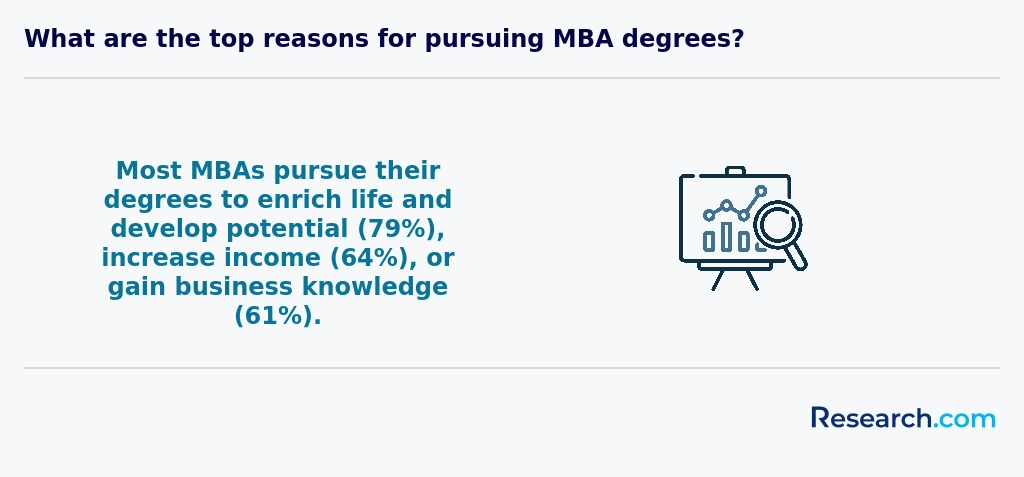
Calculating the return on investment (ROI) for an MBA in Charleston, SC helps you balance program expenses against potential salary increases and career advancement. On average, full-time MBA programs in Charleston range from $30,000 to $120,000 in tuition, plus living expenses. Yet, MBA graduates often report salary jumps of 40–60% post-graduation, with median starting salaries between $70,000 and $100,000. By dividing your total program cost by annual salary growth, you can estimate a payback period-typically two to five years for many students. Beyond direct salary uplift, consider intangible ROI factors: leadership opportunities, accelerated promotions, and expanded professional networks. For example, alumni surveys indicate that 65% of Charleston MBA graduates secure management positions within 12 months, unlocking benefits such as profit-sharing and executive bonuses. When comparing your projected earnings against education outlays, also factor in employer sponsorships, graduate assistantships, and federal aid, which can shorten your payback timeframe substantially. To benchmark tuition efficiency, prospective students can review our Low Cost MBA Degree Programs Ranking in Hawaii, highlighting how geographic and institutional differences impact overall cost. Additionally, analyze program duration-accelerated one-year MBAs often yield faster ROI, while part-time formats allow you to earn a salary during studies, further reducing net debt. In summary, a thorough ROI analysis combines quantitative metrics (tuition vs. salary growth) with qualitative outcomes (network strength, career mobility). Armed with this data-driven perspective, you can choose an MBA pathway in Charleston that aligns with both your financial goals and long-term professional aspirations.
MBA programs in Charleston frequently incorporate core courses such as finance, marketing, accounting, operations management, and organizational behavior. Graduates from institutions like The Citadel and Charleston Southern University often highlight how these foundational classes helped them grasp essential business concepts, preparing them to navigate diverse industries confidently.
Leadership and strategic management courses stand out by emphasizing decision-making skills and team leadership, often through engaging group projects and case studies, which students find highly rewarding. These practical experiences foster a sense of accomplishment and readiness for real-world challenges.
Analytics and quantitative methods gain increasing attention, with courses designed to develop data-driven decision-making abilities. For example, some Charleston MBA students appreciate electives in information systems that align with the city's growing tech sector, enhancing their marketability.
Electives allow personalization according to career goals, with options like international business, entrepreneurship, and supply chain management reflecting Charleston's unique economic landscape, including port logistics and tourism.
MBA specializations in Charleston reflect the city's economic strengths and offer diverse paths for students with different career goals. Graduates from popular local universities often highlight the relevance of concentrations such as healthcare management, where the region's robust medical sector provides practical leadership opportunities in hospitals and health organizations. Another sought-after specialization is supply chain management, taking advantage of Charleston's strategic port location, allowing students to engage directly with global logistics challenges.
Finance remains a core focus for many, with programs emphasizing investment, corporate finance, and planning; some graduates appreciate the connection this specialization has to the finance career outlook nationally and locally. Additionally, entrepreneurship programs attract students eager to thrive in Charleston's dynamic startup environment, fostering creativity and business planning skills. Marketing specializations address the evolving needs of digital and creative industries in the city. Those exploring Charleston MBA concentration options find a balance between addressing local industry demands and broader business trends, making choices that resonate with their personal ambitions and the region's evolving market.
Choosing the best MBA degree in Charleston means weighing several critical factors beyond rankings alone. Graduates from Charleston's prominent business schools often emphasize the value of AACSB accreditation, which signifies rigorous academic standards and can impact employability. However, some find practical experience and networking within Charleston's business community equally vital, so consider faculty expertise and local connections carefully.
Flexibility is another key aspect; many students balance work and study. Programs in Charleston vary from full-time to part-time and online formats, catering to diverse needs. A number of graduates have found that exploring executive mba programs flexibleschedule offers a manageable path without sacrificing quality.
Cost also plays a major role. Charleston's MBA tuition tends to be more affordable compared to the national average, appealing to those seeking affordable MBA degrees Charleston without compromising career prospects. Finally, consider curricula that align with your career goals, such as specialization options in entrepreneurship or healthcare management, to create a fully personalized educational experience.

MBA career opportunities in Charleston offer diverse paths that reflect the city's dynamic economy and academic environment. Graduates from popular institutions such as the College of Charleston and The Citadel often find rewarding roles in healthcare management, benefiting from major local systems like the Medical University of South Carolina. These roles demand operational expertise, financial acumen, and strategic planning, aligning well with many MBA graduates' strengths. Some graduates express enthusiasm about contributing to healthcare innovations in a city where demand continues to increase.
Financial services represent another promising avenue, with Charleston's growing banking sector offering positions like financial analyst and risk consultant. Though salaries hover between $75,000 and $110,000, slightly above national averages, graduates recognize the competitive challenges and emphasize gaining practical experience during studies. Tourism and hospitality sectors also attract MBAs interested in marketing and service management, particularly given Charleston's status as a top travel destination.
Entrepreneurship appeals to those drawn to Charleston's startup ecosystem, supported by numerous accelerators that spur innovative ventures. Those considering alternatives might explore remote options or related accounting degree online Ohio pathways to balance flexibility with skill development. Career prospects extend to consulting, corporate strategy, and supply chain roles, reflecting the region's manufacturing and logistics strengths. The range of options supports varied interests, ensuring graduates can find a path that suits their ambitions and the economic realities of Charleston.

The MBA job market Charleston SC offers is notably dynamic due to the city's balanced mix of traditional industries and emerging sectors. Graduates from popular MBA programs in Charleston often find rewarding roles in financial services, healthcare administration, and tech startups, where leadership and analytical skills are highly valued. Many alumni share stories of transitioning from internships or entry-level roles to project management positions within a year, reflecting the region's supportive business climate.
The emphasis on strategic planning and operations within local MBA curricula aligns well with employer expectations, enhancing graduates' confidence in navigating Charleston's competitive job market. While salaries can vary depending on the sector, most MBA holders in Charleston report increased earning potential and job stability, echoing the broader trend seen nationwide. For example, those coming from well-regarded programs at major Charleston universities highlight the importance of networking through alumni groups and local business associations to unlock opportunities.
Given Charleston's robust employment outlook, potential students may want to explore the valuable mba school in south carolina to weigh the substantial post-degree benefits and return on investment.
2027 Most Valuable MBA Degree Programs Ranking in Charleston
Investing in your education is a significant decision that can shape your professional and personal future, and the Research.com team fully recognizes the importance of making well-informed choices. To support prospective students evaluating MBA degree programs in Charleston, we have carefully developed the "2027 Most Valuable MBA Degree Programs Ranking in Charleston." Our dedication to quality, credibility, and accuracy is demonstrated by the thorough research and data analysis conducted throughout the ranking process.
We utilized the following reputable data sources to ensure a comprehensive and reliable evaluation of MBA programs:
By reviewing this ranking, readers will gain critical insights into the most valuable MBA programs available in Charleston, enabling them to make strategic decisions about their education investments. For a deeper understanding of the methodology behind this ranking, please visit our Research.com methodology page.


Frequently Asked Questions About MBA
To maximize their learning experience, MBA students in Charleston should actively engage with local business communities. Charleston's growing economy, especially in sectors like logistics and hospitality, offers valuable networking opportunities. Participating in internships or consulting projects with Charleston-based companies can provide practical insights beyond classroom theory.
Many area MBA programs emphasize hands-on learning through case studies and team projects, so students should fully commit to collaborative work, which mirrors real business environments. Utilizing resources like the Charleston Metro Chamber of Commerce can also help students connect with industry leaders and mentors.
Students should take advantage of workshops and events hosted by institutions such as the College of Charleston, which regularly ranks among reputable business schools in the region, enhancing their skills in leadership and analytics. According to the U.S. Department of Education, MBA graduates from Charleston report strong employment rates within six months of graduation, underlining the value of combining academic rigor with local professional engagement.
The MBA field is evolving to meet new business challenges, and Charleston's programs are no exception. Emerging niches include sustainability management, reflecting growing corporate focus on environmental impact. Another fast-growing area is healthcare management, driven by Charleston's expanding medical and biotechnology sectors.
Data analytics and digital transformation are also gaining popularity within MBA curricula. According to Charleston regional education reports, nearly 35% of local MBA students now specialize in these tech-driven fields. Entrepreneurial and small business management remain key, supported by Charleston's vibrant startup ecosystem.
These niches align with regional economic trends and prepare graduates for fast-changing job markets in South Carolina and beyond.
After earning an MBA degree in Charleston, preparing for the job market involves strategic steps tailored to the local economy. Charleston's growing sectors include technology, healthcare, and logistics, offering diverse opportunities for MBA graduates. Networking is crucial; engaging with Charleston's business organizations like the Charleston Metro Chamber of Commerce can connect you with potential employers.
Internships and experiential learning gained during your MBA add practical skills employers value. According to the U.S. Bureau of Labor Statistics, MBA holders typically see a 16% higher median wage than those with just a bachelor's degree.
Finally, sharpening soft skills such as communication and leadership helps you stand out in Charleston's competitive job market.
Employers in Charleston highly value MBA graduates who demonstrate strong leadership and strategic thinking skills. These abilities are essential for driving growth and managing teams effectively in competitive business environments. According to recent surveys by the Graduate Management Admission Council (GMAC), employers prioritize critical thinking and problem-solving capabilities in MBA candidates.
Financial acumen and data analysis expertise are also in demand, reflecting Charleston's growing industries such as finance, logistics, and technology. Communication skills, both written and verbal, remain crucial, enabling professionals to clearly convey ideas and collaborate across departments.
Additionally, adaptability and cultural awareness are increasingly important due to Charleston's expanding multicultural workforce and global business ties. These combined skills equip MBA graduates to meet the evolving needs of Charleston's dynamic job market.
Finding internships in Charleston relevant to an MBA degree involves leveraging local business networks and university resources. The Charleston Metro Chamber of Commerce hosts events that connect MBA students with companies seeking interns. According to the Charleston Regional Development Alliance, over 15,000 businesses operate in the area, including many in finance, logistics, and technology sectors ideal for MBA candidates.
Local universities, such as the College of Charleston, offer career centers and MBA-specific internship programs. These offices provide job listings, workshops, and networking opportunities tailored for graduate students. Students should also explore virtual platforms like Handshake, commonly used by Charleston institutions, to locate internships.
An MBA degree in Charleston significantly enhances career mobility and advancement opportunities. According to the Charleston Metro Chamber of Commerce, professionals with MBAs in the region tend to see salary increases averaging 15-20% compared to those without advanced business education. The city's growing sectors, such as finance, healthcare, and logistics, value MBA graduates for leadership roles and strategic decision-making positions.
Moreover, local employers often prioritize MBA candidates for promotions due to their advanced skills in management, finance, and marketing. Networks developed during MBA programs at institutions like the College of Charleston and The Citadel provide critical connections to Charleston's business community.
Recent studies by the Graduate Management Admission Council reveal that MBA holders nationwide report a 50% higher likelihood of securing managerial positions within five years, a trend reflected in Charleston's competitive job market.
Studying for an MBA degree in Charleston equips students with versatile skills essential for interdisciplinary roles across industries. Charleston's MBA programs emphasize a broad curriculum that integrates finance, marketing, operations, and leadership, encouraging a holistic business understanding.
Many local universities collaborate with Charleston's diverse economic sectors, such as manufacturing, technology, and port logistics, offering practical experiences and networking that enhance cross-disciplinary competencies. According to the Charleston Metro Chamber, MBA graduates often take on roles requiring coordination between technical teams and business strategists.
This integration prepares students to adapt and lead in complex environments, a key asset in interdisciplinary workspaces. Programs also emphasize critical thinking and communication, fostering the ability to work with professionals from varied backgrounds.
Choosing between a thesis and a non-thesis MBA program in Charleston depends largely on your career goals and learning preferences. Thesis MBA programs typically emphasize research and require a significant written project, which is ideal if you want to pursue a PhD or a research-oriented role. Non-thesis programs focus more on coursework and practical skills, suiting students aiming to enter the workforce quickly.
Charleston's MBA programs, like those at The College of Charleston, offer both tracks with similar tuition costs averaging around $30,000. According to U.S. News & World Report, non-thesis MBAs often have slightly shorter completion times, averaging two years, compared to thesis routes which can take longer due to research demands.
Consider your time availability and professional objectives when choosing between the two options.
Students based in Charleston who wish to pursue an MBA abroad have several practical options through U.S. institutions offering international study opportunities. Many Charleston-area MBA programs provide exchange agreements and dual-degree options with reputable universities in Europe, Asia, and Latin America. For example, some programs partner with schools in the U.K., Spain, or China to allow students to complete part of their coursework overseas.
According to the Graduate Management Admission Council, about 20% of U.S. MBA programs have formal global study components, which Charleston students can access via affiliated schools, internships, or global consulting projects.
Additionally, online MBA programs with international residencies provide more flexibility for Charleston-based students seeking abroad experiences without fully relocating.
Charleston offers various part-time job opportunities that complement MBA studies by providing practical business experience. Many MBA students engage in roles such as financial analysts, marketing assistants, or project coordinators, which align with core MBA skills. According to the U.S. Bureau of Labor Statistics, Charleston's growing economy, particularly in finance and technology sectors, creates demand for such positions. Local firms, including ChartSpan Medical Technologies and Benefitfocus, often seek part-time interns or consultants, allowing students to apply classroom knowledge directly to real-world challenges.
Additionally, positions in nonprofit organizations and small businesses provide valuable leadership and strategic planning experience relevant to MBA coursework.
Charleston offers a range of networking opportunities for MBA students through its active business community. Many local universities with MBA programs facilitate connections with alumni and industry professionals via networking events, guest lectures, and career fairs. For example, the College of Charleston regularly hosts business mixers and panels involving companies from sectors such as finance, tourism, and tech.
The Charleston metro area also supports various professional organizations like the Charleston Chamber of Commerce, which organizes events that MBA students can attend to build relationships with business leaders. According to a 2023 report by Charleston Regional Development Alliance, over 10,000 businesses operate locally, providing a broad network for aspiring MBA graduates.
Additionally, internships and consulting projects arranged through MBA programs often lead to strong local business contacts. These hands-on experiences help students expand their professional circles beyond the classroom environment.
Alumni networks provide significant benefits to MBA students in Charleston by fostering professional connections that often lead to job opportunities and mentorship. Many Charleston universities with MBA programs, such as the College of Charleston, maintain active alumni associations that organize networking events and career workshops.
Research indicates that 75% of MBA graduates find employment through networking, highlighting the importance of these connections. Alumni can also offer guidance on local industry trends, particularly in Charleston's growing sectors like finance and hospitality.
Moreover, some Charleston MBA programs report that their alumni networks contribute to internships and collaborative projects, enhancing practical learning and career readiness for current students.
Customizing your MBA degree program in Charleston is possible through various flexible options offered by local universities. Many schools provide concentrations such as finance, marketing, entrepreneurship, or healthcare management, allowing students to tailor coursework to their career goals. Additionally, part-time, evening, and online formats enable working professionals to balance education with their jobs. Experiential learning opportunities, including internships and consulting projects, are also common and help build relevant skills for Charleston's growing industries like tech and logistics. According to U.S. News, several Charleston MBA programs emphasize personalized advising to align studies with professional aspirations.
MBA students in Charleston often face challenges related to balancing rigorous coursework with professional and personal responsibilities. Many students are working professionals, making time management a critical issue. According to the Charleston Metro Chamber of Commerce, over 40% of MBA candidates study part-time while maintaining full-time jobs.
Another challenge is the rising cost of education. In-state tuition at local institutions like The Citadel or College of Charleston averages around $25,000 per year, posing financial strain for some students. Scholarships and employer tuition assistance help but may be limited in availability.
Networking opportunities, though strong, can be competitive. Charleston's business community is vibrant but relatively smaller compared to major metropolitan areas, which may require students to be proactive in connecting with industry leaders and alumni for career advancement.
With an MBA degree in Charleston, graduates can pursue several valuable professional certifications that enhance career prospects. Common certifications include the Project Management Professional (PMP), Certified Management Accountant (CMA), and Certified Financial Planner (CFP). These credentials complement MBA knowledge and are recognized nationwide.
The PMP certification is highly sought after in Charleston's growing business sector, especially in industries like finance and technology. According to the Project Management Institute, PMP holders often earn 20% more than peers without the certification.
The CMA certification, focusing on financial management and strategy, aligns well with MBA coursework and is respected by employers in Charleston's finance community. Additionally, the CFP credential supports career paths in financial planning, a field expanding rapidly in South Carolina.
These credentials provide practical skills and proof of expertise beyond the MBA degree, making graduates more competitive locally and nationally.
Writing a winning application for an MBA program in Charleston requires careful preparation. Start by researching local schools like the College of Charleston's School of Business, which emphasizes leadership and community engagement. Admissions committees look for clear career goals and evidence of leadership potential. Highlight your professional achievements and how the MBA fits your career path.
Strong essays are critical; tailor them to the program's values and offerings. For instance, the College of Charleston values community impact, so include relevant experiences. Also, provide solid letters of recommendation from supervisors who know your work well.
Many Charleston MBA programs require the GMAT or GRE. Aim for scores close to the average for your target school - often around 550 to 600 for local programs (Poets&Quants, 2023). Prepare thoroughly to enhance your chances.
Finally, showcase your communication skills during interviews. This demonstrates readiness for the collaborative MBA environment prevalent in Charleston's business schools.
The global perspective on an MBA career emphasizes versatility and leadership development, highly valued in various industries. In Charleston, MBA graduates benefit from the city's growing economy in sectors like finance, healthcare, and technology, aligning with broader U.S. trends that show MBA holders earn 20% higher salaries on average than those with only a bachelor's degree, according to the Graduate Management Admission Council (GMAC) 2023 report.
Internationally, the MBA remains a key credential for gaining strategic and managerial roles, with U.S. programs often ranked among the most prestigious. Charleston's business schools emphasize global business practices, preparing students for multinational careers while fostering connections to emerging markets.
Moreover, MBA alumni networks in Charleston provide strong regional and global links, enhancing career mobility across industries such as consulting and entrepreneurship, as noted by the U.S. Bureau of Labor Statistics.
Gaining practical experience during an MBA program in Charleston is highly achievable through various opportunities. Many local universities, such as The College of Charleston and Charleston Southern University, offer internships and cooperative education options connected with Charleston's robust business community. These placements allow students to apply classroom theories to real-world challenges.
Additionally, MBA students often participate in consulting projects for local companies, providing strategic insights while enhancing their own skills. Networking events, organized by business schools and regional chambers of commerce, facilitate connections with industry professionals.
Charleston's growing sectors like logistics, tourism, and tech provide diverse environments for hands-on learning.
Choosing the right concentration within an MBA program in Charleston depends on your career goals, local industry demands, and personal interests. The Charleston area has strong sectors in tourism, finance, healthcare, and technology, so concentrations like Hospitality Management, Finance, Healthcare Administration, and Information Systems are popular choices. According to the U.S. Bureau of Labor Statistics, Charleston's finance sector employment is growing faster than the national average, making finance-related MBA concentrations particularly valuable.
Consider how each concentration aligns with your past experience and future opportunities. Schools in Charleston, including College of Charleston and The Citadel, offer diverse specializations tailored to regional business needs. Networking opportunities and internships available locally can also influence your choice, giving practical experience within Charleston's economic landscape.
- 2027 Most Valuable MBA Degree Programs Ranking in Savannah
- 2027 Most Valuable MBA Degree Programs Ranking in Columbia
- 2027 Most Valuable MBA Degree Programs Ranking in Fayetteville
- 2027 Most Valuable MBA Degree Programs Ranking in Charlotte
- 2027 Most Valuable MBA Degree Programs Ranking in Jacksonville
- 2027 Most Valuable MBA Degree Programs Ranking in Macon
- 2027 Most Valuable MBA Degree Programs Ranking in Raleigh
- 2027 Most Valuable MBA Degree Programs Ranking in Greensboro
- 2027 Most Valuable MBA Degree Programs Ranking in Durham
- 2027 Most Valuable MBA Degree Programs Ranking in Winston-Salem
- Master of Business Administration https://charleston.edu/mba/
- Why Employers Prize a Global Perspective from MBA Graduates | WU Executive Academy https://executiveacademy.at/en/knowledge/career/why-employers-prize-a-global-perspective-from-mba-graduates
- Follow These 10 Steps To Write Your MBA Application Essays - ApplicantLab https://www.applicantlab.com/blog/10-steps-to-write-your-mba-application-essay/
- Ranking najlepszych programów MBA w Polsce 2025 – Perspektywy MBA https://mba.perspektywy.pl/english
- MBA Career Outlook from a Global Perspective Margaret Buj https://interview-coach.co.uk/mba-career-outlook-from-a-global-perspective/
- College of Charleston MBA programs earn national recognition in U.S. News ranking - Who's On The Move https://whosonthemove.com/college-of-charleston-mba-programs-earn-national-recognition-in-u-s-news-ranking/
- How to Choose an MBA Program That Fits Your Career Goals https://www.mobileviewer.io/blog/how-to-choose-an-mba-program-that-fits-your-career-goals
- MBA Jobs, MBA Recruitment, Business Schools https://www.mba-exchange.com/
- Top Challenges for MBA Students in 2025: Placements and Career Growth in India | BeJobbed.com https://bejobbed.com/challenges-mba-students-placements-career-growth-india/
- Top 10 Career Options After a Global MBA | SP Jain Global https://www.spjain.org/blog/articles/top-global-mba-careers


