
2027 Most Valuable MBA Degree Programs Ranking in South Carolina

Co-Founder and Chief Data Scientist
Choosing the right MBA program in South Carolina can shape your future career and open new doors. This article introduces the 2027 Most Valuable MBA Degree Programs Ranking in South Carolina, developed by the Research.com team of data scientists.
It's designed to help you make an informed choice by highlighting programs that offer real value and strong career prospects. Earning an MBA can boost your skills, confidence, and opportunities.
Explore this ranking to find programs that align with your goals and start your journey toward success with clarity and confidence.
Key benefits of getting MBA degree in South Carolina
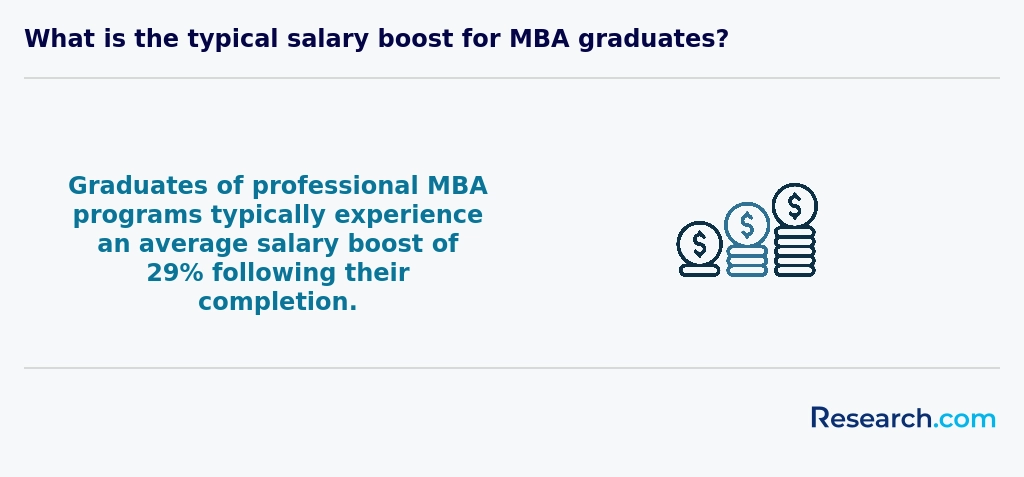
- Salary Benefits: MBA graduates in South Carolina can expect competitive salaries, often starting around $70,000 annually in management roles, reflecting rewarding financial growth opportunities.
- Career Paths: Graduates from popular schools like the University of South Carolina find diverse options, from marketing and finance to entrepreneurship, offering exciting and flexible career choices.
- Online MBA Advantages: Online MBA programs, such as those offered by Clemson University, provide flexible schedules and the ability to balance work and study, making earning the degree more accessible and convenient.
- Key benefits of getting MBA degree in South Carolina
- What can I expect from MBA degree in South Carolina?
- Where can I work with MBA degree in South Carolina?
- How much can I make with MBA degree in South Carolina?
- 2027 Most Valuable MBA Degree Programs Ranking in South Carolina
- Key Findings
- How long does it take to complete MBA degree in South Carolina?
- What's the difference between online and on-campus MBA degree?
- Finding the Right Fit: A Guide to Choosing Affordable MBA Programs in South Carolina
- What is the average cost of MBA degree in South Carolina?
- Expert Tips for a Successful MBA Journey
- What financial aid is available to MBA degree students in South Carolina?
- What are the prerequisites for enrolling in MBA degree program in South Carolina?
- Application Process and Timeline
- What courses are typically in MBA degree programs in South Carolina?
- What types of specializations are available in MBA degree programs in South Carolina?
- How do you choose the best MBA degree in South Carolina?
- What career paths are available for MBA degree students in South Carolina?
- What is the job market for MBA degree in South Carolina?
- Related MBA Rankings for Nearby States
- Top Trending MBA Rankings
What can I expect from MBA degree in South Carolina?
Imagine stepping into the world of South Carolina's MBA programs where the cost feels less like a barrier and more like an investment in your future. At the University of South Carolina's Darla Moore School of Business, for instance, in-state tuition hovers around $30,000- a figure that balances prestige with accessibility. Graduates often reflect on how this manageable investment opened doors to vibrant career opportunities across Charleston, Columbia, and Greenville.
Many MBA students from Clemson University recall juggling evening classes with full-time jobs, thankful for programs designed to mold business leaders without breaking the bank. These students emphasize that tuition cost blends seamlessly with the value of hands-on experiences, from consulting projects to real-world case studies.
The spectrum of pricing across South Carolina might vary, but the shared sentiment is clear: an MBA here offers compelling ROI, merging quality education, local industry connections, and a tuition price that encourages ambition rather than hesitation.
Where can I work with MBA degree in South Carolina?
Graduates from MBA programs at institutions like the University of South Carolina or Clemson University often find themselves stepping into vibrant ecosystems where opportunity feels tangible. Picture landing in Charleston, weaving through buzzing finance firms as a portfolio manager or risk specialist, empowered by the training that your MBA delivered. These cityscapes pulse with careers in banking and investment, where your business savvy transforms numbers into impactful decisions.
Down in Greenville, the manufacturing giants such as BMW Manufacturing become more than just employers-they become arenas where your supply chain acumen leads to operational breakthroughs. MBA alumni tell stories of steering complex logistics and production schedules, feeling the thrill of making real impact in the automotive heartland of South Carolina.
Healthcare executives emerging from South Carolina's top programs often find themselves at places like Prisma Health, steering strategy that directly improves patient care. Imagine the satisfaction of aligning hospital operations with innovation, turning MBA insights into lifesaving efficiency.
Meanwhile, tech hubs in urban centers buzz with startups hungry for savvy MBA strategists, consultants who flourish by guiding digital transformation journeys. In these spaces, your degree is a key that unlocks collaboration, growth, and vibrant career adventures.
How much can I make with MBA degree in South Carolina?
In South Carolina, MBA graduates often stride confidently into salaries that can kickstart their financial independence-imagine stepping out from a University of South Carolina classroom into a role that pays between $70,000 and $85,000 a year. That's not just a number; it's the kind of figure that transforms the "first job" jitters into excitement for what's ahead.
As these graduates gain experience, their paychecks often swell past $100,000, especially in bustling hubs like Charleston and Columbia where management roles in finance or healthcare beckon with competitive offers. Picture a Clemson University MBA alum leveraging specialized skills in consulting, climbing the ladder swiftly while their peers marvel at the leap from typical bachelor's degree earnings.
For those who push into executive roles, salaries can surpass $130,000-a testament to how South Carolina's growing industries reward those equipped with advanced business savvy. This financial momentum, fueled by respected programs here, solidifies the MBA not just as a degree, but a springboard into rewarding careers and lifestyles.
2027 Most Valuable MBA Degree Programs Ranking in South Carolina
How do we rank schools?
Investing in one's education is a significant decision that can profoundly impact future opportunities, and the Research.com team is committed to helping you make well-informed choices. To support prospective students interested in pursuing an MBA in South Carolina, we have carefully developed the "2027 Most Valuable MBA Degree Programs Ranking in South Carolina." Our dedication to quality, credibility, and accuracy is demonstrated through thorough research and rigorous analysis.
We utilized the following reputable data sources to ensure a comprehensive evaluation of MBA programs:
By reviewing this ranking, readers will gain valuable insights into the most valuable MBA degree programs in South Carolina, empowering them to select the best educational path for their goals. For a detailed explanation of our methodology, please visit our Research.com methodology page.

# 2 position
Strayer University-South Carolina
Master of Business Administration


# 5 position
South University-Columbia
Master of Business Administration



Key Findings
- The cost of MBA programs in South Carolina ranges from $25,000 to $65,000, with public universities offering lower tuition, especially for in-state students.
- Most MBA programs take about two years for full-time students, with options for online, evening, or executive formats.
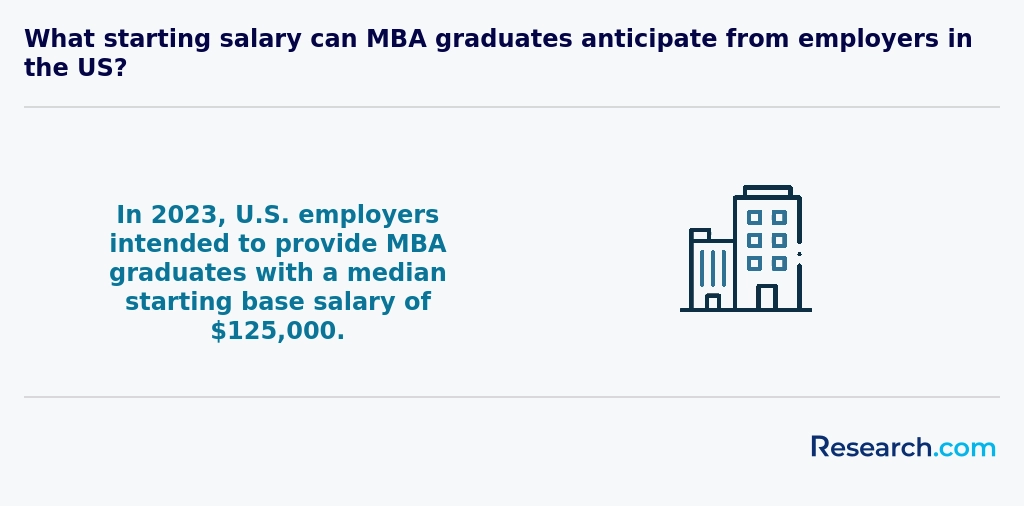
- Average starting salaries for MBA graduates are between $65,000 and $75,000 per year, increasing to $100,000-$120,000 with experience.
- Key industries for MBA jobs include finance, healthcare, manufacturing, and technology, with strong demand in Columbia, Charleston, and Greenville.
- Look for MBA programs accredited by AACSB to ensure a high standard of education recognized nationwide.
How long does it take to complete MBA degree in South Carolina?
Imagine diving into Clemson University's full-time MBA, where two years whirl by like a dynamic business deal-cramming core strategies first, then savoring electives as your favorite dessert. Graduates recall the rush of mastering concepts in semesters that feel alive with energy and camaraderie.
Now picture balancing spreadsheets while catching sunset from a University of South Carolina campus lamp post. Many part-time MBA students take this path, extending their journey to three or four years. The grind of evening and weekend classes blends with office deadlines, creating a rhythm both challenging and rewarding-a testament to dedication.
For those ready to sprint, accelerated programs trim the timeline to a single year, turning summer sessions into power-packed fuel stops. It's a fast track for ambitious souls eager to launch careers sooner, embodying a thrilling intensity unique to South Carolina's MBA scene.
Online learners float through flexible schedules, often completing their MBA between one and three years. Whether it's a quiet coffee shop or a bustling co-working space, South Carolina's digital classrooms empower diverse lifestyles without sacrificing connection.
What's the difference between online and on-campus MBA degree?
Imagine stepping onto the bustling campus of the University of South Carolina's Darla Moore School of Business, where on-campus MBA students thrive on face-to-face debates, spontaneous coffee-shop brainstorms, and the electric buzz of group projects. These graduates often reminisce about the irreplaceable energy in shared spaces, the impromptu networking dinners, and the comfort of physically flipping through textbooks alongside peers.
Now contrast that with the rhythm of an online MBA student at Clemson University, who balances course deadlines with toddler tantrums or late-night work shifts. Here, the classroom fits in a laptop bag, and flexibility is the heartbeat-lectures stream asynchronously, turning hectic mornings into productive coffee-fueled study sessions. These graduates cherish carving their own schedules, pursuing their degree without sacrificing a growing career or family time.
Both paths converge in South Carolina under AACSB-accredited roofs, where the essence of leadership is forged, whether in a sunlit lecture hall or a cozy home office.
Finding the Right Fit: A Guide to Choosing Affordable MBA Programs in South Carolina
When considering an MBA program in South Carolina, affordability is a crucial factor. Prospective students should research programs that offer a balance of quality education and financial feasibility. For those looking for most affordable mba programs in south carolina, there are several options to explore. Many institutions in the state offer competitive pricing, scholarships, and financial aid packages that can make pursuing an MBA more accessible. By weighing factors such as program reputation, curriculum, and cost, students can find an MBA program that aligns with their career goals and budget, setting them up for success in their future endeavors.
What is the average cost of MBA degree in South Carolina?
The average MBA degree cost in South Carolina strikes a balance between ambition and affordability, with the median total cost hovering around $40,136. For locals, the financial weight lightens considerably; in-state students typically see median expenses closer to $18,145, making the dream of an MBA more within reach. Imagine a graduate from Clemson University sharing how their in-state tuition allowed them to dedicate more energy to networking and less to financial stress. Residency status dramatically shapes your financial journey-non-residents face higher costs but gain access to the same respected programs.
Graduates from the Darla Moore School of Business often recall the investment as a stepping stone rather than a setback, with tuition balancing out against quality education and career opportunities. These South Carolina programs offer more than numbers-they bring real-life connections and hands-on experience. When tallying up the total MBA program expenses South Carolina students encounter, consider that tuition is just the starting point. Books, supplies, technology fees, and even occasional professional development costs add layers to the financial picture, transforming mere numbers into tangible life expenses.
Those chasing an MBA in South Carolina often discover that this investment parallels a memorable chapter of growth and discovery. For clear-eyed students comparing options, the most affordable mba programs in south carolina offer a tangible starting point to plan a future filled with promise and potential.
Expert Tips for a Successful MBA Journey
Aspiring MBA students can greatly benefit from actionable strategies that go beyond academic coursework. Experts recommend starting with clear goal-setting: outline long-term career objectives and use them as a benchmark when evaluating programs and specializations. Engage early with admissions teams by preparing strong application essays that reflect both your professional aspirations and personal experiences. Additionally, proactively seek mentorship opportunities and join networking events to connect with current students and alumni who can offer valuable insights. Leveraging online resources can also be a game-changer-if affordability is a concern, consider exploring options like the cheapest executive mba programs to balance quality education with cost efficiency. Finally, make sure to review each program’s career support services and internship opportunities, as these practical experiences often serve as the bridge between classroom concepts and real-world success.
What financial aid is available to MBA degree students in South Carolina?
Imagine stepping onto the Clemson University campus, your MBA dreams weighing heavy-but suddenly lightened by a neat package of scholarships and federal loans. Direct Unsubsidized Loans and Grad PLUS loans via FAFSA act like a safety net, cushioning your financial fall while you chase those leadership goals. Many South Carolina MBA seekers gratefully recall the merit-based scholarships awarded by both Clemson and the University of South Carolina, which felt like unexpected gifts recognizing their hustle and brainpower.
Picture a busy professional juggling spreadsheets by day and case studies by night, their employer pitching in through tuition assistance programs that make balancing work and study not just possible but empowering. Graduate assistantships add another layer, where future leaders gain hands-on teaching or research experience, all while earning stipends that make tuition bills less daunting.
And don't forget the spark of hope kindled by private scholarships from groups like the Forté Foundation or the National Black MBA Association, funneling resources specifically to deserving women and underrepresented talents in South Carolina's MBA ecosystem.
These layered support systems transform what might feel like a financial Everest into a climb full of unexpected allies and footholds.
What are the prerequisites for enrolling in MBA degree program in South Carolina?
To dive into an MBA in South Carolina, imagine yourself stepping into the dynamic halls of universities like Clemson or the University of South Carolina, where ambition meets tradition. Here, you're expected to arrive armed with at least a bachelor's degree-no need to fret if your undergrad was in art or engineering; it's your GPA around 3.0 or higher that whispers your readiness. Recent graduates often share how their mid-600s GMAT scores opened doors, yet others lean on rich professional stories to secure test waivers, reflecting a path fueled not just by numbers but experience.
Picture a classroom alive with professionals boasting two to three years, sometimes five or more, of real-world hustle, cultivating discussions that feel less like lectures and more like strategy sessions fueled by authentic insights. Recommendations and personal essays add personal zest-think of them as your story, unfolding motivations and leadership sparks, qualities that South Carolina programs eagerly embrace.
Financially, candidates recall balancing dreams against $30,000 to $60,000 tuition tags, discovering scholarships that make this transformative journey more than a possibility-a promise.
Application Process and Timeline
Navigating MBA applications in South Carolina requires a clear roadmap to meet deadlines and present a compelling candidacy. Most top programs offer rolling admissions with three primary rounds: Round 1 (October–November), Round 2 (January–February), and Round 3 (March–April). Early applicants often benefit from priority scholarship consideration and stronger interview slots. Key application components include:
- Academic Transcripts: Official records from all postsecondary institutions.
- Standardized Tests: GMAT or GRE scores, unless waived for professional experience.
- Essays and Personal Statement: Highlight leadership achievements, community impact, and career vision.
- Letters of Recommendation: Two to three insights from supervisors or academic mentors who can vouch for your analytical skills and teamwork.
- Resume/CV: A concise summary of work history, internships, and extracurricular leadership roles. To maximize your chances:
- Begin six to eight months before your target start date to research schools, request recommendations, and draft essays.
- Leverage campus visits, virtual info sessions, and alumni panels to tailor your application narrative to each program’s culture.
- Prepare for interviews by practicing behavioral and case-style questions that demonstrate strategic thinking. While comparing cost structures and scholarship opportunities, consider benchmarking against other regions as well-for example, the Affordable MBA Degree Programs Ranking in Ohio can provide insights into competitive tuition trends and financial aid models. By adhering to a structured timeline and showcasing your unique value, you can submit a standout application and secure a spot in one of South Carolina’s premier MBA cohorts.
What courses are typically in MBA degree programs in South Carolina?
Diving into an MBA program in South Carolina means embarking on an intellectual adventure packed with courses that sharpen your business instincts and leadership edge. Imagine a classroom at Clemson or the University of South Carolina, where you unravel the mysteries of Financial Accounting and Managerial Accounting, transforming numbers into strategic decisions that could steer a company's future. Graduates often recall how Marketing Management classes sparked their creativity, pushing them to design campaigns that resonate with real consumers in vibrant Charleston markets.
It's not just theory. Picture yourself in a group project at Furman University, negotiating supply chains or leading discussions on Organizational Behavior and Leadership, learning how empathy can drive business success. Courses like Strategic Management and Data Analytics become tools to dissect and conquer complex problems-skills celebrated by alumni who've launched startups or climbed corporate ladders in Greenville's bustling economy.
The flexibility of these programs allows students to explore electives-from healthcare to IT-tailoring their education to South Carolina's diverse industries, making every lesson feel immediately relevant and energizing.
What types of specializations are available in MBA degree programs in South Carolina?
South Carolina's MBA specializations unfold like a vibrant tapestry woven from the state's rich industry threads. Graduates from institutions like the University of South Carolina relish deep dives into Finance or Marketing, where theories leap off the page into boardroom triumphs and digital campaigns alive with consumer insights. Others embrace Healthcare Management, navigating the dynamic challenges of the region's healthcare boom, turning classroom case studies into strategies that impact real-world patient care.
Supply Chain Management resonates strongly across the state's bustling logistics hubs. Students imagine orchestrating seamless goods movement from Charleston's ports to nationwide markets-a thrilling mental dance of procurement and distribution mastered during their South Carolina MBA degree concentration options. Entrepreneurial spirits launch startups fueled by cutting-edge innovation, while Information Technology Management enthusiasts blend business acumen with technology to lead in an ever-evolving digital landscape.
Those exploring affordable routes often compare tuition while eyeing cheapest executive mba programs, ensuring their investment matches ambitions. These specializations make the South Carolina MBA degree a versatile passport to careers poised at the intersection of local economies and global business.
How do you choose the best MBA degree in South Carolina?
Choosing the best MBA degree in South Carolina is like crafting your personal recipe for success-start with the program style that dances with your rhythm. Graduates from the University of South Carolina's Darla Moore School of Business often celebrate the flexibility of part-time or online MBAs that harmonize with their busy lives, while full-time students thrive in immersive campus energy. Your journey could feel as seamless as a hometown conversation when you pick the right format.
The practical side whispers to consider cost carefully. South Carolina stands out with more affordable MBA degrees South Carolina offers, especially for those claiming in-state status. Checkout graduates who smiled recalling their tuition less daunting than the national average, freeing their minds to focus on growth. For detailed comparisons, the Affordable MBA Degree Programs Ranking in Ohio offers inspiration beyond state lines.
Reputation rides shotgun-Clemson and USC proudly flaunt AACSB accreditation, a badge that employers spot instantly. Alumni tell stories of weaving strong networks and snagging jobs with $70,000-$90,000 salaries right after graduation, thanks to vibrant career services. When you imagine your future, think of these connections as your launchpad, not just a diploma.

What career paths are available for MBA degree students in South Carolina?
Imagine stepping out of a vibrant MBA classroom at Clemson or the University of South Carolina and into a world where your skills shape the future of South Carolina's booming industries. Whether it's steering complex manufacturing projects or innovating in fintech hubs, MBA graduates find themselves at the heart of growth and transformation. Many share the thrill of managing operations that keep the state's ports buzzing or plotting strategic moves in healthcare administration, fueled by South Carolina's expanding medical landscape.
Graduates report how the state's unique economic blend - from finance giants downtown to regional startups - opens doors wide for their ambitions. This is no ordinary career map; it's a playground for those who crave challenges and rewards. Exploring job prospects for mba graduates south carolina means envisioning roles as financial managers, marketing leaders, or pioneers launching ventures in incubation centers. Some even combine study with earning a fast online bachelor's degree for working adults, elevating their trajectory.
What is the job market for MBA degree in South Carolina?
The MBA graduate employment prospects South Carolina graduates experience often feel like stepping into a vibrant mosaic of opportunity. Imagine finishing your degree at a respected institution like the University of South Carolina and walking into boardrooms of giants such as Boeing or BMW, where your skills in management and supply chain strategy drive real-world impact. Graduates from Clemson University's MBA programs similarly share stories of seamless transitions into healthcare finance roles, where their advanced training matches the demands of South Carolina's diverse industrial base.
South Carolina's MBA job market outlook sparkles with encouraging figures: starting salaries typically range between $70,000 and $85,000, presenting a rewarding alternative to the national average. The affordable tuition of local programs enhances the appeal, making the return on investment tangible for many students. Alumni often recount how their education unlocked doors not only in established corporations but also within the state's growing startup scenes, especially vibrant in Charleston.
Exploring further, prospective students curious about transitioning later in life might find interest in top college courses for older adults online, offering pathways tailored for evolving careers while living in South Carolina.
Frequently Asked Questions About MBA
To maximize their learning experience, MBA students in South Carolina should actively engage with local business communities. Schools like Clemson and the University of South Carolina often facilitate internships and networking opportunities with companies in Charleston, Columbia, and Greenville, which are the state's primary economic hubs.
Participating in case competitions and consulting projects can strengthen practical skills. According to the Graduate Management Admission Council, students who combine coursework with real-world projects report higher satisfaction and career readiness.
Additionally, leveraging resources such as career services and mentorship programs offered by South Carolina universities helps students align academic goals with industry demands. Peer collaboration and attending workshops also contribute to better comprehension and application of MBA concepts.
The field of MBA education in South Carolina is evolving to meet shifting business demands, with several emerging niches gaining prominence. Areas such as healthcare management and supply chain analytics are expanding due to the state's growing healthcare sector and logistics industries.
Additionally, sustainability and green business practices are becoming important focuses, reflecting broader economic trends. Data analytics and fintech also represent strong growth areas, supported by South Carolina's investment in technology and finance.
According to the Graduate Management Admission Council (GMAC) 2023 report, interest in specialized MBA programs nationwide has risen by 20%, and South Carolina's universities are responding with targeted curricula to prepare graduates for these fields. This trend benefits students seeking relevant expertise in the local job market.
After completing an MBA degree in South Carolina, preparing for the job market requires strategic planning. Graduates should leverage the strong university networks, such as Clemson and the University of South Carolina, which have extensive alumni connections within the state's key industries, including finance, healthcare, and manufacturing.
According to the U.S. Bureau of Labor Statistics, South Carolina's MBA graduates typically see a 10-15% higher starting salary compared to bachelor's degree holders. To capitalize on this, it is essential to develop practical skills like data analysis and project management through internships or hands-on projects during the MBA program.
Additionally, attending local career fairs and joining professional organizations, such as the South Carolina Association for Career Development, can expand job opportunities. Networking remains crucial in South Carolina's job market, where many positions are filled through referrals.
Employers in South Carolina increasingly value MBA graduates who demonstrate strong leadership and strategic thinking skills. According to the Graduate Management Admission Council (GMAC), skills in data analysis and financial management are particularly sought after within the region's growing industries.
Communication skills remain crucial, as businesses prioritize graduates who can effectively collaborate and present ideas. South Carolina's diverse economy, including manufacturing and technology sectors, demands adaptability and problem-solving abilities.
Additionally, knowledge of supply chain management is highly prized due to the state's major ports and logistics hubs. Local employer surveys also highlight the importance of digital proficiency and ethical decision-making as essential traits for MBA graduates.
Finding internships in South Carolina relevant to an MBA degree involves leveraging local business relationships and university career services. Many top MBA programs in the state, like those at the University of South Carolina and Clemson University, offer strong corporate connections that help students access internships in finance, marketing, and management sectors. According to the South Carolina Department of Commerce, the state boasts growing industries such as advanced manufacturing and healthcare, which actively recruit MBA interns.
Students should also explore internship postings on Handshake or LinkedIn tailored to their MBA skills. Networking events and business clubs hosted by South Carolina universities further enhance internship opportunities by connecting students directly with employers.
An MBA degree significantly enhances career mobility and advancement opportunities in South Carolina. According to the Graduate Management Admission Council, MBA graduates in the U.S. see a salary increase averaging 50% over their pre-MBA earnings, a trend reflected in South Carolina's growing business hubs like Charleston and Columbia. Local employers highly value MBA skills in leadership, strategic thinking, and financial acumen, often considering MBA holders for management roles.
South Carolina's diverse economy, including sectors such as manufacturing, logistics, and finance, benefits from MBA graduates who can navigate complex business challenges. The state's universities frequently report high job placement rates for MBA alumni within six months post-graduation, underscoring the degree's role in career progression.
Furthermore, networking opportunities provided by South Carolina MBA programs give graduates access to influential professionals, further aiding job advancement locally and regionally.
Studying for an MBA degree in South Carolina equips students with skills essential for interdisciplinary roles by integrating diverse business disciplines such as finance, marketing, and operations. South Carolina's MBA programs often emphasize teamwork, leadership, and strategic thinking, preparing graduates to collaborate across functions and industries.
The state's growing industries, including manufacturing, healthcare, and logistics, provide practical environments for applying interdisciplinary knowledge. According to the South Carolina Commission on Higher Education, many local programs incorporate project-based learning, connecting students with multiple sectors.
This approach enhances problem-solving abilities and adaptability, key traits for complex business challenges.
Choosing between a thesis and a non-thesis MBA program in South Carolina depends on your career goals and learning preferences. A thesis MBA typically requires conducting original research and writing a substantial paper, which can benefit those interested in academic careers or specialized fields.
Non-thesis MBA programs focus more on practical skills and coursework, appealing to professionals aiming for immediate application in business roles. According to U.S. News data, South Carolina schools like Clemson and University of South Carolina offer both options, allowing flexibility.
Consider time commitment: thesis tracks may take longer and demand strong research skills. Non-thesis tracks often have accelerated paths suitable for working professionals. Cost and faculty expertise are also important when deciding.
Students in South Carolina interested in studying for an MBA abroad have several pathways to consider. Many local universities, such as Clemson University and the University of South Carolina, offer study-abroad or exchange programs with partner business schools worldwide. These programs allow students to gain international experience while earning credits toward their MBA.
Additionally, students may pursue dual-degree options that combine South Carolina education with an overseas institution, providing global exposure and potential cost savings. According to the Graduate Management Admission Council, nearly 35% of MBA candidates in the U.S. seek international study opportunities to enhance their career prospects.
Scholarships and financial aid may be available specifically for study-abroad components, which is worth exploring through university advisors.
Students pursuing an MBA degree in South Carolina can benefit from part-time jobs that build relevant skills and provide valuable industry exposure. Roles in financial services, such as bank teller or financial analyst assistant positions, are common and help develop analytical and client management abilities. Retail management and marketing assistant jobs offer practical experience in leadership and consumer behavior, complementing coursework in business strategy.
Additionally, internships with local firms in Charleston, Columbia, or Greenville often pay part-time while providing networking opportunities within the regional economy. The South Carolina Department of Commerce reports that the finance and insurance sector employs over 60,000 people statewide, highlighting the availability of such positions.
Students can also consider administrative roles in university business departments or startups to improve organizational skills. These roles support MBA competencies and help build a professional resume while studying.
South Carolina offers robust networking opportunities for MBA students, leveraging its business-friendly environment and growing industries. Universities such as Clemson, University of South Carolina, and Furman provide access to extensive alumni networks that actively support career development. According to the South Carolina Council on Competitiveness, the state hosts numerous business events and industry conferences that encourage MBA students to connect with local executives and entrepreneurs.
Internships through university partnerships often place students in key state sectors like manufacturing, finance, and healthcare. Additionally, MBA programs typically facilitate networking clubs, speaker series, and career fairs, which are essential for building professional relationships.
Participation in regional business organizations like the Charleston Metro Chamber of Commerce further expands students' contacts, providing a gateway to South Carolina's business community and leadership.
Alumni networks in South Carolina play a vital role in supporting MBA students by offering valuable professional connections. Graduates from programs such as Clemson University and the University of South Carolina benefit from active communities that facilitate mentorship, job opportunities, and career guidance.
These networks often host events and conferences, allowing current students to build relationships with experienced professionals in industries relevant to South Carolina's growing economy. According to the South Carolina MBA Council, over 70% of MBA candidates reported securing employment through alumni referrals.
Additionally, alumni connections can provide insights into local business practices and trends, helping students tailor their skills for the regional job market.
Customizing an MBA degree program in South Carolina allows students to align their education with specific career goals. Many universities in the state, such as Clemson University and the University of South Carolina, offer concentrations or specializations in areas like healthcare management, finance, marketing, or entrepreneurship.
Students can also select elective courses that focus on skills relevant to their desired industry. Some programs provide flexible formats, including evening, online, or hybrid classes, making it easier for working professionals to balance studies and career advancement.
Additionally, internships and networking opportunities through local business partnerships help tailor practical experience to student goals. According to the South Carolina Commission on Higher Education, nearly 70% of MBA students customize their studies through specializations or experiential learning by graduation.
MBA students in South Carolina often face challenges related to balancing rigorous coursework with professional and personal commitments. Many programs expect students to manage full-time jobs alongside studies, which can lead to time management difficulties. According to the South Carolina Commission on Higher Education, about 60% of MBA candidates enroll part-time, increasing this strain.
Another challenge is adapting to evolving business technologies and data analytics, as programs increasingly emphasize digital skills. Additionally, networking opportunities may feel limited compared to larger metropolitan areas, affecting career development.
Finally, financing an MBA remains a concern for many, with average tuition in South Carolina ranging from $25,000 to $50,000 depending on the institution and program format.
With an MBA degree from South Carolina universities, you can pursue various professional certifications that enhance your career prospects. Common certifications include the Certified Management Accountant (CMA), Project Management Professional (PMP), and Certified Financial Planner (CFP). The MBA curriculum often covers foundational business concepts, making it easier to meet eligibility requirements for these exams.
For example, many MBA graduates qualify to sit for the CPA exam if they have relevant accounting coursework. According to the South Carolina Commission on Higher Education, over 3,000 MBA degrees were awarded statewide in recent years, fueling demand for these certifications.
Obtaining certifications can improve job opportunities in finance, project management, and consulting fields throughout South Carolina's diverse economy.
Writing a winning application for an MBA program in South Carolina requires clear focus and thorough preparation. Begin by researching programs such as those at the University of South Carolina or Clemson University, which are well-regarded in the region.
Highlight your professional achievements and leadership experiences in your resume and essays. Admissions committees value applicants who demonstrate strong career progression and potential for impact in business.
Craft a compelling personal statement that explains your goals and why you chose the specific South Carolina program. Use specific examples to show your motivations and fit with the program's culture.
Strong letters of recommendation from supervisors or mentors who know your work ethic can enhance your application. Finally, prepare well for the GMAT or GRE, as competitive scores remain an important factor in admissions decisions.
The global perspective on an MBA career emphasizes versatility and leadership skills valued across industries. An MBA degree from South Carolina institutions, such as Clemson University or the University of South Carolina, offers strong regional and national networks. According to the Graduate Management Admission Council (GMAC) 2023 report, MBA graduates in the U.S. increasingly pursue roles in consulting, finance, and technology sectors. The Southeastern U.S. has seen growing demand for MBA skills in healthcare and manufacturing.
Internationally, an MBA signals management expertise and adaptability, essential in global markets. South Carolina's growing export economy benefits from graduates familiar with global business practices. The U.S. Bureau of Labor Statistics notes MBA holders generally earn higher salaries and experience lower unemployment, trends mirrored locally. Thus, South Carolina's MBA programs prepare students for both U.S. and global business environments.
Gaining practical experience while studying for an MBA in South Carolina can significantly enhance your career prospects. Many universities, including the University of South Carolina and Clemson University, offer internship programs that allow students to work with local businesses and nonprofits. These internships provide real-world insights and valuable networking opportunities.
Additionally, some South Carolina MBA programs integrate consulting projects where students solve actual business challenges for companies. According to the Graduate Management Admission Council, over 70% of MBA students nationwide participate in internships, a trend reflected locally as well.
Participating in business competitions and joining campus-related consulting clubs also provide hands-on experiences that complement classroom learning.
Choosing the right concentration within an MBA program in South Carolina depends on your career goals and the local job market. South Carolina's economy features strong industries like manufacturing, logistics, and healthcare, making concentrations such as supply chain management, healthcare administration, or operations management particularly valuable.
Research shows that MBA graduates with a focus on these areas often experience higher employment rates locally. For instance, Clemson University and the University of South Carolina offer specialized MBA tracks aligned with these sectors, supported by connections to nearby employers.
When deciding, consider your strengths and interests, as well as the program's curriculum and networking opportunities. Accredited programs by the Association to Advance Collegiate Schools of Business (AACSB) ensure quality education recognized nationwide.
Related MBA Rankings for Nearby States
- 2027 Most Valuable MBA Degree Programs Ranking in Georgia
- 2027 Most Valuable MBA Degree Programs Ranking in Florida
- 2027 Most Valuable MBA Degree Programs Ranking in Alabama
- 2027 Most Valuable MBA Degree Programs Ranking in Louisiana
- 2027 Most Valuable MBA Degree Programs Ranking in Arkansas
- 2027 Most Valuable MBA Degree Programs Ranking in Missouri
- 2027 Most Valuable MBA Degree Programs Ranking in Indiana
- 2027 Most Valuable MBA Degree Programs Ranking in Pennsylvania
- 2027 Most Valuable MBA Degree Programs Ranking in Delaware
- 2027 Most Valuable MBA Degree Programs Ranking in Illinois
Top Trending MBA Rankings
References
- Best MBA programs in South Carolina 2026 https://www.mba.today/programs/usa/south-carolina
- A Guide to MBAs in South Carolina - Columbia Business Monthly https://www.columbiabusinessmonthly.com/stories/a-guide-to-mbas-in-south-carolina,4505
- How to Use Your MBA for Career Growth While You’re Still Studying - International Career Institute USA https://icieducation.com/blog/how-to-use-your-mba-for-career-growth-while-youre-still-studying/
- The Growing Demand for Niche Jobs and MBA Specializations https://www.clearadmit.com/2025/05/the-growing-demand-for-niche-jobs-and-mba-specializations/
- Explore an MBA in Columbia, SC at South University https://www.southuniversity.edu/columbia/business-administration-mba
- Why MBA Graduates Embrace Global Perspectives for Career Growth https://www.thehighereducationreview.com/editors-guest/why-mba-graduates-embrace-global-perspectives-for-career-growth-nid-6271.html
- MBA Requirements https://www.collegeessayguy.com/blog/mba-requirements
- Follow These 10 Steps To Write Your MBA Application Essays - ApplicantLab https://www.applicantlab.com/blog/10-steps-to-write-your-mba-application-essay/
- Master of Business Administration https://scsu.edu/academics/programs/master-of-business-administration.php
- How to Choose Between MBA Degree vs. Certificate | University of Phoenix https://www.phoenix.edu/articles/business/how-to-choose-between-mba-degree-vs-certificate-programs.html


