2027 Most Valuable MBA Degree Programs Ranking in Alabama

Co-Founder and Chief Data Scientist
Choosing the right MBA degree program can shape your career and open doors to exciting opportunities. This article presents the 2027 Most Valuable MBA Degree Programs Ranking in Alabama, carefully developed by the Research.com team of data scientists. It aims to guide prospective students like you in making informed decisions about which programs truly add value.
Whether you seek career growth, salary boost, or new skills, understanding your options makes all the difference. Dive in to discover MBA programs that align with your goals and start your journey confidently toward a brighter future.
Key benefits of getting MBA degree in Alabama
- MBA graduates in Alabama often pursue roles like marketing managers or financial managers, with mean hourly wages around $50 to $60 nationally, offering strong earning potential and financial stability.
- Many MBA graduates from the University of Alabama find diverse career paths in sectors such as healthcare management, finance, and technology, showing how versatile and rewarding this degree can be.
- Completing an MBA online through Auburn University allows flexibility to balance work and study, making it easier to advance your career without pausing your current job or relocating.
- 2027 Most Valuable MBA Degree Programs Ranking in Alabama
- What can I expect from MBA degree in Alabama?
- Where can I work with MBA degree in Alabama?
What can I expect from MBA degree in Alabama?
When exploring the cost of earning an MBA in Alabama, many discover a pleasant surprise: affordability paired with quality. Graduates from the University of Alabama's Culverhouse College of Business often recall managing tuition fees ranging from about $15,000 to $25,000 for in-state students. This range makes pursuing an MBA here feel like a smart investment rather than a financial burden.
For those balancing work and study, Auburn University's part-time MBA students find flexible payment options that ease financial pressure without sacrificing the value of their experience. Securing scholarships or assistantships is a common real-life solution, helping reduce tuition costs while providing a chance to connect deeper with their academic community.
Imagine joining study groups on campus or virtual discussions where peers share how their affordable investment opened doors to exciting companies across Alabama's manufacturing and healthcare sectors. It's not just about dollars spent-it's about the financial confidence to dive into a program that fuels career growth and personal exploration.
Where can I work with MBA degree in Alabama?
With an MBA earned at institutions like the University of Alabama or Auburn University, graduates embark on dynamic career journeys across Alabama's vibrant industries. Imagine stepping into a leadership role at a bustling healthcare system in Birmingham, where your skills shape hospital administration and improve patient care outcomes. Or picture yourself thriving in Huntsville's aerospace sector, managing operations for a cutting-edge tech company that's pushing innovation forward.
Many alumni recall landing jobs in manufacturing hubs like Tuscaloosa, leading quality control teams at companies such as Mercedes-Benz US International, where business strategy meets industrial precision. Others find excitement in Birmingham's financial district, advising banks or investment firms, navigating risk management with confidence. Startups around Huntsville welcome entrepreneurial MBAs eager to drive product strategy and business analytics.
Even public sector roles in Alabama's government and education sectors open doors, allowing MBAs to influence strategic planning and budgeting. Students from Alabama's top business schools often share how their degrees unlocked these diverse, rewarding career paths across the state's thriving economy.
Imagine stepping out of the University of Alabama or Auburn University with an MBA in hand and a world of opportunities ahead. In Alabama, MBA graduates often tap into salaries ranging from $85,000 to $110,000 per year in mid-level management roles, turning ambition into tangible rewards. Early in your career, you might start with $60,000 to $70,000, but with dedication and sharpening your skills, the financial growth feels like an exciting adventure rather than a slow climb.
Picture a graduate from UAB thriving in Birmingham's bustling business scene, earning $90,000 to $120,000 as a financial manager or healthcare administrator. These roles reflect how MBAs connect you with sectors where expertise is highly prized. Technology management also beckons with competitive pay that respects Alabama's living costs.
Hearing from recent graduates who secured senior positions in manufacturing or corporate leadership, many celebrate the leap to salaries above $150,000, fueled by their MBA journey. This degree doesn't just open doors-it turns your passion for leadership into real, rewarding experiences across Alabama's vibrant economy.
- The total cost to obtain an MBA in Alabama typically ranges from $30,000 to $60,000, with public universities offering more affordable tuition for in-state students.
- Full-time MBA programs usually take about two years to complete, while part-time and online options provide more flexible schedules for working professionals.
- Entry-level MBA graduates in Alabama earn an average salary of around $65,000 per year, which can increase to $110,000 or more in senior management roles.
- Key industries hiring MBA holders include finance, healthcare management, manufacturing, and technology, with Birmingham, Huntsville, and Montgomery having high employer demand.
- Managerial and business-related jobs in Alabama are expected to grow moderately over the next decade, supporting positive employment prospects for MBA graduates.
If your life buzzes with work and family, part-time MBA programs provide a welcoming rhythm-graduates savor the flexibility of evening or weekend classes, completing their degrees in three to four years at their own pace. Picture yourself mastering business concepts between your daily commitments, feeling accomplished with every milestone.
For the daring soul eager to accelerate their future, Alabama's one-year MBA routes challenge students with a rigorous load but reward them with swift success and a fast track to career growth.
Meanwhile, the rise of online MBAs, like those at the Manderson Graduate School of Business, lets you craft a personalized timeline-anywhere from one to three years-melding education seamlessly into your unique adventure.
, for those interested in exploring budget-friendly options, considering the affordability of MBA programs is crucial. Pursuing an MBA in Alabama can be a significant investment, but flexibility in pricing and financial aid options can make it more accessible. To find the cheapest mba school in alabama, prospective students should research extensively, looking into public universities, private institutions, and online programs that offer competitive tuition rates and generous financial aid packages. Many institutions in Alabama provide scholarships, grants, and assistantships to help offset the cost of tuition, making an MBA degree more affordable for a wider range of students. By comparing the costs and benefits of different programs, students can make informed decisions about their educational investments, ensuring they choose an MBA program that aligns with their career goals, budget, and personal preferences.
Imagine juggling work and family while earning your MBA-online programs from Alabama's universities like the University of Alabama offer that flexibility. Graduates often share how asynchronous classes let them study late at night or during lunch breaks, making the degree feel within reach despite busy schedules. In contrast, on-campus experiences at places such as Auburn University create a lively atmosphere, where face-to-face discussions and spontaneous networking spark new ideas and friendships.
Costs can differ notably too. On-campus MBA students in Alabama typically encounter tuition ranging from $25,000 to $50,000, while online programs often come with lower fees and fewer commuting costs, though some tech expenses or short on-campus residencies may arise. The thrill of walking across campus, grabbing coffee before a lecture, or attending career fairs at Alabama State University offers real-time connections that online platforms sometimes struggle to replicate.
Both routes uphold rigorous standards, so whether you're diving into finance after hours or collaborating in a classroom, Alabama's MBA programs provide a solid launchpad for your ambitions.
Return on investment (ROI) is a critical measure for evaluating the true value of an MBA program in Alabama. By comparing average program costs-ranging from $20,000 at public institutions to over $50,000 at private schools-with post‐graduation salary gains, prospective students can estimate their payback period and long‐term financial benefit. On average, Alabama MBA graduates report starting salaries between $70,000 and $100,000, which means many programs pay for themselves within two to three years of entering the workforce. To calculate your personal ROI, consider both direct costs (tuition, fees, textbooks) and indirect costs (lost wages if you study full‐time). For example, a $30,000 annual tuition investment paired with a $90,000 starting salary can yield a positive net gain of $60,000 in year one, before factoring in bonuses or accelerated promotions. Programs that integrate internships and co‐ops often boost ROI further by providing paid work experience and a smoother transition into high‐paying roles. Beyond quantitative metrics, qualitative returns-such as expanded professional networks, access to executive mentorship, and leadership development-contribute to long‐term career growth. Alumni from top Alabama programs frequently credit their accelerated career trajectories to these intangible benefits, reporting promotions and board appointments within five years of graduation. For cost‐conscious students seeking additional value, exploring our Inexpensive MBA Degree Programs Ranking in Nevada can offer insights into how other regions balance affordability with quality, helping you benchmark ROI across state lines. By conducting a thorough ROI analysis, you’ll be equipped to choose an MBA program that aligns with both your career ambitions and financial goals.
The average cost of an MBA degree in Alabama offers a refreshing balance between quality and affordability. For many students, the total MBA tuition and fees in Alabama come to around $12,156 for in-state residents, which can feel like a welcoming financial relief compared to pricier programs elsewhere. Graduates from universities like the University of Alabama's Manderson Graduate School of Business often share how this affordability allowed them to focus more on enriching their studies and networking rather than worrying about overwhelming debt.
Out-of-state students pay higher fees, with costs reaching closer to a median total of $34,875, illustrating the stark contrast between resident and non-resident tuition. This price difference highlights how being a resident can significantly shape your educational investment and journey. Many students from Auburn University's Harbert College of Business express satisfaction in discovering valuable hands-on experiences without compromising their finances, which is crucial while pursuing an adventurous and challenging MBA path.
For those curious about more cost-effective options, Alabama holds some of the most attractive choices nationwide-no wonder why many passionate learners seek the cheapest mba school in alabama. Picture yourself diving into coursework and real-world projects knowing your tuition won't overshadow your ambitions.

When choosing an MBA program in Alabama, understanding the accreditation status and institutional quality is just as important as evaluating the curriculum and career outcomes. Accreditation by recognized bodies such as AACSB or ACBSP not only confirms that a program meets rigorous academic standards but also reassures employers and prospective students of the education’s value. This section dives into how institutional quality influences faculty expertise, networking opportunities, and the resources available to students throughout their MBA journey. In addition to traditional on-campus programs, selecting a reputable executive mba program online can provide the same high standards of education along with the flexibility and convenience demanded by today’s professionals. By prioritizing accredited programs with a proven track record, prospective MBA candidates in Alabama can secure a valuable return on investment while preparing to meet challenging industry requirements head-on.
Picture yourself stepping into the University of Alabama's bustling MBA program, already feeling the weight of tuition costs. Suddenly, a Merit-Based Scholarship brightens your path, rewarding your leadership skills and academic dedication-just like many graduates who celebrated partial to full tuition coverage. Or imagine walking into Auburn University, where a spot as a Graduate Assistant not only sharpens your research abilities but also grants a comfortable stipend and tuition remission, easing financial worries while boosting your resume.
For those with a tighter budget, Need-Based Grants accessed through FAFSA can feel like a lifeline, helping students who demonstrate genuine financial need. Meanwhile, many find reassurance in Federal Loans like Direct Unsubsidized Loan or Grad PLUS Loan, understanding they are a bridge to their future careers.
Then there's the real-world advantage of Employer Tuition Reimbursement: graduates in Alabama often share stories of employers covering part or all of their expenses when the MBA enhances job-related skills, making studying feel like a supported adventure rather than a solo journey.
Diving into an MBA in Alabama means first proving you're ready to take on the challenge. Graduates from schools like the University of Alabama or Auburn University recall how having a bachelor's degree from an accredited institution was their passport into the program. Many programs expect a GPA around 3.0, setting a standard that ensures you're prepared academically for what's ahead.
Picture yourself preparing for the GMAT or GRE-though some Alabama schools now offer waivers if you bring impressive work experience or already hold a graduate degree. That test score can open doors by showcasing your analytical prowess. Speaking of experience, most MBA programs want to know you've spent two to five years navigating the business world, enriching your learning with real stories and a seasoned perspective.
You'll also craft essays and submit recommendation letters, sharing your leadership journey and dreams. It's a chance to shine beyond numbers and reveal your authentic self.
Imagine diving into courses that form the backbone of successful business careers right here in Alabama. MBA students at popular institutions like the University of Alabama or Auburn University often find themselves mastering core subjects like Financial Accounting and Managerial Accounting, which unravel the mysteries of business numbers. They explore Marketing Management and Organizational Behavior, skills that graduates recall helped them navigate team dynamics and customer insights with confidence.
Picture yourself tackling Operations Management and Corporate Finance, courses that many Alabama students describe as eye-opening gateways to understanding how companies thrive and grow. Business Strategy and Economics for Managers further sharpen decision-making skills, making graduates ready to lead in diverse sectors-from aerospace in Huntsville to healthcare in Birmingham.
Many students share how hands-on experience with data analytics and information systems courses transformed their approach to problem-solving, reflecting Alabama's blend of tradition and innovation. Electives like Healthcare Management or Supply Chain and Logistics make the education feel deeply connected to Alabama's economic heartbeat, creating a rewarding adventure for local professionals eager to make a difference.
Diving into MBA specializations in Alabama universities reveals a vibrant mix tailored to ignite your career passions. Graduates from popular schools often share how focusing on finance opened doors to banking and investment roles within Alabama's booming financial sector. Picture mastering corporate finance while exploring Birmingham's dynamic markets, where practical knowledge meets real-world application. Marketing enthusiasts delight in courses that sharpen skills in brand management and digital strategy, perfect for engaging with the state's growing retail and manufacturing worlds.
Healthcare management is another sought-after path, inspired by Alabama's extensive health systems. Graduates recall how their leadership training translated directly to managing hospital operations and policy development. Those intrigued by logistics thrive in operations and supply chain management, vital to industries like automobile manufacturing across the state. For the ambitious, entrepreneurship programs spark creative business ventures, offering tools and insight to innovate in Alabama's tech ecosystems or launch startups with confidence.
Exploring top MBA degree concentrations Alabama universities offer ensures every student finds a specialization suited to their dreams. Some even choose interdisciplinary tracks or categories combining business with public administration or engineering, expanding their professional horizon. Affordable and practical, many students turn to an executive mba program online to balance study and real-world experience.
Choosing the best MBA programs in Alabama feels like embarking on a thrilling journey where every decision shapes your future. Imagine walking through the vibrant halls of the University of Alabama's Culverhouse College of Business, where AACSB accreditation guarantees a high-quality education that graduates rave about for boosting their confidence and career prospects. For those seeking flexibility, Auburn University's online MBA option offers the perfect balance, letting you manage work and study without missing a beat.
Many students find excitement in exploring affordable MBA degrees Alabama offers, with tuition ranging widely between public and private schools. This affordability factor shaped the experience of several grads who were able to focus on learning rather than financial stress. Beyond the price tag, consider specializations that spark your passion-whether in finance, marketing, or healthcare management-all offered by Alabama institutions eager to tailor your academic adventure.
Don't forget to check out real-world connections and post-graduation opportunities. Graduates often speak about invaluable networking in Alabama's business community and career support that helped secure competitive salaries. For a deeper dive into cost-effective options, explore the Inexpensive MBA Degree Programs Ranking in Nevada to broaden your perspective even further.

Graduates from well-known Alabama institutions often find themselves stepping confidently into diverse roles, fueled by the dynamic local economy. Those pursuing an MBA degree in Alabama can explore thrilling journeys as financial managers steering investment strategies in Birmingham's bustling financial district or marketing managers crafting compelling brand stories that resonate across the state. Others may embrace the challenge of optimizing operations within Huntsville's aerospace sector or advancing healthcare administration in Mobile's expanding hospital systems, proudly contributing to vibrant communities. These real-world opportunities reflect the exciting range of MBA career opportunities in Alabama, where each path presents unique challenges and rewarding growth.
Many alumni from Alabama's top business schools speak of the satisfaction found in management consulting, advising companies to maximize efficiency and profitability. This blend of strategic thinking and practical impact makes the state a fertile ground for ambitious individuals eager to leave their mark. For those balancing work and study, the region offers quickest online programs for working adults that enable pursuing these top MBA job prospects Alabama has to offer without pausing their careers.
Exploring the MBA job market outlook in Alabama reveals a landscape rich with opportunity and diversity. Graduates from popular schools like the University of Alabama and Auburn University often find themselves stepping into roles filled with potential in cities such as Birmingham and Huntsville. These vibrant hubs are magnets for industries from manufacturing to healthcare, creating a playground for fresh MBAs eager to lead and innovate.
Many MBA graduates share stories of landing dynamic positions as business analysts or marketing directors at thriving startups or established firms. These roles leverage their advanced skills and open doors to meaningful career paths. The Alabama MBA graduate employment opportunities shine especially brightly here, where employers prize the comprehensive expertise brought by MBA holders.
Tuition costs remain affordable compared to national averages, enhancing the appeal for local students balancing career ambitions and finances. For those curious about accessible academic paths, finding the easiest way to get an associate's degree can complement or precede an MBA journey, widening options in the state's diverse economy.
2027 Most Valuable MBA Degree Programs Ranking in Alabama
Investing in your education is a significant decision that can profoundly impact your future, and the Research.com team is committed to helping you make well-informed choices. To aid prospective students in Alabama, we have carefully developed the "2027 Most Valuable MBA Degree Programs Ranking in Alabama." Our dedication to quality, credibility, and accuracy is evident in the thorough research and detailed analysis behind this ranking.
We utilized the following reputable data sources to ensure a comprehensive evaluation of MBA programs:
By consulting this ranking, readers will gain valuable insights into the most valuable MBA programs in Alabama, empowering them to select programs that align with their career and educational goals. For more information about how this ranking was created, please visit our Research.com methodology page.
# 1 position
Columbia Southern University
Master of Business Administration


# 10 position
Strayer University-Alabama
Master of Business Administration


# 20 position
Talladega College
Master of Business Administration

Frequently Asked Questions About MBA
To maximize their learning experience, MBA students in Alabama should actively engage in both classroom and extracurricular opportunities. Many Alabama universities, such as the University of Alabama and Auburn University, offer strong networking events and career services that help students connect with local business leaders.
Students can benefit from internships within Alabama's diverse economy, which includes industries like aerospace, banking, and healthcare. According to the Alabama Commission on Higher Education, experiential learning boosts job placement rates for MBA graduates significantly.
Additionally, taking advantage of specialized electives tailored to Alabama's key sectors enhances practical skills. Collaboration on group projects and participation in case competitions further develop problem-solving abilities and leadership skills essential for success.
Emerging niches within the MBA field reflect shifting business demands and technological advancements, particularly in Alabama's growing industries. Key specializations gaining traction include Supply Chain Management, driven by Alabama's status as a logistics hub with major ports and manufacturing centers. Additionally, Healthcare Management MBAs are rising in importance due to the state's expanding medical sector, including institutions like the University of Alabama at Birmingham.
Another notable niche is Sustainability and Environmental Management, aligning with increasing corporate responsibility trends and Alabama's push towards greener business practices. Data Analytics MBAs are also increasingly popular, reflecting national trends in data-driven decision-making. According to the Graduate Management Admission Council, demand for these focused MBAs has grown by over 20% in the Southeast region since 2020.
Preparing for the job market after completing an MBA degree in Alabama requires strategic planning and practical experience. Graduates should leverage university career services, which often provide resume reviews, interview preparation, and connections with regional employers.
The Alabama Business Education Alliance reports that over 70% of MBA graduates in the state secure jobs within six months, highlighting the importance of networking during and after the program. Building relationships through internships and alumni events significantly increases employment chances.
Additionally, staying informed about local industry trends in sectors like finance, healthcare, and aerospace can help graduates tailor their job search effectively. Professional certifications, such as PMP or CFA, may also enhance marketability alongside an MBA.
Employers in Alabama highly value MBA graduates who demonstrate strong leadership and strategic thinking abilities. According to recent surveys by the Graduate Management Admission Council (GMAC), communication skills rank among the top attributes sought by businesses nationwide, including Alabama companies.
Analytical skills and proficiency with data-driven decision-making are also critical. In Alabama's growing industries such as finance and healthcare, employers expect MBA holders to effectively interpret financial reports and utilize technology for problem-solving.
Additionally, teamwork and adaptability remain key, reflecting Alabama's diverse economic landscape. Understanding ethical management and possessing a global business perspective are increasingly important, especially in metropolitan areas like Birmingham and Huntsville.
Finding internships in Alabama relevant to an MBA degree involves leveraging local business networks and university resources. Many Alabama universities with MBA programs, such as the University of Alabama and Auburn University, offer dedicated career services that connect students with internships in finance, marketing, and management fields. According to the Alabama Commerce Department, key industries-like manufacturing, finance, and healthcare-provide diverse internship opportunities suitable for MBA students.
Students should also explore internship listings on platforms like Handshake, often used by universities, as well as local business chambers and economic development organizations. Networking events and business conferences in cities like Birmingham and Huntsville are valuable for making professional contacts.
The Alabama Department of Labor reports that internships greatly increase MBA graduates' employment prospects, making early engagement essential.
An MBA degree in Alabama significantly enhances career mobility and advancement opportunities. Employers in sectors such as finance, healthcare, and manufacturing value the leadership and strategic skills MBA graduates bring. According to the U.S. Bureau of Labor Statistics, Alabama's management occupations are projected to grow by 5% from 2022 to 2032, demonstrating increasing demand for advanced business skills.
Graduates with an MBA often experience higher earning potential and faster promotion paths. The Alabama Department of Labor reports that MBA holders earn on average 20% more than bachelor's degree holders in the state. Networking opportunities through Alabama universities also open doors for regional leadership roles.
Additionally, Alabama's growing economy favors professionals who can adapt to evolving market demands, making an MBA a strong asset for long-term career growth.
Studying for an MBA degree in Alabama equips students with essential skills to excel in interdisciplinary roles across various industries. Alabama's MBA programs emphasize collaborative problem-solving, blending business fundamentals with knowledge from fields such as technology, healthcare, and engineering. For example, The University of Alabama's Culverhouse College of Business offers courses integrating data analytics and supply chain management, which prepares graduates for cross-functional teams.
Additionally, Alabama MBA programs often include internships and networking opportunities within the state's diverse economy, which spans aerospace, manufacturing, and finance. According to the Alabama Commission on Higher Education, MBA graduates in Alabama benefit from a 10% higher employment rate in interdisciplinary management roles compared to the national average.
When choosing between a thesis and a non-thesis MBA program in Alabama, consider your career goals and learning preferences. A thesis MBA typically requires original research, appealing to those interested in academic or research-oriented roles. It demands strong writing and analytical skills and often takes longer to complete.
Non-thesis MBA programs usually emphasize practical skills through coursework and internships, making them suitable for professionals aiming to advance quickly in business roles. According to the U.S. Department of Education's National Center for Education Statistics, Alabama universities offer both options, with non-thesis programs generally enrolling more students due to flexibility.
Cost, time commitment, and faculty expertise are also important factors to assess when deciding.
Students based in Alabama who wish to study an MBA abroad have several pathways available. Many Alabama institutions, such as the University of Alabama and Auburn University, offer partnerships with international schools, enabling exchange programs and dual degrees. These provide students with global exposure while maintaining ties to their home university's credits.
Additionally, some Alabama MBA programs incorporate international study trips or campuses overseas, appealing to those who want direct foreign immersion. According to the Graduate Management Admission Council, about 20% of U.S. MBA students consider study abroad opportunities important, reflecting growing interest.
Financial aid and scholarships specifically for international study are also accessible, helping to offset costs. Students are advised to explore programs accredited by bodies such as AACSB to ensure quality education worldwide.
Students pursuing MBA degrees in Alabama can benefit from several part-time job opportunities that enhance their education and professional skills. Common roles such as business analyst intern, marketing assistant, or financial advisor trainee provide practical experience aligned with MBA coursework. These positions often exist within industries like finance, healthcare, and technology, which are prominent in Alabama's economy.
According to the Alabama Department of Labor, sectors like professional services and finance have grown by over 3% annually, creating openings for MBA students. Additionally, university partnerships with local businesses frequently offer internship programs tailored to MBA candidates, allowing real-world application of management and strategy concepts.
Such part-time roles not only augment resumes but also help build valuable networks crucial for post-graduation career advancement in Alabama's competitive job market.
Networking opportunities for MBA students in Alabama are diverse and well-supported by both universities and local business communities. Many Alabama MBA programs, such as those at the University of Alabama and Auburn University, offer access to active alumni networks that include thousands of professionals across industries.
Students can participate in organized events, career fairs, and speaker series featuring business leaders from major Alabama companies like Regions Bank and Protective Life. These connections often lead to internships and job placements.
Local chapters of professional organizations such as the Alabama MBA Association also provide networking forums, workshops, and mentorship programs tailored to MBA students. According to the Alabama Commission on Higher Education, nearly 80% of MBA graduates from Alabama institutions report improved professional networks post-graduation.
Alumni networks play a crucial role in enhancing the experience of MBA students in Alabama. These networks provide valuable connections with professionals who have firsthand knowledge of the local business environment. According to the Alabama Commission on Higher Education, many MBA programs in the state boast active alumni groups that organize events, mentorship programs, and job placement support.
Access to a strong alumni network can increase internship and job opportunities by up to 30%, as reported by the Graduate Management Admission Council. Alumni often open doors to regional companies, from Birmingham's financial firms to Huntsville's tech startups, helping students build careers with a local advantage.
Furthermore, alumni offer guidance on navigating challenges specific to Alabama's diverse economy. Their insights can assist students in making informed decisions about industries like manufacturing, healthcare, and aerospace. Overall, these networks act as a bridge, connecting education to practical career growth within Alabama's unique business landscape.
Customizing your MBA degree program in Alabama allows you to align your studies with your specific career objectives. Many Alabama universities offer concentrations such as finance, healthcare management, marketing, or entrepreneurship to tailor your education. For example, the University of Alabama and Auburn University provide flexible MBA tracks that let students select electives relevant to their professional goals.
Additionally, part-time, online, and executive MBA options enable students to balance work and study effectively. According to the Alabama Commission on Higher Education, nearly 40% of MBA students in the state opt for such flexible formats to gain practical experience while learning.
Internships and networking opportunities through local business partnerships further enhance customization. By choosing the right combination of courses and experiences, you can develop skills that directly support your desired career path in Alabama's diverse job market.
MBA students in Alabama face several common challenges that affect their academic and professional progress. Balancing demanding coursework with work and family responsibilities is a major hurdle, especially since many students attend programs part-time or online. According to the Alabama Commission on Higher Education, about 60% of MBA students in the state are part-time, adding complexity to their time management.
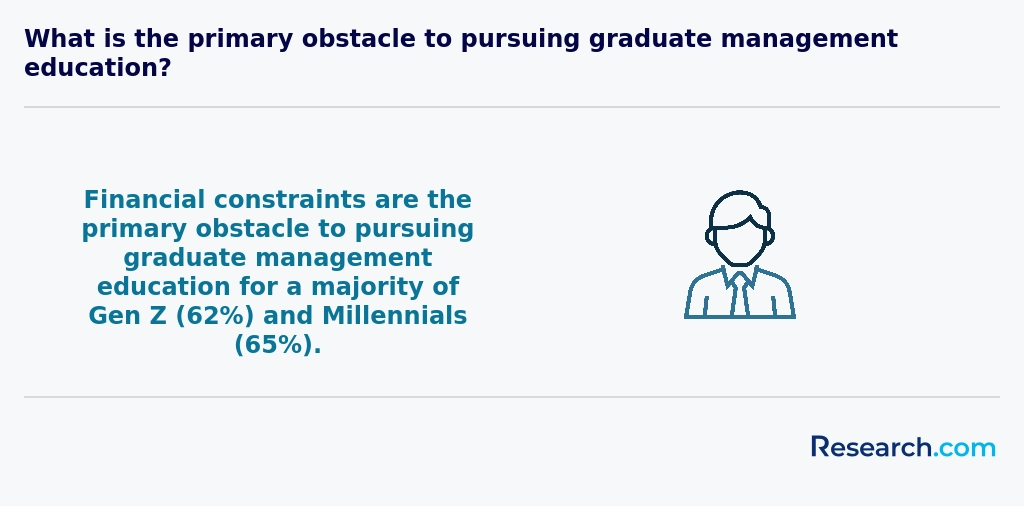
Financial concerns also weigh heavily, as tuition can range between $20,000 and $50,000 depending on the school. Limited availability of scholarships and employer tuition assistance further complicate this issue. Additionally, networking opportunities can be more limited in Alabama's smaller metro areas compared to larger business hubs, impacting career advancement post-graduation.
With an MBA degree in Alabama, graduates can pursue several professional certifications that enhance their career prospects. Popular options include the Certified Public Accountant (CPA) and Project Management Professional (PMP), which are widely respected in business and finance roles. The Certified Management Accountant (CMA) is also valuable for those focused on accounting and strategic management. Additionally, Alabama MBA holders often pursue the Chartered Financial Analyst (CFA) for careers in investment and financial analysis. These certifications complement an MBA by validating specialized skills that employers in Alabama's growing business sectors seek.
According to the Alabama Commission on Higher Education, MBA graduates reported a 15% higher chance of certification attainment compared to other master's degrees. This trend reflects the strong alignment between MBA curricula and professional standards in the state.
Writing a winning application for an MBA program in Alabama starts with understanding the program's specific requirements. Most Alabama schools, like the University of Alabama and Auburn University, expect a strong undergraduate GPA and a competitive GMAT or GRE score. According to U.S. News 2023 data, average GMAT scores for top Alabama MBA programs range between 600 and 660.
Applicants should craft clear, focused personal statements explaining career goals and how an MBA from Alabama fits those plans. Highlighting leadership experience and community involvement strengthens the profile, as Alabama programs often value candidates with real-world impact.
Letters of recommendation are crucial; they should come from supervisors or professors familiar with the applicant's capabilities. Many Alabama programs also require a resume or CV showcasing professional achievements.
The value of an MBA degree extends beyond regional borders, as global companies increasingly seek professionals with broad business expertise. In Alabama, MBA graduates often benefit from programs that emphasize both local industry knowledge and international business practices. According to the Graduate Management Admission Council, over 60% of MBA graduates work in sectors affected by global trade and economic trends.
Graduates with an MBA can pursue careers in multinational corporations, finance, consulting, and technology, where understanding diverse markets is essential. Alabama's economic ties to the automotive and aerospace industries highlight the importance of global business skills for MBA holders in the state.
Furthermore, U.S.-accredited MBA programs, including those in Alabama, prepare students for leadership roles by integrating case studies and curricula that reflect international challenges. This global perspective enhances career resilience in a competitive job market.
Gaining practical experience while pursuing an MBA in Alabama is essential for career growth. Many Alabama universities, such as the University of Alabama and Auburn University, offer internship programs connected with local businesses and industries. These opportunities enable students to apply classroom knowledge in real-world settings.
Additionally, some MBA programs incorporate consulting projects where students work directly with companies on specific challenges. This hands-on approach improves problem-solving and leadership skills. Networking events hosted by schools also connect students with professionals across Alabama's key sectors like manufacturing and finance.
Students may also participate in student-run enterprises and case competitions, which simulate business decision-making under pressure. According to the Alabama Commission on Higher Education, nearly 65% of MBA students engage in internships or experiential learning before graduating, enhancing employability in the region's competitive job market.
Choosing the right concentration within an MBA program in Alabama involves considering your career goals and local market demands. Alabama's economy is strong in industries like aerospace, automotive, healthcare, and finance, so concentrations in supply chain management, healthcare administration, or finance may offer strong job prospects.
Review program offerings at universities such as the University of Alabama or Auburn University, which frequently update concentrations based on regional industry trends.
Data from the Alabama Department of Labor shows that MBA graduates with specializations in finance and supply chain experienced higher employment growth rates between 2019 and 2023.
Additionally, reflect on your personal strengths and interests to ensure your chosen concentration aligns with your long-term professional development.
- 2027 Most Valuable MBA Degree Programs Ranking in Georgia
- 2027 Most Valuable MBA Degree Programs Ranking in Florida
- 2027 Most Valuable MBA Degree Programs Ranking in Louisiana
- 2027 Most Valuable MBA Degree Programs Ranking in Arkansas
- 2027 Most Valuable MBA Degree Programs Ranking in Missouri
- 2027 Most Valuable MBA Degree Programs Ranking in Indiana
- 2027 Most Valuable MBA Degree Programs Ranking in Illinois
- 2027 Most Valuable MBA Degree Programs Ranking in Kansas
- 2027 Most Valuable MBA Degree Programs Ranking in Iowa
- 2027 Most Valuable MBA Degree Programs Ranking in Delaware
- MBA Internships: Find 5400 MBA Intern Jobs https://internshala.com/internships/mba-internship/
- Master of Business Administration (M.B.A.) Major in Business Administration (General Flex Non-thesis Option) https://mycatalog.txstate.edu/graduate/mccoy-business-administration/business-genflex-nonthesis-mba/
- Business Administration https://www.alasu.edu/academics/programs-majors/programs/MS-BusinessAdministration.php
- Verifying that you are not a robot... https://krea.edu.in/ifmrgsb/top-5-emerging-career-paths-for-mba-graduates/
- How to Choose the Best MBA Program for Your Career Goals https://www.clearadmit.com/2025/05/how-to-choose-the-best-mba-program-for-your-career-goals/
- How to Choose Between MBA Degree vs. Certificate | University of Phoenix https://www.phoenix.edu/articles/business/how-to-choose-between-mba-degree-vs-certificate-programs.html
- 10 Highest-Paying MBA Specializations in 2026 (With Salary Data) - Paris School of Management (PSM) https://www.psm-paris.fr/en/10-highest-paying-mba-specializations-in-2026/
- Future-Proof Your Career with an MBA in India : MIT-WPU Blog https://mitwpu.edu.in/blog/emerging-specialisations-in-mba---how-to-future-proof-your-business-career-in-india
- Top Challenges for MBA Students in 2025: Placements and Career Growth in India | BeJobbed.com https://bejobbed.com/challenges-mba-students-placements-career-growth-india/
- Overcoming Common Challenges Faced by Management Students https://iilm.edu/iilm-lucknow/blog/challenges-faced-by-management-students/