
2027 Most Affordable MBA Degree Programs Ranking in New York

Co-Founder and Chief Data Scientist
Choosing the right MBA program in New York can feel overwhelming. To simplify your search, this article presents the 2027 Most Affordable MBA Degree Programs Ranking in New York, created by the Research.com team of data scientists.
Designed to help you make an informed decision, the ranking highlights programs that balance quality and affordability. Pursuing an MBA is a great step toward advancing your career, expanding your network, and boosting your confidence.
Explore this guide to find options that fit your goals and budget, making your educational journey smoother and more rewarding.
Key benefits of getting MBA degree in New York
- MBA graduates in New York often enjoy strong earning potential, with many roles in finance and management offering salaries well above the national average, typically ranging around $90,000 to $120,000 annually.
- A popular MBA graduate from a New York university might pursue diverse careers such as financial management, marketing leadership, or consulting, reflecting the city's dynamic business environment.
- Choosing an online MBA from a respected New York institution offers flexibility and convenience, allowing graduates to gain essential skills while balancing work and personal life effectively.
- 2027 Most Affordable MBA Degree Programs Ranking in New York
- What can I expect from MBA degree in New York?
- Where can I work with MBA degree in New York?
What can I expect from MBA degree in New York?
The average cost of pursuing an MBA degree in New York varies widely by institution. Graduates from top-tier schools such as NYU Stern and Columbia University typically face tuition fees upwards of $70,000 annually. These programs, while expensive, offer extensive networking opportunities and access to high-profile internships, which many alumni describe as transformational experiences that justify the investment.
Conversely, more affordable options exist, particularly at public institutions like the State University of New York (SUNY) system, where in-state students pay closer to $20,000 per year. Graduates from these programs often highlight a strong return on investment due to lower debt and solid career placement outcomes within New York's competitive job market.
Financial aid, scholarships, and employer sponsorships further impact the net cost. Many students share how receiving these supports alleviated financial pressures, enabling them to focus fully on immersive learning experiences and building valuable connections within sectors like finance and technology.
Where can I work with MBA degree in New York?
MBA graduates in New York enjoy diverse career opportunities across key industries, with many securing roles in the finance sector, a dominant employer in the region. According to the New York State Department of Labor, over 300,000 workers are employed in finance and insurance, where MBA holders find positions in investment banking, asset management, and financial consulting. Graduates from institutions like NYU Stern and Columbia Business School often join firms such as J.P. Morgan Chase or Goldman Sachs, leveraging their advanced leadership and strategic skills.
Technology is another growing field, with over 10,000 tech companies in the metro area as reported in the 2023 NY Tech Ecosystem study. MBAs from schools like Cornell Tech frequently move into product management and business development roles in fintech and digital marketing startups. Their ability to navigate complex markets makes them highly sought after.
Consulting firms including McKinsey and Deloitte actively recruit MBAs in New York, valuing their analytical skills to advise clients across healthcare, retail, and energy sectors. Corporate leadership positions in major NY-based companies like Verizon and Pfizer also attract MBAs for roles in strategy and operations, offering dynamic, high-impact career paths.
Finally, the city's entrepreneurial ecosystem motivates MBA graduates to launch startups, supported by numerous accelerators linked to local universities, fueling innovation and growth.
Graduates holding an MBA degree in New York can expect to start with salaries generally ranging from $115,000 to $135,000 annually, based on data from the Graduate Management Admission Council. Those emerging from prestigious programs such as Columbia Business School or NYU Stern often report median base salaries exceeding $140,000, reflecting the strong value employers place on these credentials in the competitive New York market.
With several years of experience, especially in sectors like finance, consulting, or technology, MBA holders in New York frequently see their compensation rise beyond $150,000. This outlook is buoyed by significant demand for skilled managers in the city's concentration of Fortune 500 companies and financial institutions.
Entry-level offers tend to fall between $90,000 and $110,000, often augmented by bonuses, stock options, and signing incentives, which can boost total earnings by 20% or more. These figures align with the New York State Department of Labor's assessment of sustained managerial demand, underlining strong career growth prospects for MBA graduates.
- The total cost of an MBA in New York ranges from $30,000 to $120,000, with public universities generally offering lower tuition than private schools.
- The average starting salary for MBA graduates in New York is about $90,000 per year.
- Experienced MBA holders earn between $130,000 and $150,000 annually after five to ten years in the workforce.
- Top-paying industries for MBAs include finance, consulting, and technology sectors.
- Part-time and executive MBA programs are available for working professionals who want to continue working while studying.
Completing an MBA degree in New York typically takes between one and three years, depending on the program format and individual pace. For instance, graduates from New York University's Stern School of Business often follow a traditional full-time two-year path, completing coursework over four semesters. This model is common and favored by students seeking an immersive experience.
However, many students choose accelerated MBA programs that condense study into 12 to 18 months, allowing faster entry into the workforce or career advancement. Others balance work and study with part-time MBAs, which can take three to four years to finish, as seen among professionals attending Columbia Business School's part-time offerings.
Online MBA options also provide flexibility, with completion times frequently matching part-time programs. Graduates in these programs appreciate the ability to study around busy schedules, reinforcing a positive work-life balance while progressing steadily toward their degree.
For MBA applicants in New York, ROI should be calculated from the student’s real net cost, not the advertised tuition alone. Tuition can range from $60,000 to over $150,000, and the final cost can change significantly after scholarships, employer sponsorship, federal loans, and living expenses are included.
Alumni data suggests that MBA graduates in finance and consulting often recoup their investment within 2–3 years because starting salaries can fall between $120,000 and $150,000, plus performance bonuses. The break-even period may be longer for students entering lower-paying fields or for those who leave a high salary to attend full time.
Opportunity cost is often the most overlooked part of MBA ROI. For example, a full-time MBA student earning $80,000 pretax before enrollment gives up two years of income, which can add another $160,000 to the economic cost of the degree. If the MBA leads to an average post-MBA salary increase of $40,000–$70,000 annually, the degree can still make financial sense, but the timing and career outcome matter.
New York offers strong access to finance, consulting, technology, healthcare, and entrepreneurship, but students should compare those advantages with less expensive markets. The Most Affordable MBA Degree Programs Ranking in Delaware can help applicants consider lower upfront costs and different regional opportunities. While New York can offer unmatched employer density, another location may produce a better return for students who want a smaller debt burden or a more targeted local network.
To improve ROI, applicants should apply early for scholarships, ask employers about tuition reimbursement, compare full-time and part-time opportunity costs, and choose concentrations that connect clearly to their target roles. Career services also matter: recruiting events, interview preparation, resume support, and alumni introductions can shorten the job search and improve post-MBA outcomes.
Online and on-campus MBA programs in New York differ primarily in delivery, cost, and experience. Graduates from NYU Stern or Columbia Business School often highlight the vibrant campus life and face-to-face networking opportunities that on-campus programs provide, which help build lasting professional relationships. These programs require physical attendance and come with higher tuition costs, generally between $55,000 and over $100,000 per year, reflecting New York's competitive business education market.
Conversely, online MBA students appreciate the flexibility to balance work and study without relocating. Graduates from institutions offering online options emphasize the benefit of asynchronous lectures and the ability to tailor learning around their schedules. Online MBAs in New York usually cost between $20,000 and $60,000 total, making them accessible for professionals seeking career advancement without the extra living expenses.
While on-campus programs foster direct interaction and campus resources, online MBAs demand self-motivation but offer affordability and convenience, catering well to working professionals in the city's fast-paced environment.
Students who need a lower-cost or more flexible path should compare New York MBA programs with affordable online alternatives. An online mba under 10k can be a practical option for working adults who want graduate business training without relocating, commuting, or taking a long career break.
Online MBA programs can be especially useful for students who already have professional experience and want to build skills in management, accounting, analytics, marketing, strategy, finance, or operations while staying employed. The main trade-off is that online students may need to be more intentional about networking, career services, and internship-style experiences because informal campus interactions are less frequent.
When comparing online and in-person MBA options, look beyond tuition. Ask whether the program is accredited, whether classes are live or asynchronous, how students work on team projects, whether career coaching is available to online learners, and whether the degree transcript identifies the program format. A low-cost MBA can be a strong investment, but only if the curriculum, student support, and employer recognition align with your goals.
The average cost of an MBA degree in New York is approximately $50,263, according to recent data on tuition and fees. In-state students typically face a lower total expense, around $38,495, reflecting the more affordable tuition rates at public institutions like SUNY campuses. Out-of-state students, however, often encounter costs closer to the median total due to higher tuition fees and living expenses.
Graduates from well-known local institutions such as Columbia Business School experience significantly higher costs, sometimes exceeding $80,000 per year, pushing the total beyond $160,000 for a two-year program. These figures highlight the broad spectrum of financial commitments behind New York MBA program total expenses, which extend beyond tuition to include books, materials, technology fees, and notably, the city's elevated cost of living.
Many MBA candidates pursue part-time or executive formats to better balance work and study, often reducing financial strain. These options appeal to students looking to maintain steady incomes while advancing their education. Graduates frequently share that despite the high upfront costs, the value gained from attending a top mba school in New York-including expanded networks and career opportunities-is rewarding and justifies the investment.

Choosing a top mba school in New York can be especially valuable for students who want direct access to one of the country’s most active business markets. New York’s economy gives MBA students exposure to employers in finance, consulting, media, healthcare, technology, real estate, marketing, and startups. For many students, that proximity matters as much as the classroom experience.
A strong New York MBA program can offer several advantages:
- Employer access: Schools located near major business districts often host recruiters, alumni panels, case competitions, and networking events tied to local industries.
- Specialized career pathways: Students can often focus their MBA around finance, analytics, marketing, entrepreneurship, operations, healthcare management, or other business areas aligned with New York’s labor market.
- Professional networks: Classmates, faculty, alumni, and local executives can become long-term sources of referrals, mentorship, and business opportunities.
- Flexible formats: Many New York programs serve working professionals through part-time, hybrid, evening, weekend, and online study options.
That said, reputation alone should not drive the decision. A top-ranked or well-known program may not be the best fit if the net cost is too high, the schedule is unrealistic, or the recruiting pipeline does not match your intended field. Applicants should compare total cost, scholarship availability, graduation outcomes, curriculum, employer relationships, and whether the program supports the specific career move they want to make.
MBA students in New York face high tuition costs, with top programs at NYU Stern and Columbia Business School charging between $60,000 and $80,000 per year. To ease this burden, many rely on federal student loans accessed through FAFSA, which provide Direct Unsubsidized and Grad PLUS Loans with fixed interest rates and repayment flexibility. Graduates often recommend borrowing conservatively to avoid long-term debt stress.
Merit-based scholarships significantly reduce expenses, with some awards covering 20% to 50% of tuition based on academic excellence and leadership potential. Columbia and NYU Stern students report that competitive scholarship offers made their MBA journeys more financially feasible and motivating.
Employer tuition assistance is another key source, especially for those working at major New York firms like JPMorgan Chase or Pfizer. Employees benefit from reimbursement programs, though these typically require staying with the company for several years after graduation, a trade-off many find worthwhile.
Additionally, private grants from organizations such as the Forte Foundation and the National Black MBA Association provide targeted financial support and valuable networking opportunities, enriching the MBA experience.
Combining these financial aids helps New York MBA students manage costs and focus on career growth with confidence.
ROI for a New York MBA depends on three main factors: what you pay, what you give up while enrolled, and how much your earnings increase after graduation. Average two-year program expenses can range from $120,000 to $300,000 when fees and living costs are included, while graduates may secure average starting salaries between $100,000 and $150,000. At those levels, the typical payback period can fall between 1.5 and 2.5 years, depending on specialization, employer, financial aid, and prior salary.
Students targeting finance, consulting, technology, or other high-paying sectors may see a faster return, especially when bonuses, equity grants, or accelerated promotions are part of the compensation package. Students pursuing nonprofit, education, public service, or mission-driven roles may still gain meaningful career value, but the financial break-even point may take longer.
A more complete ROI review should include:
- Direct costs: tuition, fees, books, technology fees, travel, and required residencies.
- Living costs: housing, transportation, food, and insurance, which can be substantial in New York.
- Opportunity cost: income lost if you leave the workforce for a full-time program.
- Financial aid: scholarships, fellowships, employer reimbursement, assistantships, and federal loans.
- Career outcomes: placement support, alumni network strength, internship access, and salary growth.
Prospective students comparing regional value may also review the Most Affordable MBA Degree Programs Ranking in Delaware, which offers another way to think about tuition, market access, and affordability outside New York.
Enrolling in an MBA program in New York requires meeting several key prerequisites that ensure candidates are prepared for rigorous graduate business studies. Prospective students typically must hold a bachelor's degree from an accredited U.S. institution or its equivalent abroad. This foundational requirement is consistently emphasized by top programs at universities such as NYU Stern and Columbia Business School.
Professional experience plays a critical role; most schools expect at least two to three years of full-time work. Graduates often reflect on how their industry insights enriched class discussions and collaborative projects, especially in diverse cohorts found in New York.
Standardized tests like the GMAT or GRE remain important, with competitive GMAT scores ranging from 580 to 650. While some institutions have introduced waivers, many still view these exam results as indicators of analytical and quantitative skills essential in business education.
Applicants must also submit official transcripts, letters of recommendation, and a personal essay detailing motivations and career goals. These components provide admissions committees with a comprehensive view of an applicant's potential and drive.
Given New York's high cost of living, financial readiness is essential. Many students emphasize the importance of careful budgeting to manage tuition, fees, and urban living expenses effectively.
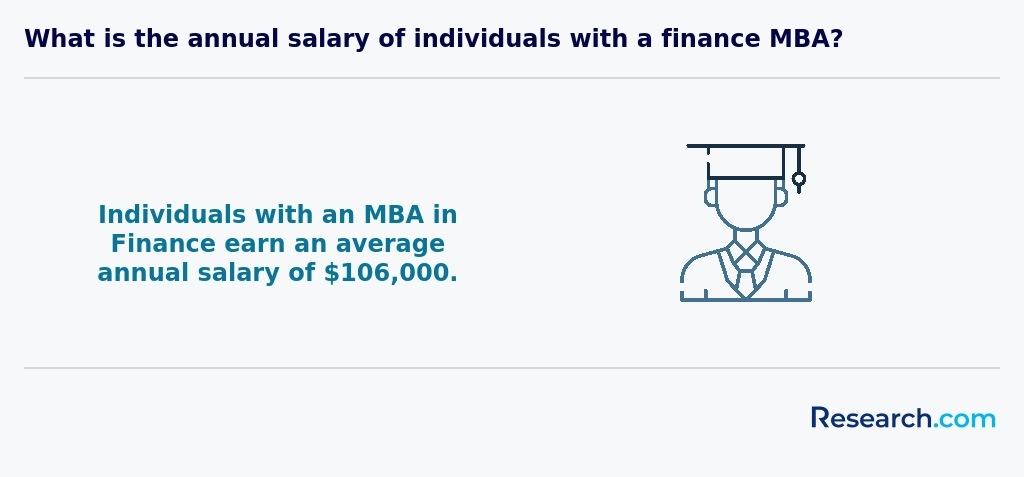
MBA programs in New York consistently include core courses such as accounting, finance, marketing, operations management, and organizational behavior, designed to equip students with practical skills for today's complex business environment. Graduates from prominent institutions like NYU Stern and Columbia Business School often highlight how accounting and finance classes enable them to analyze real company financials and confidently make investment decisions.
Marketing courses cover consumer behavior and digital marketing, essential for navigating New York's diverse markets. Operations management training immerses students in supply chain logistics and project management, reflecting real corporate challenges faced in fast-paced industries.
Organizational behavior courses teach leadership and team dynamics, crucial for effective collaboration in competitive settings. Many New York programs add electives in data analytics, sustainability, and entrepreneurship, matching the city's innovative spirit. For example, graduates report elective projects involving sustainable business models or tech start-ups, offering hands-on experience unique to the city's ecosystem.
Specialized finance electives, such as investment banking and real estate finance, leverage New York's global financial hub status, attracting students eager to engage with top-tier firms and real-world cases during their studies.
Typical MBA specializations in New York reflect the city's status as a leading global business center. Finance remains a dominant concentration, where graduates from universities such as NYU and Columbia develop expertise in investment banking and asset management, skills highly valued on Wall Street. Many MBA students choose marketing tracks, leveraging New York's media scene to gain hands-on experience in brand management and digital marketing, often through internships with advertising firms.
Healthcare Management is another prevalent specialization, supported by proximity to major hospitals and biotech companies, enabling real-world exposure to healthcare administration. Entrepreneurship-focused programs thrive thanks to New York's vibrant startup ecosystem and access to venture capital, equipping graduates with innovative business development skills. Technology Management is growing, with curricula emphasizing product management and data analytics, aligning with the city's expanding tech sector.
For those seeking cost-effective alternatives, exploring an online mba under 10k option can provide flexibility without sacrificing quality. Other specializations like supply chain and international business also capitalize on New York's economic diversity, making these top MBA concentrations New York students favor.
Choosing the best MBA degree in New York requires evaluating accreditation, tuition costs, program flexibility, and career services. Graduates from Columbia Business School highlight how AACSB accreditation ensures high academic standards and access to top employers. However, those who sought more affordable MBA programs New York often turned to Baruch College or SUNY, where in-state tuition can be under $20,000 annually-a major consideration for budget-conscious students without sacrificing quality.
Working professionals favor programs offering evening or weekend classes, or hybrid formats, to balance studies with full-time jobs. Alumni from these programs report strong networking opportunities, especially in New York's competitive finance and entrepreneurship sectors. Furthermore, robust internship placements through local companies are crucial for immediate career impact.
Consider examining specialized tracks matching your goals and support services like scholarships or financial aid to reduce costs. For a comprehensive comparison, students can consult the Most Affordable MBA Degree Programs Ranking in Delaware, which offers insight relevant to selecting cost-effective options in New York as well.
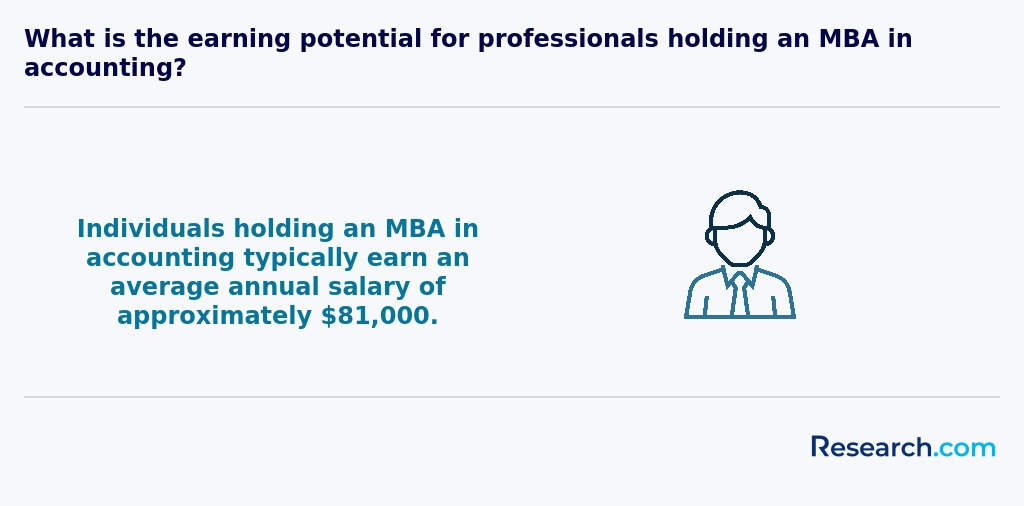
Graduates of MBA programs in New York often find diverse career opportunities driven by the city's role as a global business hub. A significant number pursue finance roles, with firms centered around Wall Street offering positions in investment banking, asset management, and financial analysis. These roles reflect the strong demand and competitive salaries typical in the top MBA jobs New York graduates seek.
Management consulting is another major sector attracting MBA holders from institutions like NYU Stern and Columbia Business School. Graduates frequently join firms such as McKinsey or Deloitte, where strategic thinking and leadership skills gained during their studies translate into roles with median starting salaries often above $120,000. These paths provide challenging projects across varied industries, ensuring dynamic career growth.
Beyond finance and consulting, many MBA graduates leverage New York's vibrant startup ecosystem to engage in entrepreneurship or product management roles. The city's broad economic base allows for leadership positions in technology, healthcare, and consumer goods, offering graduates opportunities to develop operational expertise. Students balancing academics with industry exposure highlight how an MBA unlocks career flexibility compared to more traditional programs.
Those evaluating the investment in an MBA might also explore related academic choices, such as an easy bachelor's degree, to complement their career trajectory. Overall, MBA career opportunities in New York truly reflect the region's economic diversity and high professional standards.
The job market for MBA graduates in New York is notably strong, supported by the city's status as a leading financial and corporate hub. Graduates from top business schools in New York City often secure roles in industries such as financial services, consulting, and technology, benefiting from the city's dense network of corporate headquarters and startups. Many MBA graduates from institutions like Stern School of Business or Columbia Business School report dynamic career trajectories, taking advantage of abundant networking opportunities to enter leadership roles.
Data from the Graduate Management Admission Council highlights that the median base salary for MBA holders in the New York metro area frequently surpasses $110,000 annually, underscoring a lucrative employment outlook. This aligns with projections that management occupations will grow about 8% nationally over the next decade, which reflects positively on the New York business school employment outlook. Although tuition can be substantial, ranging from $50,000 to $100,000, graduates often view their investment as justified given the city's vibrant economy and potential returns.
MBA graduates in New York also find opportunities beyond traditional corporate roles, leveraging their degree for entrepreneurial ventures or transitions into new sectors. For those exploring career outcomes, understanding the best majors for making money can complement their MBA experience by aligning studies with high-demand skills and industries.
2027 Most Affordable MBA Degree Programs Ranking in New York
Investing in your education is a significant decision that can impact your professional and personal growth, and the Research.com team understands the importance of making well-informed choices. To support prospective students seeking affordable MBA options in New York, we have carefully developed the "2027 Most Affordable MBA Degree Programs Ranking in New York." Our dedication to quality, credibility, and accuracy is demonstrated through thorough research and analysis. We utilized the following reputable data sources to create a comprehensive and trustworthy ranking:
By reviewing this ranking, readers will obtain valuable insights into cost-effective MBA programs in New York, equipping them to make confident decisions about their educational investment. For further information on how the ranking was compiled, please visit our Research.com methodology page.




# 7 position
SUNY Maritime College
Master of Business Administration


# 10 position
Empire State University
Master of Business Administration



# 20 position
CUNY Graduate School and University Center
Master of Business Administration

Frequently Asked Questions About MBA
Students pursuing an MBA degree in New York can maximize their learning by actively engaging with the diverse business environment the city offers. Networking plays a crucial role; leveraging connections with local industries such as finance, technology, and media enhances practical knowledge. According to the Graduate Management Admission Council, 75% of MBA graduates in New York find jobs through their professional networks.
Participating in internships or consulting projects with New York-based companies provides real-world experience and deepens understanding. Many New York business schools, like NYU Stern and Columbia Business School, integrate experiential learning opportunities that reflect current market trends.
Additionally, students should take advantage of workshops, guest lectures, and professional clubs available on campus to build leadership and teamwork skills. Utilizing career services and alumni resources can further improve job placement outcomes.
The MBA field in New York is evolving with several emerging niches attracting increasing attention. One notable area is tech management, reflecting New York's booming technology sector. According to the Graduate Management Admission Council, 35% of MBA programs in the U.S. now include specialized tech tracks, many offered by New York schools. Another growing niche is sustainability and social impact, driven by rising corporate responsibility demands. Programs focusing on environmental, social, and governance (ESG) strategies are gaining traction in top New York business schools. Additionally, healthcare management MBAs address the region's large medical industry, offering specialized healthcare administration courses. These niches are shaping the next generation of MBA graduates in New York.
After completing an MBA degree in New York, preparing for the job market involves strategic planning and leveraging local resources. Networking is crucial; New York hosts numerous business events and alumni gatherings that can connect graduates with industry leaders. The city's diverse economy offers opportunities in finance, consulting, and tech, sectors that typically hire MBA graduates. According to the Graduate Management Admission Council, 85% of New York MBA grads secure jobs within three months of graduation. Utilizing career services at your business school and attending job fairs tailored for MBA students enhances your chances of employment. Developing strong interview and negotiation skills is equally important.
Employers in New York highly value MBA graduates who demonstrate strong leadership and strategic thinking skills. According to a 2023 report by the Graduate Management Admission Council (GMAC), over 80% of employers in the New York metro area prioritize candidates with effective communication abilities. Analytical thinking and problem-solving skills are also essential, as New York's competitive markets demand quick, data-driven decisions.
Additionally, adaptability and technological proficiency have become increasingly important. The rise of digital transformation in New York businesses means MBA graduates with experience in data analytics, finance software, and project management tools stand out. Networking skills and cultural awareness are particularly prized due to the city's diverse business environment.
Finding internships in New York relevant to an MBA degree involves leveraging multiple resources available within the city's robust business and academic ecosystem. Many MBA programs in New York maintain strong connections with local firms, providing students with access to exclusive internship postings. According to the Graduate Management Admission Council (GMAC), about 75% of MBA students in the U.S. secure internships before graduation, and New York's financial and tech sectors offer numerous opportunities.
Students should utilize career services at their universities, participate in networking events, and explore platforms like Ivy Exec or LinkedIn tailored for MBA professionals. Additionally, attending industry conferences and joining organizations such as the New York MBA Association improves chances of securing practical experience.
In New York, obtaining an MBA degree significantly enhances career mobility and advancement opportunities. The city's diverse economy, spanning finance, technology, and healthcare sectors, values the strategic and leadership skills developed through MBA programs. According to the Graduate Management Admission Council (GMAC) 2023 Corporate Recruiters Survey, 72% of employers in New York prefer hiring candidates with advanced management degrees for mid to senior-level positions.
Additionally, MBA graduates from New York institutions report an average salary increase of 20-30% within two years post-degree, as per U.S. Bureau of Labor Statistics data. The networking connections and internships enabled by local programs provide critical access to top firms headquartered in the city, facilitating career shifts and growth.
Studying for an MBA degree in New York offers exposure to a diverse and dynamic business environment. New York's top business schools integrate courses from finance, marketing, technology, and management, preparing students for interdisciplinary roles. According to the Graduate Management Admission Council (GMAC), MBA programs in New York emphasize teamwork and problem-solving across different fields.
Students benefit from access to industries such as finance, media, and healthcare, allowing practical applications of cross-sector knowledge. Networking opportunities with professionals from multiple disciplines further enhance adaptability. This prepares graduates to lead projects requiring diverse expertise, a key skill in today's collaborative workplaces.
Choosing between a thesis and a non-thesis MBA program in New York depends largely on your career goals and learning preferences. Thesis programs require original research and a formal paper, ideal for students interested in academic careers or specialized fields. Non-thesis MBA programs focus more on coursework and practical experience, appealing to professionals aiming to advance in business roles quickly.
Many New York institutions, such as Baruch College and NYU Stern, offer both options. According to the National Center for Education Statistics, around 30% of MBA students in New York opt for thesis tracks, emphasizing research skills.
Consider factors like time commitment, research interest, and long-term objectives when deciding.
Students based in New York seeking to study for an MBA abroad have multiple pathways available. Many New York institutions, including Baruch College and NYU Stern, offer dual degree programs or exchange partnerships with international business schools. These programs provide exposure to global business practices while maintaining credit transfer compatibility with U.S. degree requirements.
Additionally, New York residents can explore online MBA programs accredited by the Association to Advance Collegiate Schools of Business (AACSB), which often include international immersion trips as part of the curriculum. According to the Graduate Management Admission Council (GMAC), about 21% of MBA candidates in 2023 expressed interest in global study components in their programs, underscoring growing demand for international experience.
For full degree options abroad, many students apply directly to universities in Europe, Asia, and Canada, leveraging New York's strong network of global recruiters and alumni. Visa options and financial aid availability vary, so careful planning is essential.
Part-time job opportunities in New York that complement MBA education often focus on areas such as consulting, financial analysis, and marketing. Students frequently find roles as business analysts or project coordinators in industries like finance and technology, which dominate the NYC job market. According to the U.S. Bureau of Labor Statistics, positions in management and financial services in New York City offer strong internship-to-employment pipelines.
Many MBA students also benefit from part-time roles at startups or nonprofit organizations, gaining practical experience with leadership and strategic planning. Additionally, part-time consulting for local businesses allows students to apply classroom concepts directly to real-world challenges, improving skills relevant to future management positions.
New York offers extensive networking opportunities for MBA students due to its status as a global business hub. Schools like NYU Stern and Columbia Business School host career fairs, alumni events, and speaker series that attract top industry professionals. According to the Graduate Management Admission Council, over 85% of MBA students in New York participate in networking events during their program.
Local business organizations, such as the New York City Economic Development Corporation, also support student engagement with internships and mentorship programs. The city's diverse industries-from finance to technology-provide varied platforms for students to build valuable professional connections crucial for career growth.
Alumni networks provide significant advantages for MBA students in New York by offering access to a broad, influential community. Many top New York business schools boast extensive alumni groups that include senior executives and industry leaders, facilitating valuable mentorship and career guidance.
These networks often host events and workshops, creating opportunities for students to connect directly with professionals. According to a 2023 survey by the Graduate Management Admission Council, 82% of MBA graduates found alumni connections instrumental in securing job interviews.
Moreover, being part of such a network can enhance job placement in New York's competitive market by increasing visibility among top employers in finance, consulting, and technology sectors.
Customizing an MBA degree program in New York allows students to align their education with specific career ambitions. Many New York universities offer flexible curriculum options, such as concentrations in finance, marketing, entrepreneurship, or technology management. According to the Graduate Management Admission Council, nearly 70% of MBA students seek programs with specialization tracks to enhance job market readiness.
Students can choose elective courses or dual-degree options to build expertise in areas relevant to their goals. Internships and networking opportunities in New York's diverse business environment further tailor practical experience.
Part-time and online MBA formats also provide flexibility for professionals balancing work and study.
MBA students in New York often face significant financial challenges. Tuition for top programs can exceed $70,000 per year, while living expenses in cities like New York City are among the highest in the country, with average rents over $2,500 monthly (U.S. Census Bureau, 2023). This financial pressure may lead many to seek scholarships or part-time work.
Another common challenge is maintaining work-life balance. Many students in New York pursue MBA degrees while working full-time, which can result in stress and time management difficulties (Graduate Management Admission Council, 2023).
Additionally, students may encounter intense competition due to the large number of highly qualified candidates. This competitive environment requires strong networking and academic performance to secure internships and employment.
With an MBA degree from New York, graduates can pursue various professional certifications to enhance their career prospects. Popular certifications include the Certified Management Accountant (CMA), which focuses on financial management and is highly regarded in business circles. Another option is the Project Management Professional (PMP), ideal for those aiming to lead projects across diverse industries.
The Chartered Financial Analyst (CFA) credential suits MBA holders interested in investment management and finance roles. Additionally, MBAs with a focus on human resources might consider the Senior Professional in Human Resources (SPHR).
These certifications complement the broad business skills gained through an MBA and can increase salary potential by 20-30% according to the Graduate Management Admission Council (GMAC).
Crafting a winning application for an MBA program in New York requires clarity, focus, and strong evidence of leadership potential. Start by researching each school's unique offerings and values, tailoring your essays to reflect alignment with their mission. According to the Graduate Management Admission Council, MBA applicants with clearer career goals experience higher admission success.
Highlight professional achievements and quantify results when possible, such as leading a project that increased revenue or efficiency. New York-based MBA programs often emphasize real-world experience and diversity, so showcasing community involvement or cross-cultural skills can strengthen your profile.
Ensure your recommendation letters come from supervisors who can attest to your managerial abilities and growth. Lastly, prepare thoroughly for the GMAT or GRE, since New York schools like NYU Stern or Columbia typically expect competitive scores, often in the 700+ range.
The global perspective on an MBA career remains highly favorable, especially for students studying in New York, a major international business hub. According to the Graduate Management Admission Council (GMAC), nearly 90% of MBA graduates worldwide report career benefits within three years of graduation. New York's robust financial, tech, and consulting sectors enhance these opportunities, offering access to multinational corporations.
Apart from improved salary prospects, MBA graduates often gain expanded leadership skills and a valuable global network. Data from the New York State Education Department shows that approximately 15,000 students enroll in MBA programs annually in the state, reflecting strong demand.
Employers in New York and beyond increasingly value MBAs for their strategic thinking and adaptability in global markets. This trend aligns with broader U.S. higher education reports emphasizing the role of MBA education in preparing graduates for diverse, international careers.
Gaining practical experience while studying for an MBA in New York is essential for career advancement. Many top programs incorporate internships, allowing students to work in finance, consulting, or technology sectors prevalent in the city. According to the Graduate Management Admission Council, about 70% of MBA students nationwide complete internships during their studies.
Networking events and projects with local businesses are common in New York's MBA programs, providing real-world exposure. Students often engage in consulting projects or entrepreneurship labs, which offer hands-on experience under faculty supervision. Additionally, New York hosts numerous career fairs connecting students to major employers. These opportunities build skills and help students apply classroom knowledge in professional settings.
Choosing the right concentration within an MBA program in New York depends on your career goals and industry growth trends. Popular concentrations include finance, marketing, entrepreneurship, and healthcare management. According to the Graduate Management Admission Council, finance remains strong in New York due to the city's position as a global financial hub.
Consider your professional background and research market demand. For example, the New York State Department of Labor reports steady growth in healthcare administration, making healthcare MBA concentrations increasingly relevant. Networking opportunities and internship availability also vary by concentration, affecting your practical experience during the program.
Visiting school websites to review concentration curricula and speaking with alumni can provide deeper insights.
- 2027 Most Affordable MBA Degree Programs Ranking in Connecticut
- 2027 Most Affordable MBA Degree Programs Ranking in Massachusetts
- 2027 Most Affordable MBA Degree Programs Ranking in Rhode Island
- 2027 Most Affordable MBA Degree Programs Ranking in Delaware
- 2027 Most Affordable MBA Degree Programs Ranking in Maryland
- 2027 Most Affordable MBA Degree Programs Ranking in Kentucky
- 2027 Most Affordable MBA Degree Programs Ranking in South Carolina
- 2027 Most Affordable MBA Degree Programs Ranking in Indiana
- 2027 Most Affordable MBA Degree Programs Ranking in Georgia
- 2027 Most Affordable MBA Degree Programs Ranking in Illinois
- MBA Networking Tips-Building Connections Pre-MBA https://menlocoaching.com/mba-applications-and-admissions-guide/networking/
- Lessons learned: one year into pursuing an MBA while balancing full-time work - Franz Vitulli https://franzvitulli.com/mba-work/
- Best Online MBA Programs in New York for 2025 https://www.onlinemastersdegrees.org/best-programs/mba-programs/new-york/
- How an MBA contributes to career advancement https://online.wlv.ac.uk/blog/how-an-mba-contributes-to-career-advancement/
- Top MBA programs with the best alumni networks in the world - MBA Crystal Ball https://www.mbacrystalball.com/blog/2025/07/07/top-mba-programs-with-the-best-alumni-network-in-the-world/
- 2026 MBA Entry-level Jobs in New York, NY | WayUp https://www.wayup.com/s/entry-level-jobs/mba/new-york-ny/
- How to balance a part-time MBA while working full-time https://www.manchester.ac.ae/blog-post/how-to-balance-a-part-time-mba-while-working-full-time
- Future-Proof Your Career with an MBA in India : MIT-WPU Blog https://mitwpu.edu.in/blog/emerging-specialisations-in-mba---how-to-future-proof-your-business-career-in-india
- The Growing Demand for Niche Jobs and MBA Specializations https://www.clearadmit.com/2025/05/the-growing-demand-for-niche-jobs-and-mba-specializations/
- How an MBA gives you an international vision and helps you make smart decisions - AEEN https://www.aeen.org/how-an-mba-gives-you-an-international-vision-and-helps-you-make-smart-decisions/





