
2027 Most Affordable MBA Degree Programs Ranking in the USA

Co-Founder and Chief Data Scientist
Choosing the right MBA program can be a daunting task, especially when considering cost and value. This article introduces the 2027 Most Affordable MBA Degree Programs Ranking in the USA, created by the Research.com team of data scientists. It aims to guide you through the best options without breaking the bank.
Exploring affordable MBA programs can open doors to career growth, new opportunities, and personal development. Reading this ranking will help you make an informed decision and invest wisely in your future.
Key benefits of getting MBA degree in America
- While specific salary data from the US Bureau of Labor Statistics for MBA graduates is unavailable, typical MBA careers in management or finance tend to offer competitive salaries often exceeding $90,000 annually, reflecting strong earning potential.
- Graduates from popular universities like the University of Michigan often pursue diverse careers, including consulting, marketing, or entrepreneurship, showcasing the versatile opportunities an MBA degree provides.
- Online MBA programs, such as those from Arizona State University, offer flexible schedules and lower costs, enabling students to balance work and study efficiently while enjoying the same quality education as traditional programs.
- 2027 Most Affordable MBA Degree Programs Ranking in the USA
- What can I expect from MBA degree in America?
- Where can I work with MBA degree in America?
What can I expect from MBA degree in America?
When considering the average cost of an MBA degree in America, students often find a wide range depending on the type of institution and program format. Public universities typically offer more affordable tuition, sometimes around $20,000 to $40,000 for the entire program, while private schools can charge anywhere from $60,000 to over $100,000. Graduates from well-known institutions like the University of Michigan's Ross School of Business or University of California, Berkeley's Haas School often share how tuition was a significant investment but ultimately worthwhile given the career boost.
Many MBA candidates describe juggling tuition payments with scholarships, employer sponsorships, or federal aid, which can ease financial burdens. For instance, part-time or online students at schools such as Indiana University's Kelley School of Business appreciate the flexibility to work while studying, making the costs feel more manageable over time.
Ultimately, understanding these costs through the lens of career growth and networking opportunities helps prospective students feel reassured about their decision to pursue an MBA in the U.S.
Where can I work with MBA degree in America?
Graduates from top MBA programs in America, such as those at Harvard Business School or the University of Pennsylvania's Wharton School, often find themselves propelled into vibrant career landscapes. Many earn coveted roles in management consulting with firms like McKinsey or Deloitte, where their strategic problem-solving skills and leadership acumen shine. These roles bring not only impressive salaries but also enriching professional networks that open doors to future opportunities.
Others pivot toward finance, landing positions in investment banking or private equity. MBA holders from schools like Chicago Booth often remark on how their degree was essential to securing roles with Fortune 500 companies, where the median pay exceeds six figures, reflecting the high value of their expertise.
Healthcare and technology sectors also beckon. Graduates targeting healthcare management navigate complex organizational challenges at hospitals or pharma companies, inspired by the real-world impact of improved patient care systems. Meanwhile, those entering tech giants such as Google or Amazon leverage their MBAs to lead product teams and innovate boldly.
With an MBA earned at prestigious American universities, the possibilities are broad. Many graduates appreciate the versatility it grants, enabling them to craft fulfilling careers across manufacturing, retail, or even entrepreneurship, guided always by a foundation of strategic business knowledge.
Graduates from renowned MBA programs such as those at Harvard, Stanford, or Wharton often share that the financial rewards justify the intense effort. In America, the median base salary for MBA holders is around $115,000 annually, though this varies. Those entering consulting or finance typically start higher, with consulting offering about $125,000 and finance roles near $120,000. This reflects the competitive nature and demand in these fields, especially in cities like New York or San Francisco where salaries climb further to offset living costs.
Experience before the MBA plays a key role too. Graduates with managerial backgrounds often see salaries ranging from $100,000 to $160,000 early in their careers. Many alumni have expressed how these figures not only ease financial pressures but also open doors to leadership positions, sometimes reaching over $200,000 annually after gaining experience post-MBA.
Ultimately, pursuing an MBA in America-especially at top-tier institutions-can translate into rewarding career growth, both financially and professionally, making the investment worthwhile for many.
- MBA programs in the US typically cost between $60,000 and $120,000, with some top schools charging over $150,000.
- Full-time MBA programs usually take two years, but there are one-year accelerated and part-time options available.
- About 87% of MBA graduates find jobs within three months of graduating.
- The average starting salary for MBA holders is around $105,000 per year.
- Median salaries can reach approximately $135,000 after five to ten years of work experience.
Completing an MBA degree in America most commonly takes about two years for full-time students, a timeline experienced by many graduates from top schools like Harvard Business School and the University of Chicago Booth School of Business. These students often find the structured pace balances rigorous coursework with valuable internships, creating a rich learning environment that feels achievable yet challenging.
Yet, the path isn't the same for everyone. At institutions such as NYU Stern or UCLA Anderson, many students choose part-time programs to fit studies around demanding jobs and family life, extending their MBA journey to three or four years. These graduates often appreciate the flexibility, savoring the opportunity to immediately apply new skills at work while progressing steadily toward their degree.
Others opt for accelerated or Executive MBA tracks, like those offered at Wharton or Kellogg, compressing intense coursework into 12 to 24 months. Though demanding, these formats allow experienced professionals to maintain momentum in their careers without long interruptions, a trade-off many find rewarding and empowering.
MBA affordability varies widely by state because public funding, in-state tuition rules, local cost of living, scholarship availability, and employer demand differ from one region to another. A state-by-state comparison can help applicants find programs that cost less without giving up important advantages such as accreditation, faculty quality, career support, and regional employer recognition.
Public universities often provide lower rates for in-state students, while private institutions may offer scholarships that reduce the final cost. Location also matters. A program in a high-cost city may require a larger living budget, while a program in a lower-cost region may allow students to spend less on housing and transportation. For working professionals, a nearby part-time or hybrid MBA can also reduce opportunity cost by making it easier to remain employed.
Colorado is one example of a state where applicants may want to compare regional options carefully. The Inexpensive MBA Degree Programs Ranking in Colorado can help students review programs that may combine competitive tuition, scholarship opportunities, and local employer connections.
Use state-specific affordability research to answer three practical questions: Can you qualify for in-state or reduced tuition? Does the program connect to employers in your target region? Will the total cost, including living expenses, support a reasonable return after graduation?
The difference between an online and an on-campus MBA in America often comes down to environment and flexibility. Graduates from schools like the University of Michigan's Ross School of Business recall the vibrant energy of attending classes in Ann Arbor, where face-to-face interactions and networking events forged lasting professional relationships. This immersive experience, while rewarding, demands full-time commitment and navigating campus life.
In contrast, alumni of online programs from institutions such as Indiana University's Kelley School of Business highlight the freedom to balance work, family, and study. Studying remotely means logging into video lectures from home or a favorite café, making it ideal for busy professionals who value flexibility but still want a top-tier education. These graduates often emphasize the discipline gained from managing coursework through digital platforms.
Cost plays a role too; online MBAs frequently cost less, with public universities offering in-state tuition regardless of location, easing financial burdens. The choice depends on how you envision your MBA journey fitting into your life.
Affordable MBA programs can produce strong ROI when the total cost is reasonable and the degree leads to measurable career growth. The key is to calculate your expected return using your own situation rather than relying only on broad salary averages or school marketing claims.
How to calculate MBA ROI
- Estimate your net cost. Start with total tuition and fees, then subtract scholarships, grants, assistantships, and employer support.
- Add indirect costs. Include living expenses, commuting, technology, books, loan interest, and lost income if you study full time.
- Estimate salary growth. Compare your current salary with the realistic post-MBA salary range for your target field, location, and experience level.
- Calculate your payback period. Divide your net cost by the expected annual salary increase.
For example, if your net cost is $60,000 and you expect a $20,000 annual salary boost, you’d break even in three years. A payback period under five years generally indicates a strong ROI, but the full value of the degree may also include promotions, career mobility, leadership credibility, and access to a stronger professional network.
Regional rankings can be useful because they often highlight programs with lower tuition and strong local employer ties. For example, the Inexpensive MBA Degree Programs Ranking in Colorado can help applicants compare options in one state rather than relying only on national name recognition.
- Formats that may improve ROI: Part-time, online, hybrid, and employer-sponsored MBA programs that allow continued income.
- Program features that support ROI: Career coaching, internships, alumni mentoring, experiential learning, and industry-specific electives.
- Common ROI mistake: Choosing the cheapest program without confirming accreditation, graduation support, or employer recognition.
The average cost of an MBA degree in America can vary significantly depending on factors such as residency status and the type of institution attended. Based on recent data, the median total cost for obtaining an MBA is approximately $42,831. For students attending from out of state, this figure remains roughly the same, reflecting similar tuition standards across many institutions. However, in-state students often benefit from considerably lower expenses, with median costs around $20,702, making local public universities an attractive option for many.
Graduates from well-known American colleges often recount the financial balancing act involved in pursuing their MBA, sharing how understanding the total expenses for MBA programs in the United States shaped their decision-making early on. Beyond tuition, living expenses and fees contribute substantially to the overall investment, but many find the experience rewarding, thanks partly to financial aid opportunities available at many schools, some of which are listed among top mba colleges.
These graduates encourage prospective students to view the cost not merely as an expense but as an investment in personal and professional growth. Flexibility in program formats such as part-time or online options can also ease financial pressure, creating pathways for those balancing work and study. Ultimately, recognizing the average cost of an MBA degree in the USA helps students prepare realistically, ensuring they are equipped to embrace the challenges and excitement of executive education.
Many MBA students in America find financial aid through scholarships and fellowships, which can significantly ease the burden of tuition at top schools like Harvard or Wharton. Graduates often recall the relief of receiving merit-based awards that recognize their leadership or academic achievements without the need for repayment. Such aid sometimes comes from alumni networks or corporate sponsors, creating a sense of community and encouragement.
Employer sponsorship is another common path. Many working professionals enrolled at universities like Kellogg or Stanford share stories of companies covering tuition costs, often expecting them to stay on for a few years post-graduation. This partnership is both a financial lifeline and a professional opportunity, fostering loyalty and growth.
Others turn to federal Grad PLUS loans or private loans when scholarships and sponsorships fall short. While debt can feel daunting, some graduates from schools like UC Berkeley found manageable repayment plans that aligned with their new career earnings.
Assistantships or research roles, though rarer in business programs, offer valuable experience alongside tuition remission, and veterans benefit greatly from military tuition assistance options such as the Yellow Ribbon Program, which helps bridge funding gaps beyond the GI Bill.
ROI is one of the most important ways to evaluate an MBA because the degree often requires a major investment of money, time, and professional energy. A lower tuition price can improve ROI, but affordability alone is not enough. The program also needs to help you gain skills, credentials, and connections that are useful in the job market you plan to enter.
When estimating MBA ROI, look beyond the advertised tuition. Your real cost includes fees, books, technology, transportation or relocation, living expenses, interest on loans, and income you may lose if you leave work to study full time. Then compare that cost with likely outcomes: salary growth, promotion potential, access to new industries, employer recruiting, and the strength of the alumni network.
Online and part-time options can improve ROI for working professionals because they may allow students to keep earning while completing the degree. For budget-focused applicants, determining whether an MBA online program under 10000 per year is affordable can help clarify how much flexibility and cost savings are available compared with traditional full-time programs.
- Best ROI fit: You can afford the net cost, keep debt manageable, and use the degree for a realistic career move.
- Higher-risk ROI fit: You borrow heavily without a clear target role, salary expectation, or employer network.
- Often overlooked: Career services, alumni reach, internship access, and employer sponsorship can affect ROI as much as tuition.
Enrolling in an MBA program in America often begins with having a bachelor's degree from an accredited institution-a foundational step that many graduates from Harvard or Stanford found reassuring despite their varied academic backgrounds. It's empowering to realize that your undergraduate major doesn't need to be in business; diverse fields bring fresh perspectives, just as many MBA cohorts across the U.S. attest.
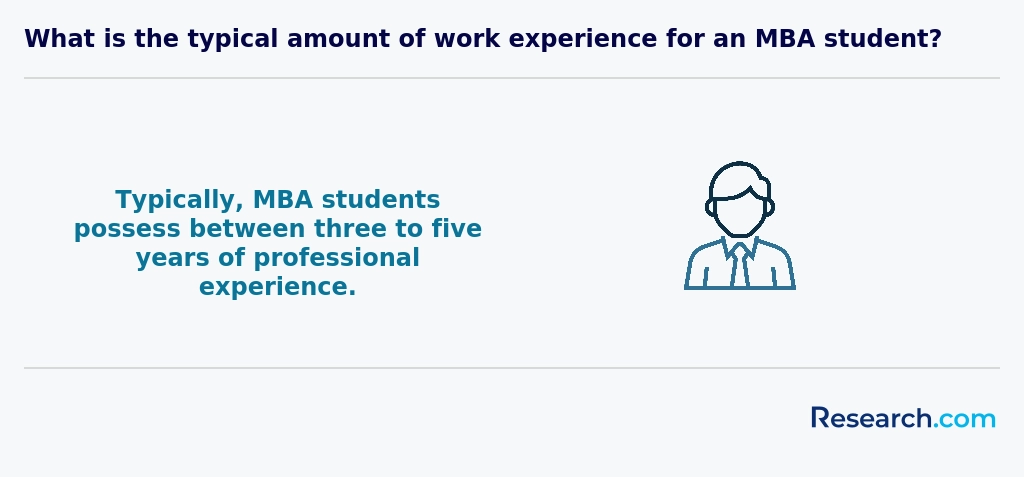
Work experience serves as another core prerequisite. Graduates from universities like Wharton frequently reflect on how their two to five years in the workforce enriched their classroom discussions and sharpened their leadership skills. This practical insight is valued deeply in America's cohort-based learning environments, especially in top full-time and executive MBA programs where your professional journey becomes a classroom resource.
Standardized tests such as the GMAT or GRE remain key hurdles, yet many students have found encouragement knowing that scores between 550 and 650 are accepted by various affordable programs nationwide. Beyond numbers, submitting compelling recommendations and personal essays allows candidates to showcase their goals and character, much like peers at Kellogg who emphasized fit and passion in their applications.
An MBA in America can be valuable for professionals who want to move from individual contributor roles into management, switch industries, build a stronger business foundation, or qualify for higher-paying leadership positions. U.S. MBA programs are especially known for case-based learning, employer recruiting, alumni networks, internships, and concentrations that connect business training to specific fields such as finance, analytics, healthcare, marketing, and technology.
The decision should start with fit. A highly ranked program may be worth the cost for some students, especially those targeting competitive consulting, finance, or executive-track roles. For others, a lower-cost regional, online, part-time, or public-university MBA may provide the better return because it allows them to keep working, reduce debt, and build local employer connections.
Before applying, compare programs on curriculum, accreditation, student support, employer outcomes, flexibility, and total cost after aid. If brand recognition is important to your career goals, researching the top MBA colleges can help you understand how nationally recognized programs differ from more affordable options. The best choice is the program that supports your target role without creating a financial burden that limits your options after graduation.
In American MBA programs, students frequently engage with a well-rounded curriculum designed to underpin their leadership potential and business acumen. Graduates from institutions like Wharton or Kellogg often recall how courses such as Accounting and Financial Reporting brought financial statements to life, helping them confidently interpret business health during internships.
Core subjects regularly include Managerial Economics and Marketing Management, where learners explore real market challenges and consumer behavior-skills that prove invaluable when launching or managing products. Organizational Behavior classes vividly illustrate workplace dynamics, fostering empathy and effective team leadership, as many graduates acknowledge from their cohort projects.
Operations Management and Corporate Finance deepen practical knowledge in efficient resource use and investment decisions, elements critical in decision-making roles. Additionally, Business Strategy and Data Analytics empower students to shape competitive advantages using data-driven insights, a staple appreciated at programs like Harvard or Stanford.
Ethics and Corporate Social Responsibility round out this foundation, encouraging mindful leadership aligned with sustainable business practices-an aspect increasingly emphasized in today's corporate landscape.
Many MBA graduates from renowned American universities discover that specializations such as Finance, Marketing, and Leadership serve as versatile pathways to thriving careers. Attending institutions like the University of Michigan or New York University, students often reflect on how focusing on Finance or Marketing deepened their understanding of market dynamics and strategic decision-making. These traditional concentrations remain foundational for anyone exploring the best MBA specializations in the USA, offering practical skills applicable across industries.
In recent years, graduates from technology-forward campuses, such as those at the University of California, Berkeley, have embraced specializations like Information Technology Management and Business Analytics. This shift reflects a strong demand in the job market for professionals adept in data-driven strategies and digital transformation, fueling both excitement and confidence among students ready to lead tech-savvy organizations.
Healthcare Management is another significant specialization gaining momentum, especially at schools with strong ties to medical hubs, where students find meaningful career opportunities reflecting the complexity of U.S. healthcare systems. For those concerned about affordability alongside specialization, exploring whether an is mba online program under 10000 per year affordable can be a strategic part of making an MBA accessible and tailored.
Choosing the best MBA degree in America requires balancing several key factors that reflect both your ambitions and practical needs. Graduates from top universities often emphasize the value of attending AACSB-accredited programs, which ensure rigorous education and boost credibility in competitive job markets. Many recall how studying in metropolitan hubs like New York or Chicago opened doors to vibrant internship networks and accelerated their career progress.
Cost plays a major role, especially when exploring best affordable MBA programs USA. Public universities often provide favorable tuition rates for in-state students, helping reduce financial burden without sacrificing quality. For example, some graduates from state schools highlight the opportunities they gained while managing expenses effectively.
Consider also the format that fits your lifestyle-whether full-time, part-time, or executive-along with program specializations that align with your career goals. Alumni networks are invaluable; many report that connections formed during studies led directly to exciting job placements.
Exploring financial aid can open additional pathways. Some MBA hopefuls benefited from scholarships or employer sponsorships that made prestigious programs accessible. For detailed options, it's worth reviewing resources like the Inexpensive MBA Degree Programs Ranking in Colorado.

Graduates from top American business schools often find themselves navigating diverse career avenues shaped by strategy, finance, and leadership skills honed during their MBA studies. At universities renowned for strong MBA programs, many alumni transition into roles in management consulting and strategy, where they tackle complex business challenges for global firms. This path is a natural fit for those drawn to dynamic, fast-paced environments. Exploring business management career paths America offers, finance and investment banking remain highly attractive, with graduates excelling in corporate finance or private equity, rewarded with competitive salaries and growth potential.
In technology hubs near leading schools, MBA holders frequently become product managers or business analysts, bridging technical teams and market needs with clarity and vision. Healthcare administration also appeals to MBA students looking to apply their expertise in a growing and impactful sector. Some graduates pursue entrepreneurship, inspired by resources and networks available through their schools; others seek executive leadership, drawing on deep strategic understanding to lead organizations.
Given the financial commitment of an MBA, prospective students can benefit from exploring what certificate programs pay well as a complementary route. Ultimately, the breadth of MBA career opportunities in the USA empowers graduates to shape meaningful, rewarding careers in sectors that resonate with their ambitions and skills.
The job market for MBA graduates in America continues to show strong resilience and opportunity, especially for those coming from well-known institutions such as Harvard, Wharton, and Stanford. Graduates often share how their leadership and strategic skills, honed during their MBA studies, open doors in sectors like finance, consulting, and technology. This robust demand aligns with the broader job outlook for MBA graduates USA, where over 85% secure employment within three months, reflecting the valuable connections and reputation these programs offer.
Employment opportunities for MBA degree holders America frequently involve dynamic roles that leverage analytical and managerial expertise. For example, graduates from top programs often find themselves quickly advancing in consulting firms that prize problem-solving abilities or technology companies eager to manage growth. It's important to balance salary expectations and program costs, since average tuition can range widely, affecting the return on investment. Many prospective students consider quick courses that pay well alongside their MBA as smart supplements to accelerate career growth.
2027 Most Affordable MBA Degree Programs Ranking in the USA
Investing in your education is a significant decision that can profoundly impact your career and future, and the Research.com team recognizes the importance of providing reliable information to support this choice. To assist prospective students, we have carefully developed the "2027 Most Affordable MBA Degree Programs Ranking in the USA." Our dedication to quality, credibility, and accuracy is demonstrated through extensive research and rigorous analysis.
We utilized the following reputable data sources to ensure a comprehensive and trustworthy evaluation:
By consulting this ranking, readers will gain valuable insights into affordable MBA programs and make well-informed decisions that align with their financial and academic goals. For further information on how this ranking was created, please visit our Research.com methodology page.

# 2 position
University of the People
Master of Business Administration


# 9 position
Thomas Edison State University
Master of Business Administration


# 12 position
Embry-Riddle Aeronautical University-Worldwide
Master of Business Administration in Aviation


# 17 position
Western Governors University
Master of Business Administration


Frequently Asked Questions About MBA
To maximize their learning experience in an MBA program in America, students should actively engage with both coursework and networking opportunities. Studies from the Graduate Management Admission Council (GMAC) show that 78% of MBA graduates find internships and mentorships critical for career advancement. Participating in case competitions and group projects also enhances practical skills. Additionally, leveraging campus resources like career services and attending guest lectures offers real-world business insights.
Students should consider diverse electives to broaden their expertise beyond core subjects. Balancing academic learning with experiential opportunities increases both knowledge retention and employability after graduation.
Within the US MBA landscape, several emerging niches are shaping future business leaders. One fast-growing area is technology management, reflecting the demand for expertise in AI, data analytics, and cybersecurity. According to the Graduate Management Admission Council (GMAC) 2023 report, 45% of business schools now offer specialized tech MBA tracks. Another important niche is sustainability and social impact, with programs focusing on environmental, social, and governance (ESG) principles gaining popularity as companies emphasize responsible business practices.
Healthcare management MBAs also represent a dynamic segment, propelled by the expanding US healthcare industry. These programs integrate business strategy with healthcare policy and administration. Finally, entrepreneurship-focused MBAs continue to attract students aiming to launch startups, supported by resources like incubators and venture funding often connected to top American universities.
Preparing for the job market after completing an MBA degree in America requires strategic planning and proactive efforts. According to the Graduate Management Admission Council (GMAC), over 90% of MBA graduates find employment within three months after graduation, highlighting the importance of early preparation.
Networking is crucial; attending alumni events and joining professional organizations can help build valuable connections. Internships or consulting projects during the MBA program also enhance practical skills and resume strength. Additionally, many U.S. business schools provide career services that offer interview coaching and job placement support.
Understanding industry trends and using job platforms like LinkedIn can improve job search success. Developing specialized skills, such as data analytics or finance, may increase employability in competitive markets.
Employers in America highly value MBA graduates who demonstrate strong leadership and strategic thinking skills. According to the Graduate Management Admission Council's 2023 Corporate Recruiters Survey, 83% of U.S. employers seek candidates proficient in data analysis and decision-making.
Communication skills remain critical, with 78% of employers emphasizing the ability to effectively present ideas and collaborate across teams. Financial acumen and understanding of market dynamics are also essential, as many MBA roles involve budgeting and business forecasting.
Additionally, adaptability and technological proficiency have grown in importance due to digital transformation in various industries. These skills prepare graduates to tackle complex business challenges and drive innovation in American companies.
Finding internships relevant to an MBA degree in America begins with leveraging university career services. Most accredited business schools offer dedicated support, including job fairs, internship listings, and networking events tailored to MBA students. According to the Graduate Management Admission Council, 75% of MBA graduates secure internships through their schools' career resources.
Additionally, platforms like Handshake and LinkedIn provide access to thousands of internship postings specifically for MBA candidates. Networking remains crucial; reaching out to alumni and industry professionals often uncovers unadvertised opportunities.
Many MBA programs also integrate internships into their curriculum, sometimes as mandatory practicum experiences, which can significantly enhance practical learning and job prospects.
In the United States, an MBA degree significantly enhances career mobility and advancement opportunities. According to the Graduate Management Admission Council (GMAC) 2023 Corporate Recruiters Survey, 89% of employers planned to hire MBA graduates, highlighting strong demand across industries.
MBAs often experience faster promotion rates and increased earning potential, with the U.S. Bureau of Labor Statistics reporting median annual wages for management occupations at $109,760 in 2022, substantially higher than average salaries without an advanced business degree.
The degree also provides broad networking access and critical leadership skills, enabling professionals to pivot across sectors such as finance, consulting, and technology more easily.
Studying for an MBA degree in America equips students with a versatile skill set that supports interdisciplinary roles by integrating knowledge from various business disciplines. Core courses cover finance, marketing, operations, and leadership, fostering a holistic understanding of organizational functions. According to the Graduate Management Admission Council (GMAC), 87% of MBA graduates find their degree valuable in managing cross-functional teams.
American MBA programs often emphasize real-world projects and collaboration, encouraging students to solve complex problems by combining insights from different fields. This interdisciplinary approach is vital as 70% of employers seek MBA grads capable of working across departments, according to a 2023 Corporate Recruiters Survey.
The focus on critical thinking, analytics, and communication further prepares students to adapt in diverse industries, making an MBA from the U.S. a strong foundation for interdisciplinary career paths.
When choosing between a thesis and a non-thesis MBA program in America, consider your career goals and learning preferences. A thesis MBA typically focuses on research, requiring students to write a detailed paper on a business topic. This option suits those aiming for academic roles or doctoral studies, as it develops critical thinking and research skills. According to the National Center for Education Statistics (NCES), less than 30% of MBA graduates pursue thesis options since many prefer practical experience.
Non-thesis MBA programs emphasize coursework and experiential learning, often including internships or projects. These appeal to professionals targeting advancement in industry without an academic research focus.
American students interested in studying for an MBA abroad have several pathways. Many U.S. MBA programs offer dual degrees or exchange partnerships with foreign universities, allowing students to earn international credentials. Popular destinations include the United Kingdom, Canada, and Australia, which host numerous highly ranked business schools recognized by accreditation bodies like AACSB.
According to the Graduate Management Admission Council (GMAC), about 17% of U.S. business school candidates consider international MBA options, seeking global exposure and diverse networks.
Several programs provide flexible formats such as part-time or online global MBAs, accommodating working professionals. In addition, scholarships and financial aid may be available to U.S. students studying at select overseas institutions.
Many MBA students in America seek part-time jobs that enhance their education and boost their resumes. Common opportunities include internships in finance, marketing, and consulting firms, which provide practical experience related to core MBA subjects.
Several universities report that around 40% of MBA students engage in part-time or internship roles during their studies, helping them apply classroom theories to real-world business problems. Roles such as business analyst, project coordinator, or digital marketing assistant are frequently available, especially in metropolitan areas like New York, Chicago, and San Francisco.
Additionally, leveraging campus resources for consulting projects or assistantships can strengthen leadership and teamwork skills vital for MBA success. According to the Graduate Management Admission Council (GMAC), combining studies with relevant employment significantly improves job placement rates after graduation.
Networking is a vital component of MBA programs in America, offering students access to diverse professional connections. Many U.S. business schools host regular events such as career fairs, alumni mixers, and industry panels, which facilitate interaction between students, faculty, and business leaders.
According to the Graduate Management Admission Council's (GMAC) 2023 survey, over 90% of MBA graduates in the U.S. reported that networking opportunities significantly contributed to their career advancement. Top programs also provide personalized mentorship and access to extensive alumni networks, sometimes boasting tens of thousands of members worldwide.
Additionally, student clubs focused on industries, entrepreneurship, or consulting enable peer networking and collaboration. These experiences enhance skills and open doors to internships, job offers, and partnerships within the competitive American business environment.
Alumni networks play a crucial role in the experience and success of MBA students in America. These networks provide access to a broad community of past graduates who often hold influential positions in various industries. According to a 2023 report by the Graduate Management Admission Council (GMAC), 85% of MBA graduates found that alumni connections helped them in job placement and career advancement.
Through formal events, mentorship programs, and online platforms, students can build professional relationships and gain insights into industry trends. Networking through alumni also facilitates internships and exclusive job opportunities. Many top U.S. business schools maintain active alumni databases, offering a competitive edge to MBA candidates.
Customizing an MBA degree program in America allows students to align their education with specific career goals. Many US business schools offer concentrations such as finance, marketing, entrepreneurship, or healthcare management, enabling focused expertise.
Additionally, students can select electives and participate in internships or consulting projects that provide practical experience relevant to their desired industries.
Some programs also provide options for dual degrees or certificates, broadening career opportunities.
According to the Graduate Management Admission Council's 2023 survey, over 75% of MBA programs in the US offer specialization tracks.
Networking events, leadership workshops, and alumni resources further support tailored career development during and after the program.
MBA students in America often face significant challenges balancing rigorous coursework and professional responsibilities. Many programs demand 60 to 80 credit hours, which can be overwhelming alongside internships or part-time jobs. According to the Graduate Management Admission Council (GMAC), about 45% of MBA students report work-life balance as a primary stressor.
Financial burden is another key issue. The average MBA tuition in the U.S. exceeds $60,000 per year, excluding living expenses, creating debt concerns for over 65% of students, as noted by Poets&Quants.
Additionally, the competitive job market places pressure on networking and internships, essential for post-MBA employment. Students must develop soft skills and adaptability to meet employer expectations in a rapidly evolving business environment.
With an MBA degree in America, professionals can pursue various certifications to enhance their careers and specialize their skills. Popular options include the Project Management Professional (PMP) certification, valued for leadership roles in managing projects across industries.
Many MBA graduates also pursue Certified Public Accountant (CPA) certification, especially those with a focus on finance or accounting. This credential is highly respected in corporate finance and auditing sectors.
Other relevant certifications include Certified Management Accountant (CMA), which emphasizes financial management and strategy, and Certified Financial Planner (CFP) for those interested in personal financial advising. According to the Graduate Management Admission Council (GMAC), about 40% of MBA graduates in the U.S. pursue additional certifications to boost employability.
Writing a winning application for an MBA program in America requires clear demonstration of leadership potential, strong academic performance, and relevant work experience. Most top U.S. business schools look for candidates with a minimum of two to five years of professional experience.
Applicants must submit a competitive GMAT or GRE score; in 2023, the average GMAT score for top U.S. MBA programs was about 710 according to the Graduate Management Admission Council. Crafting a compelling personal statement is equally important, showcasing career goals and how the MBA aligns with them.
Letters of recommendation should be from supervisors or colleagues who can attest to your skills and achievements. Finally, interview preparation is crucial, as schools assess communication and fit during this stage.
Globally, an MBA degree from an American university is widely recognized for its strong emphasis on leadership, strategy, and practical business skills. U.S. MBA programs often rank at the top internationally, with schools like Harvard, Wharton, and Stanford seen as benchmarks.
According to the Graduate Management Admission Council (GMAC) 2023 report, over 60% of employers worldwide prefer hiring graduates from U.S. MBA programs for senior management roles.
The global demand for U.S.-trained MBA graduates stems from America's diverse business environment and robust alumni networks, which facilitate international career opportunities and salary premiums averaging 50-60% higher than bachelor's degree holders.
Practical experience is essential for MBA students in America to apply classroom knowledge to real-world business scenarios. Many MBA programs incorporate internships or consulting projects as part of their curriculum, allowing students to work with companies during their studies. According to the Graduate Management Admission Council (GMAC), over 90% of MBA students in the U.S. complete internships before graduation.
Additionally, some schools offer cooperative education (co-op) opportunities where students alternate between academic terms and paid work terms. Participation in student organizations, case competitions, and networking events also provides practical exposure.
Choosing the right concentration within an MBA program in America involves evaluating your career goals and industry demands. Popular concentrations include finance, marketing, healthcare management, and technology management. According to the Graduate Management Admission Council (GMAC), finance remains the top choice for 25% of U.S. MBA students as of 2023, reflecting strong employer demand. Researching job placement rates and average post-MBA salaries by concentration can guide decisions. For example, STEM-designated MBA tracks may offer extended Optional Practical Training (OPT) benefits for international students, enhancing job prospects. Align your choice with personal interests, skills, and regional job market trends to maximize ROI.
- How to Choose an MBA Program That Fits Your Career Goals https://www.mobileviewer.io/blog/how-to-choose-an-mba-program-that-fits-your-career-goals
- Master of Business Administration (M.B.A.) Major in Business Administration (General Flex Non-thesis Option) https://mycatalog.txstate.edu/graduate/mccoy-business-administration/business-genflex-nonthesis-mba/
- See Our Requirements https://www.chicagobooth.edu/mba/full-time/admissions/requirements
- Follow These 10 Steps To Write Your MBA Application Essays - ApplicantLab https://www.applicantlab.com/blog/10-steps-to-write-your-mba-application-essay/
- How to balance a part-time MBA while working full-time https://www.manchester.ac.ae/blog-post/how-to-balance-a-part-time-mba-while-working-full-time
- How to Choose the Best MBA Program for Your Career Goals https://www.clearadmit.com/2025/05/how-to-choose-the-best-mba-program-for-your-career-goals/
- Lessons learned: one year into pursuing an MBA while balancing full-time work - Franz Vitulli https://franzvitulli.com/mba-work/
- MBA Scholarships & Financial Aid: A Comprehensive Guide https://www.collegeadvisor.com/resources/mba-scholarships/
- MBA Requirements: What do you really need for an MBA degree https://www.obseducation.org/en/blog/mba-requirements-what-do-you-really-need-for-an-mba-degree
- 5 Tips on How to Choose the Best MBA Concentration https://www.pointloma.edu/resources/business-leadership/5-tips-how-choose-best-mba-concentration


